Best Toaster Oven For Decarboxylation: Top Picks & Tips
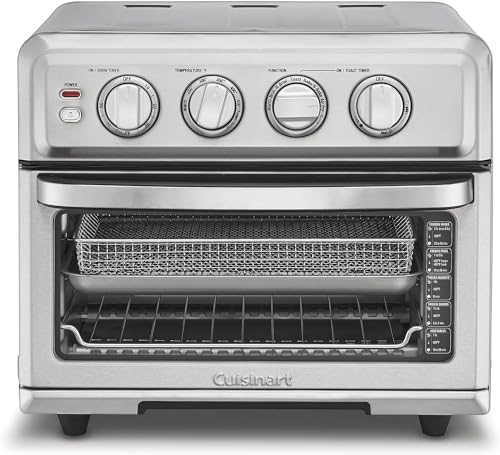
Best overall: Cuisinart Air Fryer Toaster Oven (TOA-70NAS) — precise heat and even convection.
Imagine you want to decarboxylate cannabis or hemp at home for DIY edibles, tinctures, or extracts, but your oven spikes in temperature and ruins the batch. I’ve been there: too hot, too fast, or too uneven, and you lose potency or flavor. A reliable toaster oven with accurate thermostat control, convection airflow, and a steady low-heat setting can solve that problem. I’ll walk you through my picks for the best toaster oven for decarboxylation, what to watch for, and who each model suits.
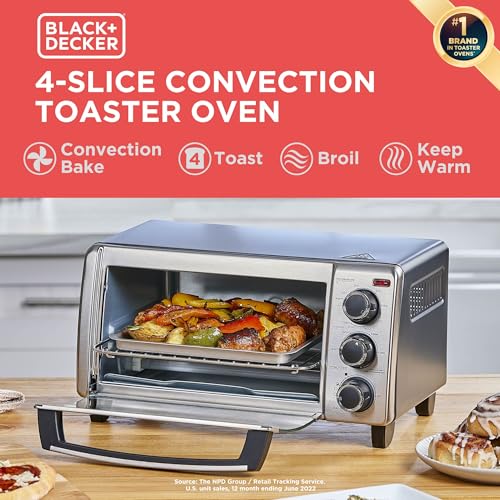
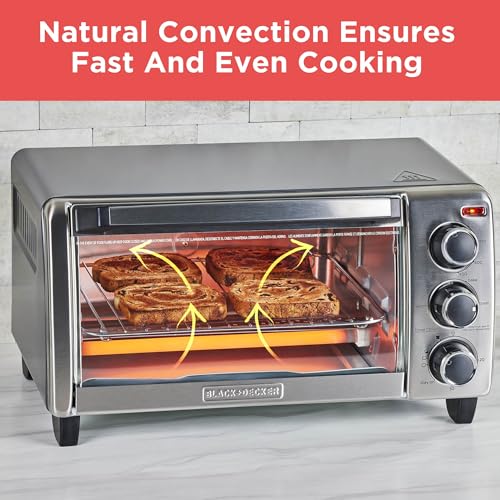
BLACK+DECKER Crisp ‘N Bake Air Fry Oven

I like the BLACK+DECKER Crisp ‘N Bake Air Fry because it gives steady convection airflow at low to moderate temps. For decarboxylation, consistent air circulation helps heat flower or trim evenly and reduces hot spots. The timer and 30-minute range suit short decarb sessions, and the fit for a 9” pizza tells you the internal space is usable for flat trays.
Temperature control on this model is straightforward. I use the convection mode at low temps and monitor with a probe thermometer. Its air fry function is not needed for decarb, but it shows the oven can maintain airflow without wild swings. Cleanup is easy, and the stainless steel finish resists staining.
Pros:
- Good convection airflow for even heat distribution
- Compact but roomy enough for half-sheet trays
- Simple controls that are easy to set for low-heat runs
- Affordable price for the feature set
- Removable crumb tray simplifies cleaning after decarb runs
Cons:
- Max timer only 30 minutes—longer decarb cycles need manual resets
- No precise digital temperature probe included
- The dial controls can be a bit imprecise for exact temps
My Recommendation
This BLACK+DECKER model is best if you want a budget-friendly convection toaster oven that still offers consistent heat for decarboxylation. I recommend it for hobbyists and small-batch users who monitor temperature with a separate probe. It’s great for those who value airflow over ultra-precise digital control and want a unit that doubles as an everyday countertop oven.
| Best for | Why |
|---|---|
| Budget conscious users | Solid convection at a low price |
| Small batches | Fits trays without wasting counter space |
| Beginners | Simple dials and easy cleanup |
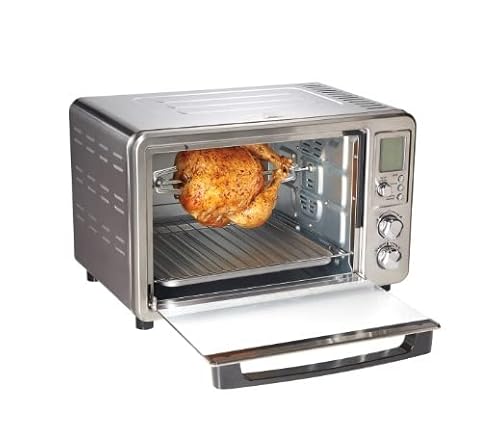
Hamilton Beach 2-in-1 Toaster Oven

The Hamilton Beach 2-in-1 combines a toaster oven and a long-slot toaster. I appreciate its long 60-minute timer for decarboxylation. When I set low temperatures for 30–60 minutes, this model runs quietly and steadily and allows me to leave the room with reasonable confidence. The shade selector is helpful if you want to use it for actual toasting afterward.
For decarboxylation, I rely on its even heat spread and long timer. It lacks powerful convection, so I recommend using a small fan inside your kitchen or rotating trays halfway through longer decarb sessions. Its stainless exterior stays cool to the touch and the interior cleans up well after use.
Pros:
- 60-minute timer ideal for longer decarb cycles
- Dual function adds flexibility for kitchen use
- Stable heat at low setting for gentle decarb
- Compact footprint fits tight counters
- Auto shutoff improves safety during unattended runs
Cons:
- No dedicated convection fan—less even than convection ovens
- Temperature markings can be coarse for precision decarb
- Longer cycles require occasional tray rotation
My Recommendation
I recommend the Hamilton Beach 2-in-1 for someone who wants a versatile countertop appliance that doubles as a decarboxylation tool. It’s best for users who prefer a long built-in timer and safety features. If you monitor with an external thermometer, this is a solid, budget-friendly path to stable decarb runs.
| Best for | Why |
|---|---|
| Users needing long timers | 60-minute timer supports many decarb recipes |
| Space-savers | Two-in-one design saves counter space |
| Casual users | Simple operation, good safety features |
BLACK+DECKER TO1313SBD Oven
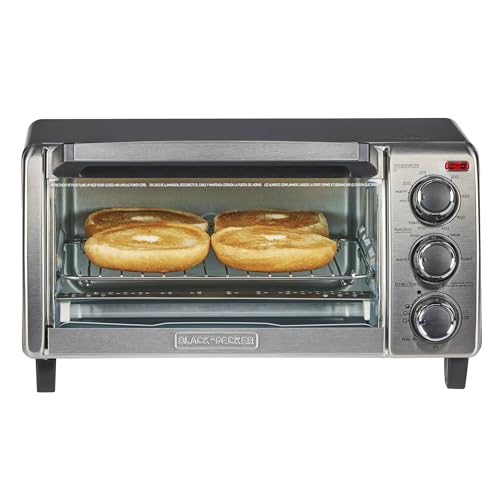
The BLACK+DECKER TO1313SBD is a reliable classic. I use it when I want dependable performance and simple controls for gentle heating. The interior is roomy enough for a quarter-sheet pan, which I prefer for even decarboxylation. Its non-stick crumb tray helps keep my workspace tidy after runs.
This model’s analog controls make it easy to set low heat and monitor without fuss. I recommend pairing it with a digital probe thermometer for the best temperature accuracy. It’s not a high-end precision unit, but its steady heat and simplicity make it a workhorse for regular decarb sessions.
Pros:
- Simple, dependable controls for steady low heat
- Roomy interior fits small trays for decarb batches
- Affordable and widely available replacement parts
- Non-stick interior aids easy cleanup
- Sturdy build that stands up to frequent use
Cons:
- Not true convection—may need tray rotation
- Analog temperature settings are less precise
- No digital timer for multi-hour unattended runs
My Recommendation
Choose the BLACK+DECKER TO1313SBD if you want a reliable, no-nonsense toaster oven for routine decarboxylation. I find it best for regular small-batch users who monitor temperatures with an external probe. It’s a solid pick when you want the best toaster oven for decarboxylation without spending on pro-level features.
| Best for | Why |
|---|---|
| Routine users | Dependable for frequent decarb sessions |
| Value shoppers | Good balance of features and price |
| Hands-on monitors | Works well with a separate probe |
Cuisinart Air Fryer Toaster Oven
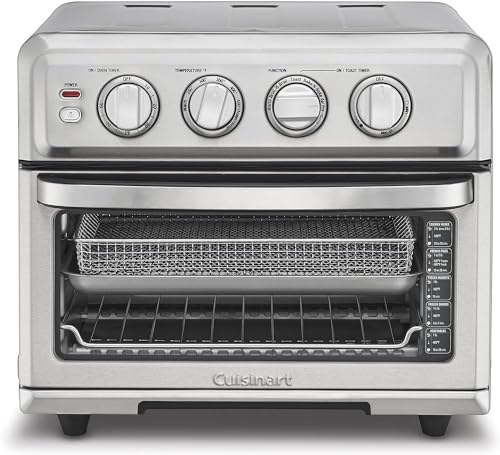
The Cuisinart Air Fryer Toaster Oven (TOA-70NAS) is my go-to for decarboxylation. It has precise temperature settings, a powerful convection fan, and a 60-minute timer that handles most decarb protocols. I use low convection heat to keep temps stable and even. The 1800W heating element brings heat up fast but stays steady at low setpoints.
This unit includes dedicated air fry and convection modes. For decarb, I use the convection mode and monitor with a probe inserted through the door crack. The digital controls are accurate enough for small temperature adjustments and the internal space fits trays comfortably. I consider this the best toaster oven for decarboxylation for home lab tasks.
Pros:
- Precise digital temperature control for accurate decarb
- Strong convection for even heating across trays
- Large interior that fits multiple trays for larger batches
- 60-minute timer and multiple cooking modes
- Durable build and easy-to-clean surfaces
Cons:
- Heavier and takes more counter space than compact models
- Higher price point than basic toaster ovens
- May require an external probe for perfect long-run accuracy
My Recommendation
I recommend the Cuisinart Air Fryer Toaster Oven if you want the best toaster oven for decarboxylation with precision and roomy capacity. I find it suits home labs, serious hobbyists, and those who make edible batches regularly. Its convection and digital control deliver consistent decarb results and reliable yield by preserving potency and terpene profile.
| Best for | Why |
|---|---|
| Serious hobbyists | Precise digital temps and strong convection |
| Larger batches | Roomy interior fits multiple trays |
| Heat-sensitive work | Stable low-temp performance preserves terpenes |
Cuisinart Custom Classic Oven

The Cuisinart Custom Classic TOB-40N is a classic workhorse. I like its reliable heating elements and consistent temperature for long, low-heat runs. The interior is non-stick and easy to clean. The manual controls are straightforward and durable, which I value for repeated decarboxylation sessions.
Though it lacks advanced convection, its even heat works well when I rotate trays halfway through the cycle. The consistent element spacing helps avoid hot spots. For users who want dependable performance without digital bells, this Cuisinart is a favorite. It pairs nicely with a probe for exact temperature tracking.
Pros:
- Reliable, even heat distribution for long decarb runs
- Non-stick interior simplifies cleaning
- Durable knobs and mechanical controls
- Large enough for medium trays and pans
- Sturdy construction for frequent use
Cons:
- No built-in convection—may need manual tray rotation
- Less precise than modern digital ovens
- Heavier and bulkier than compact units
My Recommendation
I suggest the Cuisinart Custom Classic if you want a dependable unit that delivers steady heat for decarboxylation without complicated features. I find it best for users who value durability and a simple interface. Paired with a digital probe, this model gives repeatable decarb results and good value.
| Best for | Why |
|---|---|
| Durability seekers | Sturdy build and long-lasting controls |
| Simple workflows | No-frills operation is easy to master |
| Moderate batches | Roomy interior fits standard trays |
Breville BOV450XL Mini Oven
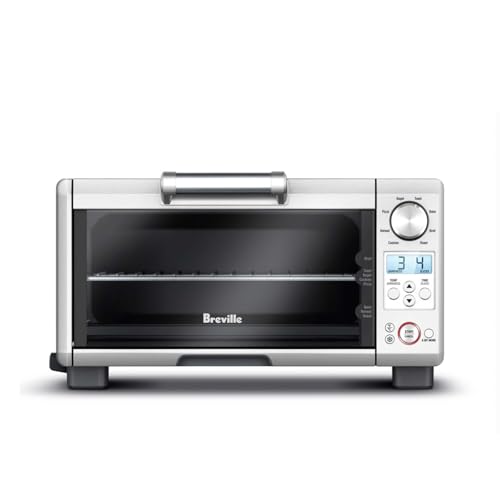
The Breville BOV450XL Mini is a compact precision machine. I use it when I need accurate temperature control for small decarb batches. Its compact size heats quickly and holds low temperatures well. The mini oven fits tighter counters but still accepts small trays for lab-scale decarboxylation.
It offers good element control and reasonable airflow for even heating. I pair it with a probe thermometer and run tests to map internal temperature vs. dial setting. For single-dose or small sample decarb work, the Breville unit gives repeatable results and saves energy compared with larger ovens.
Pros:
- Compact size ideal for small-batch decarb
- Fast heat-up time with good low-temp stability
- Accurate element control for consistent runs
- Well-built and easy to clean
- Saves energy on short decarb cycles
Cons:
- Small interior limits batch size
- Not ideal for large trays or multiple racks
- Higher cost per cubic inch of space
My Recommendation
The Breville BOV450XL Mini is best for lab-style users who decarb small samples or single-batch edibles. I recommend it for precision and energy efficiency. If you need a compact oven that can deliver consistent low-heat performance, this Breville strikes a strong balance and is an excellent pick for the best toaster oven for decarboxylation when space and sample size are limited.
| Best for | Why |
|---|---|
| Small-batch makers | Compact, accurate, and energy-efficient |
| Lab-style testing | Consistent heat control for repeat tests |
| Minimal counter space | Tight footprint fits small kitchens |
FAQs Of best toaster oven for decarboxylation
What temperature and time should I use for decarboxylation?
I usually recommend 220°F to 245°F (about 105°C–118°C) for 30–60 minutes depending on moisture and desired activation. Lower temps preserve terpenes; higher temps shorten time. Use a digital probe to confirm internal tray temps for consistent results when using the best toaster oven for decarboxylation.
Can I decarboxylate in any toaster oven?
Technically yes, but not all ovens maintain steady low heat. The best toaster oven for decarboxylation has stable temperature control, good airflow, and enough space for a thin, even layer of material. Without those, you risk uneven decarb and loss of potency or flavor.
Do I need a convection setting for decarboxylation?
Convection helps with even heat distribution and reduces hot spots, so it’s beneficial. Many of the best toaster oven for decarboxylation picks include convection, but you can still decarb successfully without it if you rotate trays and monitor with a probe.
How do I avoid smell and smoke during decarb?
Keep temperatures low, use a covered baking tray or glass dish, and ventilate the kitchen. A low-temp run in the best toaster oven for decarboxylation with a lid or foil reduces odor while protecting terpenes. Avoid overheating, which causes smoke.
Is it safe to decarboxylate in a kitchen oven?
Yes, if you follow safety: use low temps, avoid unattended long runs, and keep flammable items away. The best toaster oven for decarboxylation has auto shutoff and stable thermostats, which adds safety. Always monitor with a thermometer and follow local laws.
Final Verdict: Which Should You Buy?
If you want the best toaster oven for decarboxylation with precise control and strong convection, I recommend the Cuisinart Air Fryer Toaster Oven (TOA-70NAS). It gives the most consistent low-temp performance and roomy interior for reliable batches.
For tight counters or small samples, the Breville BOV450XL Mini is my pick. For budget and simplicity, the BLACK+DECKER and Hamilton Beach models deliver solid decarb performance when paired with a separate probe.