How To Clean A Meat Thermometer: Quick Safe Steps
Clean your meat thermometer after each use with warm soapy water, then sanitize with alcohol.
I’ve cleaned hundreds of thermometers in home and professional kitchens, so I know what works. This guide shows exactly how to clean a meat thermometer safely, step by step. You’ll learn quick daily care, deep sanitizing for cross-contamination, and tips to keep probes accurate for years. Read on for easy, tested methods that protect food safety and extend your tool’s life.

Why cleaning matters for food safety and accuracy
A clean meat thermometer prevents cross-contamination and foodborne illness. Raw meat juices can harbor bacteria. If you don’t clean the probe, those germs can move to cooked food or other surfaces.
Cleaning also keeps readings accurate. Gunk or residue on the probe can insulate the sensor. A wrong reading risks undercooked meat or overcooking. Knowing how to clean a meat thermometer well protects taste, health, and your cooking results.
I’ve seen grills and ovens where a quick wipe would have avoided a ruined roast. Small habits matter. Clean tools mean safer, tastier meals.

Types of meat thermometers and how cleaning differs
Digital probe thermometers
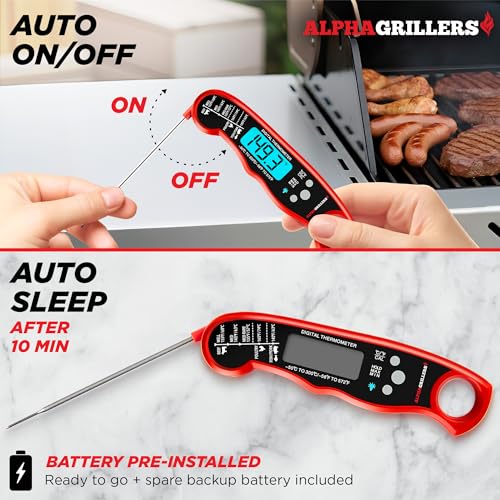
- These have a metal probe and a digital head. Wipe the probe and avoid soaking the head unless it is waterproof.
Instant-read thermometers
- Fast reads from thin probes. Clean the probe after each use, and avoid harsh scrubbing that bends the tip.
Dial (analog) thermometers
- These often have a glass or metal stem. Wipe the stem and never submerge the dial unless labeled waterproof.
Leave-in oven probes
- These can stay in the meat while cooking. Clean the probe and the cable, and follow the manufacturer’s advice for the connector.
Knowing which type you own makes learning how to clean a meat thermometer safer. Always check the manual for waterproof ratings and cleaning limits. I learned this the hard way when an older dial thermometer stopped working after being soaked.

Step-by-step daily cleaning guide
- Rinse off large debris
- Hold the probe under warm running water for a few seconds. This removes loose juices and crumbs.
- Wash with warm soapy water
- Use a soft cloth or sponge and mild dish soap. Clean the probe from handle to tip.
- Rinse and dry
- Rinse under warm water. Dry with a clean towel or let air dry on a rack.
- Sanitize the probe
- Wipe the probe with 70% isopropyl alcohol or a food-safe sanitizing wipe. Let it air dry for contact time.
- Store safely
- Place the thermometer in a clean case or drawer. Avoid tossing it loose where the probe can bend.
Follow these steps each time you use the tool. Doing them is the simplest way to keep accuracy and reduce risk. I keep a small bottle of rubbing alcohol near my prep station for fast sanitizing between uses.

Deep cleaning and sanitizing for cross-contamination
When the probe touches raw poultry or ground meat, do a deep clean.
- Boiling the probe
- If your thermometer’s probe is rated for immersion, dip the metal probe in boiling water for one minute. Check the manual first.
- Bleach solution
* Mix 1 tablespoon of unscented bleach with 1 quart of water. Wipe the probe and let air dry. Use this sparingly and only when needed. - Vinegar or hydrogen peroxide
- For mild sanitizing, wipe with vinegar or 3% hydrogen peroxide. These are less harsh than bleach and safe for metal probes.
- Replace probe covers
- If your thermometer uses disposable probe covers, change them after contact with raw meat.
Deep cleaning is vital after major cross-contamination risks. I once skipped a full sanitize after raw chicken and had to discard a salad because I didn’t want to risk it. Don’t repeat that mistake.

Maintenance, calibration, and storage tips
Calibrate regularly
- Test accuracy in ice water (32°F) or boiling water (212°F adjusted for altitude). If readings are off, follow the manufacturer’s calibration steps.
Protect the probe - Avoid dropping the thermometer. A bent tip can change readings. Use a protective sheath when storing.
Battery care - Replace batteries before long cooking sessions. A low battery can give delayed or wrong readings.
Store dry and clean - Keep the thermometer in a protective case away from heat and moisture. Do not store in sauce pans or hot ovens.
Proper maintenance helps your thermometer last. I calibrate mine monthly and always store it in a small box to prevent damage. It’s a small habit that saves money and keeps food safe.

Common mistakes and troubleshooting
Cleaning with harsh abrasives
- Avoid steel wool or hard brushes. They scratch sensors and damage coatings.
Soaking non-waterproof heads - Never submerge a non-waterproof digital head. Moisture can ruin electronics.
Skipping calibration - A dirty probe can hide a sensor issue. Clean first, then calibrate if readings seem off.
Using household cleaners without rinsing - Strong cleaners can leave residues. Rinse thoroughly after using bleach or vinegar.
If your thermometer still reads wrong after cleaning and calibration, it may need repair or replacement. I’ve replaced a couple over the years when sensor drift made them unreliable.
Common quick questions (PAA-style)
Can I put my meat thermometer in the dishwasher?
Most probes are dishwasher-safe, but many digital heads are not. Check the manual; when in doubt, wash the probe by hand.
Is rubbing alcohol safe for the probe?
Yes. Wiping the metal probe with 70% isopropyl alcohol is an effective sanitizer and dries fast. Avoid getting alcohol into electronic parts.
How often should I disinfect the probe?
Disinfect after contact with raw meat and when switching between different foods. For heavy use, sanitize between every use.
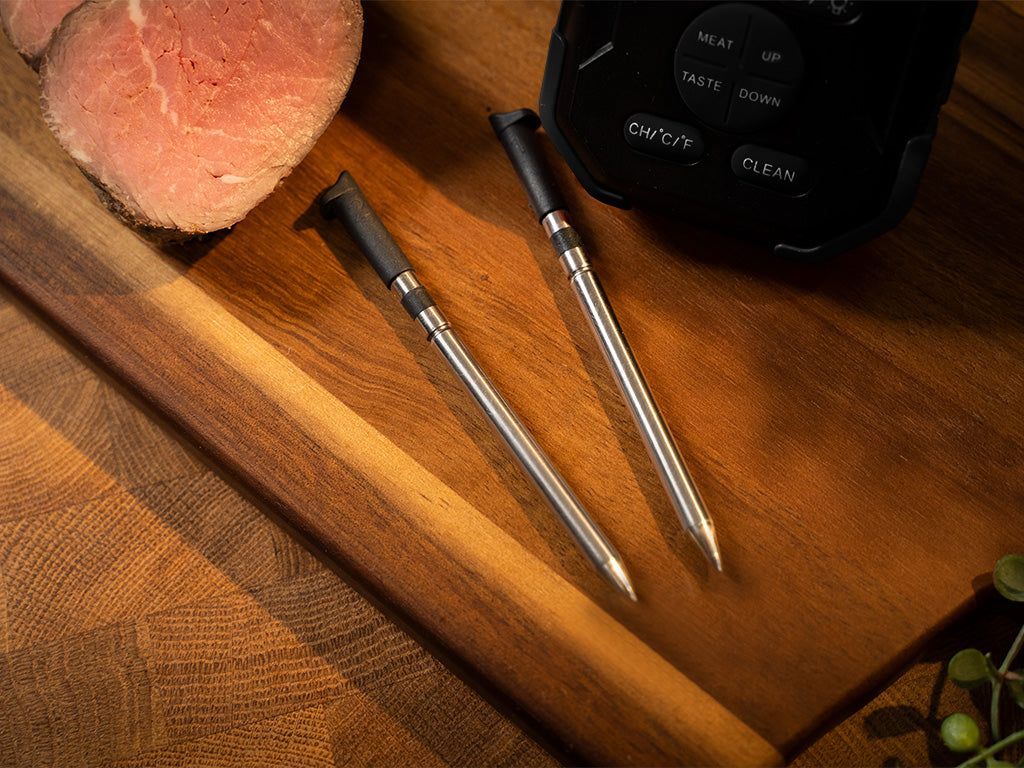
Frequently Asked Questions of How to clean a meat thermometer
How do I clean a digital meat thermometer probe?
Rinse, wash with warm soapy water, and wipe with 70% isopropyl alcohol. Avoid submerging the digital head unless it’s waterproof.
Can I use bleach to clean my meat thermometer?
Yes, a diluted bleach solution is effective for deep sanitizing. Rinse well and let the probe air dry before use.
How do I sanitize a thermometer after raw chicken?
Wash with soap and water, then wipe with alcohol or a sanitizing solution. Replace or sanitize any probe covers.
Will boiling damage my meat thermometer?
Boiling is safe for fully waterproof probes. Non-waterproof models can be damaged by immersion, so check the rating first.
How do I know when my thermometer needs replacement?
Replace if calibration fails, the probe is bent, or the display malfunctions. Persistent inaccuracy is a clear sign to replace it.
Conclusion
Cleaning a meat thermometer is quick work that keeps food safe and your cooking precise. Follow simple daily steps: rinse, wash, sanitize, and store. Do deep cleaning after raw meat contact, calibrate regularly, and protect the probe from damage. Start cleaning every time you use it and make a habit of sanitizing between foods. Try these tips at your next cookout, and comment below with your favorite cleaning trick or question—you might help someone else cook safer.