
Why Preheat An Air Fryer: Benefits And Best Tips
Preheating an air fryer heats the cooking chamber first, helping food cook faster, crisp better, and brown more evenly.
If you have ever found soggy fries, pale chicken, or uneven roasted vegetables in your air fryer, the missing step may be preheating. Understanding why preheat an air fryer can improve texture, timing, and cooking results without adding much effort. This guide explains when to preheat, how long it takes, when you can skip it, and how to avoid common mistakes.
Why preheat an air fryer?
The main reason to preheat an air fryer is to bring the cooking basket and chamber to the target temperature before the food goes in. This gives the food an instant burst of hot air instead of making it warm up while the air fryer heats.
Air fryers cook by moving hot air around food at high speed. This hot air removes moisture from the surface and helps create a crisp, browned outside. If the air fryer starts cold, the food may spend several minutes warming up before true air frying begins.
Preheating can help with:
• Faster cooking once the food is added
• More even browning
• Crispier breading and potato surfaces
• Better texture for frozen foods
• More accurate cooking times
• Less risk of pale or soft results
Think of preheating like warming a skillet before adding pancakes. A cold pan can still cook the batter, but the first pancake may not brown or set as well as the next one.

How preheating improves air fryer cooking
Preheating affects more than the temperature shown on the display. It changes how heat reaches the food during the first few minutes of cooking.
It starts the crisping process sooner
Crisping depends on surface moisture leaving the food. A hot cooking chamber allows this process to begin right away. This matters most for foods such as fries, chicken tenders, onion rings, and breaded vegetables.
When food enters a cold air fryer, it may release moisture before the chamber becomes hot enough to crisp it. That moisture can create steam. Steam softens the coating instead of helping it turn crunchy.
It supports even browning
A preheated basket gives the food a more stable cooking environment. The outside begins browning at a similar time across the batch, especially when the food is spread in one layer.
This does not guarantee perfect results. Overcrowding can still block airflow, and thick foods may brown outside before they finish inside. Preheating works best with proper spacing and the right cooking temperature.
It makes cooking times more reliable
Recipe times often assume that the appliance has reached the listed temperature. If a recipe says to cook chicken wings at 400°F for 20 minutes, placing the wings into a cold basket may add extra heating time.
That difference can lead to undercooked food or uneven texture. For food safety, always check the thickest part with a food thermometer rather than trusting time alone. Poultry should reach 165°F internally, based on widely used food safety guidance.
It helps frozen food taste more like fried food
Frozen snacks are often designed for a hot cooking surface and strong airflow. A preheated air fryer helps remove the ice and moisture on the outside more quickly.
This can produce a better crust on frozen fries, mozzarella sticks, fish sticks, and hash brown patties. Watch these foods closely, because thin coatings can burn if the temperature is too high or the cooking time is too long.

How long should you preheat an air fryer?
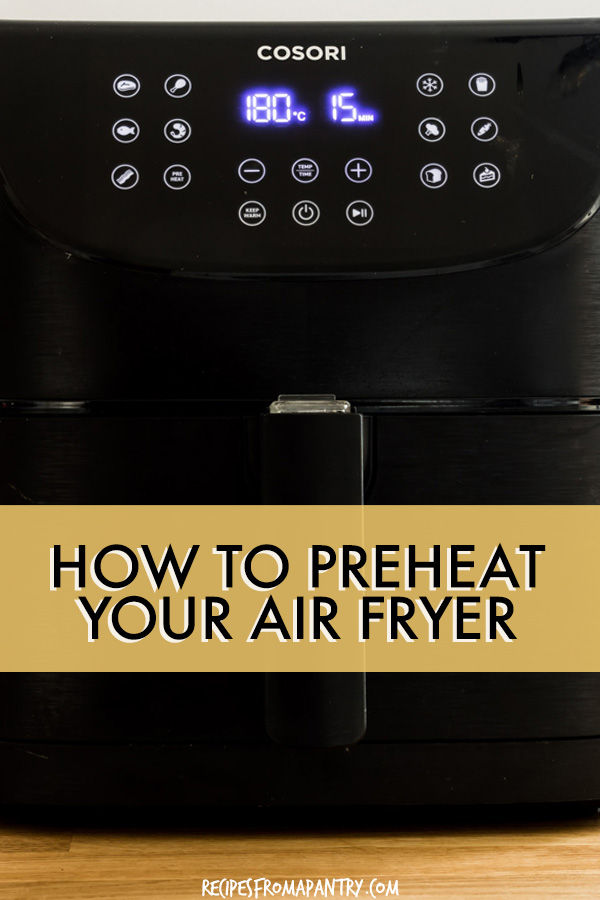
Most air fryers need about 3 to 5 minutes to preheat. Larger models, toaster oven style air fryers, and appliances with a heavy metal basket may need closer to 5 to 10 minutes.
The exact time depends on several factors:
• The air fryer size
• The starting room temperature
• The selected cooking temperature
• The basket material
• Whether the appliance has a preheat setting
• How full the cooking chamber is
For a simple routine, set the air fryer to the recipe temperature and let it run empty for 3 minutes. If the recipe uses 400°F or higher, 3 to 5 minutes is often enough for a small basket model.
Do not assume every appliance heats at the same speed. Some models use a strong heating element and reach temperature quickly. Others cycle the element on and off, so the display may show the target temperature before the basket itself feels fully hot.
A practical preheating guide
• 300°F to 350°F: Preheat for about 2 to 3 minutes
• 375°F to 400°F: Preheat for about 3 to 5 minutes
• 425°F or higher: Preheat for about 4 to 6 minutes, while watching food closely
These are starting points, not strict rules. Your air fryer manual should take priority because designs vary.
What happens if you do not preheat an air fryer?
Nothing dangerous happens in most cases if you skip preheating, but the food may cook differently. It may need more time, and the outside may not become as crisp.
The effect depends on the food. A small batch of vegetables may turn out well without preheating, while frozen fries or breaded chicken may lose their crunch.
You may notice:
• Longer total cooking time
• Softer coatings
• Uneven browning
• Pale surfaces
• More moisture around the food
• A difference between the first and later batches
Skipping preheating is also more noticeable when cooking in several batches. The first batch starts in a cold chamber, while the next batch goes into an already hot one. As a result, the batches may have different textures even when you use the same settings.
A useful lesson from everyday air fryer cooking is to judge the food, not just the clock. If the outside looks pale after the recipe time, add a few minutes and check again. If the outside is dark but the center is not done, lower the temperature and continue cooking.

Which foods benefit most from preheating?
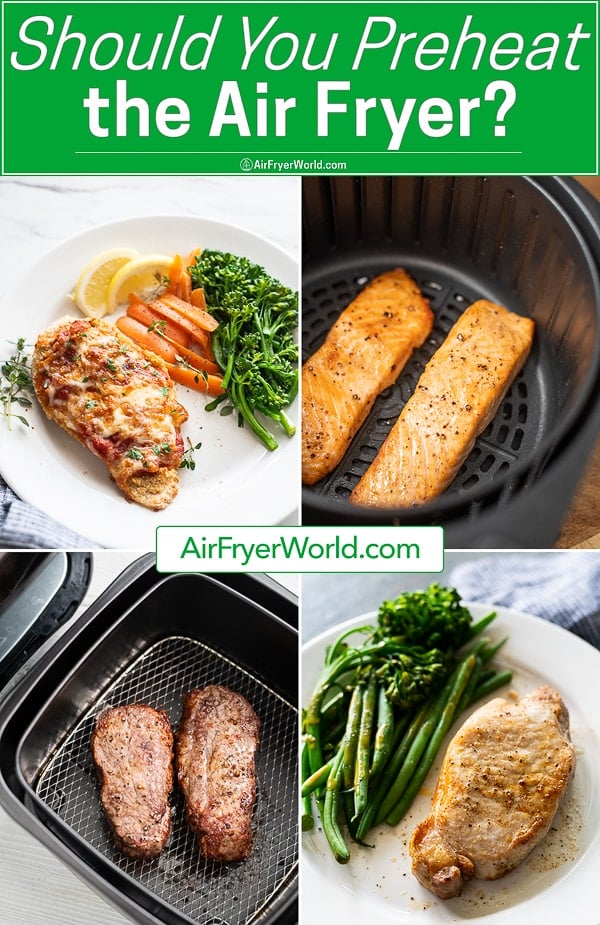
Preheating is most useful when you want a crisp outside, quick cooking, or strong browning. It is especially helpful for foods that have a coating or a high surface moisture level.
Foods that usually benefit
• French fries and sweet potato fries
• Chicken wings and chicken tenders
• Breaded fish and shrimp
• Mozzarella sticks
• Onion rings
• Hash brown patties
• Pizza slices
• Spring rolls and egg rolls
• Biscuits and small pastries
• Thin cuts of steak or pork
For these foods, why preheat an air fryer comes down to texture. A hot start helps the outside firm up before moisture has time to soften it.
Preheating can also help with reheating pizza and baked foods. The hot air warms the surface quickly and can bring back some crispness without making the food as soggy as a microwave often does.
However, preheating is not a cure for poor preparation. Wet batter may drip through the basket, excessive oil can smoke, and a crowded basket will still produce soft food. Use a light coating of oil when appropriate, keep pieces separate, and turn food when the recipe calls for it.
When can you skip preheating?
You can often skip preheating for foods that cook slowly, do not need a crisp crust, or are easily overbrowned. The difference may be small for moist foods and simple reheating tasks.
You may not need to preheat for:
• Dense vegetables such as carrots or potatoes
• Large pieces of meat that need gradual cooking
• Foods covered with foil or a baking dish
• Small portions of leftovers
• Dehydrating fruit or herbs
• Recipes written specifically for a cold start
Some air fryer recipes are tested without preheating. In those cases, follow the recipe method instead of adding an extra step automatically.
Skipping preheating may also save a small amount of energy and reduce the time the appliance runs. The exact savings depend on the model and cooking time. A short preheat is usually not a major energy cost, but it is reasonable to avoid it when it will not improve the result.
How to preheat an air fryer correctly
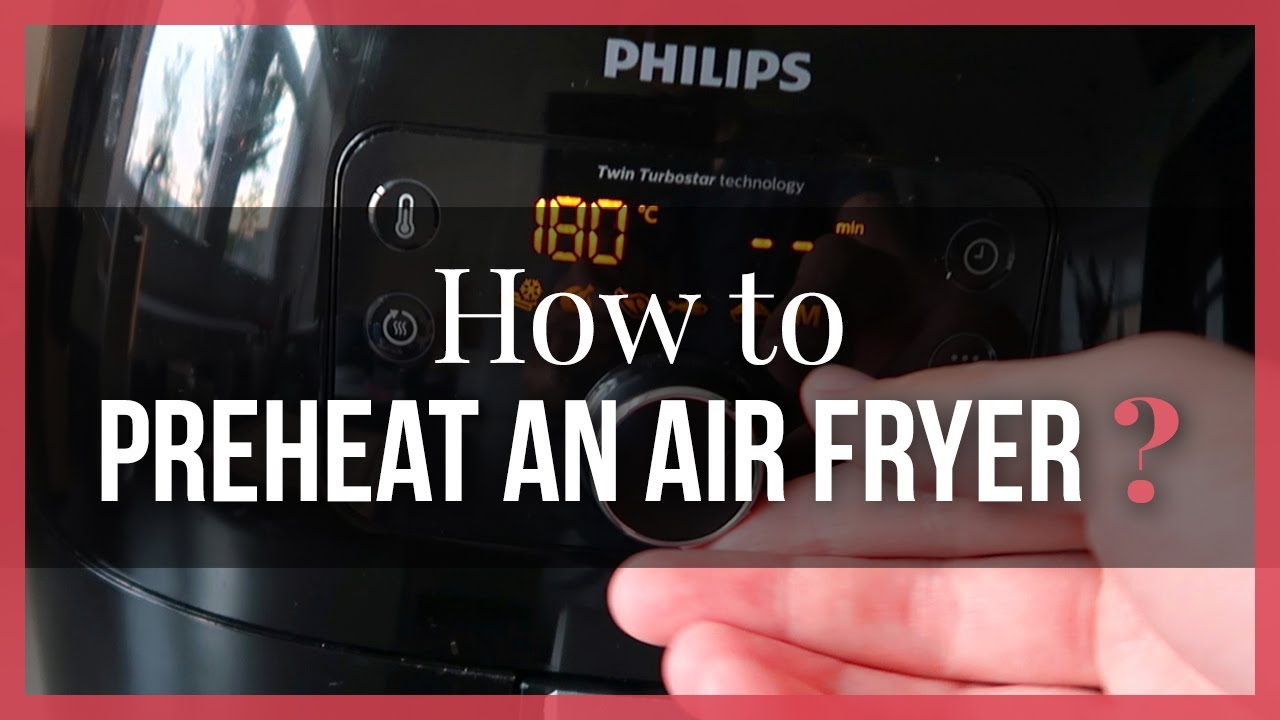
Preheating an air fryer is simple, but a few details make the process safer and more effective.
-
Place the air fryer on a stable, heat-safe surface with open space around the vents.
-
Insert the clean basket or cooking tray.
-
Set the temperature required by the recipe.
-
Run the air fryer empty for about 3 to 5 minutes.
-
Add the food carefully, using tongs or heat-safe tools if the basket is hot.
-
Start the cooking timer once the food is inside.
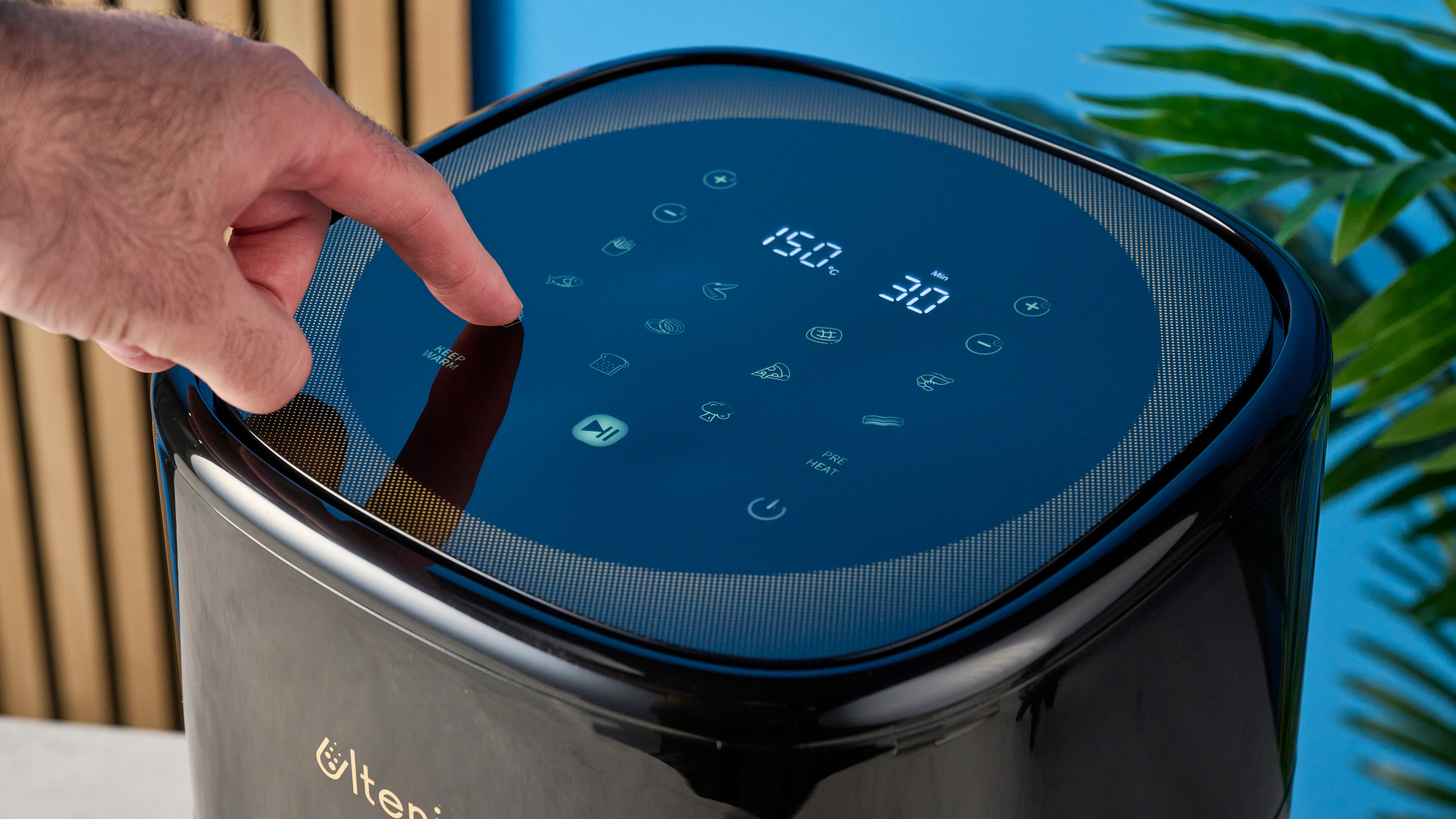
Some air fryers have a dedicated preheat button. Others beep when they reach the selected temperature. If your model does not show a preheat alert, use a kitchen timer.
Do not add parchment paper during preheating unless it is held down by food and the manual says it is safe. Loose parchment can lift into the heating element and burn. The same warning applies to lightweight foil.
You usually do not need to spray oil inside the empty basket. Aerosol cooking sprays may damage some nonstick coatings, and oil near a heating element can create smoke. If oil is needed, lightly coat the food instead.
Common air fryer preheating mistakes
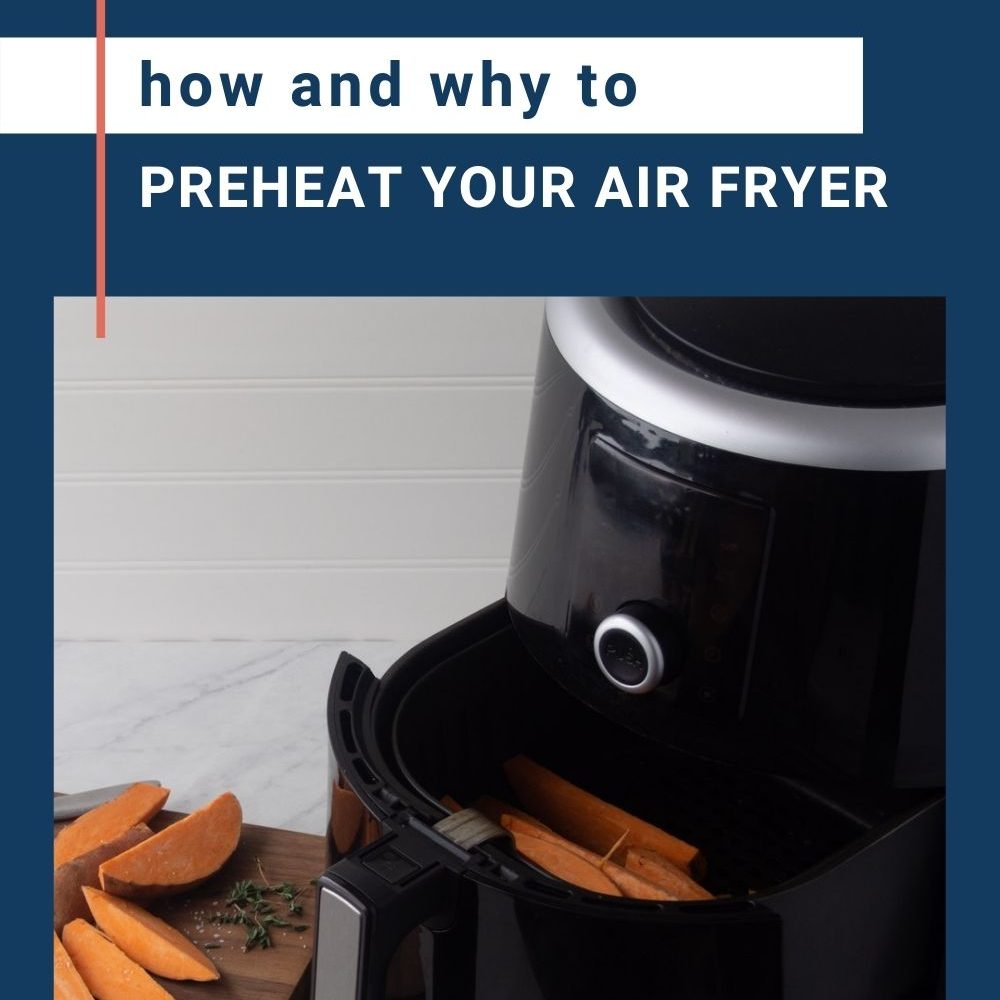
Knowing why preheat an air fryer is useful, but using the step incorrectly can reduce its benefits.
Preheating for too long
A 15 minute empty preheat is rarely needed. It wastes time, uses extra energy, and can make the basket extremely hot. A short preheat is enough for most home cooking.
Filling the basket too much
Hot air needs room to move. If food is piled high, the top may brown while the bottom stays soft. Cook in batches when needed.
Adding food before the air fryer is hot
This is the most common mistake. If the recipe assumes a preheated appliance, begin the cooking time after the air fryer reaches the target temperature.
Trusting the display without checking food
The display shows the appliance setting, not the internal temperature of the food. Thick chicken, pork, and fish should be checked with a food thermometer.
Using the same time for every model
A compact air fryer and a large oven style model may cook at different speeds. Start checking food a few minutes early when using a new appliance.
Forgetting the basket can be hot
A preheated basket may cause food to brown quickly. Use care when adding food, and keep hands away from hot surfaces and escaping steam.

Does preheating use more electricity?
Yes, preheating uses some electricity because the heating element and fan run before cooking begins. However, the amount is usually modest because air fryers heat a small chamber and preheating often takes only a few minutes.
The real energy use depends on the appliance wattage, cooking time, temperature, and number of batches. A short preheat may be worthwhile if it prevents extra cooking time or helps food finish in one batch.
For efficient cooking:
• Preheat only when it improves the recipe
• Avoid running the air fryer empty longer than needed
• Cook a properly sized batch
• Keep the basket clean so air can circulate
• Turn off the appliance when cooking is complete
Energy savings should not come at the cost of food safety. For meat and poultry, use temperature checks even if you skip preheating.
Preheating versus warming up while cooking
Preheating means heating the empty cooking chamber before adding food. Warming up while cooking means putting food in immediately and allowing the air fryer to heat around it.
Both methods can cook food, but they produce different results. Preheating is more like placing food on a hot grill. Starting cold is more like placing food in a pan before the burner is fully warm.
Preheating usually works better for:
• Crisp coatings
• Thin foods
• Frozen snacks
• Foods that need quick browning
A cold start may work better for:
• Thick foods
• Gentle reheating
• Moist vegetables
• Long cooking tasks
• Recipes that specify no preheat
The best choice depends on the result you want. If texture matters, preheat. If you are simply warming food and want to avoid an extra step, a cold start may be fine.
Frequently asked questions about why preheat an air fryer
Do all air fryers need to be preheated?
No, not all air fryers need preheating for every recipe. Many foods cook well from a cold start, but preheating often improves crispness, browning, and timing.
How long does it take to preheat an air fryer?
Most air fryers take about 3 to 5 minutes. Larger models may need 5 to 10 minutes, so check the appliance manual for the most accurate guidance.
Can I put food in while the air fryer is preheating?
It is usually better to wait unless the recipe gives cold start instructions. Adding food early changes the cooking time and may lead to softer or less even results.
Is preheating an air fryer safe?
Yes, preheating is generally safe when you follow the manufacturer’s instructions. Keep the appliance on a clear, heat-safe surface, and do not let loose parchment or foil touch the heating element.
Does preheating make food crispier?
Often, yes. A hot chamber helps moisture leave the food sooner, which can improve crispness and browning, especially for fries, wings, and breaded foods.
Can I preheat an air fryer with oil inside?
Avoid adding oil to an empty basket unless the manual specifically allows it. Lightly coat the food instead, and never use more oil than the recipe needs.
Should I preheat for frozen foods?
Preheating is often helpful for frozen fries, snacks, and breaded foods. It gives them a hot start and can reduce the chance of a soft coating.
Conclusion
Preheating an air fryer gives food a hot, steady start. It can improve crispness, browning, cooking time, and consistency, especially for frozen foods, fries, wings, and breaded recipes.
You do not need to preheat every time. For moist foods, slow cooking, or recipes designed for a cold start, skipping it may work well. When in doubt, preheat for 3 to 5 minutes, avoid overcrowding, and check meat with a thermometer.
Try both methods with a favorite recipe and compare the texture. Once you learn how your air fryer behaves, you can choose the method that saves time and gives you the best results. Share your best air fryer tips or explore more practical cooking guides for better meals at home.


7 Comments