How To Clean An Air Fryer Without Taking It Apart: Easy Tips
Clean an air fryer without taking it apart by unplugging it, wiping the unit, and washing only its removable parts.
Learning how to clean an air fryer without taking it apart helps remove grease, crumbs, and food smells without risking damage to the heating system. This guide explains safe cleaning steps, helpful tools, common mistakes, and simple habits that keep your air fryer fresh and ready to use.
What You Need to Clean an Air Fryer
You do not need special equipment to clean an air fryer without taking it apart. Most kitchens already have the basic tools needed for safe, gentle cleaning.
Gather these items before you begin:
• A soft sponge or microfiber cloth
• Mild dish soap
• Warm water
• A soft-bristled toothbrush or small cleaning brush
• A wooden toothpick or cotton swab
• Baking soda for stuck-on grease
• A dry towel
• A nonabrasive dish brush
Avoid steel wool, rough scouring pads, oven cleaner, bleach, and strong degreasers. These products can scratch the basket, damage the nonstick coating, or leave unsafe chemical residue.
Always check your air fryer’s manual first. Some baskets and trays are dishwasher-safe, while others should only be washed by hand.
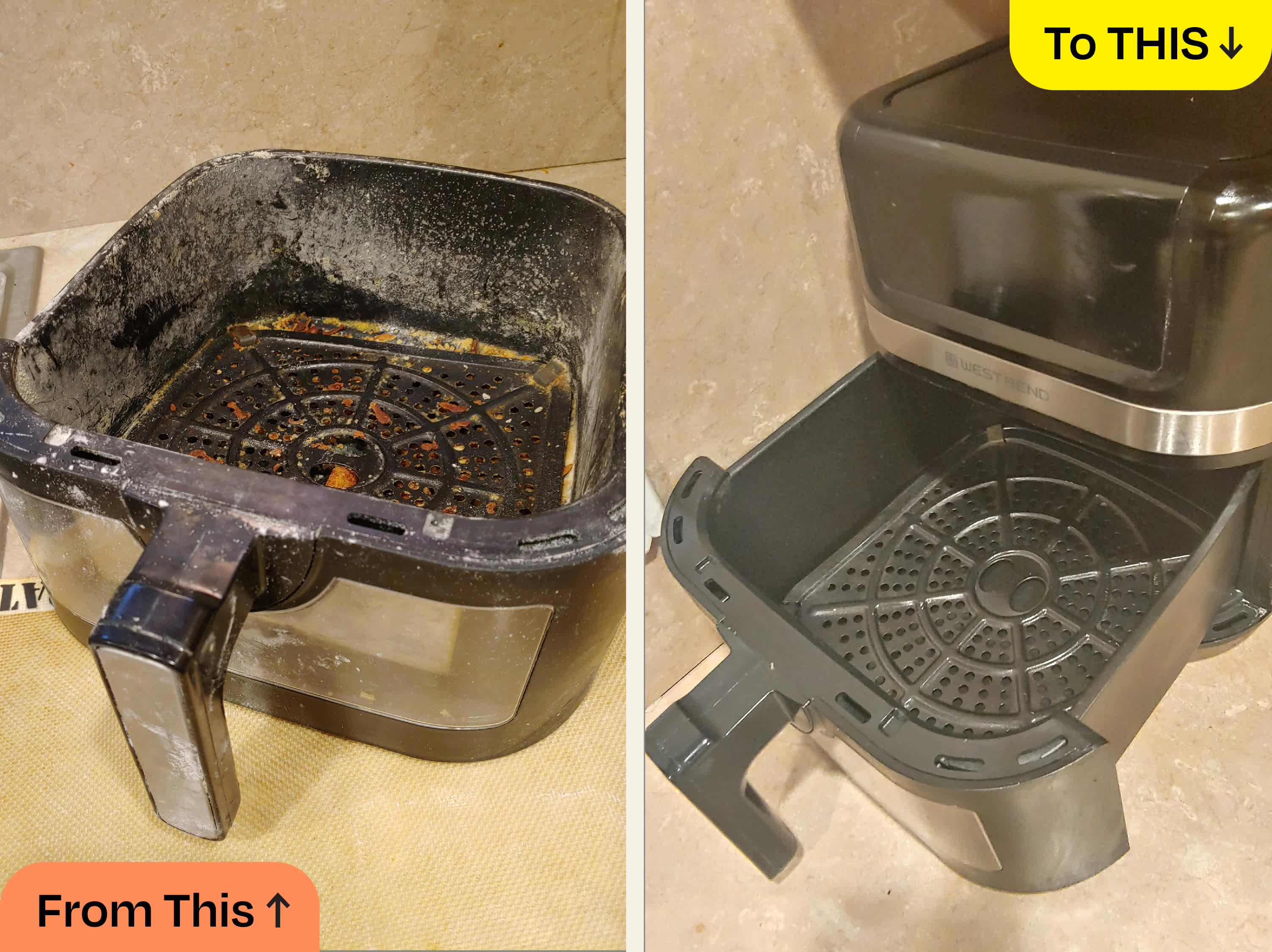
How to Clean an Air Fryer Without Taking It Apart
The safest method is simple: clean the removable cooking parts separately, then wipe the main unit in place. Never open the housing or remove the heating assembly unless a qualified technician gives you specific instructions.
1. Unplug the Air Fryer and Let It Cool
Unplug the air fryer from the wall before cleaning. If you recently used it, wait until the basket, tray, and interior feel cool to the touch.
This step prevents burns and reduces the risk of electrical shock. It also protects the appliance from damage caused by wiping hot surfaces with a wet cloth.
2. Remove the Basket and Cooking Tray
Take out the basket, crisper plate, or cooking tray if your model has one. Shake loose crumbs into the trash or compost bin before adding water.
Do not force any part that feels stuck. A small amount of cooled grease may hold the tray in place, so use gentle pressure and follow the removal instructions in the manual.
3. Soak the Removable Parts
Place the basket and tray in a sink or basin filled with warm water and a small amount of mild dish soap. Let them soak for 10 to 15 minutes.
Soaking softens cooked-on oil and food particles. It is usually more effective and safer than scrubbing hard, which may wear down the nonstick surface.
If your manual says the parts are dishwasher-safe, you may use the dishwasher. However, repeated high-heat cycles can shorten the life of some nonstick coatings, so hand washing is often the gentler option.
4. Scrub Away Food and Grease
Use a soft sponge or nonabrasive brush to clean the basket and tray. Pay close attention to corners, holes, grooves, and the area beneath the crisper plate.
For stubborn residue, make a loose paste with baking soda and a little water. Apply it to the spot, wait 10 minutes, and wipe it away with a soft sponge.
Do not scrape stuck food with a knife or metal utensil. A wooden toothpick can help clear small holes, but use a light touch to avoid bending the basket or scratching its coating.
5. Wipe the Interior
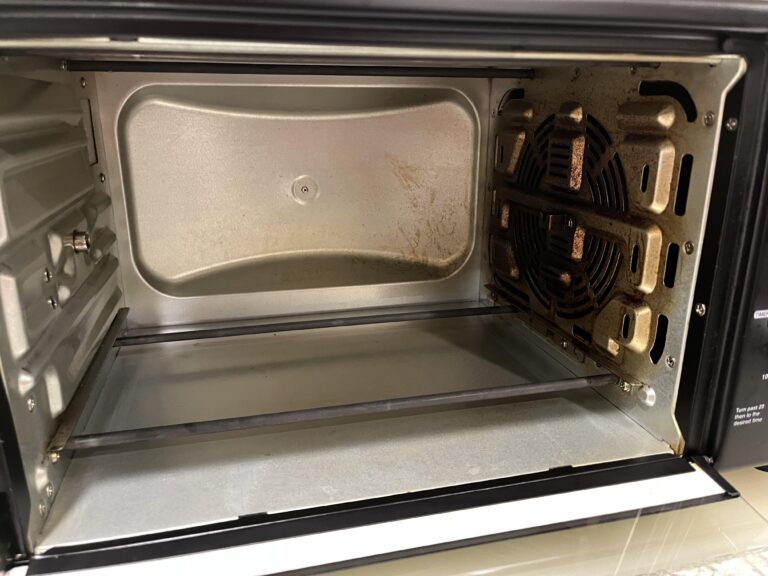
With the basket removed, inspect the inside of the air fryer. Use a slightly damp microfiber cloth to wipe the walls and floor of the cooking chamber.
Do not pour water into the interior. Keep moisture away from the fan, heating element, control panel, and electrical openings.
A soft toothbrush works well around seams and narrow edges. If grease feels sticky, add one drop of dish soap to the damp cloth, then wipe the area again with a clean, damp cloth.
6. Clean the Heating Element Carefully
Turn the appliance upside down only if the manufacturer’s instructions allow it and you can do so safely. Otherwise, leave it upright and reach the heating element with a dry or barely damp cloth.
Never spray cleaner directly onto the heating element. Do not soak it or use a wet brush that could drip into the appliance.
Light grease can often be wiped away once the element is completely cool. For dry crumbs, use a soft brush. If heavy grease has built up on the element, stop and consult the manual rather than forcing the cleaning process.
7. Clean the Outside and Control Panel
Wipe the outside of the air fryer with a damp microfiber cloth. Use a second dry cloth to remove moisture and fingerprints.
For touchscreens and buttons, use very little water. Do not spray liquid onto the control panel because it can seep into the electronics.
Clean the handle, basket release button, and vents with a dry cloth or cotton swab. Keep the air vents clear, but never push a wet tool deep into them.
8. Rinse and Dry Every Removable Part
Rinse the basket and tray well so no soap remains. Dry them with a clean towel, then let them air-dry fully before putting them back.
Moisture trapped under a crisper plate can create odors and may encourage residue to build up. The air fryer should be completely dry before you plug it in again.
9. Reassemble Without Opening the Housing
Put the dry basket and tray back into their normal positions. You have now cleaned an air fryer without taking it apart or disturbing its internal wiring.
Do not remove screws, pry open the shell, or detach the fan and heating assembly for routine cleaning. Internal repairs and deep electrical cleaning should be handled by a qualified service professional.

How to Remove Stubborn Grease and Burnt Food
Some grease needs more than a quick wipe. The key is to soften it before scrubbing.
Try this process:
- Remove the basket and tray after the air fryer has cooled.
- Soak both parts in warm, soapy water for 15 minutes.
- Apply a baking soda and water paste to stubborn spots.
- Wait 10 to 15 minutes.
- Scrub gently with a soft brush.
- Rinse well and dry completely.
Do not mix baking soda with bleach or commercial cleaners. Also avoid mixing vinegar with bleach, ammonia, or other cleaning products.
White vinegar may help reduce mild odors on removable parts when diluted with water. However, it is not a substitute for dish soap when removing grease, and strong acidic cleaners may affect some finishes.
If burnt food remains after one cleaning, repeat the soak. Several gentle cleaning cycles are safer than one aggressive scrub.
:max_bytes(150000):strip_icc()/GettyImages-2254275955-9344ca37d7ef446eafdd349e2b53168e.jpg)
How to Clean the Air Fryer Heating Element
The heating element sits near the top of many air fryers. It collects grease when food splatters during cooking.
To clean it safely:
• Unplug the air fryer and let it cool fully.
• Remove the basket and tray.
• Use a dry, soft brush to loosen crumbs.
• Wipe light grease with a barely damp cloth.
• Dry the area with a clean towel.
• Leave the door or basket opening open for a short time so moisture can evaporate.
Never spray degreaser, oven cleaner, or water onto the heating element. Do not use a metal brush. Scratches and bent parts can affect performance and may create a safety concern.
A small amount of discoloration on the element is normal. Do not try to make it look new by scraping it. Focus on removing loose crumbs and heavy grease.
If the air fryer produces smoke during normal cooking after cleaning, unplug it and inspect it once cool. Persistent smoke, sparks, a burning smell, or unusual sounds may require professional service.

How to Remove Odors Without Taking Apart the Air Fryer
Lingering odors often come from grease trapped in the basket, tray, or interior walls. Cleaning the removable parts is usually the first solution.
Wash the basket and tray with warm, soapy water. Then wipe the interior with a clean, damp cloth and dry all surfaces.
For a mild smell, place a small bowl of diluted white vinegar near the appliance while it is unplugged. Do not turn on the air fryer with a bowl or liquid container inside unless the manufacturer specifically approves that method.
You can also wipe the removable parts with a baking soda paste, rinse them, and let them air-dry. Avoid using perfume, air freshener, or scented oils inside the cooking chamber because they are not designed for high heat or food contact.
The best odor control comes from removing grease soon after each use. Old oil acts like a sponge for smells from fish, spices, garlic, and other foods.

How Often Should You Clean an Air Fryer?
Clean the basket and tray after every use, especially when cooking fatty foods, meat, cheese, or sugary sauces. A quick wipe of the interior can prevent residue from becoming hard and smoky.
Use this simple schedule:
• After every use: Remove crumbs, wash the basket and tray, and wipe visible grease.
• Once a week: Clean the interior walls, handle, vents, and heating element area.
• Once a month: Check for hidden grease, damaged coating, clogged holes, and loose parts.
• After cooking fish or strongly spiced food: Clean the unit as soon as it cools to reduce odors.
Frequent light cleaning is easier than occasional deep cleaning. In my experience, waiting several days allows oil to turn into a sticky film that takes much longer to remove.
Cleaning frequency also depends on use. A person who uses an air fryer every day may need more frequent interior wiping than someone who uses it once a week.

Common Air Fryer Cleaning Mistakes to Avoid
Learning how to clean an air fryer without taking it apart also means knowing what not to do. Many appliance problems come from excess water, harsh tools, or rushed cleaning.
Avoid these mistakes:
• Submerging the main air fryer unit in water
• Pouring water into the cooking chamber
• Spraying cleaner near the fan or control panel
• Scrubbing nonstick parts with steel wool
• Using oven cleaner or bleach
• Cleaning while the appliance is still hot
• Reassembling parts while they are damp
• Blocking or wetting the air vents
• Using a knife to remove burnt food
• Running the appliance with an empty basket to burn off grease without manual approval
One mistake I have seen often is soaking the entire appliance because the inside looks greasy. The outer unit contains electrical parts, so it should only be wiped with a controlled amount of moisture.
Another common error is assuming dishwasher-safe means dishwasher-proof forever. Heat, detergent, and repeated cycles can slowly dull or weaken some finishes. Check the care instructions and hand wash when you want the gentlest approach.

Safety Tips for Cleaning an Air Fryer
Safe cleaning protects both the appliance and the person using it. The U.S. Consumer Product Safety Commission has reported recalls involving kitchen appliances, so it is wise to follow the model’s instructions and check for safety notices when needed.
Keep these safety rules in mind:
• Unplug the appliance before cleaning.
• Let all hot parts cool before touching them.
• Keep water away from electrical openings.
• Use only food-safe cleaning products on cooking surfaces.
• Inspect the power cord for cuts, fraying, or heat damage.
• Stop using the unit if it sparks, smokes heavily, or smells like burning plastic.
• Replace a damaged basket or tray if the coating is badly chipped or peeling.
• Do not use the appliance until every cleaned part is dry.
A small amount of smoke from old grease may happen during cooking, but thick smoke is not normal. If the smell continues after cleaning, contact the manufacturer or a qualified repair service.
Never open the housing just to remove grease. Doing so can expose live electrical parts, void a warranty, and create a greater hazard than the grease itself.
Tips to Keep Your Air Fryer Cleaner for Longer
A few cooking habits can reduce mess and make it easier to clean an air fryer without taking it apart.
• Do not overfill the basket. Crowding causes food and grease to contact more surfaces.
• Use parchment made for air fryers, and keep it weighed down with food.
• Avoid loose parchment during preheating because it may move toward the heating element.
• Wipe grease soon after the appliance cools.
• Use a suitable liner only when the manufacturer allows it.
• Do not spray aerosol oil directly inside the appliance.
• Turn food carefully to reduce splatter.
• Clean marinades and sugary sauces before they harden.
• Store the air fryer in a dry, clean area.
Parchment and silicone liners can reduce cleanup, but they do not remove the need to wash the basket and tray. Airflow is central to air-fryer cooking, so a liner should never cover vents or hang over the basket edges.
My most useful habit is a two-minute reset after cooking: remove crumbs, wipe visible oil, and wash the basket while the residue is still soft. This small routine prevents most difficult buildup.
When You Should Replace an Air Fryer Basket
Cleaning cannot repair every type of damage. Consider replacing the basket or tray when the surface is badly chipped, peeling, warped, or rusted.
Small stains and light discoloration do not always mean the part is unsafe. The concern is flaking coating, sharp edges, loose sections, or a warped basket that no longer locks into place.
Contact the manufacturer for a replacement part made for your model. Avoid using a third-party basket unless it fits correctly and does not block airflow or interfere with the safety switch.
Replace the entire appliance if it has damaged wiring, repeated electrical faults, burning plastic odors, or signs of overheating. A clean air fryer is useful, but safety should always come first.
Frequently Asked Questions
Can I clean an air fryer with water?
You can use warm, soapy water on removable parts such as the basket and tray. Never submerge the main appliance or pour water into its interior, vents, fan, or control panel.
Can I use vinegar to clean an air fryer?
Diluted vinegar may help reduce mild odors on removable parts, but dish soap works better for grease. Never mix vinegar with bleach, ammonia, or other cleaning products.
Can I put my air fryer basket in the dishwasher?
Some air fryer baskets and trays are dishwasher-safe, but not all are. Check the owner’s manual, and consider hand washing to protect the nonstick coating from repeated high heat and strong detergent.
How do I clean an air fryer that smells like fish?
Wash the basket and tray with warm, soapy water, then wipe the interior with a damp microfiber cloth. Dry everything fully and repeat the process if the odor remains.
How do I clean burnt food from an air fryer?
Soak the removable parts in warm, soapy water for 10 to 15 minutes. Apply a baking soda paste to remaining spots, then scrub gently with a soft sponge or brush.
Can I use oven cleaner inside an air fryer?
Do not use oven cleaner unless the manufacturer specifically approves it. These products may damage nonstick coatings, leave chemical residue, and harm heating or electrical components.
Should I clean the heating element after every use?
You do not need to clean the heating element after every use unless food or grease has reached it. Check it regularly, and remove loose crumbs or light grease only when the appliance is unplugged and cool.
Conclusion
You can clean an air fryer without taking it apart by washing the removable basket and tray, wiping the interior, brushing away crumbs, and keeping moisture away from electrical parts. Warm water, mild dish soap, a soft brush, and patience are usually enough.
Clean the appliance after each use, avoid harsh tools and chemicals, and never open the housing for routine care. Start with these steps today, then share your best air fryer cleaning tip or explore more appliance care guides for easier kitchen routines.