Why Are My Chickpeas Popping In The Air Fryer: Explained
Chickpeas pop in the air fryer when water inside them turns into steam faster than it can escape. The pressure can split the chickpea skin, causing a small pop. This is more common with canned chickpeas that are still damp, chickpeas with loose skins, crowded baskets, and high heat.
The popping is usually not a sign that the chickpeas are spoiled. However, hot chickpeas can jump from the basket and burn your skin. Dry them well, use a lower temperature, leave space between them, and stop cooking if the popping becomes forceful or frequent.
Introduction
In U.S. kitchens, air fryers are often used to turn canned chickpeas into crisp snacks, salad toppings, and meal-prep ingredients. Canned chickpeas are convenient, but they hold more surface water than dried chickpeas that have been fully cooked and cooled.
That water matters. As the air fryer heats the chickpeas, moisture becomes steam. If steam gets trapped under the skin, the chickpea may crack, jump, or pop. The steps below explain why this happens and how to make crispy air-fryer chickpeas with less mess and risk.

Why Do Chickpeas Pop in an Air Fryer?
Chickpeas pop because steam pressure builds inside or beneath their skin. The heat causes water in the chickpea to expand. When the pressure becomes greater than the skin can hold, the skin splits and the chickpea may make a popping sound.
Several conditions can increase this effect:
- Moisture: Wet chickpeas create more steam.
- High heat: A hot basket heats the outer skin quickly.
- Loose skins: Detached skins can trap small pockets of steam.
- Crowding: A full basket blocks air movement and slows drying.
- Movement: The fan and shaking can knock chickpeas against the basket.
- Uneven size: Small chickpeas may dry and heat faster than large ones.
A chickpea does not usually explode like popcorn. It tends to crack, split, or bounce. Still, a hot chickpea can cause a small burn if it flies from the basket.
Canned Chickpeas Are More Likely to Pop
Canned chickpeas often pop more than well-drained cooked chickpeas because they carry extra water on their surface and under their skins. The liquid in the can, often called aquafaba, also leaves a thin film that must evaporate before the chickpeas can crisp.
Canned chickpeas are still a good choice for air frying. They simply need more preparation.
How to prepare canned chickpeas
- Drain the can fully.
- Rinse the chickpeas under cool running water.
- Spread them on a clean towel or paper towel.
- Pat them dry until the surface feels dry, not slick.
- Remove loose skins if they fall away easily.
- Let them air-dry for 10 to 20 minutes if you have time.
- Add oil and seasoning only after drying.
Do not rub so hard that the chickpeas break apart. A few cracked chickpeas are normal, but deep cracks can make popping more likely.
Dried chickpeas require soaking and cooking before air frying. Do not place hard, dry, unsoaked chickpeas in an air fryer. They may remain too firm and can heat unevenly.

How to Stop Chickpeas From Popping
The best fix is to reduce the amount of trapped moisture and avoid heating the chickpeas too aggressively.
1. Dry the chickpeas well
Drying is the most useful step. Water left on the outside turns into steam and may also prevent the skin from becoming crisp.
For very wet chickpeas, use two towels. Roll the chickpeas gently between the towels. Replace the towel if it becomes damp.
2. Use less heat
Start at 325°F rather than using a very high setting. Lower heat gives moisture more time to leave before the skins become hot and tight.
Air fryers vary. Some run hotter than their display suggests, and small models may heat food quickly. If the chickpeas still pop at 325°F, try 300°F to 315°F and extend the cooking time.
3. Avoid overfilling the basket
Spread the chickpeas in one loose layer when possible. A crowded basket traps moisture and causes uneven heating.
If you have more than one can, cook in batches. A smaller batch often becomes crisp faster and pops less than a deep, crowded layer.
4. Shake gently
Shaking helps the chickpeas cook evenly, but hard shaking can split them. Use a gentle motion, especially during the first few minutes.
If the basket is hot, pull it out fully before shaking. Do not shake it close to your face or hands.
5. Add oil lightly
A small amount of oil can help the chickpeas brown and crisp. Too much oil does not solve the steam problem and may make the basket smoky.
For one standard 15-ounce can of chickpeas, start with about 1 to 2 teaspoons of oil. This is a starting point, not a strict rule. The amount depends on the chickpea quantity and the texture you want.
6. Season after drying
Salt and spices can draw moisture to the surface. Add them after the chickpeas are dry and lightly coated with oil.
Delicate spices can burn before the chickpeas finish cooking. For long cooking, add some seasonings near the end instead.
A Safer Air-Fryer Method for Crispy Chickpeas
Use this method as a starting point, then adjust it for your air fryer.
What you need
- 1 can of chickpeas, about 15 ounces
- 1 to 2 teaspoons of neutral oil or olive oil
- Salt and seasonings
- A clean towel
- An air fryer with a clean basket
Steps
-
Drain and rinse the chickpeas.
Remove the canning liquid and rinse away residue. -
Dry them thoroughly.
Pat them with a towel. Let them sit uncovered for 10 to 20 minutes if they still feel damp. -
Check for loose skins.
Remove skins that are already detached. Do not spend a long time trying to remove every skin. -
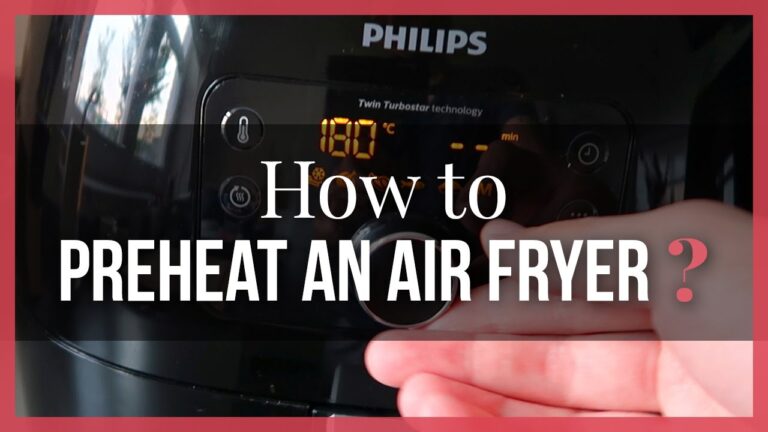
Preheat only if your manual recommends it.
Some air fryers need preheating; others do not. Follow the instructions for your model. -
Set the air fryer to 300°F to 325°F.
A lower starting temperature helps reduce rapid steam buildup. -
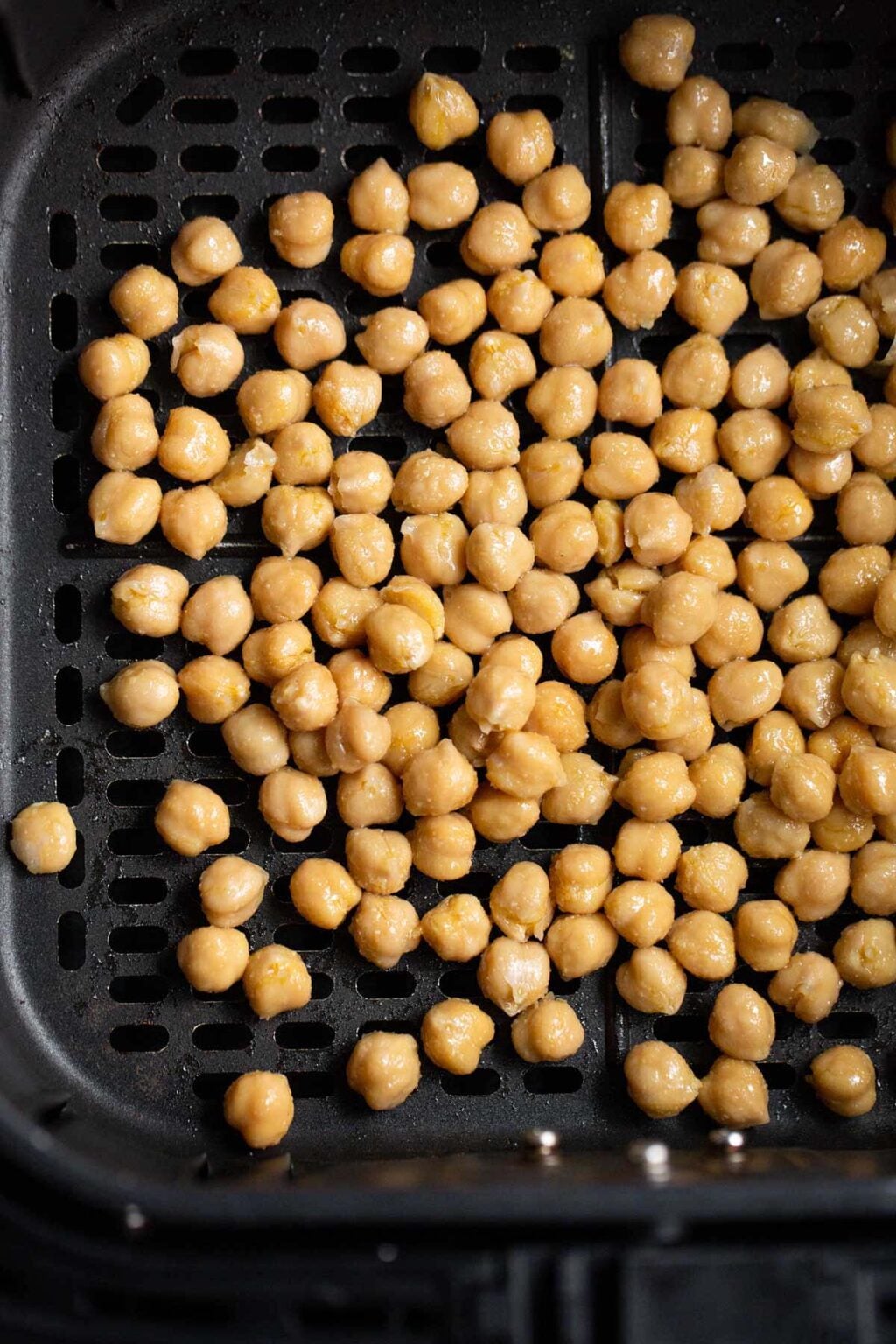
Add the chickpeas in a loose layer.
Leave room for air to move around them. -
Cook for 10 minutes.
Watch and listen during the first cycle. A few small cracks may occur. -
Shake gently.
Use heat-safe protection and keep your face and hands away from the basket. -
Continue in short intervals.
Cook for 3 to 5 minutes at a time until the chickpeas are as crisp as you want. -
Cool before eating.
Chickpeas often firm up as they cool. Cooling also reduces the chance of burning your mouth.
Signs the method is working
- The chickpeas make little or no popping noise.
- The skins look dry rather than wet or glossy.
- The chickpeas brown evenly.
- The basket is not crowded.
- Steam and smoke remain low.
- The chickpeas are crisp after cooling.
If the chickpeas begin popping hard, pause the air fryer. Let the basket cool for a few minutes, then lower the temperature and continue in a smaller batch.

What to Do If Chickpeas Keep Popping
Persistent popping usually means the chickpeas are still too wet, the temperature is too high, or the basket is too full.
Use this troubleshooting guide:
| Symptom | Likely cause | What to try |
|---|---|---|
| Popping starts right away | Surface water or high heat | Dry longer and lower the temperature |
| A few chickpeas jump | Loose skins or cracks | Remove loose skins and handle gently |
| Many chickpeas pop together | Overcrowding | Cook a smaller batch |
| Chickpeas stay soft | Excess moisture or short cooking time | Dry better and cook in short extra intervals |
| Chickpeas burn outside but stay soft | Heat is too high | Lower the temperature |
| Smoke appears | Excess oil, residue, or burnt seasoning | Stop, cool the appliance, and clean the basket |
| Chickpeas stick and split | Too much moisture or a damaged coating | Dry them better and check the basket |
Stop using the air fryer if you see flames, heavy smoke, melted parts, or unusual electrical smells. Unplug it only if you can do so safely. Follow the appliance manual for fire or electrical problems.
Never pour water into a hot air fryer to control smoke or flames. If a grease fire occurs, do not use water. Leave the basket closed if it is safe to do so and follow local fire-safety guidance.

Can You Eat Chickpeas That Have Popped?
Yes. A chickpea that has cracked or split from heat is generally safe to eat if it was fresh, cooked, and handled safely. Check it for burning, an unusual smell, or a hard burnt section before eating.
Discard the batch if:
- The chickpeas smell sour or rotten.
- They were left at room temperature for an unsafe length of time.
- They contain mold.
- The can was bulging, leaking, or badly damaged.
- The air fryer had a chemical, plastic, or electrical odor.
- The chickpeas are badly burned.
Use clean utensils and refrigerate cooked leftovers promptly. The U.S. Department of Agriculture provides general food-safety guidance for storing and reheating leftovers at FoodSafety.gov.
Remember that crisp food can become soft in a sealed container. Let the chickpeas cool before storing them, then use a container that does not trap excess warmth and moisture. Reheat briefly in the air fryer when needed.

Air-Fryer Temperature and Timing Guide
The table below gives practical starting points for one drained and dried can of chickpeas. Your air fryer, batch size, chickpea size, and moisture level will change the result.
| Temperature | Approximate cooking approach | Best use |
|---|---|---|
| 300°F | Cook in short checks and allow extra time | Reducing popping and drying gently |
| 315°F | Moderate heat with regular checks | A balance of drying and browning |
| 325°F | Start checking after 10 minutes | Crisping with less aggressive heat |
| 350°F or higher | Use caution and check often | Only if your air fryer and recipe support it |
These are not universal cooking times. Air fryers differ in fan speed, basket shape, and heating power. Use the temperature display as a guide, but use the chickpeas’ texture and color as the final test.
A simple way to adjust the process is:
- Popping too much: Lower the temperature and dry the chickpeas longer.
- Not crisp enough: Continue in short intervals after the popping stops.
- Burning too fast: Lower the temperature and use less oil or seasoning.
- Uneven results: Cook fewer chickpeas and shake gently.

Common Mistakes That Cause Popping
Putting wet chickpeas straight into the basket
A quick rinse is not enough. The chickpeas may still hold water in their folds and under their skins.
Using the highest temperature
High heat can brown the skin before the inside has released its moisture. This creates a pressure difference that encourages cracking.
Filling the basket too deeply
A deep pile blocks airflow. The chickpeas steam more and crisp less.
Shaking too hard
Hard shaking can split soft chickpeas. It can also cause hot chickpeas to fly out of the basket.
Adding wet ingredients
Sauces, lemon juice, and liquid marinades add moisture. Air-fry the chickpeas first, then add wet sauces after cooking.
Leaving the basket unattended
A few small pops may be harmless, but you should remain nearby. Air fryers can produce hot food, smoke, and sudden movement.

Frequently Asked Questions
Why do my chickpeas pop more than once?
A chickpea can crack in stages as moisture moves through it. The first crack may release some pressure, but a second pocket of moisture can still expand. Lower the heat and dry the chickpeas more thoroughly.
Should I remove all the chickpea skins?
No. Removing loose skins may reduce popping and improve crispness, but removing every skin is not necessary. Stop if the chickpeas begin breaking apart.
Can I air fry chickpeas without oil?
Yes. Oil is not required for cooking. However, a small amount can help seasonings stick and may improve browning. Oil will not prevent popping caused by trapped water.
Why are my chickpeas not crispy after air frying?
They may contain too much moisture, the basket may be crowded, or they may need more time. Let them cool first because they become firmer as they cool. If they remain soft, return them to the air fryer in a single layer for short intervals.
Is popping a sign that the chickpeas are bad?
Usually, no. Popping is normally caused by steam and heat. Spoilage is more likely to show as a sour or rotten odor, mold, unusual slime, or a damaged can.
Key Takeaways
- Chickpeas pop when moisture turns to steam and pressure splits the skin.
- Canned chickpeas need thorough drying before air frying.
- Start around 300°F to 325°F to reduce aggressive popping.
- Use a loose, single layer instead of a crowded basket.
- Shake gently and keep your hands and face away from the basket.
- Stop if popping becomes forceful, smoke becomes heavy, or the appliance smells electrical.
- Let chickpeas cool before judging their final crispness.
Conclusion
Your chickpeas are popping because water inside or beneath their skins is turning into steam. The safest and most effective fix is to drain, rinse, dry, and air fry them at a moderate temperature in a small batch.
If popping continues, lower the heat, remove loose skins, and cook in short intervals. A few cracked chickpeas are normal, but strong popping, heavy smoke, or unusual appliance odors means you should stop and inspect the situation before cooking again.