Why Is Deep Frying Unhealthy: Health Risks Explained
Deep frying can make food unhealthy because it adds a large amount of oil, increases calorie intake, and may create harmful compounds when oil or food reaches very high heat. In the United States, common deep-fried foods include French fries, fried chicken, doughnuts, mozzarella sticks, and battered fish. Eating these foods often is linked with a higher risk of weight gain, heart disease, and type 2 diabetes.
The risk depends on the food, oil, cooking temperature, portion size, and how often you eat it. Deep-fried food once in a while is not likely to harm a healthy adult. The main concern is a regular diet high in fried food and low in vegetables, fruit, whole grains, and other nutrient-rich foods.

1. Deep frying adds many calories
Deep frying increases calories because food absorbs oil during cooking. Oil contains about 120 calories per tablespoon, so even a small amount absorbed by food can raise its energy content.
The exact amount varies. A thin potato slice, for example, may absorb oil differently from a thick piece of battered chicken. The coating also adds flour, starch, sugar, or other ingredients that increase calories.
A simple example:
- One medium baked potato has about 160 calories.
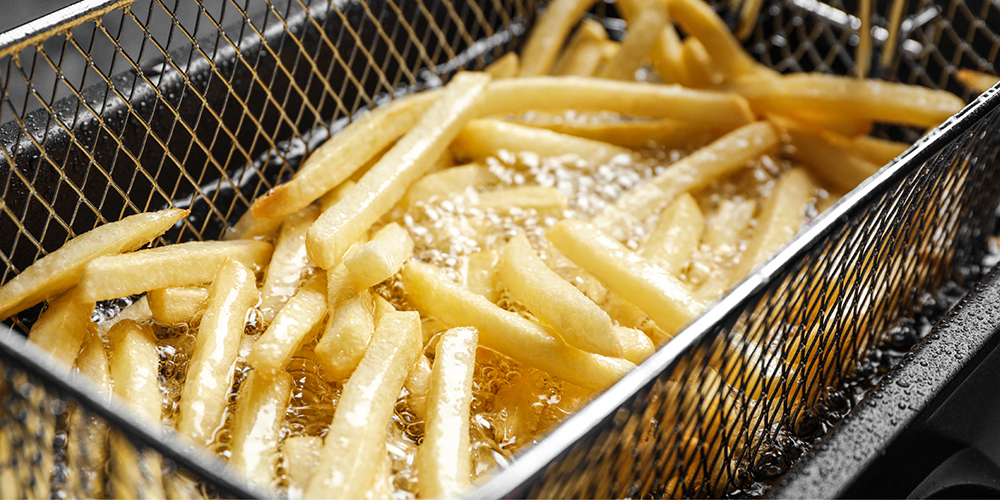
- A similar serving of French fries may contain 300 to 500 calories.
- Large restaurant portions can contain much more.
This difference can make it easy to eat more calories than the body needs. If this happens often, the extra energy may lead to weight gain. Excess body weight raises the risk of high blood pressure, sleep apnea, heart disease, and type 2 diabetes.
The problem is not that one food automatically causes weight gain. The issue is the pattern. Fried foods often come in large portions and may be served with sugary drinks, creamy sauces, or refined carbohydrates.
2. Fried food can contain unhealthy fats
Deep-frying oil may contain mostly unsaturated fat, saturated fat, or a mix of both. Unsaturated fats are generally a better choice for heart health than saturated fats. However, even a healthier oil still contains a lot of calories.
Some fried foods also contain significant saturated fat. This is more likely when the food is fried in oils such as palm oil, coconut oil, or partially hydrogenated fats. Saturated fat can raise LDL cholesterol, often called “bad” cholesterol.
High LDL cholesterol can contribute to plaque buildup in the arteries. Over time, this may increase the risk of heart attack and stroke.
What about trans fat?
Industrial trans fats were once common in some frying fats. The U.S. Food and Drug Administration determined that partially hydrogenated oils were not generally recognized as safe for use in food, and their use has been largely removed from the U.S. food supply.
However, small amounts of trans fat may still occur naturally in some animal foods. Restaurant practices and imported foods can also vary. Check the Nutrition Facts label when buying packaged fried products.
A food labeled “0 grams trans fat” may contain less than 0.5 grams per serving under U.S. labeling rules. Eating several servings can add up. The ingredient list should not include “partially hydrogenated oil.”

3. High heat can create unwanted chemicals
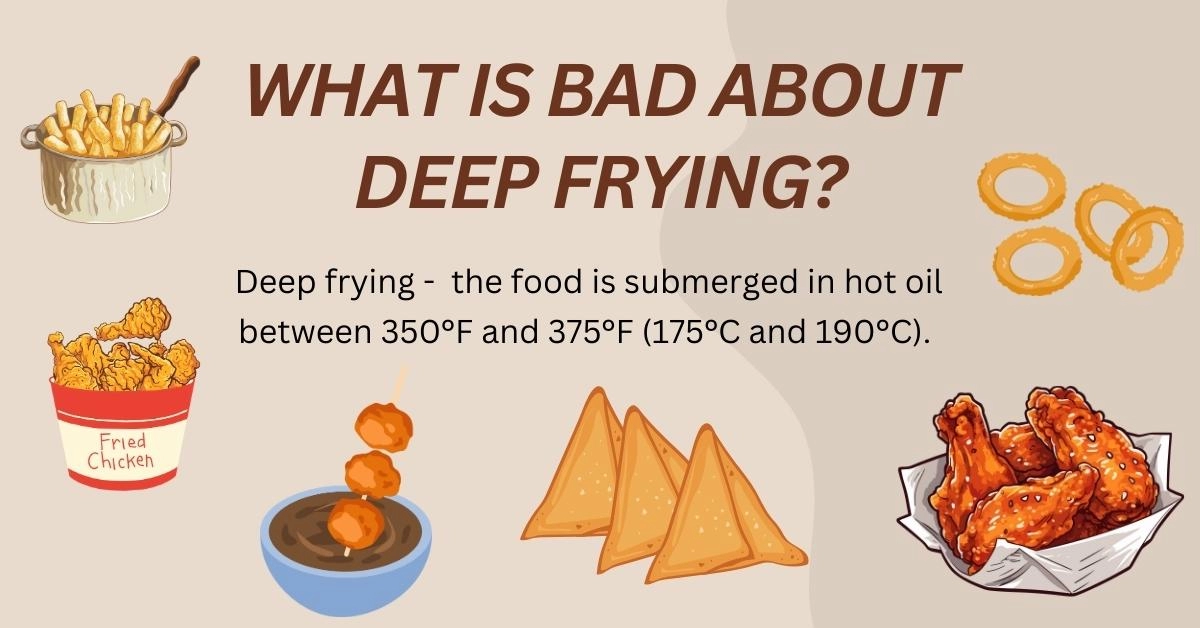
Deep frying usually takes place at about 325°F to 375°F. High heat helps form a crisp crust, but it also causes chemical changes in oil and food.
Two groups of compounds receive much attention: acrylamide and oxidation products.
Acrylamide forms in some starchy foods
Acrylamide can form when foods that contain certain sugars and the amino acid asparagine are cooked at high temperatures. This process is called the Maillard reaction. It also creates the brown color and roasted flavor people enjoy.
French fries, potato chips, and some fried or baked grain foods can contain acrylamide. The U.S. National Cancer Institute says studies in people have not provided consistent evidence that dietary acrylamide causes cancer. Still, animal research has raised concern, so reducing exposure is reasonable.
You can lower acrylamide in potatoes by:
- Avoiding very dark browning.
- Cooking fries to a light golden color.
- Not storing raw potatoes in the refrigerator.
- Soaking cut potatoes in water before cooking.
- Following cooking directions rather than overcooking.
Acrylamide is not unique to deep frying. It can also form during baking, roasting, and toasting.
Oxidized oil compounds may increase with repeated heating
Heat, air, light, and water can break down oil. This process is called oxidation. Repeated heating can increase oxidation products, especially when oil is used for many batches.
The health effects depend on the type and amount of compounds consumed. Evidence is stronger for the general concern that repeatedly heated oil becomes lower quality than for a precise risk from one serving of fried food.
Oil that smokes, smells stale, becomes very dark, foams heavily, or thickens should not be used again.
4. Deep-fried food may raise heart disease risk
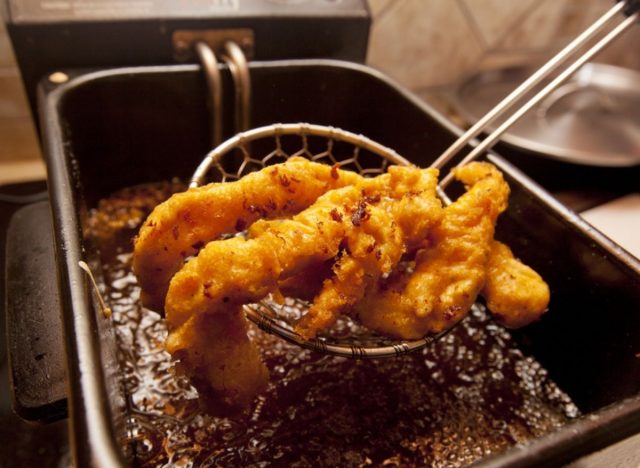
Frequent fried-food intake is associated with a higher risk of heart disease in several observational studies. A large analysis published in Heart found that people who ate more fried food had higher risks of major cardiovascular events, coronary heart disease, stroke, and heart failure.
These studies show an association, not proof that frying alone caused the disease. People who eat fried food often may also consume more sodium, refined carbohydrates, processed meat, and sugary drinks. They may eat fewer vegetables and exercise less.
Even with these limits, the overall pattern supports a practical conclusion: frequent fried food is not a strong choice for heart health.
The American Heart Association recommends a diet that emphasizes vegetables, fruits, whole grains, beans, fish, nuts, and unsaturated fats. It also recommends limiting saturated fat, added sugar, sodium, and highly processed foods.

5. Fried food may affect blood sugar and diabetes risk
Deep-fried food can affect blood sugar in several ways.
First, many fried foods contain refined starch. The body breaks down this starch into glucose. Second, the high calorie content may promote weight gain when eaten often. Third, fried food is commonly served in large portions.
Studies have linked frequent fried-food intake with a higher risk of type 2 diabetes. Again, these are mainly observational findings. The risk may reflect the full eating pattern and lifestyle, not only the frying process.
People with diabetes do not always need to avoid every fried food. Portion size, carbohydrate content, total calories, and the rest of the meal matter. A small serving paired with vegetables and a protein source may have a smaller effect than a large meal of fries, fried meat, and a sugary drink.

6. Fried food may be harder to digest
Some people feel bloated, heavy, or uncomfortable after eating fried food. High-fat meals can slow stomach emptying. This may cause fullness, reflux, nausea, or stomach pain in sensitive people.
Fried foods may also worsen symptoms of gastroesophageal reflux disease, or GERD. Fatty meals can relax the lower esophageal sphincter in some people, allowing stomach contents to move upward.
Deep-fried food does not cause the same symptoms in everyone. If symptoms happen often, keep a food diary and discuss them with a health professional. Seek prompt care for severe pain, vomiting, black stools, trouble swallowing, or unexplained weight loss.

7. Restaurant frying can increase the risk
Restaurant and fast-food frying may involve factors that are hard for customers to see:
- Large serving sizes.
- Breading that absorbs more oil.
- Oil held at high heat for long periods.
- Oil used for repeated batches.
- High sodium seasoning.
- Fried food paired with sugary drinks or refined bread.
- Cross-contact with common allergens.
Restaurants may filter or replace oil on different schedules. Customers usually cannot verify the oil type, temperature, or age. This does not mean all restaurant frying is unsafe. It means the food’s exact preparation is often uncertain.
A useful approach is to treat deep-fried restaurant food as an occasional choice. Choose a smaller portion, share an order, skip the sugary drink, and add a side salad, fruit, or vegetables when available.

8. Is air frying healthier than deep frying?
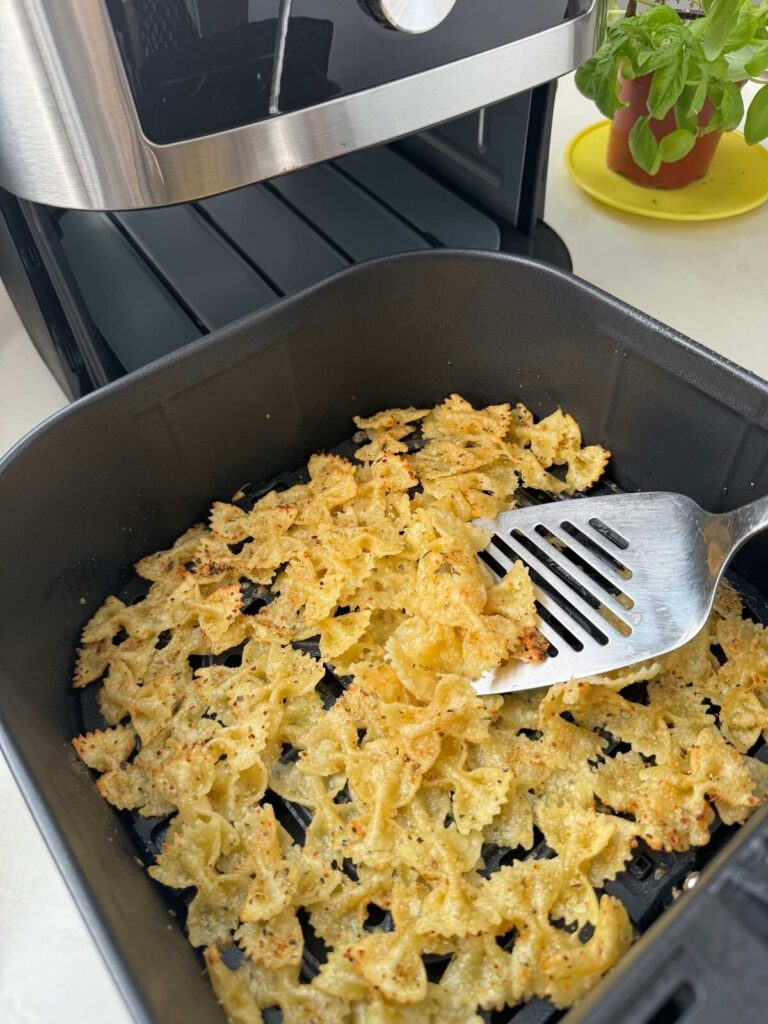
Air frying is usually healthier than deep frying because it uses little or no added oil. It can reduce calories and fat while still producing a crisp surface.
Air frying does not make every food healthy. Frozen fries, breaded chicken, and snacks may still contain refined starch, sodium, and saturated fat. Air frying can also produce acrylamide in starchy foods if they become very dark.
For a better result:
- Use a small amount of liquid oil if needed.
- Avoid overcrowding the basket.
- Cook food until crisp and light golden, not very dark.
- Choose plain vegetables, potatoes, fish, or chicken more often than highly processed snacks.
- Check the package label for sodium and saturated fat.
Air frying is a cooking method, not a health claim. The ingredients and portion still matter.

9. Healthier ways to cook food
The best alternative depends on the food and the texture you want. These methods can reduce added fat:
| Cooking method | Main benefit | Best use |
|---|---|---|
| Baking | Uses little added oil | Potatoes, chicken, fish, vegetables |
| Roasting | Builds flavor through dry heat | Root vegetables and meats |
| Grilling | Adds a smoky flavor without deep oil | Fish, chicken, vegetables |
| Steaming | Helps preserve moisture | Vegetables, dumplings, fish |
| Sautéing | Uses a small amount of oil | Vegetables, eggs, lean proteins |
| Air frying | Creates a crisp surface with less oil | Potatoes, vegetables, breaded foods |
Using an unsaturated oil, such as olive, canola, soybean, or sunflower oil, may be preferable to using a solid fat high in saturated fat. But the amount still matters. One tablespoon of any oil provides roughly 120 calories.
A healthier cooking method does not need to feel plain. Garlic, herbs, spices, citrus juice, vinegar, and yogurt-based sauces can add flavor without relying on a heavy coating.

10. How to deep fry more safely at home
Deep frying at home carries both health and fire risks. Follow the appliance instructions and keep children away from hot oil.
Use these safety steps:
- Choose an oil with a smoke point suited to the cooking temperature.
- Do not fill the pot or fryer beyond the marked limit.
- Dry food well before adding it. Water can cause oil to splatter.
- Lower food into the oil slowly.
- Keep the temperature steady with a suitable thermometer.
- Do not leave hot oil unattended.
- Turn off the heat if oil begins to smoke.
- Never pour water onto an oil fire.
- If a grease fire starts, cover the pan with a metal lid if it is safe to do so and turn off the heat. Leave the lid in place.
- Let oil cool before disposal.
Never pour used oil down a sink. It can clog pipes and harm wastewater systems. Follow local disposal rules. Some communities collect used cooking oil for recycling.
When should you discard frying oil?
Discard oil when it:
- Smells rancid or unpleasant.
- Becomes very dark.
- Smokes at a normal cooking temperature.
- Foams excessively.
- Becomes thick or sticky.
- Contains a large amount of burned food.
Strain and store oil only if it remains clean, stable, and suitable for reuse. Do not mix old oil with fresh oil to hide poor quality.

How often can you eat deep-fried food?
There is no single safe number for everyone. Health risk depends on your total diet, medical history, activity level, portion size, and frequency.
For most people, deep-fried food is best treated as an occasional food rather than a daily staple. A small serving once in a while can fit into an otherwise balanced diet. Frequent large portions are more concerning.
Use these practical questions:
- Is this a small or large portion?
- Is the food heavily breaded?
- Is it paired with vegetables or mostly refined carbohydrates?
- Does it replace a more nutritious meal?
- Do you have high LDL cholesterol, high blood pressure, diabetes, GERD, or heart disease?
- Does eating it cause symptoms?
If you have a medical condition or a clinician-prescribed diet, ask your doctor or a registered dietitian for advice that fits your needs.
Key takeaways
- Deep frying adds calories because food absorbs oil.
- Regular fried-food intake is associated with higher risks of heart disease and type 2 diabetes.
- High heat can create acrylamide and oil oxidation products.
- Saturated fat and sodium may add to the health concern.
- Air frying, baking, roasting, steaming, and grilling can reduce added oil.
- One fried meal does not determine your health; your long-term eating pattern matters most.
- Discard oil that smokes, foams, smells bad, or becomes very dark.
Frequently asked questions
Is deep frying worse than baking?
Usually, yes. Deep frying generally adds more oil and calories than baking. The difference depends on the recipe, breading, portion, and amount of oil used during baking.
Are French fries unhealthy?
French fries can be high in calories, fat, sodium, and acrylamide. A small serving eaten occasionally can fit into a balanced diet, but large or frequent servings are less healthful.
Does deep frying destroy nutrients?
Heat can reduce some heat-sensitive nutrients, especially in vegetables. Deep frying may also replace water-rich, nutrient-dense foods with foods higher in calories and fat. The amount of nutrient loss varies by food, temperature, and cooking time.
Is fried chicken unhealthy?
Fried chicken is often high in calories, sodium, saturated fat, and refined coating ingredients. Removing some skin and coating, choosing a smaller portion, and pairing it with vegetables can reduce the overall impact.
Can I reuse frying oil?
You can sometimes reuse oil if it is clean, has not overheated, and shows no signs of spoilage. Repeated heating lowers oil quality. Discard oil that smokes, darkens, foams, thickens, or smells unpleasant.
Conclusion
Deep frying is unhealthy mainly when it becomes a frequent source of extra calories, saturated fat, sodium, and highly processed carbohydrates. High heat and repeated oil use can add further concerns, including acrylamide and oxidation products.
You do not need to avoid every fried food forever. A better goal is to eat it less often, choose smaller portions, use safer cooking practices, and rely more on baking, roasting, steaming, grilling, or air frying. The strongest health benefit comes from the full pattern: more vegetables, fruit, beans, whole grains, lean proteins, and unsaturated fats, with fried foods kept occasional.
Sources
- U.S. Dietary Guidelines for Americans
- American Heart Association: Healthy Eating Recommendations
- U.S. Food and Drug Administration: Trans Fat
- National Cancer Institute: Acrylamide and Cancer Risk
- BMJ Heart: Fried-Food Consumption and Cardiovascular Risk