Why Deep Frying Is A Dry Cooking Method: Explained
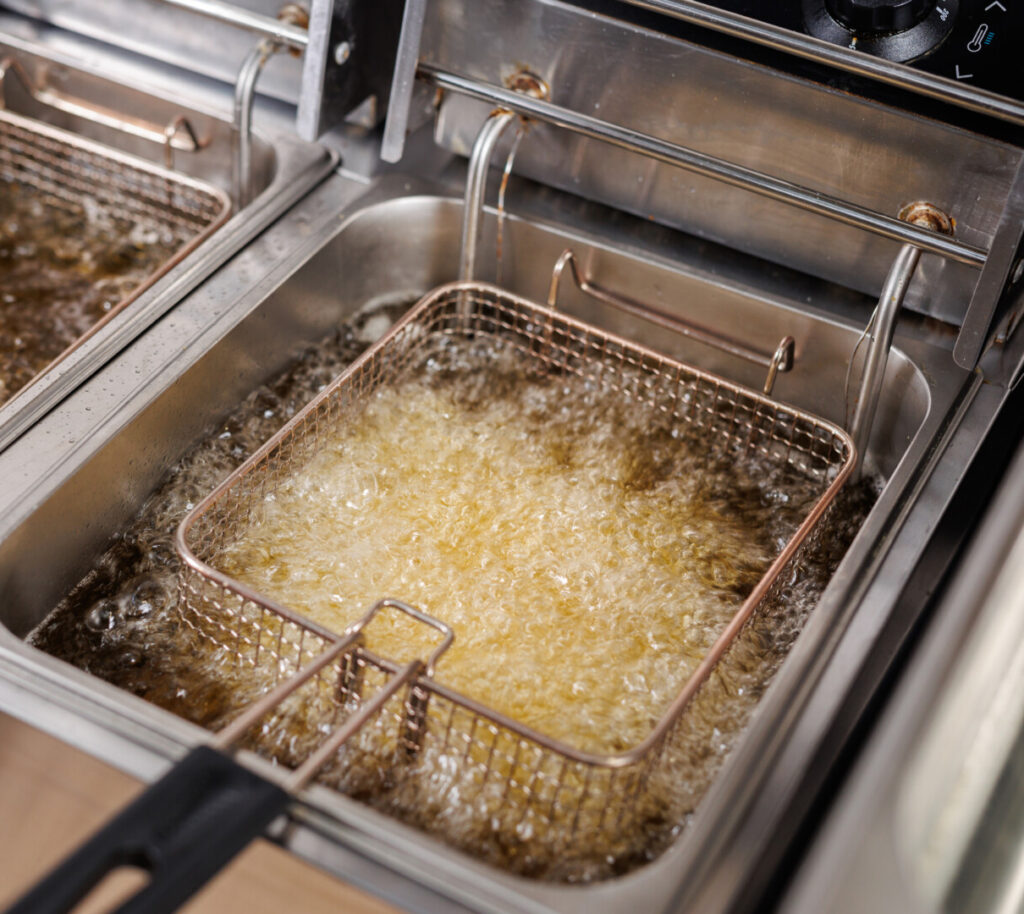
In U.S. home kitchens, restaurants, and state-fair food stands, deep frying means cooking food while it is fully covered in hot oil. That may sound like a wet cooking method because oil is a liquid. However, deep frying is classified as a dry-heat cooking method because the food cooks through hot fat, not water or steam.
The oil transfers heat to the food, dries its surface, and creates a crisp brown crust. Water inside the food turns to steam and escapes. This process separates deep frying from moist-heat methods such as boiling, steaming, and poaching.
The short answer: Why is deep frying called a dry cooking method?
Deep frying is a dry cooking method because hot oil is the cooking medium, and oil contains little to no water. The food does not cook by being surrounded by boiling water or steam.
The word “dry” describes the type of heat transfer, not whether the cooking medium is solid or liquid. Oil is liquid, but it is still considered a dry-heat medium in culinary science.
Common dry-heat methods include:
- Deep frying
- Pan-frying
- Sautéing
- Baking
- Roasting
- Grilling
- Broiling
Common moist-heat methods include:
- Boiling
- Simmering
- Poaching
- Steaming
- Cooking in water-based sauces
The Institute of Culinary Education describes dry-heat cooking as a process that uses hot air, hot metal, or hot fat. Deep frying fits this definition because hot fat supplies the heat.
What makes a cooking method “dry heat”?
A dry-heat method cooks food without using water as the main heat carrier. Heat may come from hot air, a heated surface, or hot fat.
In deep frying, the oil surrounds the food and transfers heat by convection. As the food moves in the oil, heat reaches many parts of its surface at once. This helps produce even browning when the oil temperature remains stable.
Water-based cooking works differently. Water transfers heat at temperatures near its boiling point, about 212°F at sea level. Frying oil can reach much higher temperatures, often within a range of about 325°F to 375°F, depending on the food and recipe.
This higher heat causes several changes:
- Moisture at the food’s surface turns into steam.
- Steam moves outward and leaves the food.
- The surface dries.
- Sugars and proteins react and brown.
- A crisp crust forms.
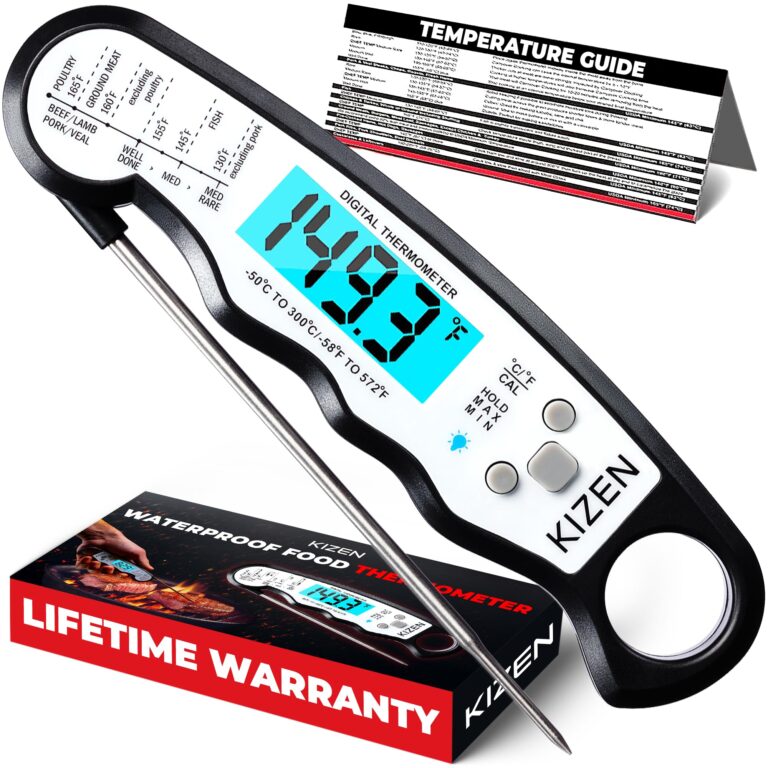
The USDA Food Safety and Inspection Service recommends using a food thermometer to check the internal temperature of cooked foods. A browned crust alone does not prove that the center is safe to eat.
Oil is liquid, but it is not a moist-heat medium
The key difference is the water content of the cooking medium.
Water-based liquids transfer heat through moisture. Oil transfers heat through fat. Most cooking oils contain very little water, so they do not hydrate food in the same way that boiling water or steam does.
This is why the following methods are classified differently:
| Cooking method | Main heat medium | Typical result |
|---|---|---|
| Boiling | Water | Soft, moist food |
| Steaming | Water vapor | Moist surface and gentle cooking |
| Baking | Hot air | Dry surface and browning |
| Pan-frying | Hot fat | Browned surface and some crispness |
| Deep frying | Hot fat surrounding the food | Rapid browning and crisp crust |
Deep frying can still make food juicy inside. That does not make it a moist-heat method. The outside cooks in hot oil, while water inside the food protects the center from becoming dry too quickly.

How deep frying cooks food
Deep frying combines heat transfer, water loss, and browning. Understanding these steps explains why the method belongs to dry cooking.
1. Hot oil transfers heat to the surface
When food enters hot oil, the oil touches nearly the entire outside surface. The oil transfers heat faster than still air because it makes close contact with the food.
Small bubbles often form around the food. These bubbles are mainly water vapor leaving the food, not oil boiling. Oil does not boil at normal frying temperatures.
The surface may cool briefly when cold or frozen food enters the fryer. This is why adding too much food at once can produce pale, greasy results.
2. Water inside the food becomes steam
Most fresh foods contain water. Potatoes, chicken, fish, and vegetables all release water when heated.
At the surface, water changes into steam. That steam moves outward through the crust and creates the bubbling seen during frying.
As long as steam moves out, it can help keep oil from entering the food in large amounts. When the food cools, pressure drops and some oil may move into open spaces in the crust.
This is one reason fried food can become greasy if it cooks at too low a temperature or sits in oil after frying.
3. The surface dries and becomes crisp
A crisp crust needs a dry outer surface. Once much of the surface water has escaped, the temperature of that surface can rise above the boiling point of water.
The crust then loses more moisture and becomes firm. Flour, starch, breadcrumbs, and batter all help create this structure.
The crust may also act as a partial barrier. It slows the movement of water from the center and gives the food its familiar contrast: crisp outside and tender inside.
4. Browning creates color and flavor
Deep frying causes two main browning reactions:
- Maillard reaction: Proteins and sugars react and create brown color and savory flavors.
- Caramelization: Sugars break down under heat and create deeper color and sweet, toasted notes.
These reactions are easier at the hot, dry surface than in boiling water. Food cooked in water often stays pale because its surface temperature remains close to the boiling point of water.
The McCormick Science Institute explains that the Maillard reaction depends on heat and the interaction of amino acids and reducing sugars. It is a major reason fried food develops a browned crust.

Why the food does not simply absorb all the oil
Deep-fried food does absorb some oil, but it does not usually fill with oil during the entire cooking process.
While food is frying, escaping steam can push outward from the surface. This outward movement limits oil entry in many parts of the crust.
After the food leaves the fryer, steam production slows. As the food cools, oil may enter pores, cracks, and spaces in the crust. Drain time, crust thickness, food shape, and frying temperature all affect the final amount of oil.
Several conditions can make fried food greasy:
- Oil temperature drops too low.
- Too much food is added at one time.
- The food has excess surface moisture.
- The crust is weak or poorly formed.
- The food sits in oil after cooking.
- The oil is old or heavily contaminated with crumbs.
- The food is not drained properly.
A thermometer is more reliable than visual bubbling alone. Bubbles show that moisture is escaping, but they do not show the exact oil temperature.
Deep frying compared with moist-heat cooking
Deep frying and boiling both use a liquid, but they do not use the same type of heat.
Deep frying
- Uses hot oil or another cooking fat.
- Reaches temperatures well above the boiling point of water.
- Removes surface moisture.
- Produces browning and crispness.
- Forms a dry outer crust.
Boiling
- Uses water as the main cooking medium.
- Keeps the food surface near the boiling point of water.
- Adds or retains moisture.
- Softens food through hydration and heat.
- Does not usually create a crisp brown crust.
Steaming
- Uses water vapor rather than liquid oil.
- Transfers heat through moist steam.
- Keeps the surface moist.
- Cooks gently without deep browning.
This comparison explains the classification clearly: deep frying uses a liquid fat, but it produces the effects of dry heat.

Is deep frying always completely dry?
No. “Dry cooking method” does not mean that the food contains no moisture. It means that the main cooking medium is not water or steam.
Food may release water while it fries. Batter may contain milk, eggs, or water. Frozen food may carry ice on its surface. The oil itself may also become contaminated with small amounts of water and food particles.
Even so, the cooking process remains dry heat because hot fat supplies the heat. The water in the food is a secondary part of the process, not the main cooking medium.
Deep frying also may include a moist interior. For example:
- A potato has a crisp surface but a moist center.
- Fried chicken has a browned crust and juicy meat.
- Fried fish may have a crisp coating and tender flesh.
- A doughnut browns outside while remaining soft inside.
The outer crust and inner texture can differ because heat and moisture move through food at different speeds.
How to deep-fry safely at home
Deep frying requires care because hot oil can cause severe burns and can start a kitchen fire.
Before frying
- Use a deep, heavy pot or a tested electric fryer.
- Keep the pot stable and away from the edge of the stove.
- Do not fill the pot more than the manufacturer or recipe allows.
- Dry wet foods as much as practical before adding them.
- Keep a long-handled tool and a thermometer nearby.
- Keep children and pets away from the cooking area.
- Have a metal lid or baking sheet ready for an oil fire.
Never pour water onto burning oil. Water can flash into steam and spread burning oil. If oil catches fire, turn off the heat if it is safe to do so, cover the pot with a metal lid, and call 911 if the fire does not go out immediately. The [U.S. Fire Administration](https://www.usfa.fema.gov/prevention/home-fires/ cooking.html) provides fire-safety guidance for home kitchens.
During frying
- Heat the oil gradually.
- Check the temperature with a suitable thermometer.
- Add food slowly to reduce splashing.
- Fry in small batches.
- Keep the oil within the recipe’s recommended range.
- Watch for smoke, which may indicate overheating.
- Do not leave hot oil unattended.
Do not use a wet utensil in hot oil. Water can sink below the oil, rapidly turn into steam, and force hot oil out of the pot.
After frying
Remove the food with tongs, a spider strainer, or another tool made for hot food. Let excess oil drain briefly over the pot, then place the food on a rack or a lined tray.
A wire rack helps air move around the food and keeps the bottom from becoming soggy. Paper towels can absorb surface oil, but they may allow steam to collect if food is stacked tightly.
Use the USDA’s recommended internal temperatures for meat, poultry, seafood, and other foods. For example, poultry should reach 165°F, while whole cuts of beef, pork, lamb, and veal have different minimum temperatures depending on the cut and preparation.

Common mistakes that make deep-fried food soft or greasy
Using oil that is too cool
Cool oil slows crust formation. The food stays in the oil longer, absorbs more fat, and may become pale.
Fix: Fry in smaller batches and let the oil return to the target temperature between batches.
Overcrowding the pot
Too much food lowers the oil temperature at once. It also makes it harder for heat to reach every piece evenly.
Fix: Leave space between pieces and follow the recipe’s batch size.
Adding wet food
Water on the food surface can cause violent splattering. It can also delay browning.
Fix: Pat food dry when appropriate. Do not shake wet batter directly over a pot of hot oil.
Cutting pieces in different sizes
Small pieces cook faster than large pieces. Some may burn before others reach a safe internal temperature.
Fix: Cut food into similar sizes and check thick pieces with a thermometer.
Frying by color alone
A dark crust may form before the center is cooked. This is especially common with thick chicken pieces or heavily coated foods.
Fix: Use both visual checks and internal temperature checks.
Leaving food in the oil after cooking
Food can continue to absorb oil as it cools in the pot.
Fix: Remove it promptly and drain it on a rack or suitable tray.

What foods work well with deep frying?
Deep frying works best when the food benefits from a crisp outer layer and fast heat transfer.
Common examples include:
- Potatoes and other firm vegetables
- Chicken and other poultry
- Fish and seafood
- Doughnuts and fritters
- Egg rolls and similar filled foods
- Breaded cheese and vegetables
- Batter-coated foods
The coating matters. Flour, breadcrumbs, starch, and batter can reduce direct contact between the oil and the food. They also create a rough surface that becomes crisp as moisture leaves.
Very wet, delicate, or oversized foods may need special handling. A thick piece can brown outside before the center cooks. A fragile food can break apart and release particles into the oil.
Key takeaways
- Deep frying is a dry cooking method because hot oil, not water or steam, transfers the heat.
- “Dry” refers to the heat medium and cooking process, not the amount of moisture inside the food.
- Oil surrounds the food, while water inside the food turns to steam and escapes.
- Surface drying allows browning, crisping, the Maillard reaction, and caramelization.
- Deep-fried food can have a moist center and still be made by dry heat.
- Stable oil temperature, small batches, dry surfaces, and safe handling improve results.
- Use a thermometer for both oil temperature and the food’s internal temperature.
Frequently asked questions
Is frying in oil the same as cooking in water?
No. Frying uses hot fat, while boiling and simmering use water. Oil can reach higher temperatures and produces a dry, browned surface. Water keeps the food surface moist and usually prevents deep browning.
Why does deep-fried food become crispy?
Hot oil drives moisture out of the food’s surface. Once the surface dries, the crust can become firm and brown. Coatings made from flour, starch, batter, or breadcrumbs help form the crisp layer.
Does deep frying remove all the water from food?
No. It mainly removes water from the outer layer. The center may remain moist, especially in foods such as chicken, fish, potatoes, and doughnuts.
Is pan-frying also a dry cooking method?
Yes. Pan-frying uses a small amount of hot fat rather than water or steam, so it is also a dry-heat method. The main difference is that pan-frying cooks food partly through contact with the pan and usually exposes only part of the food to the oil at a time.
Can oil boil during deep frying?
Cooking oil can become very hot and may smoke or break down, but the bubbles seen around food are mainly water vapor escaping from the food. Oil does not normally boil at standard frying temperatures.
Final answer
Deep frying is called a dry cooking method because the food cooks in hot oil rather than in water or steam. The oil transfers intense heat, drives moisture from the surface, and creates the brown, crisp crust associated with fried food. The inside may remain moist, but the cooking process itself is dry heat.