Why Do We Fry Food: Reasons And Benefits
In the United States, frying is used in home kitchens, diners, fast-food restaurants, and county fairs. People fry food because hot oil cooks it quickly, creates a crisp crust, and adds rich flavor. The process also changes the food’s color, smell, and texture in ways that boiling or steaming cannot match.
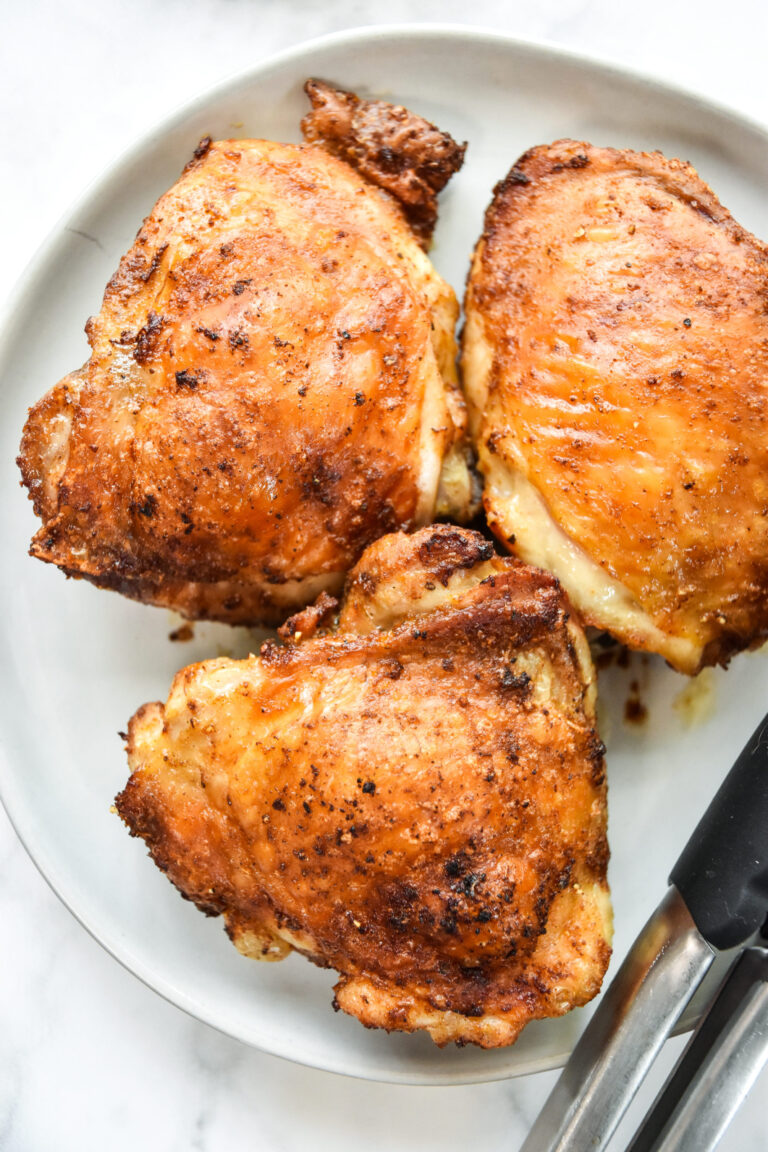
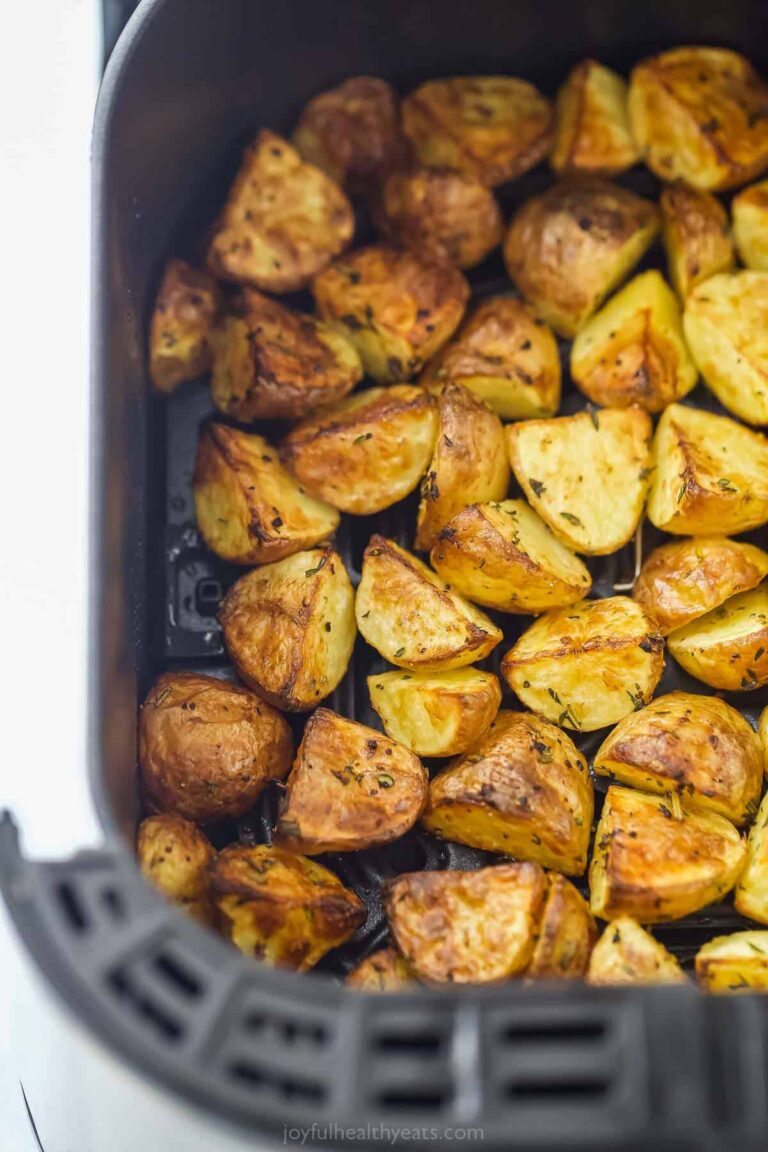
Frying is more than heating food in oil. It is a fast heat-transfer method that removes surface water and creates browning. The result can be crisp chicken, golden potatoes, flaky fish, or tender vegetables with a browned outer layer.

The short answer: Why do we fry food?
We fry food to make it crisp, browned, flavorful, and fast to cook. Hot oil transfers heat more efficiently than air, so food cooks quickly while its surface dries and forms a crust.
Frying also causes several useful changes:
- Water turns to steam, which dries the outer surface.
- Starch gelatinizes, making foods such as potatoes tender inside.
- Proteins brown, which adds savory flavor.
- The Maillard reaction creates complex aromas and colors.
- Oil carries flavor, especially when food is coated with spices or batter.
- A crust forms, giving fried food its familiar crunch.
Frying does not “seal in” juices. That common idea is not supported by cooking science. A crust may slow moisture loss, but frying can still cause food to lose water.

What happens when food is fried?
Frying uses hot fat to transfer heat to food. The food surface heats first, water near the surface changes into steam, and the outside begins to dry. Once enough water leaves, the surface temperature can rise above the boiling point of water, allowing browning to occur.
1. Hot oil transfers heat quickly
Oil surrounds much of the food during frying. This creates close contact between the hot fat and the food’s surface.
Oil is usually hotter than water used for boiling. Water-based cooking generally stays near 212°F at sea level, while many frying methods use oil between about 325°F and 375°F. The exact temperature depends on the food, coating, pan, and method.
That higher heat helps food cook quickly. It also creates a dry outer layer before the inside becomes overcooked.
2. Surface water becomes steam
Fresh food contains water. When food enters hot oil, water near the surface turns into steam and moves outward.
This steam can briefly push oil away from the food. That is one reason wet food may cause bubbling and splattering. As frying continues, the surface loses more water and becomes firmer.
The escaping water helps create crispness. A dry crust breaks easily when you bite it, while a wet surface stays soft.
3. Starch changes texture
Foods such as potatoes, cornmeal coatings, and wheat-based batters contain starch. Heat and moisture cause starch granules to swell and soften. This process is called gelatinization.
In a fried potato, for example, the inside can become soft while the outside loses water and turns crisp. This contrast is one of the main reasons people enjoy fried foods.
4. Browning creates flavor
Frying can trigger the Maillard reaction, a group of chemical reactions between amino acids and sugars. These reactions create brown color and many roasted, nutty, savory, and toasted flavors.
Sugar can also brown through caramelization. The two processes are different, but both can affect the final color and taste.
Browning depends on factors such as:
- Surface temperature
- Moisture level
- Cooking time
- Food chemistry
- Coating ingredients
- Oil temperature
A pale fried item may have had too much moisture or too little heat. A very dark item may have been cooked too long or at too high a temperature.
The main reasons people fry food
Frying remains popular because it changes several qualities at once. It can improve texture, deepen flavor, shorten cooking time, and make simple ingredients more appealing.
Crisp texture
Crispness is the most obvious benefit of frying. As surface moisture leaves, the outer layer becomes dry and brittle.
Breading and batter can make this effect stronger. They create a larger surface area and form a shell around the food. This shell can add crunch while the food inside stays moist.
The type of coating matters:
- Flour coatings create a light, dry crust.
- Breadcrumbs create a rough, crunchy surface.
- Cornmeal adds a coarse texture and mild corn flavor.
- Batter can create a thicker shell.
- Starch-heavy coatings often produce a very crisp crust.
Richer flavor
Oil dissolves and carries many flavor compounds. It also helps spices spread across the food’s surface.
Frying can bring out flavors from garlic, herbs, peppers, onions, and spice blends. Browning adds more flavor as well. This is why fried food may taste deeper and more savory than the same food cooked with moist heat.
The oil itself also affects taste. Neutral oils add little flavor, while some specialty fats may contribute a distinct taste.
Faster cooking
Frying can cook small or thin pieces quickly. This makes it useful when a cook wants a browned exterior without a long cooking time.
Small pieces heat faster because heat travels a shorter distance to the center. Thin fish fillets, sliced vegetables, and small chicken pieces can cook much faster than large cuts.
Speed is not a guarantee of safety, however. Thick food can brown before the center reaches a safe temperature.
Better color and appearance
Golden-brown food often looks more appetizing because people connect browning with roasted flavor and a firm texture.
Color also gives the cook a useful visual clue. A golden coating may suggest that the surface has dried and browned. It does not prove that the inside is fully cooked, so appearance should not replace a food thermometer for meat, poultry, or seafood.
A protective coating
Batter and breading can reduce direct contact between the food and the oil. The coating also changes the eating experience by adding flavor and crunch.
This coating is not a perfect barrier. Oil can still enter the crust, especially as the food cools. The amount depends on the food, coating, frying temperature, cooking time, and draining method.
Cultural and practical reasons
Frying is part of many American food traditions, from Southern fried chicken and hush puppies to doughnuts, onion rings, and state-fair foods. It is also common in restaurant kitchens because it can produce a consistent crust in a short time.
Historically, frying helped cooks turn basic ingredients into filling meals with strong flavor. Today, people fry food for the same reasons, even though they may use different equipment and oils.

Common types of frying and when to use them
Different frying methods use different amounts of oil and levels of food contact. The best method depends on the food’s size, shape, coating, and desired texture.
| Frying method | How it works | Typical use | Main result |
|---|---|---|---|
| Pan-frying | Food cooks in a shallow layer of oil | Cutlets, fish, pancakes | Browned sides with moderate oil use |
| Sautéing | Small pieces cook quickly in a small amount of fat | Vegetables, sliced meat | Light browning and tender texture |
| Stir-frying | Small pieces cook over high heat while moving often | Vegetables, noodles, thin meat | Fast cooking with fresh texture |
| Shallow-frying | Food sits partly in oil and is turned during cooking | Fritters, breaded foods | Crisp coating on several sides |
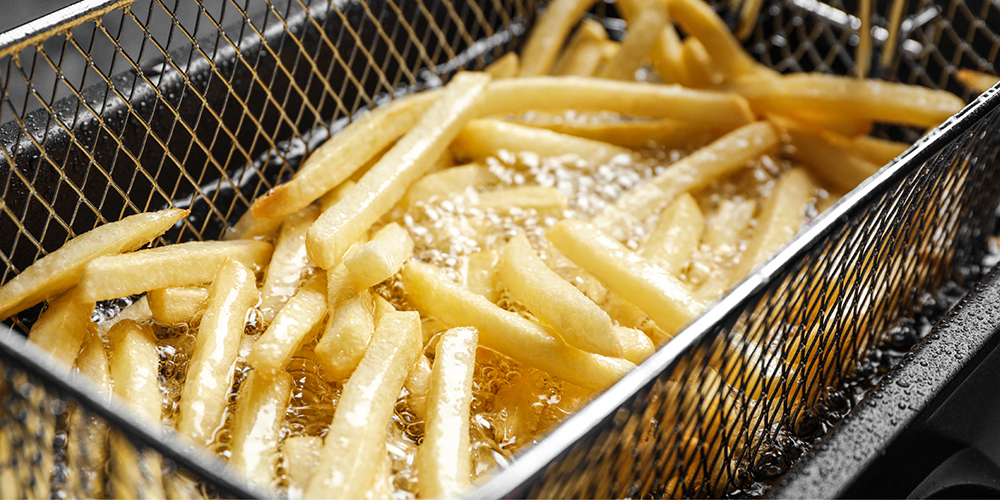
| Deep-frying | Food is fully surrounded by hot oil | French fries, doughnuts, fried chicken | Even crust and strong crispness |
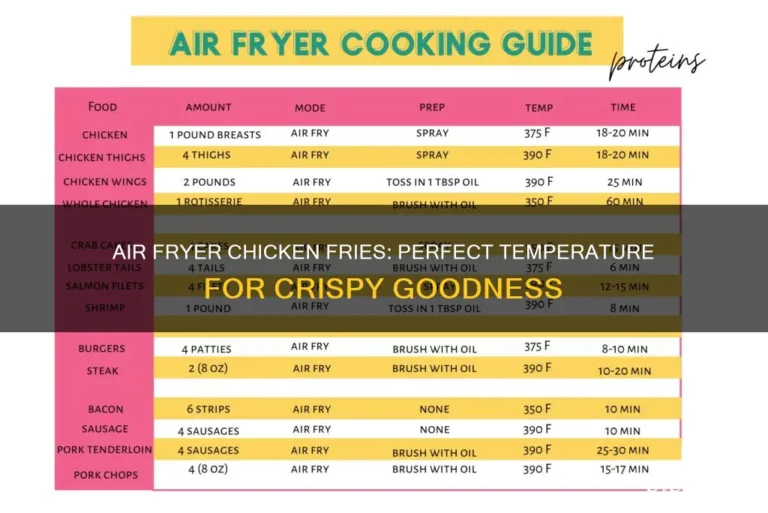
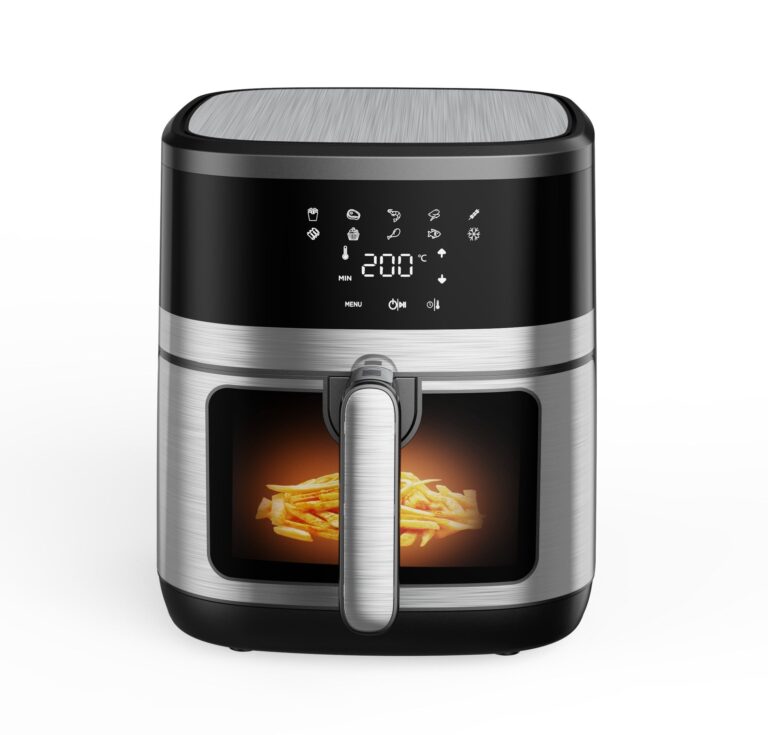
| Air frying | Rapid hot air circulates around lightly oiled food | Frozen foods, vegetables, breaded items | Dry, browned surface with less added oil |
Air frying is not the same as deep-frying. It uses forced hot air rather than a deep bath of oil. It can create a crisp surface, but the texture and flavor may differ because less oil surrounds the food.
Pan-frying gives the cook more control over browning. Deep-frying often produces more even crust coverage, but it requires more oil and careful temperature control.

Is fried food unhealthy?
Fried food is not automatically unhealthy, but frequent intake can increase calories and added fat. The health effect depends on the food, portion, cooking method, oil, coating, and how often it appears in the diet.
Frying can add calories because food may absorb oil. Coated foods often absorb more oil than foods with a smooth surface. Long cooking times and lower oil temperatures may also increase oil uptake.
The USDA MyPlate guidance emphasizes an overall eating pattern that includes vegetables, fruits, grains, protein foods, and dairy or fortified alternatives. Fried foods can fit into some diets, but they should not displace more nutrient-dense foods on a regular basis.
Acrylamide in fried starchy foods
Acrylamide can form when certain plant foods are cooked at high temperatures. It is linked mainly with foods such as potatoes, bread, and other carbohydrate-rich products.
The U.S. Food and Drug Administration explains that acrylamide formation depends on factors such as temperature, time, moisture, and the food itself. Browning food heavily can increase formation.
Practical steps include:
- Avoiding very dark browning.
- Following package cooking directions.
- Cooking potatoes to a golden yellow rather than deep brown.
- Not storing raw potatoes in the refrigerator, which can increase sugars that contribute to acrylamide during cooking.
- Eating a varied diet rather than relying heavily on one fried food.
These steps reduce exposure but do not eliminate acrylamide.
Oil quality and repeated use
Oil breaks down with heat, oxygen, food particles, and repeated cooking. Old oil may darken, smell rancid, smoke sooner, or create off flavors.
Do not use oil that:
- Smells sharp, stale, or rancid.
- Foams excessively.
- Smokes at normal cooking temperatures.
- Contains many burned crumbs.
- Has become unusually thick or dark.
Let oil cool before handling it. Never pour cooking oil down a drain. In the United States, local waste rules vary, so check your city or county guidance. Small amounts may sometimes be sealed and placed in household trash, while larger amounts may require a recycling drop-off.
How to fry food safely at home
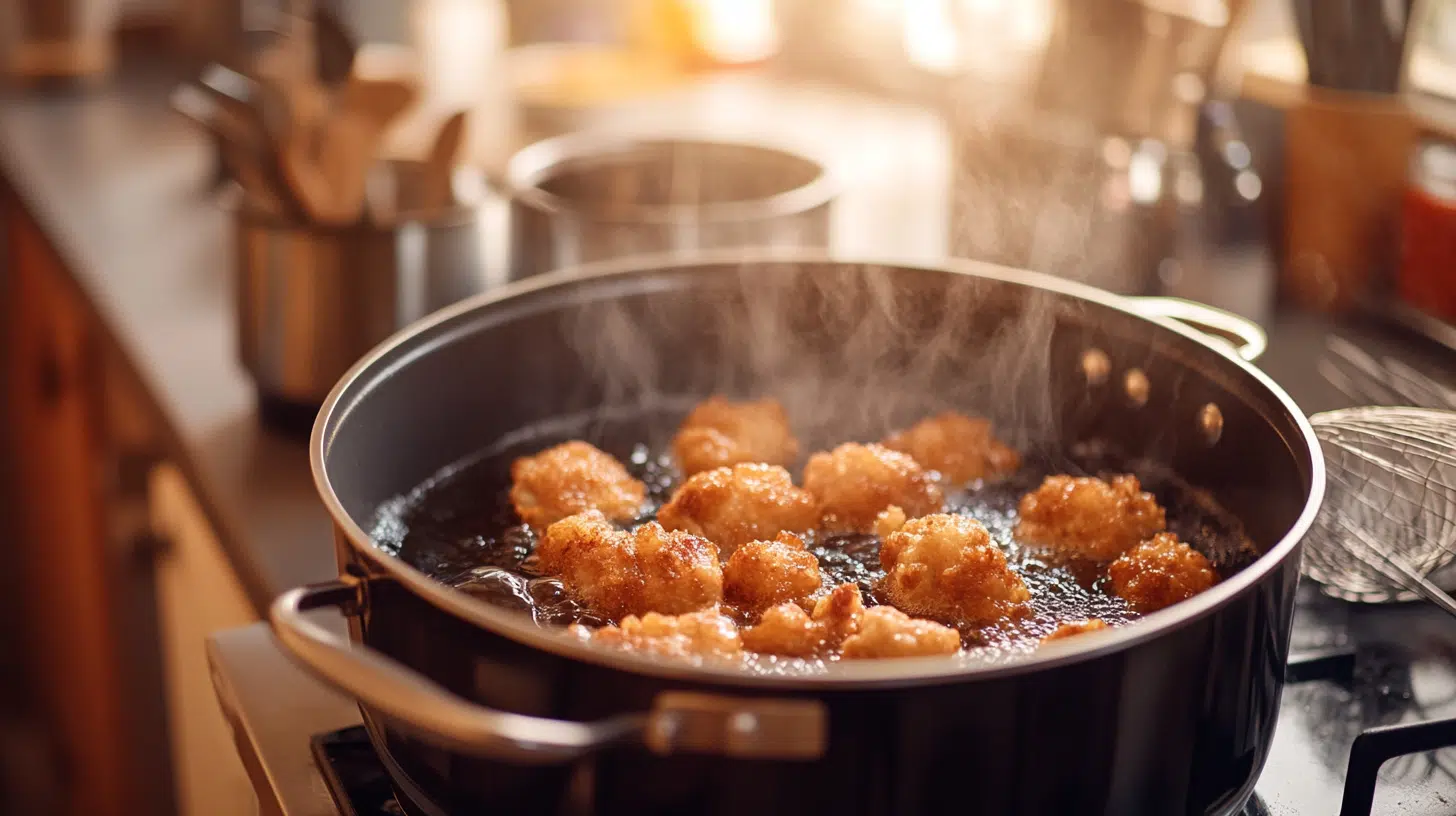
Safe frying starts with dry food, stable heat, enough space, and a plan for handling hot oil.
1. Choose the right pan and oil
Use a heavy pan or pot that leaves plenty of room above the oil. Oil can bubble sharply when food is added, so do not fill the vessel to the top.
Choose an oil suitable for the planned heat. Common options include canola, peanut, sunflower, soybean, and refined avocado oils. Check the label and avoid heating oil until it smokes.
The smoke point is useful, but it is not the only measure of oil quality. Freshness, flavor, stability, and the cooking method also matter.
2. Dry the food
Pat food dry with paper towels before frying. Remove excess water from thawed frozen foods and wet marinades.
Water touching hot oil can turn into steam at once. This causes popping and can eject hot oil from the pan.
Add wet batter carefully. Keep your face and hands away from the pan, and lower food gently rather than dropping it.
3. Control the temperature
A kitchen thermometer helps maintain steady oil temperature. Many fried foods work best between 325°F and 375°F, but follow the recipe for the specific food.
If the oil is too cool:
- Food may absorb more oil.
- The crust may become soft.
- Cooking takes longer.
- The food may brown unevenly.
If the oil is too hot:
- The outside may burn before the center cooks.
- The oil may smoke.
- The crust may become bitter.
- Fire risk increases.
Add food in small batches. Too much food lowers the oil temperature and causes uneven cooking.
4. Cook to a safe internal temperature
Color and crispness do not show whether meat or poultry is safe inside. Use a food thermometer and follow USDA FSIS safe minimum temperature guidance.
As a general guide, the USDA lists:
- Poultry: 165°F
- Ground meats: 160°F
- Whole cuts of beef, pork, lamb, and veal: 145°F, followed by a three-minute rest
- Fish: 145°F
Use the thickest part of the food for the reading. Avoid touching bone, the pan, or the thermometer tip to the surface.
5. Drain and serve
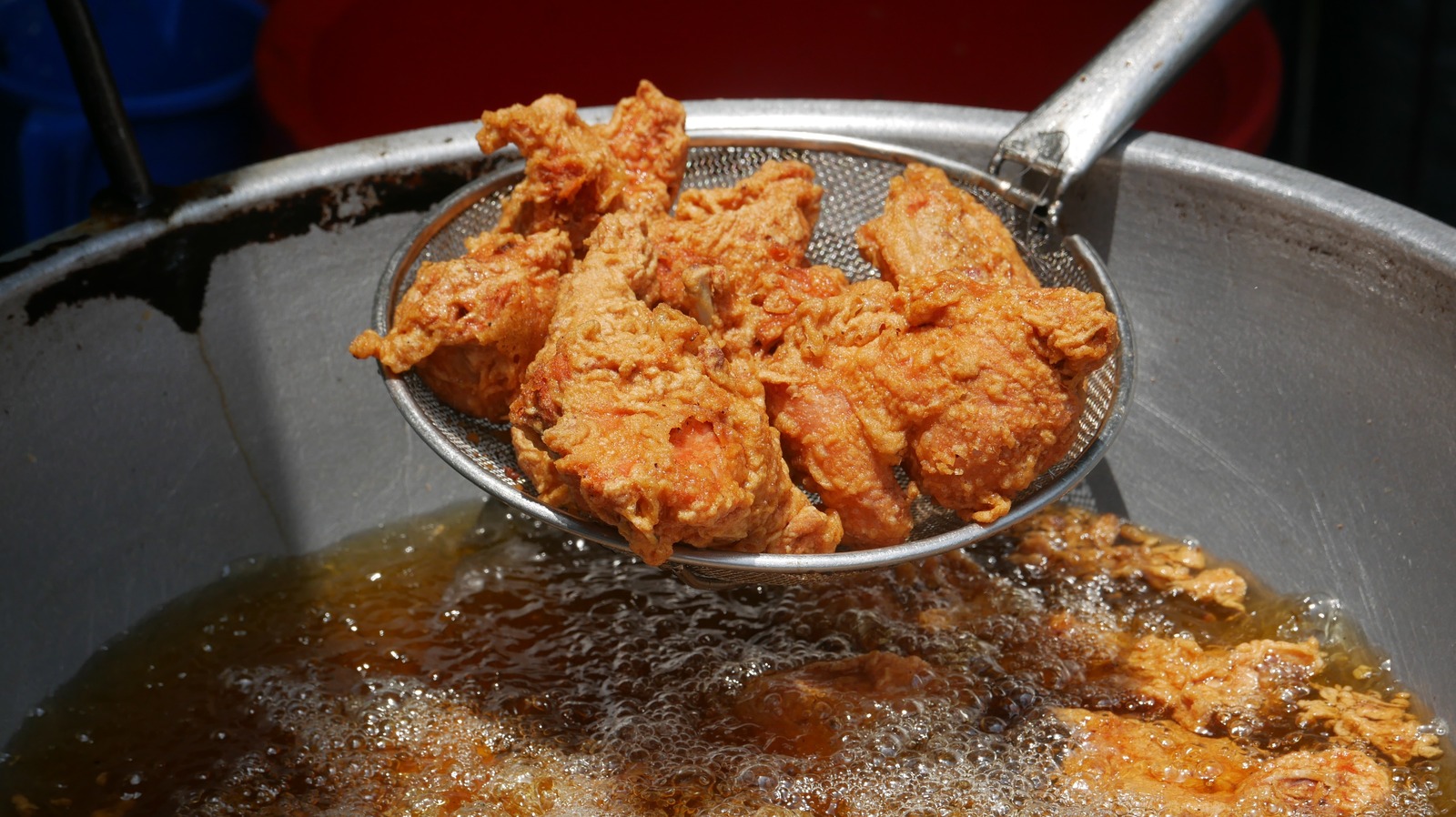
Remove fried food with tongs, a slotted spoon, or a spider strainer. Let excess oil drain briefly over the pot, then place the food on a rack or a lined tray.
A wire rack often keeps the underside crisp better than a flat paper towel. Do not stack hot fried foods, because trapped steam can soften the crust.

Common frying mistakes and how to fix them
The food is greasy
Likely causes: Oil was too cool, the pan was crowded, or the food stayed in the oil too long.
Fix: Heat the oil before adding food, fry smaller batches, and keep the temperature steady. Drain the food soon after removing it.
The coating falls off
Likely causes: The food was too wet, the coating was not pressed on, or the oil was not hot enough.
Fix: Pat the food dry. Use a consistent coating process, such as flour, liquid wash, then crumbs. Let coated food rest for a few minutes before frying.
The outside burns while the inside stays raw
Likely causes: Pieces are too thick, the oil is too hot, or the food was not prepared evenly.
Fix: Cut pieces to a similar size. Lower the oil temperature and finish thicker pieces in a moderate oven if the recipe allows. Check the center with a thermometer.
The food is not crisp
Likely causes: Excess moisture, low heat, overcrowding, or steam trapped after cooking.
Fix: Dry the food, fry in batches, and place finished pieces on a rack. Serve soon after frying.
The oil smokes
Likely causes: The temperature is too high, the oil is unsuitable, or the oil has degraded.
Fix: Turn off the heat and move the pan away from the burner if it is safe to do so. Do not add water. If an oil fire starts, cover the pan with a metal lid and call 911 if needed. Never use water on a grease fire.
Key takeaways
- We fry food to create a crisp surface, browned color, rich flavor, and fast cooking.
- Hot oil removes surface water and transfers heat quickly.
- The Maillard reaction creates many of the roasted flavors linked with fried food.
- Frying does not seal in juices.
- Oil temperature affects crispness, cooking time, and oil absorption.
- Food can brown before the center reaches a safe temperature.
- Use a thermometer for meat, poultry, and seafood.
- Keep water away from hot oil and never use water on an oil fire.
- Fried food can fit into a varied diet, but frequent portions may add substantial calories and fat.
Frequently asked questions
Why does fried food become crispy?
Fried food becomes crispy when heat removes water from its surface. The dry outer layer hardens, while a coating can add more structure. The inside may remain soft because water evaporates more slowly there.
Why does fried food taste better to many people?
Frying combines fat, browning, aroma, and texture. Oil carries flavor, while the Maillard reaction creates savory and toasted notes. The contrast between a crisp crust and a tender center also affects how the food feels while eating.
Does frying remove nutrients?
Frying can reduce some heat-sensitive nutrients, especially when food cooks for a long time. It can also increase calorie content when food absorbs oil. The effect varies by food, temperature, cooking time, and method.
Is air-fried food the same as deep-fried food?
No. Air frying uses circulating hot air and little or no added oil. Deep-frying surrounds food with hot oil. Air-fried foods may be crisp, but they often have a different crust, flavor, and moisture level.
What oil is best for frying?
There is no single best oil for every dish. Choose a fresh oil that suits the cooking temperature and flavor you want. Canola, peanut, sunflower, soybean, and other refined oils are common options. Check for smoke, rancid odors, and signs of breakdown before use.
Conclusion
People fry food because the method delivers several results at once: fast cooking, a dry crisp crust, deep browning, and strong flavor. The key science is simple. Hot oil removes surface moisture and transfers heat quickly, while browning reactions create color and aroma.
For better results, dry the food, control the oil temperature, avoid crowding, and check the internal temperature of meat and seafood. Frying works best as one cooking method within a varied diet, not as the only way to prepare food.