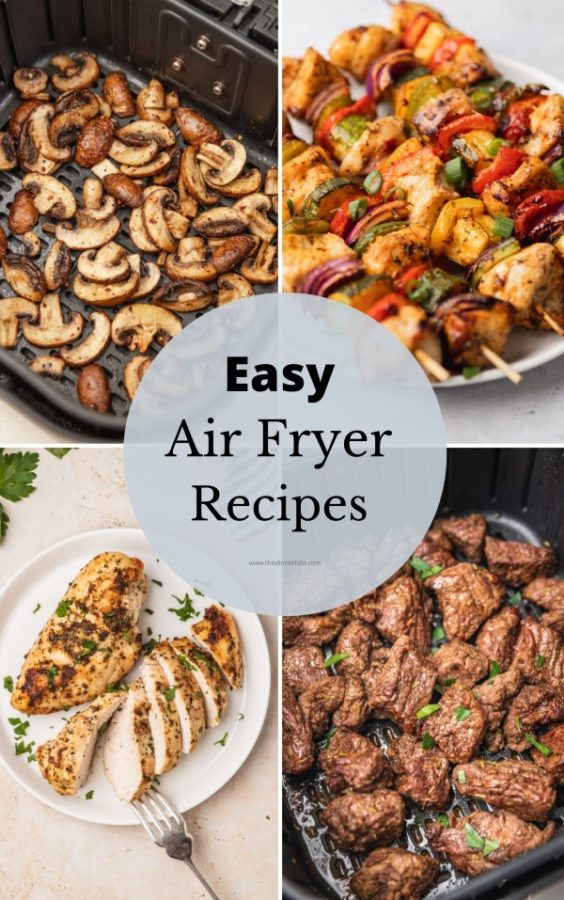
What To Cook In An Air Fryer: Easy Meal Ideas
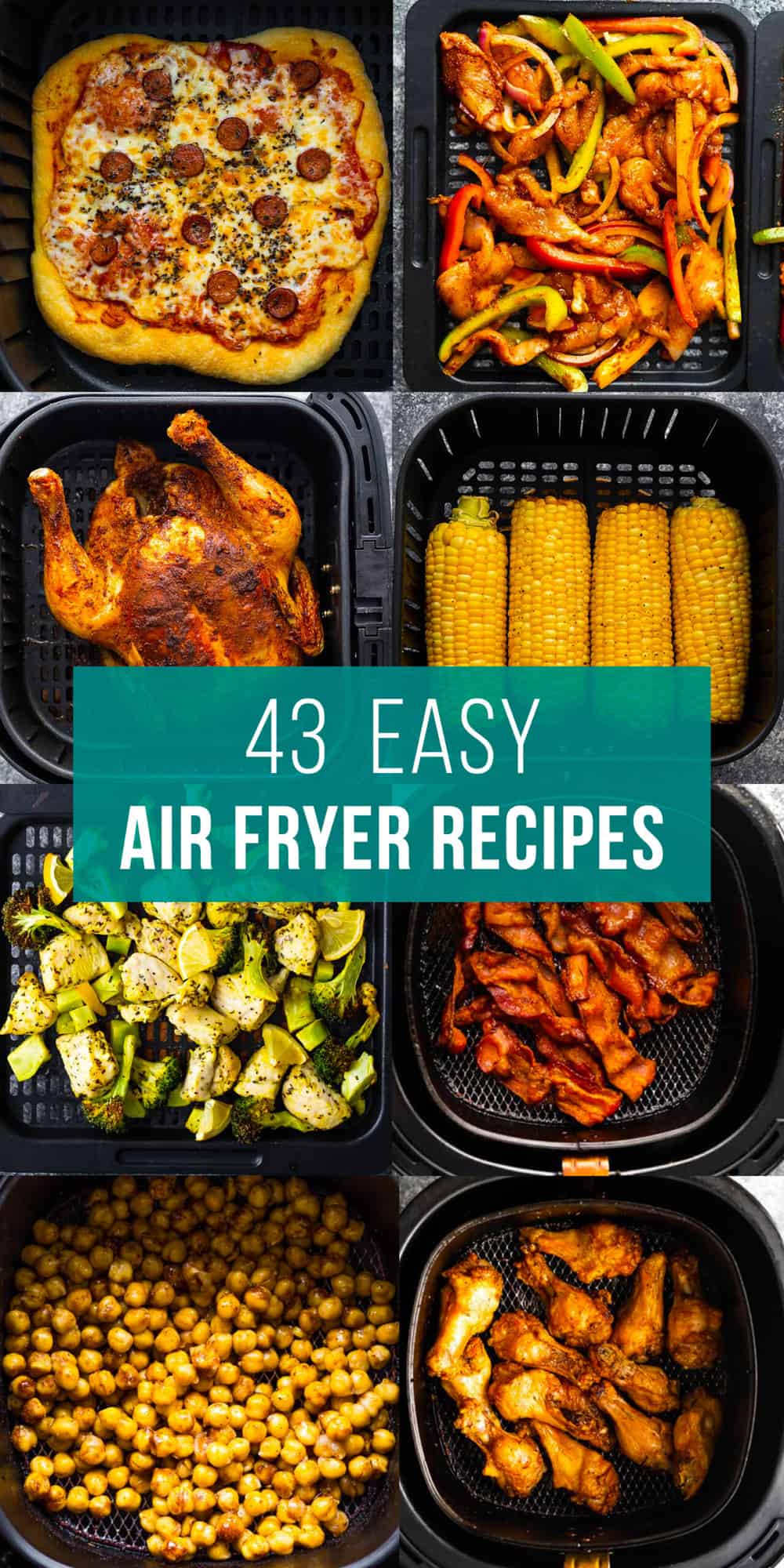
An air fryer can cook far more than frozen fries. In a U.S. kitchen, you can use it to make crisp chicken, roasted vegetables, salmon, burgers, baked potatoes, reheated pizza, and quick snacks with little oil. The best results come from foods that benefit from dry, moving heat and have enough space for air to flow around them.
Cooking times vary by air fryer size, food thickness, and starting temperature. Use the times below as a guide, then check the food for doneness with a food thermometer when needed.
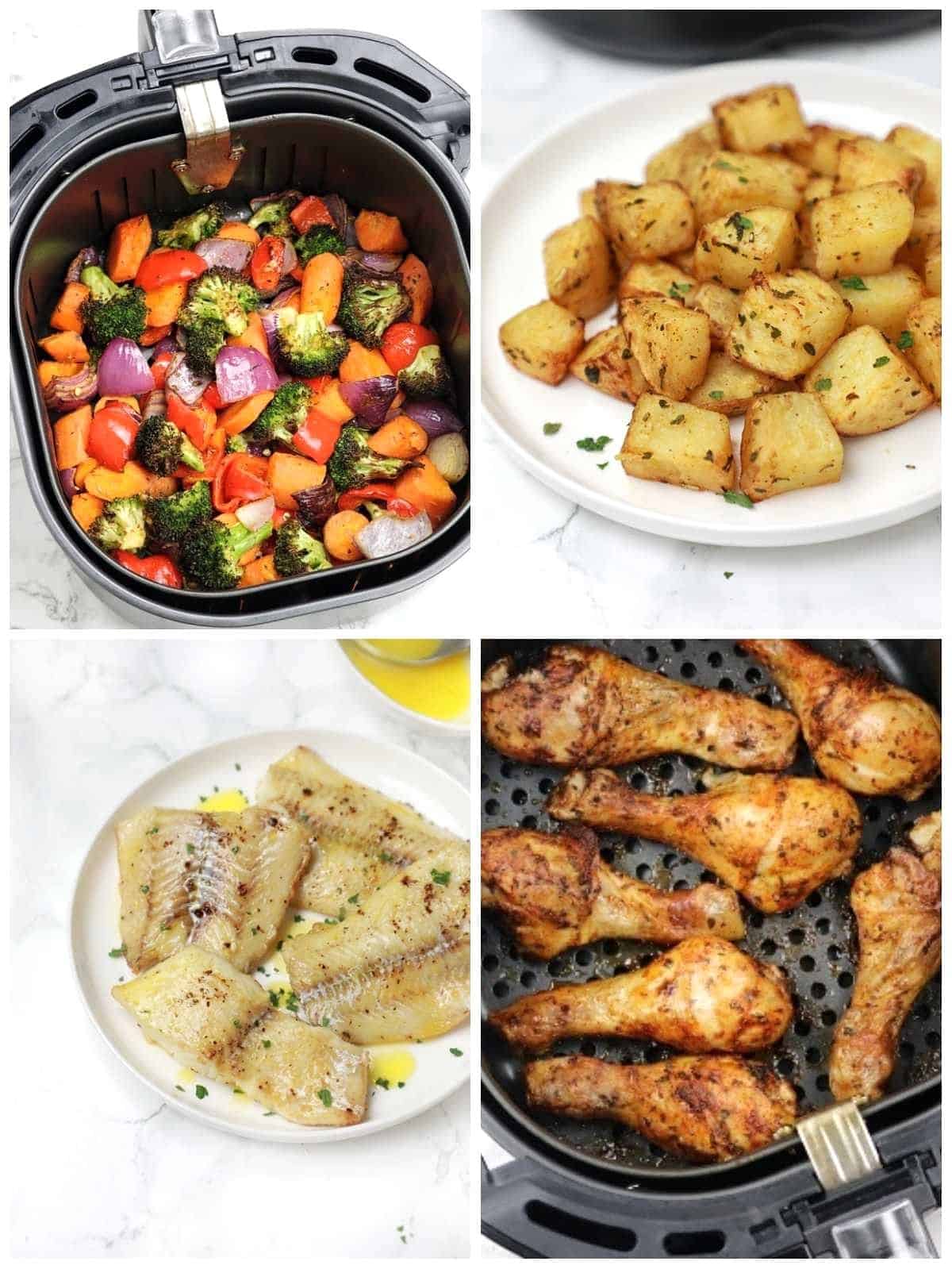
How an Air Fryer Works
An air fryer is a small convection oven. A heating element warms the air, and a fan moves that hot air around the food. This helps the surface dry and brown.
An air fryer does not truly “fry” food in the same way as a deep fryer. It uses much less oil, so a light coating of oil often improves browning and texture.
Most air fryers work best when you:
- Preheat when the recipe calls for it.
- Keep food in a single layer.
- Leave space between pieces.
- Shake the basket or turn food halfway through cooking.
- Check food early because small air fryers can cook fast.
- Use a thermometer for meat, poultry, and seafood.
A basket-style air fryer usually cooks faster than a full-size oven because the food sits close to the heating element. A countertop air fryer oven may need more time and may brown food less evenly.

The Best Foods to Cook in an Air Fryer
The best air fryer foods are small, fairly dry, and easy to turn or shake. Frozen foods, chicken pieces, vegetables, seafood, and reheated leftovers all work well.
1. French Fries
Air fryers are well suited to frozen French fries. They brown quickly and do not need a deep pot of oil.
Cook frozen fries at 400°F for about 12 to 20 minutes, depending on thickness. Shake the basket two or three times. Do not fill the basket too deeply, or the fries may steam instead of crisp.
For homemade fries:
- Cut russet potatoes into even sticks.
- Rinse or soak them in cold water if you want to remove some surface starch.
- Dry them very well.
- Toss with a small amount of oil.
- Cook at 375°F to 400°F, shaking often.
2. Chicken Wings
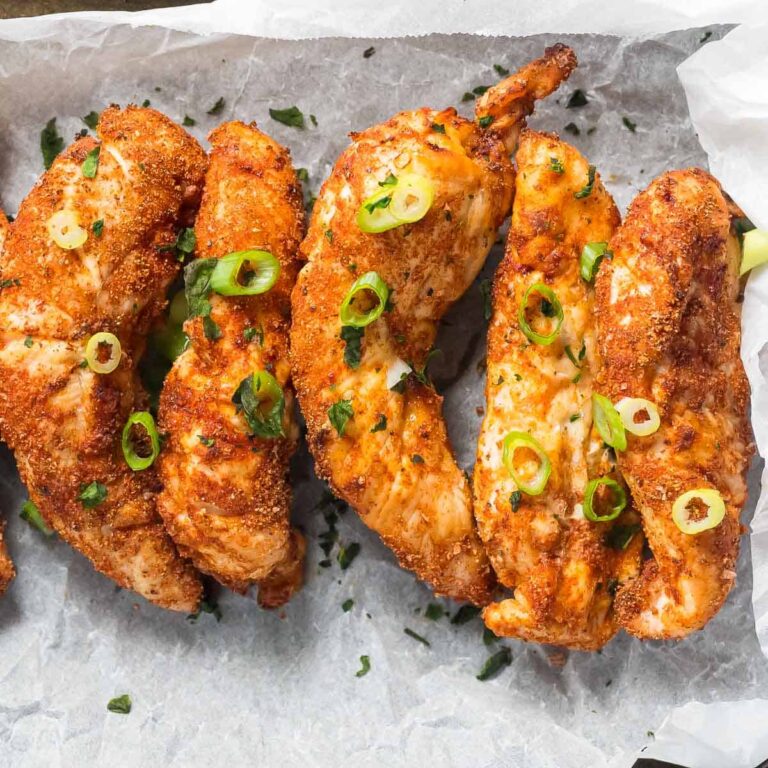
Chicken wings are one of the most popular air fryer meals. The moving heat helps render fat and crisp the skin.
Pat the wings dry before seasoning. Cook at 380°F for about 20 to 25 minutes, turning or shaking halfway through. For extra browning, raise the heat to 400°F for the last 3 to 5 minutes.
Chicken must reach 165°F in the thickest part. Avoid crowding the basket because packed wings can cook unevenly.
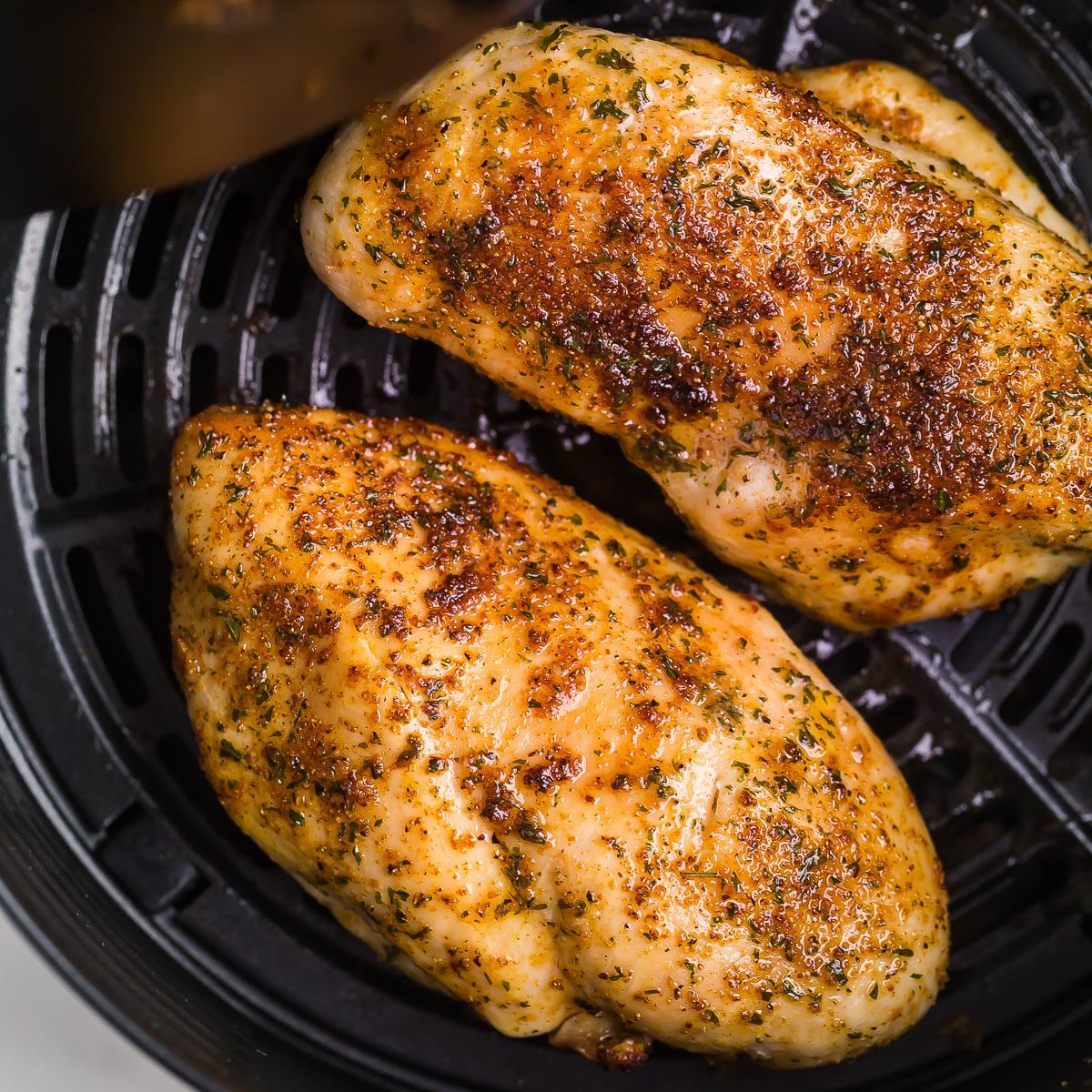
3. Chicken Breast
Boneless chicken breast cooks quickly in an air fryer, but it can dry out if overcooked.
Brush the breast with a little oil and season it before cooking. A typical 6- to 8-ounce breast takes about 16 to 22 minutes at 375°F, but thickness matters more than weight.
Use a thermometer in the thickest part. Remove the chicken when it reaches a safe internal temperature of 165°F. Let it rest for a few minutes before slicing.
4. Chicken Thighs
Chicken thighs usually stay juicier than breast meat because they contain more fat. Bone-in thighs take longer than boneless thighs.
- Boneless thighs: about 16 to 22 minutes at 380°F
- Bone-in thighs: about 25 to 35 minutes at el 380°F
Turn the pieces halfway through. The safe minimum temperature for chicken is 165°F, measured away from the bone.
5. Salmon
Salmon cooks well in an air fryer because the hot air can brown the top while the center stays tender.
Place salmon fillets skin-side down when possible. Cook at 375°F for about 7 to 12 minutes, depending on thickness. A thick fillet may need more time.
The FDA lists 145°F as the safe internal temperature for fish. The salmon should flake easily and look opaque in the center.
6. Shrimp
Shrimp need only a few minutes. Toss peeled shrimp with oil, garlic, lemon, or a simple spice blend.
Cook at 400°F for about 5 to 8 minutes, shaking once. Shrimp are ready when they are opaque and firm. Overcooked shrimp become rubbery, so check them early.
7. Burgers
Air fryers can cook beef, turkey, or veggie burgers without a grill.
For a 4-ounce beef patty, start with 375°F for 8 to 12 minutes, turning halfway. The exact time depends on thickness and desired doneness.
Ground beef should reach 160°F. Ground turkey and ground chicken should reach 165°F. Do not rely only on color.
8. Steak
Small steaks can be cooked in an air fryer, though they may not develop the same seared crust as a hot cast-iron pan or outdoor grill.
Pat the steak dry and season it well. Cook a 1-inch steak at 400°F for about 10 to 14 minutes, turning halfway. Use a thermometer to check your preferred doneness.
Let the steak rest for several minutes before cutting. The air fryer is most useful for small steaks, not very thick cuts that need a long, gentle cook.
9. Pork Chops
Boneless pork chops cook quickly and can become dry if they are thin.
Cook 1-inch chops at 375°F for about 12 to 16 minutes, turning halfway. Pork chops should reach 145°F, followed by a three-minute rest, according to USDA guidance.
A light oil coating helps prevent a dry surface. A thicker chop may need more time at a lower temperature.
10. Bacon
Air frying bacon reduces splatter compared with stovetop cooking, although grease can still collect in the basket or drawer.
Cook regular-cut bacon at 350°F for about 7 to 10 minutes. Thick-cut bacon may need 10 to 14 minutes. Arrange the strips in one layer and check them early.
Let the bacon cool briefly before serving. Clean the grease after the air fryer has cooled.
11. Baked Potatoes
Air fryer baked potatoes have a crisp skin and fluffy center.
Scrub and dry the potatoes. Pierce them a few times with a fork, rub them lightly with oil, and season the skin. Cook at 400°F for about 35 to 50 minutes, depending on size.
Turn the potatoes once if your air fryer browns unevenly. They are ready when a knife slides into the center with little resistance.
12. Sweet Potatoes
Whole sweet potatoes cook in much the same way as russet potatoes.
Cook medium sweet potatoes at 380°F to 400°F for about 35 to 50 minutes. Smaller sweet potatoes may finish sooner. Their skins can blister, so place them in a basket that is easy to clean.
You can also cut sweet potatoes into cubes or wedges. Toss them with oil and cook at 380°F for about 15 to 22 minutes, shaking several times.
13. Broccoli
Air-fried broccoli develops browned edges and a tender center.
Cut the florets into similar sizes, toss them with oil and seasoning, and cook at 375°F for 8 to 12 minutes. Shake once or twice.
If the florets are large and dry, add a small splash of water to the bottom of the drawer only if your appliance manual allows it. Never block the air vents.
14. Brussels Sprouts
Halved Brussels sprouts cook better than whole ones because the cut side can brown.
Toss them with oil, salt, and pepper. Cook cut-side down at 375°F for 15 to 20 minutes, shaking once. Very large sprouts may need a few more minutes.
A little balsamic vinegar, maple syrup, or grated Parmesan can be added after cooking. Sugary sauces may burn if applied too early.
15. Green Beans
Air-fried green beans stay firm and gain browned spots.
Cook trimmed green beans at 375°F for 8 to 12 minutes. Shake the basket after about five minutes. Thin beans may finish sooner.
Add lemon juice, toasted almonds, or garlic after cooking rather than placing delicate ingredients in the basket for the full cooking time.
16. Corn on the Cob
Air frying gives corn lightly browned kernels without boiling a large pot of water.
Remove the husks and silk. Cook the ears at 380°F for 10 to 14 minutes, turning once or twice. Brush with butter after cooking, or use oil before cooking for better browning.
17. Asparagus
Asparagus cooks in minutes and works best when the spears are close in size.
Trim the woody ends, add a little oil, and cook at 375°F for 6 to 10 minutes. Thin spears need less time than thick ones.
Stop when the tips are browned and the stalks are tender but not limp.
18. Frozen Vegetables
Frozen vegetables can go straight into the air fryer. You do not need to thaw them first.
Cook at 375°F to 400°F for 10 to 18 minutes, depending on the vegetable. Shake the basket several times. Frozen vegetables may release water, so they may not become as crisp as fresh vegetables.
Use a light oil spray after the first few minutes if the vegetables look dry.
19. Mozzarella Sticks
Frozen mozzarella sticks are made for air frying. Cook them at 360°F to 390°F for about 5 to 8 minutes.
Watch them closely. Once the cheese starts to leak, remove them soon. Do not overcrowd the basket.
20. Chicken Nuggets and Tenders
Frozen chicken nuggets and tenders cook quickly and need no added oil.
Cook them at 400°F for about 8 to 14 minutes, turning halfway. The package directions are the best starting point because brands vary in size and breading.
For raw breaded chicken, check the center with a thermometer. Poultry must reach 165°F.
21. Fish Sticks
Air fry frozen fish sticks at 400°F for about 8 to 12 minutes, turning once. Leave room between pieces so the coating can dry and brown.
Check the package directions and make sure the center is hot. Fish should reach 145°F.
22. Pizza
Air fryers are useful for reheating pizza. The bottom becomes crisp while the cheese warms quickly.
Cook slices at 350°F for 3 to 5 minutes. Thick slices may need more time. Place the slice flat, and avoid stacking pieces.
For small frozen pizzas, follow the package instructions but check early. Some frozen pizzas fit poorly in round baskets and may need to be cut.
23. Quesadillas
A quesadilla can cook in an air fryer in about 5 to 8 minutes at 350°F. Use a firm tortilla and do not overfill it.
The fan may lift the top tortilla before the cheese melts. Place a small, air-fryer-safe rack or another approved accessory over the quesadilla if your appliance manual allows it.
24. Grilled Cheese
Air fryer grilled cheese can work well, but the top slice may move because of the fan.
Butter the outside of the bread and cook at 350°F for 6 to 8 minutes, turning once. Use a toothpick or an approved rack if needed to hold the bread in place.
Do not use loose parchment or paper towels. They can move into the heating element.
25. Hard-Boiled Eggs
Some air fryers can cook eggs without water. Results vary by appliance, egg size, and starting temperature.
A common starting point is 270°F for 13 to 17 minutes, followed by an ice bath. Test one egg first because some models run hot.
Use a saucepan if you need highly repeatable results for many eggs. Air fryer eggs are convenient, but they are not always the most consistent option.
26. Tofu
Firm or extra-firm tofu becomes crisp when pressed and cut into small cubes.
Press out excess water, toss the cubes with a little oil and seasoning, and cook at 375°F for 12 to 18 minutes. Shake several times.
Cornstarch can create a crisp coating, but use only a light amount. Too much dry coating can blow around the basket.
27. Chickpeas
Canned chickpeas make a quick crunchy snack.
Drain, rinse, and dry them well. Toss with oil and seasoning, then cook at 390°F for 12 to 18 minutes, shaking often.
Let them cool before eating. They become crisper as they cool, but they may soften during storage.
28. Reheated Leftovers
An air fryer often reheats food better than a microwave when you want a crisp surface.
Try these starting points:
- Pizza: 350°F for 3 to 5 minutes
- Fried chicken: 350°F for 8 to 12 minutes
- French fries: 375°F for 3 to 6 minutes
- Roasted vegetables: 350°F for 4 to 8 minutes
- Egg rolls: 375°F for 5 to 8 minutes
Check that leftovers are heated through. Refrigerate cooked food within two hours, or within one hour if the temperature is above 90°F, according to USDA guidance.
29. Cookies
You can bake small batches of cookies in an air fryer, but the shape and browning may differ from a standard oven.
Use a small piece of parchment made for air fryers, with food weighing it down. Cook at 320°F to 350°F and check after a few minutes.
Do not place loose parchment in an empty preheating basket. The fan can pull it toward the heating element.
30. Small Cakes and Muffins
Small baking dishes that fit the basket can hold muffins, brownies, or a small cake.
Use an air-fryer-safe metal or silicone pan that leaves room around the sides. Cook at 300°F to 330°F to reduce over-browning on top. The center may need more time than the edges.
Test the center with a toothpick. If the top browns too fast, lower the temperature and continue cooking.
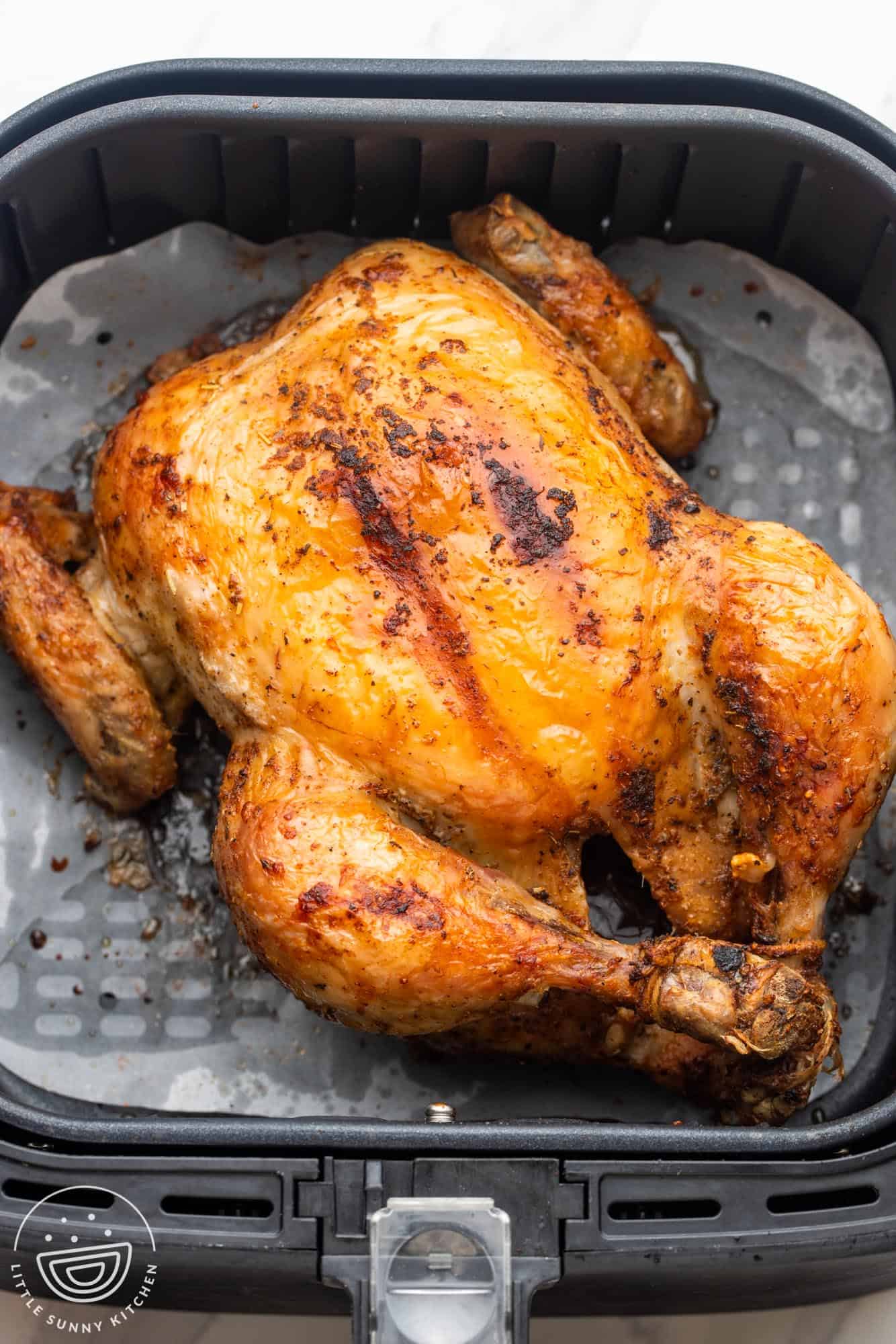
Air Fryer Cooking Time and Temperature Chart
Use this chart as a starting guide for common foods. Food size, quantity, basket style, and starting temperature can change the result.
| Food | Temperature | Approximate time | Key check |
|---|---|---|---|
| Frozen French fries | 400°F | 12–20 minutes | Shake often |
| Chicken wings | 380°F | 20–25 minutes | Chicken reaches 165°F |
| Chicken breast | 375°F | 16–22 minutes | Thickest part reaches 165°F |
| Salmon | 375°F | 7–12 minutes | Fish reaches 145°F |
| Shrimp | 400°F | 5–8 minutes | Opaque and firm |
| Beef burger | 375°F | 8–12 minutes | Ground beef reaches 160°F |
| Pork chop | 375°F | 12–16 minutes | Reaches 145°F, then rests 3 minutes |
| Bacon | 350°F | 7–14 minutes | Desired crispness |
| Baked potato | 400°F | 35–50 minutes | Soft in the center |
| Broccoli | 375°F | 8–12 minutes | Browned edges, tender stems |
| Brussels sprouts | 375°F | 15–20 minutes | Tender center |
| Pizza slice | 350°F | 3–5 minutes | Cheese is hot |
| Mozzarella sticks | 360–390°F | 5–8 minutes | Remove before cheese leaks |
| Tofu cubes | 375°F | 12–18 minutes | Crisp edges |
These times are not a substitute for package directions or a food thermometer. For raw meat, poultry, and fish, temperature is the deciding test.

How to Get Crisp Results
Crisp food needs dry surfaces and moving air. These steps make the biggest difference:
- Dry the food first. Pat chicken, tofu, vegetables, and potatoes dry.
- Use a thin layer of oil. Too much oil can make food greasy. Too little can leave breading pale.
- Do not overcrowd the basket. Cook in batches when food touches or overlaps.
- Shake or turn the food. This helps expose more surface area to the hot air.
- Add wet sauces near the end. Barbecue sauce, honey, and teriyaki can burn.
- Use a lower temperature for sugary foods. Sweet coatings brown quickly.
- Rest breaded food briefly. The coating can firm up after cooking.
A crowded basket is the most common reason food comes out soft. An air fryer needs open paths for air, much like a fan needs space to move air across a room.
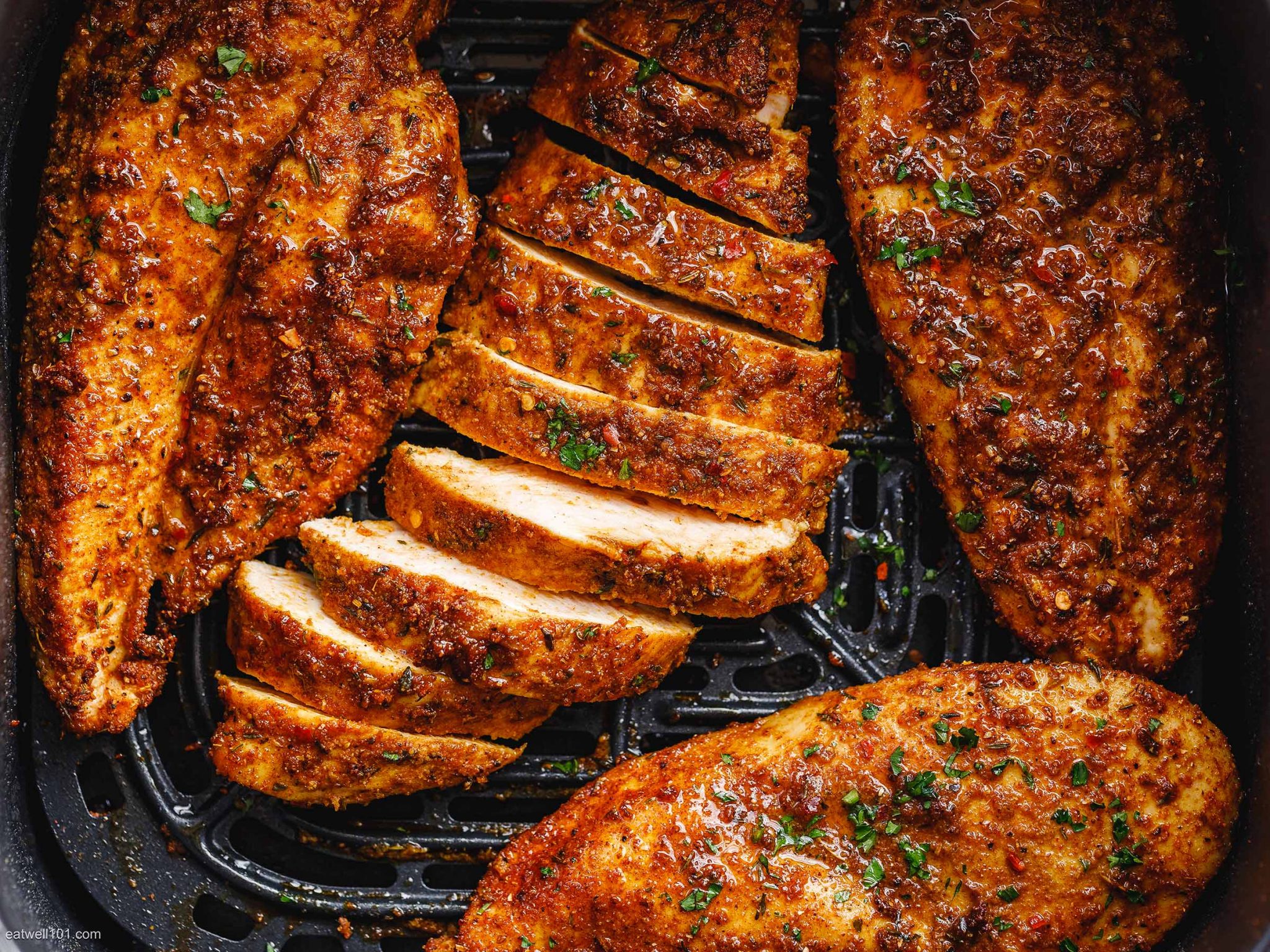
What Not to Cook in an Air Fryer
Some foods are unsafe, messy, or poorly suited to an air fryer.
Avoid or use caution with:
- Loose wet batter: It can drip through the basket before it sets.
- Very light foods: Tortilla pieces, dry herbs, and bread can blow into the heating element.
- Large roasts: They may cook unevenly unless the appliance and recipe are designed for them.
- Cheese by itself: Melted cheese can drip and burn.
- Uncooked rice or pasta: These need water and are not suited to dry air frying.
- Whole liquids: Soups, sauces, and stews should go in a pot or an approved baking dish.
- Plastic containers: Use only materials marked as safe for the appliance’s heat.
- Aerosol cooking spray: Some sprays can damage nonstick coatings. Use a refillable oil sprayer or brush if the manual permits it.
Always check the appliance manual before using foil, parchment, silicone liners, racks, or baking pans. Accessories must not block the fan or heating element.

Air Fryer Safety and Food Temperatures
Food safety depends on internal temperature, not just cooking time or surface color.
Use an instant-read thermometer for:
- Chicken, turkey, and other poultry: 165°F
- Ground beef, pork, lamb, and veal: 160°F
- Whole cuts of beef, pork, lamb, and veal: 145°F, followed by a three-minute rest
- Fish: 145°F
- Leftovers and casseroles: 165°F
Insert the thermometer into the thickest part of the food. Avoid touching the basket, bone, or pan because those surfaces can give a false reading.
Wash hands and utensils after handling raw meat. Keep raw poultry separate from ready-to-eat food. Clean the basket and drawer after cooking foods that release grease.
If smoke appears, turn off the appliance and unplug it if safe to do so. Let it cool before cleaning. Excess fat, crumbs, or grease can smoke at high heat.

How to Choose the Right Air Fryer Setting
Use the cooking setting that matches the food’s main need:
- Air fry: Best for fries, wings, vegetables, breaded foods, and reheating.
- Roast: Useful for larger vegetables, chicken pieces, and meat.
- Bake: Better for cakes, muffins, and other foods that need gentler heat.
- Broil or crisp: Useful for brief browning, but watch food closely.
- Reheat: Helpful for leftovers when the appliance provides this setting.
The label matters less than the temperature and airflow. A “roast” setting on one model may be similar to “air fry” on another. Follow the manual if the settings use different fan speeds or heating patterns.
Common Air Fryer Mistakes
Cooking by time alone
A recipe that says “cook for 15 minutes” may assume a certain model and food thickness. Start checking early and use temperature for meat.
Filling the basket too high
Food at the bottom may steam while food at the top browns too fast. A single layer gives the most even result.
Skipping the drying step
Wet surfaces resist browning. Dry potatoes, chicken skin, and tofu before adding oil or seasoning.
Adding too much oil
An air fryer does not need a deep layer of oil. A light coating is usually enough.
Using loose parchment
Parchment can lift into the heating element during preheating or when the basket is empty. Add it only when food can hold it down, and use a product rated for the temperature.
Forgetting carryover cooking
Thick meat may continue to rise in temperature after removal. Check it near the end and allow it to rest.
Ignoring the manual
Air fryers differ in wattage, basket shape, maximum temperature, and approved accessories. The manual provides the safest limits for that model.

A Simple Method for Any New Air Fryer Recipe
When trying a food for the first time, use this method:
- Check the food size. Cut pieces to a similar thickness.
- Dry the surface. This improves browning.
- Add a small amount of oil. Use only enough to coat the food lightly.
- Set a moderate temperature. Start around 375°F unless the food or package gives another direction.
- Cook a small batch. Leave space around each piece.
- Check halfway. Shake, turn, or rearrange the food.
- Test for doneness. Use a thermometer or a visual texture check appropriate for the food.
- Adjust the next batch. Reduce the time if the food browned too fast, or raise the time slightly if the center was not done.
This approach works because air fryers vary. A short test batch prevents a full basket of food from burning or remaining raw.
Frequently Asked Questions
What is the easiest food to cook in an air fryer?
Frozen French fries, chicken nuggets, vegetables, bacon, and reheated pizza are among the easiest choices. They need little preparation and provide clear signs of doneness.
Can I put raw chicken in an air fryer?
Yes. Raw chicken can be air fried if pieces are not overcrowded and the thickest part reaches 165°F. Wash hands and surfaces after handling the raw chicken.
Do I need to preheat an air fryer?
Not always. Preheating can help food brown more evenly and can reduce cooking time for some recipes. Small foods may cook well without it. Follow the appliance manual and recipe directions.
Can I use aluminum foil in an air fryer?
Many air fryers allow foil, but it must not block airflow or touch the heating element. Check the manual first. Never use foil as a loose sheet during preheating.
Is air-fried food healthier than deep-fried food?
Air frying usually uses less added oil than deep frying, which can reduce the amount of fat added during cooking. The food itself still matters. Air-fried bacon, processed snacks, or heavily breaded foods are not automatically nutritious.
Key Takeaways
- Air fryers work best for food that benefits from dry, moving heat.
- Chicken, fish, vegetables, potatoes, frozen foods, and leftovers are strong choices.
- Keep food in a single layer when possible.
- Shake or turn food halfway through cooking.
- Use a thermometer for meat, poultry, seafood, and leftovers.
- Start checking early because air fryer models vary.
- Follow the appliance manual for foil, parchment, pans, and other accessories.
Conclusion
The best way to use an air fryer is to start with foods that brown well and cook in small pieces. Try chicken wings, salmon, broccoli, fries, baked potatoes, or reheated pizza first. Once you learn how quickly your model cooks, you can adjust time, temperature, oil, and batch size with confidence.
For your next meal, choose one protein or vegetable, dry it well, leave space around it, and check it before the recipe’s final cooking time.