What To Cook In An Air Fryer Oven: Easy Ideas
An air fryer oven can cook far more than frozen fries. In a U.S. kitchen, it can roast vegetables, crisp chicken, bake fish, reheat pizza, and make quick breakfasts with less oil than deep frying. The best results come from foods that benefit from dry, fast heat and good air flow.
Start with small batches, use the temperature in °F, and check food with a thermometer when needed. This guide explains what to cook in an air fryer oven, how to adjust cooking times, and how to avoid common mistakes.

The Best Foods to Cook in an Air Fryer Oven
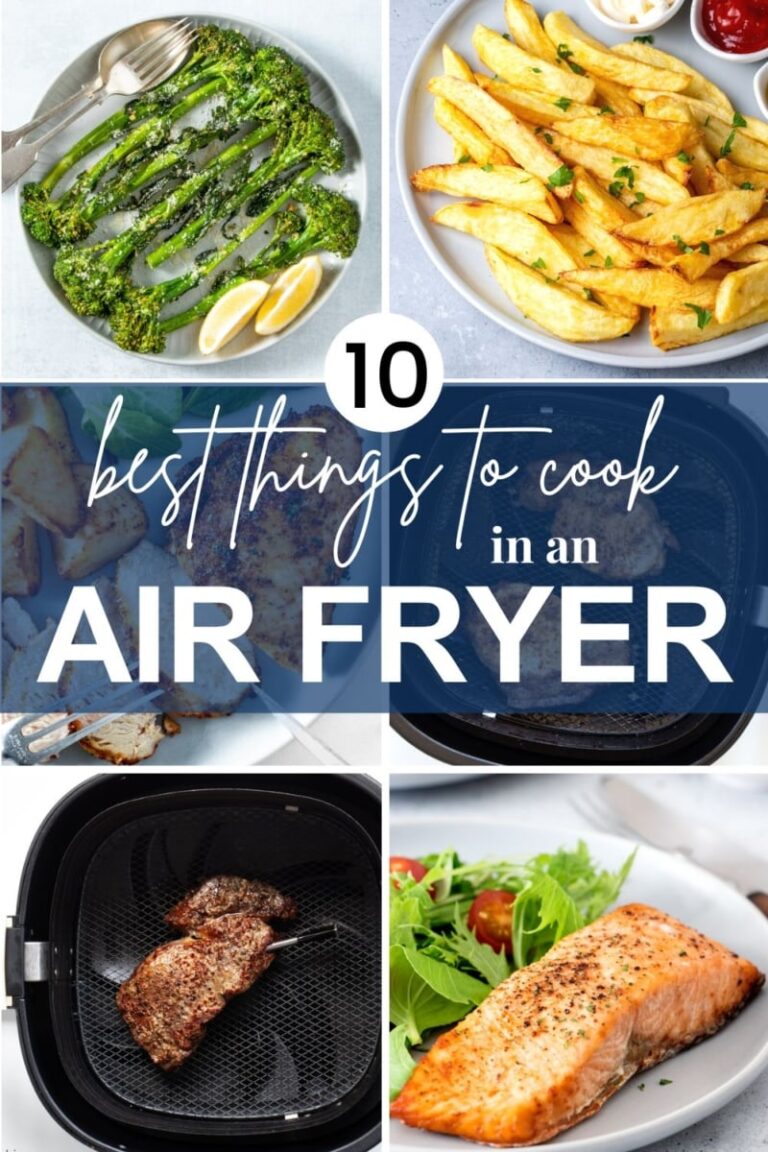
The best air fryer foods have a dry surface, a moderate size, and enough space for hot air to move around them. Foods with breading, skin, or firm edges often turn crisp. Foods with high moisture may brown less and may need a different cooking method.
Good choices include:
- Chicken wings, thighs, breasts, and tenders
- Salmon, shrimp, and firm fish fillets
- Burgers, meatballs, and small sausages
- French fries, tater tots, and hash browns
- Broccoli, Brussels sprouts, carrots, and green beans
- Potatoes, sweet potatoes, and corn on the cob
- Toast, bagels, quesadillas, and grilled cheese
- Frozen snacks such as mozzarella sticks and egg rolls
- Small cakes, muffins, cookies, and hand pies
- Leftover pizza, chicken, and roasted vegetables
An air fryer oven works like a small convection oven. A fan moves hot air around the food. This can dry the surface and help it brown. It does not make every food taste fried, but it can create a crisp outside with little or no added oil.
Wet batter is a poor match for most air fryer ovens. It may drip through the rack before it sets. Use dry breading, a coating mix, or a batter designed for air frying instead.

What to Cook for Breakfast
An air fryer oven can cook a quick breakfast without heating a full-size oven. Use a small pan or an air fryer-safe dish for foods that could drip or spread.
Eggs
Eggs can be cooked in several ways:
- Hard-cooked eggs: Place eggs in the basket and cook at about 270°F to 275°F for 15 to 17 minutes. Cool them in ice water before peeling.
- Baked eggs: Crack eggs into greased ramekins and cook at 325°F until the whites set.
- Mini frittatas: Mix eggs with cooked vegetables, cheese, or meat. Pour into silicone cups or a small pan.
Air fryer models vary. Test one egg first, since time can change with egg size and starting temperature.
Breakfast potatoes
Toss diced potatoes with a small amount of oil, salt, pepper, and paprika. Cook at 400°F for about 15 to 25 minutes. Shake the basket or turn the potatoes several times.
Do not crowd the potatoes. A thick layer traps steam and can leave the centers soft.
Bacon and sausage
Bacon cooks well on a rack or tray. Use a lower temperature, such as 350°F, to reduce smoke from fat. Sausage links may cook at 375°F until the center reaches a safe temperature.
The USDA lists 160°F for ground pork or beef sausage and 165°F for poultry sausage as safe minimum internal temperatures. Check the thickest part with a food thermometer.
Chicken and Other Meats
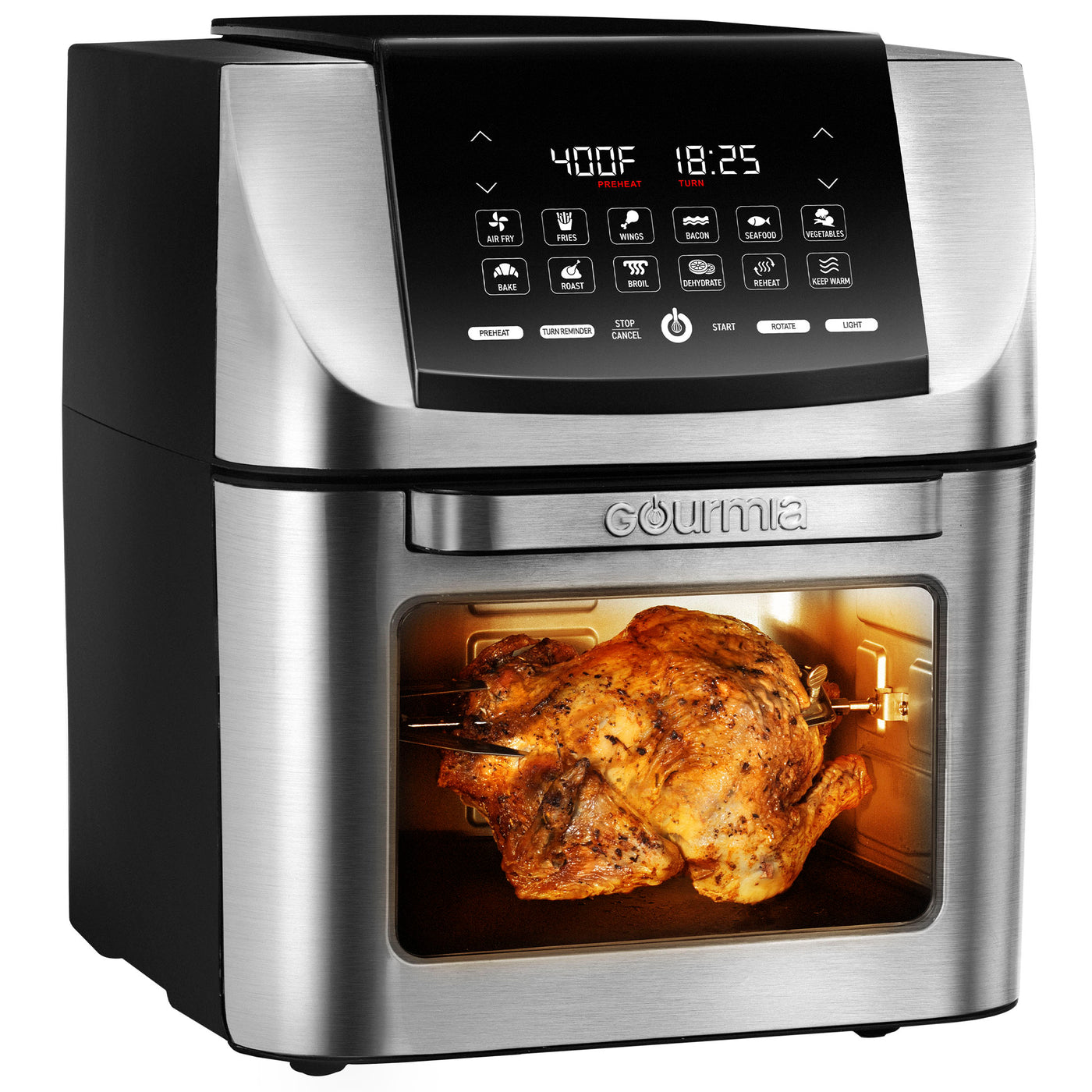
Chicken is one of the most useful foods to cook in an air fryer oven. The moving heat can brown the skin and cook small cuts quickly.
Chicken wings
Pat wings dry before seasoning. Toss them with a little oil, salt, pepper, garlic powder, or a dry spice blend. Cook at 380°F to 400°F for about 25 to 35 minutes. Turn them during cooking.
Wings are ready when the thickest meat reaches at least 165°F, according to the USDA. Many people cook wings to a higher temperature for a more tender texture, but safety depends on reaching at least 165°F.
Chicken breasts
Boneless breasts can dry out if they are too thick or overcooked. Pound thick pieces to an even size. Brush them with a little oil and season well.
Cook at about 375°F until the center reaches 165°F. The time may range from 15 to 25 minutes, depending on thickness. Let the chicken rest for a few minutes before slicing.
Chicken thighs
Boneless or bone-in thighs usually stay moister than breasts. Cook them at 375°F to 400°F until the thickest part reaches 165°F. Bone-in pieces take longer than boneless pieces.
Place skin-on thighs skin-side up when possible. Leave space between pieces so the skin can brown.
Burgers and meatballs
Form burgers with an even thickness. Cook at 375°F to 400°F and turn once if needed. Ground beef should reach at least 160°F.
Meatballs cook well at 375°F. Turn or shake them partway through cooking. Test the center of the largest meatball.
Do not rely on color alone. Meat can look brown before it reaches a safe internal temperature.

Fish and Seafood
Fish and seafood cook fast in an air fryer oven. They can also overcook fast, so start checking early.
Salmon
Brush salmon with oil or a thin sauce. Place it skin-side down if it has skin. Cook at 375°F to 400°F for roughly 7 to 12 minutes, based on thickness.
The FDA Food Code uses 145°F as the safe minimum internal temperature for fish. The FDA also advises that fish should be opaque and separate easily with a fork.
Shrimp
Toss peeled shrimp with oil, garlic, lemon zest, or a spice blend. Cook at 375°F to 400°F for about 5 to 8 minutes. Shake the basket once.
Shrimp are done when they are firm and opaque. Avoid stacking them, or the pieces may cook unevenly.
Breaded fish
Use dry breadcrumbs or panko. Spray the coating lightly with oil to help it brown. Cook at about 400°F and turn the fish if the heating pattern requires it.
Frozen breaded fish may not need extra oil. Follow the package directions first, then adjust based on your air fryer oven.

Vegetables and Potatoes
Air fryer vegetables develop browned edges while staying tender inside. Cut pieces to a similar size so they finish at the same time.
Vegetables that work well
Try:
- Broccoli florets
- Brussels sprouts
- Cauliflower
- Green beans
- Asparagus
- Zucchini
- Bell peppers
- Carrots
- Mushrooms
- Corn on the cob
Toss vegetables with a small amount of oil. Cook most vegetables at 375°F to 400°F for 8 to 20 minutes. Shake or turn them halfway through.
Leafy greens can burn quickly. Use a lower temperature and watch them closely. Small loose leaves may also lift into the heating element.
French fries and frozen potatoes
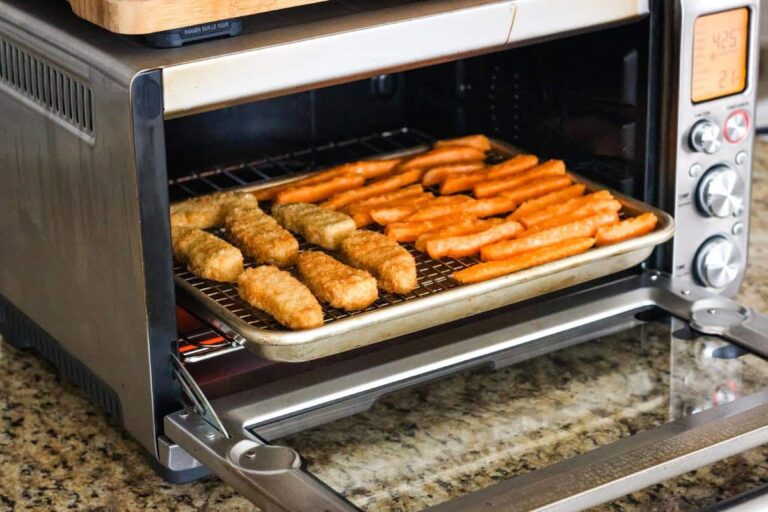
Frozen fries, tots, and hash browns are easy air fryer foods. Spread them in a single layer when possible. Cook at the package temperature, often near 400°F, and shake several times.
Fresh fries need more preparation. Cut the potatoes evenly, rinse away some surface starch, and dry them very well. Add a small amount of oil, then cook in batches.
The main problem is crowding. If food touches in a thick pile, steam builds up and the outside stays soft.
Whole potatoes
Pierce russet potatoes with a fork. Rub the skin with a small amount of oil and salt. Cook at 390°F to 400°F until the center is soft when tested with a knife.
Large potatoes can take 35 to 55 minutes. Turn them once for more even cooking.

Frozen Foods
Frozen foods are often the simplest answer to what to cook in an air fryer oven. They usually contain some oil and have a coating made for crisping.
Useful choices include:
- French fries
- Tater tots
- Chicken nuggets
- Fish sticks
- Pizza rolls
- Egg rolls
- Mozzarella sticks
- Taquitos
- Breaded shrimp
- Frozen vegetables
Begin with the package directions. Reduce the cooking time if your air fryer oven runs hot or has a small cavity. Add time in short steps when the food is not crisp or hot in the center.
Do not thaw frozen breaded foods unless the package says to do so. Thawing can make the coating wet and increase cooking time.
Frozen foods should not automatically be treated as ready-to-eat. Check the package. Some items contain raw meat and need to reach a safe internal temperature.

Snacks, Sandwiches, and Light Meals
An air fryer oven can make crisp snacks and small meals with little cleanup.
Quesadillas and grilled cheese
Use a firm tortilla or bread. Add a moderate amount of cheese and press the top down if needed. Cook at 350°F to 375°F until the outside is crisp and the cheese melts.
Light bread can move from the fan. Use a rack or a small air fryer-safe weight only if the appliance manual allows it. Never place loose parchment or paper near the heating element.
Pizza and flatbreads
Reheat pizza at 350°F to 375°F for about 3 to 6 minutes. The exact time depends on slice thickness and toppings.
For a quick flatbread, add sauce, cheese, and cooked toppings to naan or pita. Cook until the edges brown and the cheese melts.
Toast and bagels
Toast bread at about 350°F to 400°F. Watch it closely because thin bread can brown fast. Bagels may need a slightly longer time, especially when frozen.
Wings, nachos, and snack foods
Use a small tray for nachos so melted cheese does not fall into the bottom of the oven. Layer lightly rather than building a deep pile.
Keep sauces separate when possible. Add buffalo sauce or barbecue sauce after cooking. Wet sauces can soften a crisp coating.

Baking in an Air Fryer Oven
You can bake small portions of muffins, cookies, brownies, and hand pies in an air fryer oven. Use an oven-safe pan that leaves space around the sides for air flow.
Reduce the recipe temperature by about 25°F when adapting a standard oven recipe, then begin checking early. This is a starting point, not a fixed rule. Some air fryer ovens heat much like countertop convection ovens, while others run hotter.
Good baking choices include:
- Muffins
- Brownies
- Small cakes
- Cookies
- Cinnamon rolls
- Hand pies
- Biscuits
- Apple turnovers
Fill pans only as directed by the recipe. Batter expands as it cooks. A full pan can block air flow and spill into the heating area.
Use a toothpick for cakes and muffins. A few moist crumbs are normal. Wet batter means the food needs more time.
Parchment liners can help with sticky foods, but use perforated parchment made for air fryers or cut vents into regular parchment. Add parchment only after food is placed on top. Loose paper can rise into the heating element.

Air Fryer Oven Cooking Times and Temperatures
The table below gives starting points for common foods. Times depend on food size, starting temperature, basket design, and how full the oven is.
| Food | Temperature | Approximate time | Key check |
|---|---|---|---|
| Chicken wings | 380°F–400°F | 25–35 minutes | At least 165°F inside |
| Boneless chicken breast | 375°F | 15–25 minutes | At least 165°F inside |
| Chicken thighs | 375°F–400°F | 20–30 minutes | At least 165°F inside |
| Salmon | 375°F–400°F | 7–12 minutes | At least 145°F inside |
| Shrimp | 375°F–400°F | 5–8 minutes | Firm and opaque |
| Fresh vegetables | 375°F–400°F | 8–20 minutes | Tender with browned edges |
| Frozen fries | About 400°F | 12–20 minutes | Crisp and hot |
| Baked potato | 390°F–400°F | 35–55 minutes | Soft in the center |
| Reheated pizza | 350°F–375°F | 3–6 minutes | Hot and crisp |
| Muffins | 325°F–350°F | 10–18 minutes | Toothpick has moist crumbs |
Treat these times as starting points. Read the appliance manual and the food package when available. A food thermometer is the most reliable way to check meat and seafood.

How to Get Better Air Fryer Results
Use these steps for most air fryer oven recipes:
- Read the manual. Check approved pans, foil use, rack positions, and preheating instructions.
- Preheat when useful. Preheating can help meat and breaded foods brown. It is not always needed for reheating or long cooks.
- Dry the food. Pat meat, fish, and vegetables dry before adding oil or seasoning.
- Use a thin oil coating. A light spray or small brush of oil is often enough.
- Leave space. Air must move around the food.
- Turn or shake the food. This helps food brown on more than one side.
- Check early. Small pieces can finish several minutes before the recipe estimate.
- Rest meat briefly. Resting helps juices spread through the meat.
- Clean after greasy foods. Built-up fat can smoke during the next cook.
If food is pale, cook a smaller batch or add a few minutes. If the outside burns while the center stays cold, lower the temperature and extend the cooking time. If food is dry, shorten the cook or use a lower temperature.

Common Air Fryer Oven Mistakes
Overcrowding the basket
A crowded basket blocks hot air. Food may steam instead of crisping. Cook in batches when needed.
Using too much oil
Extra oil does not always create more crispness. It can make food greasy and cause smoke. Use just enough to coat the surface.
Forgetting to turn food
Some air fryer ovens heat more strongly from the top. Turn thick or breaded foods when the top browns faster than the bottom.
Covering the air flow
Foil, parchment, and solid pans can block circulation. Use them only as the manual permits. Keep all materials away from the heating element.
Adding delicate sauces too soon
Sugar-heavy sauces can burn. Brush them on during the final few minutes or after cooking.
Ignoring smoke
Stop the appliance if it produces heavy smoke. Let it cool before checking the food. Remove excess grease only when the unit is cool and unplugged.
Trusting color alone
Color does not prove that meat is safe. The USDA recommends using a food thermometer. Insert it into the thickest part and avoid touching bone when checking poultry.

Air Fryer Oven Safety and Cleaning
Place the appliance on a stable, heat-safe surface with the clearance listed in the manual. Keep it away from water, loose cloth, and flammable items. Do not leave high-fat foods unattended if the appliance manual warns about smoke or grease.
Use the temperature guidance below for common foods:
- Poultry: 165°F
- Ground beef, pork, lamb, and veal: 160°F
- Whole cuts of beef, pork, lamb, and veal: 145°F, followed by a three-minute rest
- Fish: 145°F
These temperatures come from USDA and FDA food safety guidance. They apply to the food, not simply the air fryer display.
Clean the basket, tray, and racks after the appliance cools. Remove grease and crumbs. Check the heating element for splatter. Do not immerse the main electrical unit in water.

Frequently Asked Questions
Can you cook raw meat in an air fryer oven?
Yes. You can cook raw chicken, beef, pork, fish, and seafood in an air fryer oven. Use a food thermometer to verify the correct internal temperature. Keep raw and cooked foods separate during preparation.
Do you need to preheat an air fryer oven?
Not always. Preheating can improve browning and reduce cooking time for some foods. Follow the appliance manual and recipe instructions. For a new recipe, check the food early if you skip preheating.
Can you put aluminum foil in an air fryer oven?
Often, but only when the manufacturer allows it. Foil must not block the fan or touch the heating element. Never place loose foil in the oven without food holding it down.
What should you not cook in an air fryer oven?
Avoid loose batter, wet foods that can drip through the rack, and items that can touch the heating element. Do not use containers or paper products that are not rated for the appliance’s heat.
Why is my air fryer food not crispy?
The most common causes are excess moisture, too much food, and too little cooking time. Dry the food, use a smaller batch, and turn it during cooking. A light coating of oil may help breaded foods brown.
Conclusion
The best foods to cook in an air fryer oven are small cuts of meat, seafood, vegetables, potatoes, frozen snacks, sandwiches, and small baked goods. Start with moderate portions, leave room for air flow, and check food before the suggested end time.
For the next meal, choose one food that benefits from crisp edges, such as chicken wings, roasted broccoli, salmon, or frozen fries. Use the appliance manual and a food thermometer as your two main guides.