What Happens If You Overfill Air Fryer: Safety Tips
Overfilling an air fryer blocks hot air, causing uneven cooking, soggy food, smoke, and possible safety problems.
If you wonder what happens if you overfill an air fryer, the short answer is simple: the appliance cannot circulate heat as designed. Air fryers work more like small convection ovens than deep fryers. They need open space around the food so hot air can move, crisp the surface, and cook the center safely.
This guide explains what happens if you overfill an air fryer, how much food you can add, which foods are most affected, and how to fix an overloaded basket. The advice below combines basic convection cooking science, food safety guidance, and practical kitchen experience.

What happens if you overfill an air fryer?
When an air fryer basket is too full, food blocks the flow of hot air. The fan may still run, but the air cannot reach every piece with equal force. This creates several common problems.
1. Food cooks unevenly
Some pieces may brown quickly while others stay pale, soft, or undercooked. Food near the top or sides often gets more heat than food buried in the center.
This is especially common with chicken, frozen fries, vegetables, and breaded foods. The outside can look ready while the inside still needs more cooking time.
2. Food becomes soft instead of crisp
Crisp food needs dry, moving heat. When an air fryer is overfilled, moisture from the food becomes trapped between crowded pieces. Instead of evaporating, that moisture can steam the food.
That is why overloaded fries may taste limp, and breaded chicken may lose its crunchy coating. The air fryer is not failing. It simply does not have enough room to work.
3. Cooking takes longer
An overfilled air fryer usually needs more time because hot air cannot reach the food well. Adding extra minutes may help, but it does not fully solve the problem.
The food may still cook at different speeds. You may also dry out the pieces on the outside while waiting for the center to finish.
4. The air fryer may smoke
Excess food can touch the heating element, especially when it rises during cooking. Fat, crumbs, and loose coatings may then burn and create smoke.
A crowded basket can also trap grease near the top. If you see heavy smoke, turn off the air fryer, unplug it when safe, and let it cool before checking the basket.
5. Food may spill or touch the heating element
Light foods, such as parchment, cheese, bacon, or thin slices, can move when the fan blows. If the basket is too full, food may rise into the heating area.
This can create burning, smoke, and a possible fire risk. Always follow the appliance manual, especially for maximum fill levels and approved accessories.
6. The air fryer may strain
Overfilling does not always damage the appliance at once. However, a crowded basket can make the fan work against blocked airflow. Repeated misuse may lead to poor performance, overheating, or unwanted wear.
The bigger concern is usually food quality and safety, not instant machine failure. Still, keeping the basket within its recommended capacity is the safer choice.

Why air fryers need open space
An air fryer uses a heating element and a fan to move hot air around the food. This process is called convection. The moving air removes surface moisture and transfers heat to the food.
Think of the basket as a small stage. Each piece of food needs room to receive the heat. If the pieces are packed tightly, they act like a wall and stop air from reaching the lower layers.
A good airflow pattern needs:
- Space between food pieces
- A clear path from the fan to the basket
- Enough room for steam to escape
- A basket that is not filled above the recommended line
- Food arranged in a loose, even layer when crisping matters
Some air fryers have a shallow basket, while others have a deep drawer. A deep basket may hold more food by volume, but that does not mean every item will cook well when stacked.
This is one reason package instructions and appliance manuals may give different results. The basket shape, fan strength, food type, and starting temperature all affect cooking time.

How full should an air fryer basket be?
For the best results, fill the basket about halfway to two-thirds full for most foods. A loose single layer is best when you want crisp fries, roasted vegetables, or breaded food.
Do not rely only on the basket’s physical capacity. A basket may hold a large amount of food, but the food still needs space for air to flow.
Use these simple guidelines:
- Fries: Arrange them in a mostly single layer. A small amount of overlap is fine, but shake often.
- Chicken wings: Keep them in a loose layer. A few pieces can touch, but avoid tight piles.
- Vegetables: Leave gaps between larger pieces so steam can escape.
- Frozen snacks: Follow the package directions and cook in batches if needed.
- Bacon: Arrange strips without folding them over each other.
- Reheated pizza: Keep slices flat and avoid stacking them.
- Small foods: Use a rack only if the rack is made for your model and does not block airflow.
A safe fill level is not always the same as the best fill level. Food may fit below the maximum line but still cook poorly if it is tightly packed.

How overfilling affects different foods
The answer to what happens if you overfill an air fryer depends partly on the food you are cooking. Foods with high moisture or thick centers usually show the biggest problems.
French fries and potato wedges
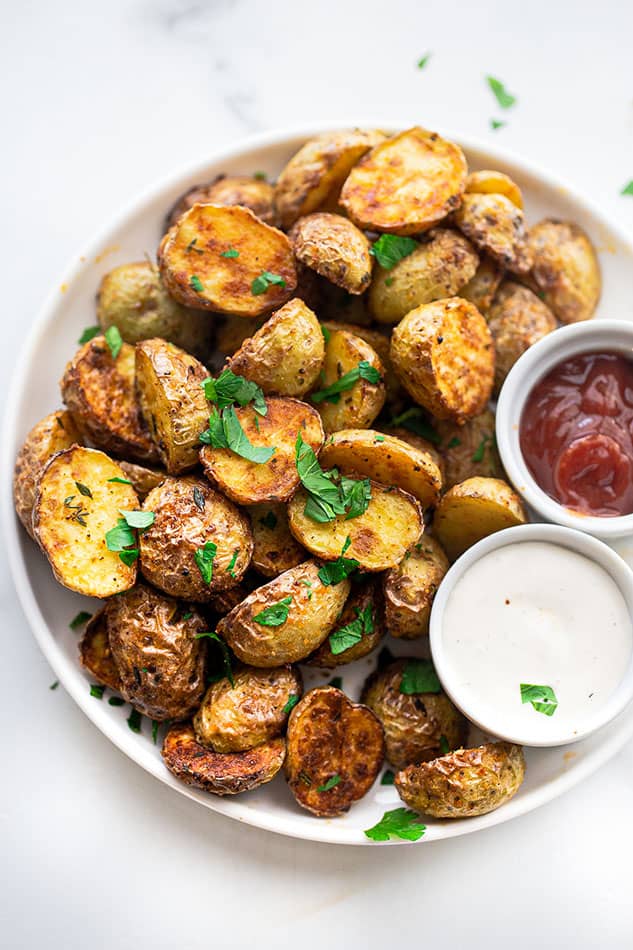
Crowded potatoes often turn soft because their moisture cannot escape. Frozen fries may also cook unevenly, with some pieces browned and others cold or pale.
Shake the basket two or three times during cooking. For fresh potatoes, soak and dry them well before cooking. Dry surfaces crisp more easily.
Chicken wings and chicken pieces
Overfilled chicken may brown on the outside before the center reaches a safe temperature. This is a serious concern with raw poultry.
Use an instant-read thermometer. Chicken should reach 165°F in the thickest part, according to widely used US food safety guidance. Do not judge doneness by color alone.
Vegetables
Vegetables release steam as they cook. When crowded, they may roast unevenly and become soft rather than browned.
Cut pieces into similar sizes. Cook them in a loose layer, and shake or turn them halfway through the cooking time.
Breaded foods
Breaded chicken, fish, mozzarella sticks, and similar foods need dry heat around the coating. If they touch too closely, the coating can become patchy or soft.
Leave space around each piece. A light coating of oil can help browning, but too much oil may drip and smoke.
Bacon and fatty foods
Fatty foods can release grease quickly. An overloaded basket may allow grease to pool or splatter near the heating element.
Cook fatty foods in smaller batches. Clean grease from the drawer after the appliance cools.

Is it safe to use an overfilled air fryer?
An overfilled air fryer is not automatically dangerous, but it raises several risks. Food may remain undercooked, grease may smoke, and loose pieces may contact the heating element.
The most important safety issue is undercooking. Use a food thermometer for meat, poultry, seafood, and egg-based foods. The cooking time shown on a package is a guide, not a guarantee.
Stop cooking and inspect the appliance if:
- Thick smoke continues after you reduce the temperature
- Food touches the heating element
- Grease catches fire
- The air fryer smells like burning plastic or wiring
- The fan makes an unusual grinding sound
- The control panel shows an error
Never pour water onto a grease fire. Turn off the appliance if you can do so safely, keep the drawer closed, and use an appropriate fire extinguisher if needed. Call emergency services if the fire does not stop quickly.
How to fix an overfilled air fryer
If you realize the basket is too full, do not panic. You can usually improve the result by dividing the food into smaller batches.
Follow these steps:
- Pause the air fryer and remove the basket carefully.
- Check whether any food has touched the heating element.
- Divide the food into two or more batches.
- Spread the pieces into a loose layer.
- Shake or turn the food during cooking.
- Check the internal temperature of meat and poultry.
- Let the air fryer cool and clean away grease or crumbs after use.
If the food is already partly cooked, keep the finished pieces warm in a low oven while the remaining batch cooks. Do not leave cooked meat at room temperature for a long time.
In my own kitchen testing, the most noticeable improvement usually comes from reducing the pile, not from changing the temperature. A smaller batch often finishes sooner than an overloaded batch because the heat reaches every surface more evenly.

Common mistakes that lead to air fryer overfilling
Many people overfill an air fryer because the basket looks larger than its useful cooking area. The drawer may hold a lot of food, but the fan still needs room to move hot air.
Watch for these mistakes:
- Filling the basket to the top with frozen food
- Stacking food without checking the recipe
- Adding a second layer without using a proper rack
- Covering vents with foil or parchment
- Cooking wet food without drying the surface
- Adding too much oil
- Ignoring the appliance’s maximum fill line
- Trusting appearance instead of checking meat temperature
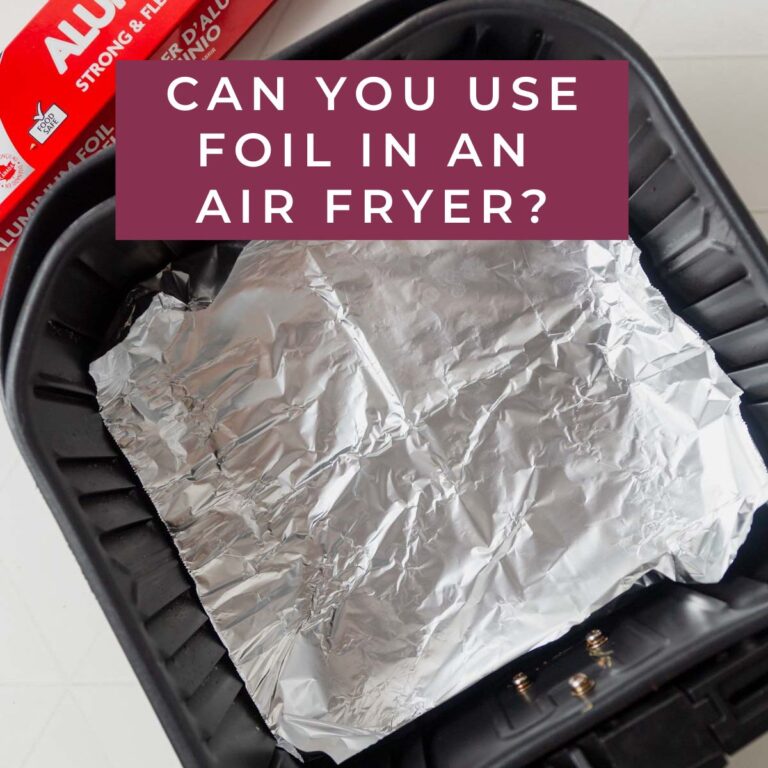
Parchment paper can also cause airflow problems. Use perforated parchment made for air fryers, place food on top of it, and never put loose parchment into a preheating basket. The fan may lift it toward the heating element.

How to get crisp food without overfilling
You can make crisp food in an air fryer without filling the basket to its limit. The goal is to improve airflow and control moisture.
Try these methods:
- Dry fresh potatoes, vegetables, and tofu before cooking.
- Cut food into pieces of similar size.
- Add a small amount of oil instead of spraying too much.
- Preheat only when your recipe or manual recommends it.
- Shake small foods during cooking.
- Turn larger pieces halfway through.
- Cook in batches when crispness matters.
- Avoid crowding wet or frozen foods.
- Let the air fryer recover between very large batches if the manual recommends it.
Do not stack food just to avoid a second batch. Two well-cooked batches are better than one large batch that is soft in the middle.
A rack or double-layer insert can help with some foods, but it does not create unlimited airflow. The upper layer may cook faster than the lower layer, so rotate the layers if the accessory instructions allow it.
When a larger air fryer is a better choice
If you often cook for a family, a small air fryer may encourage overfilling. A larger model can reduce the need for repeated batches, but size alone does not remove the need for airflow.
Consider a larger air fryer when:
- You regularly cook more than two servings
- You prepare whole chicken pieces or large vegetables
- You need space for several portions without stacking
- You cook meals with different textures
- You want to reduce batch cooking time
A larger air fryer may use more counter space and electricity. It can also take longer to preheat. Choose a model based on your usual meal size, basket shape, cleaning needs, and safety features.
Remember that a large basket still needs proper spacing. What happens if you overfill an air fryer remains the same, even when the appliance has a higher capacity.
PAA-style questions about overfilling an air fryer
Here are quick answers to common questions people ask about overloaded air fryer baskets.
Frequently Asked Questions
Can overfilling an air fryer cause a fire?
It can increase the risk of smoke or fire if food, grease, or loose paper reaches the heating element. Keep food below the recommended level, remove excess grease, and never use loose parchment during preheating.
What happens if you overfill an air fryer with frozen fries?
Frozen fries may cook unevenly and stay soft because steam becomes trapped between the pieces. Cook them in smaller batches and shake the basket during cooking for better browning.
Can I stack food in an air fryer?
You can stack some foods when using an approved rack or insert, but stacking may reduce airflow. Avoid stacking thick meat, wet foods, and items that need a crisp coating unless the recipe supports it.
How do I know if my air fryer is too full?
The air fryer is likely too full when food reaches above the recommended line, forms a tight pile, or touches the heating element. If pieces cannot move or you cannot see gaps between them, cook a smaller batch.
Does overfilling an air fryer make food unhealthy?
Overfilling does not automatically make food unhealthy, but it can leave meat or poultry undercooked. It may also cause uneven browning and excess grease, so use a thermometer and follow safe cooking practices.
Should I cook food longer if I overfill the basket?
Extra time may help, but it will not fix blocked airflow. Divide the food into smaller batches whenever possible, then check the thickest pieces for proper doneness.
Can overfilling damage an air fryer?
Occasional overfilling may not damage the appliance, but repeated crowding can cause overheating, smoke, poor performance, or stress on the fan. Follow the manufacturer’s fill and cleaning instructions.
Conclusion
What happens if you overfill an air fryer is clear: food cooks less evenly, loses crispness, takes longer, and may create smoke or safety risks. The best solution is simple. Leave room for hot air, cook in smaller batches, shake or turn the food, and check meat with a thermometer.
Treat the basket like a busy road. When every lane is blocked, nothing moves well. Give your food space, and your air fryer will deliver better texture, safer cooking, and more reliable results. Try these tips in your next meal, and share your favorite air fryer method or recipe in the comments.

2 Comments