
Why Use An Air Fryer: Top Benefits For Healthier Meals
An air fryer makes crisp, tasty food with less oil, less mess, and often less cooking time.
If you are wondering why use an air fryer, the answer goes beyond crispy fries. This handy countertop appliance uses fast-moving hot air to brown food, reheat leftovers, roast vegetables, and cook small meals with very little oil. After testing different foods and cooking methods, I have found that an air fryer works best as a quick, practical tool—not a magic replacement for every oven or skillet.
What Is an Air Fryer?
An air fryer is a small convection oven that cooks food with hot air. A heating element warms the air, while a powerful fan moves it around the food. This creates a browned, crisp surface that can feel similar to deep-fried food.
Unlike a deep fryer, an air fryer does not need a large pan of hot oil. Most foods need only a light spray or brush of oil, while some frozen foods need none at all. The cooking basket also lets heat reach more sides of the food at once.
Many air fryers include useful settings such as:
• Air fry for crisp foods
• Roast for vegetables and meat
• Bake for small cakes and breads
• Reheat for leftovers
• Broil or grill on select models
• Dehydrate on some larger machines

Why Use an Air Fryer?
The main reason to use an air fryer is convenience. It heats quickly, cooks small portions well, and usually creates less cleanup than a pan filled with oil.
Here are the biggest benefits.
1. It Uses Less Oil
Deep frying can require several cups of oil. An air fryer may need only a teaspoon, a light spray, or no added oil. This can lower the amount of fat in some recipes.
Still, less oil does not always mean a food is automatically healthy. A frozen breaded snack may remain high in sodium, refined starch, or saturated fat. The ingredients matter as much as the cooking method.
2. It Creates a Crisp Texture
Hot air removes moisture from the outer surface of food. This helps foods such as potatoes, chicken wings, tofu, and vegetables develop a crisp outside while staying tender inside.
The result is not exactly the same as deep frying. Deep frying surrounds food with hot oil, while an air fryer uses air. Even so, the texture can be close enough for many everyday meals.
3. It Cooks Faster Than a Full-Size Oven
An air fryer has a small cooking chamber. It often reaches cooking temperature faster than a large oven, especially when making one or two servings.
Cooking time still depends on the food, basket size, temperature, and starting temperature. Frozen foods often cook quickly, while thick chicken breasts may need more time than the package suggests.
4. It Makes Small Meals Easier
A full oven can feel excessive when you need to cook a small amount of food. An air fryer is useful for one person, a couple, or a quick snack after work.
You can cook:
• One salmon fillet
• A small tray of vegetables
• Two chicken thighs
• A serving of French fries
• A grilled cheese sandwich
• A handful of frozen appetizers
5. It Simplifies Cleanup
There is no large pot of oil to cool, strain, store, or discard. Most removable baskets and trays can be washed with warm water and dish soap. Some are dishwasher-safe, but always check the manual first.
I learned early not to let grease sit in the basket overnight. A quick soak soon after cooking makes cleanup much easier.
6. It Helps Reheat Food Well
An air fryer can bring back crispness that a microwave often removes. Pizza, roasted potatoes, fried chicken, egg rolls, and fries can taste better after reheating in moving hot air.
Use a lower temperature for delicate food. Too much heat can dry the center before the outside warms.
:max_bytes(150000):strip_icc()/faw-toaster-ovens-air-fryers-test-taotronics-rkilgore-127-efe96fac638843b49fba305016d49235.jpg)
How Does an Air Fryer Work?
An air fryer combines radiant heat, convection, and a perforated basket. The heating element produces heat, and the fan moves that heat around the food. Openings in the basket help hot air reach the underside.
This process is called rapid convection cooking. It promotes browning through surface drying and the Maillard reaction, which creates the savory color and flavor found in baked, roasted, and fried foods.
For the best results:
- Preheat the air fryer if the manual or recipe recommends it.
- Pat wet foods dry before cooking.
- Add a small amount of oil when the food needs help browning.
- Place food in a single layer.
- Shake the basket or turn food halfway through cooking.
- Use a food thermometer for meat and poultry.
Do not confuse browning with doneness. A chicken wing can look crisp before it reaches a safe internal temperature. Poultry should reach 165°F, according to standard food safety guidance.

Is Air-Fried Food Healthier?
Air-fried food can be healthier than deep-fried food when it replaces a meal that would otherwise be cooked in a large amount of oil. Less oil may mean fewer calories and less fat in the finished dish.
However, the word “healthier” depends on the full meal. Air-fried broccoli with a little olive oil is different from air-fried bacon or heavily processed snack foods.
A balanced air fryer meal may include:
• Lean protein such as fish, chicken, tofu, or beans
• Vegetables such as Brussels sprouts, carrots, or green beans
• A whole grain or starchy food such as potatoes
• A simple sauce, yogurt dip, or salsa
Potatoes and other starchy foods can form acrylamide when cooked at high temperatures until very brown. Research links high-temperature cooking with acrylamide formation, but the long-term health effects from normal home cooking remain an area of study. Avoid burning food, follow sensible temperatures, and vary your cooking methods.
Air frying also does not remove sodium from packaged food. Check the Nutrition Facts label when using frozen meals, breaded foods, or seasoned snacks.

Air Fryer vs. Deep Fryer
An air fryer and a deep fryer can both create crisp food, but they work in different ways.
| Feature | Air fryer | Deep fryer |
|---|---|---|
| Cooking medium | Hot air | Hot oil |
| Added oil | Little or none | Large amount |
| Cleanup | Usually simple | More involved |
| Flavor | Light and roasted | Rich and oily |
| Texture | Crisp and dry | Very crisp and rich |
| Best use | Small meals and reheating | Large batches of fried food |
Deep frying can produce a more traditional fried texture. An air fryer is usually better for people who want a lighter method with less oil and less mess.
This is one reason why use an air fryer appeals to busy households. It gives you a practical middle ground between baking and frying.
What Foods Can You Cook in an Air Fryer?
Air fryers are flexible, but food size and moisture matter. Small pieces with exposed surfaces tend to cook best.
Foods That Usually Work Well
• French fries and sweet potato fries
• Chicken wings and drumsticks
• Salmon, shrimp, and fish fillets
• Brussels sprouts, broccoli, and cauliflower
• Tofu and tempeh
• Frozen vegetables
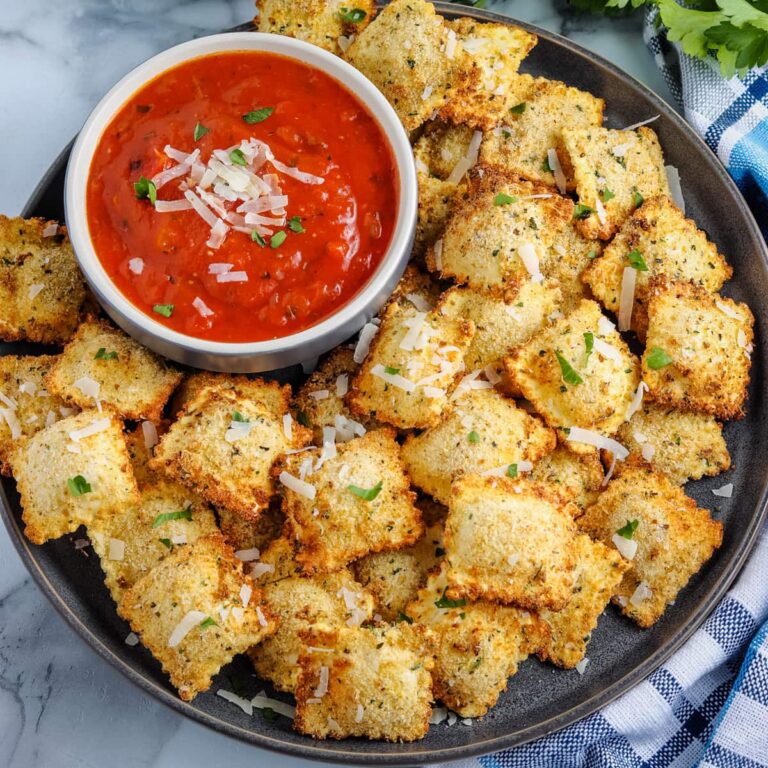
• Mozzarella sticks and egg rolls
• Quesadillas and grilled cheese
• Reheated pizza
• Small baked goods
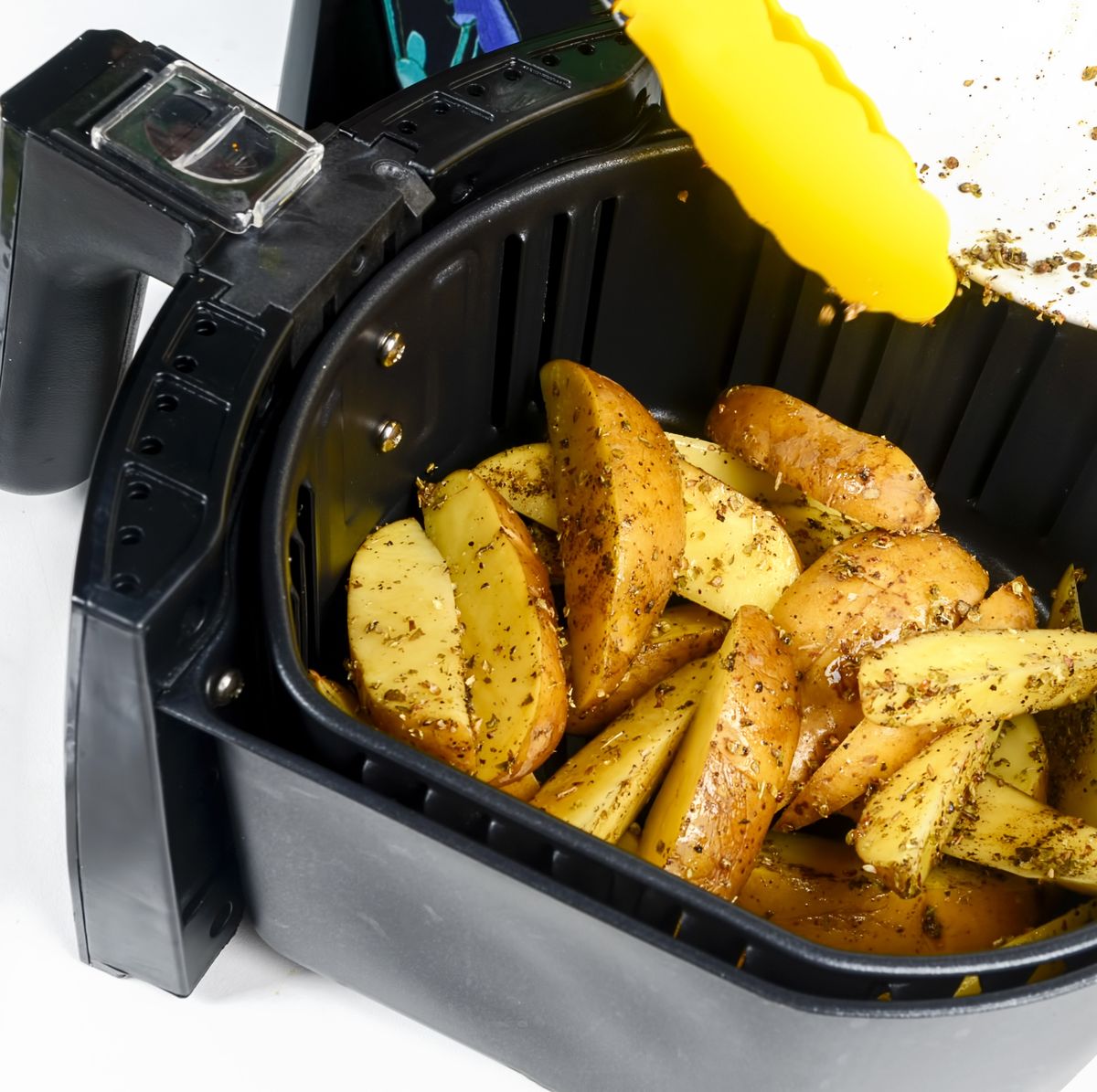
Fresh potatoes benefit from soaking and drying. After cutting them, soak the pieces in cold water for about 20 to 30 minutes. Dry them very well, toss them with a little oil, and cook in batches if needed.
For vegetables, avoid crowding the basket. A crowded basket traps steam, so the food may turn soft instead of crisp.
Foods That Need Extra Care
Wet batter can drip through the basket and make a mess. Use a thicker coating, parchment designed for air fryers, or a suitable baking insert when the recipe allows it.
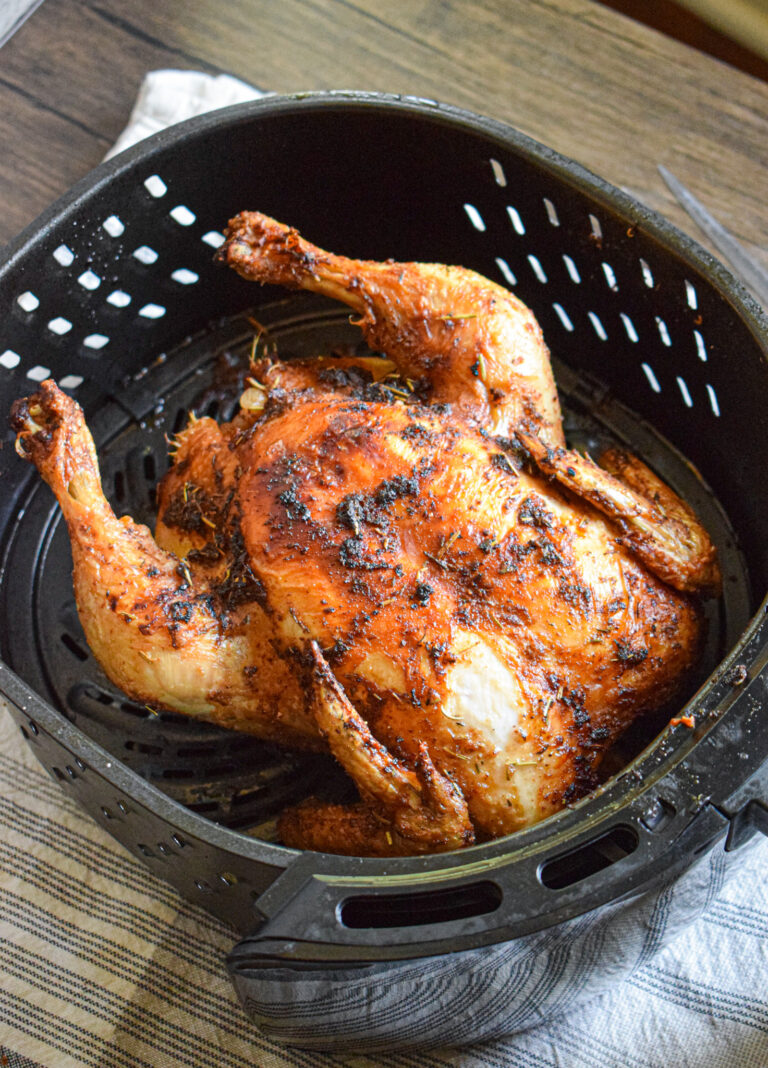
Large roasts, whole chickens, and deep casseroles may not fit or cook evenly in a small machine. Always check the appliance capacity before starting.
:max_bytes(150000):strip_icc()/__opt__aboutcom__coeus__resources__content_migration__simply_recipes__uploads__2019__11__HT-Use-an-Air-Fryer-LEAD-07-1024x682-ba7d4566aec74b45ab62f62c2581cf28.jpg)
Common Air Fryer Mistakes to Avoid
Knowing why use an air fryer is helpful, but technique makes the biggest difference. Most poor results come from a few simple mistakes.
Overcrowding the Basket
Food needs space for hot air to move around it. If pieces overlap, the food may steam instead of crisp.
Cook in two batches when needed. It may take a few extra minutes, but the texture improves greatly.
Using Too Much Oil
Oil helps browning, but excess oil can collect under the food and create smoke. Use a light coating instead of pouring oil directly into the basket.
Avoid aerosol sprays that contain additives unless the manufacturer says they are safe for the basket coating. An oil mister or pastry brush gives better control.
Skipping the Shake or Turn
Small foods cook more evenly when you shake the basket halfway through. Larger pieces, such as chicken thighs or fish, may need to be turned with tongs.
Do not shake delicate foods too hard. A gentle turn protects the coating and keeps the food intact.
Following Oven Directions Exactly
Air fryer cooking times are often shorter than oven times. Start checking early, especially when converting a package recipe.
A useful starting point is to reduce the oven temperature by about 25°F and check the food several minutes before the listed oven time. This is only a guide, not a rule.
Covering the Basket Poorly
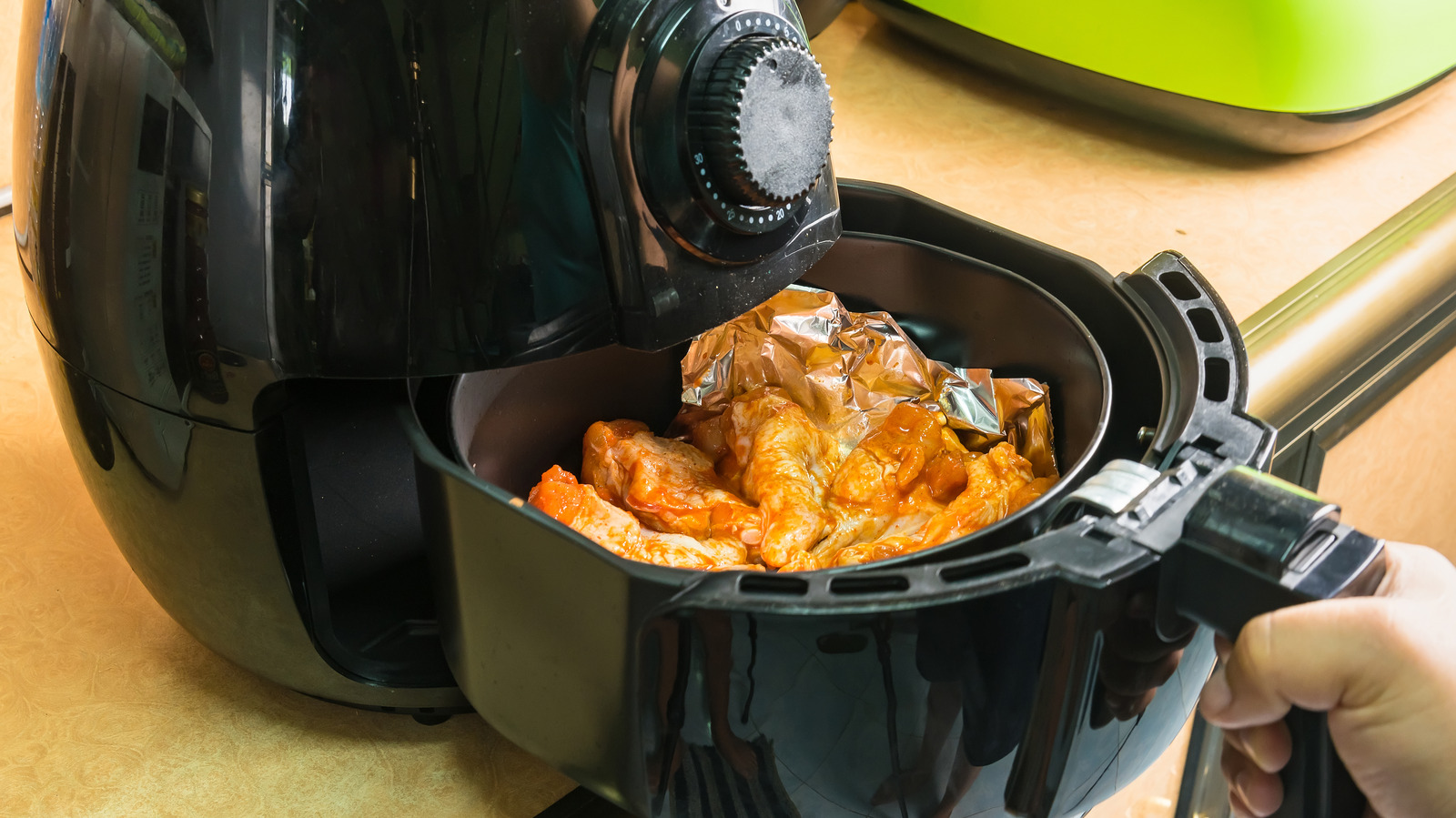
Loose parchment or foil can move into the heating element. Use only accessories made for the appliance, and place them under food so they stay in position.
How to Choose the Right Air Fryer
The best air fryer depends on your kitchen, household, and cooking habits. A larger model is not always better if you have limited counter space.
Consider these features:
• Capacity: A 2-quart model suits one person, while a 5- to 7-quart model may fit a family meal.
• Basket shape: A wide basket gives food more surface area for crisping.
• Controls: Digital presets are convenient, but simple manual dials work well.
• Cleaning: Removable, dishwasher-safe parts can save time.
• Noise: Some fans are noticeably louder than others.
• Temperature range: A wider range helps with baking and dehydrating.
• Dual baskets: Two zones let you cook different foods at the same time.
• Safety features: Look for a secure basket, stable feet, and automatic shutoff.
Avoid choosing a model based only on the number of cooking presets. A good basket, accurate heat, easy cleaning, and enough capacity matter more than flashy buttons.
Measure your counter space before buying. Also check the space around the appliance, since manufacturers often recommend room for ventilation.
Air Fryer Safety Tips
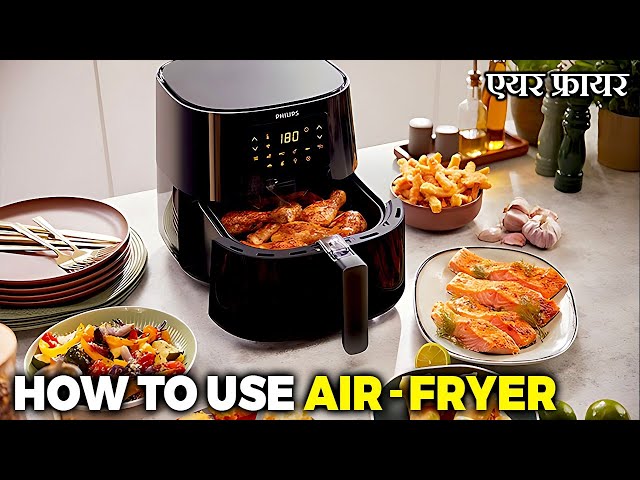
An air fryer is generally simple to use, but it still produces very high heat. Place it on a stable, heat-safe surface away from water, curtains, and crowded walls.
Keep these safety points in mind:
• Read the manual before the first use.
• Do not fill the basket above the recommended line.
• Use oven mitts when removing hot parts.
• Check meat with a food thermometer.
• Keep children away from the hot basket and exhaust.
• Clean grease and food residue often.
• Do not leave the appliance running when you leave home.
• Unplug it after use if the manual recommends doing so.
Smoke usually comes from excess grease, food residue, or fatty foods. Stop the appliance, let it cool safely, and clean the basket before using it again. Never pour water into a hot appliance.
When Should You Not Use an Air Fryer?
An air fryer is useful, but it is not ideal for every meal. It may not be the best choice when you need to cook a large batch of food or prepare a liquid-heavy dish.
Use a full-size oven when you need:
• Several trays of food
• A large casserole
• A whole turkey
• Multiple loaves of bread
• A meal for a large group
Use a skillet or saucepan when you need to stir, simmer, or build a sauce. Air fryers can roast ingredients, but they cannot replace the control of stovetop cooking.
You should also consider energy use with care. An air fryer may use less energy than a large oven for a small meal because it heats a smaller space. The exact result depends on cooking time, appliance size, and local electricity rates.
Practical Tips for Better Results
A few small habits can turn an air fryer from a novelty into a daily kitchen tool.
• Preheat for foods that need a strong initial sear.
• Dry food well to improve browning.
• Add oil to the food, not the empty basket.
• Cook similar-sized pieces together.
• Leave space between pieces.
• Shake small foods halfway through.
• Turn thick foods with tongs.
• Check food early during your first attempt.
• Clean the basket after greasy meals.
• Write down successful time and temperature settings.
When I test a new recipe, I start with a small batch. I note the food weight, temperature, cooking time, and whether I shook the basket. That simple habit prevents repeated mistakes and helps me adjust recipes for a different air fryer.
The biggest lesson is to watch the food, not just the clock. Two air fryers with the same listed temperature can cook differently because of fan strength, basket shape, and heating element position.
Frequently Asked Questions About Why Use an Air Fryer
Why use an air fryer instead of an oven?
An air fryer heats a smaller space and moves hot air quickly, so it can cook small portions faster. It is especially useful for crisping food and reheating leftovers without heating a full-size oven.
Is an air fryer healthier than deep frying?
Air frying often uses much less oil than deep frying, which can reduce fat and calories in some foods. The overall health value still depends on the ingredients, portion size, sodium, and cooking temperature.
Can you cook frozen food in an air fryer?
Yes, many frozen foods cook well from frozen, including fries, vegetables, chicken tenders, and egg rolls. Check the package directions, avoid overcrowding, and make sure meat reaches a safe internal temperature.
Do you need to preheat an air fryer?
Not always. Preheating can help foods brown faster and cook more evenly, but some recipes work well without it. Follow the appliance manual and begin checking the food early when trying a new recipe.
Can you put aluminum foil in an air fryer?
Aluminum foil may be safe in many air fryers when used correctly, but it must not block airflow or touch the heating element. Secure it under food and check the manufacturer’s instructions before use.
Why does food not get crispy in an air fryer?
Food may stay soft when the basket is overcrowded, the surface is wet, or too little heat reaches the food. Dry the ingredients, use a light oil coating, and cook in a single layer.
How often should you clean an air fryer?
Clean the basket and tray after each use, especially after cooking fatty foods. Wipe the interior and heating area as directed in the manual, and remove built-up grease before it causes smoke.
Conclusion
The best reasons why use an air fryer include speed, easy cleanup, crisp texture, lower oil use, and simple portion control. It works well for vegetables, proteins, frozen foods, snacks, and reheated leftovers, but it cannot replace every kitchen appliance.
Choose a size that fits your space, avoid crowding the basket, check food for doneness, and treat cooking times as a starting point. Try one small recipe this week, then adjust the time and temperature to suit your appliance. Explore more air fryer recipes, share your favorite results, and keep experimenting with smart, balanced meals.

One Comment