Why Are People Getting Rid Of Air Fryers: Key Reasons
People are getting rid of air fryers because of limited space, cleaning hassle, safety worries, and unused cooking features.
Air fryers once seemed like the answer to fast, crispy meals. Yet many owners now store them in a cabinet, sell them online, or send them to donation centers. After looking at common user complaints, cooking limits, safety guidance, and real kitchen habits, this guide explains why are people getting rid of air fryers and when keeping one still makes sense.
Why are people getting rid of air fryers?
The main reason is simple: an air fryer does not fit every home or cooking style. It can cook quickly, but it also takes counter space, needs regular cleaning, and may duplicate tools that people already own.
For some households, the air fryer becomes a favorite appliance. For others, it becomes another item to wash and store. The difference often depends on family size, kitchen space, cooking habits, and expectations.
Here are the most common reasons people give away or stop using air fryers:
• The basket is hard to clean.
• The appliance takes up too much counter space.
• Small baskets do not cook enough food for a family.
• Large models feel bulky and heavy.
• Food can dry out or cook unevenly.
• Some users worry about plastic smells, smoke, or damaged coatings.
• The appliance may not replace a regular oven.
• People buy one because of a trend but do not build it into their routine.

Air fryers can be difficult to clean
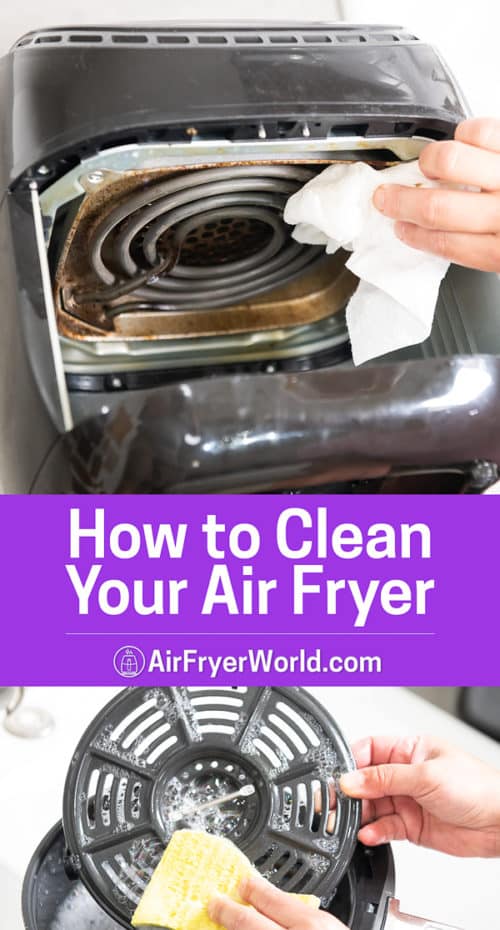
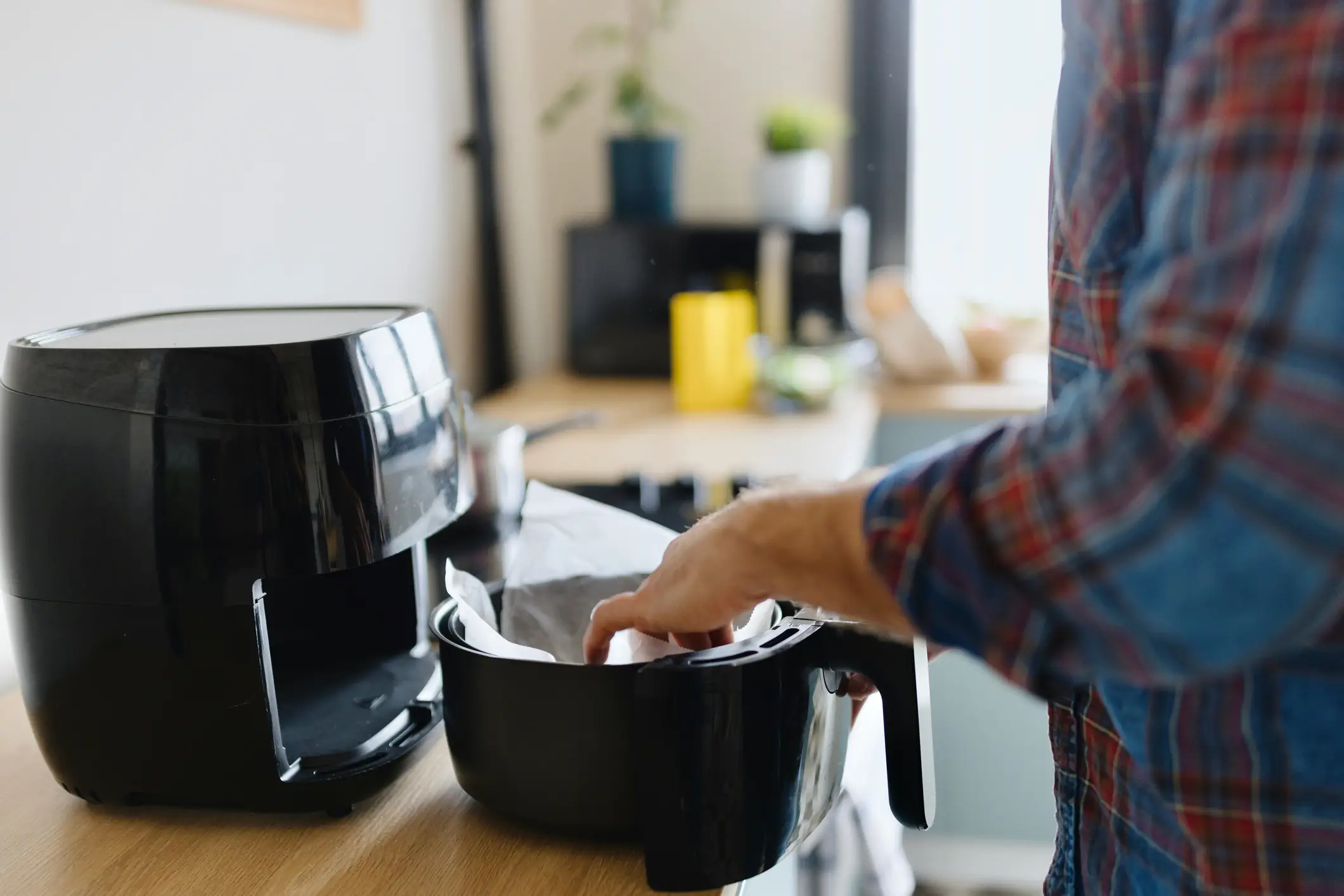
Cleaning is one of the biggest answers to why are people getting rid of air fryers. The basket may look small, but grease can collect in the holes, corners, and under the cooking plate.
Sticky foods can be especially frustrating. Chicken wings, melted cheese, marinated vegetables, and sugary sauces may leave a baked-on layer. If food sits too long, the residue becomes harder to remove.
Many baskets are labeled dishwasher-safe. Still, repeated dishwasher use may dull the finish or wear down a nonstick coating over time. Hand washing with warm water, mild soap, and a soft sponge is often gentler.
Avoid steel wool, harsh scouring powders, and sharp tools. These can scratch the basket and create areas where food sticks more easily.
A simple cleaning routine can help:
-
Unplug the air fryer and let it cool.
-
Remove crumbs after each use.
-
Wash the basket soon after cooking.
-
Wipe the inside with a damp cloth.
-
Check the heating area for grease or smoke residue.
-
Dry every part before putting it away.
In my own testing of countertop cooking tools, the biggest mistake was waiting until the next day to clean a greasy basket. A two-minute rinse right after cooking was much easier than trying to remove hardened grease later.
Counter space is a major problem
Air fryers are not small for everyone. Even compact models need a safe area with room around the sides and back. They also need access to an electrical outlet and a heat-safe surface.
This can be hard in a small apartment, a shared kitchen, or a home with limited counter space. Some people keep the air fryer in a cabinet, but lifting a heavy appliance each time makes it less convenient.
Storage can also become a daily battle. The basket may need its own space, while the power cord can get in the way. If an appliance is difficult to reach, people tend to use it less.
This is a common pattern with kitchen gadgets. Convenience matters more than good intentions. If using the appliance requires moving three other items first, the air fryer may slowly become clutter.
Before buying or keeping one, measure:
• The appliance width and depth.
• The height needed when opening the basket.
• The space near the heating vents.
• The storage area for the basket and accessories.
• The distance from the nearest outlet.
Never push an air fryer tightly against a wall while it is running. Proper airflow helps reduce heat buildup and supports safer use.
Small air fryer baskets do not suit large families
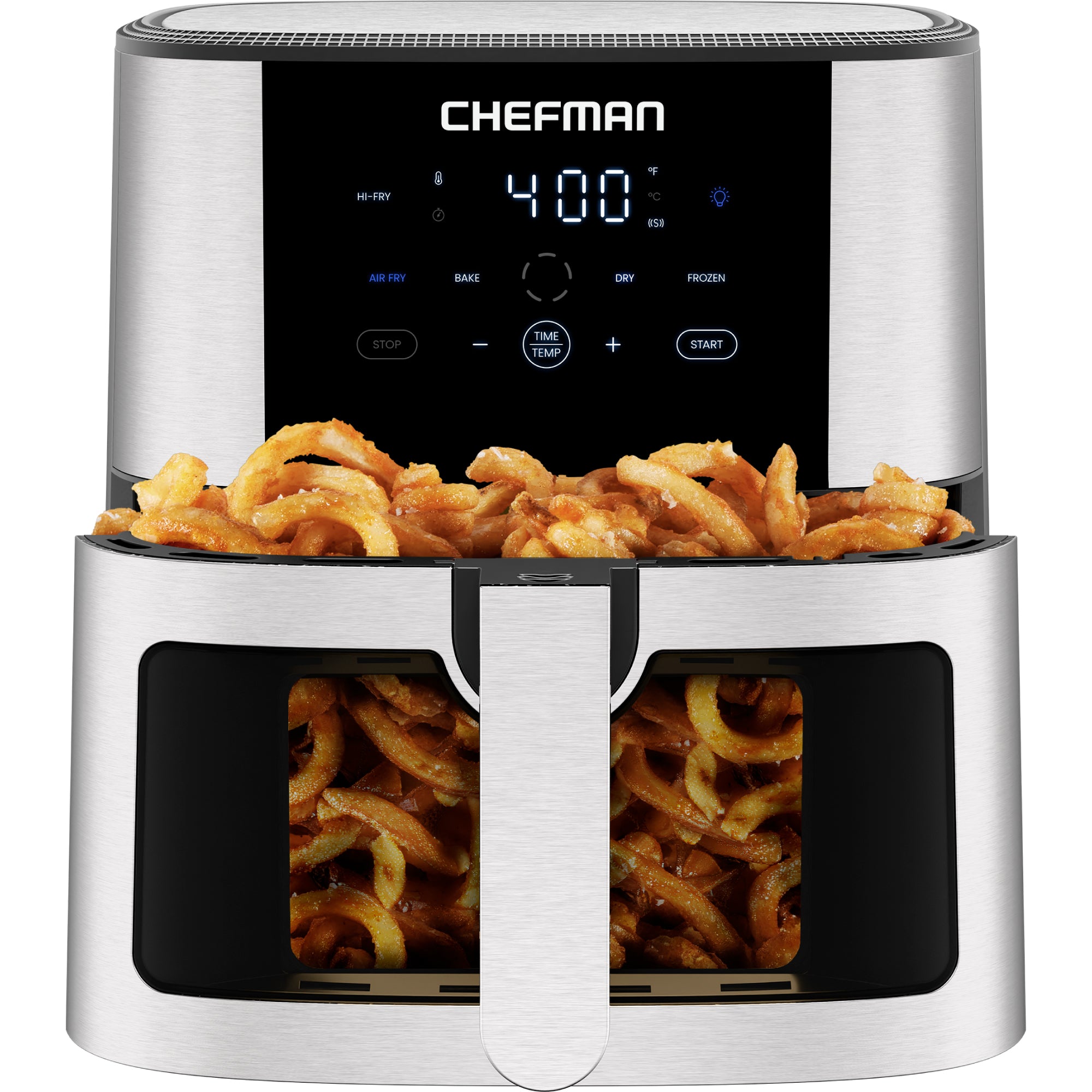
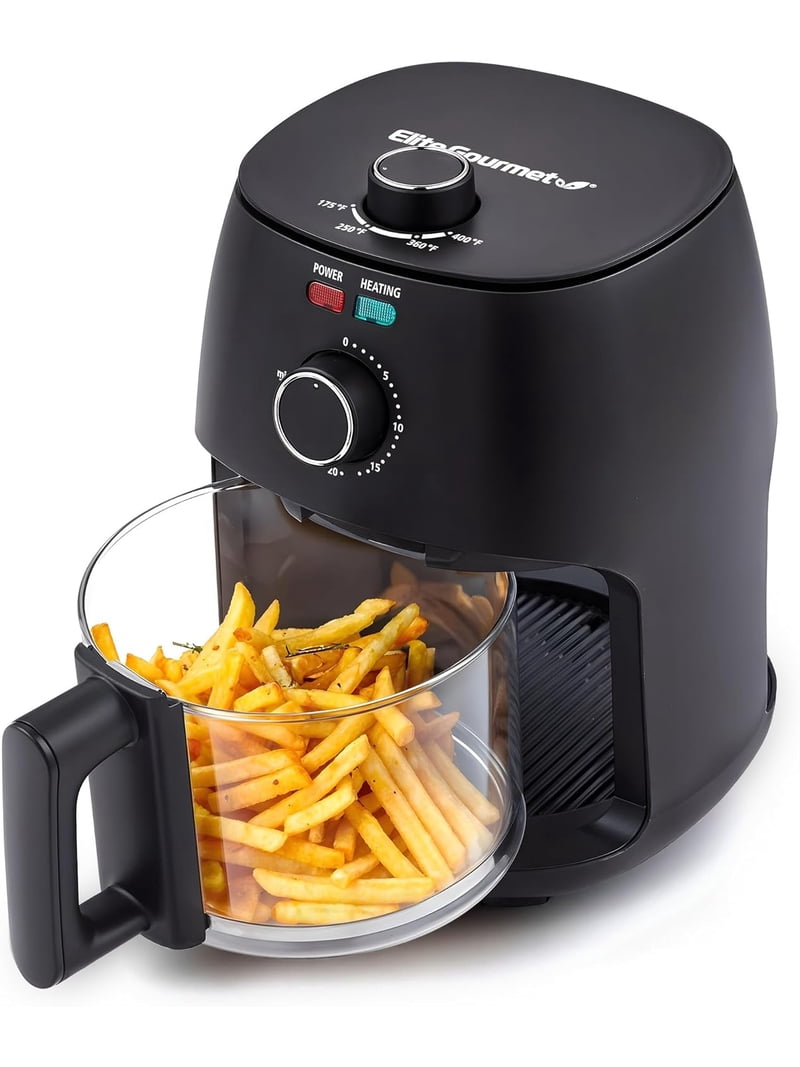
A small air fryer can work well for one or two people. It may cook a serving of fries, a few chicken thighs, or a small tray of vegetables. However, the same basket may feel useless for a family of four or more.
Most air fryers work best when food sits in a fairly even layer. If the basket is packed too tightly, hot air cannot move around the food well. The result may be crisp food on top and soft food underneath.
Cooking in batches solves the problem, but it also removes one of the main benefits: speed. A family may need three or four rounds for a complete meal.
This is why many users say they are getting rid of air fryers after a few weeks. The appliance worked well in a product video, but it did not match real dinner needs.
A larger air fryer oven can hold more food. Yet bigger models take more space and may use more energy. They can also be harder to wash.
The best size depends on the meal, not just the number printed on the box. Think about how much food you cook at one time. A couple who cooks simple portions may need only a small basket, while a family may prefer a convection oven or full-size oven.
Air fryers do not replace every cooking tool
An air fryer is a small convection cooker. It moves hot air around food to create browning and crisp edges with little or no added oil. It does not truly fry food in the same way as deep oil.
This difference matters. Air fryers are good for:
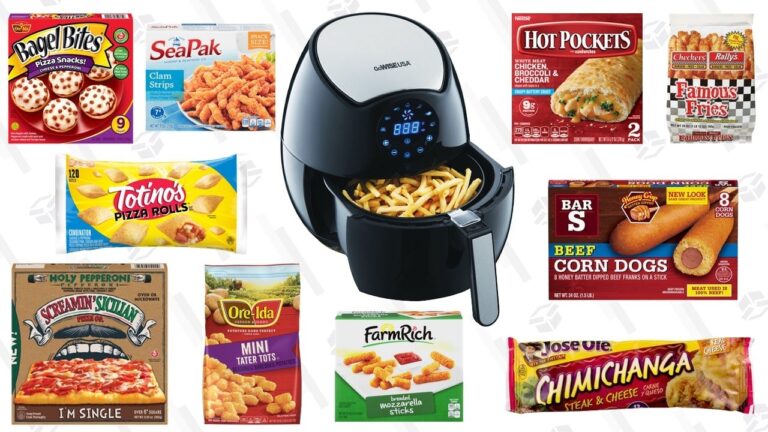
• Frozen fries and snacks.
• Chicken wings and small cuts of meat.
• Roasted vegetables.
• Reheating pizza and sandwiches.
• Toasted nuts and small baked items.
They are less useful for:
• Soups and sauces.
• Large casseroles.
• Big family meals.
• Foods that need a wide, flat pan.
• Wet batter that can drip through the basket.
• Delicate foods that dry out easily.
Some people already own a toaster oven, convection oven, microwave, or pressure cooker. In that case, an air fryer may add only a small benefit.
This explains another reason why are people getting rid of air fryers. The appliance may do several jobs, but another tool may do those jobs better for that particular household.
Food quality can disappoint new users
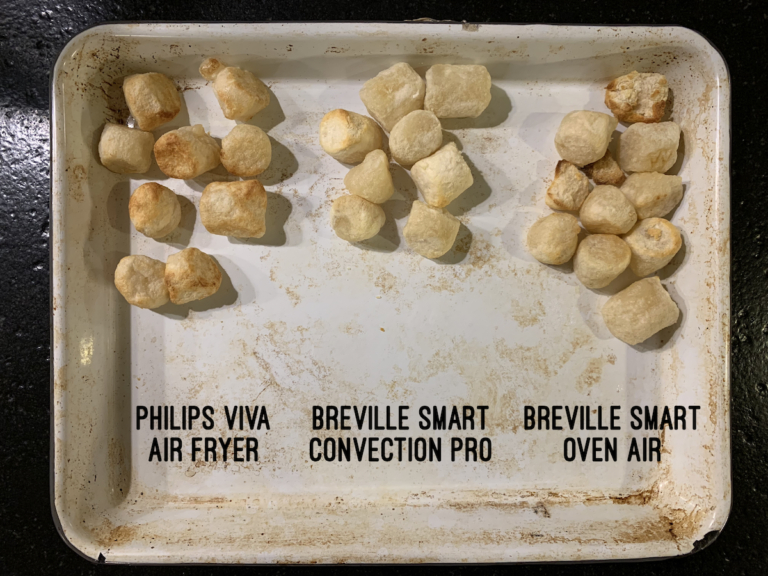
Air-fried food is not always perfect. The result depends on the food, basket size, cooking time, temperature, and how often the basket is shaken.
Overcrowding is a common problem. Food needs space for hot air to circulate. When pieces touch too closely, they steam instead of crisp.
Some food can also dry out. Thin chicken breast, lean fish, and reheated rice may lose moisture quickly. A lower temperature, shorter cooking time, or light coating of oil can help.
Air fryer instructions are not always clear. One brand may cook frozen fries at 400°F, while another may need a lower setting. The best approach is to start with less time and check the food early.
A few practical tips can improve results:
• Preheat when the recipe calls for it.
• Keep food in one loose layer.
• Turn or shake food halfway through cooking.
• Use a small amount of oil for better browning.
• Do not rely on color alone when cooking meat.
• Use a food thermometer for poultry, meat, and fish.
Food safety guidance recommends cooking poultry to 165°F. Ground meats should reach 160°F, while whole cuts of beef, pork, lamb, and veal should reach 145°F with a rest period. A thermometer is more reliable than appearance.

Safety worries make some owners uncomfortable
Safety concerns are another reason why are people getting rid of air fryers. Most air fryers can be used safely when the instructions are followed, but no heated appliance is risk-free.
Common concerns include smoke, hot surfaces, electrical faults, and damaged nonstick coatings. Smoke often comes from excess grease, food trapped near the heating element, or cooking at a temperature that is too high.
Keep the air fryer on a stable, heat-safe surface. Do not cover the vents. Keep it away from curtains, paper towels, and other items that can catch fire.
Users should also inspect the cord, plug, basket, and interior. Stop using the appliance if the cord is damaged, the plug becomes unusually hot, or the basket coating is peeling badly.
Product recalls can happen with any appliance. Owners should check the model number against current recall notices from the manufacturer and relevant consumer safety agencies.
The coating question needs a calm answer. A scratched or peeling basket is a reason to replace the basket or appliance. It is not a reason to panic about every air fryer. Follow the care instructions, avoid metal utensils, and replace damaged parts.
Some older models may also have a strong plastic smell during early uses. This smell should fade after proper cleaning and a few empty heating cycles if the manual allows it. A strong smell that remains, unusual smoke, or strange electrical sounds should not be ignored.
Air fryers may use more energy than expected
People often buy air fryers to save energy. They heat a small space, so they can use less energy than a large oven for small meals. That benefit is not guaranteed in every situation.
For one serving of food, an air fryer may heat faster than a full-size oven. For several batches, the energy and time savings can shrink. If the oven is already running for a large meal, adding a small air fryer may not offer much advantage.
Energy use depends on:
• The appliance wattage.
• Cooking time.
• Food quantity.
• Number of batches.
• Whether the oven is preheated.
• Local electricity rates.
The most accurate way to compare costs is to check the wattage label and measure use with a plug-in energy monitor. A 1,500-watt air fryer used for 20 minutes consumes about 0.5 kilowatt-hours, though real use varies by model and heating cycle.
Energy savings should be viewed as a possible benefit, not a promise. This is one area where marketing claims can sound broader than real kitchen results.
Some people dislike the noise and smell
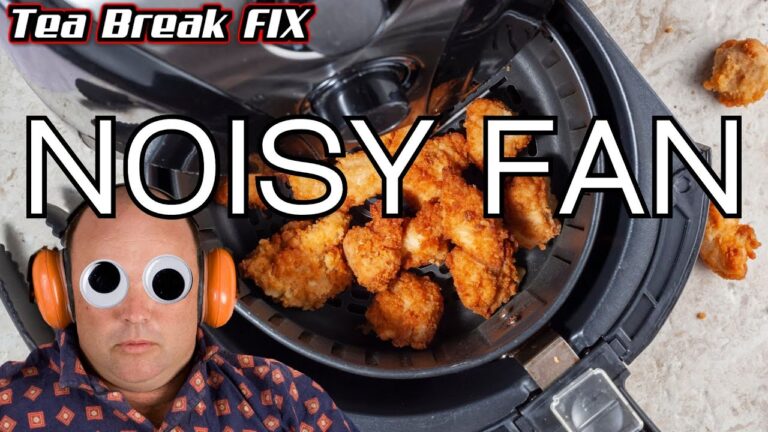
Air fryers use a fan, and that fan can be louder than expected. The sound is often similar to a strong kitchen exhaust fan or a small countertop oven.
For many users, the noise is minor. For others, it is annoying during early mornings, quiet evenings, or phone calls. People living in studio apartments may notice it more because the kitchen and living area share one room.
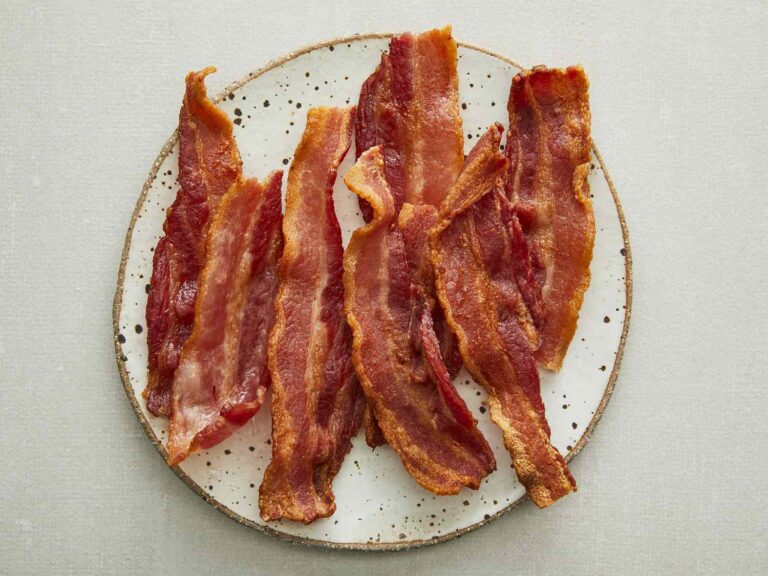
Smells can also be an issue. Cooking bacon, fish, fatty meat, or heavily seasoned food can fill a small home with odor. The air fryer may reduce the smell of deep frying, but it does not remove cooking smells.
Cleaning the basket and the area near the heating element can reduce lingering odors. Good ventilation also helps. If smoke appears during normal cooking, reduce the temperature and check for grease buildup.
Trend buying leads to unused appliances
Air fryers became popular because they promised quick meals, crisp textures, and easy cooking. Social media helped make them a kitchen must-have.
The problem is that a popular appliance is not automatically right for every person. Some buyers expected restaurant-style fried food. Others expected to cook full meals in one small basket. When those expectations failed, the appliance lost its appeal.
This is a familiar lesson with kitchen trends. A gadget can be useful and still be unnecessary for you.
Before buying, ask:
-
What meals will I cook in it each week?
-
Do I have enough counter or storage space?
-
Will the basket hold my usual portions?
-
Do I already own a tool that does the same job?
-
Am I willing to clean it after each use?
If the answers are unclear, waiting may be wiser than buying. Many people are getting rid of air fryers because they bought based on excitement rather than a real cooking need.

How to decide whether to keep your air fryer
Getting rid of an air fryer is not always the best choice. The appliance may still be valuable if it saves time and helps you cook at home.
Keep it if you regularly use it for quick meals, reheating, roasted vegetables, or small portions. It may also be useful for students, couples, busy parents, and people who do not want to heat a full-size oven.
Consider replacing it or donating it if:
• You use it less than once a month.
• Cleaning it feels like a constant chore.
• It does not fit your meals or portion sizes.
• The basket or cord is damaged.
• It takes up space you need for more useful tools.
• You have a safer or more practical appliance for the same tasks.
If you decide to donate it, clean it well and include the manual if possible. Do not donate an appliance with a damaged cord, peeling basket, or known safety issue. Check for recalls before passing it to someone else.
You can also try a two-week test. Plan three simple meals, clean the appliance after each use, and note how well it fits your routine. If you still avoid it, the problem is probably not a lack of recipes.
Better alternatives to an air fryer
The best alternative depends on what you want to cook. A toaster oven may be better for people who need a wider cooking surface. It can toast, bake, broil, and reheat without requiring several batches.
A full-size convection oven can handle larger meals. It may take longer to heat, but it offers more space for family cooking.
Other options include:
• A microwave for fast reheating and simple meals.
• A cast-iron skillet for crisp foods and strong browning.
• A sheet pan for roasted vegetables and one-pan dinners.
• A pressure cooker for beans, stews, and tender meats.
• A small countertop oven for toast, pizza, and baking.
No tool is perfect. A skillet needs more attention and oil. A toaster oven may take more counter space. A microwave may not create crisp food. The right choice is the one that matches your meals and daily habits.
Mistakes to avoid when using an air fryer
Several small mistakes can make an air fryer seem worse than it is. Avoiding them may improve food quality and extend the life of the appliance.
Do not fill the basket to the top. Leave room for hot air to move. If you need more food, cook in batches rather than forcing everything into one load.
Do not use cooking spray with additives unless the manufacturer says it is safe. Some sprays can damage nonstick surfaces. An oil mister or a light brush of suitable oil may work better.
Do not place wet batter directly in a standard basket. It can drip through the holes before it sets. Use foods with a dry coating or a compatible accessory designed for baking.
Do not ignore the manual. Temperature limits, cleaning methods, and accessory rules vary between brands.
Finally, do not assume air-fried means healthy. The appliance can reduce added oil, but fries, processed snacks, and high-sodium foods remain limited choices. Nutrition depends on the ingredients and portion, not only the cooking method.
Frequently Asked Questions
Why are people getting rid of air fryers after buying them?
Many owners find that air fryers take too much space, need frequent cleaning, or cannot cook enough food at once. Others discover that they do not use the appliance often enough to justify keeping it.
Are air fryers hard to clean?
They can be, especially after cooking greasy or sticky food. Cleaning the basket soon after use, avoiding abrasive tools, and wiping the heating area can make the job easier.
Do air fryers use a lot of electricity?
An air fryer may use less energy than a full-size oven for small meals because it heats a smaller space. However, several cooking batches can reduce that advantage, so actual use depends on wattage, time, and food quantity.
Are air fryers safe to use?
Air fryers are generally safe when used according to the manufacturer’s instructions. Keep vents clear, place the appliance on a stable heat-safe surface, inspect the cord, and stop using it if you notice damage, unusual smoke, or electrical problems.
Is an air fryer healthier than deep frying?
Air frying often uses less added oil than deep frying, which can lower the fat content of some foods. Still, the health value depends on the food itself, the portion size, and the overall diet.
Why does food dry out in an air fryer?
Food may dry out because of high heat, long cooking times, thin cuts, or overcrowding followed by extended cooking. Try checking food early, using a lower temperature, and adding a small amount of oil when suitable.
Should I throw away an air fryer with a peeling basket?
Do not keep using a basket with badly peeling or damaged coating. Check whether the manufacturer sells a replacement basket, and review current safety or recall information before deciding how to dispose of the appliance.
Conclusion
Why are people getting rid of air fryers? The answer usually comes down to a poor match between the appliance and the owner’s kitchen, meals, space, or routine. Cleaning problems, small baskets, safety concerns, noise, and trend buying can all turn a once-loved gadget into clutter.
An air fryer can still be useful for quick, small meals and crisp reheating. Use it safely, clean it often, avoid overcrowding, and judge it by your real cooking habits rather than online hype. If it does not serve you, choose a practical replacement or donate it responsibly, and share your own air fryer experience in the comments.