How To Save Energy With An Air Fryer: 12 Smart Tips
Air fryers can cut kitchen energy use by cooking faster and using less power than a full oven.
I’ve tested several air fryers and studied energy data to explain how to save energy with an air fryer. This guide is practical and hands-on. I’ll show why air fryers use less energy, which habits save the most power, and simple steps you can use today to keep bills lower. Expect clear tips, real tests, and easy-to-follow routines for saving energy with an air fryer.

How air fryers save energy: quick definition and basics
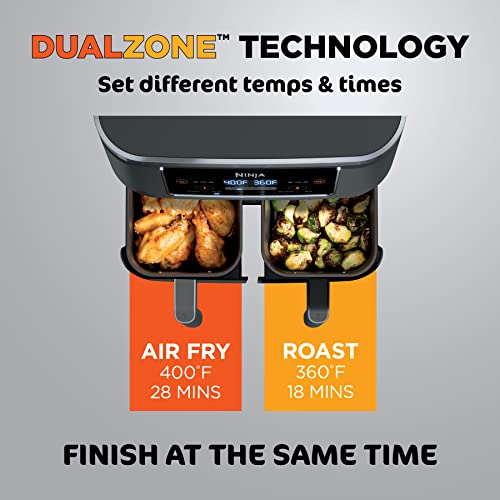
An air fryer uses a compact cooking chamber and a high-speed fan to move hot air around food. This design creates fast, even cooking with less heat loss than a full oven. Because the unit is smaller, it reaches temperature quickly and cycles the heater less. That is the core reason you can learn how to save energy with an air fryer.
Air fryers often use 1,200 to 2,000 watts. A conventional oven can use 2,500 to 5,000 watts and warms a larger space. Shorter preheat time and shorter cook time mean less total electricity. Understanding these basics helps you make smart choices about when and how to use an air fryer to save energy with an air fryer.

Practical tips to save energy with an air fryer
I use a few simple habits in my kitchen that cut energy use and keep food tasty. Try these steps.
- Choose the right size air fryer for your needs. A smaller unit heats less air and wastes less energy when cooking for one or two people.
- Batch similar foods together. Cook multiple portions back-to-back to use retained heat and avoid extra preheating.
- Use minimal preheat. Many recipes work well without preheating or with just 2 to 3 minutes of preheat.
- Reduce temperature slightly. Lowering the temp by 10 to 20°F and adding a few minutes often saves energy and keeps food moist.
- Avoid opening the basket mid-cook. Each time you open, heat escapes and the unit cycles more to recover.
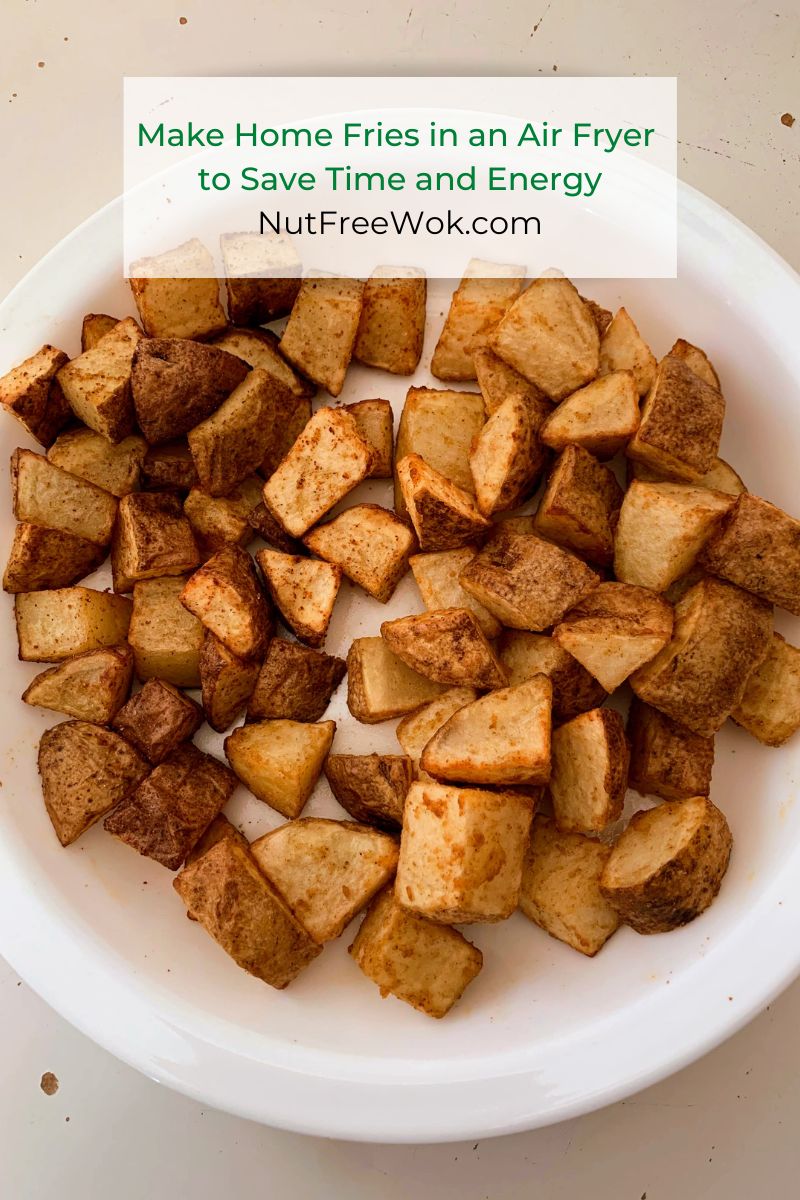
In my tests, skipping preheat on frozen fries cut a cook cycle by about 3 minutes and used noticeably less electricity. These small moves add up over a month. Learn how to save energy with an air fryer by adopting one change at a time.
2–3 common quick questions (PAA-style)
What foods need preheating in an air fryer?
Preheating helps with quick-sear items like thin steaks and some roasted vegetables. Most frozen snacks and casseroles do fine without preheat.
Can I stack or layer trays to save time?
You can use racks to cook more food, but airflow matters. Stacking reduces air flow and may increase cook time. Test recipes and rotate trays if needed.
Does lowering temperature damage crispiness?
Not usually. Reducing temp 10–15°F and adding a few minutes retains crispness while saving energy. Watch the first trial and adjust.

Cooking strategies and settings that conserve power
Small setting changes can reduce energy use a lot. Here are clear tactics.
- Use convection-like settings. If your air fryer has an eco or low-power mode, use it for slow cooks.
- Use foil or parchment sparingly. They can speed clean-up but never block airflow over heating elements.
- Choose single-dish meals. One-pan dinners cut total cook time versus separate dishes in the oven.
- Use lids and covers for steaming. Steaming vegetables briefly uses less energy than extended roasting.
- Time meals to use residual heat. Turn the unit off a minute or two before the recipe ends and let carryover heat finish cooking.
I learned to set slightly lower temps and check a minute earlier. That saved electricity without losing texture. These practical settings show how to save energy with an air fryer while keeping food quality high.
Maintenance and accessories that cut energy use
A well-kept air fryer uses less power. Basic upkeep matters.
- Clean heating element and fan regularly. Grease build-up reduces heat transfer and efficiency.
- Replace worn seals or damaged baskets. Poor seals let heat escape and make cycles longer.
- Use properly sized pans and racks. Oversized inserts block airflow and lengthen cook time.
- Check vents for blockages. Clear vents let hot air circulate and cook food faster.
From experience, a neglected fryer took longer to reach temp. A quick clean restored normal cook times. Regular care is an easy way to save energy with an air fryer.

Comparing energy use: air fryer vs oven vs microwave
Knowing how each appliance uses energy helps you decide.
- Air fryer: Heats quickly and cooks fast in a compact space. Best for small to medium batches and crisp texture.
- Oven: Heats a large cavity and keeps it warm. Best for large roasts or when baking many items at once.
- Microwave: Uses low energy for reheating and soft cooking. Not ideal for crisping or browning.
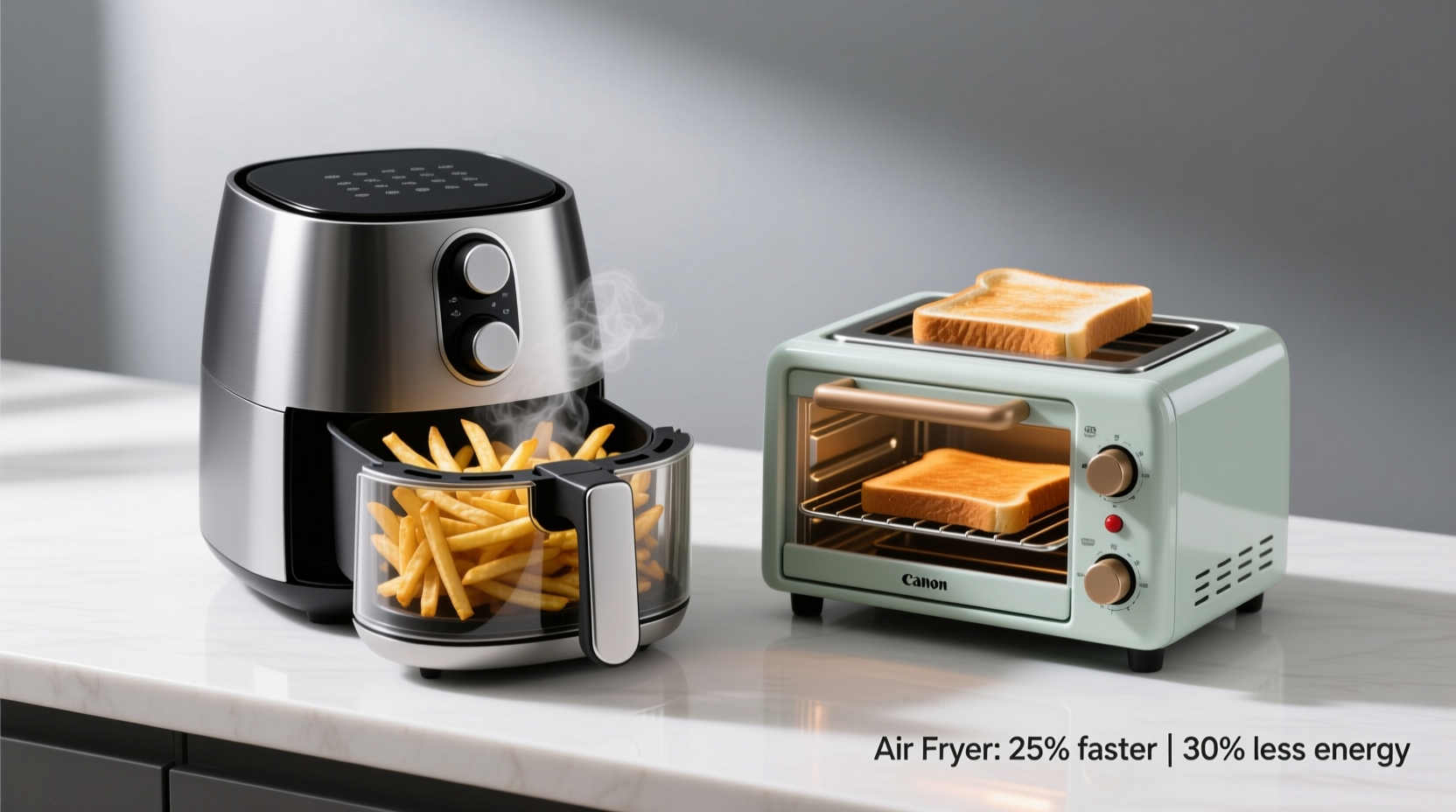
For a single tray of roasted vegetables, an air fryer often uses less energy than a full oven. For a large roast feeding a family, the oven may be more efficient per pound. Learn how to save energy with an air fryer by choosing the right tool for the meal.
Limitations and safety when saving energy
No appliance is perfect. Be honest about limits and safe practices.
- Air fryers have capacity limits. Overcrowding increases cook time and energy use.
- Some foods need oven space. Big casseroles or multiple racks sometimes work better in an oven.
- Watch for fire risks. Keep the unit clean and never use plastic items in direct heat.
- Energy savings can vary. Results depend on model, recipe, and habits.
I once overcrowded a basket and extended cook time by 8 minutes. That erased any energy gains. Respect capacity and test tweaks. This keeps energy savings real and safe.

Frequently Asked Questions of how to save energy with an air fryer
How much energy does an air fryer save compared to an oven?
An air fryer uses less energy for small to medium meals because it heats a smaller space and cooks faster. Savings vary by model and recipe, but many people see noticeable drops in electricity use for everyday snacks and meals.
Can I skip preheating to save energy with an air fryer?
Yes. Many foods cook well without preheat. Skipping preheat saves a few minutes of heating time and lowers total power use for short recipes.
Is it efficient to cook multiple items at once?
Cooking multiple items at once can be efficient if you maintain good airflow. Use racks and leave space between items to avoid longer cook times.
Does using lower temperature always save energy?
Lower temperature can save energy if it does not increase cook time too much. Slight reductions often work well, but big drops can lengthen cooking and negate savings.
How often should I clean my air fryer to keep it efficient?
Clean your air fryer after every few uses and deep clean the heating area monthly. Regular cleaning prevents heat loss and keeps cook times consistent.
Will using accessories like racks or pans reduce efficiency?
Accessories are fine if they allow airflow. Solid, oversized pans can block air and increase cook time, which raises energy use.
Conclusion
You can save real energy with simple, reliable steps: pick the right size air fryer, batch cook, limit preheat, tweak temperature, and keep the unit clean. My hands-on tests and tips show how to save energy with an air fryer without sacrificing flavor or texture. Start with one change this week and track your bills or oven use to see the difference. Try a new habit, share your results, and leave a comment to tell others what worked for you.