
Why Is Fried Chicken Bad For You: Health Risks
For many people in the United States, fried chicken is a common takeout meal, fast-food item, or family dinner. It can taste good and provide protein, but regular servings may also add a lot of calories, sodium, saturated fat, and refined starch to the diet.
Fried chicken is not harmful because it is chicken. The main concerns come from the breading, cooking oil, portion size, and restaurant preparation. Eating it once in a while can fit into a balanced diet, but eating large portions often may raise the risk of weight gain, high blood pressure, heart disease, and other health problems.
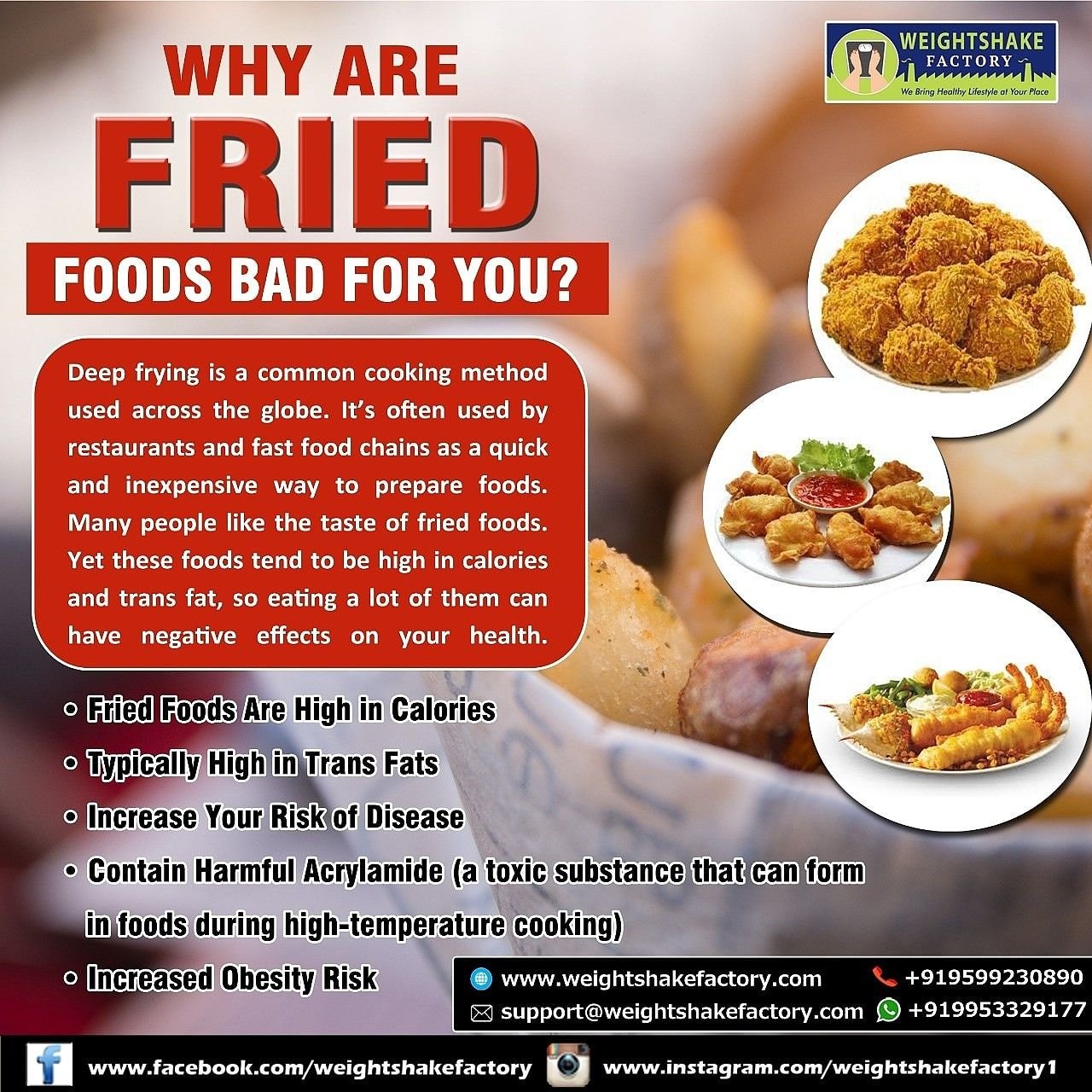
What makes fried chicken unhealthy?
Fried chicken can be less healthy than plain chicken because frying changes the meal’s calorie, fat, and sodium content. A skin-on chicken piece absorbs some oil during cooking, while flour or batter adds refined carbohydrates and more energy.
The health impact depends on several factors:
- The cut of chicken: Dark meat and skin usually contain more fat than skinless breast.
- The coating: Thick batter adds more calories than a light flour coating.
- The cooking oil: Oil adds fat and calories. Reused oil may also contain degraded fat compounds.
- The portion size: A large restaurant meal can contain several pieces plus fries, biscuits, sauces, and a sugary drink.
- The recipe: Salt, seasoning blends, and marinades can raise sodium levels.
- How often you eat it: An occasional serving poses less concern than a regular habit.
The USDA Dietary Guidelines for Americans recommend eating more vegetables, fruits, whole grains, beans, nuts, and low-fat dairy while limiting foods high in saturated fat, sodium, and added sugars. Fried chicken can fit into an eating pattern, but frequent large portions make those goals harder to meet.

1. Fried chicken can be high in calories
Frying increases the energy density of chicken. “Energy density” means the number of calories in a given amount of food. Oil contains about 120 calories per tablespoon, and some of that oil can remain in the coating and skin after cooking.
A meal with two or three pieces of fried chicken may also include:
- French fries or mashed potatoes
- A biscuit or cornbread
- Coleslaw with a creamy dressing
- Dipping sauce
- A sweetened tea or soft drink
These extras can turn a single meal into a large share of a person’s daily calorie needs.
Extra calories do not automatically cause weight gain. Weight gain usually occurs when average calorie intake stays higher than the body’s energy use over time. Still, fried chicken makes it easy to eat more calories because the food is compact, flavorful, and often served in large portions.
A simple portion example
Consider a hypothetical meal:
| Food | Possible calorie contribution |
|---|---|
| Two pieces of fried chicken | About 400–700 calories |
| Fries or another fried side | About 250–500 calories |
| Biscuit | About 150–300 calories |
| Sweet drink | About 150–300 calories |
| Sauce | About 50–200 calories |
| Possible meal total | About 1,000–2,000 calories |
These are broad estimates, not a nutrition label for every meal. Restaurant recipes vary widely. Check the restaurant’s current nutrition information when it is available.

2. It may contain too much saturated fat
Saturated fat can raise LDL cholesterol, often called “bad” cholesterol. High LDL cholesterol can contribute to plaque buildup in the arteries and increase cardiovascular risk.
Fried chicken may contain saturated fat from several sources:
- Chicken skin
- Dark meat
- Batter or breading
- The frying oil
- Butter-based sides
- Creamy sauces and gravies
The American Heart Association advises limiting saturated fat, especially for people who need to lower LDL cholesterol. The association recommends that saturated fat provide less than 6% of daily calories for people with high cholesterol. For a 2,000-calorie diet, that equals about 13 grams per day.
That limit can be reached quickly when a meal combines fried chicken with gravy, cheese, butter, or other high-fat foods. Skinless chicken baked, grilled, or roasted generally makes it easier to control saturated fat.
Not every frying oil has the same fat profile. Some oils contain more unsaturated fat than others. However, even an oil that is lower in saturated fat still adds calories, and the complete meal matters more than the oil alone.

3. Restaurant fried chicken can be very high in sodium
Sodium helps preserve food and improve flavor, but too much sodium can raise blood pressure in many people. High blood pressure is a major risk factor for stroke, heart disease, kidney disease, and heart failure.
Fried chicken may contain sodium in the:
- Chicken brine or marinade
- Seasoned flour
- Spice mix
- Breading
- Gravy
- Dipping sauce
- Side dishes
The FDA recommends limiting sodium to less than 2,300 milligrams per day for most adults. The American Heart Association recommends an ideal limit of no more than 1,500 milligrams per day for most adults, especially those with high blood pressure.
A single restaurant meal can contain a large portion of the daily limit. People with high blood pressure, kidney disease, heart failure, or sodium-sensitive conditions may need a lower target set by a health professional.
Removing the coating may reduce some sodium, but it does not remove all of it. Sodium can move into the meat during brining or seasoning, so preparation matters.

4. Fried chicken may make weight control harder
Fried chicken does not have a special ability to cause obesity. The problem is that it is often calorie-dense and easy to combine with other high-calorie foods.
Regular high-calorie meals may contribute to weight gain when they replace lower-calorie foods such as:
- Vegetables
- Beans
- Fruit
- Whole grains
- Plain poultry
- Fish
- Low-fat dairy
Weight gain can increase the risk of type 2 diabetes, sleep apnea, fatty liver disease, joint problems, and heart disease. The risk depends on a person’s total diet, activity, sleep, genetics, and health conditions.
A practical way to reduce the impact is to change the whole plate, not only the chicken. Choose one piece instead of several, add vegetables or beans, select water, and skip or share the fried side.

5. High-heat frying can create unwanted compounds
Deep frying uses high heat. That heat can cause chemical changes in fats and can create compounds that are not desirable in large or frequent amounts.
One example is acrylamide, which can form when starchy foods are cooked at high temperatures. It is more strongly linked with browned potato and grain foods than with chicken itself. The FDA advises practical steps to reduce exposure, such as avoiding very dark browning and using varied cooking methods.
Repeatedly heated oil can also break down. The results depend on the oil, temperature, cooking time, food, and storage conditions. Commercial kitchens may filter or replace oil on different schedules, and consumers often cannot verify those practices.
This does not mean one serving of fried chicken is toxic. It means that frequent deep-fried foods are not the best foundation for a diet, particularly when they are heavily browned or cooked in poor-quality oil.

6. Fried chicken can increase food poisoning risk if handled poorly
Raw chicken can carry harmful bacteria, including Salmonella and Campylobacter. Frying can make chicken safe only when the thickest part reaches the correct internal temperature.
The USDA recommends cooking poultry to 165°F, measured with a food thermometer. Color alone cannot prove that chicken is safe.
Follow these safety steps at home:
- Wash hands before and after handling raw chicken.
- Keep raw chicken away from ready-to-eat foods.
- Do not wash raw chicken, because splashing can spread bacteria.
- Use separate plates and tools for raw and cooked chicken.
- Check the thickest part with a food thermometer.
- Refrigerate leftovers within two hours, or within one hour when the temperature is above 90°F.
- Reheat leftovers to 165°F.
Food safety is a separate issue from nutrition. A perfectly cooked piece of fried chicken can still be high in calories, sodium, or saturated fat.

Is fried chicken worse than grilled or baked chicken?
Fried chicken is usually higher in calories and fat than skinless chicken that is baked, grilled, poached, or roasted without much added oil. The difference can be smaller when the fried portion is small and the alternative is cooked with a large amount of butter or oil.
| Preparation | Common health advantage | Main caution |
|---|---|---|
| Skinless baked chicken | Usually lower in added fat | Sauces and marinades may add sodium |
| Grilled chicken | Often calorie-efficient | Heavy charring should be avoided |
| Poached chicken | Usually low in added fat | Flavor depends on seasoning |
| Air-fried chicken | Can use less oil than deep frying | Breading and portion size still matter |
| Deep-fried chicken | Crispy texture and strong flavor | Often higher in calories, sodium, and fat |
The cooking method is only one part of the comparison. A skinless grilled chicken sandwich with salty sauce may contain more sodium than a small homemade fried chicken portion. Read the full nutrition label or restaurant listing when possible.

Can you make fried chicken healthier?
You can reduce some of the health concerns without removing fried chicken completely. The goal is to control oil, breading, sodium, portion size, and side dishes.
Try these changes:
- Use skinless chicken or remove some of the skin.
- Choose a thin coating instead of thick batter.
- Use an air fryer or oven when it gives the texture you want.
- Measure oil instead of pouring freely.
- Season with herbs, garlic, paprika, pepper, or citrus instead of relying only on salt.
- Serve it with vegetables, beans, or a salad.
- Choose water or an unsweetened drink.
- Limit gravy, creamy sauces, and large fried sides.
- Use a food thermometer to reach 165°F.
- Do not reuse oil many times or use oil that smells rancid, smokes too soon, or looks heavily degraded.
Air frying can lower the amount of oil used, but it does not automatically make chicken healthy. A large portion with salty breading can still be high in sodium and calories.

How often can you eat fried chicken?
There is no single safe number of servings for everyone. The better question is how fried chicken fits into your total eating pattern.
An occasional serving is less concerning when most meals include vegetables, fruit, whole grains, beans, nuts, fish, or lean proteins. People with high blood pressure, high LDL cholesterol, diabetes, kidney disease, or heart disease may need stricter limits.
Use your health goals to guide the choice:
- For weight loss: Focus on portion size and total calories.
- For high blood pressure: Pay close attention to sodium in the chicken, sides, and sauces.
- For high LDL cholesterol: Limit skin, saturated fat, and creamy sides.
- For diabetes: Watch the breading, sugary drinks, and total carbohydrate intake.
- For kidney disease: Ask a registered dietitian about sodium, protein, phosphorus, and potassium needs.
A doctor or registered dietitian can help you set a safe eating plan for a diagnosed condition. Do not make major diet changes based on a general article alone.

Common myths about fried chicken
“The chicken makes it healthy.”
Chicken provides protein and nutrients, but the cooking method still matters. Breading, oil, salt, and portion size can change the meal’s nutritional profile.
“Removing the skin removes all the fat.”
Removing the skin can lower fat, but breading may retain oil. Brines, sauces, and dark meat can also add calories and sodium.
“Air-fried chicken has no health concerns.”
Air frying often uses less oil than deep frying. However, breading, salt, portion size, and total meal calories still count.
“One fried meal will cause heart disease.”
A single meal does not determine long-term health. Cardiovascular risk develops from many factors over time, including diet, blood pressure, cholesterol, smoking, activity, sleep, and genetics.
“Baked chicken is always healthy.”
Baked chicken can be a better choice, but heavy sauces, large portions, and salty seasoning can reduce that advantage.

Frequently asked questions
Is fried chicken bad for your cholesterol?
It can be, especially when it contains skin and saturated fat or is served with other high-fat foods. Saturated fat can raise LDL cholesterol. Your overall eating pattern and individual health history matter.
Is fried chicken bad for your heart?
Frequent intake of fried foods is associated in observational research with higher cardiovascular risk, but those studies cannot prove that fried chicken alone causes heart disease. The likely concerns include excess calories, sodium, saturated fat, and the overall diet.
Is fried chicken bad for people with diabetes?
It may make blood sugar and weight control harder when the meal includes thick breading, fries, biscuits, or sugary drinks. The chicken itself contains little carbohydrate, but the coating and side dishes can add significant carbohydrate.
Is fried chicken bad for your stomach?
Greasy meals may cause indigestion, reflux, bloating, or diarrhea in some people. People with gallbladder disease, reflux, or sensitive digestion may notice symptoms more often.
What is the healthiest way to eat chicken?
Choose skinless chicken that is baked, roasted, grilled, poached, or air-fried with limited oil and salt. Pair it with vegetables, beans, or whole grains, and keep sauces and portions moderate.

Key takeaways
- Fried chicken is not automatically dangerous, but frequent large servings can be unhealthy.
- The main concerns are calories, saturated fat, sodium, breading, and portion size.
- Restaurant meals can be much larger and saltier than homemade portions.
- Skinless baked, grilled, poached, or air-fried chicken is often easier to fit into a heart-healthy diet.
- Cook chicken to 165°F to reduce food poisoning risk.
- If you have high blood pressure, high cholesterol, diabetes, kidney disease, or heart disease, ask a qualified health professional how fried foods fit your plan.
Conclusion
Fried chicken can be part of an occasional meal, but it is usually less healthy than chicken prepared with little added oil and salt. The biggest risks come from the full package: deep frying, thick breading, skin, large portions, salty seasoning, and high-calorie sides.
For a healthier choice, keep the portion modest, choose vegetables or beans on the side, avoid sugary drinks, and use baked, grilled, roasted, or air-fried chicken more often. A balanced diet does not require perfection; it requires habits that work well most of the time.
Sources and evidence
- USDA Dietary Guidelines for Americans
- USDA: Safe Minimum Internal Temperature Chart
- American Heart Association: Dietary Fats
- FDA: Sodium in Your Diet
- FDA: Acrylamide—What You Need to Know
- BMJ: Consumption of Fried Foods and Risk of Cardiovascular Disease and All-Cause Mortality