
Why Use Silicone Liner In Air Fryer: Benefits And Tips
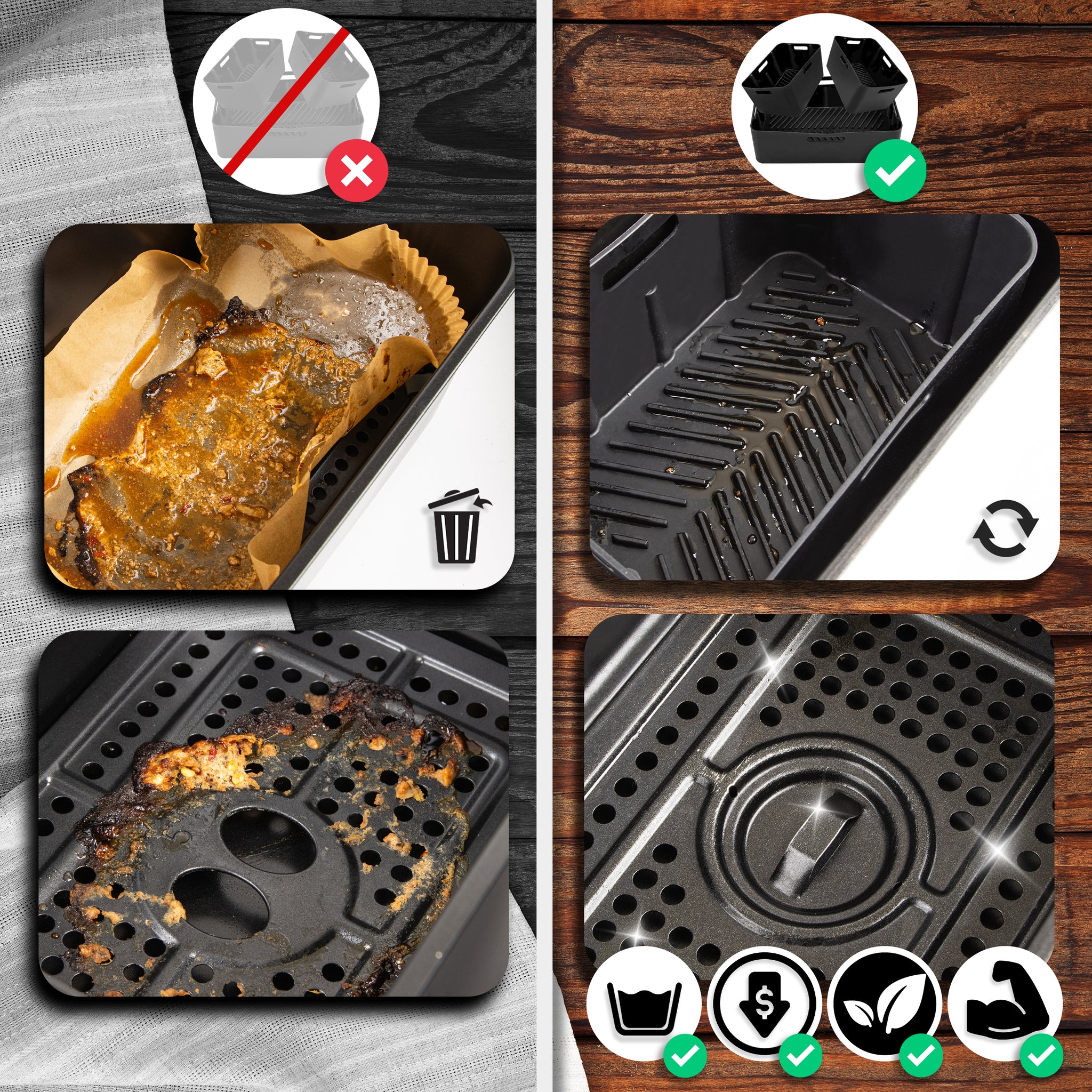
Silicone liners make air fryer cooking cleaner, safer for many foods, and easier to manage.
If you have ever scrubbed baked-on grease from an air fryer basket, you already understand the appeal. Learning why use silicone liner in air fryer cooking can help you protect the basket, reduce mess, and prepare delicate foods with less sticking. This guide explains the benefits, limits, safety tips, and best practices based on common air fryer design and real kitchen use.
Why use silicone liner in air fryer cooking?
A silicone air fryer liner is a flexible, heat-resistant insert placed inside the cooking basket. It creates a barrier between food and the basket surface while still allowing hot air to cook the food.
The main reasons people use silicone liners include:
• Easier cleanup after cooking greasy or sticky foods
• Less food sticking to the basket
• Better protection against scratches and stains
• Safer handling of small or delicate foods
• Reduced need for disposable parchment paper
• More convenient cooking for items such as fish, cheese, and marinated meat
A silicone liner does not make food healthier by itself. It simply changes the cooking setup. Your food still cooks through hot air, and the final result depends on temperature, cooking time, food moisture, and airflow.
In simple terms, a liner works like a washable baking dish inside your air fryer. It catches crumbs and grease, but it must be designed and used in a way that does not block the air circulation.
How does a silicone air fryer liner work?
Most silicone air fryer liners have a bowl-like shape with raised sides. Many also include small holes or ridges on the base. These features help hot air move around the food while the liner catches drips.
An air fryer cooks by circulating hot air around the food. The heating element warms the air, and a fan pushes that air through the cooking chamber. This process creates browning and crisp edges without needing a deep bath of oil.
A liner changes the airflow slightly. A solid liner may reduce air movement under the food, while a perforated liner allows more heat to reach the bottom. This difference matters most when cooking foods that should be crisp, such as fries, wings, and breaded vegetables.
For the best results:
• Choose a liner that fits the basket without folding over the food.
• Use a perforated model when crispness matters.
• Avoid filling the liner so deeply that air cannot circulate.
• Preheat the air fryer with the food or follow the appliance manual.
• Keep the liner away from the heating element.
The liner should sit flat in the basket. If it rises or shifts during cooking, it can touch the heating element and create a safety risk.

Main benefits of using a silicone liner
Easier cleanup
The biggest reason why use silicone liner in air fryer cooking is simple cleanup. Grease, sauce, melted cheese, and crumbs collect inside the liner instead of baking onto the basket.
After cooking, let the liner cool. Then wash it with warm water and dish soap. Many silicone liners are also dishwasher safe, but always check the product instructions first.
A liner does not remove the need to clean the air fryer. Grease can still collect on the basket, tray, and heating area. However, it can reduce the amount of scrubbing needed.
Less sticking
Some foods cling to the basket more than others. Fish skin, cheese, seasoned tofu, and sticky sauces can leave behind stubborn residue.
Food-grade silicone has a naturally smooth surface. This can make it easier to lift food after cooking. You may still need a small amount of oil for certain recipes, but you often need less than when cooking directly on a rough or worn basket.
Protection for the basket
Repeated use can cause stains, scratches, and worn areas on some air fryer baskets. A silicone liner creates a soft barrier between the food and the cooking surface.
This benefit is especially useful if you use metal utensils or cook foods with sharp bones. Still, a liner cannot repair damaged nonstick coating. If the basket coating is peeling, contact the manufacturer or replace the part.
Better control for small foods
Small ingredients can fall through wide basket openings. A liner helps keep items such as peas, diced vegetables, shrimp, and chopped nuts in one place.
It can also help when cooking foods that break apart easily. For example, a liner may keep a small salmon fillet from sticking to the basket and tearing when you remove it.
Less waste than disposable liners
Parchment air fryer liners are useful, but they are usually single-use. A reusable silicone liner can reduce the number of disposable sheets you buy and throw away.
The environmental benefit depends on how long the liner lasts, how it is washed, and how often it replaces disposable products. It is not automatically the most sustainable choice in every situation, but repeated use can make it a practical option.
Does a silicone liner make air fryer food less crispy?
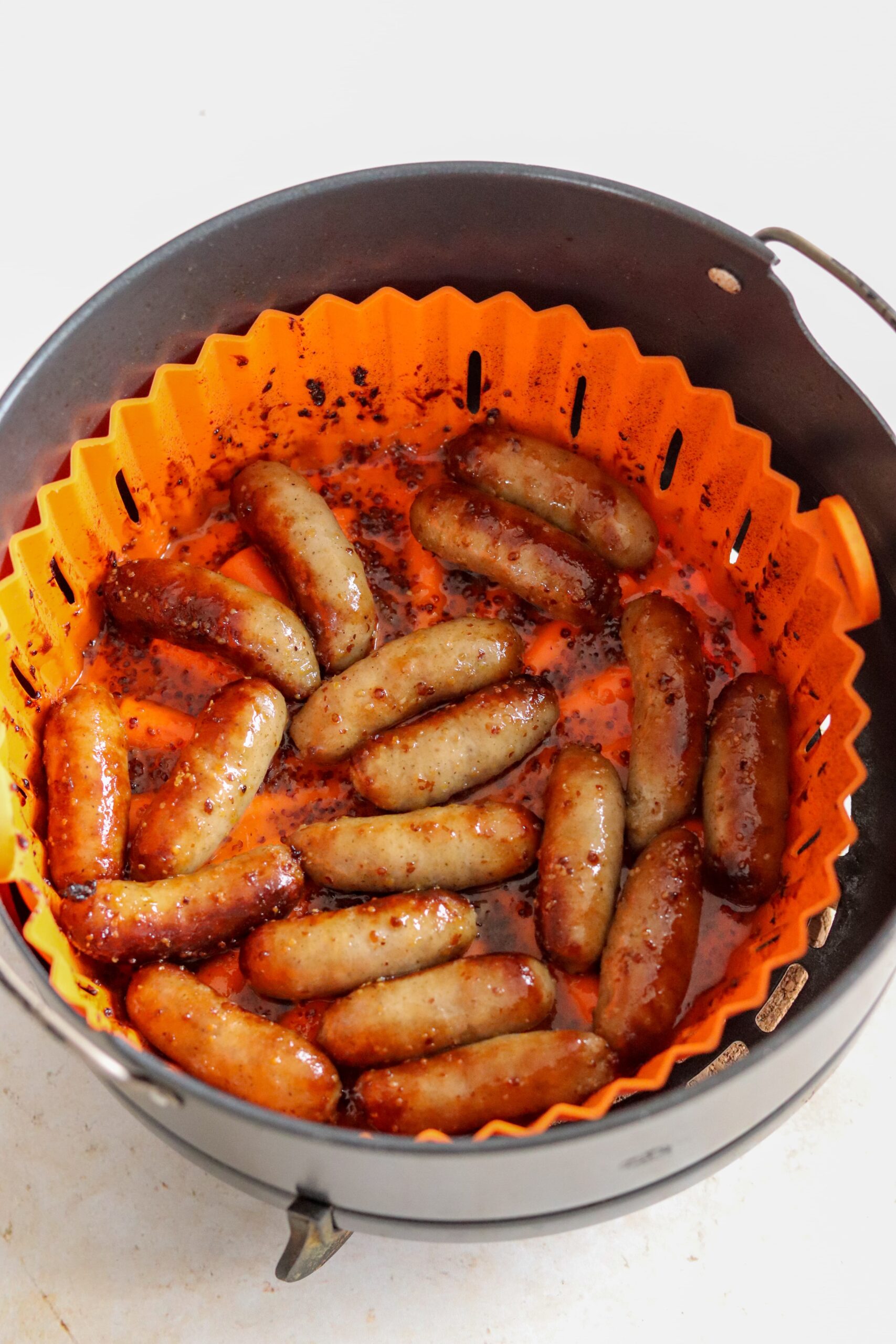
It can, but the effect depends on the liner design and the food. A solid silicone liner may block some airflow beneath the food. This can lead to a softer bottom, especially with fries, chicken wings, and breaded foods.
A perforated liner usually gives better airflow. However, even a perforated liner may produce slightly different results from cooking directly in the basket.
To keep food crisp:
-
Pat wet foods dry before cooking.
-
Avoid overcrowding the liner.
-
Use a small amount of oil when suitable.
-
Turn or shake the food during cooking.
-
Select a liner with holes or raised ridges.
-
Add sauces near the end when possible.
For foods that need strong browning, try cooking them directly in the basket. Use the silicone liner for foods where easy cleanup and gentle handling matter more than maximum crispness.
Silicone liner versus parchment paper
Both products can reduce sticking and cleanup, but they work in different ways.
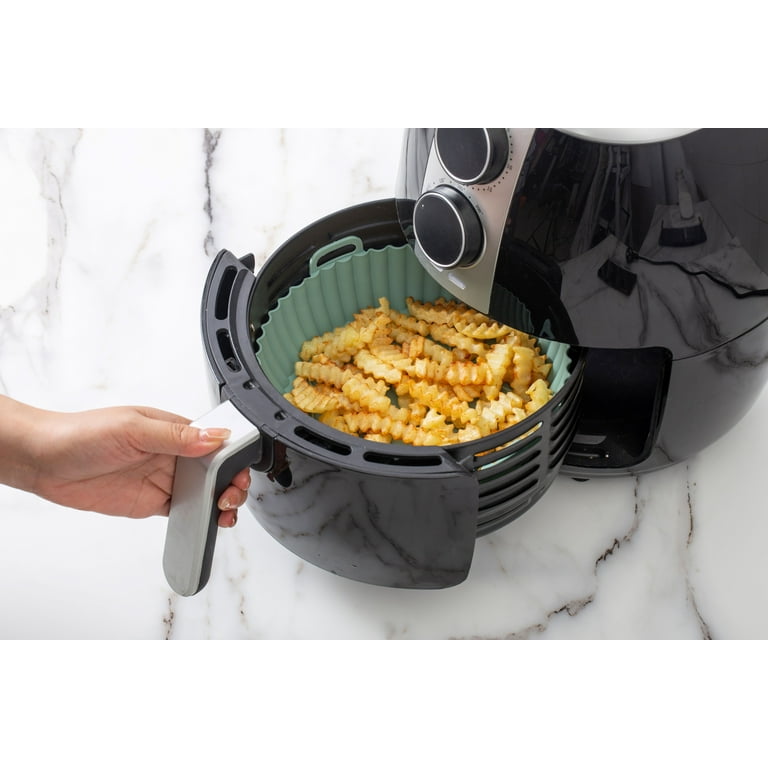
A silicone liner is reusable and usually thicker. It is less likely to tear, and it can hold liquids such as marinade or grease. It may also protect the basket better than a thin sheet of parchment.
Parchment paper is lighter and often provides better airflow when it has holes. It is convenient for quick meals, but it must be rated for the cooking temperature and held down by food.
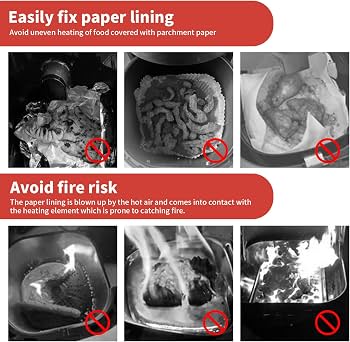
Never place loose parchment in a running air fryer. The fan can lift it toward the heating element. Parchment should not be used during preheating unless the manufacturer specifically allows it and the sheet is secured correctly.
Choose silicone when you want a washable, sturdy barrier. Choose perforated parchment when you want a quick, disposable option with minimal impact on airflow.

Are silicone air fryer liners safe?
Quality silicone liners are generally safe when they are made for high-heat cooking and used according to the instructions. Look for products labeled as food-grade silicone and rated for temperatures that match or exceed your air fryer’s maximum setting.
Many cooking silicone products are designed to handle temperatures around 400 to 450°F, but the exact limit varies. Do not assume every silicone item has the same heat resistance.
Check these details before buying:
• Food-contact safety information
• Maximum temperature rating
• Size and shape compatibility
• Dishwasher instructions
• Manufacturer warnings
• Whether the product contains fillers or mixed materials
A silicone liner should not touch the heating coil. Do not use it if it smells strongly of chemicals after washing, becomes sticky, cracks, melts, or changes shape. A mild smell during the first few uses may occur with some products, but a strong or lasting odor is a reason to stop using it.
Food safety agencies generally focus on the intended use of food-contact materials, temperature limits, and proper cleaning. The safest approach is to follow both the liner instructions and your air fryer manual.

What are the disadvantages of a silicone liner?
A silicone liner is helpful, but it is not perfect. Understanding its limits makes it easier to decide when to use one.
It may reduce airflow
The main drawback is reduced air circulation. A full, solid liner can make the food less crisp and may increase cooking time.
It may need more cleaning
Silicone can hold grease in its grooves and ridges. If you do not wash it well, old oil and food particles can create odors.
It can move when empty
The air fryer fan may lift a lightweight liner if no food is holding it down. This is why you should never run an empty liner unless the product instructions clearly approve it.
It may retain odors
Silicone can absorb or hold strong smells from garlic, fish, curry, or spicy sauces. Washing it soon after use helps. A paste made from baking soda and water may help remove mild odors, but check the manufacturer’s cleaning guidance.
It cannot replace safe cooking habits
A liner does not prevent undercooked meat, cross-contamination, or overheating. Use a food thermometer for poultry, meat, and fish. The USDA recommends checking food with a thermometer rather than relying only on color or cooking time.
How to choose the best silicone liner for an air fryer
The best silicone liner is the one that fits your appliance and supports the food you cook most often. A poor fit can block airflow or fold into the heating area.
Consider these features:
Correct size
Measure the inside of your basket. The liner should leave enough room for air to move around the sides. It should not press against the heating element or rise above the basket.
Perforations
Small holes help hot air reach the food. They are useful for fries, vegetables, nuggets, and wings.
Raised ridges
Ridges can lift food slightly above grease. They may improve airflow under the food and help prevent it from sitting in liquid.
Heat rating
Choose a liner with a clear heat limit. The rating should be higher than the temperature you plan to use.
Stable construction
A thicker liner is less likely to fold or collapse. However, very thick silicone may also reduce airflow more than a thin, perforated design.
Easy cleaning
Look for smooth surfaces, rounded corners, and dishwasher-safe instructions if convenient cleanup is important to you.
Avoid products with vague material claims, poor fit, strong chemical odors, or no clear temperature guidance.

How to use a silicone liner correctly
Using a silicone liner is easy, but a few steps make a big difference.
-
Wash the liner before its first use.
-
Place it flat inside the air fryer basket.
-
Add food so the liner stays in place.
-
Leave space around the food for hot air.
-
Keep the liner below the heating element.
-
Follow the air fryer’s recommended temperature and time.
-
Turn or shake food when the recipe calls for it.
-
Let the liner cool before washing it.
Do not spray aerosol cooking oil directly inside a hot air fryer unless the appliance maker says it is safe. Some aerosol propellants may damage certain surfaces. If oil is needed, brush or toss the food with a small amount instead.
In my own kitchen testing, the most common mistake is using a liner that is too large. It folds up the sides, traps steam, and leaves food pale instead of crisp. A close but not tight fit works much better.
Best foods to cook with a silicone liner
A silicone liner works especially well for foods that are sticky, delicate, or likely to create a mess.
Good choices include:
• Salmon and other soft fish
• Marinated chicken
• Meatballs
• Tofu
• Roasted vegetables with sauce
• Eggs and breakfast bites
• Grilled cheese-style snacks
• Small baked goods
• Reheated leftovers with melted cheese
• Foods with crumbs or loose seasoning
For frozen fries and wings, direct basket cooking may create a crisper finish. For saucy foods and delicate ingredients, the liner is often worth the small trade-off in airflow.
A liner can also make cleanup easier after cooking bacon or heavily seasoned foods. However, high-fat foods still require careful cleaning because grease can collect under or around the liner.
Common mistakes to avoid
Knowing why use silicone liner in air fryer cooking is helpful, but incorrect use can reduce the benefits.
Avoid these mistakes:
• Using a liner that blocks the basket’s air vents
• Preheating with an empty, loose liner
• Filling the liner above the food-safe capacity
• Covering the entire basket with a solid sheet when crispness is important
• Using a liner without a heat rating
• Cutting a liner so small that it shifts during cooking
• Leaving grease in the liner for several days
• Using metal tools that can damage the liner
• Placing the liner directly on the heating coil
• Ignoring the air fryer manufacturer’s instructions
The liner should support cooking, not become another source of risk. If your appliance manual warns against liners, follow that advice.
Frequently Asked Questions About Why Use Silicone Liner in Air Fryer
Why use silicone liner in air fryer cooking instead of cooking directly in the basket?
People use silicone liners to reduce sticking, catch grease, protect the basket, and simplify cleanup. They are especially useful for delicate or sticky foods.
Can you put a silicone liner in an air fryer?
Yes, you can use a silicone liner if it is made for high-heat food use and fits your appliance. Keep it below the heating element and follow the liner and air fryer instructions.
Do silicone liners affect air fryer cooking time?
They can. A solid liner may reduce airflow and make food cook or brown more slowly, while a perforated liner usually has less effect.
Are silicone air fryer liners better than parchment paper?
Neither is always better. Silicone is reusable and sturdy, while parchment is lightweight and may allow more airflow when properly perforated and secured.
Can silicone liners go in the dishwasher?
Many silicone air fryer liners are dishwasher safe, but you should check the care label. Place the liner where it will not contact a sharp heating element or become damaged.
Do silicone liners make food less healthy?
No. A silicone liner does not automatically make food healthier or less healthy. It may reduce the need for extra oil in some recipes, but nutrition depends on the ingredients and cooking method.
Can you preheat an air fryer with a silicone liner inside?
Only if the liner is held securely and the manufacturer allows it. A loose liner can move toward the heating element, so adding food before running the appliance is often the safer choice.
Conclusion
Understanding why use silicone liner in air fryer cooking comes down to convenience, food protection, and easier cleanup. A good liner can reduce sticking, catch grease, protect the basket, and help you cook delicate foods with less stress.
The trade-off is airflow. Solid liners may soften crisp foods, so choose a perforated design when browning matters. Always check the heat rating, use the correct size, keep the liner away from the heating element, and clean it after every use.
Try a properly fitted silicone liner with a sticky or delicate recipe first. Then compare the texture with direct basket cooking and choose the method that suits your kitchen best. Share your favorite air fryer liner tips or explore more practical air fryer guides for easier everyday meals.

3 Comments