Should I Wash Air Fryer Before Use: Safe First Steps
Yes, wash the removable air fryer parts before use to remove dust, residue, and manufacturing oils.
A new air fryer may look spotless, but it can still carry packing dust, factory residue, or a plastic-like odor. Knowing whether you should wash an air fryer before use helps protect food quality, prevent unwanted smells, and start your appliance safely. This guide explains what to wash, what to avoid, and how to prepare your air fryer for its first cooking session.
Should You Wash an Air Fryer Before Use?
Yes, you should wash an air fryer before use. Clean the removable basket, tray, rack, and other washable parts with warm water and mild dish soap.
Manufacturers handle, pack, and ship air fryers through many stages. Small amounts of dust or residue may settle inside during this process. Washing the food-contact parts gives you a cleaner starting point.
You should not place the main air fryer unit under running water. The base contains electrical parts, a fan, and a heating element. These parts need only a careful wipe with a damp cloth.
When people ask, “should i wash air fryer before use,” they often worry about damaging a new appliance. Normal cleaning will not harm the fryer when you wash only the removable parts and follow the care guide.
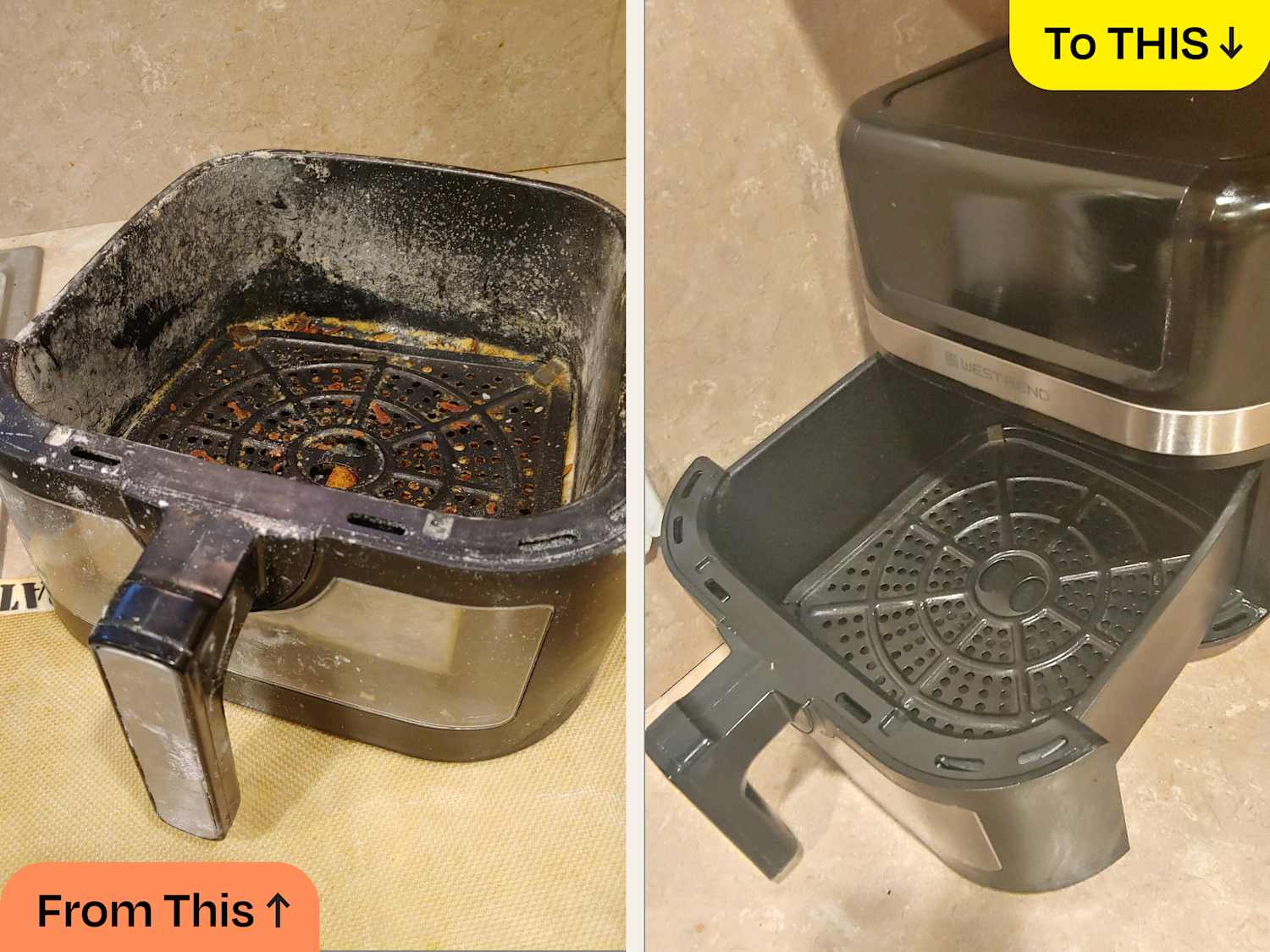
Why Cleaning a New Air Fryer Matters
Cleaning a new air fryer is not just about appearance. It also helps remove substances that may affect taste, smell, and comfort during the first few cooking cycles.
Common reasons to clean a new air fryer include:
• Removing dust from storage and shipping
• Washing away light factory residue
• Reducing plastic or packaging odors
• Removing fingerprints and handling marks
• Checking the basket and tray for loose packing material
• Making sure no cardboard, foam, or plastic film remains
A mild smell during the first use can be normal. Many new appliances release a temporary odor as protective oils or manufacturing materials warm up. However, a strong chemical smell, smoke, or melting-plastic odor is not something to ignore.
Food safety also supports washing parts before first use. The U.S. Department of Agriculture recommends cleaning food-contact surfaces and using safe handling practices to reduce the risk of contamination. An air fryer cooks food with hot air, but heat does not make every surface clean before cooking begins.
In my own air fryer testing and kitchen cleaning routines, the first wash made a clear difference. A basket that smelled slightly like cardboard or plastic often smelled much better after a careful wash and full dry.
:max_bytes(150000):strip_icc()/faw-toaster-ovens-air-fryers-test-chefman-3-7qt-turbofry-rkilgore-111-487d903950824b019a89d671ec68e254.jpg)
Which Air Fryer Parts Should You Wash?
Most air fryers have a removable basket and a crisper plate or cooking tray. These parts touch your food and should be cleaned before their first use.
Wash these parts if the manual allows it:
• Air fryer basket
• Crisper plate
• Cooking tray
• Removable rack
• Skewers or accessories
• Silicone cups or molds made for the appliance
Use warm water and a small amount of mild dish soap. A soft sponge or nonabrasive cloth is usually enough. Rinse each part well so no soap remains.
You should also wipe the inside of the cooking chamber. Use a clean, damp cloth to remove dust or loose particles. The cloth should be damp, not dripping wet.
Do not wash these parts in a sink:
• Main air fryer housing
• Power cord
• Control panel
• Heating coil
• Fan area
• Electrical connection points
If you are unsure whether a part is dishwasher-safe, check the user manual. Some baskets have a nonstick coating that can wear faster in a dishwasher. Hand washing is often the gentlest choice.
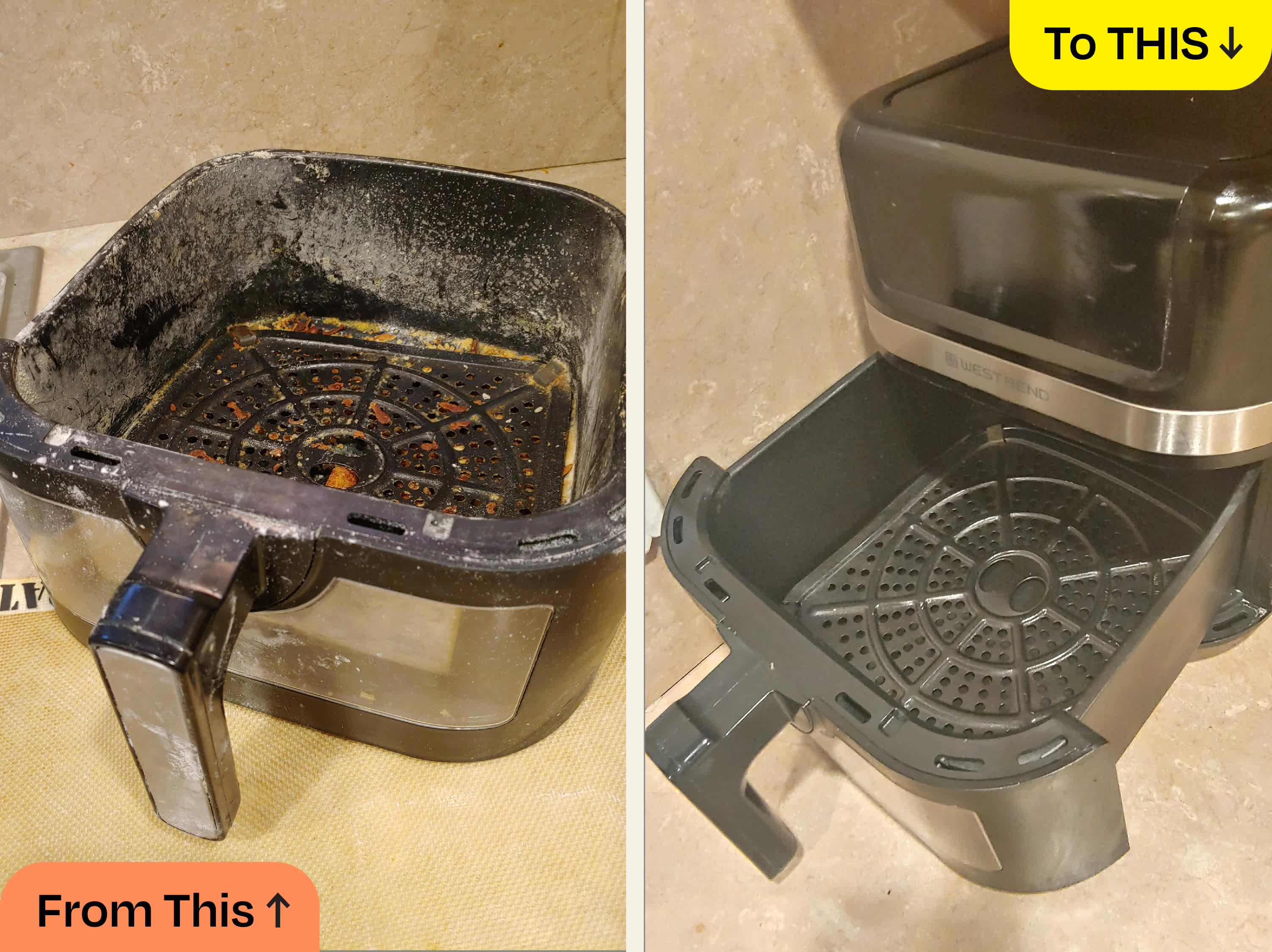
How to Wash an Air Fryer Before First Use
The best cleaning method is simple. Take your time, use mild soap, and make sure every removable part is dry before cooking.
Follow these steps:
-
Unpack the air fryer completely. Remove cardboard, foam, stickers, plastic film, and protective inserts.
-
Read the user manual. Look for instructions about dishwasher use, preheating, first-use odors, and removable parts.
-
Remove the basket and tray. Separate parts that come apart easily without force.
-
Wash the removable parts with warm water and mild dish soap.
-
Use a soft sponge. Avoid steel wool, sharp tools, and rough scouring pads.
-
Rinse the parts until the water runs clear and no soap feels slippery on the surface.
-
Dry each part with a clean towel or allow it to air-dry fully.
-
Wipe the inside and outside of the main unit with a damp cloth.
-
Check the heating area for packing material or loose debris.
-
Reassemble the air fryer only after all parts are completely dry.
Some manuals recommend a short empty preheat cycle. If yours does, follow the stated temperature and time. Keep the room ventilated by opening a window or turning on the kitchen fan.
Do not add oil, food, or cleaning products during an empty test cycle unless the manufacturer specifically says to do so. When deciding should i wash air fryer before use, always place the manufacturer’s instructions above general advice.

Should You Run an Air Fryer Empty Before Cooking?
Some air fryers benefit from a short empty run before the first meal. This can help reduce a new-appliance smell and confirm that the fan and heating system work correctly.
An empty run is not required for every model. Check the manual first. Some brands provide a specific first-use process, while others advise simply washing the parts and starting with food.
If the manual allows an empty cycle, use this safe approach:
• Place the air fryer on a heat-safe, level surface
• Keep space around the air vents
• Remove all packaging
• Insert the clean basket or tray
• Set the recommended temperature and time
• Stay nearby while it runs
• Ventilate the room if an odor appears
A light odor may fade during this first cycle. Stop the appliance if you see unusual smoke, sparks, melting material, or a strong electrical smell. Unplug it after it cools, then contact the manufacturer if the problem continues.
Never run an air fryer empty for long periods without a reason. The appliance is designed to cook food, and unnecessary heating may add wear without offering a benefit.
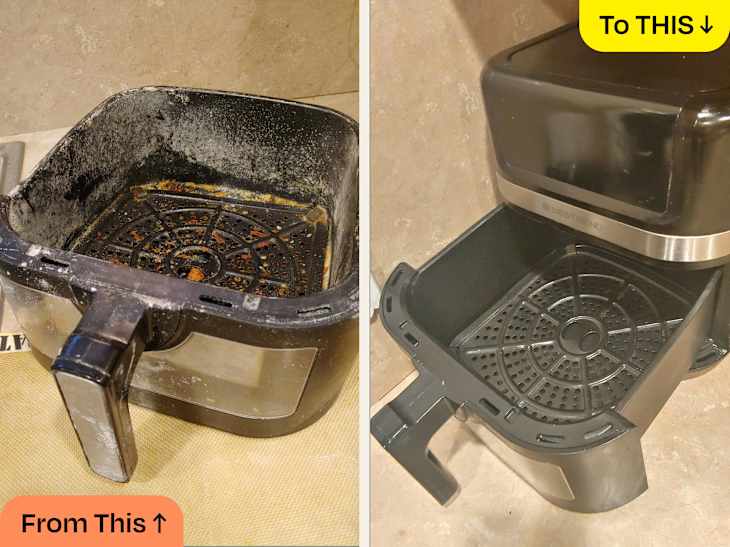
What Not to Do When Cleaning a New Air Fryer
Many first-use problems happen because people clean the wrong part or use overly harsh tools. An air fryer is easier to maintain when you treat the nonstick coating and electrical base with care.
Avoid these mistakes:
• Do not submerge the main unit in water.
• Do not pour water into the cooking chamber.
• Do not spray cleaner near the heating element or control panel.
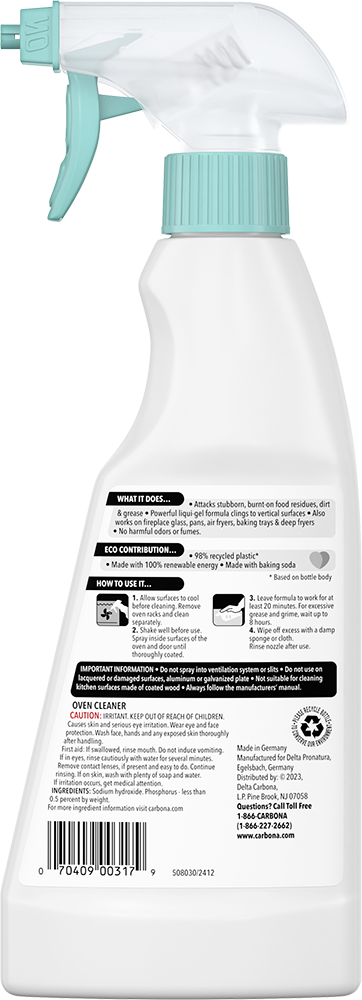
• Do not use oven cleaner unless the manual specifically approves it.
• Do not scrape the basket with a knife or metal fork.
• Do not use steel wool on a nonstick surface.
• Do not plug in the air fryer while it is wet.
• Do not block the air vents during cleaning or cooking.
• Do not assume every removable part is dishwasher-safe.
One common mistake is washing the whole appliance because the cooking chamber looks dirty. This can damage the electrical system and create a shock risk. Use a damp cloth for the fixed interior and removable parts for a normal sink wash.
Another mistake is putting a wet basket into a hot air fryer. Water droplets can create excess steam and may affect cooking. Drying is a small step, but it protects both the appliance and your food.
How to Remove a Plastic Smell From a New Air Fryer
A mild plastic smell can occur with a new air fryer. It often comes from packaging materials, protective coatings, or components warming for the first time.
Start by washing the removable parts. Then wipe the interior with a clean damp cloth and let the unit air out with the basket removed.
If the manual permits it, run a short empty cycle in a well-ventilated room. Do not use lemon juice, vinegar, essential oils, or other homemade cleaners inside the appliance unless the manufacturer approves them.
A smell should become weaker, not stronger, after cleaning and normal use. Stop using the air fryer if you notice:
• Heavy smoke
• A burning wire smell
• Melting plastic
• Sparks
• Repeated error messages
• A smell that remains strong after several cycles
Contact the manufacturer or retailer if the odor does not improve. Product-specific advice is important because coatings, plastics, and heating systems differ between models.
When friends ask should i wash air fryer before use because of a strange smell, I suggest cleaning first and then checking the smell during a supervised, manual-approved test cycle. This approach separates a normal new-appliance odor from a possible defect.
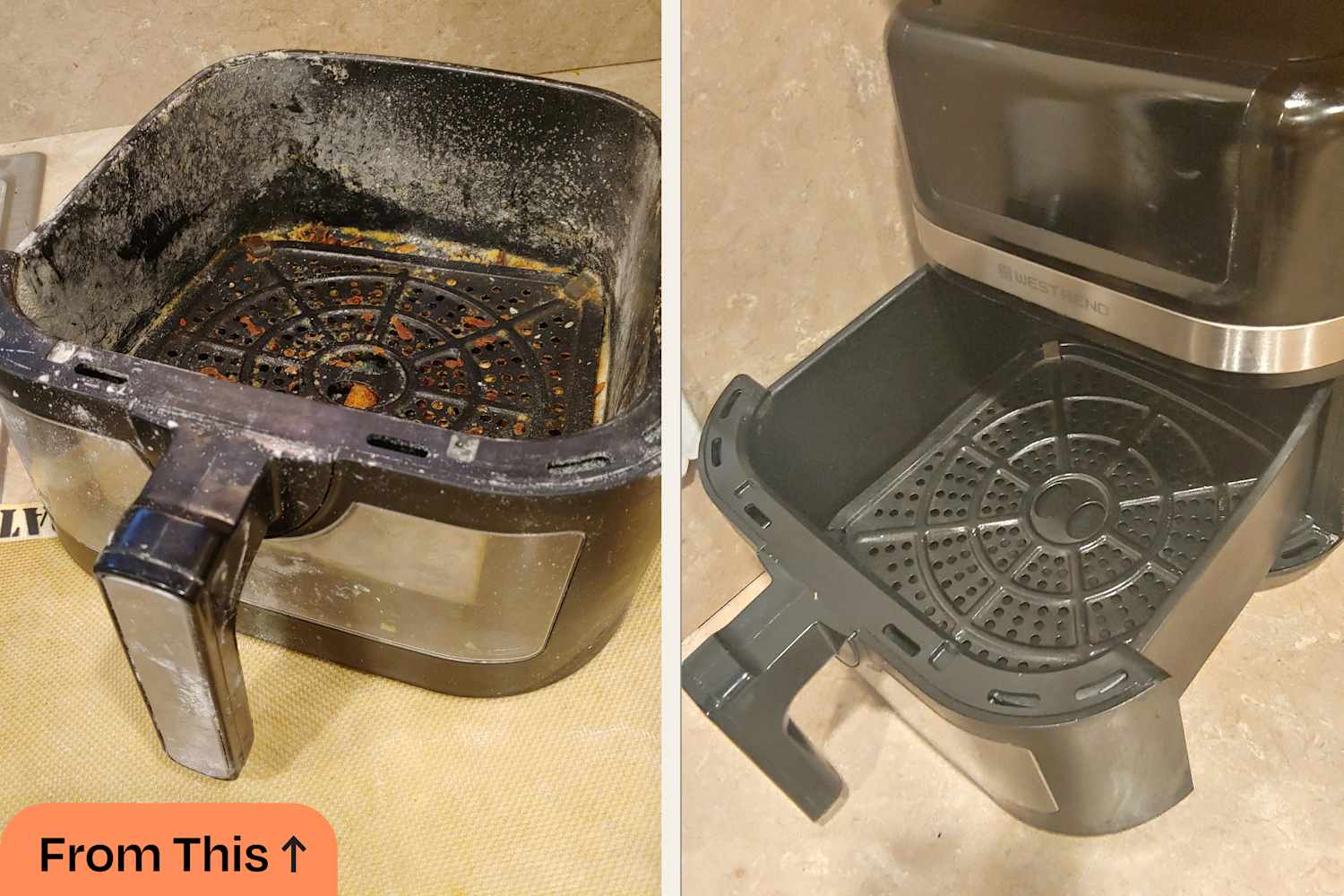
Do You Need to Wash an Air Fryer After Every Use?
You should clean the basket and tray after every use. Food grease, crumbs, and sauce can harden when they cool, which makes later cleaning harder.
For daily cleaning:
-
Unplug the air fryer and let it cool.
-
Remove the basket and tray.
-
Empty crumbs into the trash.
-
Wash the parts with warm water and mild dish soap.
-
Wipe the interior with a damp cloth.
-
Dry all parts before reassembly.
Clean the heating element only when the appliance is cool and the manual permits it. A soft, dry brush can remove loose crumbs, but do not bend the coil or scrub it aggressively.
Deep-clean the air fryer when grease builds up or food smells remain. A clean appliance cooks more evenly and is less likely to produce smoke from old residue. Regular cleaning also makes it easier to notice cracks, peeling coating, or loose components.
A small amount of oil can help prevent sticking, but excess oil may collect under the tray. Never pour oil into the bottom of an air fryer like you would in a deep fryer.
What If You Already Used the Air Fryer Without Washing It?
Do not panic if you cooked one meal before cleaning the appliance. Let the air fryer cool, unplug it, and wash the removable food-contact parts before using it again.
Inspect the meal and the appliance. If you noticed loose plastic, packaging, visible residue, or a strong chemical smell, do not eat the food. If everything looked normal and the appliance had no unusual odor or smoke, the risk is usually low, but cleaning remains the sensible next step.
Check the basket for scratches or peeling. Nonstick damage can worsen when exposed to sharp tools or harsh cleaners. If the coating is badly damaged, contact the manufacturer for replacement guidance.
This is also a good time to inspect the air fryer for missing parts. A small piece of packaging trapped near the heating element can create smoke or an unpleasant smell. Careful inspection prevents a simple oversight from becoming a safety problem.
Should You Wash a Used or Secondhand Air Fryer?
Yes, wash a used air fryer before cooking in it. A secondhand unit may contain old grease, crumbs, allergens, or residue from cleaning products.
Remove and wash every removable part that the manual permits. Wipe the fixed interior and inspect the heating element, fan area, vents, power cord, and plug.
Do not use a secondhand air fryer if:
• The power cord is cracked or frayed
• The plug shows burn marks
• The basket has severe coating damage
• The housing is cracked
• The appliance produces sparks
• The fan makes a grinding sound
• The unit smells strongly of burnt wiring
Ask the previous owner about the appliance’s age and cleaning history when possible. If you cannot confirm its condition, replacement may be safer and more practical than repair.
The same answer applies to should i wash air fryer before use when the air fryer is refurbished. Clean the food-contact parts, follow the included instructions, and test the unit carefully before preparing a full meal.
Safety Tips for First-Time Air Fryer Use
Cleaning is only one part of safe air fryer preparation. Correct placement and careful operation also matter.
Use these basic safety habits:
• Place the air fryer on a stable, heat-resistant counter.
• Keep it away from walls, cabinets, curtains, and paper items.
• Leave open space around the air vents.
• Do not cover the appliance while it runs.
• Keep the cord away from hot surfaces.
• Use the recommended amount of food.
• Do not overfill the basket.
• Use oven mitts when handling hot parts.
• Unplug the unit when it is not in use.
• Keep children away from the hot basket and cooking chamber.
Air fryers move very hot air through a small space. Overfilling blocks circulation and can lead to uneven cooking. It may also force grease against the heating element, which can cause smoke.
For foods such as chicken, burgers, and leftovers, use a food thermometer when needed. The USDA recommends checking internal temperature rather than judging safety by color alone. An air fryer can brown food quickly, but browning does not prove that the center has reached a safe temperature.
Frequently Asked Questions
Should i wash air fryer before use if it is brand new?
Yes. Wash the removable basket, tray, and other food-contact parts with warm water and mild dish soap. Wipe the main unit with a damp cloth, then dry everything fully.
Can I put my new air fryer basket in the dishwasher?
Only if the user manual says it is dishwasher-safe. Hand washing is often gentler, especially for baskets with a nonstick coating.
Can I wash the entire air fryer in the sink?
No. Never submerge the main air fryer unit or allow water to enter the electrical parts. Clean the fixed unit with a lightly damp cloth instead.
Why does my new air fryer smell like plastic?
A mild smell can come from packaging or materials warming during the first use. Wash the removable parts and follow the manual’s instructions for a short, ventilated test cycle; stop using the unit if the smell is strong or continues.
Should I use vinegar or lemon to clean a new air fryer?
Use only cleaning products approved in the manual. Mild dish soap and warm water are usually enough, while vinegar, lemon, and other liquids may damage some surfaces or leave residue.
What should I do if I forgot to wash my air fryer before use?
Let it cool, unplug it, and wash the removable parts before the next meal. Inspect the unit for residue, packaging, unusual smoke, or a strong odor.
Should I wash air fryer accessories before using them?
Yes. Wash racks, skewers, silicone cups, and other accessories if they are labeled as washable. Confirm that each accessory is designed for your model and safe at the cooking temperature.
Conclusion
Yes, should i wash air fryer before use is a question with a clear answer: clean the removable food-contact parts first. Use warm water, mild dish soap, and a soft sponge, then dry every part completely. Wipe the main unit instead of submerging it, and follow the manual for any first-use heating cycle.
A little care at the start can prevent bad smells, residue, coating damage, and safety problems. Prepare your air fryer correctly, cook with confidence, and share your first-use tips or questions in the comments.