Why Does My Air Fryer Basket Rattle: Causes And Fixes
An air fryer basket rattles when loose parts, worn rails, or airflow let it vibrate during cooking.
If you are asking, “why does my air fryer basket rattle,” the cause is often simple and fixable. A loose basket, crumb buildup, bent tray, or worn drawer track can create a small gap that turns normal fan vibration into an annoying sound. This guide explains how to find the source, fix it safely, and know when the noise means your air fryer needs professional service or replacement.

Why does my air fryer basket rattle?
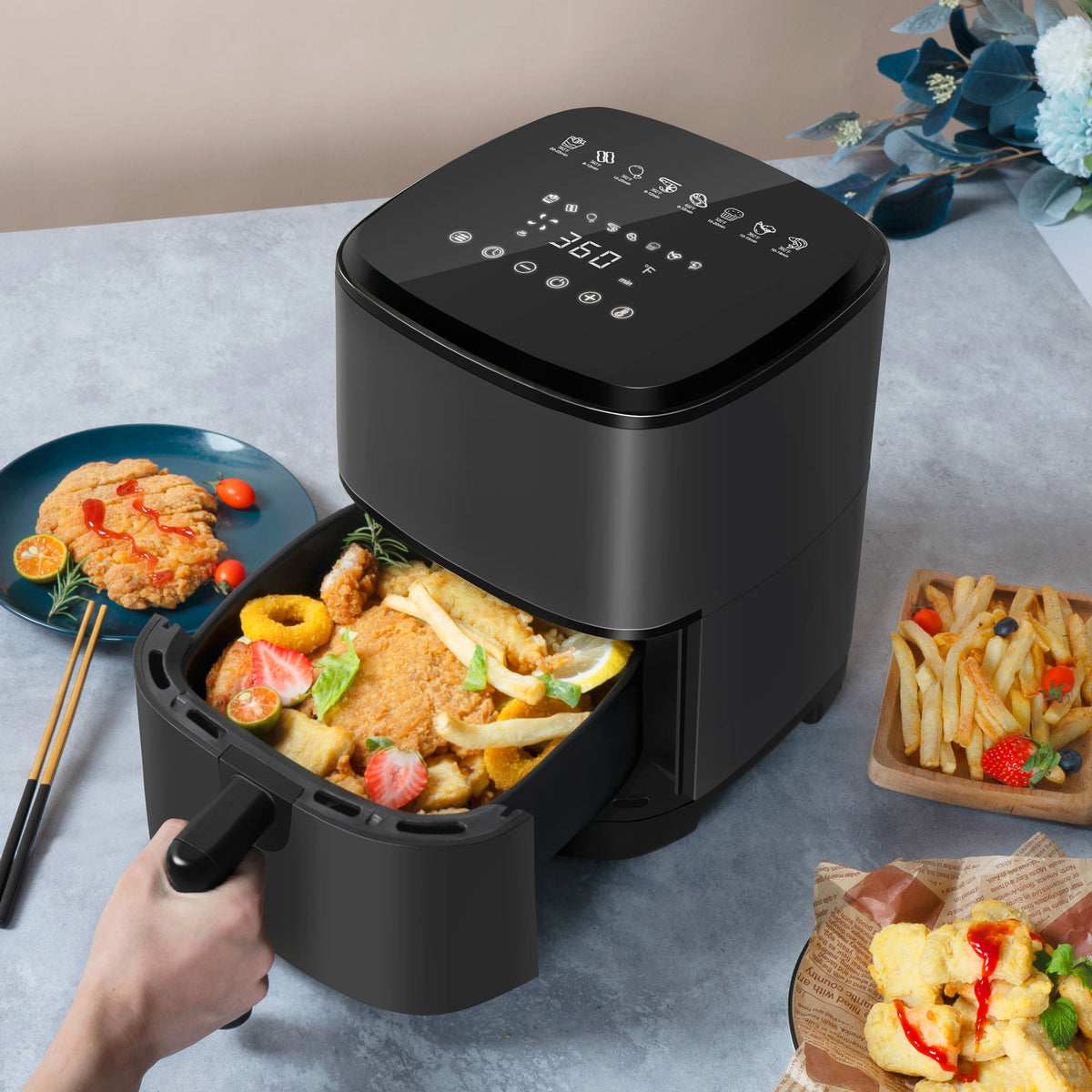
An air fryer basket can rattle because one part is not sitting tightly in place. The basket, crisper plate, drawer, handle, and inner rails all work together. If one piece shifts, the strong fan may make it vibrate.
The most common causes include:
• A loose crisper plate inside the basket
• Food crumbs trapped under the plate
• A basket that is not fully pushed into the drawer
• Bent metal or damaged plastic
• Worn drawer rails or side supports
• A loose handle or handle screw
• Normal vibration from the convection fan
• An empty basket moving during preheating
Most rattling sounds are not dangerous by themselves. Still, a new or loud noise deserves attention, especially if it comes with burning smells, smoke, poor heating, or scraping.
In simple terms, the basket acts like a small drum. When the fan moves air, any loose piece can shake against another surface.
Common reasons an air fryer basket makes noise
The crisper plate is loose
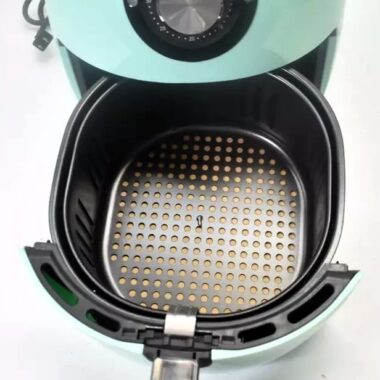
Many air fryer baskets have a removable crisper plate. This plate may have small feet, tabs, or rubber bumpers. These parts keep it slightly above the basket floor so hot air can move below the food.
Over time, the plate may shift. The feet can wear down, or food particles can collect beneath it. When this happens, the plate taps against the basket and causes a metallic rattle.
Remove the plate and check whether it sits flat. Turn the basket upside down and look for crumbs, grease, or damaged supports.
The basket is not seated correctly
A basket may look closed but still sit a little out of line. This can happen when the drawer is pushed in at an angle or when food blocks the basket from settling fully.
A small gap can let the basket move during cooking. Pull the drawer out, place the basket correctly, and push it in slowly until it reaches the end of the track.
The basket or tray is bent
Thin metal can bend if the basket is dropped, overloaded, or cleaned with too much force. Even a small bend may stop the basket from sitting evenly.
Place the empty basket on a flat counter. Press gently on each corner. If it rocks, the basket may be warped. Do not force it back into shape, as sharp edges or broken coating may result.
Food or grease is trapped under the plate
Small seeds, crumbs, and bits of cooked food can hide under the crisper plate. Grease can also make the plate stick in one area while leaving another area loose.
This uneven contact often causes a rattle. Wash the basket and plate with warm water and mild dish soap. Use a soft sponge, not steel wool or a rough scrub pad that may damage the nonstick surface.
The handle is loose
Some baskets have a handle attached with screws, clips, or molded plastic parts. If the handle moves, it can sound like the basket itself is rattling.
Hold the basket still and gently move the handle. If you feel play or hear a click, check the product manual before tightening anything. Do not open the electrical housing to reach hidden screws.
The drawer rails are worn
The drawer may slide on plastic or metal guide rails. These rails can wear after frequent use, especially if the drawer is pulled out while it is heavy.
Worn rails allow side-to-side movement. That movement may create a rattle as the fan runs. If the rails look cracked or badly worn, contact the manufacturer rather than trying to add oil or grease.

How to identify the source of the rattle
Finding the exact source is easier when you test one part at a time. Unplug the air fryer and let it cool fully before inspecting it.
Follow these steps:
- Remove the basket, crisper plate, and any loose accessories.
- Shake each part gently near your ear.
- Check the basket for dents, cracks, and loose feet.
- Place the crisper plate back into the basket.
- Press each corner to see whether the plate moves.
- Slide the empty basket into the drawer.
- Check whether the drawer moves from side to side.
- Inspect the handle and visible screws.
- Clean crumbs and grease from every contact point.
- Reassemble the air fryer and run a short test.
Never put your hand inside an air fryer while it is plugged in. The fan may start without warning on some models, and hot surfaces can cause burns.
A useful test is to run the air fryer empty for one or two minutes at a low temperature. If the rattle stops when the crisper plate is removed, the plate is the likely cause. If the noise remains, the drawer, rails, fan, or motor may be involved.

How to fix a rattling air fryer basket
The right fix depends on what you find. Start with simple cleaning and alignment before considering replacement parts.
Clean all contact points
Wash the basket and crisper plate with warm, soapy water. Remove food from the small holes and the spaces under the plate. Dry every part completely before putting it back.
Moisture can cause food to stick and may contribute to corrosion over time. Avoid soaking parts if the product manual says not to do so.
Refit the crisper plate
Make sure every support foot or tab sits in its intended position. The plate should not rock when you press its corners.
If a rubber bumper is missing, do not replace it with tape, paper, or random rubber pieces. These materials may melt, burn, or block airflow. Order the correct replacement from the manufacturer.
Check the load
Overfilling the basket can push the crisper plate upward or prevent the drawer from closing correctly. It can also restrict airflow and increase cooking time.
Keep food below the maximum fill line when the basket has one. For foods that expand, such as frozen fries, leave extra space.
Tighten accessible hardware
If the handle uses visible screws, check whether they are loose. Tighten them carefully with the correct screwdriver, but do not overtighten them.
Plastic parts can crack when too much force is applied. If a screw spins without becoming tight, the internal mount may be damaged.
Replace damaged parts
A replacement basket or crisper plate is often safer and less expensive than replacing the full appliance. Use a part made for your exact model because sizes and locking systems vary.
Do not use a basket that has peeling nonstick coating, sharp metal, a cracked handle, or severe rust. Damaged cooking surfaces can affect food safety and performance.
Is a rattling air fryer dangerous?
A soft rattle from a loose crisper plate is usually not an emergency. However, stop using the air fryer if the sound is harsh, sudden, or paired with other warning signs.
Unplug the appliance and allow it to cool if you notice:
• Scraping, grinding, or popping sounds
• A burning plastic or electrical smell
• Smoke without food burning
• Sparks or visible arcing
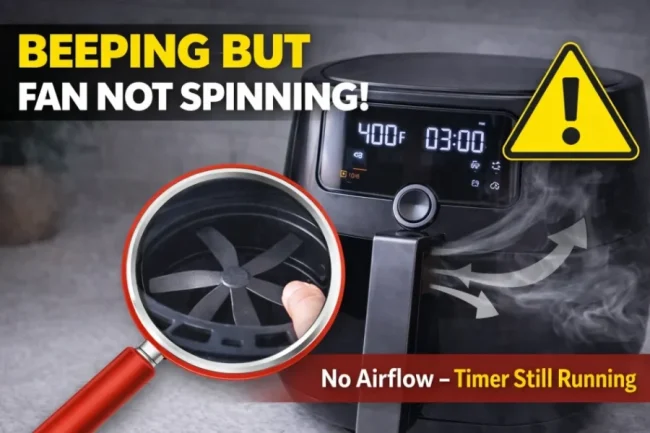
• A fan that stops or changes speed
• A basket that will not lock into place
• A damaged cord, plug, or housing
• Unusual heat around the controls
The U.S. Consumer Product Safety Commission advises consumers to stop using appliances with damaged cords or signs of electrical failure. Manufacturer safety manuals also warn against operating countertop appliances with damaged parts.
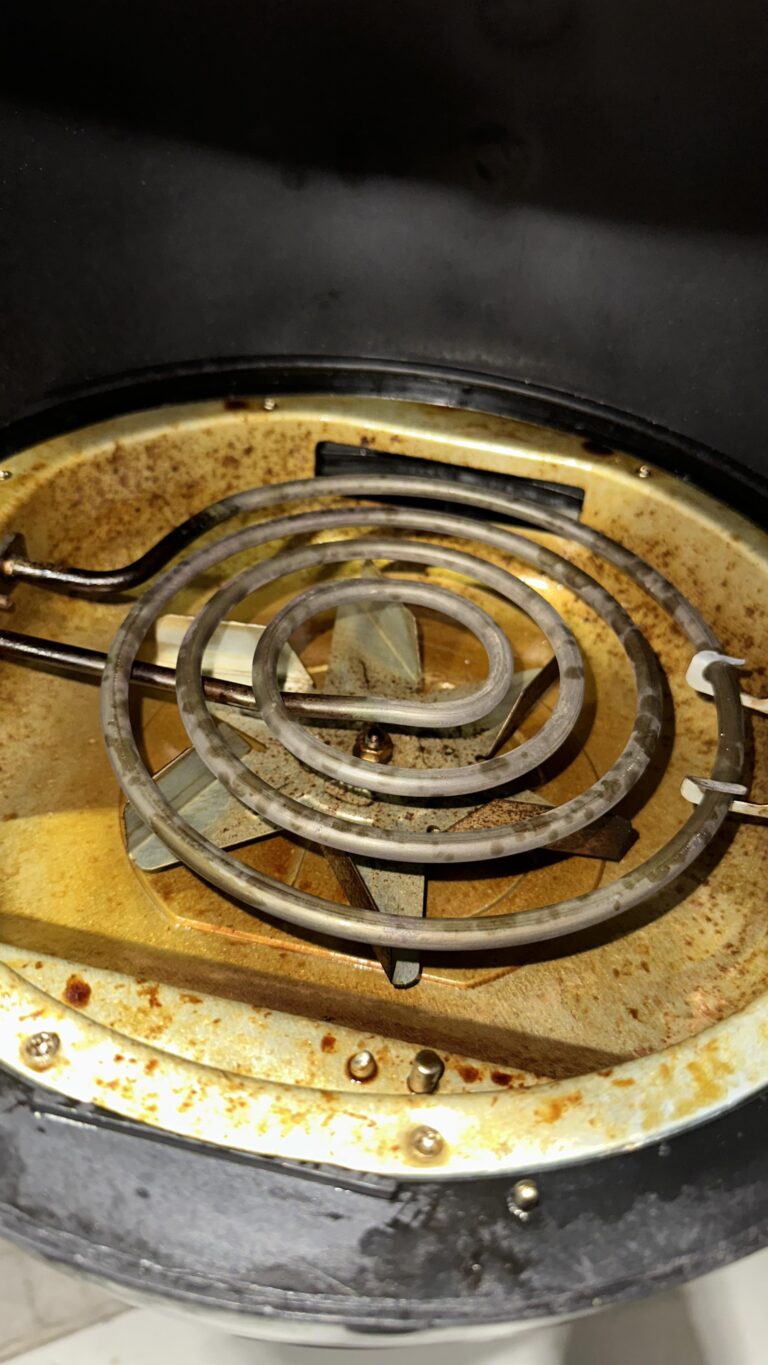
Do not spray lubricant into the air fryer. Oil or grease near the heating element and fan can create a fire risk. Do not remove the outer cover unless you are a trained appliance technician and the manual permits service.
How to prevent an air fryer basket from rattling
Good care can prevent many basket noises. Treat the drawer gently, keep the cooking chamber clean, and avoid forcing parts into place.
Use these habits:
• Let the basket cool before washing it
• Remove crumbs after each use
• Lift the drawer instead of dragging it across the counter
• Do not slam the basket into the housing
• Avoid metal tools on nonstick surfaces
• Do not overload the basket
• Store the crisper plate inside the basket
• Check screws and supports from time to time
• Follow the cleaning instructions for your model
• Replace worn parts early
In hands-on troubleshooting, the most common mistake is testing the appliance while it is dirty. A tiny crumb under the crisper plate can sound like a serious motor problem. Cleaning first saves time and prevents unnecessary repairs.
Another common mistake is placing a homemade spacer under the plate. It may quiet the rattle for a short time, but it can block airflow or melt during cooking. A proper replacement part is the safer choice.
When to contact the manufacturer
Contact the manufacturer when the basket still rattles after cleaning, correct assembly, and inspection. Have the model number, purchase date, and a short description of the noise ready.
A short video can help customer support identify whether the sound comes from the basket or the fan. Do not record the appliance while reaching into it or touching hot parts.
You may need service or a replacement when:
• The fan makes a grinding sound
• The motor vibrates strongly
• The basket rails are cracked
• The drawer no longer locks
• The appliance has a burning odor
• The coating is peeling badly
• The unit is covered by a warranty or recall
Air fryers differ by brand and design. A quiet hum is normal for many convection models, but the acceptable sound level varies. The product manual is the best guide for model-specific parts and repair limits.
Frequently Asked Questions
Why does my air fryer basket rattle when it is empty?
An empty basket can move more easily because no food is holding the crisper plate down. Check the plate, basket feet, drawer alignment, and rails before using the appliance again.
Why does my air fryer basket rattle only during cooking?
Heat and fan airflow can make a loose plate or drawer vibrate. The metal may also expand slightly as it warms, making a small gap more noticeable.
Can I use my air fryer if the basket rattles?
You may use it only if the sound is mild and comes from a clean, undamaged crisper plate or basket. Stop using it if you hear grinding, smell burning, see smoke, or notice electrical problems.
How do I stop the crisper plate from rattling?
Remove the plate, clean beneath it, and refit all feet or tabs correctly. If a support is missing or broken, use the correct replacement part instead of tape or a homemade spacer.
Should I put oil on the air fryer basket rails?
No. Oil and grease can collect dust, affect movement, and create a risk near the heating element. Clean the rails as the manual directs and replace damaged parts if needed.
Why does my new air fryer basket rattle?
A new basket may rattle if packing material remains inside, the plate is not installed correctly, or the drawer has not seated in its rails. If the noise continues after setup, contact the seller or manufacturer while the return or warranty period is active.
Conclusion
The answer to “why does my air fryer basket rattle” is usually a loose crisper plate, trapped crumbs, poor drawer alignment, worn rails, or a damaged part. Clean and inspect the basket while the appliance is unplugged and cool. Then test each component separately instead of guessing.
A mild rattle may need only better assembly, but grinding sounds, burning odors, smoke, and damaged parts require caution. Use model-approved replacement parts, follow the manual, and contact the manufacturer when the cause is unclear. If this guide helped, share your experience or explore more appliance care tips to keep your kitchen safe and running smoothly.