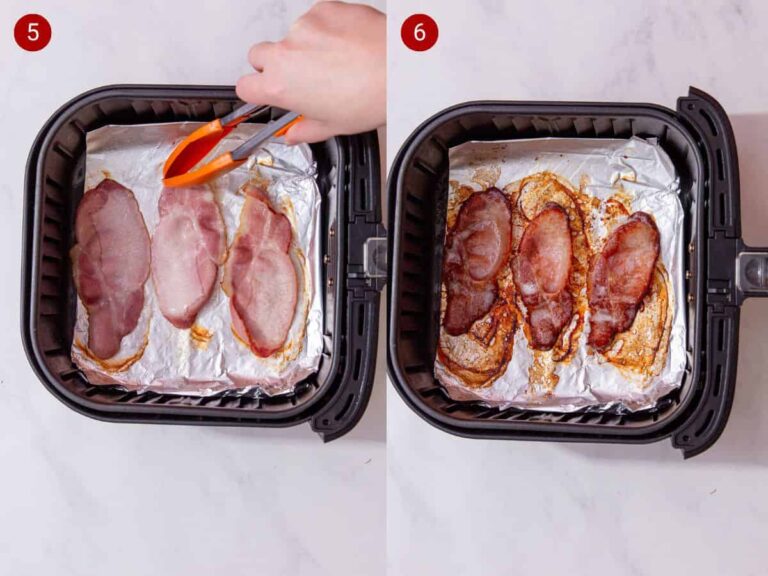
Why Are Air Fryers Dangerous: Safety Risks Explained
Air fryers can be dangerous when heat, hot oil, poor airflow, or damaged parts cause burns, fires, or fumes.
Air fryers are popular because they cook fast and use less oil than deep fryers. Still, asking “why are air fryers dangerous” is sensible. These appliances combine intense heat, electricity, hot metal, and fast-moving air in a small space. Used well, an air fryer is usually safe. Used carelessly, it can cause burns, smoke, food poisoning, electrical problems, or a kitchen fire.
This guide explains the real risks without fearmongering. You will learn which dangers matter, which claims are overstated, and how to use an air fryer more safely at home.
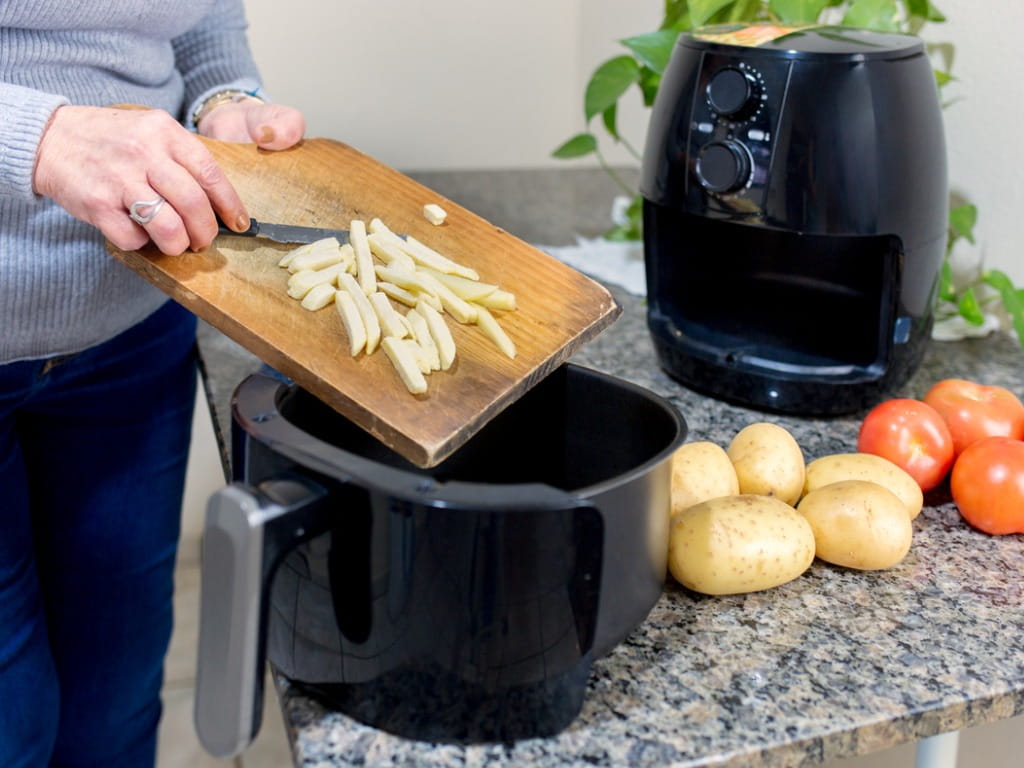
Why are air fryers dangerous?
The main reason air fryers can be dangerous is simple: they produce high heat in a compact appliance. Most models use a heating element and fan to move hot air around food. That design cooks quickly, but it also creates several points where mistakes can cause harm.
The risk usually comes from one of these factors:
• Hot surfaces that can cause serious burns
• Grease, crumbs, or food touching the heating element
• Blocked airflow that traps heat
• Damaged cords, plugs, or internal parts
• Overfilled baskets that cook food unevenly
• Poor cleaning that allows grease to build up
• Raw food that does not reach a safe internal temperature
An air fryer is not automatically unsafe. The same is true of a toaster oven, microwave, or stove. The danger depends on the appliance’s condition, the food being cooked, and how closely the user follows the instructions.
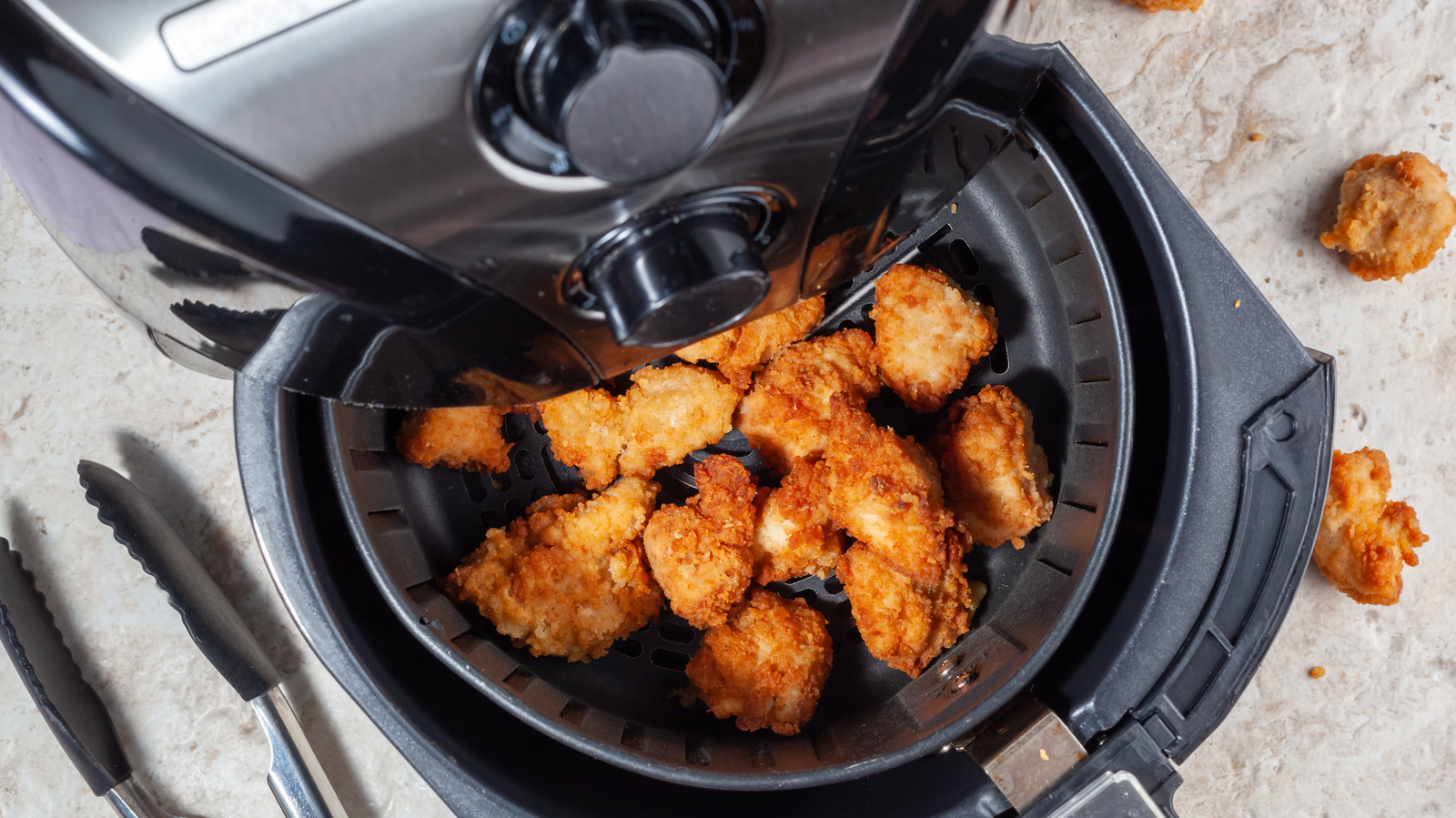
The main dangers of air fryers
Burns from hot baskets and steam
Burns are one of the most common answers to why are air fryers dangerous. The basket, tray, and inside walls can become extremely hot. Steam may also escape when you pull out the drawer or open the lid.
The outside handle may feel safe, but the metal basket can remain hot for many minutes. Touching it with bare hands can cause a deep burn. Steam burns can be especially painful because steam transfers heat quickly to the skin.
Use these habits:
• Hold the basket only by its handle
• Keep your face and hands away from rising steam
• Place the hot basket on a heat-safe surface
• Keep children and pets away during use
• Wait before washing hot parts with cold water
Fire caused by grease or food debris
Air fryers do not need much oil, but they can still contain grease. Fat from bacon, chicken skin, sausage, and other foods may collect in the drawer. If grease reaches the heating element, it can smoke or catch fire.
Loose crumbs can create a similar problem. Small pieces of bread, cheese, or batter may move around during cooking. If they touch the heating element, they can burn quickly.
Never pour water onto a grease fire. Turn off and unplug the appliance only if you can do so safely. Keep the drawer closed to limit oxygen, and use an appropriate kitchen fire extinguisher if the fire does not stop. Leave the home and call emergency services if the flames grow.
Smoke from fatty foods
Some smoke is caused by food, not a defective air fryer. Fatty foods can release grease that splashes onto the heating element. Old oil or heavy food residue can also smoke when heated.
White smoke may appear when excess fat collects below the basket. This does not always mean the appliance is about to catch fire, but it is a warning to stop and inspect the unit.
Unplug the air fryer after it cools. Clean away grease and crumbs before using it again. If smoke continues with clean, low-fat food, stop using the appliance and contact the manufacturer.
Electrical shock and fire hazards
Air fryers use a large amount of power. A damaged cord, loose plug, wet counter, or overloaded outlet can create an electrical hazard.
Do not use an air fryer if:
• The cord is cracked or frayed
• The plug feels loose or becomes hot
• The appliance sparks or smells like burning plastic
• The basket or housing is damaged
• Water has entered the electrical section
• The outlet shows burn marks
Plug the appliance directly into a suitable wall outlet. Avoid using an extension cord unless the manufacturer specifically allows it and the cord is rated for the appliance’s power.
Uneven cooking and food poisoning
Air fryers can cook food quickly, but fast cooking does not always mean even cooking. A crowded basket may leave cold spots in the center. Thick chicken, frozen meat, and large pieces of fish need special care.
Raw poultry should reach 165°F. Ground meats should reach 160°F, while whole cuts of pork, beef, veal, and lamb should generally reach 145°F with a rest period, according to federal food safety guidance.
Use a food thermometer instead of judging meat by color. The outside may look brown while the center remains unsafe.
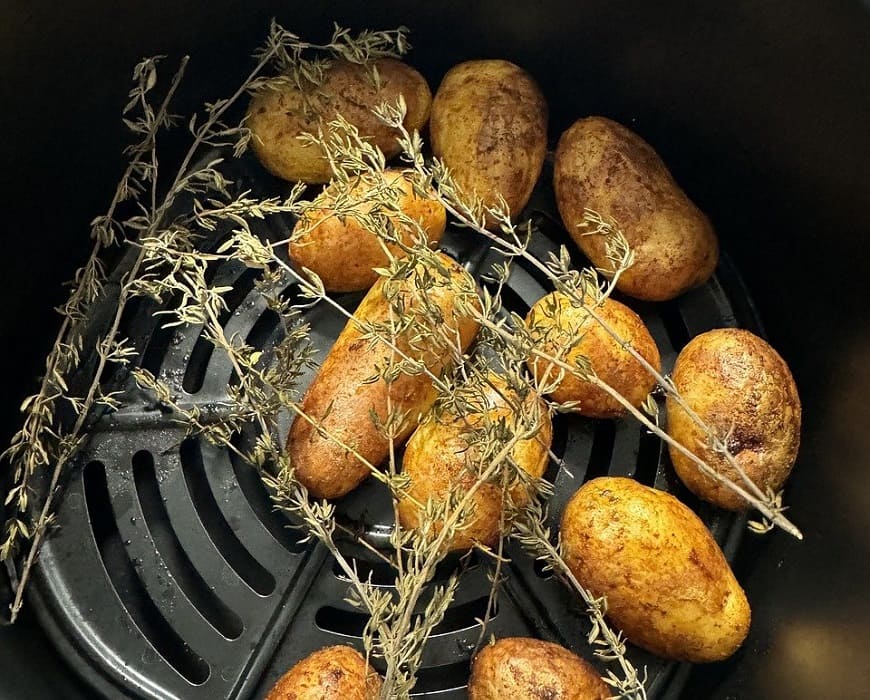
Are air fryer fumes harmful?
Many readers ask why are air fryers dangerous because they notice a plastic smell or cooking fumes. A new appliance may release an odor during its first few uses. This can come from manufacturing residue, packaging dust, or protective coatings.
Run a new air fryer according to the user manual. Remove all packaging. Wash removable parts, and use the appliance in a well-ventilated area. Do not cook food if the smell is strong, chemical-like, or continues after several uses.
Smoke from overheated oil or burnt food can irritate the eyes, nose, throat, and lungs. People with asthma may be more sensitive. Open a window, stop cooking, and move away from the smoke.
What about nonstick coatings?
Many air fryer baskets use a nonstick coating. The coating is designed for normal cooking temperatures. It may become a concern if the basket is badly overheated, scraped, or damaged.
A damaged coating can flake into food, and the basket may no longer be safe to use. Replace it if you see peeling, deep scratches, bubbling, or exposed metal. Use silicone or wooden tools instead of metal utensils.
Do not place an empty basket in an extremely hot appliance unless the manual permits it. Avoid temperatures above the stated limit.
Can air fryers create acrylamide?
Acrylamide can form when certain plant foods, such as potatoes and bread, cook at high temperatures. It is linked to browning and belongs to a group of chemicals studied for possible health effects.
This does not mean air-fried food is automatically dangerous. Deep frying, roasting, baking, and grilling can also create acrylamide. The amount depends on the food, temperature, cooking time, and level of browning.
To reduce exposure:
• Cook foods until golden rather than very dark
• Avoid burning toast, potatoes, and breaded foods
• Follow the recommended temperature and time
• Do not overcook small food pieces
• Eat a varied diet instead of relying on one cooking method
The evidence does not support the idea that every air-fried meal causes cancer. The safer message is to avoid burning food and keep heavily browned foods as an occasional choice.
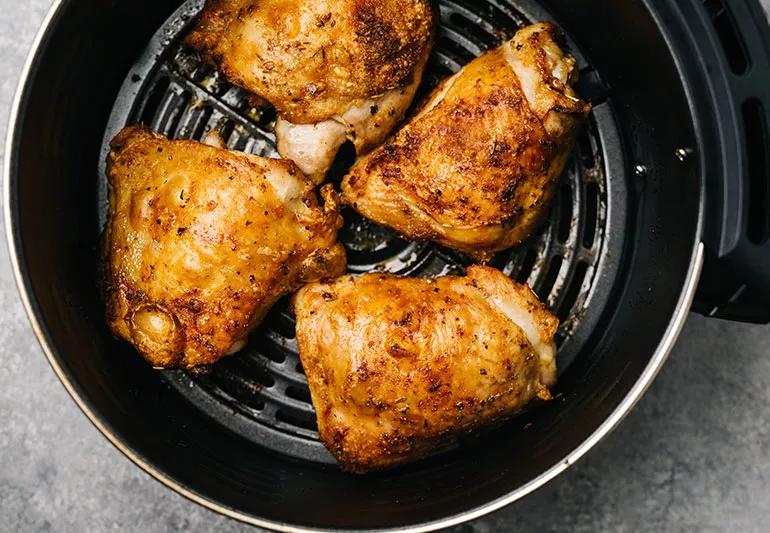
Common mistakes that make air fryers unsafe
Understanding why are air fryers dangerous is useful, but avoiding common mistakes matters even more. Most problems are preventable.
Overfilling the basket
An overfilled basket blocks hot air. Food may cook unevenly, and excess grease may collect below the basket. The appliance may also run longer than expected.
Cook in batches when needed. A single layer often gives the best results. Shake or turn food halfway through cooking if the manual and recipe allow it.
Covering the air intake or exhaust
Air fryers need open vents. Do not place the unit against a wall, under a cabinet, or on a towel. Keep the intake and exhaust areas clear.
Blocked airflow can raise temperatures around the appliance. It may also damage cabinets or nearby objects.
Using loose parchment paper
Parchment paper can lift into the heating element if it is used without food weighing it down. This may cause smoke or a fire.
Use parchment made for cooking, not paper towels or wax paper. Cut it to fit the basket, and add it only when the food is already in place. Follow the manufacturer’s advice about liners.
Adding too much oil
Air fryers need little oil. Excess oil can drip into the lower drawer and create smoke. Oil sprays can also damage some nonstick coatings if they contain propellants or additives.
Use a small amount of oil designed for cooking. A brush or measured spray can help control the amount.
Leaving the appliance unattended
Many air fryers have timers and automatic shutoff features. These features reduce risk, but they do not replace supervision.
Stay nearby while cooking. Check the appliance if you smell burning, hear unusual sounds, or see smoke. Never leave it running while you sleep or leave the home.
Failing to clean the appliance
Grease and crumbs can build up over time. That buildup can smoke during the next cooking cycle and may ignite.
After the appliance cools:
• Empty the drawer
• Wash the basket as directed
• Wipe the inside with a soft cloth
• Remove crumbs near the heating element
• Keep water away from electrical controls
Do not scrape the heating element with a sharp tool.
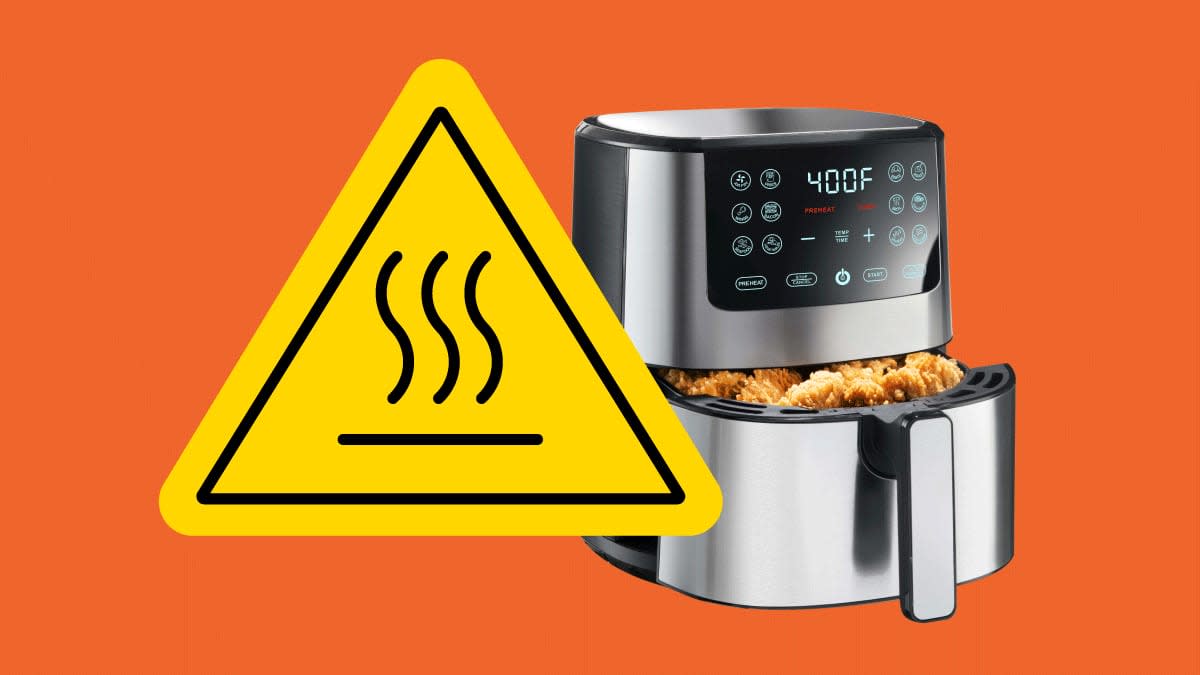
How to use an air fryer safely
A few simple steps can answer most concerns about why are air fryers dangerous. Think of the air fryer as a small, powerful oven. Give it space, watch the food, and respect the heat.
Before cooking
-
Read the manual for your exact model.
-
Place the unit on a stable, heat-resistant counter.
-
Keep it away from curtains, paper, cabinets, and the edge of the counter.
-
Check the cord, plug, basket, and housing for damage.
-
Make sure the air vents are clear.
-
Remove excess moisture from wet food to reduce splatter.
During cooking
-
Do not exceed the basket’s fill line.
-
Use only the amount of oil the recipe needs.
-
Shake or turn food when appropriate.
-
Check thick foods with a food thermometer.
-
Stop the appliance if you notice unusual smoke or a burning plastic odor.
-
Keep children away from the hot drawer and escaping steam.
After cooking
-
Turn off and unplug the appliance when practical.
-
Let it cool before cleaning.
-
Clean grease and crumbs after each use.
-
Inspect the basket coating and cord from time to time.
-
Replace damaged parts with approved replacements.
One practical lesson is worth remembering: the basket may look small, but the heat inside is intense. I treat it like a hot oven, not like a harmless countertop gadget. That mindset helps prevent the rushed mistakes that often lead to burns and smoke.

When should you stop using an air fryer?
Stop using the appliance if it shows signs of failure. Continuing to use a damaged air fryer can turn a small problem into an electrical or fire hazard.
Stop cooking and unplug the unit when safe if you notice:
• Repeated sparks
• A melted plug
• A hot power cord
• Smoke from the control panel
• A strong chemical or burning smell
• Loud grinding or scraping sounds
• A fan that stops working
• A cracked basket or housing
• Peeling or bubbling nonstick coating
Check the manufacturer’s recall information if your model has unusual problems. Product recalls may involve overheating, melting, fire risk, or electrical faults. Keep the model number and purchase details in case you need support.
Never repair the electrical parts yourself unless you are qualified to do so. A replacement appliance is usually safer than an improvised repair.
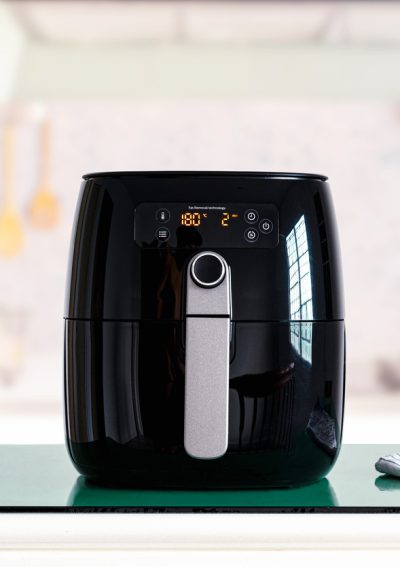
Are air fryers safer than deep fryers?
Air fryers are generally safer than deep fryers because they use little or no standing oil. A deep fryer contains a large pool of very hot oil that can cause severe burns or a fast-moving grease fire.
However, air fryers still use high heat and electricity. They can burn food, overheat, release smoke, or cause burns from hot surfaces. “Safer than deep frying” does not mean “risk-free.”
Air fryers may also help reduce the amount of added fat in some meals. The health value still depends on what you cook. Air-fried vegetables are different from heavily processed, breaded foods cooked every day.

How to choose a safer air fryer
A safer air fryer starts with a well-made product. Look for a clear manual, stable construction, strong handle, secure basket, and reliable temperature controls.
Helpful features include:
• Automatic shutoff
• Overheat protection
• A cool-touch handle
• A stable base
• Clear maximum-fill markings
• Dishwasher-safe parts, if approved
• Easy access to the model and recall information
Buy from a known retailer and check for a recognized electrical safety certification in your area. Certification does not prevent every mistake, but it shows that the product was tested against safety standards.
Avoid used appliances with missing parts, damaged cords, unknown repair history, or peeling baskets. The low price may not justify the risk.
:max_bytes(150000):strip_icc()/iStock-1019794758-0031aaae11ec4400956bfca1a8b6f881.jpg)
What to do if an air fryer catches fire
A small appliance fire can grow quickly. Stay calm and protect yourself first.
• Turn off the appliance if the controls are safe to reach.
• Unplug it only if you can do so without touching flames or hot surfaces.
• Keep the basket or drawer closed.
• Never throw water onto burning grease or an electrical appliance.
• Use a suitable fire extinguisher if you know how and have a clear exit.
• Leave immediately if the fire grows, spreads, or fills the room with smoke.
• Call 911 or your local emergency number from a safe place.
Do not pick up a burning air fryer. Do not carry it outside. Moving it can spread flames or cause hot grease to spill.
Frequently Asked Questions
Why are air fryers dangerous if they use little oil?
Air fryers can still become dangerous because they use high heat, electricity, and hot surfaces. Small amounts of grease can smoke or ignite if they reach the heating element, especially when the appliance is dirty or overfilled.
Can an air fryer cause a house fire?
Yes, an air fryer can cause a fire, although proper use lowers the risk. Grease buildup, blocked vents, damaged cords, faulty parts, and food touching the heating element are common risk factors.
Is it safe to use an air fryer every day?
For most people, daily use is reasonable when the appliance is in good condition and used as directed. Clean it often, avoid burning food, vary your diet, and check meat with a food thermometer.
Are air fryer fumes toxic?
Normal cooking odors are not usually toxic, but smoke from burnt food, grease, or overheated materials can irritate the lungs. Stop the appliance, ventilate the room, and do not use it again until you find and fix the cause.
Can air fryers cause cancer?
There is no good evidence that using an air fryer as directed causes cancer. High-temperature cooking can create compounds such as acrylamide in some foods, so avoid burning food and limit very dark browning.
Can I put aluminum foil in an air fryer?
Some manufacturers allow aluminum foil, but it must not block airflow or touch the heating element. Always follow your model’s instructions, and never use foil loose in an empty basket.
Why does my air fryer smell like plastic?
A new appliance may have a temporary odor from manufacturing materials. If the smell is strong, chemical-like, or continues after the first few uses, unplug the unit and contact the manufacturer.
Conclusion
The answer to why are air fryers dangerous is not that every air fryer is unsafe. The real risks come from intense heat, hot grease, blocked airflow, damaged parts, poor cleaning, and undercooked food.
Use the appliance on a clear, heat-safe surface. Keep the basket clean, avoid overfilling it, watch for smoke, and replace damaged parts. With these habits, you can enjoy the speed and convenience of air frying while keeping your kitchen safer. Share this guide with another home cook, and check your air fryer’s manual before your next meal.