Why Are Air Fryers Not Allowed In Dorms: The Real Reasons
Air fryers are often banned in dorms because they create fire, smoke, heat, and electrical risks in small shared spaces.
If you are wondering why are air fryers not allowed in dorms, the answer involves more than a simple school rule. Fire codes, overloaded outlets, cooking mistakes, smoke alarms, and limited ventilation all make dorm rooms harder to protect than regular kitchens. This guide explains the risks, the common exceptions, and safer ways to prepare food on campus.
Why Are Air Fryers Not Allowed in Dorms?
The main reason why are air fryers not allowed in dorms is fire safety. An air fryer uses a heating element that can reach high temperatures in a small space. Although it is usually safer than deep frying, it can still burn food, overheat nearby items, or start a fire if used incorrectly.
Dorm rooms also have special risks. They often contain bedding, paper, clothing, rugs, curtains, and plastic items close to the cooking area. A small mistake can spread fast when flammable items are nearby.
Many colleges ban air fryers for these reasons:
• A hot heating element may ignite nearby items.
• Food grease can smoke or catch fire.
• Students may leave the appliance running while they study or sleep.
• Dorm outlets may not handle several high-power devices at once.
• Smoke can trigger alarms and force an evacuation.
• Shared buildings may lack proper kitchen ventilation.
• One unsafe appliance can place hundreds of residents at risk.
An air fryer does not produce an open flame, but “flame-free” does not mean “risk-free.” Think of it as a small oven sitting on a desk. It still needs space, airflow, supervision, and a safe outlet.
How Air Fryers Create Fire and Electrical Risks
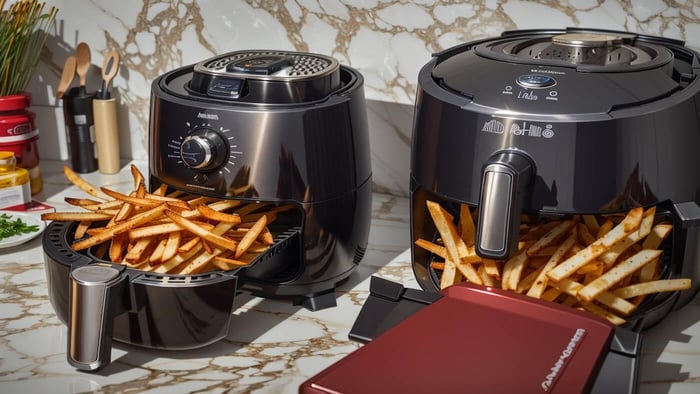
Understanding why are air fryers not allowed in dorms starts with how these appliances work. An air fryer pushes hot air around food with a fan. Its heating coil warms the air, while the basket holds food beneath the coil.
Most models use about 1,200 to 1,800 watts. That is a large electrical load for a dorm room. If a student runs an air fryer with a microwave, mini fridge, hair dryer, or space heater on the same circuit, the breaker may trip.
A damaged cord or loose plug adds another danger. Do not use an air fryer if the cord is frayed, the plug feels hot, or the outlet sparks. Never cover the appliance or place it against a wall, because blocked airflow can trap heat.
Common fire risks include:
• Leaving the air fryer unattended.
• Overfilling the basket with greasy food.
• Placing the unit on a bed, towel, carpet, or unstable surface.
• Using an extension cord or power strip that is not rated for the load.
• Allowing grease and food crumbs to build up.
• Putting paper, plastic, or cloth near the exhaust area.
• Cooking frozen or oily food for too long.
The answer to why are air fryers not allowed in dorms often depends on risk management, not on the appliance being automatically dangerous. A careful adult may use one safely at home, but a crowded residence hall has more variables and less room for error.
Dorm Fire Codes and Housing Policies
Another important part of why are air fryers not allowed in dorms is the difference between a private home and a campus residence. Colleges must follow local fire codes, housing rules, insurance requirements, and building safety plans.
Many residence halls allow cooking only in shared kitchens. These kitchens may have stronger ventilation, heat-resistant counters, fire extinguishers, and safer electrical systems. A dorm room may not have any of these features.
Some housing policies ban most cooking appliances in bedrooms, including:
• Air fryers.
• Toaster ovens.
• Hot plates.
• Electric skillets.
• Rice cookers.
• Pressure cookers.
• Indoor grills.
Other schools allow small appliances only in approved kitchens. Some permit compact refrigerators, coffee makers, or microwaves but ban appliances with exposed heating elements.
Policies vary by college and building. One campus may allow an air fryer in a suite kitchen, while another may ban it everywhere in student housing. Always check the current housing handbook instead of relying on advice from a roommate or social media post.
Breaking the rule may lead to a warning, confiscation, a cleaning fee, a conduct report, or housing penalties. More importantly, ignoring the rule can affect other students who need a safe place to sleep.
Smoke Alarms, Ventilation, and False Evacuations
Smoke and ventilation help explain why are air fryers not allowed in dorms. Air fryers can release smoke when food contains excess oil, when crumbs touch the heating coil, or when the cooking temperature is too high.
A dorm room may have a sensitive smoke detector close to the appliance. Even a small amount of cooking smoke can trigger the alarm. When that happens, the entire building may need to evacuate while staff check the source.
Repeated false alarms create real problems:
• Students may leave class or miss exams.
• Emergency crews may be called unnecessarily.
• Residents may begin ignoring alarms.
• The building may face extra costs.
• Smoke can bother people with asthma or other breathing conditions.
Do not remove, cover, or disable a smoke detector. That action is dangerous and may violate housing and fire laws. If an appliance creates smoke, turn it off if you can do so safely, leave the area, and follow campus emergency instructions.
Good ventilation reduces smoke, but an open window is not always enough. Dorm windows may not create strong airflow, and some buildings restrict window use for safety reasons.
Why Dorm Rooms Are Poor Cooking Areas
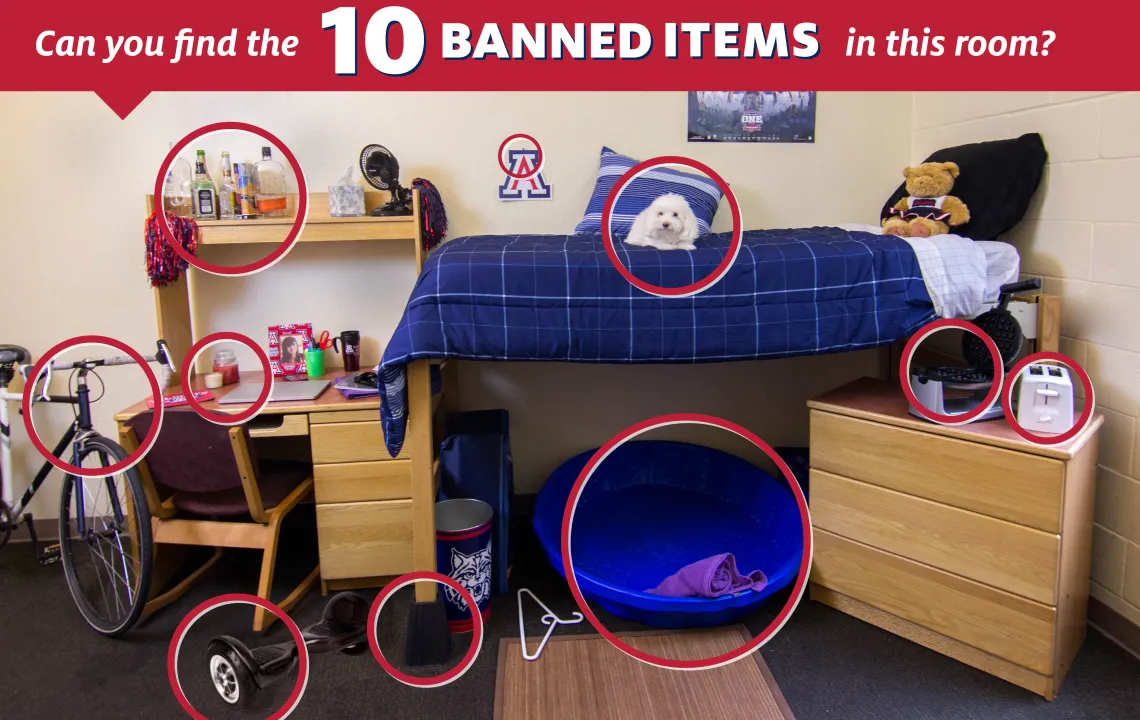
A dorm room is designed for sleeping, studying, and storage. It is not usually designed for active cooking. This is another practical reason why are air fryers not allowed in dorms.
A safe cooking area needs a stable surface, open space, ventilation, and easy access to an outlet. It should also be far from fabric and clutter. In a small room, those conditions may be difficult to maintain.
Students often keep these items near their desks:
• Books and notebooks.
• Chargers and computer cables.
• Jackets and backpacks.
• Bedding and pillows.
• Curtains and wall decorations.
• Plastic storage bins.
• Hair and beauty products.
These items can crowd the air fryer or block its hot exhaust. A student may also place the appliance on a desk beside a laptop, which can expose electronics to heat and grease.
There is also the issue of distraction. College life is busy. A student may start cooking and then answer a call, take a shower, or fall asleep. Even a short period without supervision can create a serious problem.

Are Air Fryers Safer Than Deep Fryers?
Air fryers are generally safer than deep fryers because they use little or no cooking oil. They do not hold a large container of hot oil, so they reduce the risk of oil splashes and grease fires.
However, this comparison does not change why are air fryers not allowed in dorms. Campus rules often focus on the location and building, not only on the appliance’s relative safety.
An air fryer can still:
• Overheat.
• Burn food.
• Produce smoke.
• Melt a nearby plastic item.
• Trip a circuit breaker.
• Cause burns from the basket or steam.
• Start a fire if grease reaches the heating element.
The safest statement is that air fryers are often lower risk than deep fryers, but they are not risk-free. A lower risk appliance can still be unsuitable for a small bedroom.

What Students Can Use Instead
If your dorm bans air fryers, you still have many ways to prepare simple meals. The best option is usually the shared kitchen, where cooking appliances are designed to be used.
Depending on your school’s rules, consider:
• A microwave for oatmeal, rice, soup, vegetables, and baked potatoes.
• A campus kitchen with approved cooking equipment.
• A meal plan with healthier options.
• No-cook foods such as yogurt, fruit, sandwiches, salads, and overnight oats.
• A permitted coffee maker for hot water.
• Ready-to-eat meals that do not need heating.
Before using any appliance, review the housing policy. Some schools ban cooking devices but allow a microwave in a specific location. Others permit certain appliances only when they have an automatic shutoff feature.
If you need an air fryer for dietary reasons, ask housing staff for an approved solution. Students with medical or accessibility needs may be able to request a reasonable accommodation, but approval should come before bringing the appliance into the room.
How to Use an Air Fryer Safely in an Approved Area
Knowing why are air fryers not allowed in dorms does not mean you must avoid them forever. You may be able to use one in an approved campus kitchen or later in an apartment.
Follow these safety steps:
-
Read the appliance manual before use.
-
Place the air fryer on a solid, heat-resistant surface.
-
Leave open space around the air intake and exhaust.
-
Keep paper, towels, clothing, and plastic away from the unit.
-
Plug it directly into a suitable wall outlet when possible.
-
Do not use a damaged cord, loose plug, or hot outlet.
-
Cook only while you are awake and nearby.
-
Clean crumbs and grease after the appliance cools.
-
Do not overfill the basket.
-
Keep a proper fire extinguisher nearby.
Never pour water on a grease fire. Turn off the appliance if it is safe, keep the basket closed, leave the building if needed, and call emergency services. If the fire grows, do not try to carry the appliance outside.
A lesson many new users learn quickly is that “air frying” still requires attention. Food can burn faster than expected, especially in a small basket. Start with the recommended time, check the food early, and avoid excessive oil.

Common Mistakes Students Should Avoid
The biggest mistake is assuming that an air fryer is automatically allowed because it does not use a flame. Housing rules may classify it as a cooking appliance regardless of its design.
Other mistakes include:
• Hiding the appliance during room inspections.
• Using it on a bed or soft surface.
• Plugging it into a cheap power strip.
• Cooking bacon or very greasy food without checking for smoke.
• Leaving it running while leaving the room.
• Covering the smoke detector.
• Using an appliance with no safety certification label.
• Ignoring a tripped breaker.
If a breaker trips, unplug the appliance and report the issue. Do not repeatedly reset the breaker while other devices are still connected. Frequent trips may show that the circuit has a larger electrical problem.
From a practical safety perspective, the best habit is simple: use cooking appliances only where your school permits them. A shared kitchen may feel less convenient, but it is built for that purpose.

What to Check in Your College Housing Rules
Rules can change by residence hall, academic year, or room type. Before buying an air fryer, search your housing handbook for “cooking appliances,” “open flame,” “electrical equipment,” and “prohibited items.”
Look for details about:
• Approved appliance types.
• Maximum wattage.
• Required cooking locations.
• Extension cord and power strip rules.
• Automatic shutoff requirements.
• Storage and inspection policies.
• Fire safety penalties.
You can also contact your resident assistant, housing office, or campus fire safety department. Ask for a written answer if the policy is unclear.
This step matters because online advice may describe a different college. The reason why are air fryers not allowed in dorms can be based on local fire codes or a school’s insurance policy, so there is no single rule for every campus.
Frequently Asked Questions About Why Are Air Fryers Not Allowed in Dorms
Why are air fryers not allowed in dorms if they do not use an open flame?
Air fryers still contain a powerful heating element that can burn food or ignite nearby materials. They can also overload circuits, create smoke, and trigger building-wide fire alarms.
Can I use an air fryer in a dorm kitchen?
Possibly, but it depends on your college’s housing policy. Many schools allow air fryers only in approved shared kitchens, while others ban them from all residence halls.
Are air fryers more dangerous than microwaves in dorm rooms?
Air fryers usually create more direct heat and may produce grease or cooking smoke. Microwaves can also be unsafe when misused, but dorm policies often treat them as approved appliances under specific conditions.
Can I get permission to keep an air fryer for medical or dietary reasons?
You may be able to request an accommodation through housing or disability services. Do not assume approval; explain your need and wait for written permission before using the appliance.
What should I do if my air fryer starts smoking in a dorm?
Turn it off if you can do so safely, keep the basket closed, and move away from the smoke. Follow your building’s emergency procedure and call emergency services if there is fire or heavy smoke.
Can I use an extension cord with an air fryer?
It is best to plug an air fryer directly into a suitable wall outlet. If your manual permits an extension cord, it must be rated for the appliance’s full wattage, but dorm rules may ban extension cords for high-power devices.
Conclusion
The answer to why are air fryers not allowed in dorms comes down to shared safety. Heat, smoke, overloaded outlets, clutter, limited ventilation, and student distractions can turn a small cooking mistake into a building-wide emergency.
Air fryers may be safer than deep fryers, but they still need a proper cooking area and close supervision. Check your housing policy, use approved kitchens, and ask housing staff about dietary accommodations when needed. Share this guide with a roommate, and explore your campus kitchen options before bringing any appliance into your dorm.