Is Metal Air Fryer Safe: Safety Guide And Tips
Yes, a metal air fryer is usually safe when it is oven-safe, used correctly, and kept clear of heating parts.
The question “is metal air fryer safe” depends on the metal type, the appliance design, and how you use it. Most air fryers already include a metal basket or tray, so metal itself is not the danger. The real risks involve poor airflow, loose foil, damaged coatings, overheating, and using cookware that the manufacturer does not approve.
This guide explains which metals are safe, what to avoid, and how to use metal cookware in an air fryer with confidence.

Is metal air fryer safe for everyday cooking?
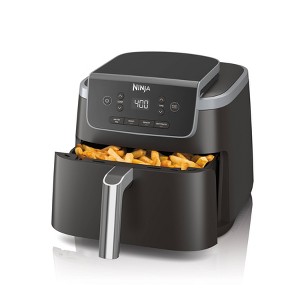
Yes, a metal air fryer is safe for everyday cooking when the metal is made for high heat and fits the appliance correctly. Air fryers work much like small convection ovens. They use hot air, not microwaves, so metal does not create the same problem it can inside a microwave oven.
The air fryer basket is often made from stainless steel, aluminum, or coated steel. These materials can handle normal cooking temperatures. A metal baking pan, rack, or tray may also be safe if it is labeled oven-safe and does not block the air vents.
The most important safety checks are:
• Use metal cookware rated for the air fryer’s maximum temperature.
• Keep metal away from the heating element.
• Leave space for hot air to move around the food.
• Do not use metal items with loose parts, sharp edges, or damaged coatings.
• Follow the instructions for your specific air fryer model.
A metal air fryer is not automatically unsafe. Think of the air fryer as a compact oven. If a pan is safe in a regular oven at the same temperature, it may also be safe in an air fryer, provided it fits and allows proper airflow.
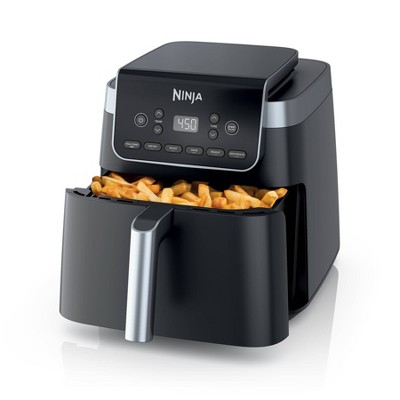
What types of metal are safe in an air fryer?
Several common metals are suitable for air fryer cooking. However, the exact safety depends on the material quality, temperature rating, and condition of the cookware.
Stainless steel
Stainless steel is one of the best choices for air fryer use. It is strong, durable, and resistant to rust. Stainless steel racks, bowls, skewers, and small baking pans are often safe.
Make sure the item has no plastic handles, rubber parts, or glued decorations. Some stainless steel containers may include parts that can melt or release odors at high heat.
Aluminum
Aluminum heats quickly and is common in air fryer trays, foil, and disposable pans. It is generally safe at normal air fryer temperatures.
Thin aluminum can bend, tear, or move when the fan runs. A loose sheet may touch the heating element, so always secure it with food. Do not preheat with loose foil inside the basket.
Cast iron
Small cast iron pans can work well in an air fryer. They hold heat and are useful for foods such as steak, cornbread, or baked eggs.
Cast iron is heavy, so check the weight limit in the appliance manual. It can also block airflow and may scratch the basket if placed carelessly.
Carbon steel
carbon steel cookware is usually safe at high heat. It is lighter than cast iron and works well for small pizzas, roasted vegetables, and baked dishes.
Seasoned carbon steel may produce some smoke if it is overheated or coated with too much oil. Keep the temperature within the cookware’s recommended range.
Tin and disposable metal pans
Small disposable aluminum pans may be used in some air fryers. They should sit flat and leave space around the sides for air circulation.
Avoid very thin pans that can collapse or touch the heating element. Never use a pan that prevents the air fryer basket from closing fully.

Is stainless steel safe in an air fryer?
Stainless steel is generally safe in an air fryer when it is oven-safe and fits without touching the heating element. Many air fryer racks and accessories use stainless steel because it tolerates heat and does not react easily with most foods.
A stainless steel bowl can be useful for sauces, cakes, and foods that need a container. Still, a deep bowl may reduce airflow. This can make food cook slowly or unevenly.
Use these tips when cooking with stainless steel:
• Choose a small, shallow container.
• Leave room around the container for hot air.
• Check for plastic, silicone, or wooden parts.
• Avoid placing stainless steel directly against a nonstick basket.
• Let the metal cool before washing it.
Stainless steel does not usually create sparks in an air fryer. The concern about metal and sparks mainly applies to microwave ovens, where metal can reflect electromagnetic waves. An air fryer uses a heating element and fan, so its cooking system is different.
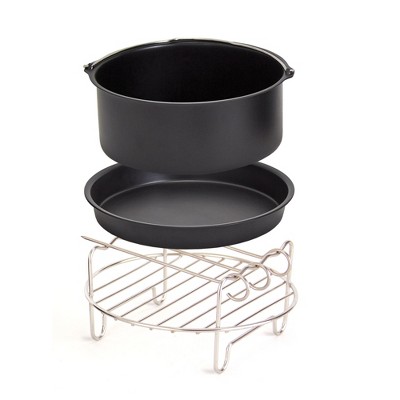
Is aluminum foil safe in an air fryer?
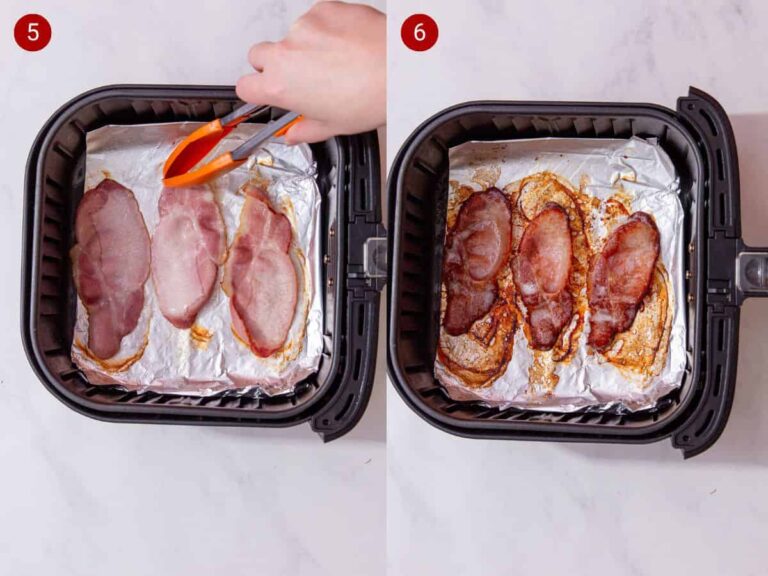
Aluminum foil is usually safe in an air fryer, but it must be used with care. Foil can help catch grease and make cleanup easier. It can also help wrap delicate foods, such as fish or vegetables.
The main danger is loose foil. The fan may lift it toward the heating element, where it could burn or restrict airflow. Foil can also cover the basket holes and prevent the food from cooking evenly.
Follow these safe practices:
-
Use only enough foil to cover the needed area.
-
Place food on top of the foil to hold it down.
-
Keep foil away from the heating coil.
-
Do not cover the entire basket unless the manual allows it.
-
Never use foil during an empty preheat cycle.
-
Avoid foil with acidic foods for long cooking periods.
Acidic foods such as tomatoes, citrus, and vinegar-based marinades may react with aluminum. This can affect flavor and may damage the foil. Parchment paper made for air fryers can be a better choice for some recipes, but it must also be held down by food.

Is a metal air fryer basket safe if it has a coating?
A coated metal air fryer basket is generally safe when the coating is intact and used within the stated temperature range. Many baskets have a nonstick coating that helps food release and reduces the need for oil.
The coating can become a concern when it is scratched, peeling, or overheated. A damaged surface may shed flakes into food and can become harder to clean. Overheating may also create smoke or unpleasant fumes, especially if the basket is empty.
To protect the coating:
• Use silicone, wood, or plastic utensils approved for high heat.
• Do not cut food inside the basket.
• Avoid steel wool and harsh scouring pads.
• Do not stack heavy metal cookware on the coated basket.
• Replace the basket if the coating is badly peeling.
A small scratch does not always mean immediate danger, but it is a sign to handle the basket more gently. If large sections are peeling or the metal underneath is exposed, replacing the part is the safest choice.
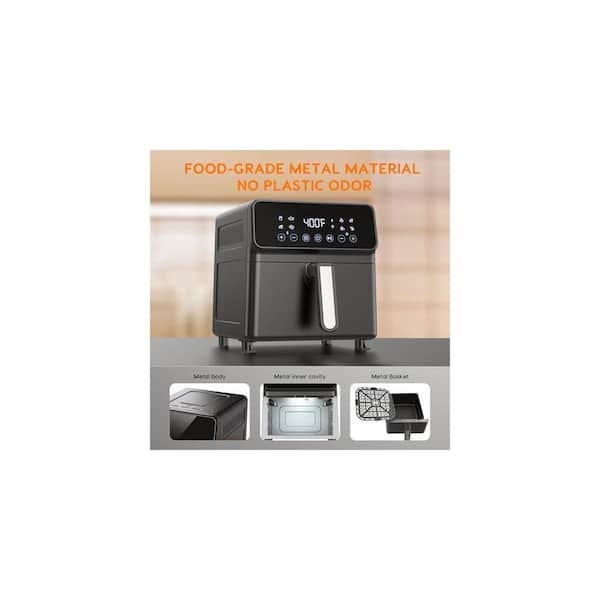
When is metal cookware unsafe in an air fryer?
Metal cookware becomes unsafe when it interferes with heat, airflow, or the appliance’s electrical parts. The material alone is not always the problem. The size, shape, coating, and placement matter just as much.
Avoid using metal cookware when:
• It touches the heating element.
• It blocks the air vents.
• It prevents the basket from closing.
• It has plastic or wooden parts that are not heat-rated.
• It is rusty, cracked, warped, or damaged.
• It is painted or decorated with unknown materials.
• It is too heavy for the basket or drawer.
• It creates a strong burning smell or unusual smoke.
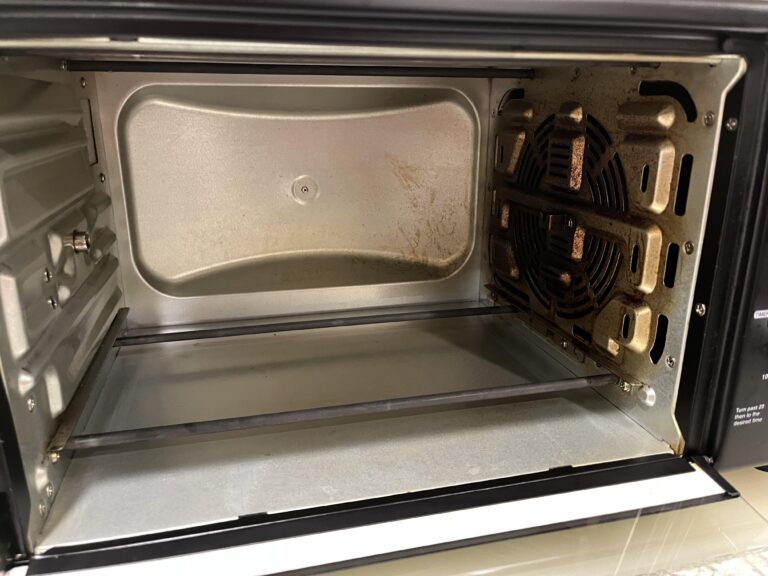
Do not place a metal container on the bottom of the air fryer unless the manufacturer says it is designed for that use. Some air fryers have exposed heating parts or sensitive surfaces below the basket.
Never use an air fryer as a deep fryer. Adding oil to a metal pan can create a fire risk if the oil overheats or spills toward the heating element.
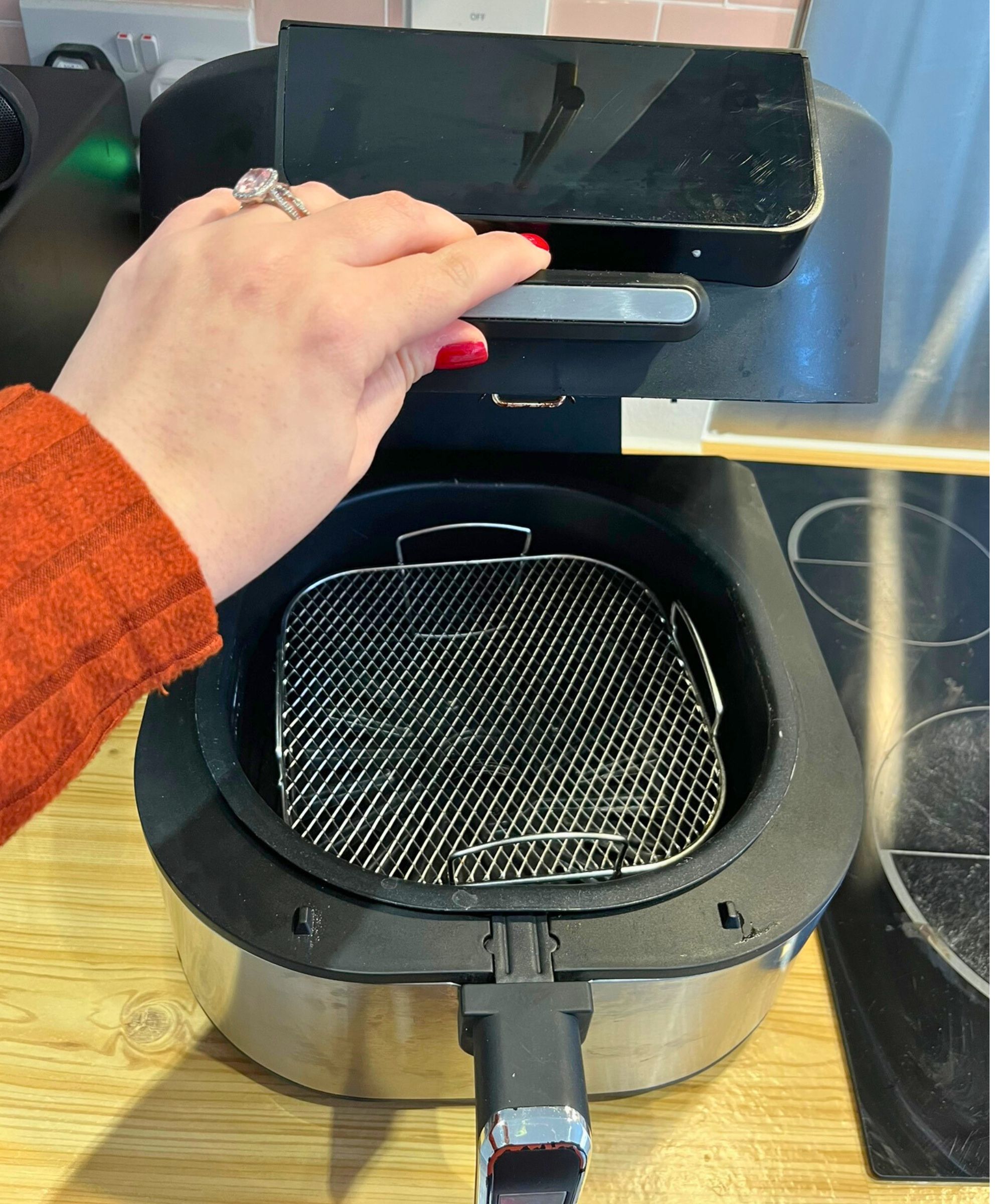
Can metal cause sparks or damage in an air fryer?
In normal use, metal should not spark inside an air fryer. Air fryers heat food through an electric heating element and moving hot air. They do not use microwave energy.
Sparking may still occur if metal contacts an exposed electrical connection, a damaged heating element, or another conductive part in an unusual way. A metal object can also cause damage if it is forced into the appliance or touches wiring.
Turn off and unplug the air fryer if you notice:
• Bright flashes
• Crackling sounds
• Electrical odors
• Smoke from the heating area
• A tripped circuit breaker
Do not continue using the appliance until it has been inspected. A small amount of smoke from grease may be normal, but sparks and electrical smells are not normal.
How to use metal accessories safely
Metal accessories can make an air fryer more useful. Racks, skewers, cake pans, pizza pans, and grill plates can all support different cooking methods.
Before using any accessory, check the following:
Confirm the size
The accessory should fit without pressing against the sides. It should not prevent the drawer from closing or stop the basket from moving into place.
Check the temperature rating
Look for an oven-safe label or instructions from the maker. Normal air fryer temperatures often range from about 300°F to 450°F, but each model is different.
Protect airflow
Do not fill the basket with a deep pan that blocks the holes. Air needs to move around the food for crisp results.
Avoid sudden temperature changes
Do not place a very hot metal pan on a cold, wet counter. It may warp or damage the surface. Use a heat-safe mat or trivet.
Inspect the accessory
Remove any item with rust, peeling paint, loose rivets, broken handles, or a damaged coating.
A useful practical lesson is to test a new accessory with a short, low-risk recipe. A small batch of vegetables can show whether the pan blocks airflow, rattles, smokes, or heats unevenly before you use it for a full meal.

Common mistakes when using metal in an air fryer
Even when a metal air fryer is safe, simple mistakes can create problems. Most issues come from treating the appliance like a deep fryer or microwave instead of a small convection oven.
Covering all the basket holes
A solid layer of foil or a large metal pan can stop hot air from reaching the food. The result may be soft food, uneven cooking, and longer cooking times.
Using oversized cookware
An oversized pan may touch the heating element or block the fan. Choose accessories made for your model or leave clear space around the sides.
Using loose foil
Loose foil can lift into the heating coil. Always weigh foil down with food and keep it away from the top of the cooking chamber.
Ignoring damaged coatings
A peeling basket should not be treated as normal wear. Replace it when damage becomes significant.
Adding too much oil
Oil can drip onto the heating element and smoke. Use a light coating on the food instead of pouring oil into the bottom of the appliance.
Cleaning while the metal is hot
Hot metal can cause burns and may react badly to cold water. Let the basket and accessories cool before washing them.
Metal versus silicone, glass, and ceramic accessories
Metal is not the only material used in air fryer accessories. Each option has benefits and limits.
• Metal heats quickly and supports crisp food, but it can become very hot and may scratch coated surfaces.
• Silicone is flexible and easy to clean, but it must be heat-rated and may reduce browning.
• Heat-safe glass can work for baked dishes, but it may break from thermal shock and can restrict airflow.
• Ceramic can hold heat well, but it may be heavy and can crack if moved from a hot air fryer to a cold surface.
• Parchment paper can reduce sticking, but it should never be used loose during preheating.
When choosing an accessory, consider the recipe. A metal rack is useful for crisp wings. A silicone cup may suit muffins. A small glass dish may work for a casserole if the manufacturer approves it.
A practical safety checklist
Use this quick checklist before cooking with metal:
-
Read the air fryer manual.
-
Confirm that the cookware is oven-safe.
-
Check for plastic, wood, paint, or loose parts.
-
Make sure the accessory fits with space around it.
-
Keep metal away from the heating element.
-
Do not cover all air vents.
-
Secure foil with food.
-
Use moderate oil.
-
Stop cooking if you see sparks or smell electrical burning.
-
Clean grease from the basket and heating area after the appliance cools.
Manufacturers design air fryers with specific airflow paths. That is why an accessory that works in one model may not work well in another. The manual is the best guide when advice from a recipe or social media post conflicts with the appliance instructions.
Health and food safety considerations
The metal itself is usually not the main health concern. Food temperature, coating condition, grease buildup, and cleaning habits matter more.
Cook meat to a safe internal temperature using a food thermometer. The United States Department of Agriculture recommends 165°F for poultry, 160°F for ground meats, and 145°F for whole cuts of beef, pork, lamb, and veal, followed by a short rest.
Clean the basket after greasy foods. Built-up fat can smoke during later cooking and may increase the chance of a grease fire. Avoid harsh cleaners that can damage a nonstick coating.
If you are concerned about a coating, choose uncoated stainless steel or a replacement part approved by the manufacturer. Do not assume that every “nonstick” or “stone” coating has the same ingredients or temperature limits.
Frequently Asked Questions
Is metal air fryer safe to use every day?
Yes, a metal air fryer basket or approved metal accessory is safe for daily cooking when used within its temperature and size limits. Clean grease buildup and replace damaged parts when needed.
Can I put a stainless steel bowl in an air fryer?
Usually, yes, if the bowl is oven-safe and fits without touching the heating element. Leave space around it so hot air can circulate and avoid bowls with plastic or rubber parts.
Is aluminum foil safe in an air fryer?
Aluminum foil is generally safe when it is secured by food and kept away from the heating element. Do not use loose foil or cover the basket holes completely.
Can metal spark in an air fryer?
Metal normally does not spark in an air fryer because the appliance uses a heating element rather than microwave energy. Sparks, crackling, or an electrical odor indicate a fault, so unplug the appliance and stop using it.
Is a metal pan better than a silicone pan in an air fryer?
A metal pan usually browns and crisps food more effectively because it transfers heat quickly. Silicone is flexible and easy to clean, but it may reduce browning and airflow.
Can I use a cast iron skillet in an air fryer?
A small cast iron skillet can be safe if the air fryer can support its weight and the skillet does not block airflow. Handle it carefully because it becomes extremely hot.
Should I replace a scratched metal air fryer basket?
A minor surface mark may not require immediate replacement, but a peeling or badly damaged coating is a reason to replace the basket. Contact the manufacturer for an approved replacement part.
Conclusion
A metal air fryer is safe when the metal is oven-safe, properly sized, and used without blocking airflow or touching the heating element. Stainless steel, aluminum, cast iron, and carbon steel can all work well when their limits are respected.
The safest habit is simple: read the manual, inspect every accessory, secure foil, control oil, and stop using the appliance if it sparks or smells electrical. With these steps, you can enjoy crisp meals and convenient cooking without unnecessary risk.
Check your air fryer’s instructions before buying new accessories, and share your favorite safe air fryer setup or recipe in the comments.