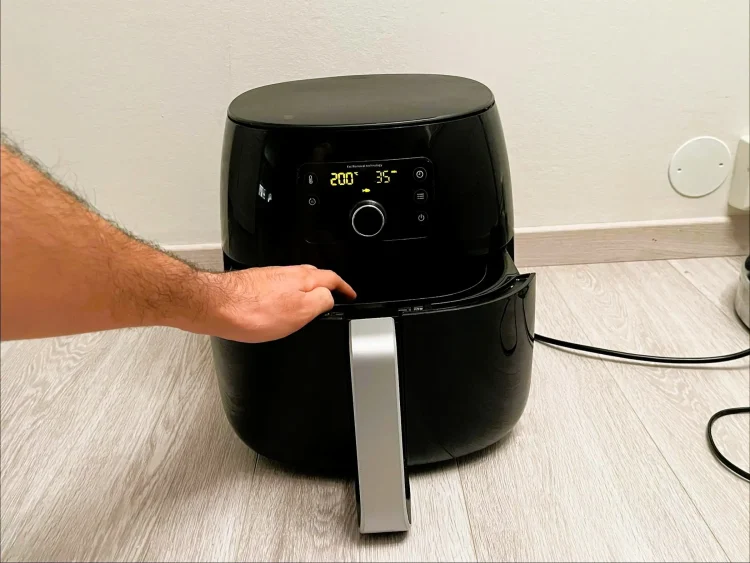
Do You Have To Use Liners In An Air Fryer: What To Know
No, you do not have to use liners in an air fryer for safe cooking.
Whether you need a liner depends on the food, the basket design, and how much cleanup you want. This guide explains how air fryer liners work, when they help, when they can cause problems, and how to use them safely based on airflow, heat, and manufacturer guidance.
Do You Have to Use Liners in an Air Fryer?
No. An air fryer can cook food safely without a liner. Most air fryer baskets have a nonstick surface or a coated metal finish designed for direct cooking.
Air fryer liners are optional accessories. They sit under the food and help catch grease, crumbs, and sauces. They do not make the air fryer cook better in every case.
The main purpose of a liner is convenience. It can reduce scrubbing after cooking, especially when you prepare sticky foods such as:
• Marinated chicken
• Saucy meatballs
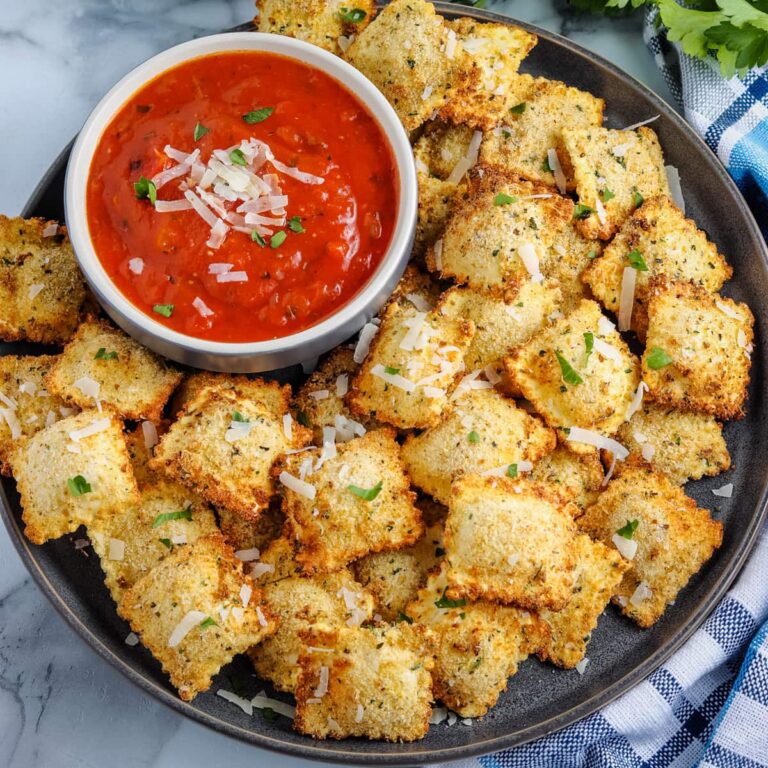
• Cheese-filled snacks
• Baked oatmeal
• Brownies or cake
• Foods with a wet coating
When deciding, think of a liner as a raincoat for the basket. It adds protection, but you do not need it on every dry day.
How Air Fryer Liners Affect Cooking
Air fryers cook by moving hot air around food. This rapid airflow helps create a crisp surface. A liner can change that airflow if it covers too much of the basket.
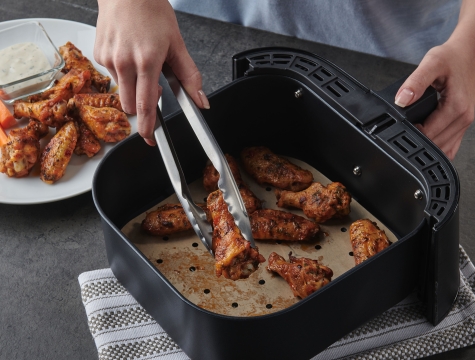
Perforated liners have small holes. These holes allow hot air to pass under the food. Solid liners block more airflow, so they may slow browning or leave the bottom of the food less crisp.
The effect depends on the food and the liner. A small piece of parchment under a few chicken wings may have little impact. A large solid sheet under a full basket can reduce air circulation.
For the best results:
• Use a liner that fits the basket.
• Choose perforated parchment for foods that need crisping.
• Do not cover the entire basket wall.
• Leave space around the food.
• Avoid stacking food too tightly.
An air fryer liner should support cooking, not act like a sealed tray. Hot air still needs room to move.
When Should You Use an Air Fryer Liner?
An air fryer liner is useful when the food may stick, leak, or leave hard-to-clean residue. It can also help protect a delicate basket coating from repeated contact with sticky ingredients.
Consider using one for:
Sticky or saucy foods
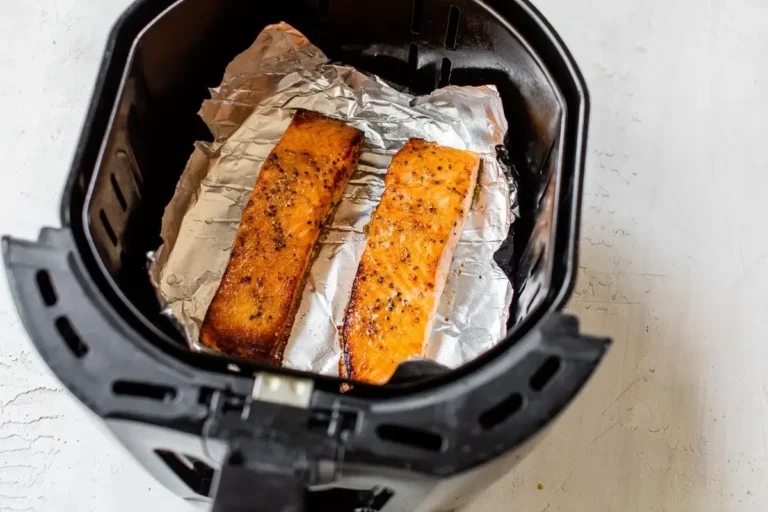
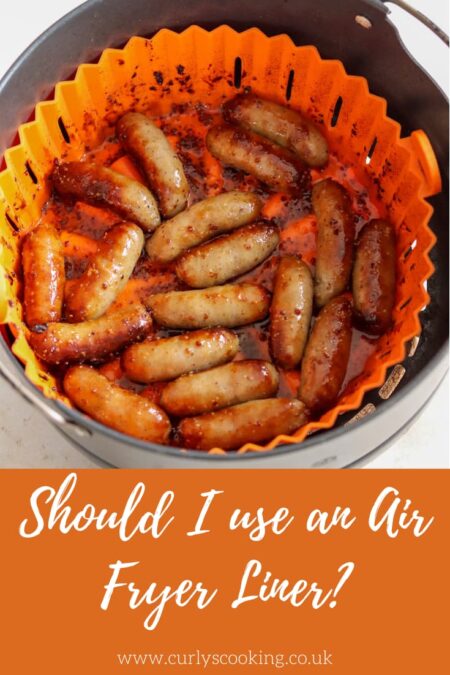
Barbecue chicken, glazed salmon, teriyaki meatballs, and honey-coated vegetables can leave a thick layer of residue. A liner can make cleanup much easier.
Small foods
Rice, oats, shredded cheese, and small pasta pieces may fall through basket holes. A liner helps keep these foods contained.
Baked foods
A liner works well for air fryer cookies, cakes, muffins, and brownies. It can also make it easier to lift the finished food from the basket.
Delicate foods
Fish fillets and soft vegetables may break when you try to remove them. Parchment can provide a smoother surface for lifting.
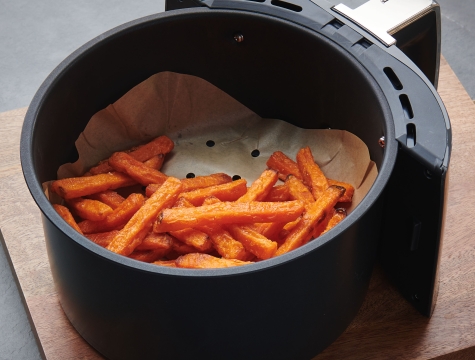
You do not need an air fryer liner for every meal. For fries, vegetables, chicken wings, and frozen snacks, direct cooking often gives the best crisp texture.
When Should You Avoid Air Fryer Liners?
There are times when using a liner is unnecessary or less effective. A liner may reduce browning, increase cooking time, or create a safety risk if you use it incorrectly.
Avoid a liner when:
• You are cooking food that needs strong airflow beneath it.
• The basket is already easy to clean.
• The liner is larger than the cooking surface.
• The liner is loose and may lift toward the heating element.
• You are preheating an empty air fryer with a loose liner inside.
• You are using wax paper instead of parchment paper.
Do not use a liner simply because it is available. For example, frozen french fries often become crispier when placed directly in the basket. A liner can trap steam and make the fries softer.
When I test foods in an air fryer, I find that liners are most helpful for wet or sticky recipes. They are less useful for foods where crisp edges are the main goal.
Parchment Paper vs. Silicone Air Fryer Liners
The two most common types of air fryer liners are parchment liners and reusable silicone liners. Each has advantages and limits.
Parchment liners
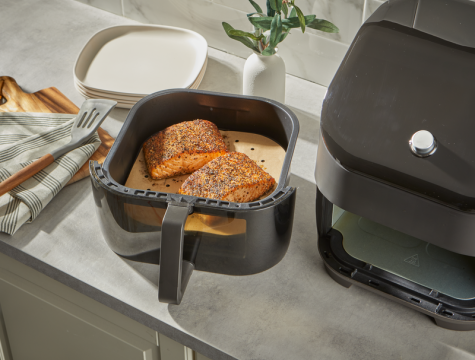
Parchment liners are usually made from heat-resistant baking paper. Many are perforated for better airflow.
Advantages include:
• Easy cleanup
• Low cost
• Light weight
• Good for baking
• Simple disposal
Use parchment made for baking. Do not use wax paper, paper towels, napkins, or ordinary printer paper. These materials are not designed for air fryer heat.
Always check the temperature limit on the package. Many parchment products are rated around 400 to 450°F, but ratings vary.
Silicone liners
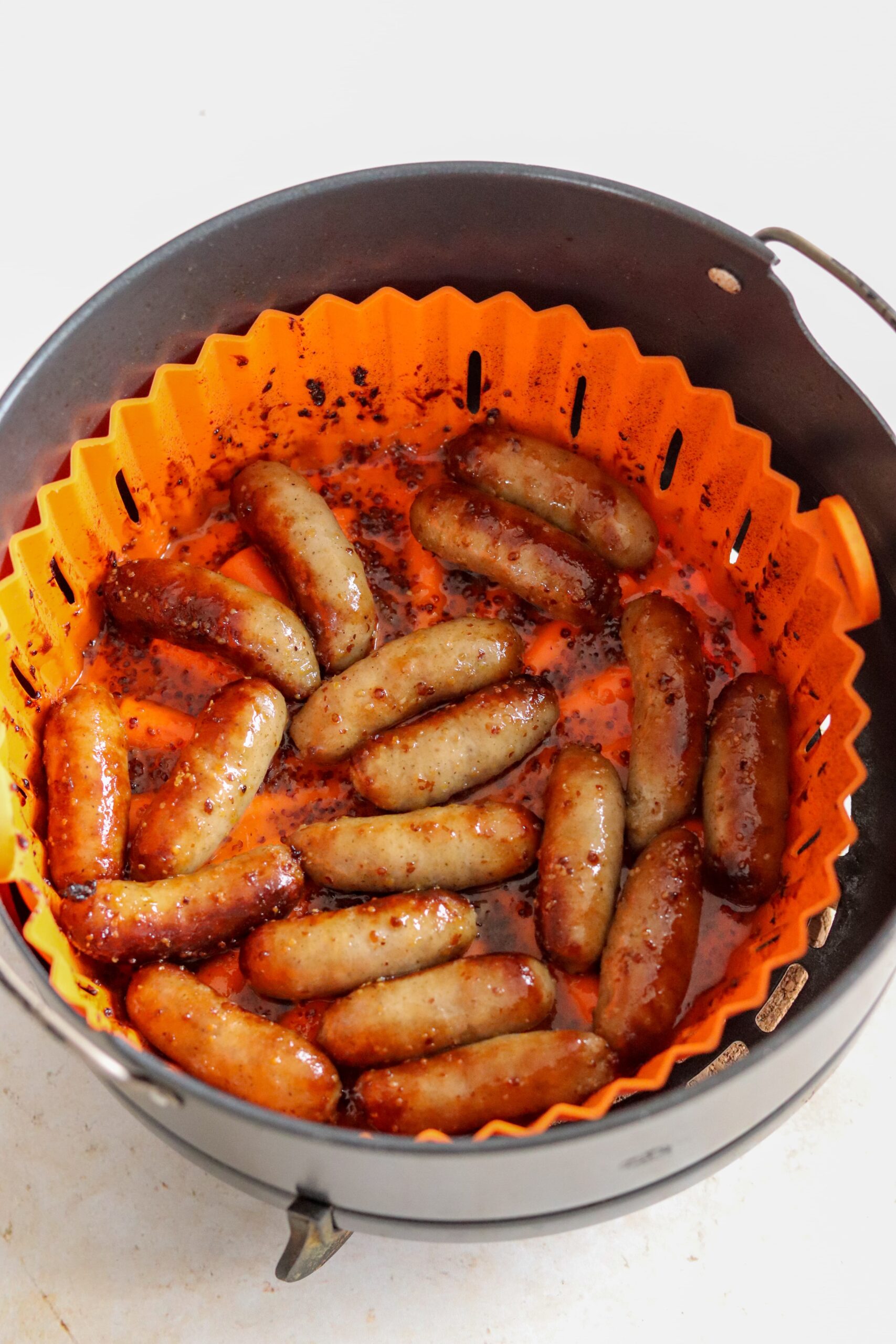
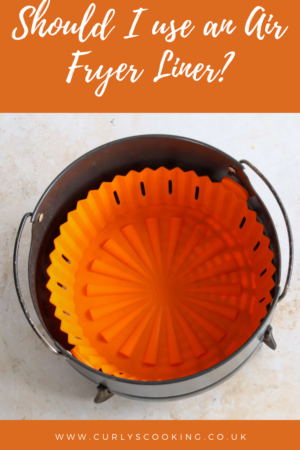
Silicone liners are reusable cups or mats made for high-heat cooking. They often have raised ridges or holes that allow some airflow.
Advantages include:
• Reusable design
• Less household waste
• Easy washing
• Good protection from sticky foods
• Stronger structure than parchment
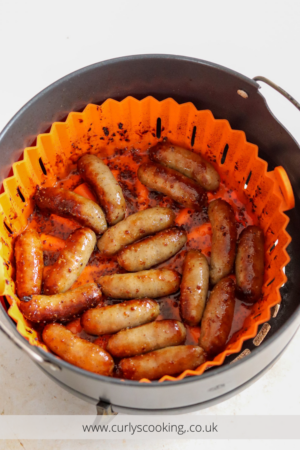
Silicone can reduce direct airflow more than a perforated parchment liner. It may also collect grease beneath the food. Clean it well after each use to prevent odors and residue.
A quality silicone liner should be food grade and clearly labeled for high-temperature cooking. Avoid damaged, cracked, or strongly scented products.
Are Air Fryer Liners Safe?
Air fryer liners are generally safe when they are designed for high heat and used correctly. The main safety concern is not the liner itself. It is the liner’s position near the heating element.
Loose parchment can move when the fan starts. If it reaches the heating coil, it may scorch or catch fire. This is why food should hold the liner down during cooking.
Follow these safety rules:
• Never place loose parchment in the basket during preheating.
• Add food on top of the liner before turning on the air fryer.
• Keep the liner below the basket rim.
• Do not allow paper to touch the heating element.
• Use only heat-rated materials.
• Follow the air fryer manual.
• Stop using a liner if it smokes, burns, melts, or smells unusual.
A liner should never block the air fryer’s heating element or ventilation openings. Also, do not assume that every paper product is safe because it looks like parchment.

How to Use Liners in an Air Fryer Correctly
Using an air fryer liner is simple, but small details matter. The goal is to keep the liner stable while allowing heat to circulate.
Follow these steps:
-
Select a liner that matches the basket size.
-
Check that the liner is rated for the cooking temperature.
-
Place the liner inside the basket after preheating, if preheating is required.
-
Add enough food to hold the liner down.
-
Spread food in a fairly even layer.
-
Leave open space around the food when possible.
-
Check the food during cooking for proper browning.
-
Remove the liner only after it has cooled enough to handle safely.
Do not cut a very large piece of parchment and fold it up the sides. The paper may block airflow or touch the heater. A properly sized liner is safer and usually gives better results.
For a small amount of food, use a smaller liner if your air fryer design allows it. A liner should cover the cooking surface without bunching or rising.
Common Air Fryer Liner Mistakes
Many liner problems come from using the right product in the wrong way. Avoiding these mistakes can protect your food and your appliance.
Using paper without food on top
A loose liner can fly upward from the fan. Always weigh it down with food before cooking.
Covering all the holes
A solid liner may block too much air. This can lead to pale, soft, or uneven food.
Using wax paper
Wax paper is not the same as parchment paper. It may melt, smoke, or leave residue when exposed to high heat.
Overfilling the basket
A liner does not fix overcrowding. Too much food prevents hot air from reaching every surface.
Using a liner for maximum crispness
A liner can reduce contact between the food and the hot basket. For crisp fries or wings, direct cooking may work better.
Ignoring the appliance manual
Air fryers vary in design. Some models have a rotating basket, exposed heating parts, or special cooking plates. The manual should take priority over general advice.
One mistake I often warn about is treating an air fryer like a small oven with a paper pan inside. It is closer to a fast-moving wind tunnel. The air needs a clear path.
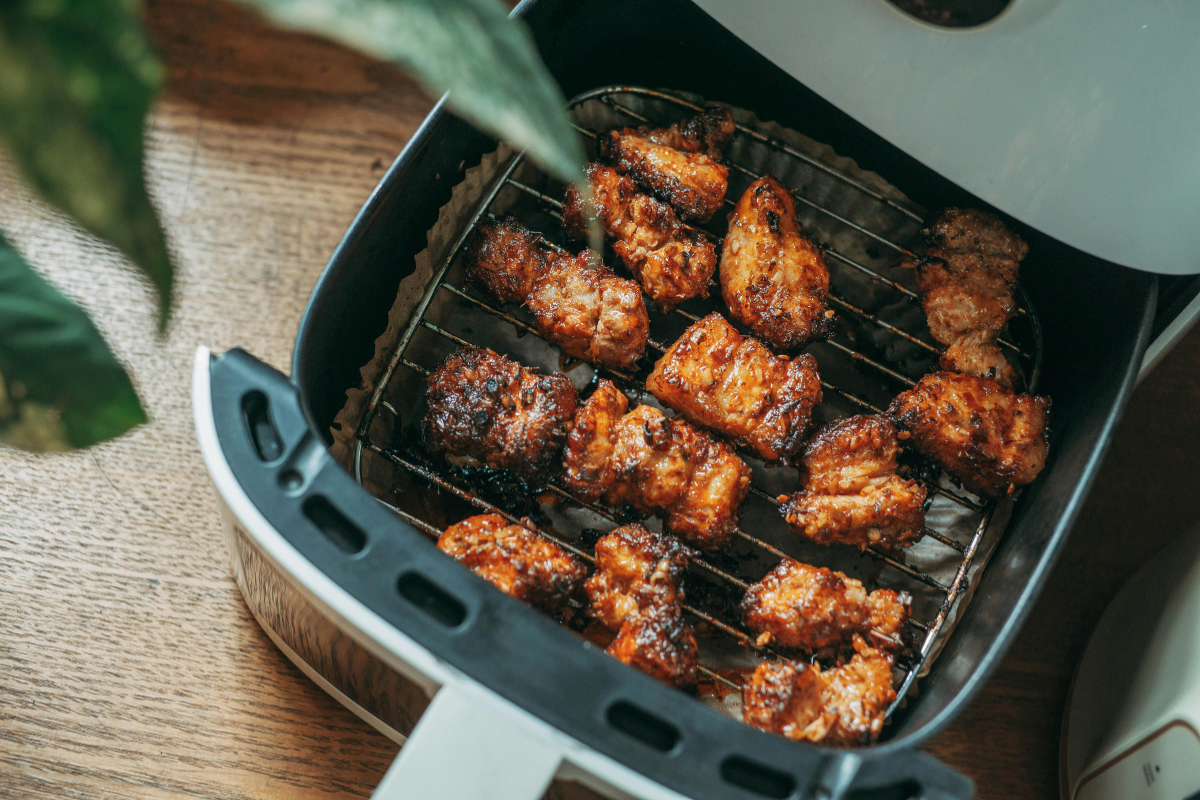
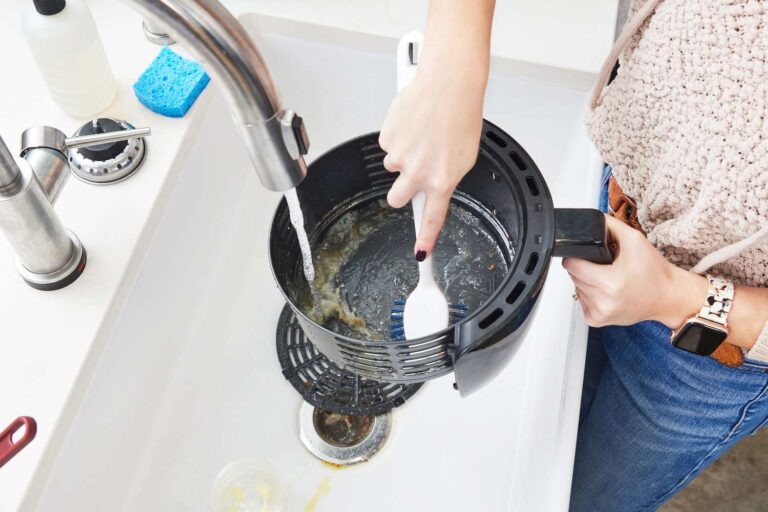
How to Clean an Air Fryer Without a Liner
You can clean an air fryer well without using liners. In many cases, avoiding a liner gives better browning and does not create much extra work.
After the basket cools:
-
Remove loose crumbs.
-
Soak the basket in warm water with mild dish soap.
-
Use a soft sponge or nylon brush.
-
Rinse away all soap.
-
Dry the basket fully before storing it.
Do not use steel wool, harsh scouring pads, or abrasive cleaners on a nonstick basket. These can scratch the surface and make food stick more often.
For baked-on grease, soak the basket longer rather than scraping aggressively. A soft brush can loosen residue without damaging the coating.
Never submerge the main electrical unit in water. Wipe its outside with a damp cloth and follow the cleaning instructions for your model.
Do Liners Make Food Healthier?
No. An air fryer liner does not make food healthier by itself. It mainly changes cleanup and may affect texture.
Air frying can reduce the need for added oil compared with deep frying, but the nutritional value still depends on the food, portion size, coating, and cooking method. A liner does not remove calories, sodium, or saturated fat.
A liner may help in one indirect way. It can make it easier to cook foods with less oil because food is less likely to stick. However, this benefit depends on the recipe and the air fryer basket.
Use a liner for convenience, not as a health product. Choose whole foods, control portions, and use only the oil needed for the recipe.
Best Foods to Cook With and Without Liners
The right choice depends on the result you want.
Foods that often work well with a liner
• Salmon
• Marinated chicken
• Meatloaf
• Baked eggs
• Cookies
• Brownies
• Granola
• Sticky tofu
• Cheese-filled appetizers
Foods that often work well without a liner
• French fries
• Tater tots
• Chicken wings
• Roasted vegetables
• Frozen onion rings
• Breaded shrimp
• Bacon
• Toasted nuts
For foods that release a lot of fat, check the basket during cooking. A liner can hold grease close to the food, while direct cooking may let it drain below.
Neither method is always best. Test one batch with a liner and one without it. Compare crispness, browning, cleanup, and cooking time.
Frequently Asked Questions About Do You Have to Use Liners in an Air Fryer
Do you have to use liners in an air fryer every time?
No, you do not have to use liners in an air fryer every time. They are optional and mainly help with cleanup, sticking, and small foods.
Can you use an air fryer without parchment paper?
Yes, you can use an air fryer without parchment paper. Place food directly in the basket, add a small amount of oil if needed, and avoid overcrowding.
Are air fryer liners better than parchment paper?
Air fryer liners are not always better than parchment paper. Perforated parchment often supports better airflow, while silicone liners are reusable and may be easier to wash.
Can parchment paper catch fire in an air fryer?
Parchment paper can scorch or catch fire if it touches the heating element or moves while the air fryer is running. Keep it below the basket rim, weigh it down with food, and follow its temperature rating.
Can you use aluminum foil instead of an air fryer liner?
In many air fryers, aluminum foil can be used in moderation, but it must not block vents or touch the heating element. Check the appliance manual first, and never cover the entire basket if it prevents airflow.
Do liners make air-fried food less crispy?
They can make food less crispy if they block airflow or collect steam. Perforated liners and open spacing usually reduce this effect.
Conclusion
You do not have to use liners in an air fryer. Direct cooking often gives the crispest results, while parchment or silicone liners can make sticky recipes and cleanup much easier.
Choose a heat-rated liner, keep it secure under food, protect airflow, and follow your air fryer’s instructions. Try your next meal with and without a liner, then choose the method that gives you the best balance of texture, safety, and cleanup. Share your favorite air fryer tips or explore more cooking guides for practical ideas.