Air Fryer No PFA: Safe Cooking Guide
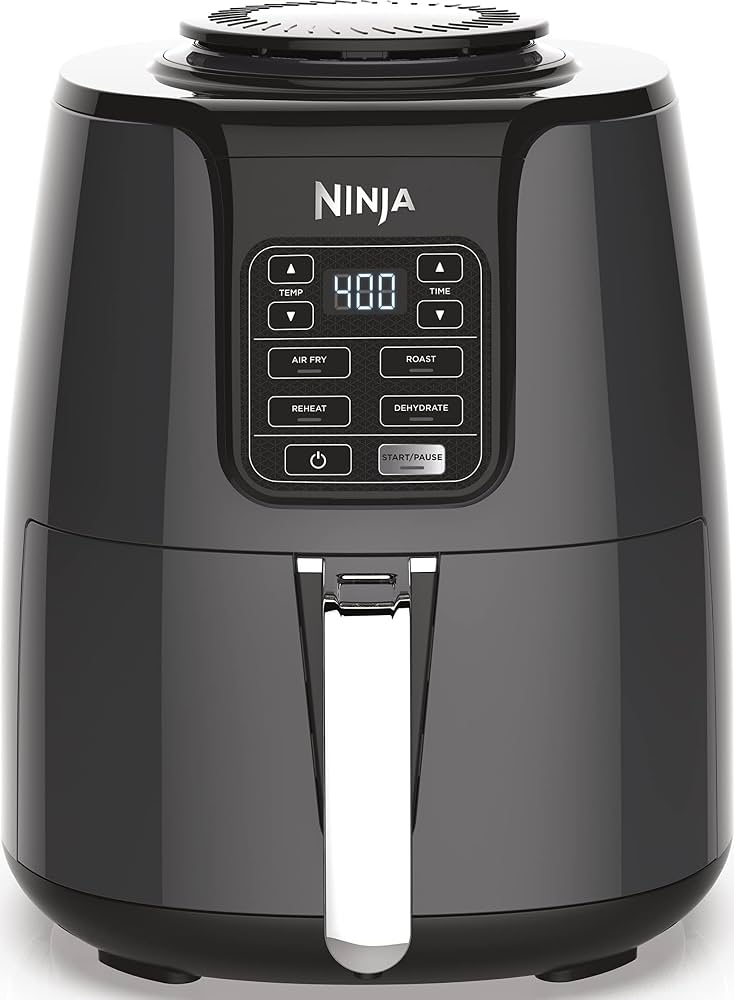
An air fryer no PFA uses materials designed to avoid PFA fluoropolymer coatings and reduce concerns about chemical exposure.
Choosing an air fryer no PFA is not as simple as reading one label. The terms PFA, PFAS, PFOA, PTFE, ceramic, and stainless steel often appear together, yet they do not mean the same thing. This guide explains what these terms mean, which materials to look for, how to check product claims, and how to use your appliance safely.
What Does “Air Fryer No PFA” Mean?
An air fryer no PFA is an air fryer marketed without PFA, a type of fluoropolymer plastic used in some nonstick products. PFA stands for perfluoroalkoxy alkane. It is related to other fluoropolymers, including PTFE, which is widely known by the brand name Teflon.
Many shoppers use “no PFA” when they really mean “no PFAS.” PFAS is a large group of thousands of fluorinated chemicals. PFA is only one type of fluoropolymer. PFOA is another related chemical, but it is not the same as PFA or PTFE.
This difference matters because “PFOA-free” does not always mean “PFAS-free.” A product may avoid PFOA while still using another fluoropolymer coating. For a stricter choice, look for clear wording such as:
• PFAS-free
• PTFE-free
• Fluoropolymer-free
• No intentionally added fluorinated chemicals
• Uncoated stainless steel cooking surfaces
A true air fryer no PFA should have a clear materials statement from the manufacturer. If the label only says “PFOA-free,” ask for more details before buying.

Why People Want an Air Fryer No PFA
The main reason people search for an air fryer no PFA is concern about long-term exposure to PFAS and other fluorinated compounds. These chemicals are often called “forever chemicals” because many break down very slowly in the environment.
Research has detected PFAS in water, soil, food packaging, dust, and household products. Exposure can come from many sources, so replacing one kitchen appliance will not remove all PFAS from daily life. Still, reducing avoidable contact can be a sensible step.
An air fryer no PFA may also appeal to people who want:
• A cooking basket without a fluoropolymer coating
• Fewer concerns about scratched nonstick surfaces
• A simpler material design
• Easier recycling or long-term maintenance
• A kitchen setup based on stainless steel or glass
It is important to keep the risk in proportion. Modern nonstick cookware is regulated for normal use, and manufacturers design it to perform at cooking temperatures. Problems are more likely when a coated surface is overheated, damaged, or used outside the product instructions.
PFA, PFAS, PFOA, and PTFE Explained
These terms are easy to mix up. Think of PFAS as a large family, while PFA, PFOA, and PTFE are different members or materials connected to that family.
PFAS
PFAS means per- and polyfluoroalkyl substances. It describes a broad class of chemicals with strong carbon-fluorine bonds. Some PFAS have been used in stain-resistant fabrics, food packaging, industrial products, and nonstick coatings.
PFA
PFA is a melt-processable fluoropolymer. It can resist heat, chemicals, and sticking. In an air fryer, PFA may appear as part of a nonstick cooking surface or component.
PFOA
PFOA was once used to help make some fluoropolymer products. It has been phased out or restricted in many applications in the United States. However, PFOA-free does not automatically mean that a product contains no other PFAS-related material.
PTFE
PTFE is a fluoropolymer used in many nonstick coatings. It can be safe when used within its intended temperature range. The concern for many shoppers is not normal use alone. They also want to avoid a coating that can peel, scratch, or release fumes if severely overheated.
When evaluating an air fryer no PFA, check whether the product also excludes PTFE and other fluoropolymers. That gives you a more complete answer than relying on one narrow chemical claim.
Best Materials for an Air Fryer No PFA
The cooking basket and tray deserve the most attention. These are the parts that touch food and receive direct heat.
Stainless steel
Stainless steel is one of the clearest choices for an air fryer no PFA. It has no applied nonstick coating when the basket is made from bare stainless steel. It is strong, reusable, and resistant to rust when properly cared for.
The tradeoff is that food may stick more easily. A light coat of oil and proper preheating can help. Stainless steel may also show browned food or baked-on grease, but this does not mean the material has failed.
Ceramic-coated surfaces
Ceramic-coated baskets are often sold as a nonstick alternative. Some use a sol-gel coating rather than PTFE. However, “ceramic” does not always mean the basket is made from solid ceramic. It may have a thin coating over aluminum or steel.
Ask whether the ceramic coating is PFAS-free and whether it contains any fluoropolymer. Also check the warranty. Even a good ceramic coating can lose its nonstick quality over time.
Glass
Glass cooking chambers are less common in standard basket air fryers, but some countertop models use glass bowls. Glass does not require a fluoropolymer nonstick coating. It is also easy to inspect and clean.
Glass can be heavy and may break if exposed to sudden temperature changes. Follow the manufacturer’s instructions, and never place hot glass on a cold, wet surface unless the product allows it.
Silicone accessories
Silicone liners and mats can be useful, but they are not the same as a PFA-free cooking basket. Choose food-grade silicone from a reputable seller. Confirm the maximum temperature and keep the liner away from direct contact with heating elements.
How to Choose an Air Fryer No PFA
A careful buying process can prevent confusion. Product pages often use broad terms that sound reassuring but do not provide enough detail.
Follow these steps when comparing models:
-
Check the basket material. Look for stainless steel, uncoated steel, glass, or a clearly described PFAS-free ceramic coating.
-
Read the full product specification. Do not rely only on a front-of-box claim.
-
Search for PTFE information. A product marked PFOA-free may still use PTFE.
-
Ask the manufacturer directly. Request a written statement about PFA, PFAS, PTFE, and fluoropolymer coatings.
-
Inspect the replacement parts. Some models have a stainless basket but a coated crisper plate.
-
Review the temperature range. A clear temperature rating helps you avoid misuse.
-
Check care instructions. If the brand warns against metal tools or abrasive cleaners, the surface may have a coating.
-
Consider independent testing. A credible laboratory report is stronger than vague terms such as “healthy coating” or “green nonstick.”
A reliable air fryer no PFA should not require guesswork. If the company will not explain the basket material, choose a model with a simpler design.
Benefits and Limitations of an Air Fryer No PFA
An air fryer no PFA can offer practical benefits, but it is not automatically healthier in every way.
Benefits
• It can reduce contact with PFA or other fluoropolymer coatings.
• Stainless steel baskets are durable and less likely to peel.
• Uncoated surfaces can make material claims easier to verify.
• A well-built appliance may last longer than a low-cost coated model.
• Air frying can reduce the need for deep oil frying.
Air frying does not make every food healthy. Frozen fries, bacon, breaded snacks, and sugary foods still have their usual nutritional limits. The appliance changes the cooking method, not the basic food.
Limitations
• Stainless steel may need more cleaning.
• Ceramic coatings can wear out.
• Some labels use “PFOA-free” without addressing PTFE or PFAS.
• A PFA-free appliance may cost more.
• Product claims can vary between the basket, tray, and interior chamber.
• No appliance can remove all household PFAS exposure.
Think of an air fryer no PFA as one part of a lower-exposure kitchen. It is useful, but it is not a complete health solution.

Safe Use and Care Tips
The safest air fryer no PFA is still dependent on correct use. Heat, time, cleaning, and handling all affect performance.
Use these habits:
• Never exceed the temperature listed in the manual.
• Do not run the appliance empty for long periods unless the manual allows it.
• Keep the air fryer away from walls, curtains, and other heat-sensitive items.
• Use wood, silicone, or nylon tools on coated surfaces.
• Avoid steel wool and harsh scouring pads.
• Replace a basket if the coating flakes, blisters, or exposes a damaged base.
• Do not use cooking sprays with propellants unless the manufacturer approves them.
• Clean grease from the tray and heating area after the unit cools.
• Keep the air path open so the appliance does not overheat.
One practical lesson is that convenience can lead to careless cleaning. Food residue may carbonize on the tray and create smoke. That smoke is not proof of PFAS exposure, but it signals poor airflow and excess residue. A quick wash after each use is usually easier than removing thick, baked-on grease later.
Common Mistakes to Avoid
The most common mistake is treating every “free-from” claim as equal. PFOA-free, PFAS-free, PTFE-free, and PFA-free are different statements.
Another mistake is assuming that a basket labeled ceramic is solid ceramic. Most ceramic nonstick products have a coating over another metal. That is not necessarily unsafe, but it means the coating still needs care.
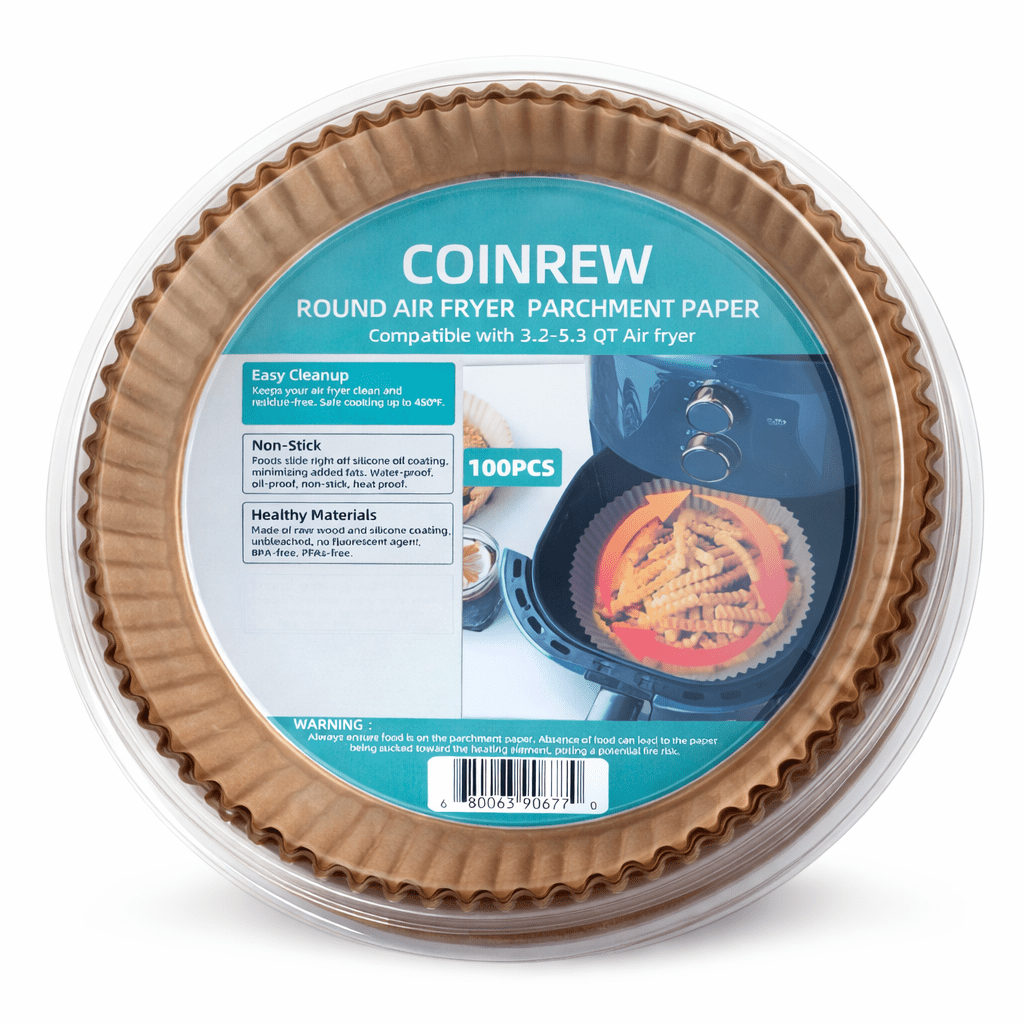
Some shoppers also use parchment paper without checking its temperature rating. Paper liners can block airflow or move toward the heating element. Use only accessories designed for air fryers, and place them under food so they do not lift.
Finally, do not ignore the rest of the appliance. A basket may be PFAS-free while another tray or accessory has a different coating. Check every food-contact part before deciding that the entire air fryer no PFA meets your needs.

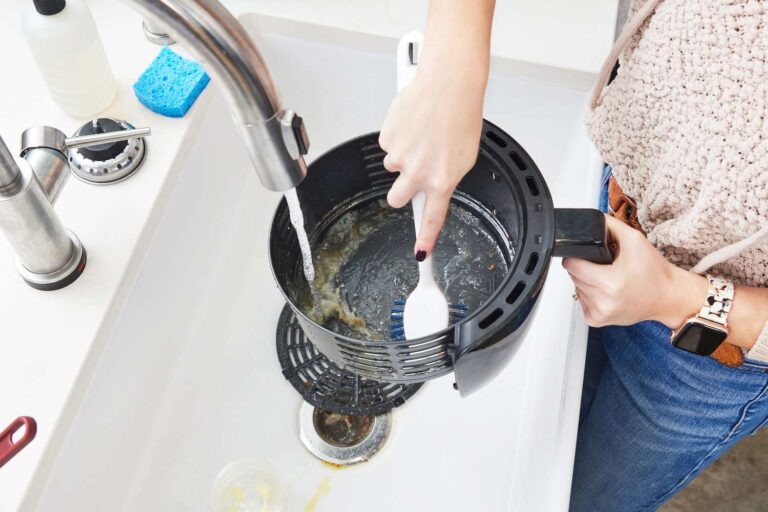
How to Clean a PFA-Free Air Fryer
Cleaning helps preserve the cooking surface and prevents old grease from affecting flavor.
-
Unplug the appliance and let it cool fully.
-
Remove the basket, tray, or bowl.
-
Soak removable parts in warm water with mild dish soap if the manual permits it.
-
Use a soft sponge or nylon brush.
-
Wipe the inside with a damp cloth. Keep water away from electrical parts.
-
Clean the heating element only as directed by the manufacturer.
-
Dry every part before reassembly.
Avoid putting parts in the dishwasher unless the product instructions say they are dishwasher-safe. Strong detergents and high heat can shorten the life of ceramic or nonstick coatings.
For stainless steel, a paste made from baking soda and water can help with stuck food. Do not use abrasive powders on coated surfaces. When in doubt, use the gentlest cleaning method first.

Air Fryer No PFA Cooking Performance
A stainless steel or uncoated basket may cook differently from a traditional nonstick basket. Food can brown well, but it may stick if the surface is cold or wet.
For better results:
• Preheat only when the manual recommends it.
• Dry vegetables, tofu, and meat before cooking.
• Add a small amount of oil to the food, not a heavy spray to the basket.
• Leave space around the food so hot air can move.
• Shake the basket during cooking when appropriate.
• Use parchment only when it is safe for the model and food holds it down.
In practice, the biggest learning curve is not safety. It is texture. A stainless steel basket may reward patience, while a coated basket may release food more easily at first. That convenience can fade if the surface is scratched or cleaned with rough tools.
What Experts and Regulators Generally Advise
Food-contact materials in the United States are subject to safety rules and migration limits. Manufacturers are expected to use materials that are suitable for their intended conditions, including temperature and food contact.
Research and regulatory reviews also show why careful wording matters. “Safe for intended use” is not the same as “contains no fluorinated chemicals.” It is reasonable for consumers to ask more specific questions when they want to avoid a material category.
The strongest approach combines:
• A clear manufacturer materials statement
• A defined temperature rating
• Proper cooking and cleaning practices
• Replacement of damaged parts
• A realistic view of overall exposure
No test or label can answer every question for every model. If a brand makes a broad health claim but provides no technical details, treat that as a reason to investigate further.
Frequently Asked Questions About Air Fryer No PFA
Is an air fryer no PFA the same as a PFAS-free air fryer?
No. PFA is one type of fluoropolymer, while PFAS is a much broader chemical group. A stronger claim should address PFAS, PTFE, and other fluoropolymer coatings.
Is stainless steel the best choice for an air fryer no PFA?
Stainless steel is one of the easiest materials to verify because it can be used without a nonstick coating. It may require more oil and careful cleaning, but it is durable and does not peel like a surface coating.
Does PFOA-free mean an air fryer has no PFAS?
No. PFOA-free only addresses PFOA. The appliance may still contain PTFE or another fluorinated material, so check the complete product specification.
Are ceramic air fryers free from PFA?
Not always. Ceramic-coated products may be PFAS-free, but the claim depends on the exact coating formula. Look for written confirmation that the coating contains no PFAS, PTFE, or other fluoropolymers.
Can I use an air fryer no PFA every day?
Yes, provided you follow the manual, stay within the temperature limit, and keep the basket clean. Daily use does not remove the need to inspect the cooking surface for damage.
What should I do if my air fryer basket starts peeling?
Stop using the damaged basket and contact the manufacturer about a replacement. Do not scrape away the coating or continue cooking with flakes entering the food.
Conclusion
An air fryer no PFA can be a smart choice for shoppers who want to avoid specific fluoropolymer coatings. The key is to look beyond “PFOA-free” and confirm the status of PFA, PFAS, PTFE, and all food-contact parts.
Uncoated stainless steel, glass, and clearly documented ceramic options each have strengths and limits. Choose the material that fits your cooking habits, use gentle tools, follow the temperature guide, and replace damaged parts. With a little label checking, you can enjoy fast, crisp meals while making a more informed kitchen choice. Explore product specifications carefully, and share your experience with an air fryer no PFA in the comments.