Low Tox Air Fryer: Safer Cooking Guide
A low tox air fryer uses safer materials, smart heat control, and simple cleaning to reduce unwanted exposure.
A low tox air fryer can make fast, crisp meals with less oil, but the label alone does not prove safety. The best choices focus on stable cooking materials, clear product details, safe temperatures, good ventilation, and careful use. This guide explains what “low tox” really means, which features matter, what to avoid, and how to cook with confidence.

What Is a Low Tox Air Fryer?
“Low tox” is not a regulated food safety term. It is a consumer phrase used for kitchen products made with fewer materials of concern and fewer questionable coatings. In an air fryer, this usually means paying close attention to the basket, tray, interior, heating parts, plastics, and manufacturing details.
A low tox air fryer may include:
• Stainless steel cooking baskets or trays
• Glass cooking chambers
• Ceramic-coated surfaces with clear safety information
• Food-grade silicone parts
• Minimal plastic near the heating area
• No intentionally added PFAS, when verified by the manufacturer
• Clear temperature limits and care instructions
The phrase does not mean the appliance creates no chemicals. All high-heat cooking can produce smoke, odors, and cooking byproducts. For example, starchy foods such as potatoes can form acrylamide when browned at high temperatures. The goal is not to remove every possible risk. The goal is to reduce avoidable exposure through better materials and safer habits.
A low tox air fryer is best viewed as one part of a healthier kitchen. Fresh ingredients, moderate heat, good ventilation, and regular cleaning matter just as much as the appliance itself.

Why Material Safety Matters
The cooking surface is the part that touches your food. It deserves the most attention. Many air fryer baskets use a nonstick coating because it helps food release easily and makes cleanup fast. However, the word “nonstick” does not tell you what the coating contains.
Some traditional nonstick coatings use fluoropolymer chemistry. PTFE is one example. PTFE products are generally considered stable at normal cooking temperatures, but overheating an empty pan can damage the coating and release irritating fumes. Birds are especially sensitive to cooking fumes, so homes with pet birds need extra care.
Some products advertise “PFOA-free.” That claim is useful, but it does not prove that the product is free from every PFAS compound. PFOA is only one chemical in a large chemical family. If avoiding PFAS is important to you, look for a clear statement such as “made without intentionally added PFAS,” and check whether the claim applies to the food-contact basket and tray.
Ceramic coatings can be another option. They may contain fewer fluorinated chemicals, but “ceramic” does not always mean the entire basket is solid ceramic. Often, it means a ceramic-like coating over metal. These coatings can wear down with time, sharp tools, harsh cleaners, and high heat.
Stainless steel and glass are easier to understand. They do not rely on a soft nonstick film for food release. Still, stainless steel may cause sticking, and glass can break if exposed to sudden temperature changes. Every material has benefits and limits.
A careful review should ask:
• What material touches the food?
• Is the coating described in clear terms?
• Does the brand publish temperature and care limits?
• Are replacement baskets available?
• Does the manufacturer explain chemical or material testing?
• Is the product certified by a recognized safety testing body?

The Best Materials for a Low Tox Air Fryer
There is no perfect air fryer material for every home. Your best choice depends on your cooking habits, cleaning style, budget, and tolerance for sticking.
Stainless steel
Stainless steel is durable and does not depend on a synthetic nonstick film. It is a strong choice for people who want a long-lasting basket and do not mind using a little oil.
Its main drawback is sticking. Foods such as fish, cheese, and marinated vegetables may cling to the surface. A light coating of oil and proper preheating can help.
Choose a basket with smooth welds and a sturdy design. Avoid rough edges that can trap food or make cleaning difficult.
Glass
Glass lets you see the food as it cooks. This can help prevent burning and reduce the need to open the appliance. Glass also does not use a sprayed nonstick coating on the cooking chamber.
The tradeoff is weight and breakage. Never place a hot glass bowl on a cold stone counter or rinse it with cold water. Sudden temperature changes may cause thermal shock.
Ceramic-coated metal
Ceramic-coated baskets are popular because they offer easier food release without traditional PTFE-style nonstick claims. However, coating quality varies widely.
Look for a brand that states the coating materials clearly. Use wood, silicone, or soft plastic utensils. Do not use metal forks or abrasive scrubbers, even if the coating appears hard.
Enamel or coated steel
Enamel surfaces can be durable and easy to clean. They may resist some scratches better than soft coatings. However, chips and cracks can expose the metal below.
Stop using a basket if you see major peeling, flaking, or deep damage. A damaged surface is harder to clean and may affect food quality.

How to Choose a Low Tox Air Fryer
Shopping for a low tox air fryer can feel confusing because marketing often uses broad phrases. A product may say “healthy,” “natural,” or “chemical-free” without explaining the food-contact materials. Use a practical checklist instead of relying on the front of the box.
1. Read the food-contact material details
The basket and tray matter more than the outer shell. Look for stainless steel, glass, ceramic-coated metal, or a clearly identified nonstick material.
If the manufacturer does not identify the cooking surface, consider that a warning sign. You should not need to guess what touches your food.
2. Check the highest temperature
Most air fryers cook between about 300°F and 450°F. Higher settings can brown food quickly, but they also increase the chance of smoke, burning, and coating damage.
A reliable low tox air fryer should have clear temperature controls and instructions. Avoid running any air fryer empty at its highest heat unless the manual specifically allows it.
3. Look for independent safety certification
A certification mark from a recognized testing organization shows that the appliance has been evaluated against electrical safety standards. It does not guarantee that every material is free from chemicals of concern, but it adds an important layer of confidence.
Check the product label, manual, or manufacturer page. Be cautious with vague badges that do not explain who performed the testing.
4. Examine the heating area
The heating element should sit above the food and remain protected from grease splatter. Grease that reaches the element can smoke and create a burnt smell.
A removable, washable drip area is helpful. It makes routine cleaning easier and reduces old grease buildup.
5. Consider replacement parts
A good appliance should have replacement baskets, trays, or silicone feet available. If the coating wears out after two years, replacing one basket is better than replacing the entire appliance.
Replacement parts also reduce waste and help extend the product’s life.
6. Avoid vague “chemical-free” claims
Nothing about a modern appliance is literally free of all chemicals. Materials are made from chemicals, and even natural substances contain chemical compounds.
Trust specific claims more than dramatic language. “Stainless steel food-contact basket” is more useful than “100% toxin-free.”

Low Tox Air Fryer Versus Traditional Nonstick Models
The main difference is often the cooking surface. A traditional model may use a fluoropolymer nonstick coating for easy food release. A low tox air fryer may use stainless steel, glass, or a ceramic-style coating instead.
A nonstick basket is convenient. It usually needs less oil and cleans quickly. If the surface remains intact and the appliance is used within its temperature limits, it may perform well for years.
A stainless steel basket may be more durable, but it can require more care. Preheating, drying food well, and using a small amount of oil can reduce sticking.
A ceramic-coated basket may offer a middle ground. It can release food more easily than steel, but the coating still needs gentle treatment. It may lose its nonstick effect over time.
The right choice depends on your priorities:
• Choose stainless steel for durability and a simple material profile.
• Choose glass for visibility and a coating-free cooking chamber.
• Choose ceramic-coated metal for easier food release with fewer fluorinated coating concerns.
• Choose traditional nonstick only when the material details, temperature limits, and care instructions are clear.

Is Air Frying Healthier?
Air frying can support healthier meals because it uses less oil than deep frying. A tablespoon of oil contains about 120 calories, so reducing oil can lower the calorie content of foods such as potatoes, chicken, and vegetables.
However, air frying does not automatically make every food healthy. Frozen fries, breaded snacks, and processed meat still contain salt, refined starch, or saturated fat. The appliance changes the cooking method, not the basic nutrition of the food.
Air frying can also produce browning compounds. Acrylamide may form in certain plant foods when they cook at high temperatures, especially potatoes. You can reduce excessive browning by cooking foods until golden rather than dark brown and avoiding very high heat when it is not needed.
Try to build meals around:
• Vegetables such as broccoli, carrots, zucchini, and peppers
• Beans or tofu
• Plain chicken, fish, or lean meat
• Potatoes with the skin on
• Homemade snacks with less salt
• Whole-food ingredients with simple seasoning
The healthiest low tox air fryer meal is usually one that starts with a simple ingredient list.

How to Use a Low Tox Air Fryer Safely
Good habits protect both your food and your appliance. The following steps work for most air fryer designs, but always follow the model’s manual first.
-
Place the air fryer on a stable, heat-resistant surface. Leave open space around the vents.
-
Preheat only when the recipe or manual recommends it. Some foods do not need preheating.
-
Do not overfill the basket. Crowding blocks airflow and can cause uneven cooking.
-
Keep food away from the heating element. Light foods can lift during cooking and touch the element.
-
Use a small amount of oil when needed. Spray oil lightly onto food rather than flooding the basket.
-
Avoid metal tools on coated surfaces. Use wood, silicone, or approved plastic tools.
-
Stop cooking if you notice strong chemical odors, heavy smoke, or peeling material. Let the appliance cool before inspecting it.
-
Do not cover the air intake or exhaust. Blocked airflow can cause overheating.
-
Keep the appliance away from curtains, paper towels, and other flammable items.
-
Ventilate the room. A range hood, open window, or kitchen fan can help remove smoke and odors.
One mistake I often see in air fryer use is treating the basket like a disposable pan. It is not. Scraping, stacking, and overheating can shorten the life of the cooking surface. Gentle handling usually matters more than expensive accessories.

Cleaning and Maintenance Tips
Cleaning is a major part of low tox cooking. Old oil and food residue can smoke during the next cooking cycle. They can also create strong odors and make the basket harder to clean.
Let the appliance cool before cleaning. Remove the basket and tray, then wash them with warm water, mild dish soap, and a soft sponge. Avoid steel wool, abrasive powders, and harsh oven cleaners unless the manual specifically approves them.
Do not immerse the main electrical unit in water. Wipe the interior with a damp cloth after it cools. Check the heating element for crumbs and grease, but never scrub it aggressively.
For stubborn residue:
• Soak the removable parts in warm, soapy water.
• Use a soft brush for small holes and corners.
• Avoid sharp knives and metal scrapers.
• Dry every part fully before reassembly.
• Clean grease from the interior before it becomes a thick layer.
Inspect the basket often. Replace it if you see peeling, deep scratches, severe discoloration, rust, or damage that cannot be cleaned. A low tox air fryer is not a permanent product if its food-contact surface has failed.
Common Mistakes to Avoid
Even a well-designed low tox air fryer can become a problem when used carelessly. Most issues are simple to prevent.
Choosing a product based only on “PFOA-free”
PFOA-free does not describe every possible coating chemical. Read the full material statement and look for clear information about PFAS, PTFE, ceramic coatings, and food-contact parts.
Using cooking spray on nonstick surfaces
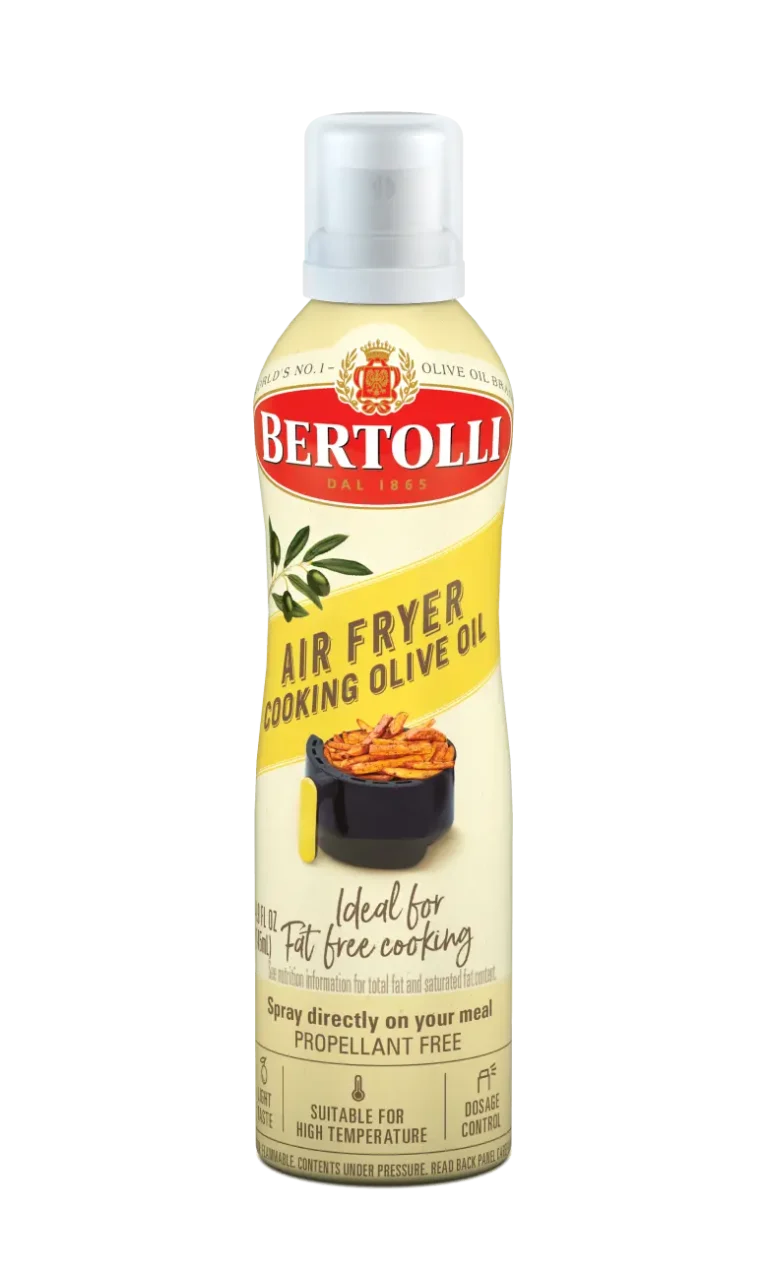
Some aerosol cooking sprays contain propellants and additives that may build up on a basket. Over time, this residue can become sticky and difficult to remove. A refillable oil mister or a small brush may be a better option.
Cooking at maximum heat every time
Maximum heat is not always the best heat. It can burn delicate foods, create smoke, and wear down coatings faster. Use the lowest temperature that gives you the texture you want.
Ignoring the smell of a new appliance
A mild new-product smell may occur during initial use. Follow the manufacturer’s first-use instructions and ventilate the room. If a strong smell continues after several uses, contact the brand rather than ignoring it.
Using damaged accessories
A cracked silicone liner, peeling basket, or broken handle can create safety problems. Replace damaged parts with manufacturer-approved replacements.
A Simple Low Tox Air Fryer Test
You can assess a new appliance with a short home test. This will not replace laboratory testing, but it can reveal poor design or handling problems.
-
Read the manual before cooking.
-
Wash removable parts with mild soap.
-
Run the unit according to the manufacturer’s first-use instructions.
-
Watch for unusual smoke, strong odors, sparking, or excess heat.
-
Cook a simple food such as sliced vegetables.
-
Check whether the basket becomes damaged, sticky, or discolored.
-
Clean the unit and inspect it again.
Do not taste food that has been exposed to heavy smoke or a strange chemical odor. Contact the manufacturer if the issue continues. Keep your receipt and record the model number in case a safety notice or product recall is issued.
This kind of test is useful because it focuses on real behavior, not just advertising claims. It also helps you learn how quickly the appliance cooks and where grease collects.
What Experts and Safety Guidance Suggest
Food safety agencies generally focus on temperature control, proper cooking, ventilation, and reducing heavy browning. They do not classify one universal air fryer material as risk-free for every person.
Regulatory guidance on food-contact materials is based on intended use. That means the appliance should be used within its stated temperature range and care instructions. A material that is suitable under normal conditions may not behave the same way when overheated, scratched, or exposed to harsh cleaners.
Research on PFAS has also shown why clear product information matters. PFAS is a broad family of substances with different properties. A single “free from” claim may not answer every question about a product’s coating or manufacturing process.
For the most reliable decision, combine:
• Specific material information
• Independent electrical safety testing
• A clear warranty
• Available replacement parts
• Good user reviews that mention long-term wear
• Safe cooking and cleaning habits
No single label can replace careful use. Think of the appliance as a tool. Its safety depends on its design, condition, temperature, and maintenance.
Frequently Asked Questions About a Low Tox Air Fryer
Is a low tox air fryer completely toxin-free?
No. “Low tox” is a marketing and consumer term, not a guarantee that an appliance produces zero chemicals. It usually means the product uses materials and practices intended to reduce avoidable exposure.
What is the safest material for an air fryer basket?
Stainless steel is a popular choice because it does not rely on a soft synthetic nonstick coating. Glass and well-made ceramic-coated surfaces can also be suitable when used within their temperature and care limits.
Are ceramic air fryers safer than nonstick air fryers?
Ceramic-coated air fryers may reduce concerns about fluorinated nonstick coatings, but “ceramic” often refers to a coating over metal. Check the product details, avoid scratches, and replace the basket if the surface begins to peel.
Can an air fryer cause acrylamide?
Air frying can produce acrylamide in some starchy foods, especially potatoes, when they become deeply browned. Cook foods to a golden color, avoid burning, and use moderate temperatures when practical.
How often should I clean my low tox air fryer?
Clean the basket and tray after each use, especially after cooking fatty foods. Wipe the interior regularly and remove grease before it becomes baked onto the heating area.
Should I replace an air fryer with a peeling basket?
Yes. A peeling or badly scratched basket is difficult to clean and may affect food quality. Replace the basket with an approved part or replace the appliance if a suitable part is unavailable.
[CodeImg not included per instruction]
Conclusion
A low tox air fryer is not defined by a single label. The strongest choice combines a clearly identified food-contact surface, safe temperature control, independent electrical testing, good ventilation, and easy maintenance.
Stainless steel, glass, and carefully made ceramic-coated baskets can each work well. Focus on clear product information rather than broad claims such as “chemical-free.” Use moderate heat, avoid damaged coatings, clean the appliance after cooking, and replace worn parts.
With these habits, you can enjoy crisp meals while making a more informed choice for your kitchen. Compare material details before buying, save the manual, and share your air fryer experience or questions in the comments.