Why No Olive Oil In Air Fryer: Do You Need It?
You can use olive oil in an air fryer, but too much may smoke, splatter, or damage the cooking result.
The idea of why no olive oil in air fryer often comes from confusion about smoke points, oil sprays, and high heat. After testing air-fried vegetables, chicken, potatoes, and fish, I have found that olive oil is usually safe when used lightly and correctly. This guide explains the real risks, the best oils, and simple ways to get crisp food without smoke or mess.
Why Do People Say No Olive Oil in an Air Fryer?
The claim that you should never use olive oil in an air fryer is not fully true. Most air fryers can safely cook with a small amount of olive oil. The problem usually comes from using too much oil, choosing the wrong spray can, or setting the temperature too high.
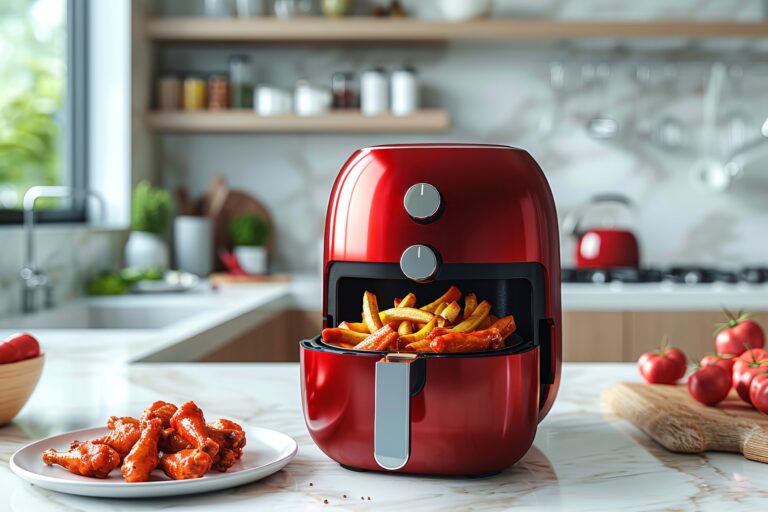
An air fryer is a small convection oven. A fan moves hot air around the food at high speed. This air dries the surface and creates browning, so food needs far less oil than it would in a deep fryer.
The main reasons people ask why no olive oil in air fryer include:
• Olive oil may smoke at very high temperatures.
• Extra oil can drip into the basket and create smoke.
• Loose oil can spread through the cooking chamber.
• Aerosol cooking sprays may damage some air fryer coatings.
• Too much oil can make food greasy instead of crisp.
• Olive oil may burn before delicate foods finish cooking.
So, why no olive oil in air fryer? In most cases, the answer is not that olive oil is forbidden. The real answer is that air fryers need only a thin coating, not a pool of oil.
Is Olive Oil Safe in an Air Fryer?
Yes, olive oil is generally safe in an air fryer when you use it in a small amount and stay within the oil’s heat limits. Many people use extra-virgin olive oil for vegetables, chicken, potatoes, and breaded foods.
Olive oil has a smoke point that varies by type, age, quality, and processing. Extra-virgin olive oil often smokes somewhere around 350°F to 410°F, while refined olive oil may tolerate higher heat. These numbers are ranges, not exact rules.
If your air fryer is set to 375°F, a good-quality olive oil may work well. At 450°F, however, some olive oils may smoke, especially when the oil is old or spread across a hot metal surface.
The smoke point is the temperature at which oil begins to break down and release visible smoke. A small amount of smoke does not mean the food is instantly dangerous, but it can create a burnt taste and irritating fumes. It also signals that the oil is too hot for that cooking method.
When people search why no olive oil in air fryer, they may be thinking about deep frying. Air frying is different. The food is not sitting in a large amount of hot oil, so the oil usually stays on the food rather than reaching the same conditions as a deep fryer.

What Happens When You Use Too Much Olive Oil?
Too much olive oil can cause several problems in an air fryer. The fan may move the oil around the basket, where it can reach the heating element. This can create smoke and leave a sticky film inside the appliance.
Extra oil can also make food soft. For example, potatoes coated in a heavy layer of oil may brown on the outside but stay greasy. A light coating helps the surface crisp, while excess oil can act like a wet blanket.
Common signs of too much oil include:
• Smoke coming from the air fryer.
• A strong burnt or bitter smell.
• Greasy food at the end of cooking.
• Oil collecting below the basket.
• A sticky layer on the drawer or heating element.
• Uneven browning.
In my own kitchen testing, the biggest mistake was pouring oil directly over food in the basket. A teaspoon or two seemed harmless, but the oil collected below the food and produced more smoke than expected. Tossing the food in a bowl first gave a much cleaner result.
A useful rule is to coat the food, not the basket. Most vegetables need about 1 to 2 teaspoons of oil per pound. Frozen foods often need no extra oil because they already contain oil from processing.

Olive Oil Smoke Point and Air Fryer Temperature
Understanding smoke point helps explain why no olive oil in air fryer is a common question. The oil type and cooking temperature must work well together.
Here is a simple guide:
| Olive oil type | Typical best use | Air fryer note |
|---|---|---|
| Extra-virgin olive oil | Vegetables, fish, chicken, potatoes | Best at moderate temperatures |
| Virgin olive oil | General cooking | Works well for many air fryer recipes |
| Refined olive oil | Higher-heat cooking | Usually has a higher smoke point |
| Light-tasting olive oil | Baking and roasting | Often suitable for hotter settings |
These ranges can vary. Look at your air fryer recipe, the oil label, and the food itself. For most meals, cooking between 350°F and 400°F is enough to brown food without pushing olive oil too hard.
If you notice smoke, lower the temperature by 25°F to 50°F. You can also use less oil, remove excess fat from the food, and clean old grease from the drawer.
Smoke point is not the only measure of oil quality. Extra-virgin olive oil contains natural plant compounds and has a rich flavor. Refined olive oil has a milder flavor and may perform better at higher heat. The best choice depends on the recipe and your preferred taste.
Why Olive Oil Spray Can Cause Problems
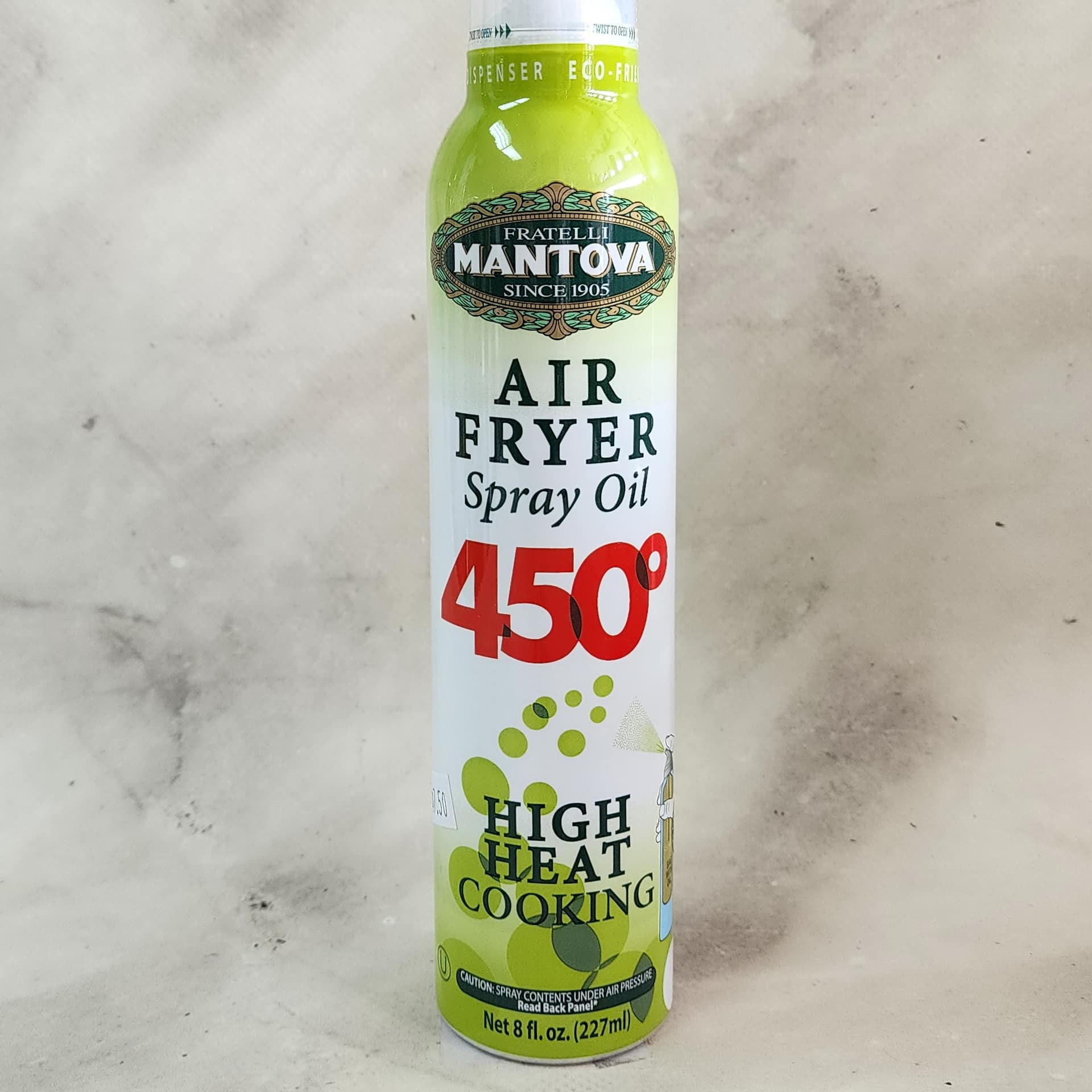
Many people use cooking spray because it seems quick and easy. However, not every spray is suitable for every air fryer basket.
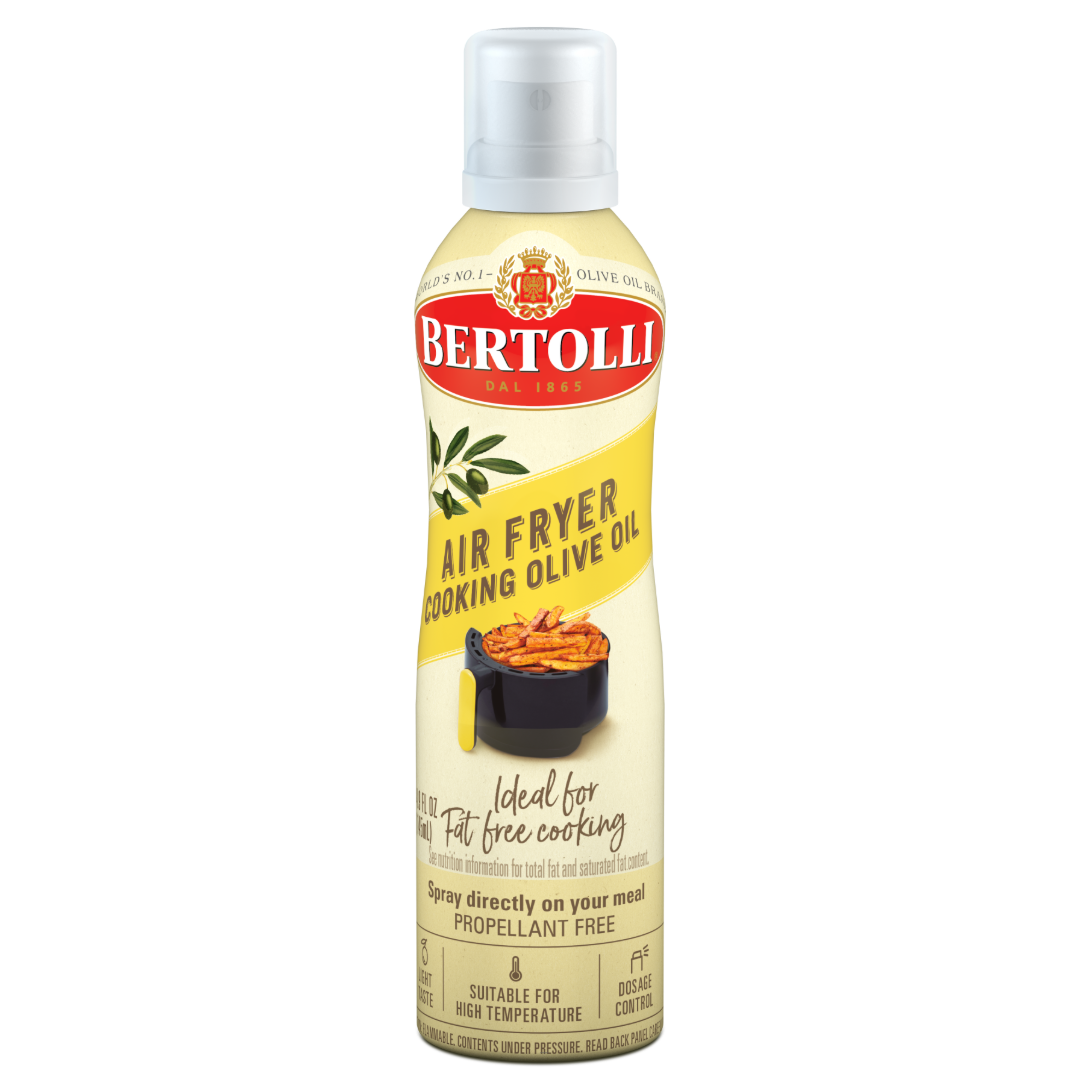
Some aerosol sprays contain propellants or additives that may damage a nonstick coating over time. Manufacturers often advise against using aerosol cooking spray, so check your air fryer manual before using one.
A better option is a refillable oil mister. Fill it with olive oil and apply a very light mist to the food. Some misters work better than others, and thicker olive oil may not spray evenly from every bottle.
You can also use a pastry brush or toss the food in a bowl. These methods give you more control and reduce waste.
Avoid spraying oil directly into a hot air fryer. The mist can drift toward the heating element and ignite in rare cases. Always coat the food before placing it in the basket whenever possible.
This is another reason people ask why no olive oil in air fryer. They may have seen a spray create smoke or damage the basket. The issue may be the spray formula, not olive oil itself.

How Much Olive Oil Should You Use?
The right amount depends on the food. Air-fried food needs a thin film of oil, not a deep coating.
Try these starting amounts:
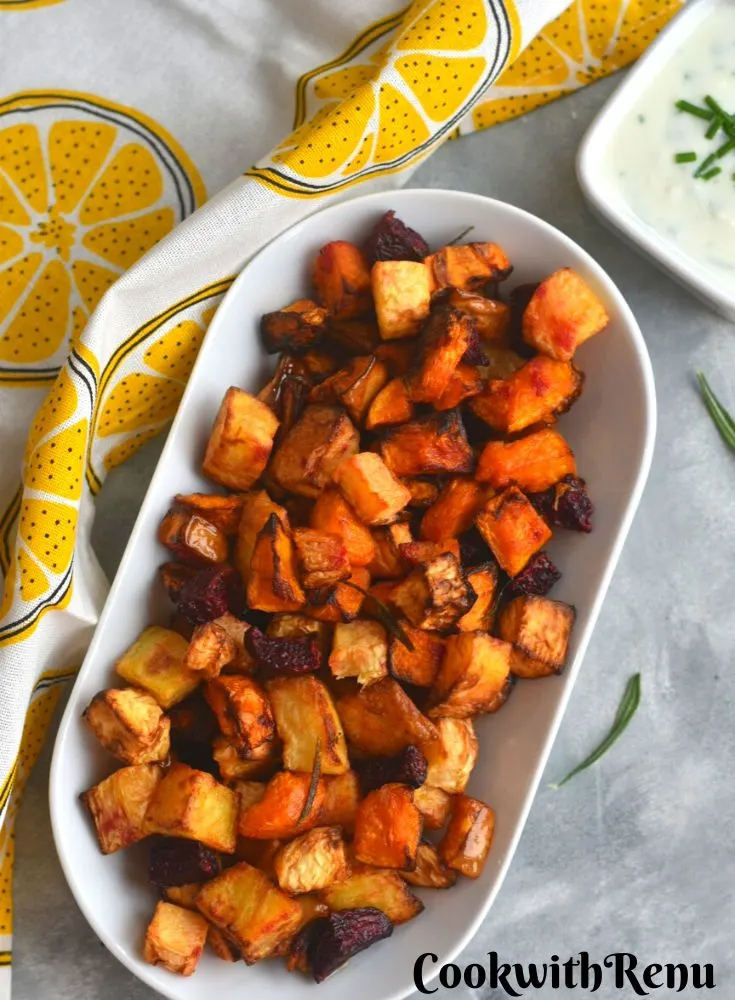
• Vegetables: 1 to 2 teaspoons per pound.
• Fresh potato wedges: 1 to 2 tablespoons per pound.
• Chicken breast: 1 teaspoon for two pieces.
• Fish fillets: ½ to 1 teaspoon for two fillets.
• Homemade breaded foods: A light brush or mist.
• Frozen fries and nuggets: Usually no extra oil.
Place the food in a bowl. Add the oil. Toss until the pieces look lightly coated, then season and cook. If oil gathers at the bottom of the bowl, you have likely used more than needed.
For leafy vegetables, use less oil because their thin leaves can move toward the heating element. Kale chips, for example, need only a very light coating. Shake the basket during cooking to help the food brown evenly.
Why no olive oil in air fryer becomes easier to understand when you compare air frying with pan frying. A skillet may need enough oil to cover the cooking surface. An air fryer only needs enough oil to help heat move across the food surface.
Best Foods to Cook With Olive Oil in an Air Fryer
Olive oil works especially well with foods that benefit from browning and a mild savory flavor.
Good choices include:
• Brussels sprouts.
• Broccoli and cauliflower.
• Sweet potatoes.
• Fresh potato wedges.
• Chicken thighs and chicken breasts.
• Salmon and other firm fish.
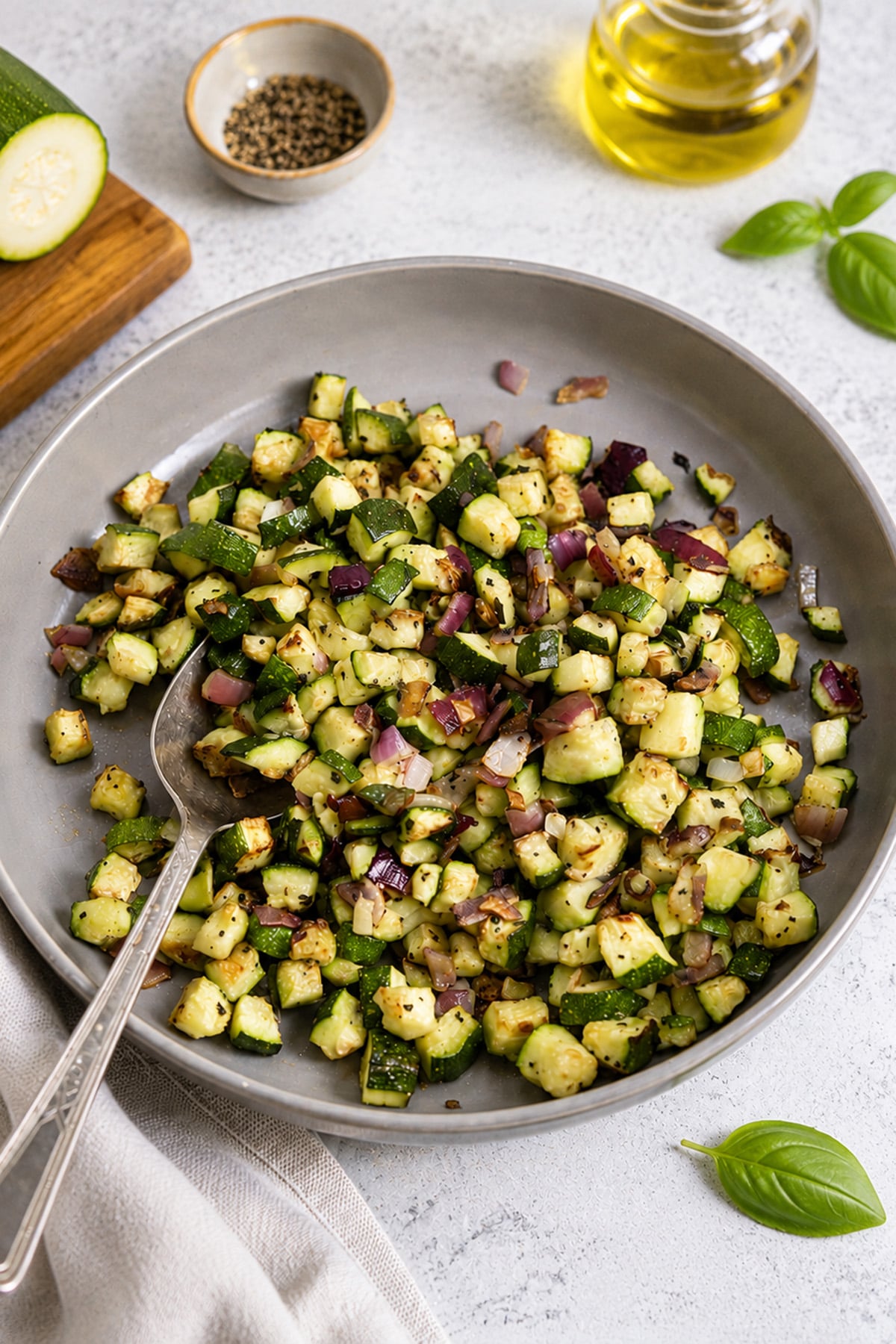
• Zucchini and bell peppers.
• Homemade chickpeas.
• Tofu.
• Breaded vegetables.
Extra-virgin olive oil adds a grassy, fruity flavor. It pairs well with Mediterranean dishes, roasted vegetables, garlic, lemon, rosemary, and oregano.
Use less oil on foods that already contain fat. Chicken wings, sausages, bacon, and frozen appetizers may release enough fat during cooking. Adding more olive oil can lead to smoke and greasy results.
For delicate foods, brush the oil on gently. A heavy pour can break a thin coating or make breadcrumbs slide off. Light oil improves browning, but it cannot fix overcrowding or wet food.

When Should You Avoid Olive Oil?
There are times when another oil may be a better choice. If your recipe calls for a temperature above the smoke point of your olive oil, use a higher-heat oil or lower the air fryer temperature.
You may also avoid olive oil when:
• The food already contains a lot of fat.
• You are cooking at very high heat.
• You want a neutral flavor.
• The recipe needs a delicate oil taste.
• Your air fryer manual warns against oil spray.
Avocado oil, refined canola oil, peanut oil, and refined vegetable oil are common alternatives. Each has its own flavor, smoke point, allergy concerns, and nutrition profile.
Peanut oil is not suitable for people with peanut allergies unless the product and medical guidance clearly support its use. Avocado oil can be useful for higher heat, but product quality varies. Always read the label instead of relying only on a general smoke point chart.
The question why no olive oil in air fryer does not have one answer for every recipe. Food type, temperature, oil quality, and appliance design all matter.
How to Prevent Smoke When Air Frying With Olive Oil
A few simple habits can stop most smoke problems.
-
Use only a thin layer of oil.
-
Coat food in a bowl before cooking.
-
Choose a temperature of 400°F or lower for extra-virgin olive oil when possible.
-
Remove excess fat from meat.
-
Do not overcrowd the basket.
-
Clean grease from the drawer and heating area.
-
Avoid pouring oil into the bottom of the air fryer.
-
Check the food during the first few minutes.
-
Use a lower temperature if smoke appears.
-
Follow the instructions in your air fryer manual.
If fatty food smokes, add a small amount of water to the bottom drawer only if your appliance manual allows it. Do not place water near the heating element, and never use this method as a substitute for cleaning.
A clean air fryer performs better. Old oil residue can smoke even when your fresh olive oil is below its smoke point.
Common Mistakes to Avoid
One common mistake is assuming that more oil means crispier food. In an air fryer, too much oil can block airflow and make food limp.
Another mistake is using wet food. Pat chicken, fish, tofu, and vegetables dry before adding oil. Moisture creates steam, while a dry surface helps the hot air create a crisp crust.
Do not stack food in a thick pile. The air needs space to move around each piece. Cook in batches if needed.
Avoid shaking the basket too aggressively when cooking light foods. The fan and moving basket can lift thin items toward the heating element. Place a rack or trivet over very light foods only if it is approved for your appliance.
Finally, do not ignore the manufacturer’s instructions. Some air fryers have specific rules for oil, parchment paper, foil, and sprays. Those instructions take priority over general cooking advice.
Frequently Asked Questions About Why No Olive Oil in Air Fryer
Can you put olive oil directly in an air fryer?
You should not pour a pool of olive oil into the air fryer drawer. Toss the food with a small amount of oil before cooking, and keep oil away from the heating element.
Is extra-virgin olive oil safe at 400°F in an air fryer?
Extra-virgin olive oil may work at 400°F, but its smoke point varies by product and age. Use a light coating, watch for smoke, and lower the temperature if the oil begins to burn.
Why does my air fryer smoke when I use olive oil?
Smoke may come from too much oil, fatty food, old grease, or a temperature that is too high for the oil. Clean the appliance, reduce the oil, and try cooking at a lower temperature.
Is olive oil better than vegetable oil for air frying?
Neither oil is always better. Olive oil offers a distinct flavor and works well at moderate temperatures, while refined vegetable oils often have a milder taste and may tolerate higher heat.
Can you use olive oil spray in an air fryer?
You can use an oil mister if your appliance manual permits it. Avoid aerosol sprays unless the manufacturer says they are safe, because some formulas may affect nonstick coatings.
Do frozen foods need olive oil in an air fryer?
Most frozen fries, nuggets, and appetizers do not need extra oil. Many are already pre-cooked with oil, so adding more may make them greasy or cause smoke.
How much olive oil should you use for air-fried vegetables?
Start with 1 to 2 teaspoons per pound of vegetables. Toss the vegetables in a bowl so the oil spreads evenly instead of collecting in the basket.
Conclusion
The real answer to why no olive oil in air fryer is simple: olive oil is usually safe, but it must be used lightly and at a suitable temperature. Avoid pouring oil into the basket, choose a gentle cooking temperature, and watch for smoke.
For the best results, dry your food, coat it in a bowl, leave space for airflow, and keep the appliance clean. Try these steps with your next batch of vegetables or potatoes, then share your favorite air fryer tips in the comments.