What Can I Cook In An Air Fryer: Easy Meal Ideas
An air fryer can cook much more than frozen fries. In a U.S. kitchen, you can use it to make chicken, fish, vegetables, potatoes, burgers, meatballs, bacon, toast, reheated pizza, and small baked goods. It works best with foods that benefit from dry heat and a crisp outside.
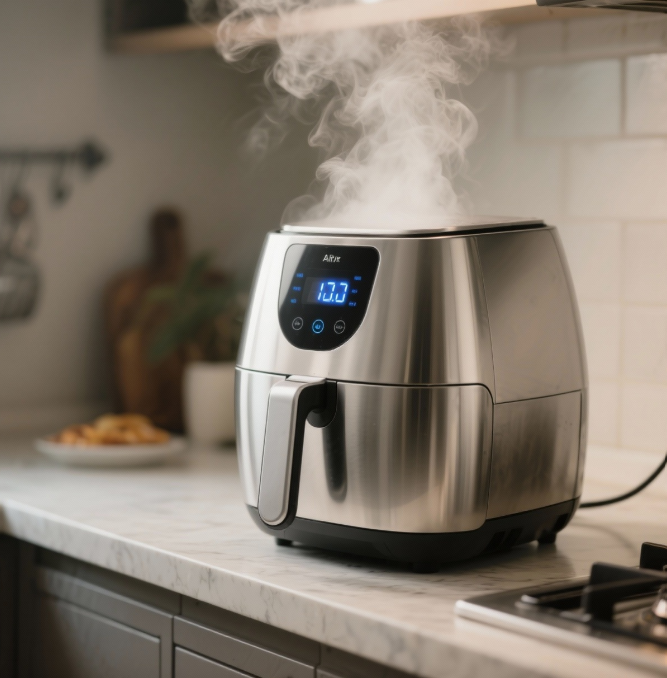
An air fryer is a small countertop convection oven. A heating element warms the air, while a fan moves that hot air around the food. This can brown food quickly with little or no added oil.
For food safety, use a food thermometer rather than color or cooking time alone. The USDA recommends 165°F for poultry and leftovers, 160°F for ground meats, and 145°F with a three-minute rest for whole cuts of beef, pork, veal, and lamb.
Best Foods to Cook in an Air Fryer
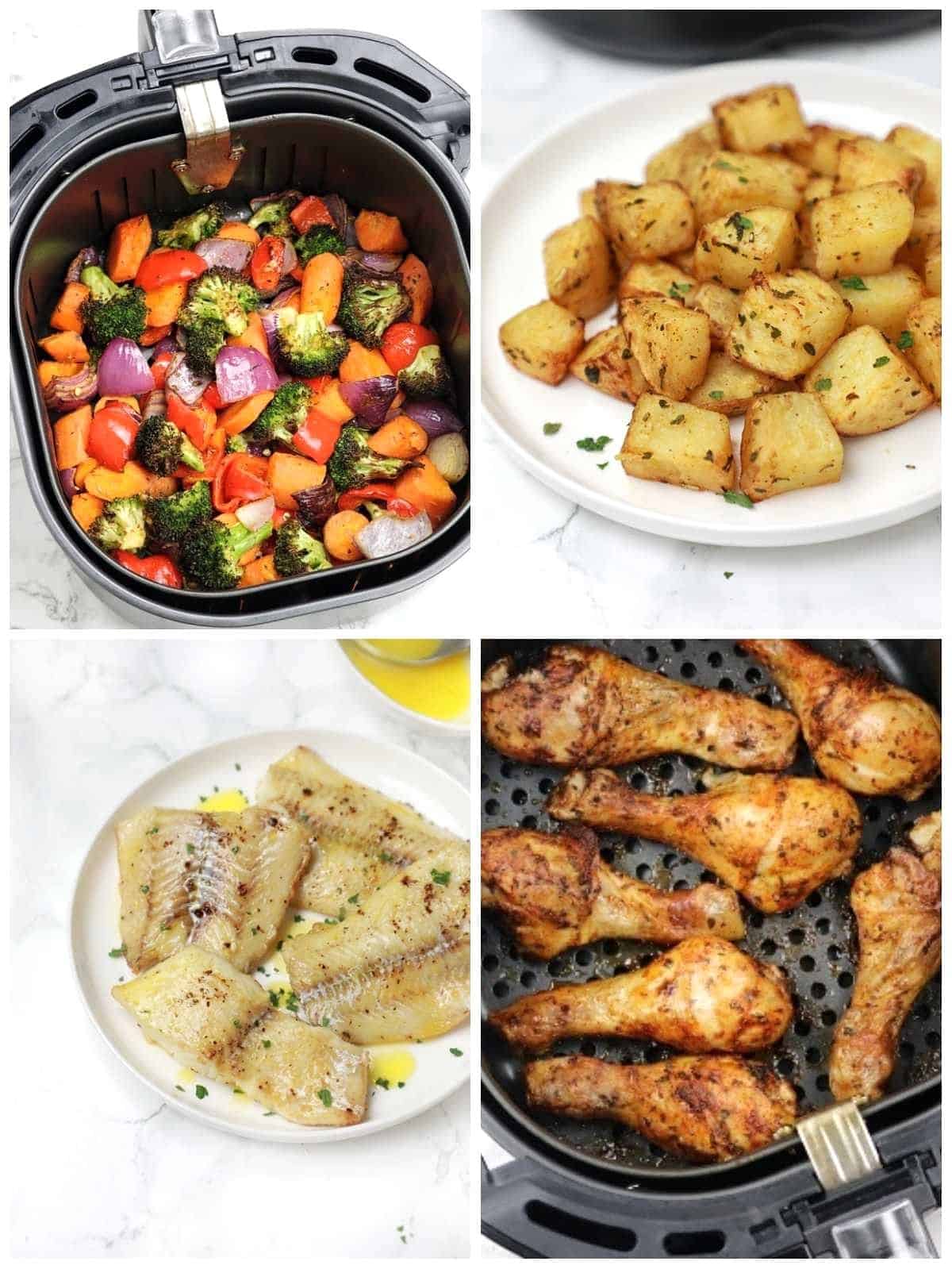
The best air-fryer foods are small, fairly dry, and able to cook in a single layer. Breaded foods, cut vegetables, thin cuts of meat, and frozen convenience foods usually perform well.
Meat and poultry
An air fryer can cook many common proteins:
- Chicken wings
- Chicken tenders
- Boneless chicken breasts
- Chicken thighs
- Drumsticks
- Turkey burgers
- Beef burgers
- Meatballs
- Sausage
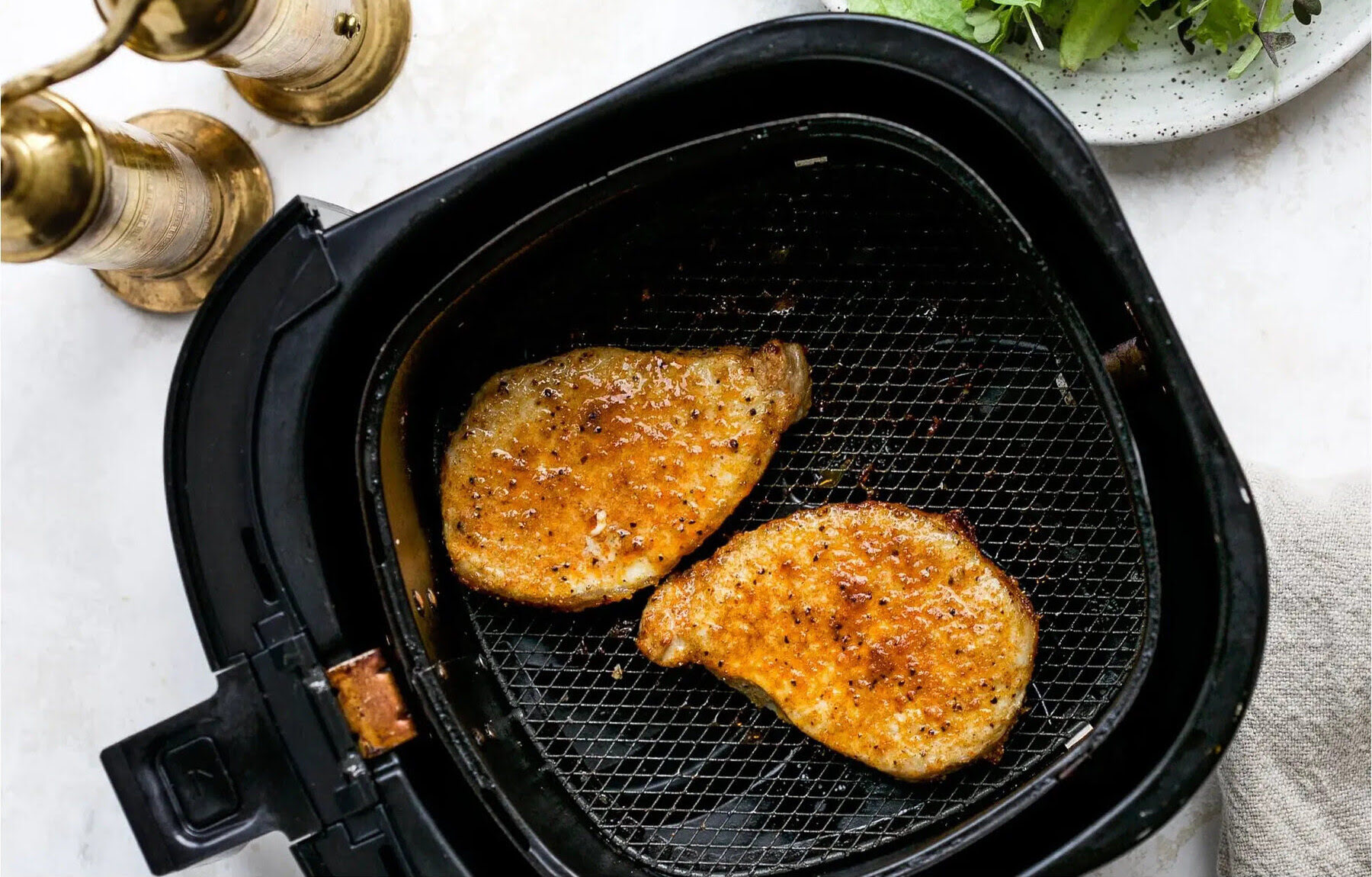
- Pork chops
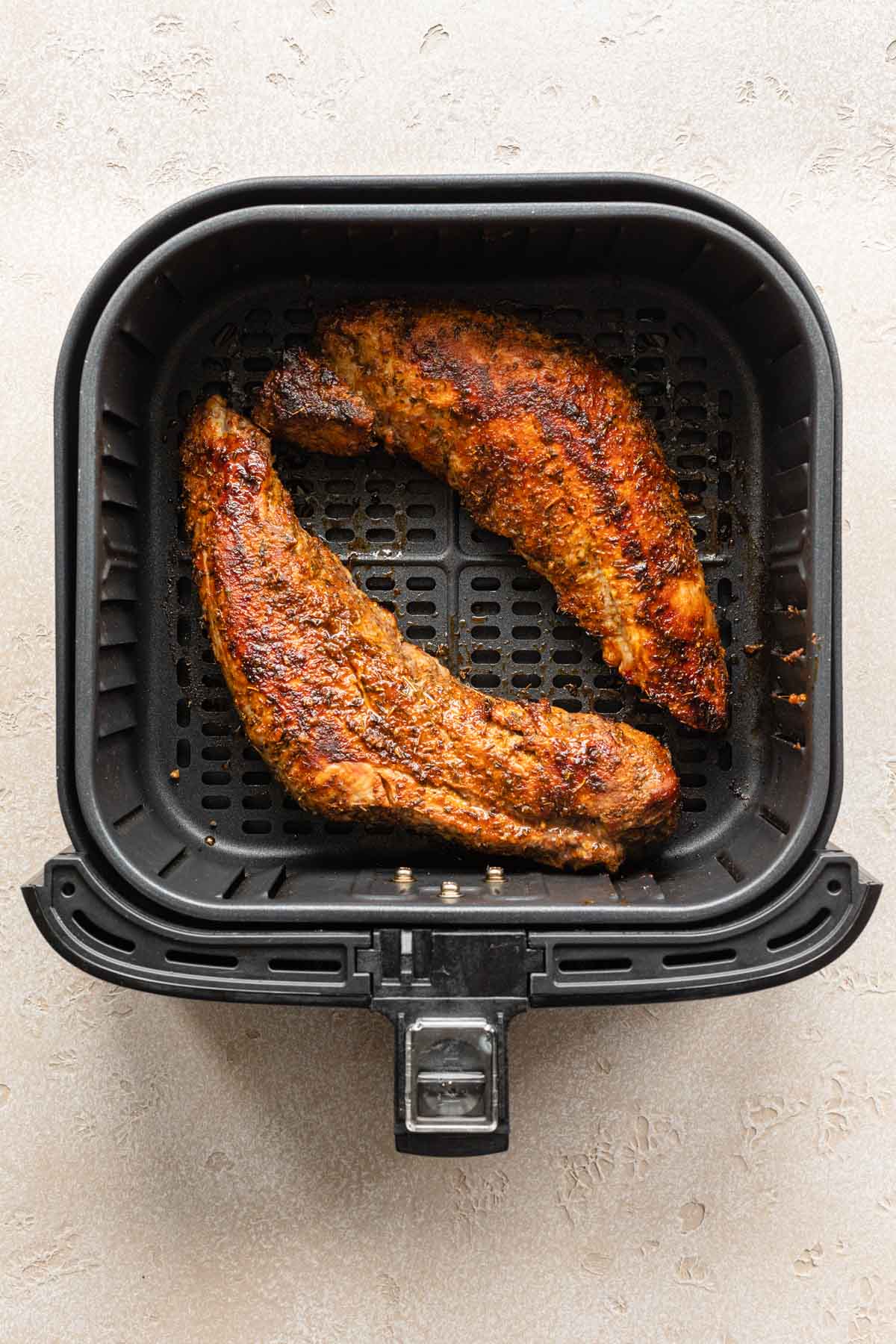
- Pork tenderloin medallions
- Steak
- Bacon
Chicken thighs and wings are often forgiving because they contain more fat than very lean chicken breast. Chicken breast can also work well, but it may dry out if it is too thin, too small, or cooked for too long.
Use a thermometer in the thickest part of the meat. Do not let the probe touch bone. The cooking time will change with the food's thickness, starting temperature, amount, and the model of air fryer.
Fish and seafood
Air fryers are useful for quick seafood meals. Try:
- Salmon fillets
- White fish fillets
- Breaded fish
- Shrimp
- Scallops
- Crab cakes
- Fish sticks
- Coconut shrimp
Delicate fish may stick to the basket. A light coating of oil or a perforated piece of parchment made for air fryers can help. Avoid covering the whole basket with solid parchment because it can block airflow and may move into the heating element.
Vegetables
Air-fried vegetables develop browned edges while staying tender inside. Good choices include:
- Broccoli
- Cauliflower
- Brussels sprouts
- Green beans
- Asparagus
- Zucchini
- Bell peppers
- Mushrooms
- Carrots
- Sweet potatoes
- Corn on the cob
- Butternut squash
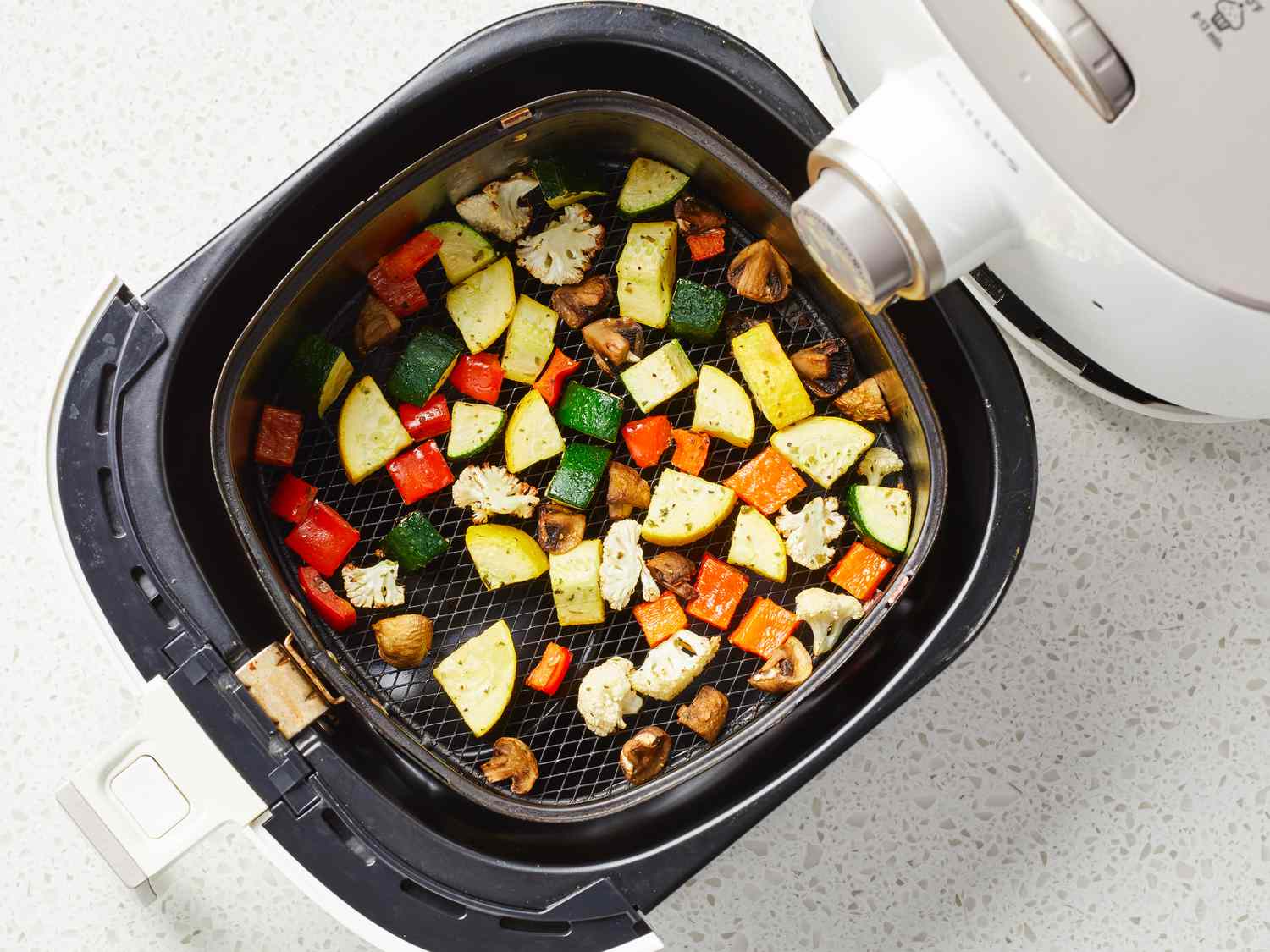
Cut vegetables into similar-size pieces so they cook at the same rate. Vegetables with a high water content, such as zucchini, may soften more than crisp. A light oil coating helps browning, but too much oil can make the food greasy and cause smoke.
Potatoes and other starches
Potatoes are among the most reliable air-fryer foods. You can cook:
- French fries
- Waffle fries
- Tater tots
- Potato wedges
- Hash browns
- Breakfast potatoes
- Baked potatoes
- Sweet potato fries
- Potato skins
- Gnocchi
For fresh fries, rinse or soak the cut potatoes if desired, then dry them well. Wet surfaces slow browning. Do not pack the basket tightly, or the potatoes may steam instead of crisp.
Frozen Foods You Can Make in an Air Fryer
An air fryer is especially convenient for frozen foods because it can heat and brown them at the same time. Many frozen products do not need to thaw first.
Common options include:
- Frozen French fries
- Tater tots
- Hash brown patties
- Chicken nuggets
- Chicken wings
- Mozzarella sticks
- Breaded fish
- Frozen shrimp
- Pizza rolls
- Egg rolls
- Taquitos
- Corn dogs
- Frozen vegetables
- Reheatable appetizers
Start with the package directions, then adjust for your air fryer. Air-fryer models differ in basket size, fan strength, and heat control. A smaller basket may cook faster because the food sits closer to the heating element.
Shake the basket or turn the food partway through cooking when the package suggests it. Use a short final cooking interval to avoid over-browning. Frozen breaded foods can go from crisp to burned quickly.
Frozen food is not always fully cooked. Check the package label. If the food contains raw poultry or meat, confirm that it reaches a safe internal temperature before serving.
Easy Air-Fryer Meals for Breakfast, Lunch, and Dinner
An air fryer can handle small meals without heating a full-size oven. This makes it useful for one or two servings, quick lunches, and weeknight dinners.
Breakfast
You can cook or reheat:
- Bacon
- Sausage links
- Breakfast potatoes
- Hash brown patties
- English muffins
- Toast
- Bagels
- Breakfast burritos
- Egg bites
- Small frittatas
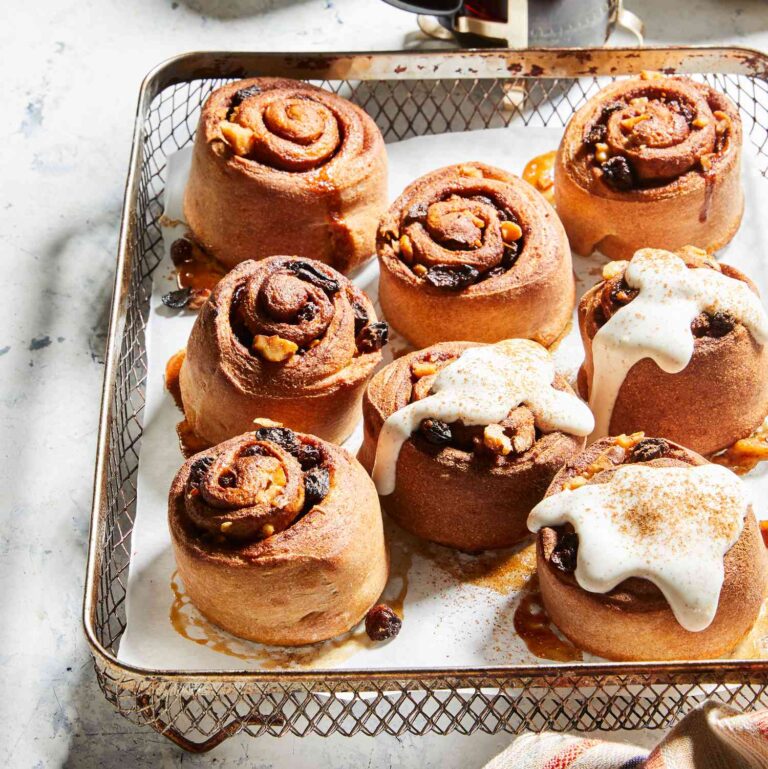
- Cinnamon rolls made for air fryers
Eggs require care because models vary. Eggs can be cooked in a small oven-safe dish, but the dish must allow enough room for the eggs to expand. Follow the cookware maker's heat limit.
Lunch
For lunch, try:
- Grilled cheese
- Quesadillas
- Reheated pizza
- Chicken wraps
- Tuna melts
- Toasted sandwiches
- Baked potatoes
- Crispy chickpeas
- Leftover chicken
- Vegetable fritters
Secure light slices of bread with a toothpick if the fan lifts them. Remove the toothpick before eating. Do not use loose paper towels, plastic, or other materials that are not rated for oven heat.
Dinner
Useful air-fryer dinners include:
- Salmon with vegetables
- Chicken tenders with potato wedges
- Pork chops with green beans
- Turkey burgers
- Meatballs with roasted vegetables
- Shrimp tacos
- Steak bites
- Stuffed peppers
- Sausage and peppers
- Crispy tofu bowls
For a complete meal, cook foods with similar temperature needs together. Add quick-cooking ingredients later if one item would otherwise overcook.

Can You Bake in an Air Fryer?
Yes. An air fryer can bake small portions of foods that fit in an oven-safe pan and have enough room for air to circulate.
You can bake:
- Muffins
- Brownies
- Cookies
- Small cakes
- Banana bread
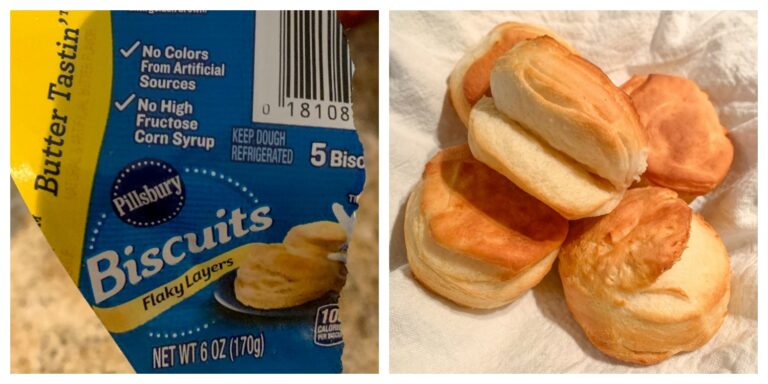
- Biscuits
- Scones
- Hand pies
- Baked apples
- Mini cheesecakes
Use pans made from materials rated for oven use. Leave space between the pan and the basket walls when possible. A pan that fits tightly can restrict airflow and produce uneven results.
Air fryers often brown the top of baked foods quickly. If the outside darkens before the center is done, reduce the temperature and continue cooking. Test the center with a toothpick or thermometer when appropriate.
Do not fill a pan as deeply as you would for a large oven unless the recipe gives air-fryer directions. A deep batter may stay raw in the middle while the top becomes dark.

Foods That Should Not Go in an Air Fryer
An air fryer is not suitable for every food. Avoid foods that are very wet, highly liquid, loose, or likely to drip into the heating system.
Do not place these items directly in the basket:
- Wet batter
- Soup
- Stew
- Loose grains such as uncooked rice
- Large amounts of cheese
- Lightweight leafy greens
- Plastic containers
- Paper products not rated for oven heat
- Food in sealed packaging
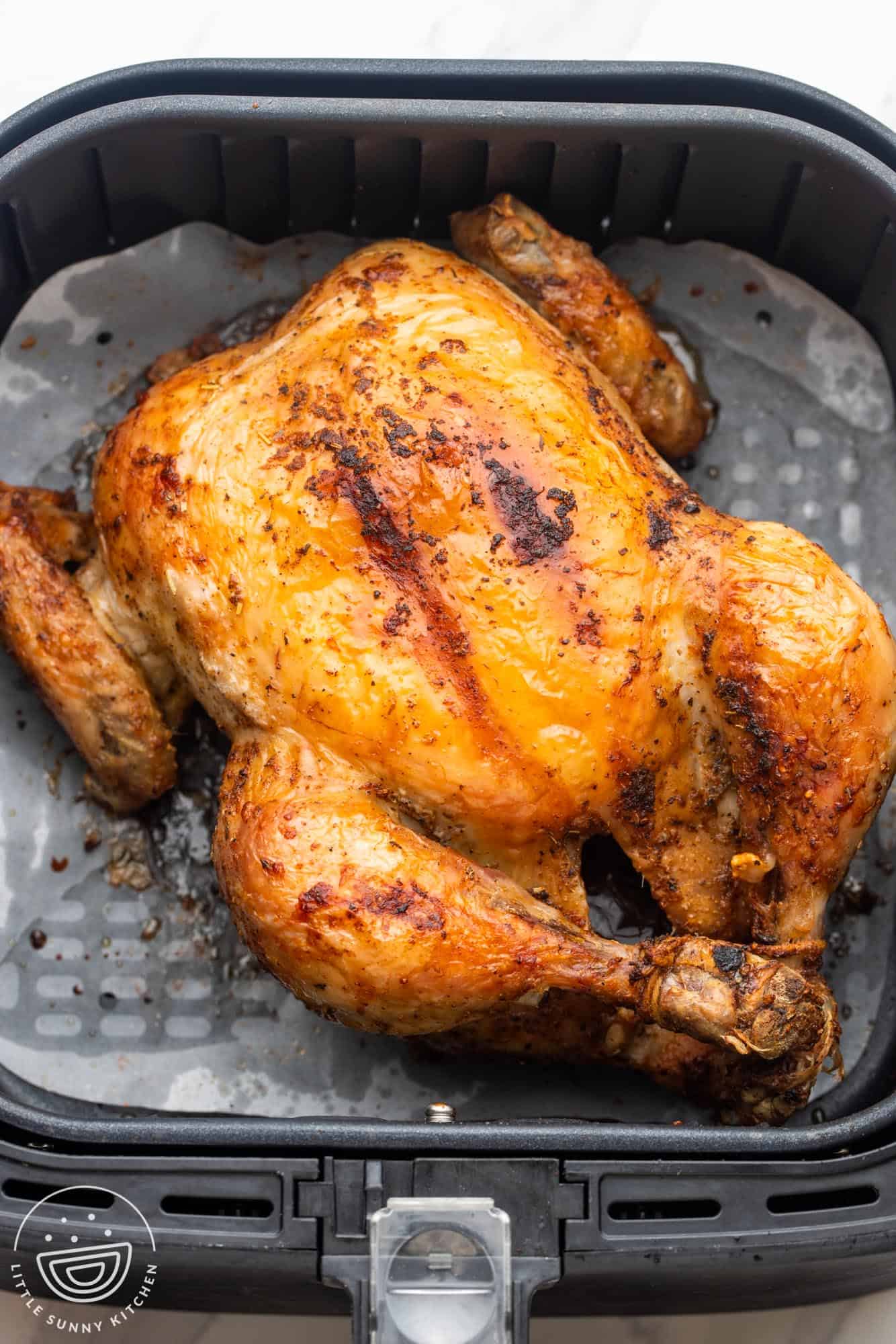
- Large roasts that do not fit safely
Wet batter usually drips through the basket before it sets. Use a solid, oven-safe pan for items such as quiche or cake batter.
Small leafy greens may blow around and touch the heating element. Toss them with enough oil and use a suitable pan, or cook a sturdier vegetable instead.
Never place a sealed container in an air fryer. Heat can build pressure inside it. Also check the appliance manual for limits on foil, parchment, silicone molds, and other accessories.
How to Cook Food Well in an Air Fryer
Good results depend more on airflow and food size than on oil alone.
1. Preheat only when useful
Some recipes benefit from preheating, especially thin foods that need fast browning. Other foods can start in a cold basket without a major problem.
If your manual or recipe calls for preheating, follow it. A preheated basket may shorten the cooking time, so check the food early.
2. Cut food into even pieces
Similar-size pieces finish at about the same time. Cut dense vegetables, potatoes, and chicken into consistent pieces.
Thicker food takes longer to cook through. A thin chicken cutlet may brown before a thick chicken breast reaches a safe temperature.
3. Use a small amount of oil
A light coating can improve browning and help seasonings stick. Use an oil with a smoke point suitable for the cooking temperature.
Do not pour oil into the bottom of the air fryer unless the manual specifically allows it. The food basket is not the same as a deep fryer.
4. Leave room for airflow
Arrange food in a single layer when possible. Some overlap is acceptable for small items that you shake during cooking, but a full basket usually produces less crisp food.
If food is pale, soft, or uneven, the basket may be too crowded.
5. Turn or shake the food
Turn larger pieces halfway through cooking. Shake smaller foods such as fries, vegetables, and nuggets.
Use tongs for delicate foods. Avoid piercing meat repeatedly because this can release juices.
6. Check temperature and texture
Use a thermometer for meat, poultry, seafood, and reheated leftovers. Check crisp foods by texture and color, but do not use appearance as the only safety test.
Let dense foods rest briefly after cooking. The center may continue to heat for a short time.
Air-Fryer Cooking Guide
The table below gives starting points, not guaranteed cooking times. Use the temperature in the recipe or appliance manual when available, and check food early.
| Food | Typical starting temperature | Practical tip |
|---|---|---|
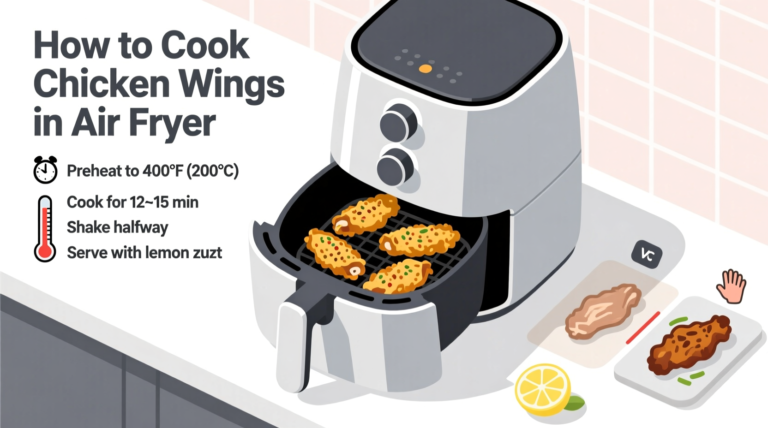
| Chicken wings | 375–400°F | Turn or shake; verify poultry reaches 165°F |
| Chicken breast | 350–375°F | Use similar-size pieces to limit drying |
| Chicken tenders | 375–400°F | Breaded pieces brown quickly |
| Salmon | 375–400°F | Cook skin-side down if using skin-on fillets |
| Shrimp | 375–400°F | Check early because shrimp cook fast |
| Burgers | 375–400°F | Verify ground beef reaches 160°F |
| Pork chops | 375–400°F | Check the thickest part; avoid overcooking |
| Vegetables | 375–400°F | Toss with a small amount of oil |
| Fresh fries | 375–400°F | Dry well and avoid crowding |
| Frozen fries | Package temperature | Shake during cooking |
| Baked potato | 375–400°F | Prick the skin and cook until tender |
| Reheated pizza | 325–375°F | Lower heat helps prevent burnt toppings |
| Muffins or small cakes | 320–350°F | Use an oven-safe pan and check the center |
These ranges are a starting framework, not a substitute for a tested recipe. Air-fryer baskets vary, and food thickness has a major effect on cooking time.
Common Air-Fryer Problems and Fixes
The food is not crispy
The basket may be too full, the food may be wet, or the surface may have too little oil. Dry the food, use a lighter load, and cook in batches.
The outside is burned but the inside is raw
The temperature may be too high, or the food may be too thick. Lower the heat and extend the cooking time. Check the center with a thermometer.
Food sticks to the basket
Delicate foods may need a light oil coating or a suitable perforated liner. Let breaded food set before turning it. Avoid forcing food loose while the coating is still soft.
The air fryer smokes
Excess fat can drip into a hot pan and smoke. Stop the appliance if smoke is heavy, then allow it to cool before cleaning. Remove grease buildup before using it again.
A small amount of smoke from fatty food can happen, but persistent smoke, sparks, damaged cords, or burning plastic requires you to stop using the appliance and follow the manufacturer's safety instructions.
Food cooks unevenly
Check whether the basket is crowded. Turn larger pieces and shake small pieces. If the problem continues, confirm that the basket and air vents are clean and correctly installed.

Air-Fryer Safety and Cleaning
Place the appliance on a stable, heat-safe surface with open space around its vents. Keep it away from water, curtains, and other items that can be damaged by heat.
Use oven mitts when removing the basket. The handle may stay cool while the basket and food remain very hot. Keep children away from the appliance during and shortly after cooking.
Clean the basket and pan after greasy or breaded foods. Unremoved fat and crumbs can smoke during the next use. Follow the manual for dishwasher use because coatings and electrical parts differ by model.
Do not wash the main electrical unit in water. Unplug the appliance before cleaning, and inspect the cord, basket, and coating for damage.
For food safety, refrigerate perishable leftovers promptly in shallow containers. Reheat leftovers until steaming hot throughout and confirm a safe temperature with a thermometer when practical.

Frequently Asked Questions
Can I put raw meat in an air fryer?
Yes. An air fryer can cook raw meat, poultry, and seafood if the food fits safely and reaches the correct internal temperature. Use a food thermometer because cooking time alone is not reliable.
Can I cook frozen chicken in an air fryer?
You can cook some frozen chicken products in an air fryer, but the cooking method depends on whether the product is raw or fully cooked. Read the package directions and verify the center reaches 165°F for poultry.
Do I need to use oil in an air fryer?
No. Many foods cook well without added oil. A small amount can improve browning, crispness, and seasoning adhesion, especially on fresh vegetables and potatoes.
Can I use aluminum foil in an air fryer?
Some manufacturers allow foil, but the rules vary. Check the manual. Never let foil block all airflow, touch the heating element, or sit loose where the fan can move it.
Is an air fryer the same as a deep fryer?
No. An air fryer uses moving hot air and little or no added oil. A deep fryer cooks food in hot oil. Air-fried food may be crisp, but its texture is not identical to deep-fried food.
Conclusion: Start With Foods That Benefit From Airflow
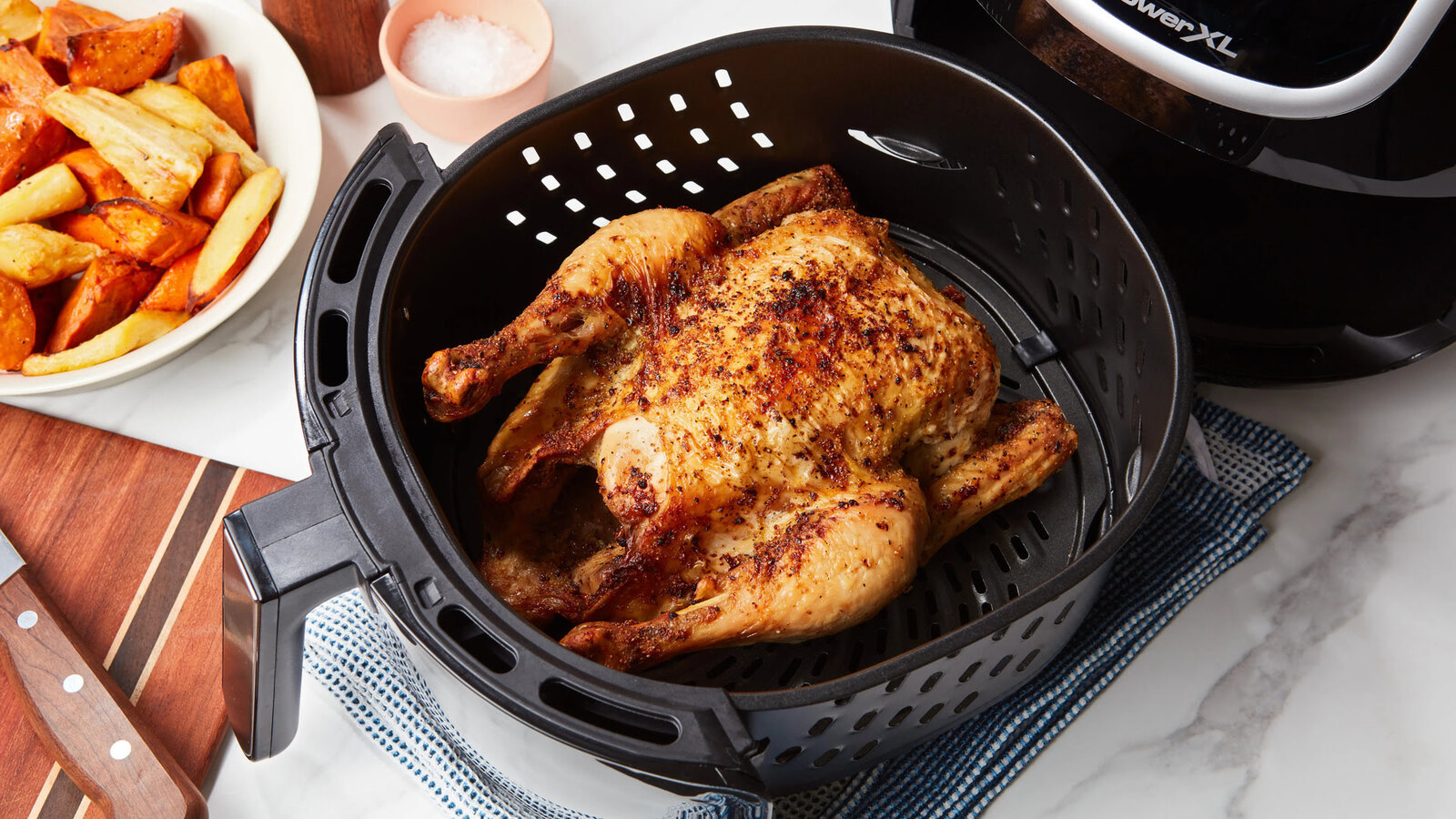
The easiest foods to cook in an air fryer are frozen snacks, chicken wings, fish, vegetables, potatoes, burgers, sausages, and small baked items. Start with a single layer, use a moderate amount of oil, and check the food before the recipe's suggested finish time.
For meat and poultry, trust an instant-read thermometer. For crisp foods, control moisture and avoid crowding. If you follow those basic rules, an air fryer can handle quick breakfasts, lunches, dinners, snacks, and small desserts with less oven use.
A useful next step is to choose one food you already cook often—such as chicken, potatoes, or vegetables—and adjust the time and temperature in small steps until you learn how your model behaves.