What To Make In An Air Fryer: Easy Meal Ideas
For home cooks in the United States, an air fryer can make far more than frozen fries. You can use it to cook chicken, fish, vegetables, potatoes, eggs, snacks, and even small desserts with less oil than deep-frying. The best results come from choosing foods that suit fast, dry heat and leaving enough space for air to move around them.
This guide explains what to make in an air fryer, how to set the time and temperature, how to check that food is done, and which mistakes to avoid. Cooking times are starting points because air fryer size, food thickness, and brand can change the result.
The Best Foods to Make in an Air Fryer
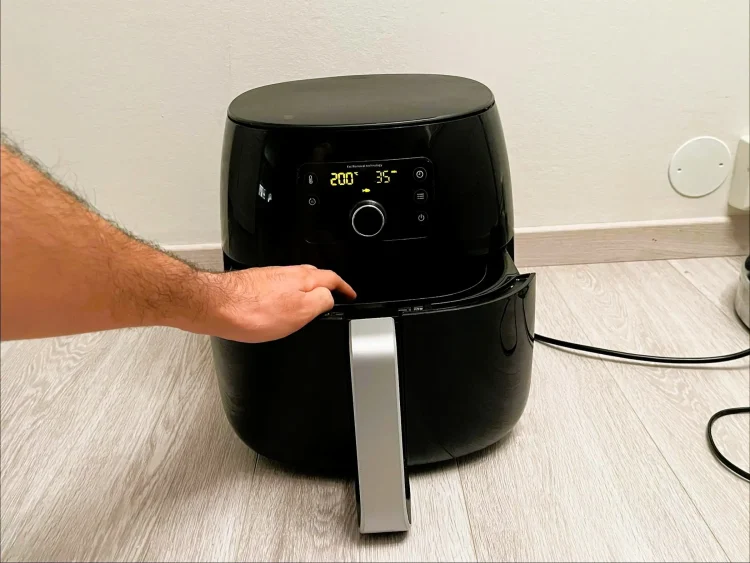
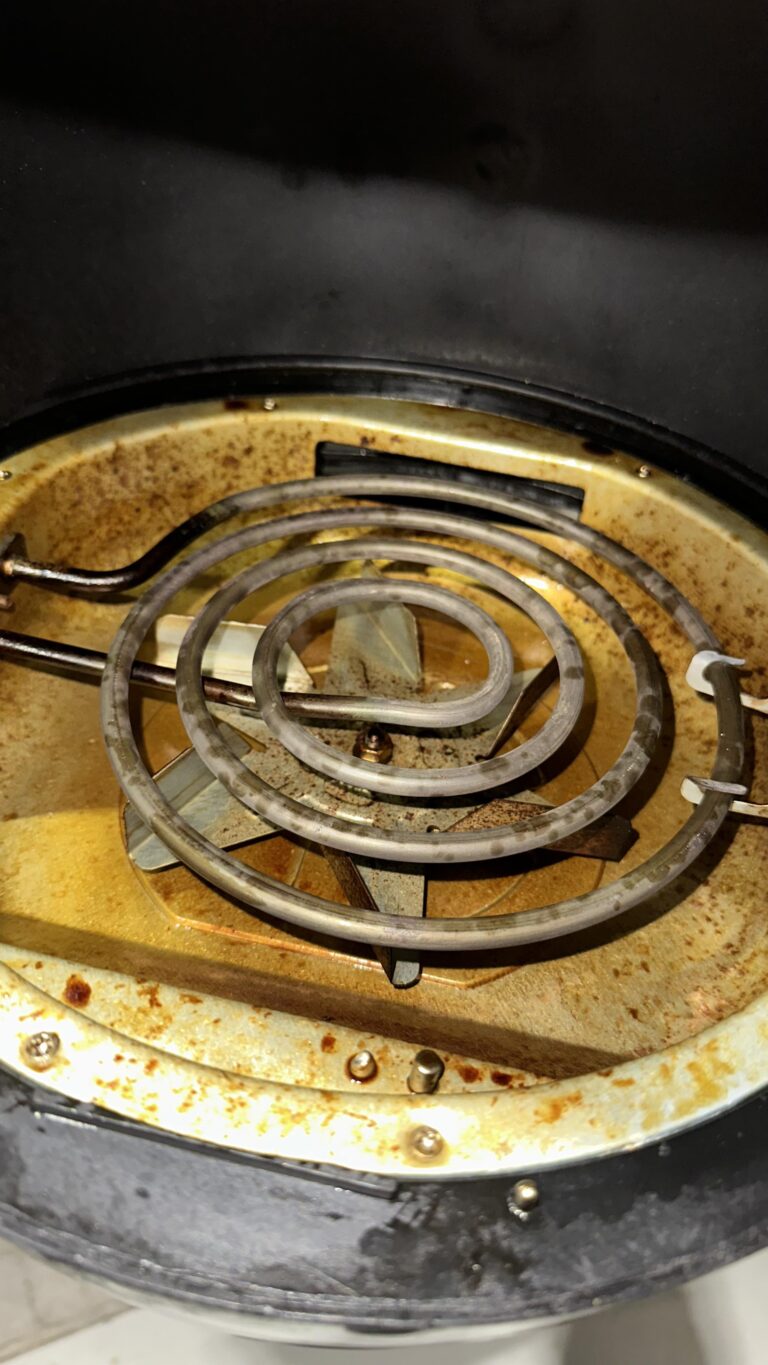
The air fryer works best for food that benefits from crisp edges, quick cooking, or reheating. Its heating element warms the air, while a fan moves that hot air around the food. This helps the outside brown and crisp.
Good choices include:
- French fries and sweet potato fries
- Chicken wings, tenders, and thighs
- Salmon, shrimp, and fish fillets
- Roasted vegetables
- Baked potatoes and potato wedges
- Mozzarella sticks and other frozen snacks
- Grilled cheese and quesadillas
- Bacon and breakfast potatoes
- Hard-boiled-style eggs
- Small cookies, muffins, and hand pies
- Leftover pizza, fried chicken, and roasted meat
Foods with a wet batter, such as traditional beer-battered fish, are less suitable. The batter may drip through the basket before it becomes crisp. Use a dry coating or a thicker breading instead.
Quick Air Fryer Cooking Chart
Use this chart for common foods. Check your appliance manual and the food package when they give different directions.
| Food | Temperature | Approximate time | How to check |
|---|---|---|---|
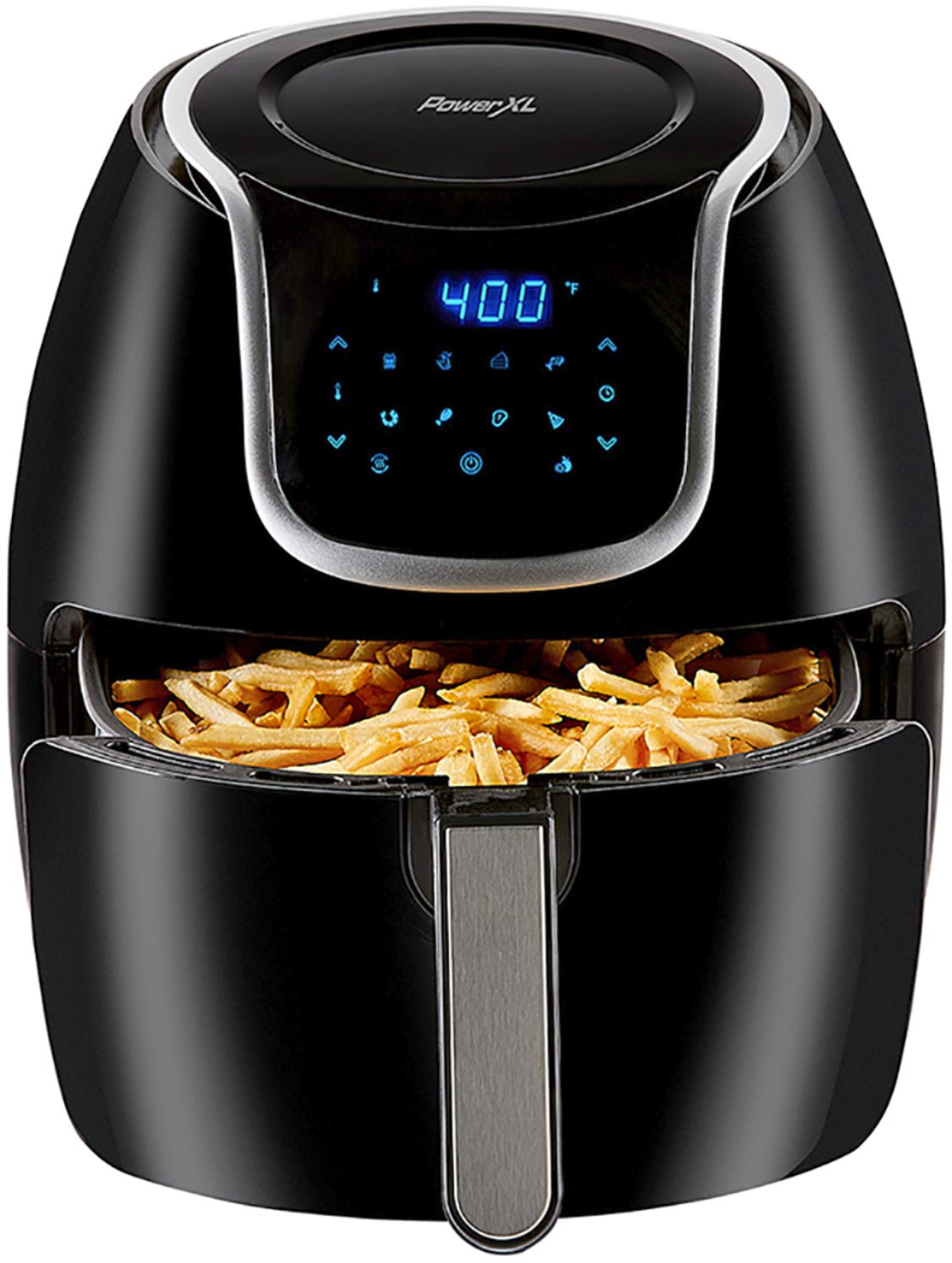
| Frozen French fries | 400°F | 12–20 minutes | Shake often; look for crisp edges |
| Fresh potato wedges | 400°F | 18–25 minutes | Fork-tender inside |
| Chicken wings | 380°F | 22–30 minutes | At least 165°F inside |
| Chicken tenders | 375°F | 12–18 minutes | At least 165°F inside |
| Salmon fillet | 380°F | 8–12 minutes | Flakes easily; 145°F for safety |
| Shrimp | 400°F | 5–8 minutes | Opaque and firm |
| Broccoli florets | 375°F | 8–12 minutes | Tender with browned tips |
| Brussels sprouts | 375°F | 12–18 minutes | Tender center and browned leaves |
| Bacon | 350°F | 7–10 minutes | Cooked to your preferred crispness |
| Reheated pizza | 350°F | 3–5 minutes | Hot center and crisp crust |
| Baked potato | 400°F | 35–50 minutes | A knife slides into the center |
| Frozen mozzarella sticks | 375°F | 6–9 minutes | Hot, but remove before cheese leaks |
Times vary with food size, starting temperature, basket design, and how full the basket is. Begin checking early when trying a food for the first time.

Easy Air Fryer Meals for Lunch and Dinner
An air fryer can handle a full meal, but different foods may need different cooking times. Cook the item that takes the longest first, then add quicker foods later. This helps prevent vegetables or seafood from overcooking while thick chicken finishes.
Air Fryer Chicken
Chicken is one of the most useful foods to make in an air fryer. Pat the chicken dry, add a small amount of oil, and season it before cooking.
Try these options:
- Chicken wings: Cook at about 380°F until crisp and the thickest part reaches 165°F. For extra browning, raise the heat to 400°F for the last few minutes.
- Boneless chicken breasts: Use pieces of similar thickness. Cook at 375°F and check the center with a food thermometer.
- Chicken thighs: Bone-in thighs often need about 25–35 minutes at 375°F, depending on size. The meat is safe at 165°F, but dark meat may become more tender at a higher final temperature.
- Chicken tenders: Breaded tenders usually cook quickly at 375°F. Turn them halfway through if the top browns faster than the bottom.
The USDA lists 165°F as the safe minimum internal temperature for poultry. Measure the thickest part without touching bone.
Air Fryer Fish and Seafood
Fish cooks quickly, so check it early. Brush a fillet with oil, add seasoning, and place it in a single layer.
Good choices include:
- Salmon
- Cod
- Tilapia
- Trout
- Shrimp
- Scallops
- Breaded fish fillets
The FDA Food Code and USDA guidance commonly use 145°F as the safe internal temperature for fish. Shrimp should turn opaque and firm. Avoid stacking seafood, since trapped moisture can prevent browning.
Air Fryer Vegetables
Dry vegetables well before cooking. Excess water creates steam and slows browning.
Vegetables that work well include:
- Broccoli
- Cauliflower
- Brussels sprouts
- Green beans
- Asparagus
- Bell peppers
- Zucchini
- Carrots
- Corn on the cob
- Mushrooms
Cut vegetables into similar pieces. Toss them with a light coating of oil and seasonings. Dense vegetables, such as carrots and potatoes, may need more time than zucchini or mushrooms.
Air Fryer Quesadillas and Grilled Cheese
A quesadilla takes only a few minutes at about 350°F to 375°F. Use enough filling to hold the tortilla flat, but do not overfill it. A light, heat-safe rack or trivet can help keep the top tortilla from lifting into the heating element.
For grilled cheese, butter the outside of the bread lightly. Secure the top slice if needed, and check it often because bread can brown quickly.

Air Fryer Breakfast Ideas
The air fryer can simplify breakfast when you want crisp food without using a skillet.
Bacon
Place bacon in a single layer and cook at about 350°F. Thin bacon may finish in seven minutes, while thick-cut bacon may need longer. Drain the grease carefully after cooking and let the basket cool before cleaning.
Do not fill the basket so tightly that bacon overlaps heavily. Crowding can make it cook unevenly.
Breakfast Potatoes
Cut potatoes into small cubes. Toss them with oil, salt, pepper, and seasonings such as paprika or garlic powder. Cook at 400°F for about 15–22 minutes, shaking the basket every five minutes.
For softer centers, microwave the cut potatoes for a few minutes before air frying. Dry them well before adding oil. This shortens the air fryer time but is not required.
Eggs
Some air fryers can cook eggs in the shell. A starting point is about 250°F to 275°F for 13–17 minutes, followed by an ice bath. Results vary widely, so test one egg before cooking a full batch.
You can also make baked eggs in a small oven-safe ramekin. Add the egg and other ingredients, then cook at about 325°F until the white is set and the yolk reaches the texture you want.
Never place loose liquid egg directly in a basket with large holes.
Breakfast Sausage
Small sausage links or patties can cook well at about 375°F. Turn them partway through and check that the center reaches the safe temperature listed on the package or by USDA guidance. Raw ground meats should be handled separately from ready-to-eat foods.
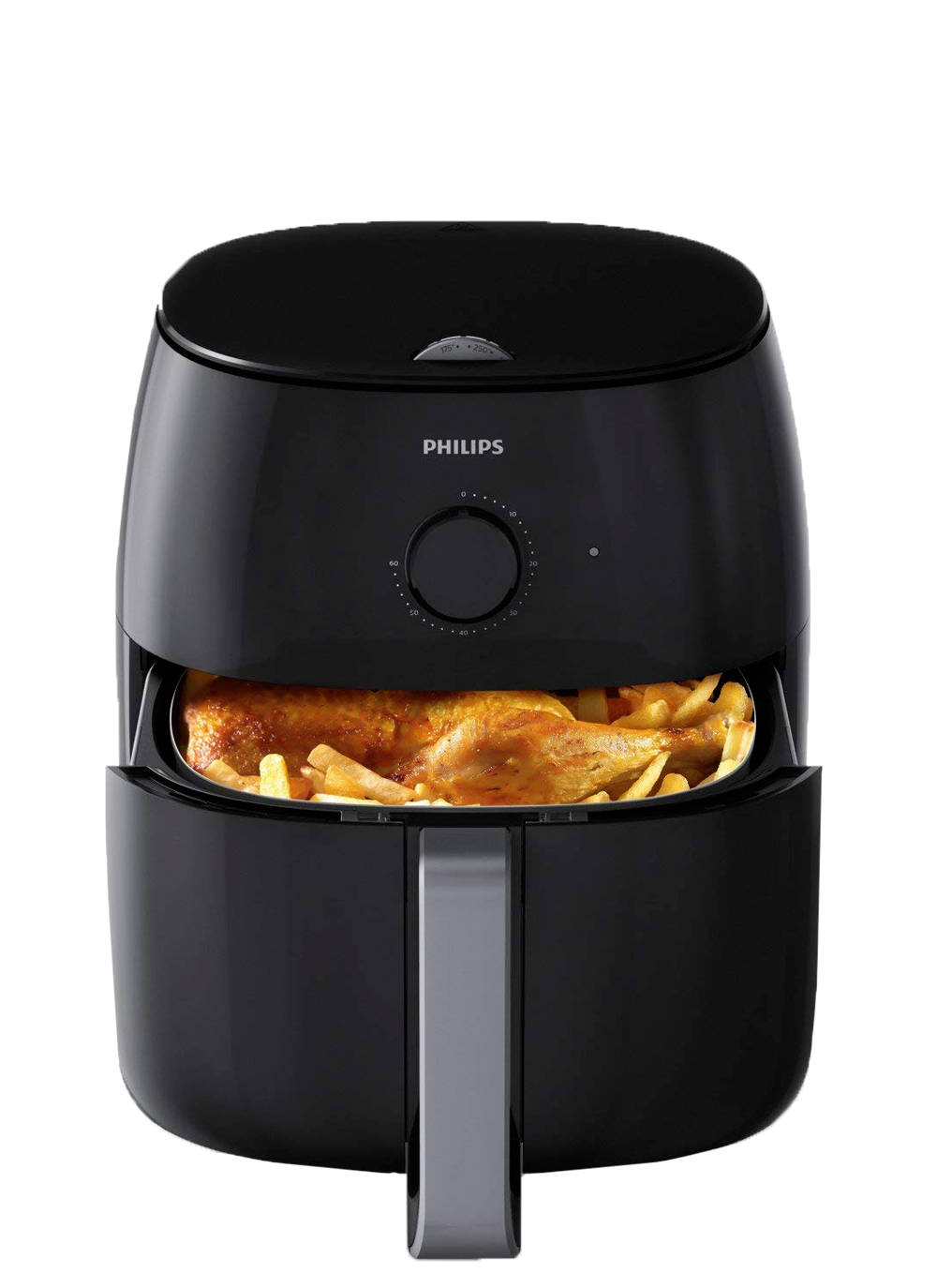
Crispy Snacks and Frozen Foods
Frozen foods are often the easiest place to start because they already contain oil and are designed for high-heat cooking. You usually do not need to thaw them first.
Try:
- Tater tots
- Hash brown patties
- French fries
- Onion rings
- Chicken nuggets
- Pizza rolls
- Egg rolls
- Mozzarella sticks
- Breaded mushrooms
- Frozen fish fillets
- Soft pretzels
- Taquitos
Preheat only if your appliance manual or the package instructions recommend it. Many air fryers heat quickly, and some recipes do not need a separate preheat step.
Shake small foods once or twice during cooking. This improves contact with the hot air and helps prevent some pieces from becoming pale while others burn. Keep a close eye on foods with cheese or thin breading because they can split or leak.
Do not assume that an air fryer makes every frozen product healthier. Some frozen snacks are high in sodium, saturated fat, or refined starch. The appliance changes the cooking method, not the nutrition of the food itself.

Air Fryer Vegetables and Side Dishes
Air-fried vegetables develop browned edges while staying fairly quick to prepare. The key is to use a modest amount of oil and avoid crowding.
Simple Seasoning Formula
For about four cups of cut vegetables, start with:
- 1 to 2 teaspoons of oil
- Salt to taste
- Black pepper
- One optional seasoning, such as smoked paprika, Italian seasoning, chili powder, or garlic powder
Toss the vegetables until coated, then cook in a single layer when possible.
Best Vegetables for Beginners
Broccoli, Brussels sprouts, green beans, and cauliflower are forgiving choices. They brown well and do not require exact timing.
Leafy greens can work, but light leaves may blow around the basket. Use a lower temperature and check often. Avoid adding loose parchment or foil that could lift into the heating element.
Air Fryer Corn on the Cob
Brush corn lightly with oil and cook at about ื? 380°F for 10–15 minutes. Turn it once or twice. The kernels should be tender with some brown spots.
Air Fryer Baked Potatoes
Scrub and dry the potatoes. Pierce the skin several times, rub lightly with oil if desired, and cook at 400°F for about 35–50 minutes. The exact time depends on the potato's size.
A baked potato is ready when a knife or fork slides easily into the center. Cut into the thickest potato to check.

Air Fryer Desserts
Small desserts can work well because the air fryer acts like a compact convection oven. Use a pan or ramekin that fits without blocking all air movement.
Good choices include:
- Chocolate chip cookies
- Brownies
- Apple slices with cinnamon
- Mini cakes
- Hand pies
- Donuts made from biscuit dough
- Cinnamon rolls
- Baked bananas
- Fruit crisps
Reduce the batch size rather than trying to bake a full oven recipe at once. Start checking five minutes before the recipe's suggested finish time.
For cookies, leave space between portions. For cakes or brownies, use a pan that leaves room around the sides. The center may need more time than the edges, so test with a toothpick or thermometer when appropriate.
Do not use glass, ceramic, silicone, or metal cookware unless it is labeled oven-safe and fits securely. Check the air fryer manual for maximum pan size and material limits.
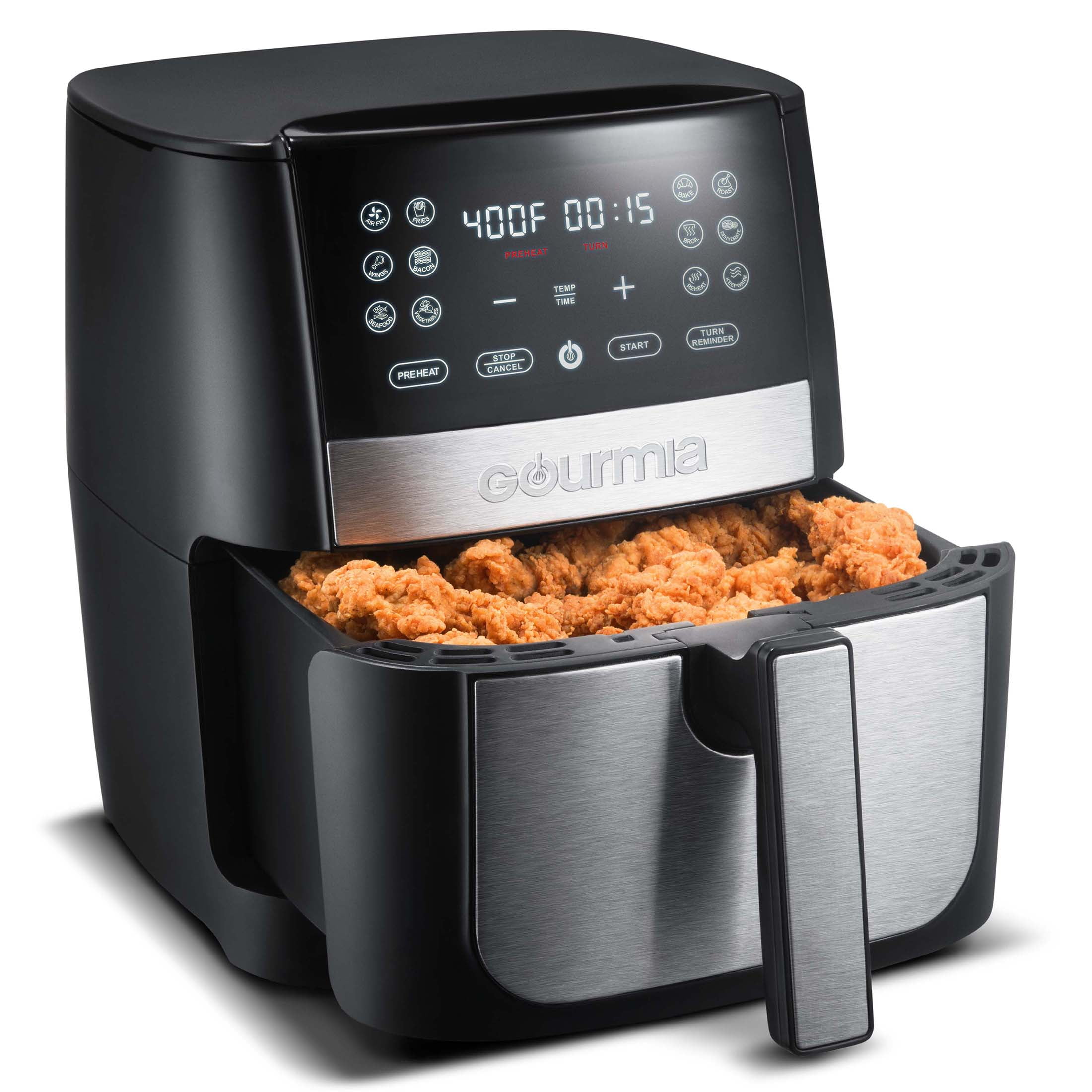
How to Get Better Air Fryer Results
Small changes can make a large difference.
Preheat When It Helps
Preheating can improve browning for foods that cook quickly, such as chicken tenders, fish, and frozen snacks. It is less useful when cooking a long recipe, such as a large baked potato.
If the appliance has a preheat setting, follow its instructions. Otherwise, running it empty for three to five minutes is a common starting point, but always keep the basket in place and follow the manual.
Do Not Crowd the Basket
Food needs space for hot air to move around it. A crowded basket can produce soft, pale food even when the outside seems cooked.
Use a second batch when needed. For some foods, a shallow layer is better than a deep pile.
Use Oil Carefully
An air fryer does not require much oil. A light coating helps seasoning stick and can improve browning. Too much oil may smoke, drip into the pan, or make breading greasy.
Do not spray aerosol cooking spray directly into a nonstick basket unless the manufacturer says it is safe. Some propellants may damage certain coatings. Use a refillable oil mister or brush if your manual allows it.
Turn or Shake at the Right Time
Shake small foods, such as fries and vegetables, halfway through. Turn larger pieces, such as fish or chicken, only when the food is firm enough to move without tearing.
Some foods do not need turning. If the heating element is mainly above the food, turning may help the underside brown.
Use a Thermometer for Meat
Color is not a reliable safety test. A quick-read food thermometer is the best way to check meat and poultry.
USDA minimum internal temperatures include:
- Poultry: 165°F
- Ground meats: 160°F
- Whole cuts of beef, pork, lamb, and veal: 145°F, followed by a three-minute rest
- Fish: 145°F
Insert the thermometer into the thickest part. For thin foods, insert it from the side so the probe reaches the center.

Air Fryer Mistakes to Avoid
The most common errors are easy to fix.
Setting the Temperature Too High
High heat can burn breading while leaving thick food undercooked. Use a lower temperature for thick chicken, large vegetables, and foods with sugary sauces.
Adding Sauce Too Early
Barbecue sauce, honey, and sweet marinades can burn. Cook the food first, then add sauce during the final few minutes or after cooking.
Using Wet Batter
Thin batter may drip through the basket. Choose a flour, egg, and breadcrumb coating, or use a product made for air frying.
Forgetting to Dry Food
Wet vegetables and washed potatoes need to be dried before oil and seasoning are added. Dry surfaces brown better.
Opening the Basket Too Often
Each opening releases heat. Check food when needed, but avoid repeated peeking during short recipes.
Ignoring the Drip Pan
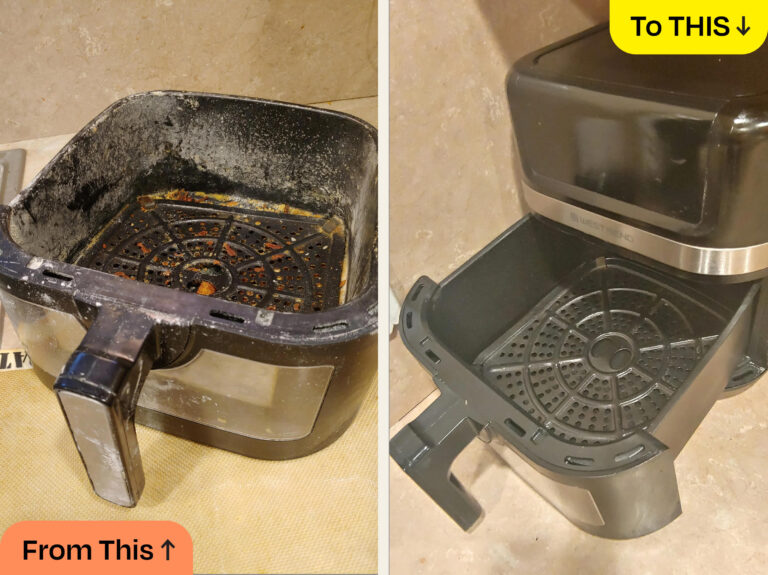
Grease and crumbs can smoke during later cooking. Let the air fryer cool, then clean the basket and pan after each use or as the manual directs.
Treating Every Air Fryer as the Same
A small basket model may cook faster than a large oven-style model. Wattage, fan design, food depth, and preheat behavior all matter. Use published times as guides, then adjust after checking the food.

Air Fryer Safety and Cleaning
Place the air fryer on a stable, heat-resistant surface with open space around its vents. Do not use it beneath cabinets if the manual warns against it. Keep the cord away from hot surfaces.
Never leave the appliance unattended when cooking greasy food. Bacon, fatty sausage, and heavily oiled items may create smoke. If oil catches fire, turn off and unplug the appliance if it is safe to do so, and keep the basket closed. Never pour water on a grease fire. Call 911 if the fire does not stop quickly or spreads.
Wash the removable basket and pan according to the manufacturer's instructions. Many parts are dishwasher-safe, but that feature varies by model. Avoid abrasive tools that can damage a nonstick surface.
For parchment paper, use only products labeled for the intended temperature. Place parchment under food so the food holds it down. Never put loose paper in an empty, running air fryer.

Frequently Asked Questions
Can you put aluminum foil in an air fryer?
Often, but only when the appliance manual permits it. Keep foil away from the heating element and do not cover the entire basket, since blocked airflow can affect cooking. Food should hold the foil in place.
Do you need to preheat an air fryer?
Not always. Preheating may help with quick foods that need browning, but many recipes can start in a cold basket. Follow the recipe and the manufacturer's instructions.
Can you cook raw meat in an air fryer?
Yes. Chicken, beef, pork, and fish can be cooked from raw when the basket, temperature, and time are suitable. Use a food thermometer to verify the safe internal temperature.
What should you not cook in an air fryer?
Avoid loose lightweight items, very wet batter, large amounts of liquid, and anything that can block the heating element or vents. Check the manual before using cookware, parchment, or foil.
How do you stop food from sticking?
Dry the food, use a light oil coating when suitable, avoid moving delicate food too early, and clean the basket after use. A liner can help, but it may reduce airflow and browning.
Conclusion
The best foods to make in an air fryer are foods that benefit from dry, circulating heat. Start with frozen snacks, chicken, vegetables, potatoes, fish, and reheated leftovers. Cook in a single layer, check food early, and use a thermometer for meat.
For your next meal, choose one protein, one vegetable, and one quick side. Set a moderate temperature, leave room around the food, and adjust the time based on what you see and measure.