What To Cook In An Air Fryer Basket: Easy Ideas
An air fryer basket can cook much more than french fries. In a U.S. kitchen, you can use it for chicken, fish, vegetables, potatoes, frozen snacks, breakfast foods, and even small desserts. The best foods are fairly dry, fit in a single layer, and benefit from hot air moving around them.
For the best results, preheat when your model calls for it, avoid crowding the basket, shake or turn food during cooking, and check the center with a food thermometer when needed.

How an Air Fryer Basket Works
An air fryer basket holds food under a strong stream of hot air. The air moves around the food and helps dry the surface. This creates browning and crisp edges with less oil than deep frying.
An air fryer is not a true fryer. It works more like a small, fast convection oven. The basket helps air reach the bottom and sides of the food.
Most air fryer baskets work best when you:
- Keep food in one even layer.
- Leave small gaps between pieces.
- Use a light coat of oil when food needs help browning.
- Shake small foods halfway through cooking.
- Turn larger foods with tongs.
- Cook in batches when the basket looks full.
A full basket blocks airflow. This can lead to soft vegetables, pale fries, and unevenly cooked meat.
Basket, tray, and rack differences
Some air fryers have a perforated basket. Others use a flat crisper tray inside a drawer. Both designs let hot air reach the food, but cooking times may differ.
A basket with large holes may cook small foods faster. A flat tray may hold more surface area but can allow less air under thick foods. Always treat the cooking time as a guide, not a guarantee.

The Best Foods to Cook in an Air Fryer Basket
The best air fryer foods are small, fairly dry, and easy to spread out. These foods cook well because hot air can reach most of their surface.
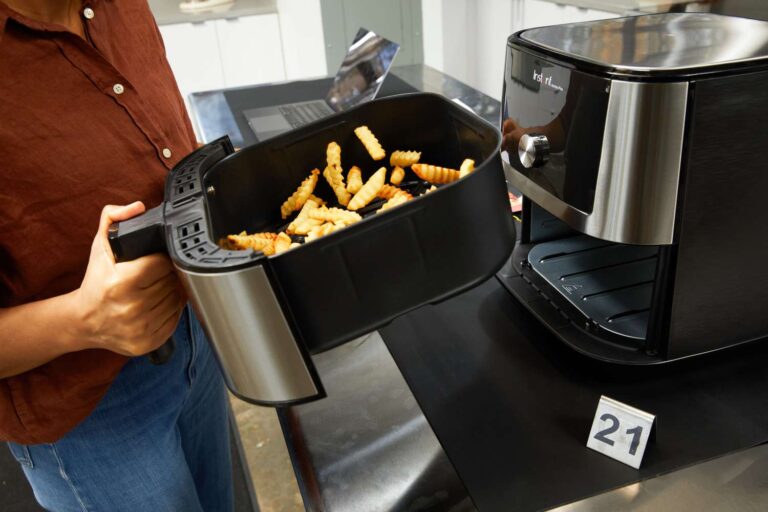
1. French fries and potato wedges
Air fryers cook both frozen fries and homemade potato wedges well.
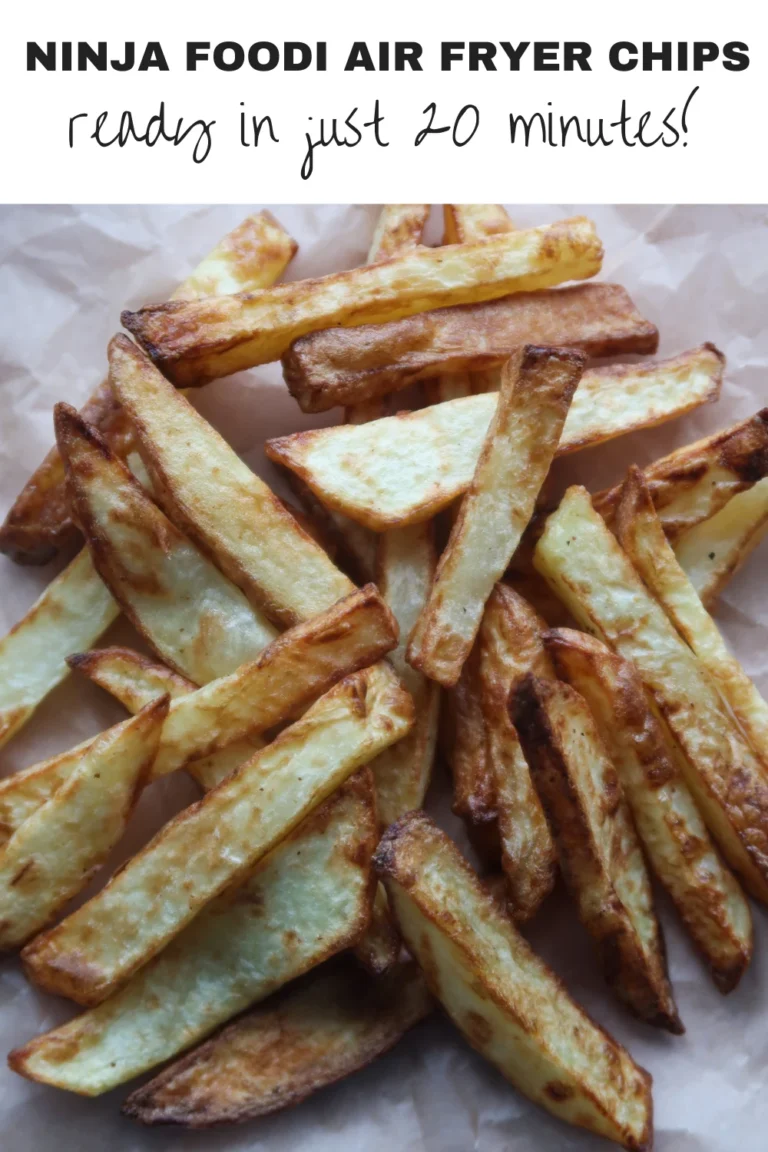
For homemade wedges:
- Cut russet potatoes into even wedges.
- Rinse or soak them if you want to remove some surface starch.
- Dry them very well.
- Toss with a small amount of oil and seasonings.
- Cook at about 380°F to 400°F.
- Shake the basket one or two times.
Frozen fries often need no extra oil. Follow the package directions first, then add time if the fries are not crisp.
2. Tater tots and hash browns
Frozen tater tots, hash brown patties, and potato rounds are simple air fryer foods. Cook them in a single layer when possible.
Turn hash brown patties halfway through cooking. Shake tater tots so they brown on more than one side.
3. Chicken wings
Chicken wings are a strong match for an air fryer basket. The moving air helps dry the skin and brown it.
Pat the wings dry before seasoning. Cook them at about 380°F to 400°F until the skin is crisp and the thickest part reaches 165°F.
Do not rely on color alone. The U.S. Department of agriculture recommends checking poultry with a food thermometer.
4. Chicken tenders and nuggets
Breaded chicken tenders and frozen nuggets cook quickly in an air fryer. Arrange them with space between each piece.
Turn larger tenders halfway through cooking. Frozen products may already contain oil, so extra oil is often not needed.
For raw chicken, check the center. All poultry should reach 165°F for safety.
5. Chicken breasts
Boneless chicken breasts can dry out because they are lean. For more even cooking, use pieces of similar size and gently flatten very thick areas.
Brush the surface with a little oil. Cook at about 375°F until the center reaches 165°F. Let the chicken rest for a few minutes before slicing.
The exact time depends on thickness. A thermometer gives a better answer than a fixed time.
6. Salmon and other fish
Salmon fillets, cod, tilapia, and other firm fish can cook well in an air fryer basket.
Pat the fish dry. Add oil, salt, pepper, and herbs. Place the fillets skin-side down when they have skin.
Cook at about 375°F to 400°F. Fish should reach 145°F, according to USDA guidance, and should flake easily with a fork.
7. Shrimp
Shrimp cook fast. They can become rubbery if left in the basket too long.
Toss peeled shrimp with a little oil and seasoning. Cook at about 375°F to 400°F and shake the basket once. Shrimp are ready when they are opaque and firm.
Large shrimp may need more time than small shrimp. Arrange them in one layer for even cooking.
8. Burgers and meatballs
An air fryer basket can cook hamburger patties, turkey burgers, chicken meatballs, and beef meatballs.
Leave room around each item. Turn patties halfway through cooking if your air fryer browns unevenly.
Use these minimum internal temperatures:
| Food | Safe internal temperature |
|---|---|
| Ground beef, pork, lamb, or veal | 160°F |
| Ground poultry | 165°F |
| Whole cuts of beef, pork, lamb, or veal | 145°F, followed by a 3-minute rest |
| Fish | 145°F |
The basket may collect grease. Let it cool before cleaning, and never pour hot grease into a sink.
9. Steak
Small steaks can cook in an air fryer, although the result may differ from a steak cooked on a grill or cast-iron pan.
Dry the surface well. Season it, then cook at a high temperature, often 400°F, while checking the center near the end.
The USDA minimum for whole cuts of beef is 145°F, followed by a three-minute rest. Some people prefer a different level of doneness, but food safety still depends on reaching the recommended temperature.
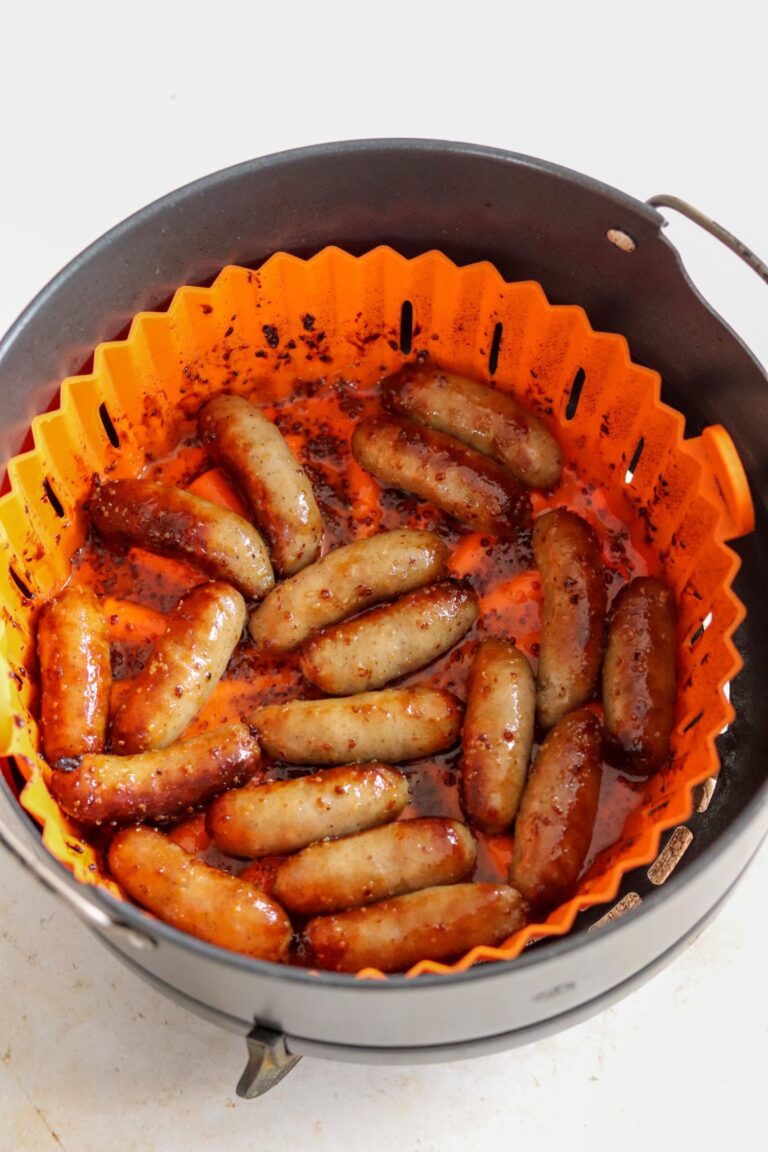
10. Bacon and sausage
Bacon and breakfast sausage are useful air fryer foods because the basket lets fat drain away from the food.
Cook bacon in a flat layer. Thin bacon may need less time than thick-cut bacon. Check it often near the end because it can go from browned to burned quickly.
For raw sausage, use a thermometer. Ground pork sausage should reach 160°F. Sausage made from poultry should reach 165°F.
11. Brussels sprouts
Cut Brussels sprouts in half and coat them lightly with oil. Place them cut-side down when you want more browning.
Cook at about 375°F to 400°F. Shake the basket once or twice. Smaller sprouts may finish first, so check them early.
Try garlic, lemon, Parmesan, balsamic glaze, or smoked paprika after cooking.
12. Broccoli and cauliflower
Air frying brings out a toasted flavor in broccoli and cauliflower. Cut the florets into similar sizes so they finish together.
Toss with oil and seasoning. Cook at about 375°F and shake the basket during cooking.
Very small pieces can burn at the tips. If that happens, use a lower temperature or larger florets.
13. Green beans and asparagus
Green beans and asparagus cook quickly. Trim the ends, add a small amount of oil, and season.
Cook at about 375°F until tender with browned spots. Thin asparagus may finish before thick stalks.
Do not overfill the basket. A crowded layer steams the vegetables instead of browning them.
14. Zucchini and summer squash
Zucchini can turn soft because it contains a lot of water. Cut it into thick rounds, sticks, or half-moons.
Use a light amount of oil. Cook at about 375°F and remove the pieces as soon as they are tender and browned.
For breaded zucchini, avoid stacking the pieces. Turn them gently halfway through cooking.
15. Corn on the cob
Small ears of corn can fit in many air fryer baskets. Brush them lightly with oil and turn them during cooking.
Cook at about 380°F to 400°F until the kernels are tender and lightly browned. Large ears may need to be cut in half.
16. Frozen vegetables
Frozen broccoli, cauliflower, green beans, and mixed vegetables can cook in an air fryer. They may not become as crisp as fresh vegetables because frozen food releases water.
Spread the vegetables in a thin layer. Cook at a moderately high temperature and shake often. Add oil only if the food looks dry or needs help browning.
17. Mozzarella sticks and other frozen snacks
Frozen mozzarella sticks, jalapeño poppers, egg rolls, pizza rolls, and similar snacks are popular air fryer choices.
Use the package instructions as your starting point. These foods can split open when overheated, so check them early.
Leave space between pieces. If cheese leaks onto the basket, let the basket cool before removing the residue.
18. Quesadillas and grilled cheese
A small quesadilla can cook well in an air fryer basket. Use a modest amount of filling so the tortilla stays flat.
A slice of bread or a light oven-safe weight can help keep the top tortilla from lifting. Do not use loose items that could touch the heating element.
Cook until the outside is crisp and the cheese melts. Watch closely because tortillas can brown fast.
19. Toast and bagels
An air fryer can toast bread, English muffins, and bagel halves. Place the cut side up when you want the inside toasted.
Thin bread may finish in only a few minutes. Check often. Light bread can lift and move in the hot airflow.
Never allow bread or parchment to touch the heating element.
20. Hard-boiled eggs
Some air fryer owners cook eggs in the shell. Results vary by air fryer model, egg size, and starting temperature.
If you try this method, use a tested recipe for your exact appliance. Cool the eggs in ice water after cooking, then refrigerate them.
This is a case where the air fryer manual and a reliable tested method matter more than a universal time.
21. Apples and peaches
Firm apple slices, peach halves, and pears can become warm and tender in an air fryer. They work well with cinnamon, oats, or a small amount of brown sugar.
Use fruit that is not overly ripe. Soft fruit can release juice and stick to the basket.
For a quick dessert, cook apple slices until tender, then add yogurt or granola after cooking.
22. Cookies and small baked goods
Some air fryers can bake cookies, biscuits, crescent rolls, and small pastries. Use a small batch and leave room for expansion.
Choose cookware that is labeled oven-safe and fits with space around it. Do not block all airflow with a solid pan.
Reduce the cooking time from a standard oven recipe and check early. Air fryers vary widely in size and power.

How to Choose the Right Air Fryer Temperature and Time
Use the food package, your air fryer manual, and the food’s internal temperature as your main guides. Air fryer settings are not fully standardized across brands.
A useful starting range is:
| Food type | Starting temperature | What to check |
|---|---|---|
| Frozen fries and tots | 380°F–400°F | Browning and crisp edges |
| Chicken wings | 380°F–400°F | Crisp skin and 165°F inside |
| Chicken breast | About 375°F | 165°F inside |
| Fish fillets | 375°F–400°F | Flakes and 145°F inside |
| Shrimp | 375°F–400°F | Opaque center and firm texture |
| Vegetables | 375°F–400°F | Tender center and browned edges |
| Bacon | About 350°F–400°F | Browning and rendered fat |
| Small baked foods | 320°F–375°F | Set center and browned top |
These ranges are starting points, not fixed rules. A small basket may cook faster than a large one. A cold basket may need more time than a preheated basket.
When to preheat the air fryer
Preheating can help with foods that need quick browning, such as fries, wings, and breaded snacks. Some air fryers preheat automatically. Others do not require it.
If your manual gives no clear instruction, preheat for about three minutes at the cooking temperature. For foods that cook slowly, such as vegetables, preheating is less critical.
How to tell when food is done
Use appearance for texture and a thermometer for safety.
Look for:
- Crisp, dry surfaces on breaded food.
- Tender vegetables with browned edges.
- Fish that flakes easily.
- Shrimp that are opaque and firm.
- Chicken that reaches 165°F.
- Ground meat that reaches 160°F.
- Fish that reaches 145°F.
Insert the thermometer into the thickest part. Avoid touching the basket, bone, or pan, since those surfaces can distort the reading.

How to Use Oil in an Air Fryer Basket
Use only enough oil to coat the food lightly. Too much oil can make food greasy and may create smoke.
Oil helps in three main ways:
- It improves browning.
- It helps dry seasonings stick.
- It reduces sticking on some foods.
Use a brush, mister, or small bowl to spread oil evenly. Aerosol cooking sprays may damage some nonstick coatings. Check the air fryer manual before using them.
Foods with their own fat, such as bacon, chicken wings, and some frozen snacks, may need little or no added oil.

What Not to Put in an Air Fryer Basket
Do not place loose, lightweight items in the basket if the airflow could lift them into the heating element.
Avoid:
- Loose parchment paper without food weighing it down.
- Paper towels.
- Plastic containers.
- Wax paper.
- Wet batter that can drip through the basket.
- Large amounts of cheese by itself.
- Overfilled baskets.
- Foods that release a large amount of liquid.
Wet batter is one of the main problem foods. A deep fryer quickly seals wet batter in hot oil. An air fryer may let the batter drip through the basket before it sets.
For battered foods, use a dry coating, such as flour, egg, and breadcrumbs. Freeze the coated food first if needed, then cook it in a single layer.
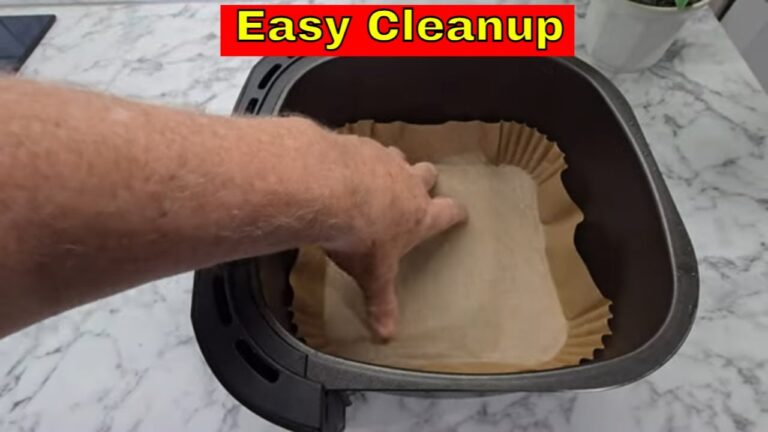
Check your appliance manual for rules about foil, parchment liners, silicone cups, and oven-safe dishes. Accessories must not block all air movement or touch the heating element.

Common Air Fryer Basket Mistakes
Crowding the basket
Crowding traps moisture. The food may cook, but it will not brown well.
Fix: Cook in batches. A second batch is often faster than trying to rescue a soft first batch.
Using too much oil
Oil can pool under the food and create smoke.
Fix: Start with a small amount. Add more only if the food looks dry or pale.
Cutting food into uneven pieces
Large pieces take longer than small ones. This creates a mix of burnt and undercooked food.
Fix: Cut pieces to a similar size.
Ignoring carryover cooking
Meat may continue to cook for a short time after removal.
Fix: Remove it when it reaches the safe temperature, then let it rest. Do not remove poultry before it reaches 165°F.
Forgetting to shake or turn
The top may brown while the bottom stays pale.
Fix: Shake small foods halfway through. Turn large pieces with tongs.
Cleaning while the basket is hot
Hot grease can burn skin and damage surfaces.
Fix: Unplug the air fryer and let it cool. Then wash the basket according to the manufacturer’s instructions.

Air Fryer Basket Safety and Cleaning
Place the air fryer on a stable, heat-safe surface. Keep space around the appliance so heat can escape. Do not cover the air intake or exhaust.
Wash the basket and tray after each greasy meal. Built-up oil can smoke during later cooking. Use warm water and mild dish soap unless the manual gives different instructions.
Avoid metal tools if they can scratch the coating. Use silicone or wood tools when appropriate.
For raw meat, wash your hands and clean surfaces that touched the raw food. Use a separate clean plate for cooked food. A food thermometer is the most reliable way to check doneness.
Never leave an operating air fryer unattended for long periods. If you see heavy smoke, turn it off and unplug it when safe to do so. Let the unit cool before checking the food.

A Simple Air Fryer Basket Cooking Method
Use this five-step method for most foods:
- Prepare the food. Dry it, cut it evenly, and season it.
- Preheat if useful. This helps foods that need fast browning.
- Load the basket. Keep the food in one layer when possible.
- Cook and turn. Shake or turn the food halfway through.
- Check the result. Use a thermometer for meat, poultry, and fish.
If the outside is dark but the inside is not done, lower the temperature and continue cooking. If the food is cooked but pale, use a higher temperature for a short final period.
If food is soft, reduce the amount in the basket. If food sticks, check whether it needs a light coat of oil or a different accessory approved for your model.

Frequently Asked Questions
Can you cook raw meat in an air fryer basket?
Yes. You can cook raw chicken, beef, pork, lamb, turkey, fish, and seafood in an air fryer basket. Check the thickest part with a food thermometer and follow safe internal temperatures.
Do you need to put oil in an air fryer?
No. Many foods cook well with little or no oil. A small amount can improve browning and reduce sticking, especially for fresh vegetables and potatoes.
Can you put aluminum foil in an air fryer basket?
Some air fryer manuals allow foil, but rules vary by model. Use foil only when the manufacturer permits it. Do not cover the entire basket or block the air vents.
Why is food not crispy in my air fryer?
The basket may be crowded, the food may be wet, or you may have used too much oil. Dry the food, leave space between pieces, and cook in smaller batches.
Do you have to flip food in an air fryer?
Not always. Small foods can often be shaken. Larger foods, such as chicken breasts, fish fillets, and burgers, may brown more evenly when turned.

Conclusion
The best foods to cook in an air fryer basket include fries, potatoes, chicken, wings, fish, shrimp, burgers, vegetables, frozen snacks, toast, and small baked foods. Keep pieces even, leave room for air, and use a thermometer for meat and fish.
Start with one simple food, such as frozen fries, chicken wings, or broccoli. Note the time and temperature that work in your model, then adjust the next batch based on texture and doneness.