
Why Use Liners In Air Fryer: Benefits, Safety, And Tips
Air fryer liners reduce cleanup, protect the basket, and help prevent delicate foods from sticking.
If you have ever scrubbed baked-on cheese or sticky sauce from an air fryer basket, you know why use liners in air fryer cooking is a common question. The right liner can make cooking easier, but it must allow safe heat flow and never block the appliance’s vents. This guide explains the benefits, risks, types, and best practices so you can choose wisely.
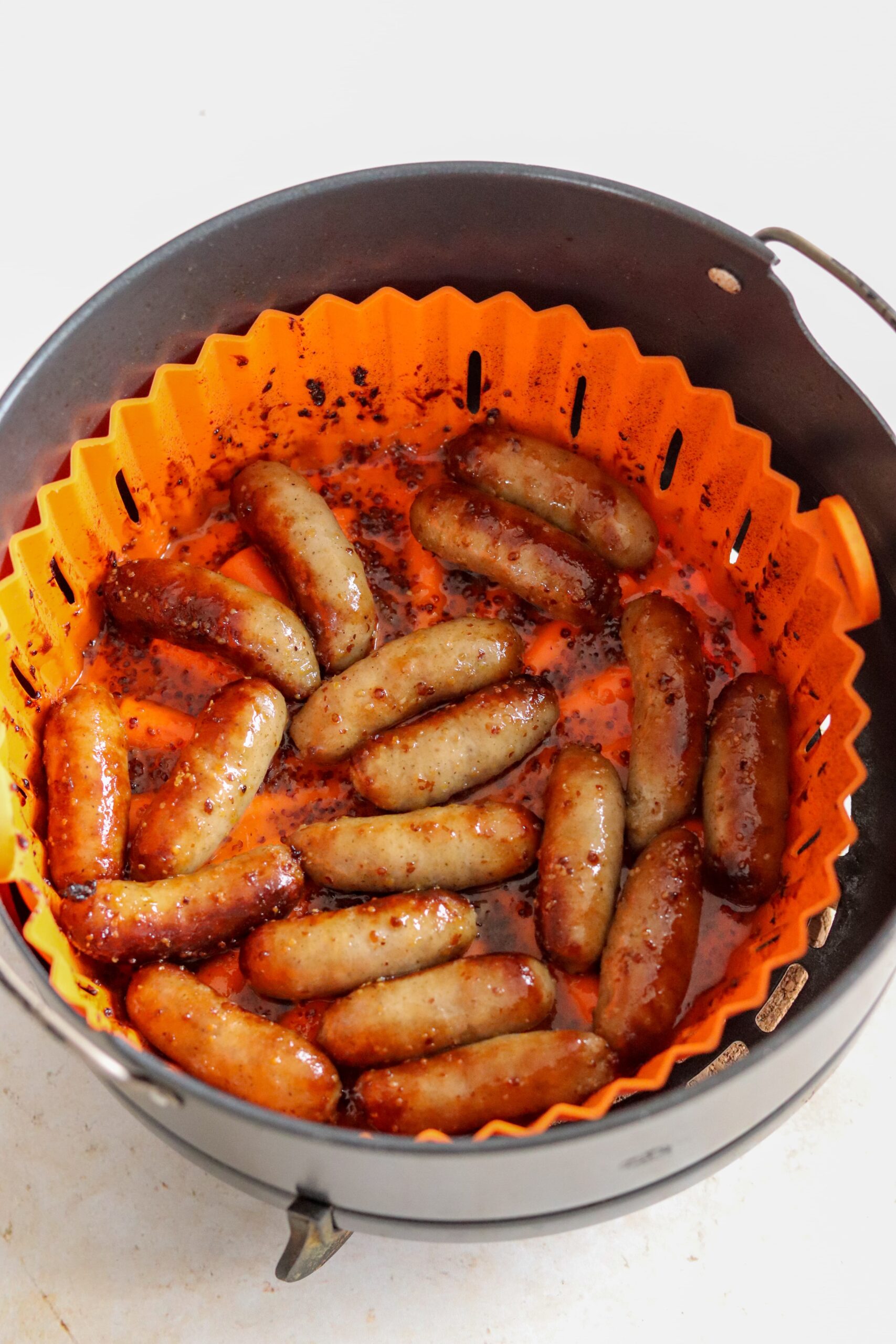
Why use liners in air fryer cooking?
The main reason to use liners in an air fryer is to reduce mess. A liner catches crumbs, oil, batter, and sauces before they reach the basket or drawer. This can save time after meals and make daily air fryer use more pleasant.
Liners can also help food release from the cooking surface. Foods such as fish, tofu, cheese-filled snacks, and marinated chicken may stick as they cook. A suitable liner creates a thin barrier between the food and the basket.
Here are the main reasons people use air fryer liners:
• Easier cleanup after cooking
• Less food sticking to the basket
• Better protection for the basket’s coating
• Fewer crumbs and grease stains
• Safer handling of delicate foods
• More convenient cooking of saucy recipes
However, liners are not essential for every meal. Many foods cook well without one, especially when the basket is clean and lightly coated with oil. The best choice depends on the recipe, the liner material, and your air fryer model.

What is an air fryer liner?
An air fryer liner is a heat-resistant sheet or insert placed inside the air fryer basket or tray. It separates the food from the cooking surface. Most liners are made from food-grade parchment paper or silicone.
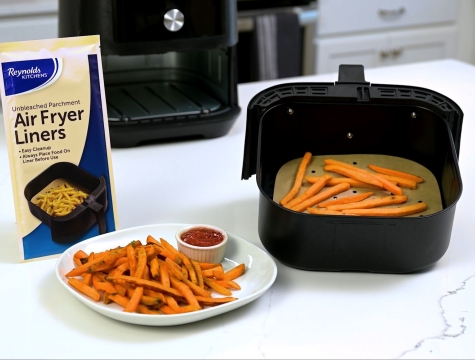
Parchment liners are usually thin and disposable. Some are flat sheets, while others have raised sides or a bowl-like shape. Many parchment liners also contain small holes to improve air circulation.
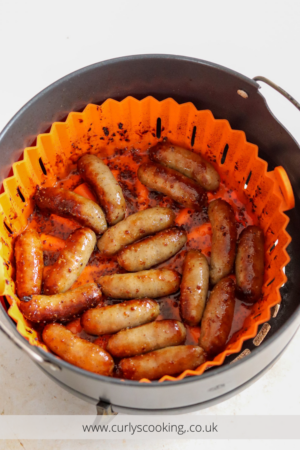
Silicone liners are reusable. They often look like small baskets or trays with ridges and perforations. Silicone is flexible, washable, and designed for repeated use when it meets food-contact and temperature safety standards.
Common types include:
• Perforated parchment liners: These have holes that let hot air move around the food.
• Solid parchment liners: These offer more protection from sauces but may reduce airflow.
• Disposable air fryer paper bowls: These have raised edges and are useful for oily or messy foods.
• Reusable silicone baskets: These are washable and sturdy for regular cooking.
• Silicone mats: These sit flat under food and may protect the basket from stains.
Always check the product label for its maximum temperature. A liner rated for baking may not be suitable for every air fryer setting.
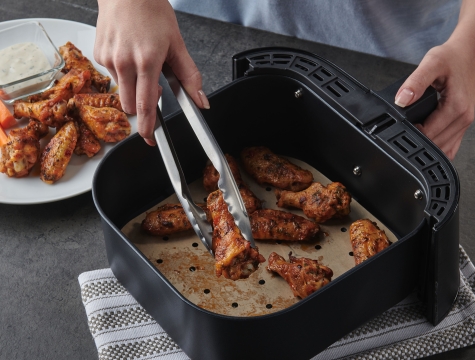
Benefits of using liners in an air fryer
Easier cleanup
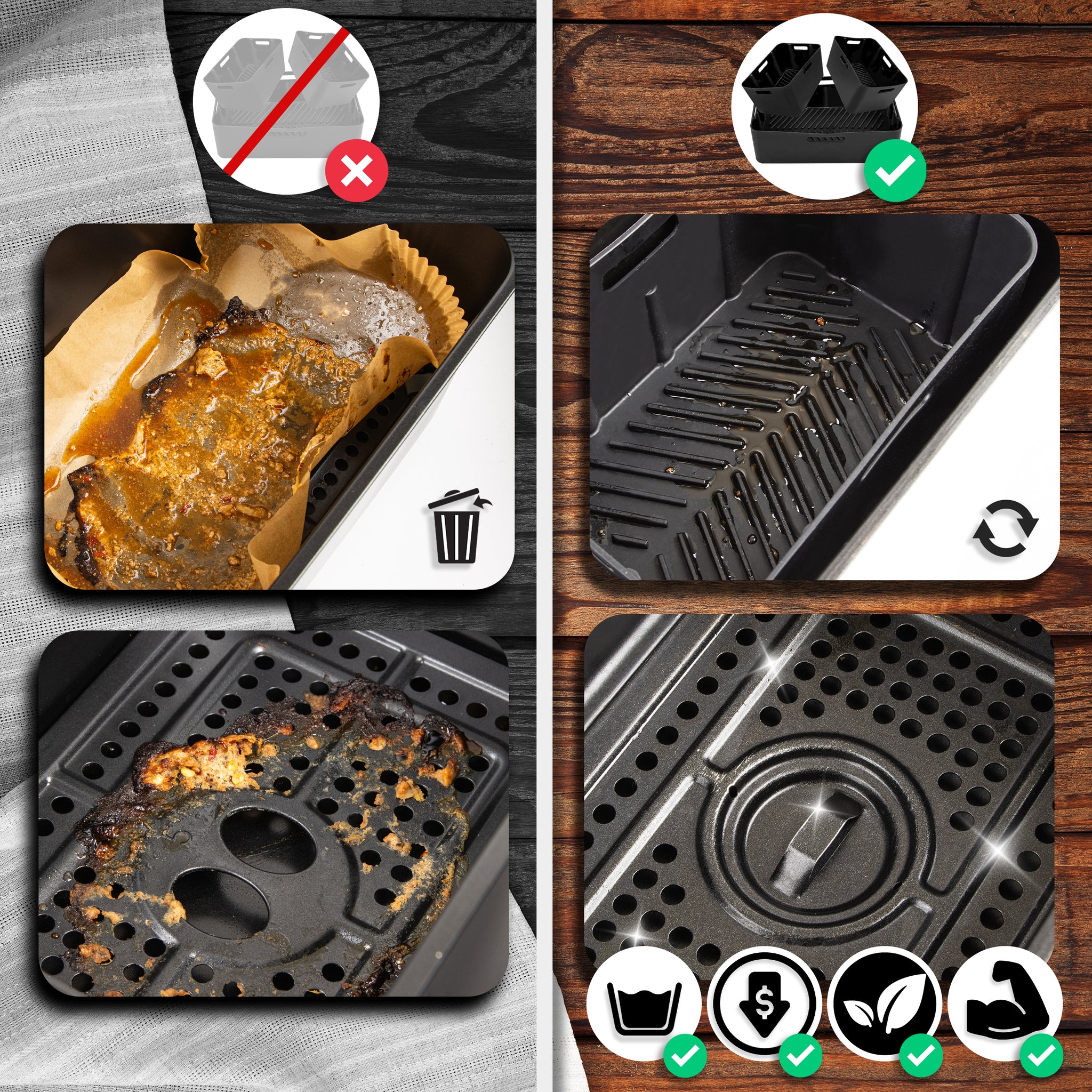
This is the most practical answer to why use liners in air fryer cooking. A liner catches grease, crumbs, and melted food. After cooking, you may only need to remove the liner and wash away a small amount of residue.
This does not mean you can skip cleaning the air fryer. Grease can still reach the basket, heating area, or drawer. Regular cleaning remains important for food safety and good airflow.
Less sticking
Some foods have a high chance of sticking. This includes battered fish, chicken wings with sugary sauce, eggs, and soft vegetables. A liner can help the food lift away with less damage.
For the best result, let the food cook until it forms a firm surface before moving it. A liner helps with release, but it cannot prevent every type of sticking.
Protection for the basket
Many air fryer baskets have a nonstick coating. Scrubbing with rough tools or using metal utensils can damage that coating over time. A liner adds a protective layer between the food and the basket.
Still, a liner does not make the basket scratch-proof. Avoid sharp utensils, abrasive sponges, and harsh cleaners. Use silicone or wooden tools when turning food.
Better handling of delicate foods
A liner can support foods that may break apart during cooking. Small pieces of fish, soft dumplings, and crumbly pastries are easier to lift when they sit on a flexible liner.
Think of the liner as a small plate inside the basket. It gives fragile food support without requiring you to scrape it from the bottom.
Less mess from sauces
Sticky sauces can burn onto a basket. Barbecue sauce, honey glaze, and cheese can create hard, dark residue. A liner may collect much of this mess and make cleanup faster.
For very wet foods, a raised silicone liner or parchment bowl may work better than a flat sheet. Do not fill the liner so deeply that it blocks hot air or causes food to steam instead of crisp.
Does an air fryer liner affect cooking results?
Yes, an air fryer liner can change how food cooks. Air fryers work by moving hot air around the food. A liner may limit that movement if it covers too much of the basket.
Perforated liners usually allow better airflow than solid liners. They are often a better choice when you want crisp fries, roasted vegetables, or breaded chicken.
A solid liner can make the bottom of food less crisp. It may also collect moisture and create a softer texture. This is not always a problem. For fish, cake, or saucy dishes, a softer base may be acceptable.
Use these tips to maintain good results:
• Choose a perforated liner for foods that need a crisp bottom.
• Do not cover the basket walls or air vents.
• Keep food in a single layer when possible.
• Avoid placing a liner in the basket during preheating.
• Use only enough liner to support the food.
• Turn or shake the food if the recipe calls for it.
Liners are most useful when they solve a clear problem. If crispness is your top goal, cooking without a liner may produce better airflow and browning.
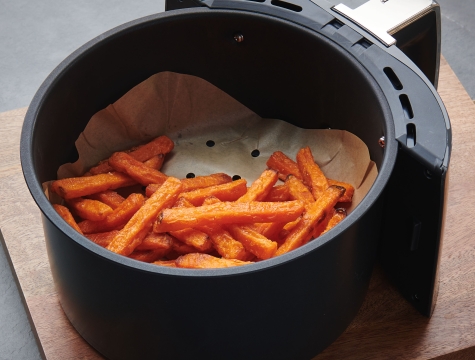
Are air fryer liners safe?
Air fryer liners can be safe when they are made for high-heat cooking and used correctly. The biggest safety concern is that a loose paper liner may move into the heating element.
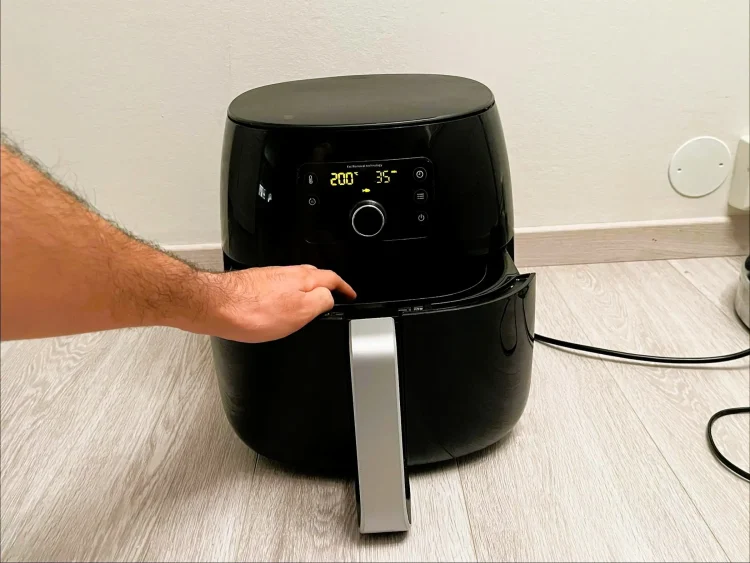
Never place an empty parchment liner in a running air fryer. The fan can lift it, especially during preheating. If the paper touches the heating element, it may scorch or catch fire.
Food should weigh the liner down before you start cooking. The liner should also fit inside the basket without rising above the sides.
Keep these safety rules in mind:
• Use food-grade parchment or heat-safe silicone.
• Follow the liner’s temperature rating.
• Never use wax paper in an air fryer.
• Do not use plastic wrap, paper towels, or ordinary cardboard.
• Do not let parchment touch the heating element.
• Keep the liner away from open flames and direct contact with hot coils.
• Inspect reusable silicone liners for cracks, tears, or odor changes.
• Follow the air fryer manufacturer’s instructions.
The USDA recommends using safe cooking temperatures and handling food properly, but it does not suggest that a liner replaces food safety steps. Cook meat, poultry, and seafood to safe internal temperatures with a food thermometer.

Parchment paper versus silicone liners
Choosing between parchment and silicone depends on your cooking habits. Both can work well, but they have different strengths.
Parchment liners
Parchment is convenient because it is disposable and easy to use. It works well for occasional cooking, travel, or recipes that leave heavy residue.
Advantages include:
• Low cost for many users
• Easy removal after cooking
• Good support for sticky foods
Limitations include:
• It creates waste after one use.
• It can tear when wet.
• It may burn if used incorrectly.
• Solid sheets can reduce airflow.
Use parchment only when the label says it is suitable for the cooking temperature. Plain baking parchment is different from wax paper. Wax paper has a wax coating that can melt or smoke when exposed to high heat.
Silicone liners
Silicone liners are a good option for people who use an air fryer often. They can be washed and reused many times. Their raised sides can also hold grease and sauces better than flat parchment.
Advantages include:
• Reusable design
• Easy washing
• Good resistance to grease
• Support for wet or delicate foods
Limitations include:
• Higher cost at the start
• Possible reduction in airflow
• More storage space needed
• Some models may make food less crisp
Look for food-grade silicone designed for high temperatures. A strong chemical smell, sticky surface, or visible damage is a reason to replace the liner.

How to use liners in an air fryer correctly
Knowing why use liners in air fryer cooking is helpful, but correct placement matters just as much. A liner should support the food without interfering with the appliance’s airflow or heating system.
Follow these steps:
-
Choose a liner that fits your basket.
-
Check the temperature rating and material.
-
Place the liner in the basket after preheating, if preheating is needed.
-
Add food on top so the liner stays in place.
-
Keep the liner below the heating element.
-
Avoid covering air vents or blocking the basket openings.
-
Cook according to the recipe and check the food near the end.
-
Remove the liner carefully because it may hold hot oil.
-
Let a reusable liner cool before washing it.
Do not cut a large sheet of parchment and let it fold up the sides. A loose corner can lift during cooking. If you use a homemade parchment sheet, trim it so it sits flat and fits the basket.
A useful kitchen habit is to prepare the liner while the food is ready. Do not put paper in the air fryer early and walk away. This simple step prevents many avoidable problems.
Common mistakes to avoid
Using a liner during preheating
An empty liner has no food to hold it down. Hot air can lift it toward the heating element. Add the liner only when food will sit on top of it, unless your manufacturer gives different instructions.
Blocking all the holes
A liner that covers every opening can reduce airflow. This may lead to uneven cooking, pale food, or a soft texture. Perforated liners are often better for recipes that need strong circulation.
Choosing the wrong paper
Wax paper is not the same as parchment paper. Wax paper can melt or smoke under high heat. Never use it as an air fryer liner.
Overfilling the liner
A liner does not turn the air fryer into a deep pan. Too much food can trap moisture and prevent browning. It may also allow grease to spill over the liner’s sides.
Forgetting to clean underneath
A liner reduces mess, but it does not stop every drop of grease. Check the basket, drawer, and heating area after use. Built-up grease can create smoke and unpleasant odors.
Assuming every liner fits every model
Air fryer baskets vary in size and shape. A liner that works in a small basket may block airflow in a wide drawer-style model. Measure the cooking area before buying.
In my testing-style kitchen comparisons, the biggest difference usually comes from liner shape rather than brand. A shallow perforated liner often preserves crispness better, while a deep silicone bowl handles sauces but can make food softer. That trade-off is easy to miss when shopping.
When should you not use an air fryer liner?
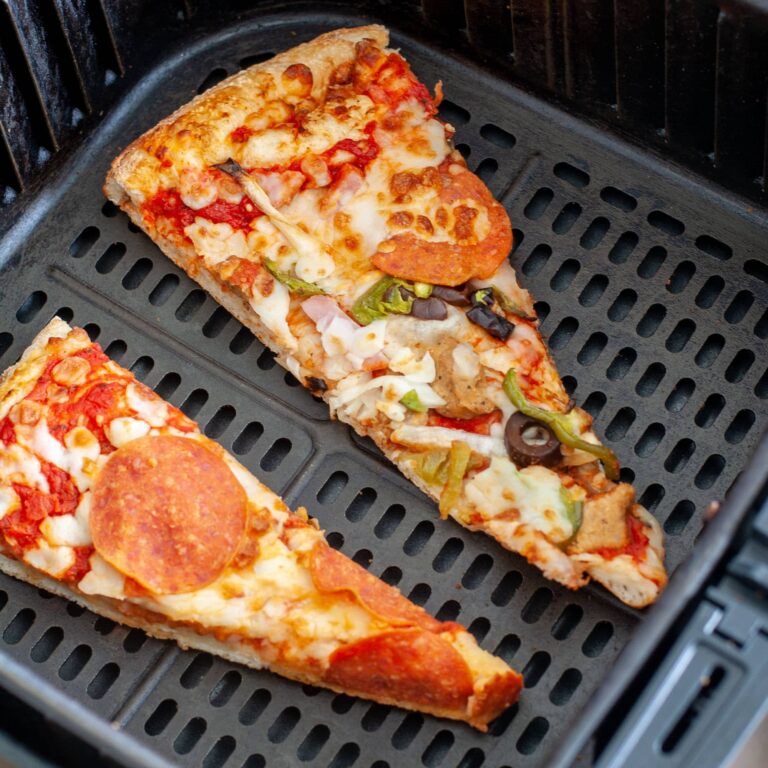
You may not need a liner for foods that are dry, firm, and unlikely to stick. French fries, frozen vegetables, and many breaded foods often brown well directly in the basket.
Avoid a liner when it prevents the food from getting the airflow it needs. Air circulation is central to air frying. If the liner covers the basket and the food is crowded, the result may be closer to steaming than frying.
You should also avoid using a liner when:
• The product has no clear heat rating.
• The liner is damaged or has melted areas.
• The air fryer manual warns against it.
• You are cooking food that needs direct contact for crisping.
• The liner blocks vents or the heating element.
• You are preheating with an empty paper liner.
The goal is not to use liners for every meal. The goal is to use them when their benefits outweigh their effect on cooking performance.
How to clean and maintain air fryer liners
Disposable parchment liners should be removed after each use. Do not reuse paper that is greasy, torn, burned, or heavily stained.
Clean silicone liners after they cool. Use warm water, mild dish soap, and a soft sponge. Some silicone liners are dishwasher-safe, but check the product instructions before placing one in the dishwasher.
For stubborn grease, soak the liner for several minutes. Avoid steel wool and sharp tools. These can damage silicone and leave small scratches that hold food residue.
Also clean the air fryer itself:
• Wipe the basket and drawer after cooking.
• Remove grease from the heating area when the appliance is cool.
• Check for crumbs around vents.
• Dry all parts fully before storage.
• Replace liners that crack, warp, melt, or develop a lasting odor.
Good care helps both the liner and the air fryer last longer.
Frequently Asked Questions About Why Use Liners in Air Fryer
Why use liners in air fryer cooking instead of cooking directly in the basket?
People use liners to reduce cleanup, prevent sticking, and protect the basket’s surface. Cooking directly in the basket may give better airflow and crispness, so a liner is helpful but not required.
Can you use parchment paper in an air fryer?
Yes, you can use parchment paper if it is rated for the cooking temperature and designed for food use. Keep it below the heating element and place food on it so it cannot lift.
Are silicone air fryer liners better than parchment liners?
Neither is best for every recipe. Silicone is reusable and useful for wet foods, while parchment is convenient and disposable; perforated parchment may provide better crisping.
Can air fryer liners catch fire?
A paper liner can catch fire if it is loose, overheated, or touches the heating element. Never preheat with an empty paper liner, and always follow the liner and air fryer temperature instructions.
Can you use wax paper as an air fryer liner?
No. Wax paper is not designed for the high heat used in an air fryer and may melt, smoke, or create a fire risk. Use heat-rated parchment paper or food-grade silicone instead.
Do air fryer liners make food less crispy?
They can, especially when a solid liner blocks airflow under the food. Perforated liners usually have less effect, but cooking without a liner may produce the crispest bottom.
Conclusion
Air fryer liners can make cooking simpler by reducing cleanup, limiting sticking, and supporting delicate or saucy foods. Parchment works well for quick, disposable use, while silicone suits frequent cooking and repeated washing.
Safe use matters most: choose a heat-rated product, keep it away from the heating element, place food on top, and never use wax paper. Try a perforated liner for crisp foods and a raised silicone liner for messy recipes. Choose the option that fits your air fryer and cooking style, then share your favorite liner tips in the comments.

One Comment