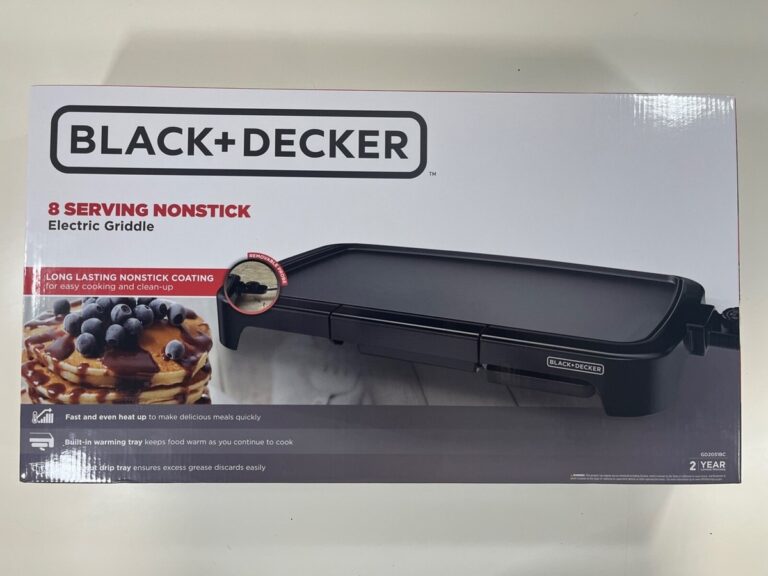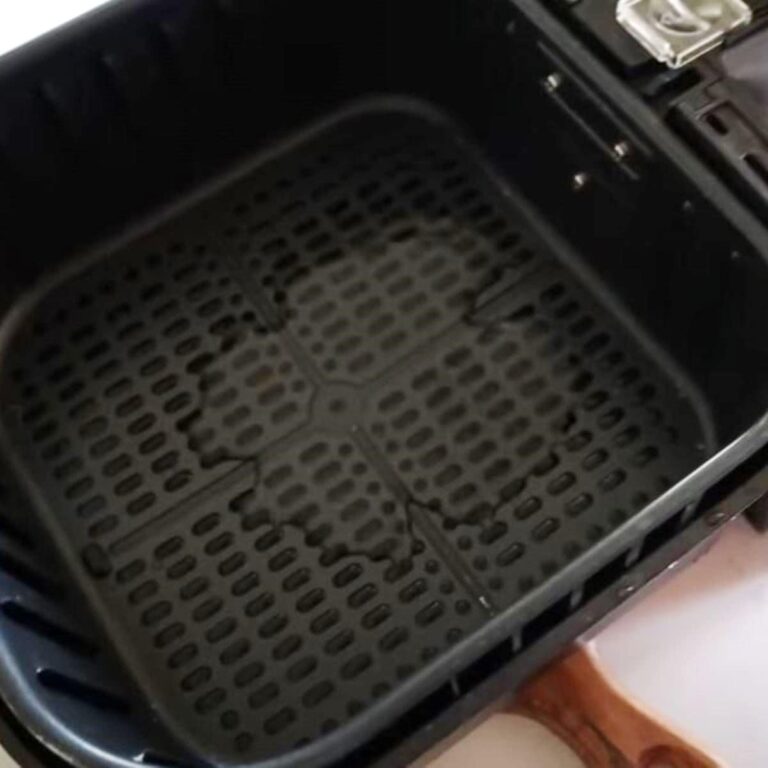
Clean Burnt Electric Griddle: Easy Pro Cleaning Tips
Clean burnt electric griddle surfaces safely with simple steps using heat, water, and mild abrasives.
I have cleaned many electric griddles over the years and know how stubborn burnt food can be. This guide on clean burnt electric griddle shows safe, real-world methods you can use today. You will learn why griddles burn, how to tell if your model is safe for each method, step-by-step cleaning plans, natural options, prevention tips, and quick fixes. Read on to save time and keep your griddle working like new.

Why food burns on an electric griddle and what that means for cleaning
Burnt food forms when oil, sugar, or protein sits too long on hot metal. Burn marks can be sticky, dark, and hard to lift. The way a clean burnt electric griddle responds depends on the surface. Nonstick coatings need gentle care. Bare stainless or cast iron can handle stronger scrubs.
Common causes of burnt buildup
- Too high heat for too long.
- Not oiling the surface before cooking.
- Sugary sauces left to cook down.
- Food flakes that are not wiped between batches.
How this affects cleaning choices
- Use mild methods for nonstick surfaces.
- Use tougher methods for bare metal.

Source: reddit.com
Safety first: precautions before you clean a burnt electric griddle
Always consult the manual for model-specific rules. Unplug the griddle and let it cool but stay warm for easier cleaning. Avoid soaking electrical parts or submerging the base. Wear gloves to protect your hands from grease and hot water.
Steps to stay safe
- Unplug and cool the griddle until warm, not hot.
- Remove drip trays and detachable plates if possible.
- Protect plugs and controls from water.
- Work in a well-ventilated area when using cleaners.

Source: ebay.com
Tools and supplies to clean a burnt electric griddle
Keep a simple kit ready. Most cleaning jobs use items you already have.
Must-have items
- Soft cloths or microfiber towels.
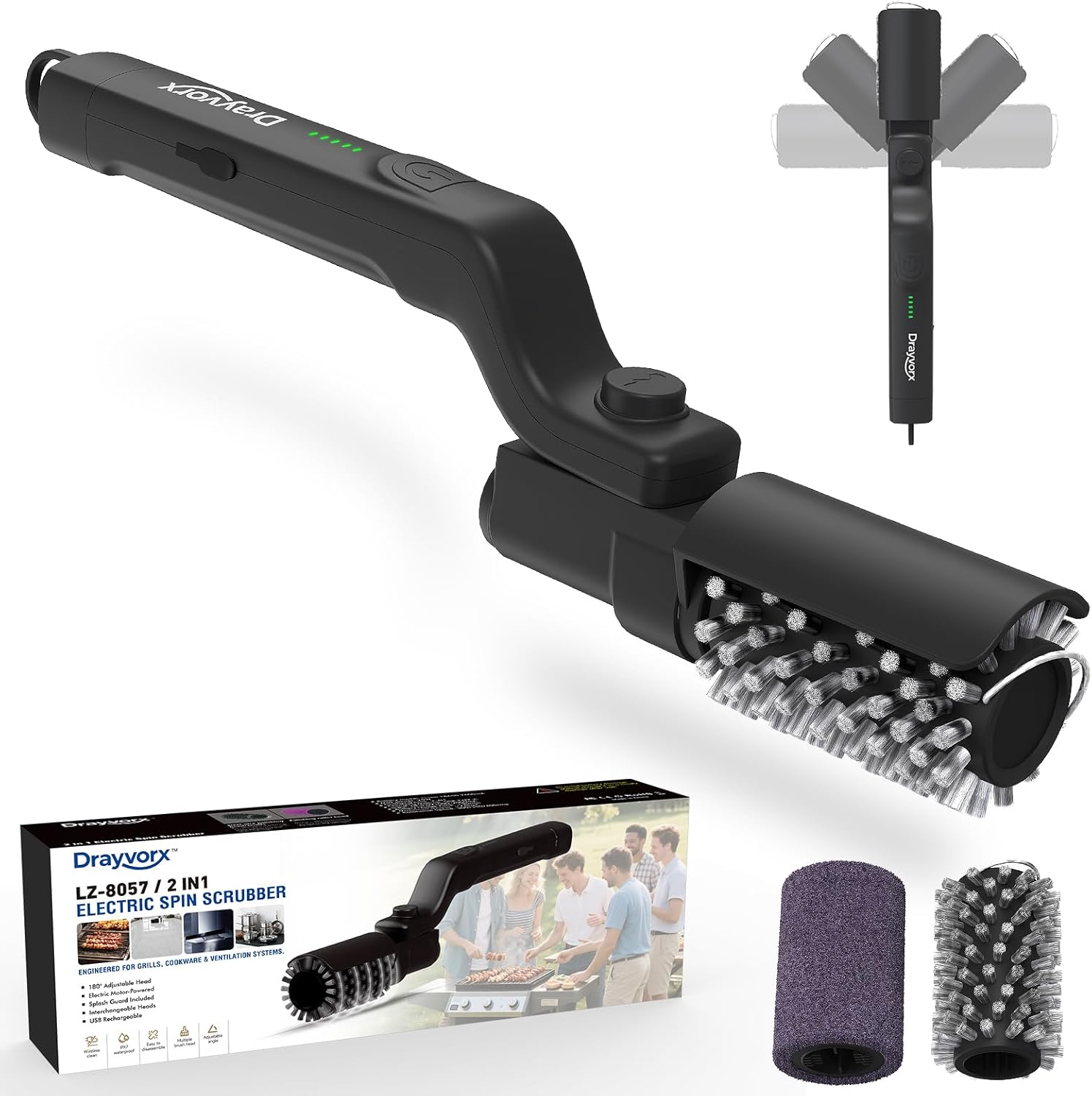
- Scraper made for griddles or a plastic spatula.
- Nylon brush or non-scratch scrub pad.
- Baking soda, white vinegar, mild dish soap.
- Warm water in a spray bottle or kettle.
Optional stronger tools (only for uncoated surfaces)
- Steel wool or abrasive pads for bare metal.
- Razor scraper for flat top griddles (use with care).
Source: ebay.com
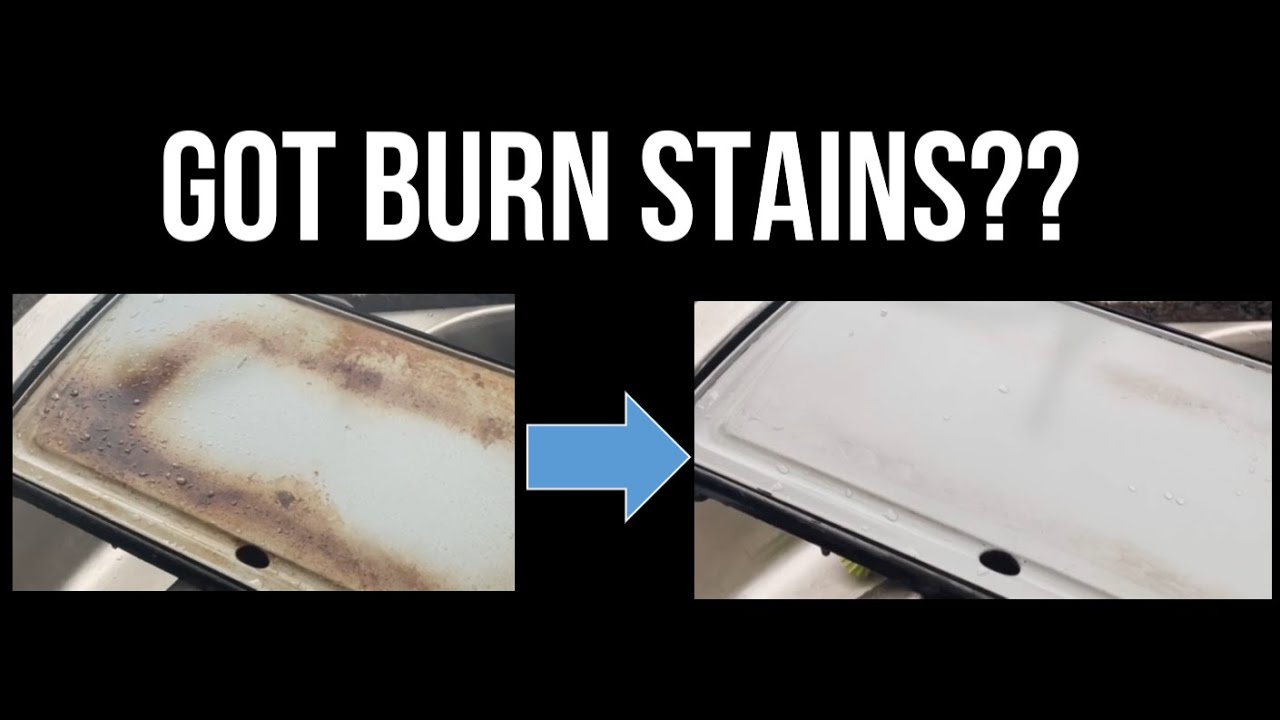
Step-by-step: quick clean for fresh, light burns
This works when food is recent and not heavily carbonized.
Steps
- Unplug the griddle and let it cool until warm.
- Wipe off loose crumbs with a paper towel.
- Pour a little warm water on the surface to loosen grease.
- Add a drop of dish soap to a damp cloth and wipe in circles.
- Rinse cloth, wipe again to remove soap, then dry with a clean towel.
Why it works
- Warm water softens the grease. Soap lifts oil. This keeps the surface safe and clean.
Source: youtube.com
Deep clean for stubborn, burnt-on food on a nonstick electric griddle
Nonstick needs care to avoid damage. Use gentle chemistry over force.
Steps
- Unplug and remove plates if possible.
- Make a paste of baking soda and water.
- Spread the paste over burnt spots and let sit 10–15 minutes.
- Use a soft sponge to rub gently. Add warm water to rinse.
- Wipe with a vinegar-damp cloth to cut any residue.
- Dry and re-season with a light coat of cooking oil if the manual allows.
Notes
- Never use steel wool on a nonstick surface.
- Test a small area first if unsure about the coating.

Source: ebay.com
Aggressive cleaning for bare metal electric griddles
Bare stainless or cast iron can take more force. These steps remove heavy carbon and oil.
Steps
- Heat the griddle slightly, then turn off and unplug.
- Pour warm water and scrape with a metal scraper to lift flakes.
- Sprinkle baking soda or a mild abrasive cleaner, add water to make a paste.
- Scrub with steel wool or an abrasive pad until clean.
- Rinse and dry. For cast iron, reapply oil and heat briefly to season.
Cautions
- Avoid harsh solvents near electronics.
- Use a scraper at a low angle to prevent gouging.

Source: themontessoritwinmama.com
Natural cleaners and DIY solutions that work
If you prefer green cleaning, these options are safe and cheap.
Effective natural cleaners
- Baking soda paste removes grease and stains.
- White vinegar cuts grease and deodorizes.
- Lemon juice helps lift light burns and leaves a fresh scent.
- Salt with a little oil works as a mild abrasive for cast iron.
How to use them
- For mild burns: spray vinegar, let sit, wipe.
- For tougher marks: make baking soda paste and scrub gently.
- For cast iron: coarse salt and oil as a scrub, then re-season.

Source: ebay.com
Troubleshooting common problems when you clean burnt electric griddle
Burn marks not lifting? Try a sequence of methods. Start mild and step up.
Quick fixes
- Sticky sugar film: heat slightly, then use warm water and a scraper.
- Deep charcoal spots: baking soda paste, then wait longer before scrubbing.
- Stains on nonstick: short soak in warm soapy water and soft scrub.
When to stop
- If the coating flakes or peels, stop cleaning and contact the maker.
- If odor or smoke returns after cleaning, let the griddle cool and inspect.

Source: amazon.com
Maintenance and prevention tips to avoid future burns
Regular care keeps the griddle ready. Small habits save time.
Daily habits
- Wipe between uses with a damp cloth.
- Use a light oil coating before cooking for nonstick models.
- Cook at medium heat for most foods to avoid burning.
Weekly and seasonal care
- Deep clean once a month if used often.
- Re-season cast iron plates after deep clean.
- Check seals and cords for wear.
Benefits of prevention
- Less scrubbing time.
- Longer griddle life.
- Better tasting food.
Personal experience, lessons learned, and mistakes to avoid
I used a cheap griddle for years. At first, I scrubbed hard and ruined a nonstick plate. I learned to read the manual and use baking soda for tough spots. I now clean after each use. It saves me hours later and keeps food tasting fresh.
Lessons learned
- Read the manual before you try a cleaner.
- Mild cleaners work well if you act soon.
- Re-season bare plates to stop rust and sticking.
Common mistakes
- Soaking the base with water.
- Using metal scrapers on nonstick surfaces.
- Letting sugary foods cool on the plate for hours.
PAA-style questions to answer searcher intent
Q: Can I use steel wool on my electric griddle?
A: Only on bare metal plates. Do not use steel wool on nonstick surfaces.
Q: Will vinegar damage my griddle?
A: Vinegar is safe in small amounts and helps lift grease. Avoid long soaks on nonstick finishes.
Q: How often should I deep clean a burnt electric griddle?
A: Deep clean monthly for heavy use. Light cleaning after each use prevents burnt buildup.
Frequently Asked Questions of clean burnt electric griddle
How do I remove burnt oil without ruining the surface?
Use warm water and mild dish soap on nonstick. For bare metal, a baking soda paste and a scraper work well.
Is it safe to use a razor scraper on an electric griddle?
Yes for flat top and bare metal surfaces, if used at a low angle. Avoid on nonstick surfaces.
Can I put griddle plates in the dishwasher?
Only if the manual says they are dishwasher-safe. Many nonstick plates can be hand washed to last longer.
What if the burnt mark won't come off?
Try repeating a baking soda paste or a vinegar soak. If the coating peels, stop and contact the maker.
How do I prevent rust after deep cleaning a cast iron griddle plate?
Dry fully and apply a thin coat of oil. Heat briefly to bond the oil and protect the metal.
Conclusion
A clean burnt electric griddle is easy to restore with the right steps. Use mild methods first for nonstick surfaces and stronger scrubs only for bare metal. Keep a simple cleaning kit and wipe the griddle after every use to avoid heavy burns. Try a baking soda paste or vinegar for stubborn spots and always follow the manual for safety. Start a weekly clean habit today and your griddle will cook better and last longer. Share your cleaning wins or ask a question below — I’d love to help.