
Nuwave Brio 14 Quart Air Fryer Review
The Nuwave Brio is a large oven-style air fryer with grill and rotisserie functions, not a compact basket model.
I recommend it for families that want one countertop appliance for air frying, grilling, and rotisserie cooking. Its strongest point is the roomy 15.5-quart format, while its main drawback is the larger footprint; check the price if you want a versatile oven-style unit, but skip it for a small kitchen.
I base this review on the supplied product specifications, manufacturer feature claims, and practical air fryer criteria such as usable space, airflow, controls, cleaning, and family capacity. I separate confirmed details from areas that need model-number verification.

Nuwave Brio 15.5Qt Air Fryer Oven with Plug-In Grill, XL Family Size
Pros and Cons
What we like
- Large oven-style capacity suits family meals and batch cooking.
- Air fry, grill, and rotisserie modes add useful cooking flexibility.
- Temperature adjusts from 50°F to 425°F in precise 5°F steps.
- The plug-in grill grate adds direct heat for char-style cooking.
- 100 presets and 50 memory settings can simplify repeat meals.
- 1800 watts supports a powerful heating system for a large appliance.
What could be better
- The large body needs more counter and storage space than a basket air fryer.
- The listing uses 15.5 quarts, while some searches and sellers may call it a 14-quart model.
- The supplied data does not confirm dimensions, weight, included rotisserie parts, or dishwasher-safe components.
- Presets cannot replace checking food size, spacing, and doneness.
- An oven-style interior may take more effort to clean than one removable basket.
Nuwave Brio 14 Quart Air Fryer Review: Quick Verdict
The Nuwave Brio is a strong fit for buyers who need more than a basic basket air fryer. It combines air frying, grilling, and rotisserie cooking in an oven-style body, with a listed 15.5-quart capacity.
The exact product title supplied for this review says 15.5Qt, not 14 quarts. Search results may use the 14-quart phrase, so I would check the full model number before buying. Capacity labels can vary by regional listing or seller.
Its main edge is the plug-in grill grate. The grate uses embedded heating elements and direct heat, which gives this unit a function that many standard air fryer ovens lack. The six-blade top fan and bottom heating tubes also support strong convection circulation.
I would choose it over a small basket model for family portions, mixed cooking tasks, and larger foods. I would not choose it simply because it has many presets. Good spacing and sensible food loads still matter more than a long menu.
Bottom line: the Brio looks best for flexible family cooking, not tight countertops or simple single-serving meals.
- Best match: families, meal planners, and cooks replacing an older air fryer oven.
- Main strength: large capacity with built-in grill functionality.
- Main concern: oven-style size and uncertain accessory details.
- Buying check: confirm the 15.5-quart listing, model number, voltage, and included parts.
Cooking Performance, Airflow, and Foods
The Brio uses convection, which means a fan moves heated air around the food. Nuwave describes a top-mounted six-blade, 5-inch fan and bottom heating tubes. That design aims to improve circulation, heating speed, and surface browning.
Airflow design matters because hot air must reach the food from several angles. Still, airflow alone does not guarantee even cooking. Overfilled racks, large frozen pieces, and blocked vents can reduce circulation in any air fryer oven.
The 50°F to 425°F range gives useful control. The 5°F steps are more precise than broad preset-only controls, especially for reheating, dehydrating-style low heat tasks, and delicate foods. The supplied data does not specify a separate dehydration mode, so I would not assume one.
For fries, I would spread frozen fries in a loose layer and shake or turn them when the recipe calls for it. Wings need space around each piece so the moving air can contact the skin. Chicken and fish benefit from checking internal temperature rather than relying only on a preset.
Vegetables should suit the rack or tray depth, with smaller pieces placed in a single layer where possible. Leftovers can regain surface texture faster than a microwave, but moist foods may still need a lower temperature or shorter cycle.
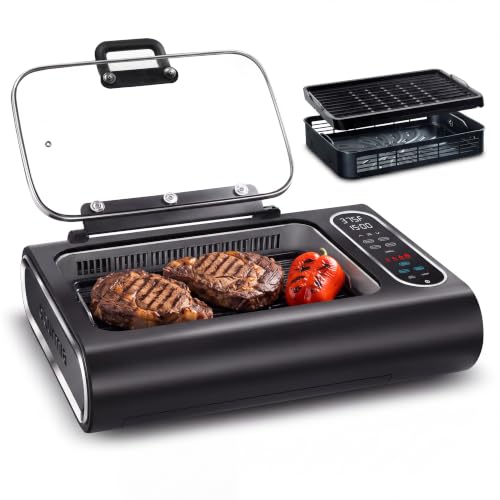
The grill mode changes the cooking method. The supplied description says the nonstick grill grate inserts into the appliance and uses embedded heating elements for direct heat. That may help with steaks, burgers, vegetables, and other foods that benefit from grill marks, but the exact supported foods and cleaning rules should come from the manual.
Rotisserie cooking adds another option for suitable foods. The listing confirms a rotisserie function, but it does not list the rotisserie accessories or maximum food size. I would verify those details before planning a whole chicken or roast.
Bottom line: the Brio has a capable-looking heating and airflow design, but food load and rack placement will decide real-world consistency.
- Fries: use a loose layer and shake or turn as needed.
- Wings: leave gaps between pieces for better air contact.
- Chicken and fish: confirm safe internal temperature with a thermometer.
- Vegetables: cut evenly and avoid crowding the tray.
- Frozen foods: follow package guidance, then adjust for load size.
- Leftovers: use short cycles and check often to avoid drying.
Capacity, Usable Space, and Family Meals
A 15.5-quart oven-style capacity is suited to larger portions than most compact basket air fryers. It should appeal to families, busy parents, and anyone who wants to prepare more food per cycle.
The listed capacity does not equal usable cooking area. Quart figures describe internal volume, not the exact tray surface or clearance around food. Racks, grill plates, heating elements, and door space all affect what fits in practice.
For family use, the oven format can support more flexible layouts than one small basket. You may be able to cook a larger food item or use multiple levels, depending on the supplied racks and the manual's guidance. The product data does not confirm the number or dimensions of included trays.
A large interior does not mean every rack cooks the same way. Food closer to the top fan or heating elements may brown sooner. I would rotate or switch rack positions when the recipe and appliance instructions permit it.
Singles and couples may find the Brio oversized unless they value the grill and rotisserie functions. A compact basket unit uses less counter space and may suit one or two portions better. Large capacity is useful only when you have room to store and ventilate the appliance.
The appliance needs open space around its vents. Since exact dimensions are not supplied, check the official manual before planning a cabinet, shelf, or tight countertop location. Never assume it can operate safely inside an enclosed cabinet.
Bottom line: the listed capacity favors family meals, but confirm usable rack area and clearance before purchase.
| Buyer | How the Brio fits |
|---|---|
| Single cook | Potentially oversized unless grill and rotisserie modes matter |
| Couple | Useful for batch meals, but may take more space than needed |
| Small family | Good capacity target for larger portions and leftovers |
| Large family | More suitable than a compact basket, subject to usable rack space |
| Apartment owner | Worth considering only after checking counter depth and ventilation |
Controls, Presets, Cleaning, and Daily Use
The Brio offers 100 one-touch presets and 50 memory settings. Presets can save time for repeat foods, while memory settings may help households that use the same meals often. Their value depends on how clearly the controls show time, temperature, mode, and rack guidance.
A large preset library is not a substitute for adjusting cooking conditions. Frozen fries, fresh-cut potatoes, thick wings, and crowded vegetables all behave differently. I would use the preset as a baseline, then inspect food and adjust time or temperature.
The 5°F adjustment steps are more useful than many basic air fryers provide. They allow finer changes when a food browns too fast or needs more heat. The supplied data does not confirm app control, voice control, shake alerts, automatic synchronization, or match-cook functions, so I would not expect those features.
Cleaning may be the main daily-use trade-off. An oven-style air fryer can have more surfaces, racks, and heating-area access than a single basket. The plug-in grill grate is described as nonstick, but the supplied information does not confirm dishwasher safety or the coating-care instructions.
I would remove crumbs and grease after the appliance cools. Use soft tools on nonstick parts, avoid abrasive cleaners, and follow the manual for rack, grill grate, and interior care. Grease buildup can create smoke and odors during later cycles.
The supplied data does not list materials, cord length, handle design, exact shutoff features, overheat protection, or electrical requirements beyond 1800 watts. Check the official specification sheet for those details, especially if you plan to use the Brio in a small kitchen.
Bottom line: the controls look flexible, but cleaning and safety details require a manual check before purchase.
- Use presets as starting settings, not fixed cooking rules.
- Use memory settings for repeat meals and familiar portions.
- Clean grease and crumbs before they build up.
- Protect the nonstick grill grate from metal tools and harsh scrubbers.
- Confirm dishwasher guidance for every removable part.
- Keep ventilation space around the appliance during operation.
Nuwave Brio Compared With Rival Air Fryer Ovens
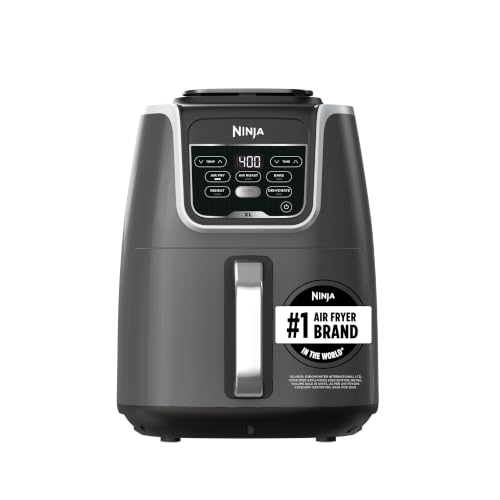
The Brio competes with large basket air fryers and multifunction toaster-oven air fryers. Its best advantage is the combination of a large listed capacity, grill function, rotisserie mode, precise temperature steps, and extensive presets.
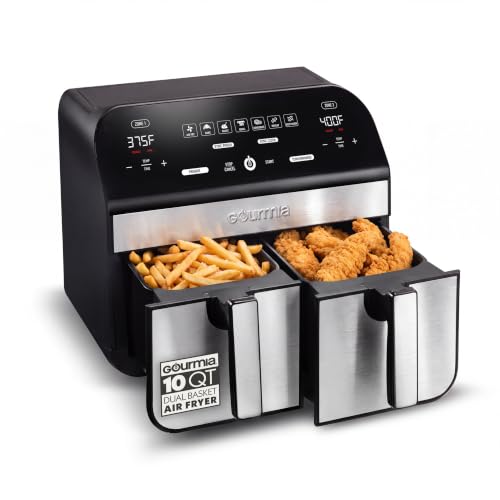
A dual-basket air fryer is usually better for two foods that need different times or temperatures. Independent baskets can also make portion control easier. The Brio instead favors larger foods, oven-style layouts, grilling, and rotisserie cooking.
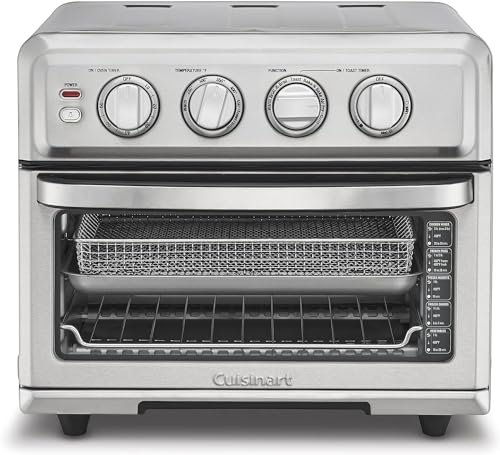
A toaster-oven air fryer may offer a wider rectangular cooking area and more familiar oven functions. It can be a stronger replacement for a small conventional oven, but its air circulation and included accessories vary by model. The Brio's plug-in grill is a clearer point of difference.
A smaller Nuwave Brio model may suit singles, couples, and limited counters better. The 15.5-quart version makes more sense for families or replacement buyers who want more internal room. Always compare the exact model number, because Nuwave uses similar Brio naming across different sizes and configurations.
I would compare these points before choosing:
Bottom line: choose the Brio for capacity and grill versatility; choose a dual basket for separate simultaneous foods; choose a toaster-oven style rival for broader oven duties.
| Option | Best reason to choose it | Main trade-off |
|---|---|---|
| Nuwave Brio 15.5Qt | Large capacity with air fry, grill, and rotisserie modes | Needs more space and has unclear accessory details |
| Dual-basket air fryer | Separate foods can use different settings | Less suited to large foods and grill-style cooking |
| Toaster-oven air fryer | Often useful for toast, baking, and oven-style layouts | Features and airflow vary widely by model |
| Smaller Brio model | Better footprint for one or two people | Less room for family portions and large foods |
Is the dual-basket advantage worth giving up?
Only if your main need is cooking two separate foods at once. The Brio's value comes from oven capacity and extra cooking modes, not independent temperature zones. For family meals with different foods, a dual-basket model may be faster to manage.
- Choose dual baskets for separate meal components.
- Choose the Brio for larger foods and grill use.
- Compare counter depth, not just quart capacity.
Pros, Cons, and Who Should Skip It
The Nuwave Brio makes the most sense for buyers who will use its size and cooking modes. If you only want quick fries or occasional reheating, its oven-style design may add cost, cleaning, and counter demands without enough benefit.
Health-conscious cooks may like air frying because it can reduce the oil needed for some foods. The appliance does not make every food low-calorie, and results still depend on ingredients, portion size, and cooking method.
Replacement buyers should compare the Brio with their current appliance's usable tray area. A larger advertised capacity is helpful only if it supports the foods you actually prepare. Also check whether the new unit includes the racks, grill grate, and rotisserie parts you need.
Electricity use depends on cooking time, temperature, food load, and household power rates. The 1800-watt rating describes maximum electrical power, not the exact cost of every meal. Short air-frying cycles may use less energy than a full-size oven, but I would not promise savings without measured use.
Bottom line: the Brio is a practical capacity upgrade for the right household, but not an automatic replacement for every air fryer.
- Pros: large listed capacity for family portions.
- Pros: grill and rotisserie functions expand the cooking range.
- Pros: fine temperature steps support closer control.
- Cons: large footprint may not suit apartment counters.
- Cons: oven-style parts can take longer to clean.
- Cons: included accessories and dishwasher guidance need confirmation.
Who Should Buy It (and Who Shouldn’t)
Buy it if
- Families that need larger portions than a compact basket can handle.
- Busy parents who want repeatable preset and memory options.
- Cooks who want air fry, grill, and rotisserie functions in one appliance.
- Replacement buyers seeking more versatility than an older air fryer oven.
- Health-conscious cooks who want an alternative to some oil-heavy frying methods.
- Apartment owners with enough counter space and safe ventilation clearance.
Skip it if
- Singles or couples who mainly cook one small serving at a time.
- Small-kitchen owners who cannot spare oven-style counter or storage space.
- Buyers who specifically need independent dual-basket temperature zones.
- Anyone who wants confirmed dishwasher-safe parts without checking the manual.
- Shoppers seeking a simple appliance with few controls and no extra modes.
Alternatives Worth Considering
A better match for cooking two foods at separate temperatures or times, with less emphasis on large oven-style foods.
Consider this format if toast, baking, broiling, and general oven replacement matter more than the Brio's plug-in grill.
A smaller Brio may suit singles, couples, and limited counters, but it will offer less room for family portions.
FAQs About nuwave brio 14 quart air fryer review
Is the Nuwave Brio a 14-quart or 15.5-quart air fryer?
The supplied product title identifies this model as the Nuwave Brio 15.5Qt Air Fryer Oven. Some searches may use the 14-quart phrase, perhaps because of seller or regional labeling. Check the full model number, capacity statement, and included accessories before ordering.
Does the Nuwave Brio cook fries and wings well?
Its convection design and six-blade top fan are intended to circulate hot air around food. Fries and wings still need space, sensible portions, and shaking or turning as needed. The supplied data does not provide independent cooking measurements, so use presets as starting points.
Can the Nuwave Brio handle family meals?
The listed 15.5-quart oven-style capacity makes it a better family option than many compact basket models. Actual servings depend on usable rack area, food size, and spacing. Check the tray layout and accessory list, since quart capacity does not reveal the exact cooking surface.
Is the Nuwave Brio easy to clean?
Cleaning should include the interior, racks, grill grate, and areas exposed to grease. The supplied data confirms a nonstick grill grate but does not confirm dishwasher-safe parts or coating-care rules. Let parts cool, avoid abrasives, and follow the official manual for each removable component.
Does the Nuwave Brio need preheating?
The supplied product information does not clearly state a required preheat routine. Preheating can help with browning and timing, especially for fries, wings, and grill use, but follow the recipe and manual. Avoid assuming every preset uses the same preheat behavior.
Is the Nuwave Brio worth buying in 2026?
It can be worth buying if you need a large oven-style air fryer with grill and rotisserie functions. A dual-basket model may suit separate foods better, while a smaller Brio may fit tight counters. Compare current prices, model numbers, accessories, and newer feature sets before choosing.
Final Verdict
My view is that the Nuwave Brio 15.5Qt is a flexible family-size air fryer oven with a useful grill feature. Its 1800-watt system, 50°F to 425°F range, extensive presets, and memory settings give it a broad operating range.
The main question is fit. If you need large portions, grill-style cooking, and rotisserie capability, the Brio offers more range than a basic basket air fryer. If you have limited space or mainly cook small portions, a smaller unit or dual-basket model may be a better use of your counter.
I would recommend checking the exact model number, usable tray space, dimensions, electrical details, included accessories, and cleaning instructions before purchase. Then compare the current listing with newer Nuwave models and close rivals.
For the right family kitchen, this is a sensible mid-range option rather than a simple snack-size fryer. Check the price and available options before deciding.


One Comment