What Is The Advantage Of Cooking With An Air Fryer: Why?
Across U.S. kitchens, an air fryer can make crisp food with much less oil than deep frying. It also heats quickly, cooks small portions fast, and creates less mess than a pot of hot oil. These are the main advantages of cooking with an air fryer.
An air fryer is not a fryer in the traditional sense. It is a small convection oven that moves hot air around food. This process can brown the outside while keeping the inside tender.
The best results come from foods that benefit from dry heat, such as vegetables, chicken wings, fish, potatoes, and frozen snacks. However, an air fryer does not make every food healthier, and it cannot replace all other cooking methods.

Quick Answer: What Are the Main Advantages of an Air Fryer?
The main advantages of cooking with an air fryer are:
- Less oil: Air frying usually needs little or no added oil compared with deep frying.
- Crisp texture: Rapid hot air movement helps brown and crisp the food’s surface.
- Fast cooking: Small portions often cook faster than they would in a full-size oven.
- Less cleanup: There is no large pan of oil to cool, strain, or discard.
- Lower heat in the kitchen: A compact appliance may release less heat into the room than a large oven.
- Convenient cooking: Many models have simple temperature and timer controls.
- Useful for reheating: Air fryers can restore crispness to foods that become soft in a microwave.
The main trade-off is capacity. Most air fryers work best when food sits in a single, loose layer. Overfilling the basket can lead to uneven cooking and soft food.
How Does an Air Fryer Work?
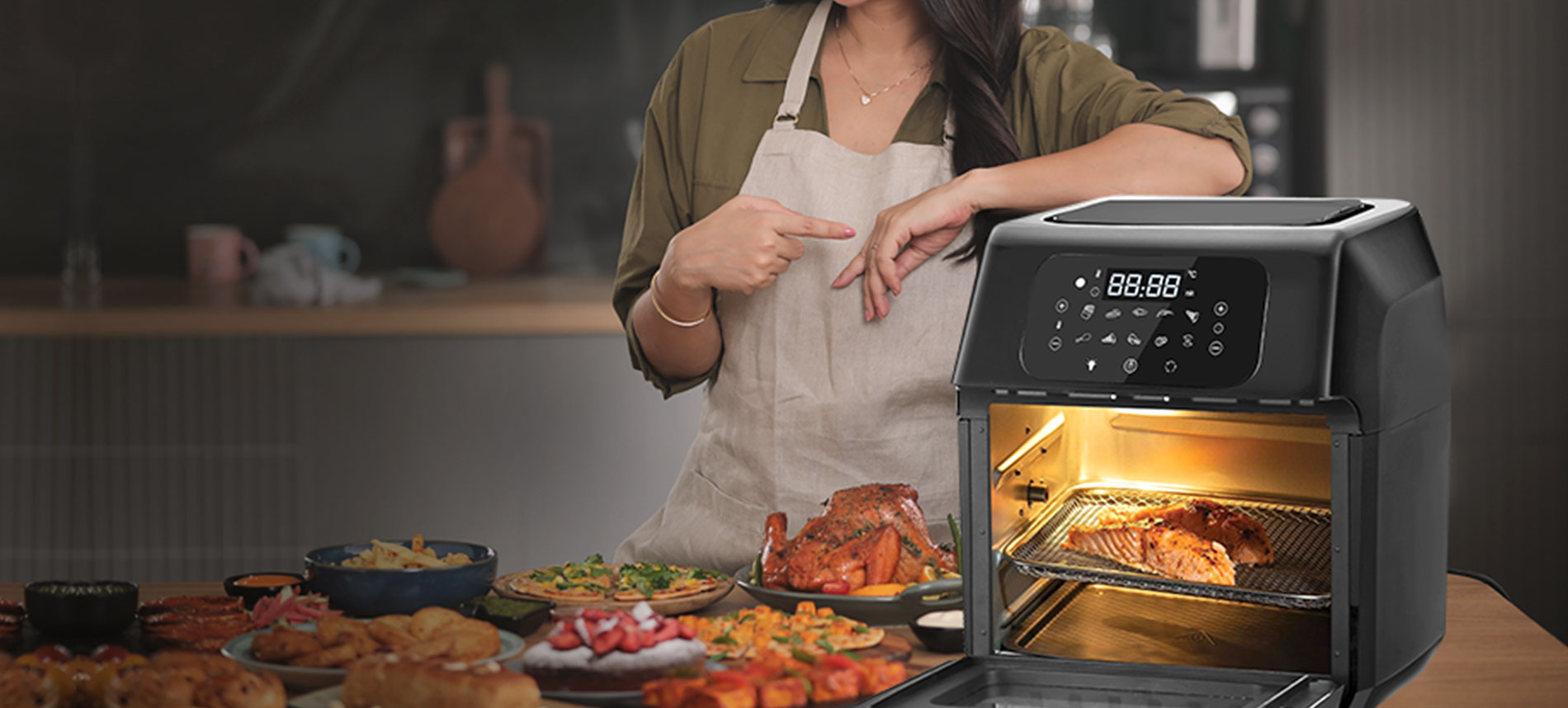
An air fryer uses a heating element and a fan to circulate hot air around food. This is similar to a convection oven, but the cooking chamber is smaller. The small space lets hot air move around the food more directly.
The moving air dries the food’s outer surface. When the surface becomes hot enough, browning reactions create a crisp crust and deeper flavor. A light coating of oil can improve browning, but the food does not need to be submerged in oil.
Most air fryers cook at temperatures commonly used for roasting and baking. The exact result depends on the model, the amount of food, the food’s starting temperature, and how often the basket is shaken or turned.
Air Frying Compared With Deep Frying
Deep frying places food in hot oil. The oil transfers heat quickly and can create a very crisp coating. Air frying uses hot air instead, so the food often contains less added fat from the cooking process.
This does not mean the food has few calories. A breaded food, sausage, or frozen snack still contains the calories and nutrients it had before cooking. Air frying changes the cooking method, not the basic nutrition of the food.
Air Frying Compared With a Conventional Oven
An air fryer is usually smaller than a conventional oven. That smaller space can help it heat quickly and cook a small portion efficiently.
A full-size oven remains more useful for large meals, baking, casseroles, and foods that need a wide, flat surface. An air fryer is often better for one or two servings, quick side dishes, and crisp reheating.

1. Air Fryers Use Less Oil Than Deep Fryers
The clearest advantage of an air fryer is reduced use of cooking oil. Deep frying requires enough oil to surround the food. Air frying may need only a light brush or spray, and some foods need no added oil at all.
Using less oil can reduce the amount of added fat and calories in a meal. The difference is greatest when comparing air-fried food with food that is fully submerged in oil.
The result depends on the recipe. Potatoes tossed with several tablespoons of oil may still contain a substantial amount of fat. A lightly oiled potato or vegetable will have a different nutrition profile.
For a practical comparison, consider this hypothetical example:
| Cooking method | Added oil used | Main effect |
|---|---|---|
| Deep frying | Enough to submerge food | More oil may remain on or enter the food |
| Pan frying | Often 1–3 tablespoons | Food contacts a thin layer of oil |
| Air frying | Often 0–2 teaspoons | Light coating supports browning |
| Baking | Often little or no oil | Texture may be less crisp |
These amounts vary by recipe. They are examples, not fixed measurements.
2. Air Frying Can Make Food Crisp
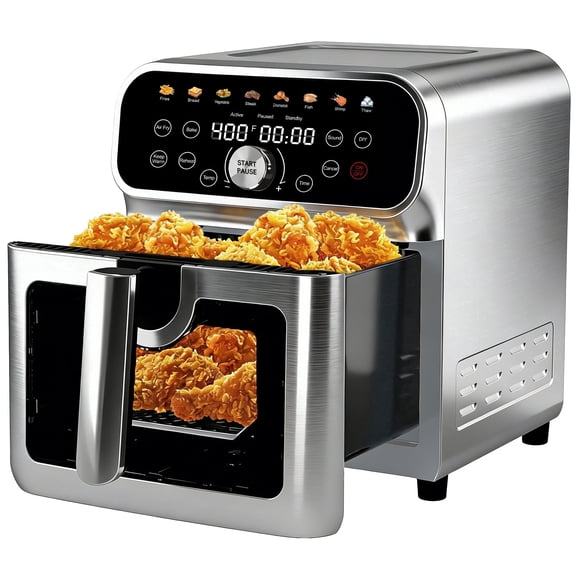
Air fryers are useful when you want a browned, crisp surface without deep frying. The fan moves hot air over the food, while the basket allows air to reach more of its surface.
Foods that often work well include:
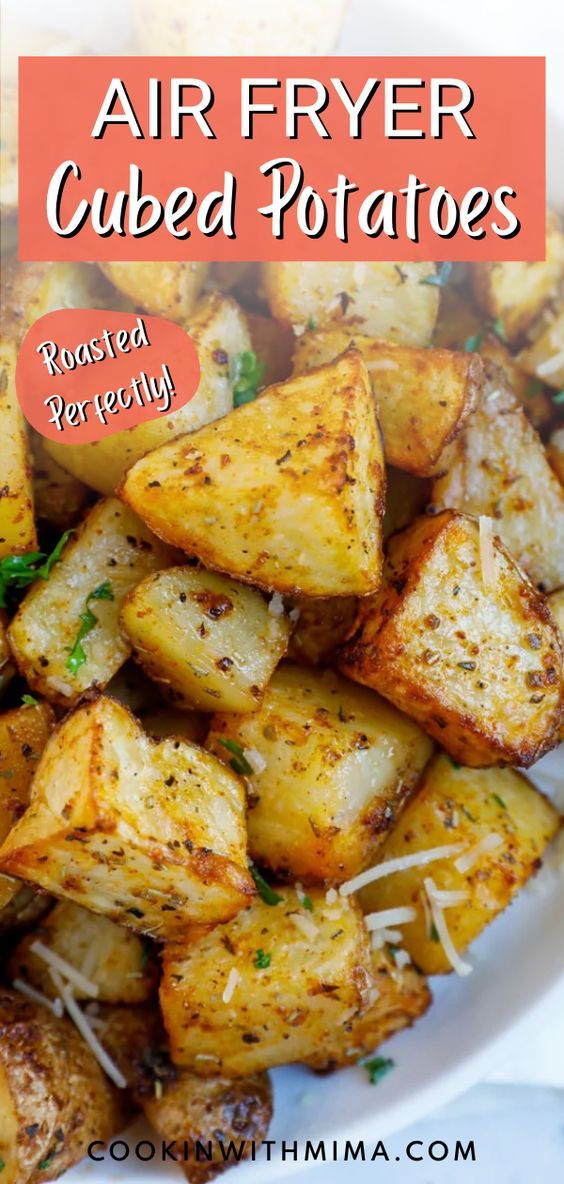
- French fries and potato wedges
- Chicken wings and chicken tenders
- Breaded fish
- Brussels sprouts and cauliflower
- Tofu
- Frozen appetizers
- Reheated pizza and roasted foods
The food must have enough exposed surface for the hot air to reach it. A crowded basket blocks airflow. This can produce food that is pale, soft, or unevenly cooked.
For better browning, dry wet ingredients before cooking. Add a small amount of oil when the recipe needs it. Shake the basket or turn larger pieces partway through cooking.
Why Breaded Foods Need Care
Dry crumbs can brown quickly in an air fryer. Loose flour or crumbs may blow around before the coating sets. Press the coating firmly onto the food, and avoid placing very light items where the fan can move them into the heating element.

3. Air Fryers Often Cook Small Portions Quickly
An air fryer can be faster than a full-size oven for small meals. The chamber is compact, so it usually needs less time to heat. You also may not need to wait for a large oven to reach temperature.
This advantage is strongest for one or two servings. It may be useful for:
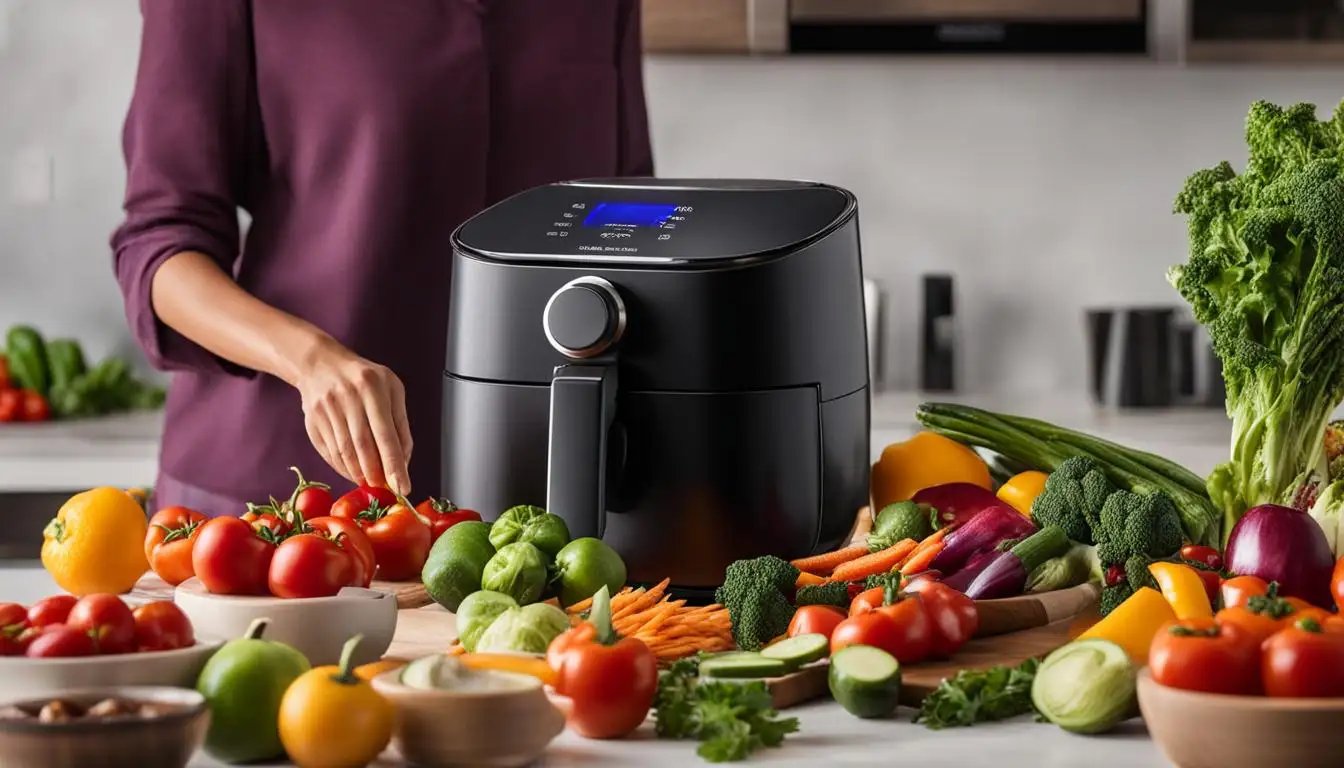
- A small batch of vegetables
- Two chicken breasts
- A serving of fries
- A few fish fillets
- Reheating leftovers
- Cooking a quick snack
Cooking time is not automatically shorter for every food. Thick meat, crowded baskets, frozen foods, and recipes that require multiple batches may take longer than expected.
Use the appliance’s manual as a starting point, then check the food early. For meat and poultry, rely on a food thermometer rather than color or the timer alone. The USDA Safe Minimum Internal Temperature Chart lists safe internal temperatures for common foods in the United States.
4. Air Fryers Create Less Mess Than Deep Frying
Deep frying can create splatter, strong odors, and a large amount of used oil. An air fryer contains the food inside a basket or tray, so cleanup is usually simpler.
After cooking, let the appliance cool. Remove the basket and tray, then clean them according to the manufacturer’s instructions. Some parts may be dishwasher-safe, but the manual is the correct source for that detail.
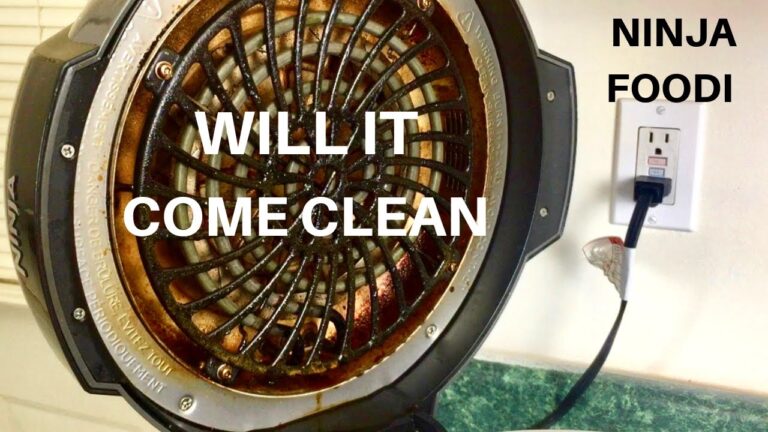
Air frying is not mess-free. Fat from bacon, sausage, chicken skin, or other rich foods can collect in the drawer. Grease can also smoke if it builds up. Regular cleaning helps prevent odors and residue.
Never pour cooking oil down a household drain. Let it cool and dispose of it according to local waste rules.

5. An Air Fryer Can Use Less Energy for Small Meals
A small air fryer may use less energy than a large oven when cooking a small portion. It generally has a smaller cavity and may need less time to heat.
The actual energy use depends on the appliance’s wattage, cooking time, batch size, and the local electricity rate. A high-wattage air fryer used for several batches is not automatically more efficient than one short oven cycle.
A simple way to estimate appliance energy use is:
Energy used in kilowatt-hours = watts ÷ 1,000 × hours of operation
For example, a 1,500-watt air fryer running for 20 minutes would use about:
1.5 kilowatts × 0.33 hours = 0.5 kilowatt-hours
This is a hypothetical calculation. It does not include warm-up patterns or cycling by the heating element. Check the appliance label and your electricity rate for a more precise estimate.

6. Air Fryers Are Useful for Reheating Crisp Foods
An air fryer can reheat foods that become soggy in a microwave. Its dry heat helps restore texture to pizza, fries, roasted vegetables, chicken, and breaded foods.
A microwave heats food by exciting water molecules. That process is fast, but it can soften crisp coatings. An air fryer takes longer than a microwave for some foods, yet it usually gives a drier surface.
Use moderate heat for leftovers that may dry out. Check small pieces early. Thick foods may need to be turned so the center heats evenly.
When reheating meat, poultry, seafood, eggs, or leftovers, heat them thoroughly. The USDA advises reheating leftovers to 165°F. Use a food thermometer when the food’s safety is uncertain.
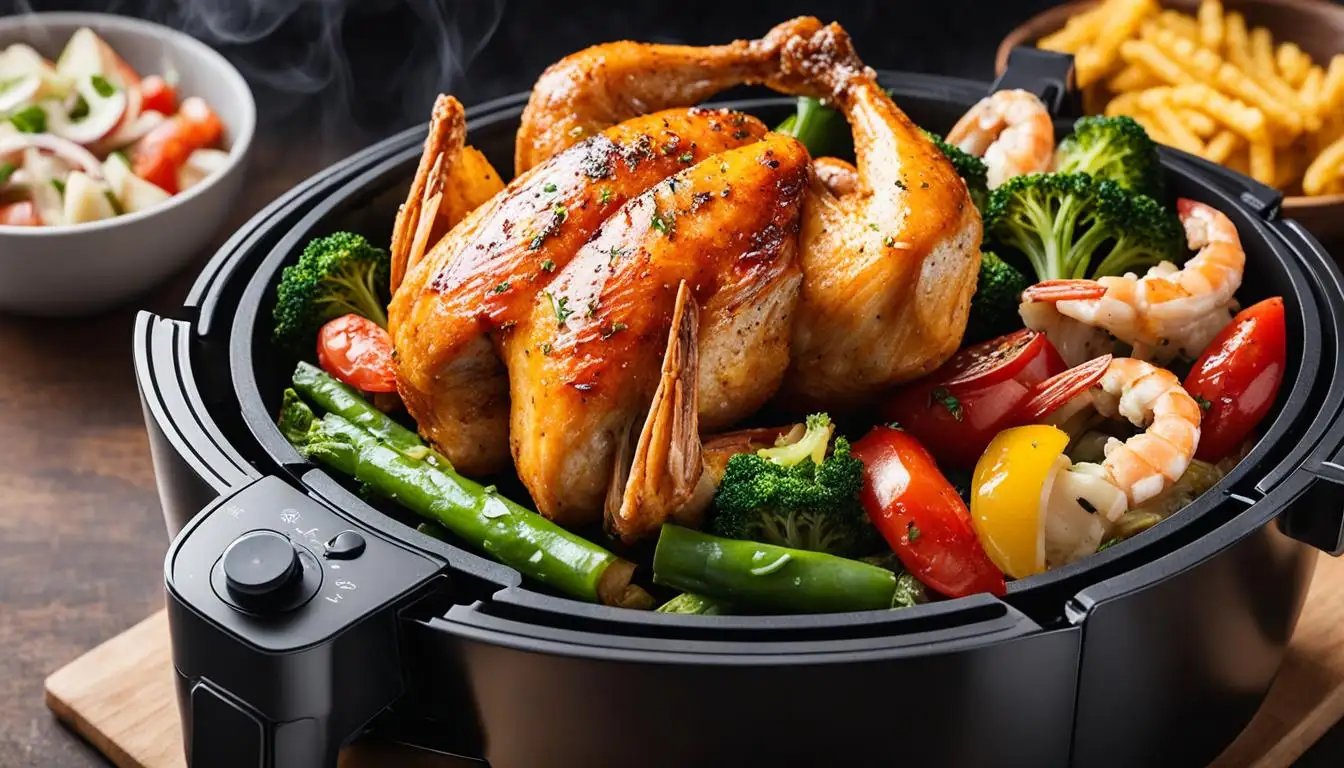
7. Air Frying Can Help You Eat More Vegetables
Air frying can make some vegetables more appealing by adding browned edges and a roasted flavor. This may help people include vegetables more often, especially when they prefer crisp textures.
Good choices include broccoli, cauliflower, carrots, green beans, zucchini, asparagus, and Brussels sprouts. Cut pieces to a similar size so they cook at a similar rate.
Air frying does not automatically make a vegetable dish balanced. Large amounts of salt, cheese, bacon, or sugary sauces can change the meal’s nutritional value. A simple seasoning mix, a small amount of oil, and a serving of protein can create a more balanced plate.
The strongest health benefit usually comes from choosing more vegetables and fewer heavily processed foods—not from the appliance alone.

Is Cooking With an Air Fryer Healthier?
Air frying can be healthier than deep frying when it reduces the amount of added oil and total fat in a food. It may also make it easier to prepare vegetables, fish, and lean proteins with a crisp texture.
However, “air fried” does not mean “healthy” in every case. Air-fried bacon, processed meat, sugary pastries, and heavily breaded snacks are still foods that may be best eaten in moderation.
The U.S. Food and Drug Administration explains that acrylamide can form in some plant-based foods during high-temperature cooking, especially when foods brown. Potatoes and grain-based foods are common examples. Air frying is one type of high-temperature cooking, so avoiding excessive browning is sensible.
Do not undercook food in an attempt to reduce browning. Instead:
- Follow the recipe’s cooking instructions.
- Avoid burning or charring food.
- Cook meat and poultry to a safe internal temperature.
- Use less salt when the food does not need it.
- Serve air-fried foods with vegetables, beans, whole grains, or other nutrient-rich foods.

What Are the Disadvantages of an Air Fryer?
Air fryers have limits that matter before you use one every day.
Limited Capacity
The basket may not hold enough food for a family meal. Overcrowding reduces airflow and can cause uneven cooking. You may need to cook in batches.
Uneven Results
Food size, shape, moisture, and starting temperature all affect the result. Two air fryers set to the same temperature may cook differently.
Dry Food
Lean meat, thin fish, and small vegetables can dry out if cooked too long. Check food early and use a light oil coating when appropriate.
Noise and Counter Space
The fan makes noise, and the appliance needs room for safe operation. Keep it away from walls, curtains, and other heat-sensitive items. Follow the clearance instructions in the manual.
Not Ideal for Every Recipe
Soups, stews, wet batters, and large casseroles do not usually belong in a standard air fryer basket. A conventional oven, stovetop, slow cooker, or pressure cooker may work better.
Some Foods Need Special Handling
Light foods can move in the basket. Parchment paper can also block airflow or lift into the heating element if it is not held down by food. Use only accessories approved for the appliance and follow the manufacturer’s instructions.

How to Use an Air Fryer for the Best Results
Use these steps for more even cooking and better texture:
- Read the manual first. Check the approved temperature range, cleaning instructions, and safety limits.
- Preheat only when useful. Some recipes benefit from a hot basket, while others do not need preheating.
- Dry the food. Excess surface moisture can prevent browning.
- Use a small amount of oil when needed. Oil helps some vegetables and breaded foods brown.
- Leave space between pieces. Air must move around the food.
- Shake or turn the food. This helps expose more surfaces to the hot air.
- Check food before the timer ends. Cooking times vary by model and portion size.
- Use a thermometer for meat and poultry. Time alone cannot confirm safety.
- Clean grease after the appliance cools. Residue can smoke during later cooking.
- Do not cover the air intake or exhaust. Blocked airflow may affect performance and create a safety risk.
A sign of success is food that is evenly browned, fully cooked inside, and not excessively dry. If the outside is dark but the center is cold, lower the temperature and extend the cooking time. If the food is pale and soft, reduce the batch size and improve airflow.

Air Fryer Cooking: Food-by-Food Guide
Different foods need different approaches.
| Food | Useful approach | Common problem |
|---|---|---|
| Potatoes | Dry well, add a light oil coating, shake during cooking | Crowding causes soft fries |
| Chicken wings | Arrange in one layer and turn if needed | Excess fat can smoke |
| Fish | Use a light coating and check early | Thin fillets can dry out |
| Vegetables | Cut evenly and avoid overfilling | Wet vegetables may steam |
| Frozen snacks | Follow package guidance, then check early | Coatings can brown quickly |
| Tofu | Press out moisture and season before cooking | Pieces may stick or dry out |
| Leftover pizza | Use moderate heat and check often | Cheese can overbrown |
| Bacon | Cook in a single layer and remove grease carefully | Grease may smoke |
These are general methods, not guaranteed cooking times. Food thickness, appliance size, and starting temperature can change the result.

Common Air Fryer Mistakes to Avoid
Filling the Basket Too Much
A full basket may look efficient, but it can trap moisture. Cook in a loose layer when crispness matters.
Using Too Much Oil
More oil does not always create better food. Excess oil can collect in the drawer and cause smoke. Start with a light coating.
Ignoring Food Safety
A browned exterior does not prove that meat is safe to eat. Check the thickest part with a thermometer.
Adding Loose Parchment Paper
A loose sheet can move into the heating element. If you use parchment, choose an approved product and place food on top of it.
Cleaning Only the Basket
Grease can remain in the drawer, tray, or heating area. Clean all removable parts and wipe the appliance as the manual directs.
Treating Every Model the Same
Air fryers differ in size, fan strength, basket shape, and heating pattern. Use general cooking charts as estimates, not promises.

Should You Buy an Air Fryer?
An air fryer may be a good fit if you often cook small portions, enjoy crisp food, reheat leftovers, or want to use less oil than deep frying. It is especially useful for quick side dishes, frozen foods, chicken, fish, and roasted vegetables.
It may not be necessary if you already have a convection oven and usually cook large meals. A full-size oven may provide enough capacity without adding another appliance to the counter.
Before buying one, consider:
- How many people you usually cook for
- Available counter and storage space
- Basket capacity
- Ease of cleaning
- Temperature and timer controls
- Noise level
- Replacement parts and warranty
- Whether you need a basket model or an air-fryer toaster oven
Capacity matters more than many buyers expect. A small basket may suit one person but require several batches for a family.
Key Takeaways
- Air fryers use circulating hot air rather than a bath of hot oil.
- Their main advantage is crisp food with less added oil than deep frying.
- They can cook small portions quickly and reheat crisp foods well.
- They often create less mess than deep frying.
- Air frying is not automatically healthier; the food and recipe still matter.
- Avoid overcrowding, excessive browning, loose parchment, and undercooked meat.
- Use a food thermometer for meat, poultry, seafood, and reheated leftovers.
Frequently Asked Questions
Does an air fryer really reduce calories?
It can reduce calories when it replaces deep frying and uses less added oil. The reduction depends on the recipe. Air-fried processed foods and breaded foods can still be high in calories, sodium, or saturated fat.
Is air-fried food better than baked food?
Not always. Air frying may produce a crispier surface and may cook a small portion faster. Baking is often better for large portions, casseroles, and foods that need a wide cooking surface.
Can I use an air fryer every day?
Yes, many people use one regularly. Clean it often, follow the manual, avoid blocking ventilation, and use safe cooking temperatures for meat and poultry.
Do air fryers destroy nutrients?
All cooking methods can change some nutrients. The effect depends on the food, temperature, cooking time, and amount of water used. Air frying can also support a nutritious diet when it helps you prepare more vegetables with little added oil.
Can I put aluminum foil in an air fryer?
Some manufacturers allow foil, but rules vary. Foil must not block airflow or touch the heating element. Check the manual for your specific model before using it.
Why is my air-fried food not crispy?
The most common causes are excess moisture, too much food in the basket, too little cooking time, or poor airflow. Dry the food, reduce the batch size, lightly coat it with oil when suitable, and shake or turn it during cooking.
Conclusion
The biggest advantage of cooking with an air fryer is that it can create crisp, browned food with much less oil than deep frying. It also works well for small meals, quick sides, reheating, and reducing kitchen mess.
Its benefits have limits. An air fryer does not automatically make processed food nutritious, and it cannot replace a full-size oven for every recipe. Use it as a convenient convection cooker, leave room for airflow, avoid excessive browning, and check meat with a thermometer.