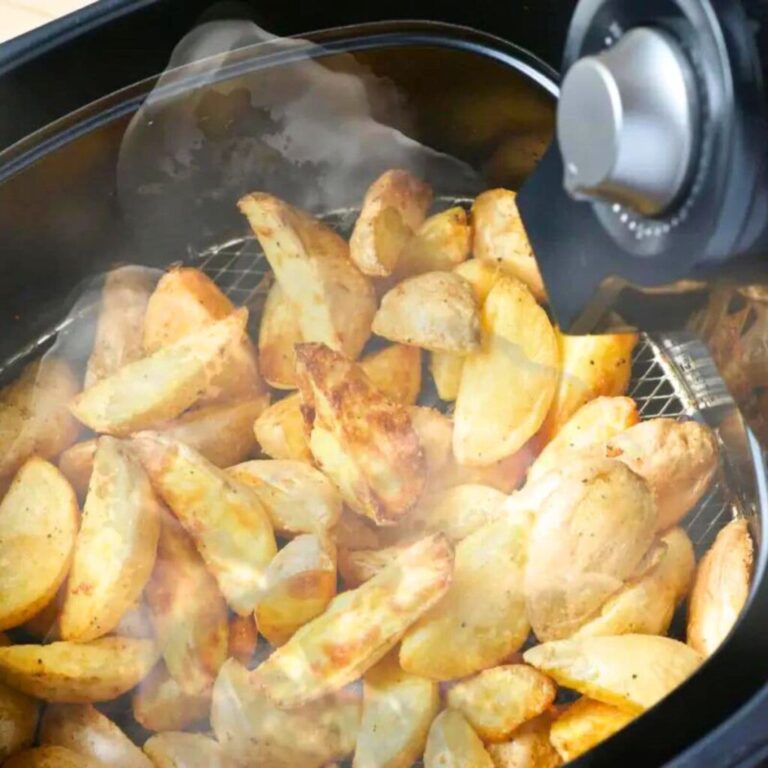
Why Is My Food Not Crispy In The Air Fryer: Easy Fixes
Your food is often not crispy in the air fryer because it is too wet, crowded, or cooked at the wrong temperature.
If you are wondering why is my food not crispy in the air fryer, the answer usually comes down to airflow, moisture, oil, and timing. This guide explains the most common mistakes, how to fix them, and how to get golden, crunchy results with vegetables, fries, chicken, fish, and frozen foods.
Why Is My Food Not Crispy in the Air Fryer?
An air fryer makes food crisp by moving hot air around its surface. This heat dries the outside while browning the natural sugars and proteins in the food. It is similar to a small convection oven, not a deep fryer.
When food stays soft, the surface may not be dry or hot enough. Extra moisture turns into steam, and steam makes food tender instead of crisp. Too much food in the basket can also block airflow and create uneven cooking.
The most common reasons why is my food not crispy in the air fryer include:
• The food is wet before cooking.
• The basket is overcrowded.
• The temperature is too low.
• You use too much oil or no oil at all.
• You skip preheating.
• The food is cut into uneven pieces.
• You open the basket too often.
• The air fryer basket is dirty or blocked.
• You cook a food that naturally has a soft texture.
The good news is that most of these problems are easy to fix. Think of hot air as sunlight. If too many pieces cover one another, the heat cannot reach every surface.
Moisture Is the Biggest Enemy of Crispiness
Moisture is often the main reason why is my food not crispy in the air fryer. Wet food creates steam, and steam softens the outer layer. This is especially common with potatoes, zucchini, mushrooms, tofu, chicken, and foods coated in sauces.
Before cooking, pat fresh food dry with paper towels. You do not need to remove every drop, but the surface should not look wet. Frozen foods also benefit from a quick shake to remove loose ice.
Use these simple steps:
-
Rinse the food if needed.
-
Dry it well with a clean towel or paper towel.
-
Let very wet foods rest for a few minutes.
-
Add seasoning after drying.
-
Add sauce near the end of cooking instead of at the start.
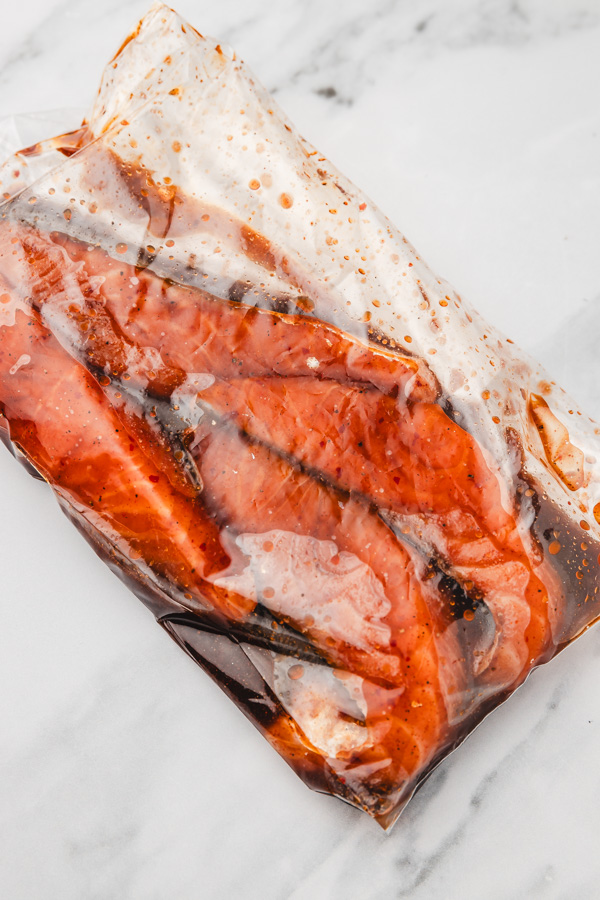
Sauces with water, sugar, or dairy can prevent browning. Barbecue sauce, teriyaki sauce, and buffalo sauce may also burn before the food becomes crisp. Cook the food first, then brush on a thin layer of sauce during the final few minutes.
:max_bytes(150000):strip_icc()/faw-toaster-ovens-air-fryers-test-taotronics-rkilgore-127-efe96fac638843b49fba305016d49235.jpg)
Overcrowding Blocks Hot Air
An overcrowded basket is another major reason why is my food not crispy in the air fryer. Air must move around each piece. When food sits in a thick pile, the pieces touching the basket may cook, but the sides stay soft.
Try to place food in one loose layer. A little space between pieces helps hot air reach the edges. You may need to cook in batches, but the extra time usually gives much better results.
Follow these basket tips:
• Avoid stacking fresh fries, chicken wings, or vegetables too deeply.
• Leave small gaps between larger pieces.
• Shake the basket halfway through cooking.
• Turn thick foods with tongs.
• Use a rack only when it does not block airflow.
A full basket is not always wrong. Some foods, such as frozen fries, can cook well with a little overlap if you shake them often. However, a tightly packed basket will almost always reduce crispiness.
From my own kitchen testing, cooking two smaller batches often gives better results than one large batch. The first batch may take a few extra minutes, but it is usually much crunchier.
:max_bytes(150000):strip_icc()/what-not-to-cook-in-an-air-fryer-GettyImages-1411002076-f88483b7e5834c449a6324ade33f7057.jpg)
Your Air Fryer May Need Preheating
Preheating helps food begin cooking at once. Without it, the food may sit in a warm basket while the machine reaches the target heat. During this time, moisture can remain on the surface.
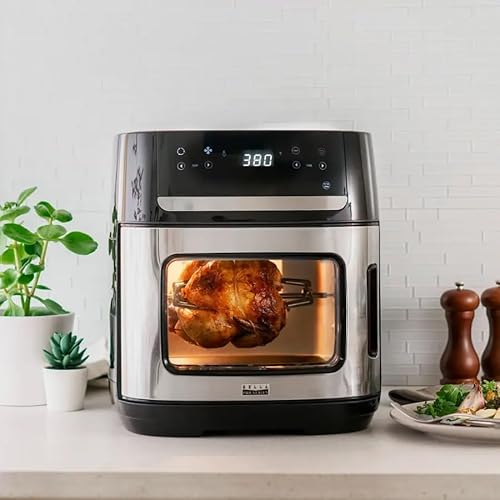
Most air fryers need about 3 to 5 minutes of preheating. Some models heat very quickly, while larger ovens may need more time. Check your manual for the best method.
Preheat when you want crisp food such as:
• French fries
• Chicken wings
• Breaded shrimp
• Mozzarella sticks
• Hash browns
• Tater tots
• Reheated pizza
Preheating is not essential for every recipe. It matters less for slow-roasted vegetables or foods that need gentle cooking. Still, if you are asking why is my food not crispy in the air fryer, preheating is one of the easiest changes to test.
:max_bytes(150000):strip_icc()/air-fryer-crispy-rice-salad-FT-RECIPE0325-8cb70f9e90f04c80a7254e9d8e8c570b.jpg)
The Cooking Temperature May Be Too Low
Low heat can cook food without creating a crisp crust. Browning needs enough surface heat to remove moisture and trigger chemical reactions that deepen color and flavor.
Many foods crisp well between 375°F and 400°F. However, the right setting depends on the food. Thin vegetables may burn at 400°F, while frozen fries may need high heat to become crunchy.
A useful starting guide is:
• Fresh vegetables: 375°F to 400°F
• French fries: 380°F to 400°F
• Chicken wings: 380°F to 400°F
• Breaded foods: 375°F to 400°F
• Fish fillets: 375°F to 400°F
• Reheating pizza: 350°F to 375°F
Do not rely on temperature alone. A small air fryer may cook faster than a large air fryer. The fan strength, basket design, food amount, and starting temperature all affect the result.
If your food is cooked but pale, increase the temperature by 10°F to 25°F for the final few minutes. Watch closely, since a small temperature change can quickly move food from golden to burnt.
You May Be Using the Wrong Amount of Oil
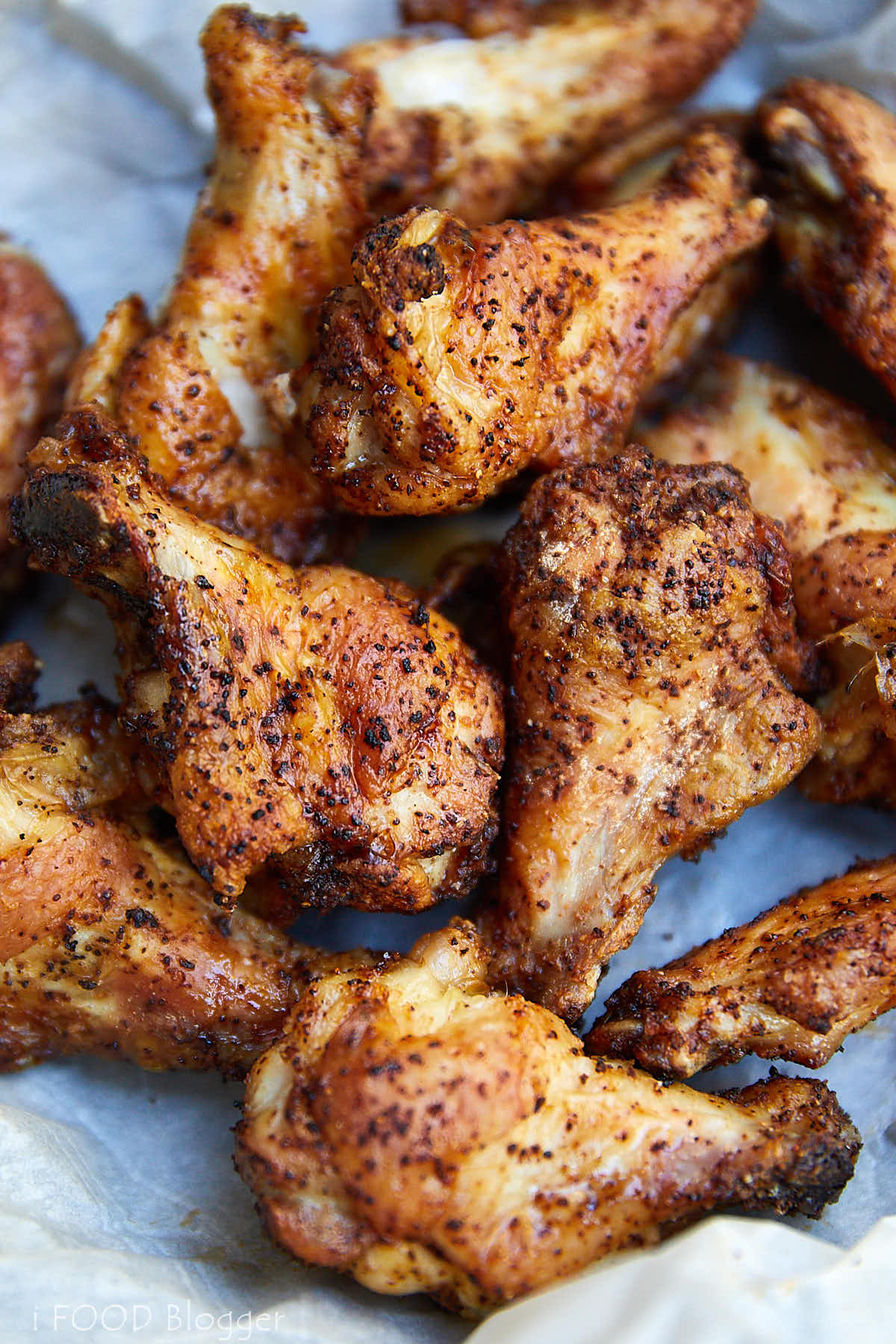
Air fryers need less oil than deep fryers, but many foods still need a light coating. Oil helps conduct heat and encourages browning. It also helps dry coatings form a crisp shell.
Too little oil can leave breading dry and powdery. Too much oil can make food greasy and heavy. The goal is a thin, even coat.
For most foods, try one of these methods:
• Toss food with 1 to 2 teaspoons of oil per pound.
• Use a light spray of cooking oil.
• Brush oil onto dry breading.
• Avoid spraying nonstick cooking spray directly into the machine if the manufacturer warns against it.
Use an oil with a suitable smoke point, such as avocado, canola, vegetable, or light olive oil. Extra virgin olive oil can work at moderate temperatures, but it may smoke at very high heat.
Oil will not fix wet food or an overcrowded basket. It works best after you solve those problems first.

The Coating May Be Too Thick or Too Wet
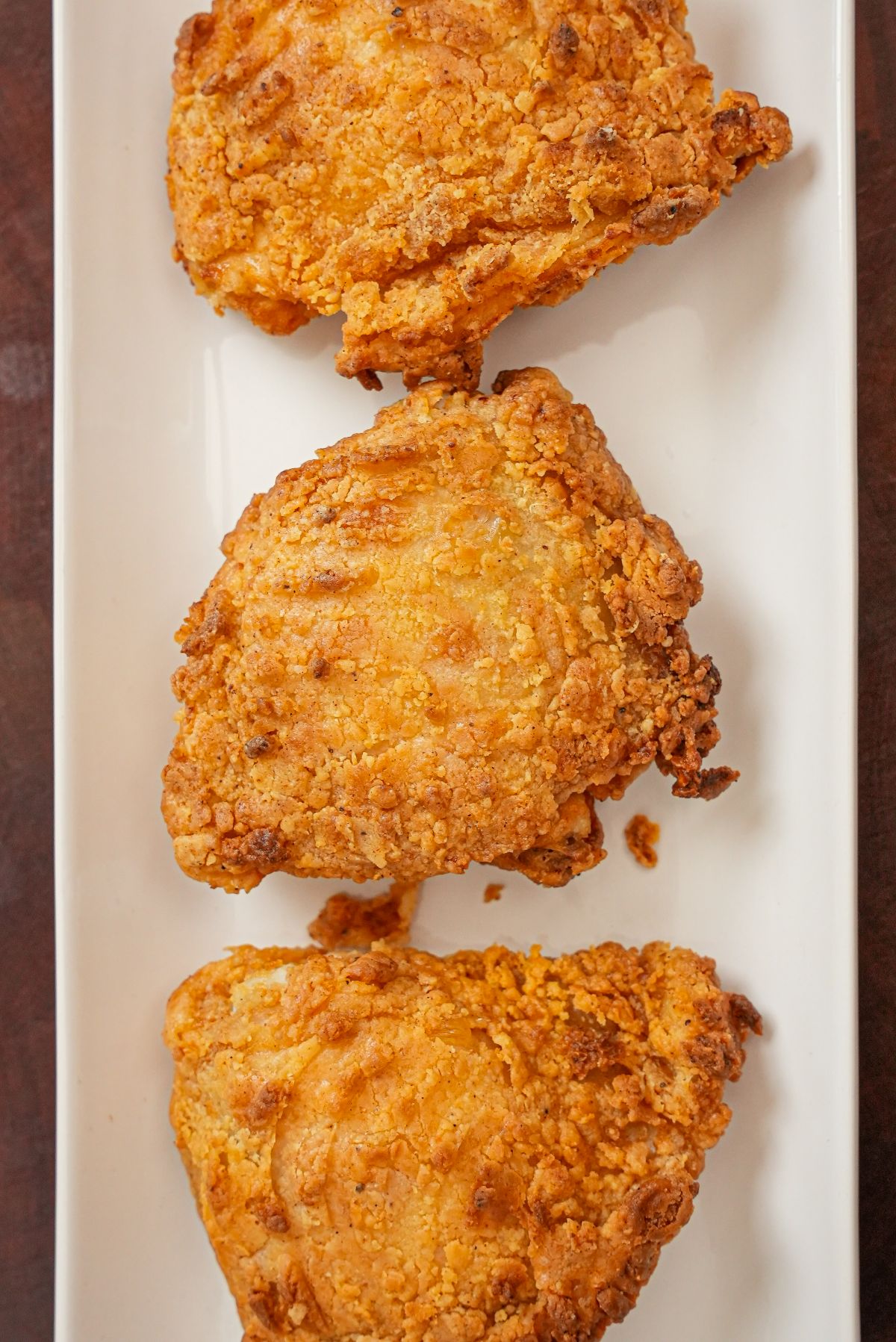
Breaded foods can become soft when the coating is uneven. A wet batter may drip through the basket or stay moist instead of forming a crust. A thick coating can also prevent hot air from reaching the food.
For a crisp coating, use a dry three-step breading process:
-
Coat the food lightly in flour.
-
Dip it in beaten egg.
-
Press it into seasoned breadcrumbs or panko.
Remove excess flour and egg before the next step. Press the crumbs onto the food so they stick, but do not create a very thick layer.
Panko breadcrumbs usually give a lighter crunch than fine breadcrumbs. Crushed cornflakes can create an even crunchier shell. Let breaded food rest for 5 to 10 minutes before air frying. This helps the coating attach to the food.
Do not crowd breaded pieces. If they touch, steam can soften the places where they meet. Turn them carefully halfway through cooking for even browning.
Food Size and Shape Affect Air Fryer Results
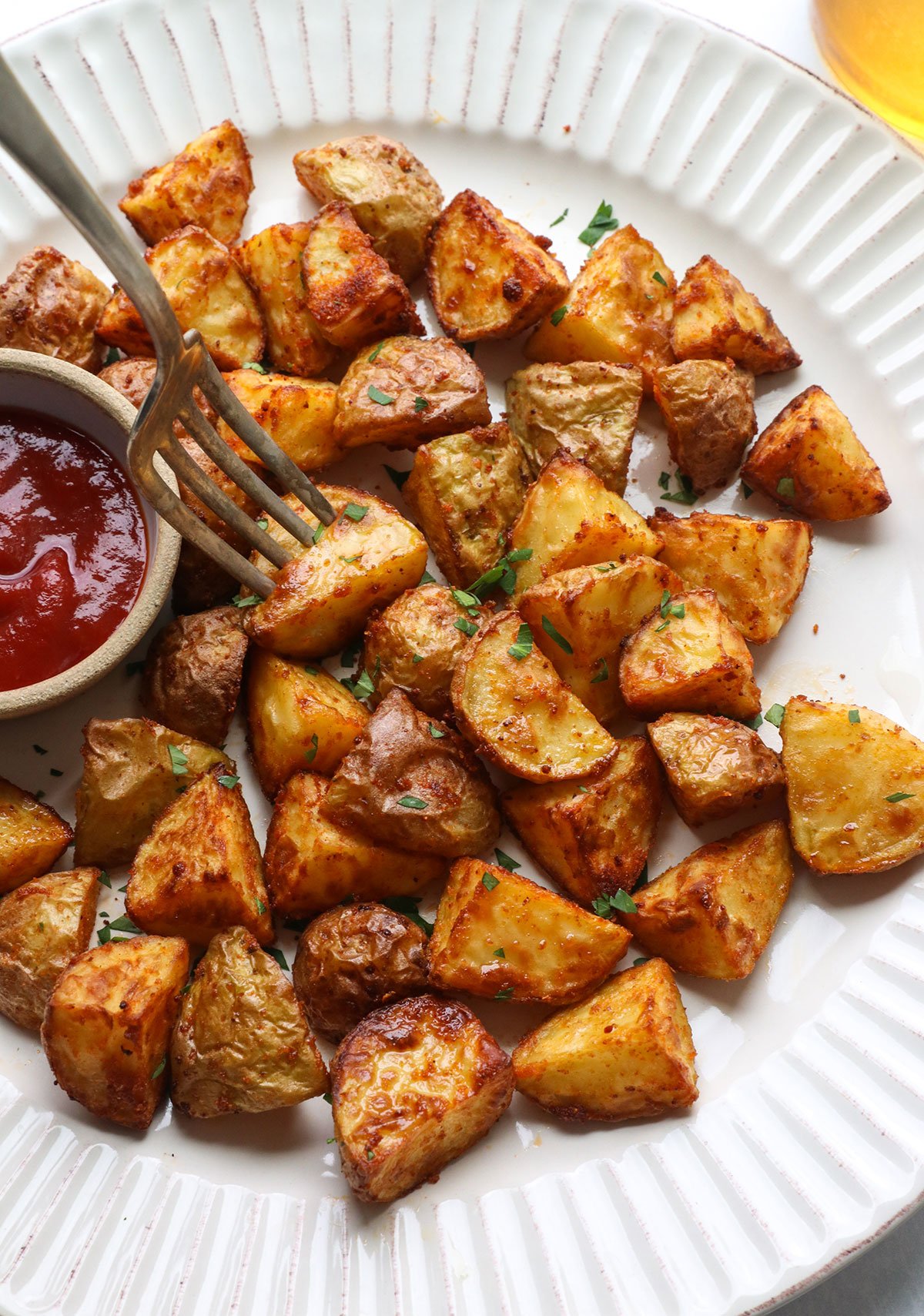
Uneven pieces cook at different speeds. Small pieces may burn while larger pieces remain soft inside. This can make you lower the temperature, which may create less crisp food overall.
Cut food into pieces of similar size. For homemade fries, aim for strips with a similar thickness. For vegetables, keep chunks close in size. For chicken, avoid placing very thick pieces beside thin pieces.
The surface area also matters. Thin foods crisp faster because more of the food touches the hot air. Thick foods need more time, but they may dry out before the center is fully cooked if the temperature is too high.
A practical approach is to:
• Cut foods evenly.
• Keep pieces small enough for the cooking time.
• Turn thick foods halfway through.
• Use a food thermometer for meat and poultry.
• Let cooked food rest on a wire rack, not a flat plate.
A flat plate traps steam under hot food. That steam can soften the bottom within minutes. A wire rack lets air move below the food.

The Basket and Airflow May Be the Problem
A dirty basket can hold moisture and grease. Built-up residue may also block holes that help air circulate. This can reduce browning and create uneven cooking.
Clean the basket after it cools. Use warm, soapy water and a soft sponge unless your manual allows another method. Avoid harsh tools that damage the nonstick coating.
Also check the air fryer itself:
• Keep the rear and side vents clear.
• Do not place the machine tightly against a wall.
• Make sure the basket sits fully inside the unit.
• Check that the heating element is free of heavy grease.
• Replace damaged or badly peeling parts.
Air fryer designs vary. A small basket model may crisp differently from an oven-style model with several racks. Recipe times are starting points, not promises. Your machine may need a lower load, a longer cook, or a final high-heat burst.
Common Foods That Stay Soft in an Air Fryer
Some foods naturally contain a lot of water. They can become browned on the outside but remain soft inside. This does not always mean you did something wrong.
Zucchini, mushrooms, tomatoes, and eggplant release water as they cook. Use smaller batches, dry them well, and avoid adding salt too early. Salt pulls moisture toward the surface, so season these foods close to cooking time.
Tofu needs special care. Press it to remove water, cut it into cubes, and coat it lightly with oil and cornstarch. Cornstarch helps form a dry, crisp layer.
For potatoes, rinse cut fries to remove some surface starch, then dry them very well. A short soak can help, but drying is more important than soaking. If the fries go into the basket wet, they will steam instead of crisp.
Frozen food can also vary by brand. Extra ice, thick coatings, or a crowded bag may change the result. Cook frozen items straight from frozen unless the package says otherwise, and shake them during cooking.
How to Make Food Crispy in the Air Fryer
Use this simple method when why is my food not crispy in the air fryer keeps becoming a problem:
-
Preheat the air fryer for 3 to 5 minutes.
-
Pat fresh food dry.
-
Cut pieces into similar sizes.
-
Add a small amount of oil.
-
Place food in a loose, even layer.
-
Set the temperature based on the recipe and food type.
-
Shake or turn the food halfway through.
-
Check the food a few minutes before the suggested finish time.
-
Add sauce only near the end.
-
Move cooked food to a wire rack.
If the food is cooked but still soft, return it to the air fryer for 2 to 4 minutes at 400°F. Check it often. Small pieces can crisp fast during this final stage.
For fries and similar foods, shaking is especially important. The first layer may brown while the upper pieces stay pale. A good shake exposes new surfaces to the hot air.
Mistakes to Avoid When Air Frying
Several small habits can explain why is my food not crispy in the air fryer. Avoiding them can improve your results right away.
• Do not add wet batter unless the recipe is designed for it.
• Do not cover the basket with solid parchment paper.
• Do not use more parchment than needed.
• Do not place foil where it blocks the air vents.
• Do not fill the basket to the top with dense food.
• Do not open the drawer every minute.
• Do not place hot food in a sealed container right away.
• Do not assume every air fryer has the same power.
Parchment liners can help with sticky foods, but they may reduce airflow. Use perforated liners or cut small holes in plain parchment. Never place loose parchment in the air fryer during preheating, since the fan can lift it toward the heating element.
Food safety matters too. Cook poultry, meat, and seafood to safe internal temperatures measured with a food thermometer. Crispiness is useful, but it should never replace proper cooking.
Frequently Asked Questions About Why Is My Food Not Crispy in the Air Fryer
Why is my food not crispy in the air fryer even at 400°F?
The food may be wet, crowded, or coated with too much sauce. Dry the surface, cook a smaller batch, and leave the sauce until the final minutes.
Does an air fryer need oil to make food crispy?
Not always, but a small amount of oil helps many foods brown and crisp. Use a light, even coating instead of pouring oil into the basket.
Should I preheat my air fryer for crispy food?
Preheating can improve crispiness because the food starts cooking in hot air right away. Three to five minutes is enough for many models.
Why are my air fryer fries soft?
Soft fries often result from excess moisture, thick cuts, or an overcrowded basket. Dry the potatoes well, use a single loose layer, and shake them during cooking.
Can I make battered food crispy in an air fryer?
Wet batter may not crisp well because it can drip through the basket and steam. A dry flour, egg, and breadcrumb coating usually works better.
Why does my air-fried food become soft after cooking?
Steam becomes trapped when hot food sits on a plate or goes into a closed container. Place it on a wire rack and let steam escape before serving.
How do I reheat food without making it soggy?
Reheat food at about 350°F to 400°F in a single layer. Avoid the microwave when you want a crisp surface.
Conclusion
The main reason why is my food not crispy in the air fryer is usually excess moisture, poor airflow, low heat, or too much food in the basket. Dry the ingredients, preheat the machine, use a light oil coating, and cook in small batches. Turning or shaking the food also helps every side meet the hot air.
Start with one change at a time so you can see what works in your air fryer. With a little practice, soft fries, pale breading, and soggy vegetables can become crisp, golden, and satisfying. Try these tips with your next meal, and share your best air fryer lesson in the comments.