
Why Are Air Fryers Bad For You: Health Risks Explained
Air fryers may be bad for you when high heat, processed foods, excess browning, or unsafe cooking habits become routine.
Air fryers are not automatically unhealthy, but they can create risks that are easy to miss. The real answer to “why are air fryers bad for you” depends on what you cook, how dark you make it, and how often you eat it. This guide explains the science, common mistakes, safety concerns, and healthier ways to use an air fryer.
Why Are Air Fryers Bad for You?
Air fryers cook food by moving very hot air around a small chamber. This method can make food crisp with little or no oil, but it still uses high heat. That heat can change the food’s nutrients and create unwanted compounds when starchy foods become very brown.
The main concerns include:
• Acrylamide formation in browned potatoes, bread, and other starchy foods
• Eating too many processed or frozen foods because they are easy to cook
• Excess calories from oil, sauces, and large portions
• Burns, smoke, and fire risks from poor use
• Uneven cooking that may leave meat unsafe
• Possible exposure to damaged nonstick coatings
• A false belief that every air-fried food is automatically healthy
So, why are air fryers bad for you in some cases? The problem is usually not the appliance alone. It is the mix of high heat, food choice, cooking time, and eating habits.
An air fryer is more like a small convection oven than a magic health tool. It can reduce the need for oil, but it cannot turn bacon, candy, or heavily processed chicken nuggets into health foods.

Air Fryers and Acrylamide
Acrylamide is a chemical that can form when certain plant foods cook at high temperatures. It develops through a natural reaction between sugars and an amino acid called asparagine. This reaction is known as the Maillard reaction, and it creates the brown color and toasted flavor many people enjoy.
Foods that may produce acrylamide include:
• French fries
• Potato wedges
• Hash browns
• Toast
• Crackers
• Breaded snacks
• Some roasted vegetables
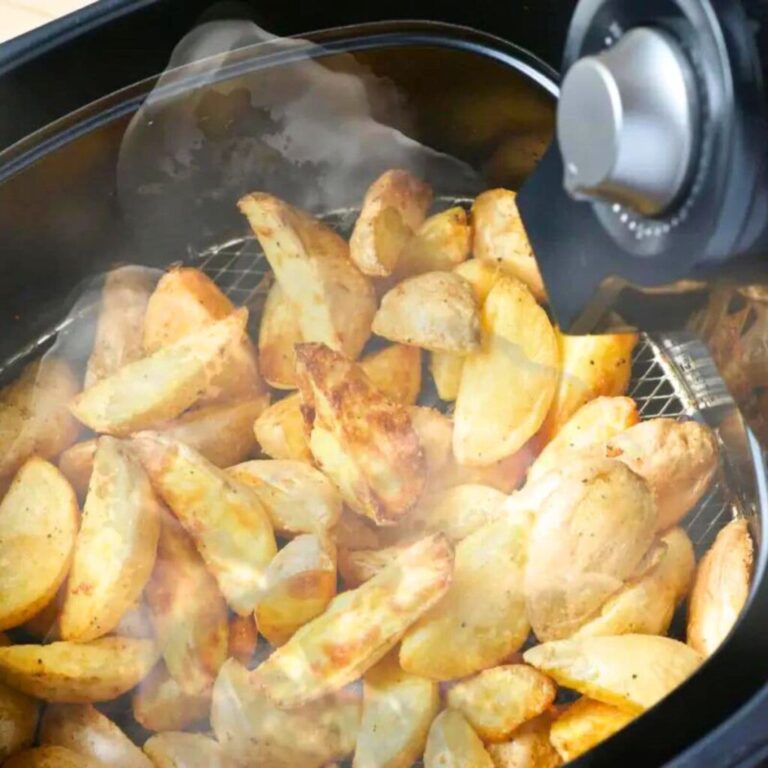
Air frying can create acrylamide because it often cooks food at temperatures above 300°F. The risk rises when food is cooked too long or becomes dark brown. A light golden color is generally a better target than a deep brown or burnt surface.
Current evidence does not show that normal air fryer use directly causes cancer in humans. However, laboratory research has raised concerns about high acrylamide exposure. Health agencies generally advise people to limit heavily browned and burnt foods as a sensible precaution.
This is one reason people ask why are air fryers bad for you. The concern is not unique to air fryers. Baking, roasting, grilling, and frying can also create acrylamide when starchy foods become very dark.

Do Air Fryers Destroy Nutrients?
Air frying can reduce some nutrients, but the effect depends on the food, heat, and cooking time. Vitamin C and some B vitamins are sensitive to heat and may decline during cooking. This happens with boiling, baking, roasting, and frying too.
Air frying may preserve more nutrients than deep frying because the food is exposed to less oil and often cooks quickly. It can also be a better choice than boiling vegetables in a large amount of water, which may pull water-soluble vitamins into the cooking liquid.
Still, air frying is not a perfect cooking method. Long cooking times and very high temperatures may reduce heat-sensitive nutrients. Overcooking vegetables until they are dry and dark can also lower their nutritional value.
To protect nutrients:
• Cook vegetables until tender, not burnt
• Use the shortest safe cooking time
• Avoid cutting foods into very small pieces
• Keep the temperature moderate when possible
• Add fresh foods, such as salad or fruit, to the meal
The answer to why are air fryers bad for you should include balance. Air frying may reduce some nutrient losses compared with deep frying, but gentle steaming, quick sautéing, and eating some raw vegetables can also be useful.
:max_bytes(150000):strip_icc()/iStock-1019794758-0031aaae11ec4400956bfca1a8b6f881.jpg)
Air-Fried Food Can Still Be High in Calories
Many people buy an air fryer to eat fewer calories. That can work when it replaces deep frying. Deep frying adds a large amount of oil because food sits in hot fat. Air frying usually needs only a light coating.
However, an air fryer does not remove calories from the food itself. A frozen mozzarella stick, breaded fish fillet, or packaged potato snack may still contain plenty of refined starch, sodium, saturated fat, and calories.
Common calorie traps include:
• Spraying on more oil than needed
• Adding cheese, butter, or creamy sauces
• Eating large portions because food feels lighter
• Choosing packaged snacks instead of whole foods
• Cooking several small snacks and eating them mindlessly
For example, air-fried chicken wings may contain less added oil than deep-fried wings. They can still be high in calories, especially with skin, sweet sauces, and a large serving size.
This helps explain why are air fryers bad for you for some users. The appliance may lower the oil in a meal while increasing how often someone eats fried-style food.
Air Fryers May Encourage More Processed Food
Air fryers are fast and convenient. That is a major benefit, but convenience can shape eating habits. If the easiest foods in your freezer are fries, nuggets, pizza bites, and battered snacks, the air fryer may make those foods part of your daily routine.
Processed food is not automatically harmful. Some frozen foods can fit into a balanced diet. The concern grows when these foods replace beans, vegetables, whole grains, fish, eggs, fruit, and other minimally processed choices.
Check the Nutrition Facts label for:
• Sodium
• Saturated fat
• Added sugars
• Protein
• Fiber
• Serving size
• Total calories
A useful rule is to make the air fryer a cooking tool, not a food category. Use it for salmon, tofu, chickpeas, vegetables, potatoes, and chicken. Try to avoid treating every meal as a crispy snack.
When people ask why are air fryers bad for you, this behavior change often matters more than the appliance. A healthier machine cannot correct an unbalanced diet.
:max_bytes(150000):strip_icc()/what-not-to-cook-in-an-air-fryer-GettyImages-1411002076-f88483b7e5834c449a6324ade33f7057.jpg)
High Heat May Create Other Unwanted Compounds
Acrylamide is the best-known concern, but high-heat cooking can create other compounds too. Meat cooked at high temperatures may form heterocyclic amines and polycyclic aromatic hydrocarbons. These compounds are more commonly linked with grilling, broiling, pan frying, and charring.
Air fryers may produce these compounds when meat becomes heavily browned or burned. The risk depends on the type of meat, temperature, cooking time, fat content, and whether the surface chars.
You can lower the risk by:
• Avoiding blackened or burnt food
• Turning meat during cooking
• Using a lower temperature for thicker pieces
• Removing visible fat that may drip and smoke
• Marinating meat before cooking
• Eating a varied diet instead of relying on one cooking method
Marinades that contain herbs, spices, garlic, or acidic ingredients may help reduce the formation of some cooking-related compounds. They also add flavor without requiring heavy sauces.
The key point is simple: why are air fryers bad for you is partly a question of heat control. High heat is useful, but extreme browning is not a sign of better cooking.
:format(webp))
Air Fryer Nonstick Coatings and Chemical Concerns
Many air fryer baskets use a nonstick coating. Some coatings are made with materials from the polytetrafluoroethylene family, often called PTFE. When used correctly at normal cooking temperatures, these coatings are generally considered stable.
The concern rises when a basket is overheated, badly damaged, or scratched. Very high temperatures can break down some nonstick materials and release fumes. Birds are especially sensitive to these fumes, so air fryers should not be used near pet birds.
To protect the basket:
• Do not preheat an empty unit longer than the manual allows
• Avoid metal utensils
• Do not use abrasive scrubbers
• Replace a basket with severe peeling or flaking
• Follow the manufacturer’s temperature limits
• Keep the air fryer clean and free of heavy grease
Some people prefer stainless steel or ceramic-coated models. These options may reduce concerns about traditional nonstick surfaces, but every product still needs proper care. Product claims such as “PFOA-free” do not mean the item is free from every chemical or coating material.
This is another limited but valid point in discussions about why are air fryers bad for you. The risk is usually related to misuse or damage, not ordinary cooking with an intact basket.
Air Fryer Safety Risks
Air fryers can cause burns if the basket, steam, or food is handled carelessly. The outside may also become hot, depending on the model. Hot oil and grease can smoke or splatter when the basket is overfilled.
Basic safety steps include:
- Place the appliance on a stable, heat-safe surface.
- Keep it away from walls, curtains, and overhead cabinets.
- Do not block the air vents.
- Avoid overfilling the basket.
- Use oven mitts when removing the basket.
- Let the unit cool before cleaning.
- Keep water away from electrical parts.
- Unplug the appliance after use.
Overfilling creates another problem: food may cook unevenly. One side may be crisp while the center remains cold or undercooked. This matters most with raw chicken, pork, seafood, and thick meat.
Do not rely only on color. Use a food thermometer. Poultry should reach 165°F, ground meats should reach 160°F, and fish should generally reach 145°F, based on standard food safety guidance.

How to Use an Air Fryer in a Healthier Way
You do not need to avoid air fryers completely. Used wisely, they can help reduce deep-fried food and make home cooking easier.
Try these practical habits:
• Choose whole foods more often than packaged snacks
• Use one or two teaspoons of oil instead of pouring freely
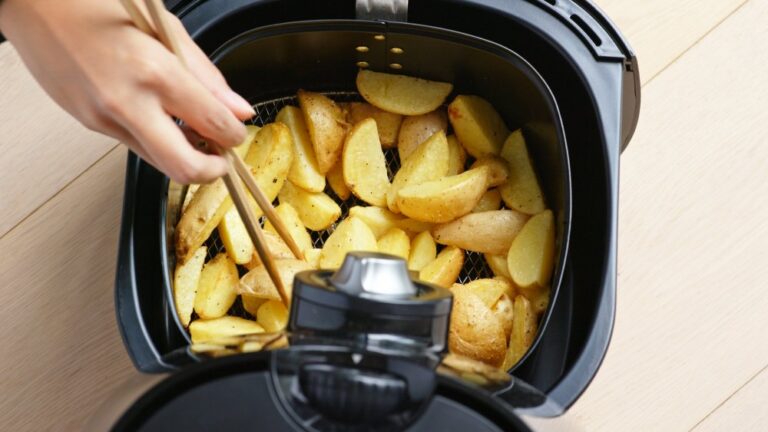
• Stop cooking when food is golden, not dark brown
• Shake or turn food for even cooking
• Leave space around food so hot air can move
• Use a thermometer for meat and poultry
• Pair crispy foods with vegetables, beans, or whole grains
• Watch serving sizes
• Clean grease from the basket and heating area
• Read the appliance manual before cooking
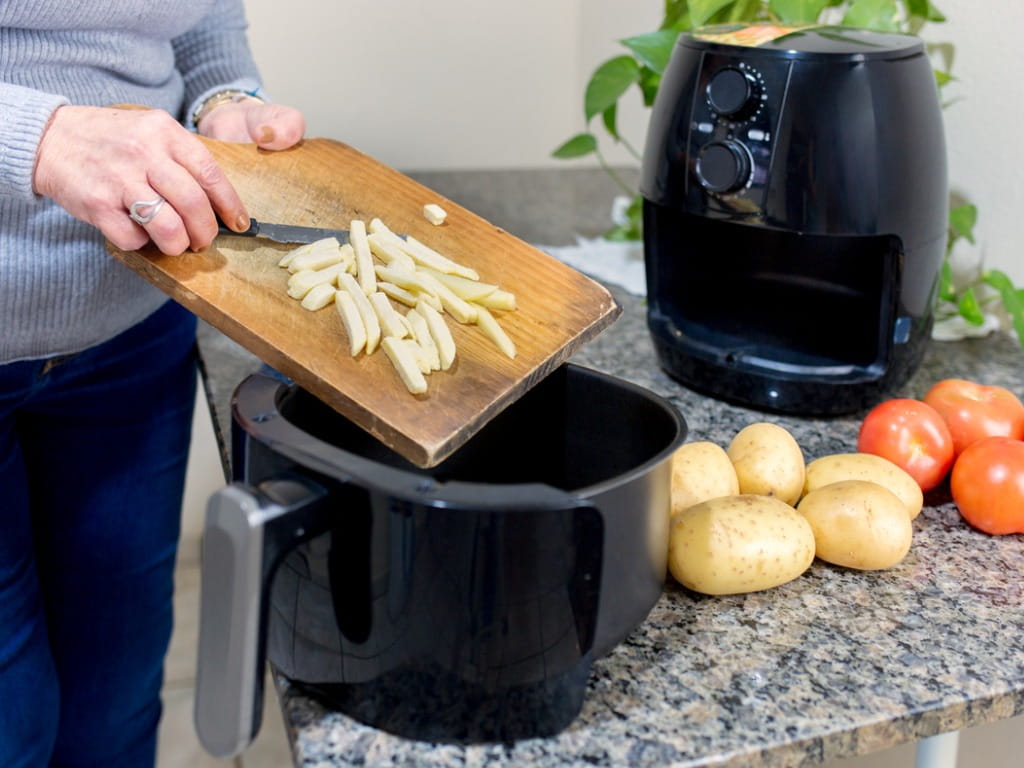
For potatoes, soak cut pieces in water, rinse them, and dry them well. Cook them until light golden. For vegetables, use a shorter time and check them often because thin pieces can burn quickly.
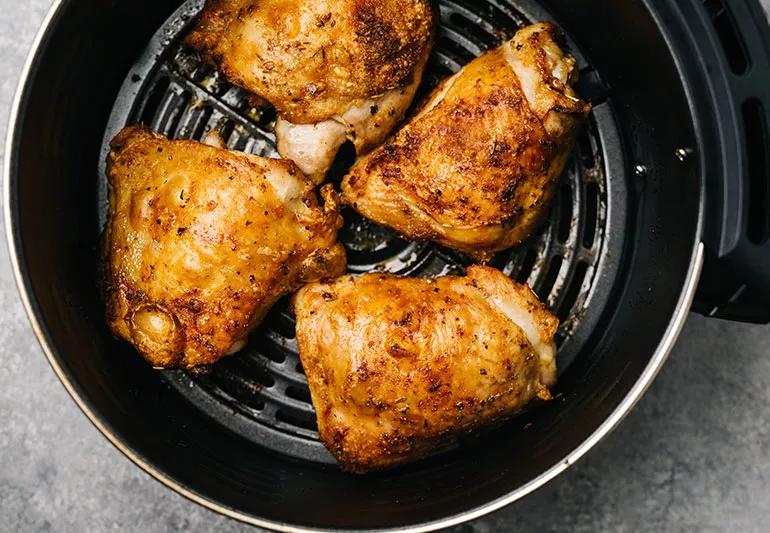
For chicken, choose skinless pieces when appropriate, season with herbs and spices, and avoid sugary sauces until the end. For tofu, press out excess water, use a small amount of oil, and serve it with vegetables and brown rice.
These steps answer why are air fryers bad for you in a practical way. The goal is not perfection. It is to reduce burning, control portions, and use the appliance to support a varied diet.
Air Fryer Mistakes to Avoid
Small mistakes can make air-fried food less healthy or less safe. The most common mistake is assuming that “air-fried” means “healthy.” That label describes the cooking method, not the full nutrition of the meal.
Other mistakes include:
• Cooking at the highest setting every time
• Leaving food unattended
• Using too much oil
• Ignoring smoke or unusual odors
• Cooking raw meat in a crowded basket
• Using damaged parchment paper
• Adding loose paper or foil near the heating element
• Forgetting to clean built-up grease
• Eating fried-style foods at every meal
In practical kitchen testing, one lesson stands out: food cooks faster than expected in a small air fryer. A few extra minutes can change crisp food into burnt food. Start checking early, especially with thin vegetables, toast, and small pieces of potato.
Another useful lesson is to use the air fryer as part of a meal plan. Cooking salmon and vegetables in it can be helpful. Reheating every snack in it all day may encourage grazing and excess calories.
Are Air Fryers Better Than Deep Fryers?
For many foods, air frying is a healthier choice than deep frying. It usually requires less oil and may reduce total fat and calories. It also avoids storing and reheating large amounts of cooking oil.
However, “better than deep frying” does not mean “healthy in every situation.” An air-fried packaged snack may still be less nutritious than a baked potato, lentil dish, or fresh vegetable meal.
Here is a simple comparison:
| Cooking method | Main advantage | Main concern |
|---|---|---|
| Air frying | Uses little added oil | Can over-brown food |
| Deep frying | Produces a crisp texture | Adds more fat and calories |
| Baking | Works well for large portions | May need more oil for crispness |
| Steaming | Preserves moisture | Does not create a crisp texture |
| Boiling | Simple and low in fat | Some nutrients may enter the water |
The best cooking method depends on the food and your overall eating pattern. If an air fryer helps you replace deep-fried foods with roasted vegetables or lean protein, it may be useful.
Who Should Be More Careful?
Most healthy adults can use an air fryer safely when they follow cooking and food safety guidance. Some people may need extra care with portions, sodium, or food texture.
People who may benefit from caution include:
• Those with high blood pressure who eat many salty frozen foods
• People with diabetes who frequently cook refined starches
• Anyone managing heart disease or high cholesterol
• People with swallowing problems who need softer foods
• Parents preparing food for young children
• People with food allergies who share baskets with other foods
Air-fried foods can be dry or very crisp. That may be uncomfortable for people with dental problems or swallowing concerns. Softer cooking methods may be more suitable in those cases.
If you have a medical condition or follow a special diet, ask a registered dietitian or qualified clinician for advice. General information cannot replace personal medical guidance.
Frequently Asked Questions About Why Are Air Fryers Bad for You
Are air fryers toxic?
Air fryers are not normally toxic when used according to the manufacturer’s instructions. Avoid overheating, damaging the basket, blocking vents, or using a unit that produces unusual fumes.
Is air-fried food healthier than fried food?
Air-fried food is often lower in added fat and calories than deep-fried food. Its health value still depends on the ingredients, portion size, sodium, and amount of browning.
Do air fryers cause cancer?
There is no strong evidence that normal air fryer use directly causes cancer. However, heavily browned or burnt foods may contain compounds that health experts recommend limiting.
Is it safe to use aluminum foil in an air fryer?
Aluminum foil may be safe in some air fryers when the manual allows it and the foil is secured under food. Never let foil block airflow or touch the heating element.
Can air fryers destroy nutrients?
Air frying can reduce heat-sensitive nutrients, such as vitamin C, but all cooking methods can cause some nutrient loss. Short cooking times and avoiding overcooking can help preserve nutrients.
Can I cook raw chicken in an air fryer?
Yes, raw chicken can be cooked in an air fryer if the pieces are not crowded and reach 165°F inside. Check the thickest part with a food thermometer.
How often should I use an air fryer?
There is no fixed limit for everyone. Using an air fryer regularly can fit a healthy diet when meals include whole foods, vegetables, lean proteins, and reasonable portions.
Conclusion
Air fryers are not automatically bad for you. The main concerns come from very high heat, burnt food, processed ingredients, excess portions, damaged coatings, and unsafe cooking practices.
The best approach is simple: use your air fryer to cook more whole foods, keep food lightly browned, control oil and salt, and check meat with a thermometer. Treat it as a useful kitchen tool rather than a guarantee that every crispy meal is healthy.
Make one small change today, such as air-frying vegetables instead of packaged snacks. For more practical cooking and nutrition guidance, explore trusted health resources and share your favorite air fryer tips in the comments.




2 Comments