Why Is Fried Food Unhealthy: Health Risks Explained
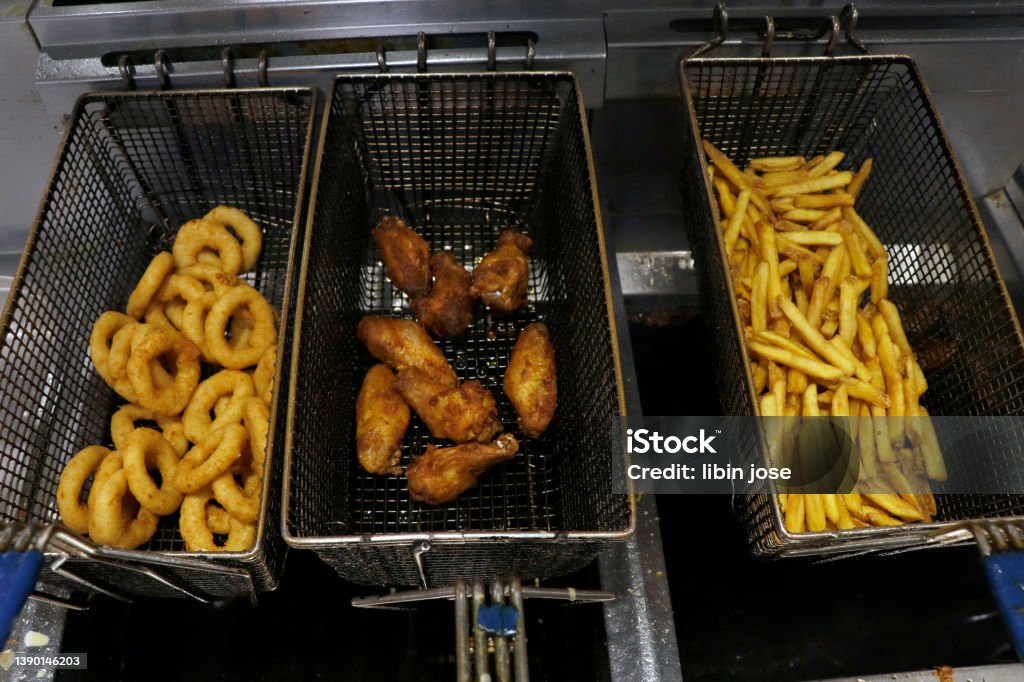
Fried food can be unhealthy because it often combines high heat, added oil, refined starch, salt, and large portions. In the United States, common examples include french fries, fried chicken, onion rings, doughnuts, and fast-food meals. Eating these foods often may raise total calorie intake and is linked with a higher risk of heart disease, weight gain, and type 2 diabetes.
Still, one fried meal does not determine your health. The main concern is a regular pattern of eating fried food, especially when it replaces vegetables, beans, whole grains, fish, and other nutrient-rich foods.

Key Takeaways
- Fried food is often high in calories because food absorbs oil during cooking.
- Frequent intake is associated with higher risks of weight gain, heart disease, stroke, and type 2 diabetes.
- Deep-frying can increase saturated fat intake, create harmful oxidation products, and raise the energy density of food.
- Fried foods may also contain too much sodium, refined carbohydrate, and added sugar.
- Acrylamide can form in browned, starchy foods such as french fries, but its risk in normal human diets is still being studied.
- Air-frying, baking, roasting, grilling, or pan-cooking with a small amount of oil can reduce added fat.
- Health risk depends on the food, oil, cooking method, portion size, and how often you eat it.
Why Is Fried Food Unhealthy?
Fried food is usually unhealthy because it adds a large amount of energy and fat without adding much nutritional value. The frying process can also change the food’s structure and produce oxidation compounds, especially when oil is overheated or reused many times.
A fried potato is not nutritionally equal to a baked potato. The potato may start with similar nutrients, but frying adds oil and often salt. A large serving can therefore provide far more calories than the same food prepared by baking or boiling.
The U.S. Department of Agriculture recommends choosing foods that are rich in nutrients while limiting saturated fat, sodium, and added sugars. Many fried foods make those limits harder to meet because they are energy-dense and easy to eat in large portions.
1. Fried food often contains more calories
Oil is high in calories. One gram of fat provides about 9 calories, compared with about 4 calories per gram of carbohydrate or protein. During frying, some oil enters the food, so the finished product often contains more calories than the raw or baked version.
For example, frying can turn a low-fat food into a high-fat food. The exact amount depends on:
- The food’s surface area
- Batter or breading
- Frying temperature
- Cooking time
- Type of oil
- How well the food is drained
- Whether the food is fried once or twice
This does not mean all calories from fried food are harmful. It means fried food can make it easy to eat more calories than your body needs.
2. Fried foods may contain more unhealthy fats
The type of oil matters. Some oils are high in unsaturated fat, while others contain more saturated fat. Saturated fat can raise LDL cholesterol, often called “bad” cholesterol, when it replaces healthier unsaturated fats in the diet.
The american Heart Association advises limiting saturated fat and replacing it with unsaturated fat when possible. Restaurant and packaged fried foods may also contain fats from breading, cheese, shortening, meat, or sauces.
Industrial trans fat has been greatly reduced in the U.S. food supply after federal action to remove partially hydrogenated oils. However, some foods may still contain small amounts, and naturally occurring trans fat can be present in meat and dairy. Check the Nutrition Facts label when available.
3. High heat can damage oil
Frying oil changes as it is heated. Heat, air, water, and food particles can break down oil and create oxidation products. Repeated heating can increase these changes.
This is more likely when oil is:
- Heated above its recommended temperature
- Used for long periods
- Reused many times
- Filled with crumbs or batter
- Stored poorly
- Smoking during cooking
Food cooked in badly managed oil may have an unpleasant smell, dark color, or bitter taste. Those signs do not measure health risk precisely, but they suggest that the oil has degraded and should not be used.
4. Frying can increase sodium and refined carbohydrate intake
Fried food is often served with salt, seasoning blends, sauces, or processed toppings. A fried meal may therefore contain much more sodium than the fried item alone.
The U.S. Food and Drug Administration says most adults should limit sodium to less than 2,300 milligrams per day. Excess sodium can contribute to high blood pressure in people who are sensitive to it.
Breading can also add refined flour and starch. A fried food may combine refined carbohydrate, oil, and salt in one small package. That combination can be easy to eat quickly and may not keep you full for long.
5. Frying may reduce the health value of a meal
Fried food does not always lose all of its nutrients. Some nutrients remain, and cooking can make certain foods easier to digest. However, frying may replace healthier parts of a meal rather than simply add to it.
A meal of fried chicken, fries, and a sugary drink may provide lots of calories but little fiber, potassium, or plant-based variety. The problem is not only the fried item. It is also what the meal leaves out.

What Does Research Say About Fried Food and Disease?
Research links frequent fried-food intake with higher health risks, but most long-term studies are observational. That means researchers can identify patterns, but they cannot prove that frying alone caused every outcome.
A review published in the BMJ examined studies on fried-food consumption and health outcomes. It reported that higher fried-food intake was associated with greater risks of major cardiovascular events, coronary heart disease, stroke, and heart failure. The review also found associations with all-cause mortality and type 2 diabetes in some analyses.
These findings are important, but they have limits. People who eat more fried food may also consume more sugary drinks, refined grains, and processed meat. They may exercise less or have other risk factors. Researchers can adjust for many factors, but adjustment cannot remove all possible differences.
Heart disease and stroke
Frequent fried-food intake may affect heart health in several ways:
- It can increase calorie intake and contribute to weight gain.
- It may increase saturated fat intake.
- It may add a large amount of sodium.
- It may displace foods rich in fiber and unsaturated fat.
- Oxidized oils and heavily processed foods may contribute to an unhealthy dietary pattern.
The American Heart Association recommends a dietary pattern based on vegetables, fruits, whole grains, beans, nuts, fish, and lean or plant-based proteins. Fried food can fit occasionally, but frequent fried meals make this pattern harder to follow.
Weight gain
Fried food is often energy-dense. This means it contains many calories in a small amount of food. It may also be less filling than a meal with more water, fiber, and protein.
Weight gain is not caused by one food alone. Body weight reflects overall energy intake, activity, sleep, medications, genetics, and many other factors. Still, replacing fried food with a baked or grilled version can reduce calories without removing the main food from the meal.
Type 2 diabetes
Frequent fried-food intake is associated with a higher risk of type 2 diabetes in some studies. Several pathways may help explain this link, including weight gain, excess calorie intake, refined carbohydrates, and the overall quality of the diet.
Fried food does not directly “cause” diabetes after one meal. The concern is long-term dietary patterns and the metabolic effects of repeated excess calorie intake.
Digestive discomfort
Fried food can cause short-term discomfort in some people. High-fat meals may slow stomach emptying and can lead to bloating, heartburn, nausea, or a heavy feeling.
People with gastroesophageal reflux disease, gallbladder problems, or certain digestive conditions may notice symptoms after fatty meals. A personal food diary can help identify patterns. Persistent pain, vomiting, unexplained weight loss, black stools, or trouble swallowing requires medical care.

Does Frying Create Harmful Chemicals?
Frying can create chemical changes in food, but the risk depends on the food, temperature, time, and oil condition. Two compounds often discussed are acrylamide and oxidation products.
Acrylamide in browned starchy foods
Acrylamide can form when certain carbohydrate-rich foods are cooked at high temperatures. This reaction is more likely when foods become brown and crisp. French fries, potato chips, toast, and some baked goods can contain acrylamide.
The FDA’s acrylamide guidance explains that acrylamide forms mainly in plant-based foods during frying, roasting, or baking. Animal studies raise health concerns, but the relationship between normal dietary exposure and human disease is not fully settled.
You can reduce exposure without avoiding all cooked food:
- Cook potatoes to a light golden color rather than dark brown.
- Avoid overcooking or burning starchy foods.
- Do not store raw potatoes in the refrigerator, which can increase sugar levels and promote acrylamide formation during cooking.
- Follow package instructions for frozen potato products.
Oxidized oil compounds
When oil is repeatedly heated, it can form oxidation products and other breakdown compounds. The amount depends on oil type, temperature, cooking time, and reuse.
Home cooks can limit oil breakdown by keeping the temperature controlled, removing food particles, avoiding smoking oil, and not reusing oil many times. Restaurants may use filtration and oil-management systems, but practices vary.
The presence of a chemical does not automatically show that a food is dangerous at normal intake. Risk depends on dose and exposure. The practical lesson is simple: avoid burnt food, avoid smoking oil, and do not make heavily fried foods a daily habit.

Is Air-Fried Food Healthier Than Deep-Fried Food?
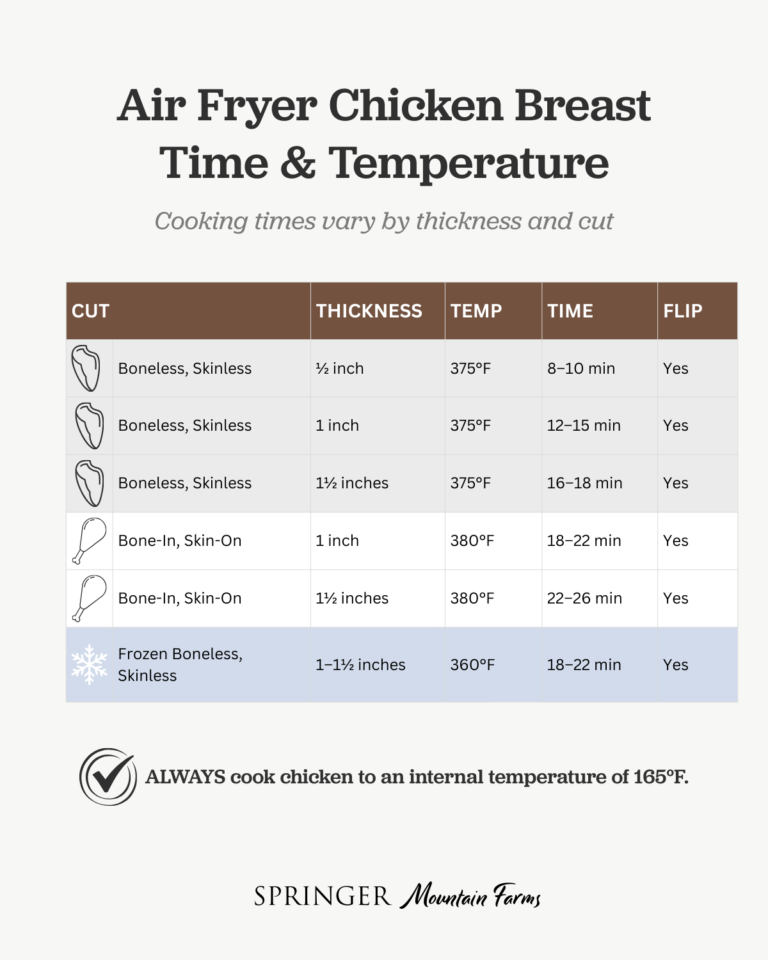
Air-fried food is often healthier than deep-fried food because it usually requires less added oil. An air fryer uses hot circulating air to brown the surface, while deep-frying surrounds food with hot oil.
Air frying can lower the fat and calorie content of some foods, especially when compared with deep-frying. The final result still depends on the food itself. Air-fried bacon, breaded chicken, or frozen snacks may remain high in sodium, saturated fat, or calories.
For a healthier result:
- Choose whole foods more often than heavily processed frozen foods.
- Use a light coating of unsaturated oil when needed.
- Avoid burning or very dark browning.
- Limit salty breading and dipping sauces.
- Add vegetables, beans, fruit, or whole grains to the meal.
Air frying is a cooking method, not a health label. It can improve the nutrition of a meal, but it does not turn every food into a nutritious choice.

Healthier Ways to Cook Food
The best alternative to deep-frying depends on the food and the texture you want. Baking, roasting, grilling, steaming, boiling, and sautéing can all reduce the amount of added fat.
| Cooking method | Typical benefit | What to watch |
|---|---|---|
| Baking | Uses little or no added oil | Breading and sauces can still add calories |
| Roasting | Brings out flavor in vegetables and meat | Avoid burning or heavy oil coating |
| Air frying | Creates a crisp surface with less oil | Processed foods may still be high in sodium |
| Grilling | Adds flavor without deep oil | Charring should be limited |
| Steaming | Preserves moisture with no added fat | Flavor may need herbs, spices, or a low-sodium sauce |
| Sautéing | Uses a small amount of oil | Large portions of oil can raise calories quickly |
| Boiling or poaching | Works well for grains, eggs, fish, and vegetables | Avoid high-sodium broth when possible |
Use unsaturated oils, such as olive, canola, soybean, or avocado oil, when oil is needed. The best choice also depends on the cooking temperature, flavor, cost, and dietary needs.
A simple plate approach
For a balanced meal, fill about half the plate with vegetables or fruit, one-quarter with protein, and one-quarter with whole grains or another high-fiber carbohydrate. If you include a fried item, keep it as one part of the meal rather than the main feature.
For example:
- Baked fish, roasted vegetables, and brown rice
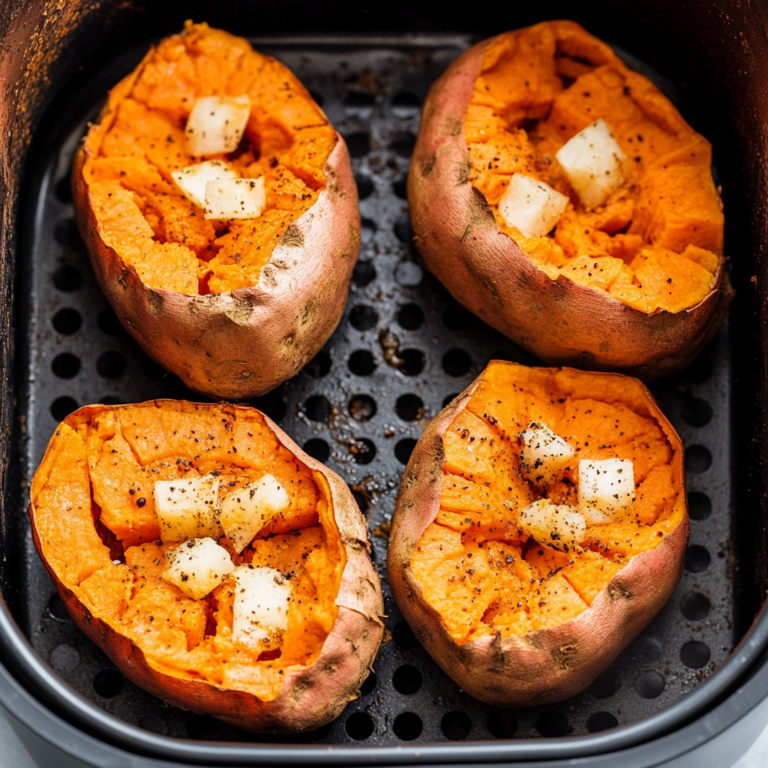
- Air-fried potatoes with beans and a large salad
- A small serving of fried chicken with steamed vegetables and a whole-grain side
This approach reduces the chance that fried food will crowd out more nutritious foods.

How Often Can You Eat Fried Food?
There is no universal safe number of fried meals per week. Health effects depend on portion size, cooking oil, the rest of the diet, activity, medical conditions, and individual calorie needs.
A practical approach is to treat fried food as an occasional choice rather than a daily staple. If you eat it often, reduce risk by:
- Choosing a smaller portion
- Sharing a large serving
- Ordering grilled or baked food more often
- Skipping sugary drinks
- Adding vegetables or beans
- Limiting salty sauces
- Avoiding foods that are burnt or cooked in smoking oil
Someone with high blood pressure, high LDL cholesterol, diabetes, heart disease, or a digestive condition may need more specific advice. A registered dietitian or health professional can help build a plan around the person’s medical needs.
Common Myths About Fried Food
“All fried food is equally unhealthy.”
Not all fried foods have the same nutrition. A small amount of food fried briefly in fresh oil is different from a large fast-food meal with fries, processed meat, sugary drinks, and salty sauces.
The food, oil, portion, and full meal all matter.
“Frying removes all nutrients.”
Frying does not remove every nutrient. Some nutrients remain, and certain fat-soluble nutrients may become easier to absorb with fat. However, frying usually adds calories and may create an unhealthy balance when used often.
“Air-fried means healthy.”
Air frying often reduces added oil, but the food can still be high in sodium, refined starch, saturated fat, or calories. Read the ingredient list and Nutrition Facts label.
“Olive oil makes deep-frying healthy.”
Olive oil contains mostly unsaturated fat, but deep-frying still adds calories. Using a healthier oil does not cancel out a large portion or frequent intake.
“One fried meal will harm my health.”
A single fried meal is unlikely to determine your long-term health. Risk comes mainly from repeated habits and the overall dietary pattern.

How to Make Fried Food Safer at Home
Frying carries both nutrition and burn risks. Follow basic kitchen safety rules:
- Use a stable pot and do not overfill it with oil.
- Keep water away from hot oil.
- Add food slowly to reduce splashing.
- Use a thermometer to control the temperature.
- Never leave heating oil unattended.
- Turn off the heat if oil begins to smoke.
- Keep a lid nearby to cover a small grease fire.
- Never pour water on an oil fire.
- Do not move a pot of burning oil.
- Call emergency services if the fire grows or cannot be covered safely.
For quality, strain oil only if it remains clear and has not overheated. Discard oil that smells rancid, smokes at normal cooking temperatures, becomes very dark, or produces excessive foam.

Frequently Asked Questions
Why does fried food make me feel sick?
Fried food is high in fat and may slow digestion. It can trigger fullness, nausea, bloating, or heartburn, especially in people with reflux or other digestive conditions. Repeated or severe symptoms should be discussed with a health professional.
Is fried chicken worse than fried vegetables?
The answer depends on portion size, breading, oil, and the full meal. Fried vegetables may still be high in calories and sodium, while fried chicken can also provide protein. Neither choice becomes automatically healthy because it contains a vegetable or protein.
Are french fries unhealthy?
French fries are often high in calories, fat, and sodium, especially in large restaurant portions. They may also contain acrylamide because potatoes are cooked at high heat. A smaller serving prepared by baking or air frying is generally a better option.
Does fried food raise cholesterol?
Fried food can contribute to higher LDL cholesterol when it increases saturated fat intake or replaces healthier foods. The effect varies by the oil, ingredients, portion, and overall diet. A blood test is the only way to know your cholesterol level.
Can I eat fried food if I have diabetes?
Many people with diabetes can include small portions of fried food, but the meal may be high in calories, fat, sodium, and carbohydrate. Pairing a smaller serving with nonstarchy vegetables and monitoring blood glucose may help, but personal advice should come from a diabetes care team.
Conclusion
Fried food is unhealthy mainly when it becomes a frequent part of a high-calorie, high-sodium eating pattern. Deep-frying adds oil, increases energy density, and may create oxidation products. Breading, sauces, refined starch, and large portions can make the meal less balanced.
You do not need to avoid every fried food to eat well. Choose smaller portions, eat fried foods less often, use safer cooking practices, and favor baked, roasted, grilled, steamed, or air-fried options most of the time. The strongest protection comes from the overall pattern: more vegetables, fruit, beans, whole grains, and unsaturated fats, with fewer heavily processed and deep-fried foods.