Why Does My Air Fryer Food Taste Like Plastic: Fixes
Your air fryer food may taste like plastic because of factory residue, new coatings, overheating, or trapped odors.
If you are wondering why does my air fryer food taste like plastic, you are not alone. This flavor often comes from the basket, heating area, packing residue, or food-safe parts that were not cleaned and heated before first use. The good news is that many causes are easy to fix, but a strong smell, melting part, or lasting chemical taste should never be ignored.
Why Does My Air Fryer Food Taste Like Plastic?
The most common reason is that your air fryer is new. New appliances can have traces of manufacturing oils, protective film, dust, or packaging odor. When the unit gets hot, these smells can move through the cooking chamber and settle on your food.
Another possible cause is heat. Air fryers use fast-moving air that can reach about 350°F to 450°F, depending on the model and setting. If a plastic part is too close to the heating element, or if the appliance is used above its rated temperature, it may release an unpleasant odor.
Here are the main causes:
• New-appliance residue inside the basket or cooking chamber
• A missed plastic film, label, foam piece, or packing insert
• Food debris, grease, or old oil burning near the heating element
• A silicone liner, mat, or utensil that is not rated for high heat
• A damaged basket coating or melting plastic component
• Strong odors from a previous meal transferring to new food
• A faulty appliance or poor-quality replacement part
In many cases, the taste is not caused by the food itself. It is more like a scent caught in a fan and carried across the meal.

Is a Plastic Taste From a New Air Fryer Normal?
A light “new appliance” smell can happen during the first few uses. It may come from manufacturing residue or the materials used in the basket coating, seals, and internal parts. This smell should become weaker after proper washing and a few empty heating cycles.
A mild odor is different from food that tastes strongly chemical. Your food should not taste like melted plastic, burnt rubber, or solvent. If the taste stays strong after cleaning and testing, stop using the air fryer until you find the cause.
Many product manuals advise washing removable parts before first use. Some also advise running the appliance empty for a short time in a well-ventilated area. Always follow your model’s manual because temperature limits and cleaning instructions vary.
The U.S. Food and Drug Administration requires food-contact materials to meet safety standards for their intended use. Still, a part can be damaged, used incorrectly, or replaced with a material that was not designed for cooking. “Food-safe” does not mean every plastic item is safe at every temperature.

Common Causes of a Plastic Taste
Manufacturing residue
A new basket may have a thin layer of oil or residue from production. This layer may not be visible, but heat can make its smell noticeable.
Wash the basket, tray, and other removable parts with warm water and mild dish soap. Dry them fully before use. Do not place the main electrical unit in water.
Leftover packaging
Air fryers often arrive with plastic film, cardboard, foam, tape, and protective inserts. A small piece can hide under the basket or near the cooking chamber.
Check these areas carefully:
• The underside of the basket
• The tray or crisper plate
• The inner walls of the drawer
• The heating element above the food
• Air vents and seams around the cooking chamber
Never run the appliance with packing material inside. If plastic has melted onto a hot surface, unplug the unit and let it cool completely before deciding whether it is safe to use.
Overheating
High heat can make odors worse. This may happen when the appliance is empty for too long, placed too close to a wall, or used with blocked vents.
Use the temperature listed in the recipe and stay within the range in the manual. Leave space around the air fryer so heat can escape. Do not cover the vents with foil, towels, or other objects.
Non-food-safe accessories
Silicone cups, parchment liners, plastic tongs, and reusable mats can all affect flavor. Some products look suitable for an air fryer but are made for lower heat.
Before using an accessory, check that it is:
• Labeled for oven or air fryer use
• Rated for your cooking temperature
• Large enough to stay away from the heating element
• Free from cracks, peeling, or a sharp chemical smell
Never place ordinary plastic inside an air fryer. Plastic containers, storage lids, and disposable packaging can soften or melt.
Burnt grease and food residue
A dirty air fryer can smell like plastic even when no plastic is melting. Old grease may collect near the heating element and produce a sharp odor when reheated.
Clean the basket after each use. Wipe the inside of the cooking chamber once it cools. If crumbs or grease are stuck near the heating element, follow the manufacturer’s cleaning method rather than scraping hard or using harsh chemicals.
Damaged coating or internal parts
A chipped nonstick coating, warped basket, loose seal, or melted handle can change the smell and taste of food. It can also create a safety concern.
Inspect the appliance in bright light. Look for:
• Bubbles or peeling on the basket
• Cracks in plastic handles
• Warped trays
• Black marks near the heating element
• Loose wires or unusual sounds
If you see damage, contact the manufacturer or replace the affected part. Do not keep using a damaged appliance just because it still heats.
How to Get Rid of the Plastic Taste
Follow these steps in order. Test the air fryer after each major step so you can identify what fixed the problem.
1. Unplug and inspect the air fryer
Let the air fryer cool. Unplug it, then remove the basket and tray.
Check for packaging, labels, tape, foam, crumbs, grease, and melted material. Look above the basket because the heating element is easy to overlook.
2. Wash removable parts
Use warm water, mild dish soap, and a soft sponge. Avoid steel wool, rough scouring pads, and strong oven cleaner unless your manual specifically allows them.
Rinse well. Soap left on the basket can also create a strange taste.
3. Wipe the cooking chamber
Use a damp cloth on the inside walls. Clean the area around the heating element only as directed by the manufacturer.
Do not pour water into the appliance. Keep the motor, control panel, and electrical parts dry.
4. Run an empty cycle if the manual allows it
Place the clean basket inside the unit. Run it empty at a moderate temperature for about 10 to 20 minutes, or follow the time listed in your manual.
Open a window or use a kitchen fan. A mild odor may appear during this first cycle, so good airflow matters.
5. Wash the parts again
After the empty cycle, let the air fryer cool. Wash the removable parts once more and rinse them well.
This can remove residue that loosened during heating.
6. Test with low-cost food
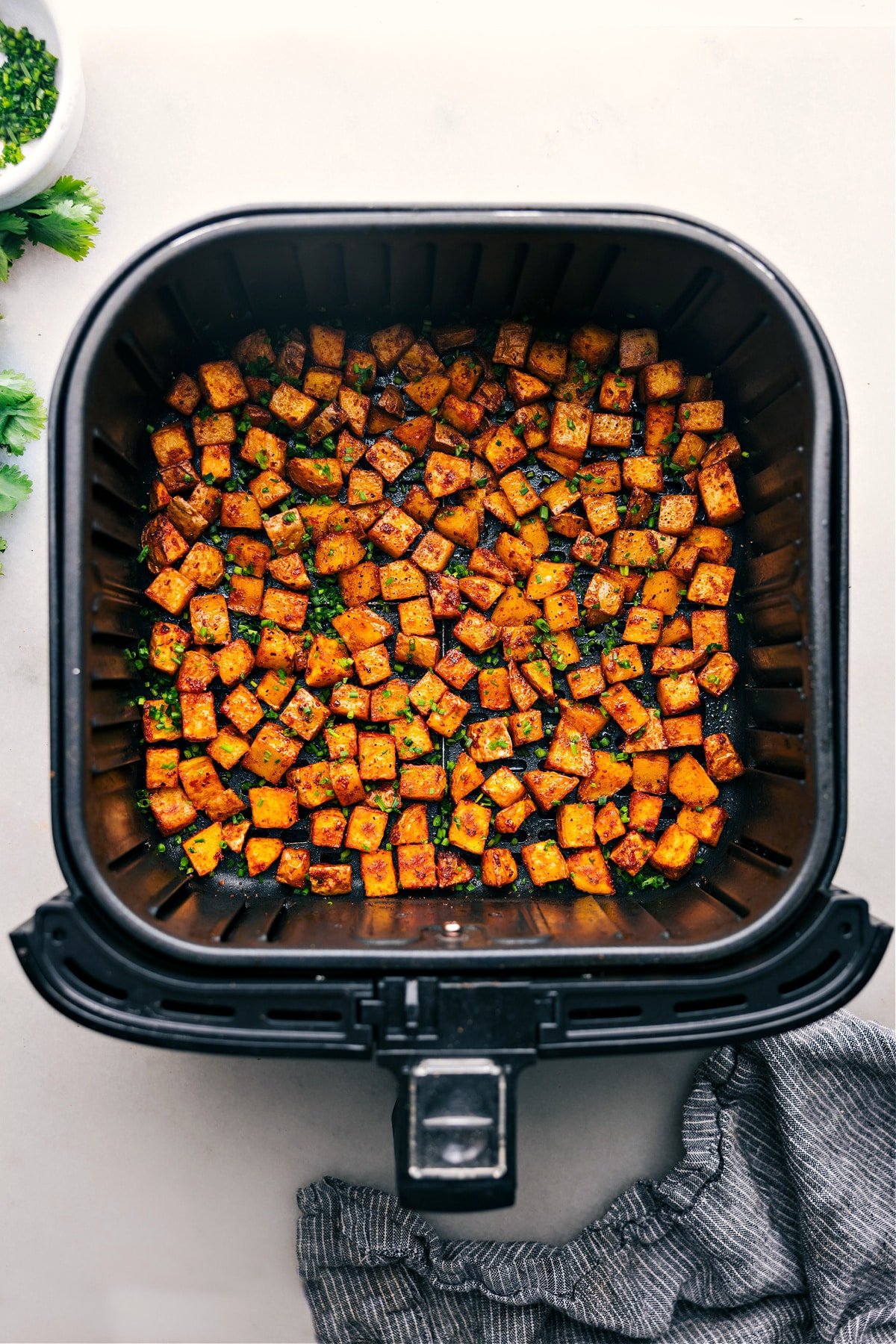
Cook a small amount of plain food, such as potato wedges or bread. Avoid expensive ingredients until the smell is gone.
If the food still tastes like plastic, stop using the air fryer. Do not try to cover the flavor with spices, sauces, or extra oil.

A Simple Plastic Taste Troubleshooting Test
A controlled test can help you find the source. Change only one factor at a time.
-
Cook plain food without any liner or accessory.
-
Use a lower temperature within the model’s normal range.
-
Compare the smell of the empty air fryer with the smell of the cooked food.
-
Check whether the odor comes from the basket, the top heating area, or the air vents.
-
Test the appliance after another full cleaning.
If the empty air fryer smells normal but the food tastes odd, the accessory or ingredient may be the problem. If the empty air fryer produces a strong chemical smell, the appliance itself may need service or replacement.
A useful lesson from troubleshooting kitchen appliances is to avoid changing many things at once. If you add a silicone liner, spray oil, seasoning, and foil during the same test, you may not know which item caused the taste.
Can You Use Vinegar or Lemon to Remove the Smell?
Vinegar and lemon may help with ordinary food odors, but they are not a guaranteed solution for plastic smells. They can also leave their own scent if used in excess.
Do not pour vinegar, lemon juice, or water into the heating area. If your manual permits a damp cleaning method, use a small amount on a cloth and wipe removable surfaces carefully.
Avoid using bleach, ammonia, oven cleaner, or scented chemicals inside the cooking chamber. These products may damage surfaces and can leave fumes that transfer to food.
The safest approach is simple: wash the parts, remove residue, use proper ventilation, and follow the manufacturer’s care instructions.
When You Should Stop Using the Air Fryer
Stop using the appliance right away if you notice any of the following:
• Strong chemical or electrical odor
• Visible smoke that is not caused by food grease
• Melting, bubbling, or warping
• Sparks, popping, or unusual sounds
• A damaged cord or plug
• A basket coating that is peeling badly
• Eye, throat, or breathing irritation
Unplug the unit when it is safe to do so. Do not touch melted plastic while it is hot. Contact the manufacturer if the air fryer is under warranty.
If the smell continues after cleaning, do not assume it will eventually disappear. A persistent odor may point to a defective heating element, wiring issue, damaged coating, or unsuitable material.
Is It Safe to Eat Food That Tastes Like Plastic?
It is best not to eat food with a strong plastic or chemical taste. Remove the food and find the source before cooking another meal.
A single mild new-appliance odor does not always mean that dangerous chemicals entered the food. However, taste and smell alone cannot identify a substance or prove that it is safe. That is why repeated testing with food is not a good idea when the odor is strong.
If you feel sick after eating the food, contact a health professional or poison control service for advice. Keep the appliance’s brand, model, and product information available.
How to Prevent a Plastic Taste in the Future
Good care can prevent most air fryer odor problems.
• Wash the basket before the first use.
• Remove every piece of packaging.
• Follow the recommended temperature range.
• Keep the air vents clear.
• Use only heat-rated accessories.
• Avoid overcrowding the basket.
• Clean grease and crumbs after each use.
• Do not use metal tools on a coated basket.
• Replace damaged trays, liners, or baskets.
• Store the air fryer in a dry, clean place.
Also avoid spraying aerosol oil directly into the cooking chamber unless the manual says it is safe. Some sprays contain propellants or additives that can build up on surfaces and create a burnt smell.
When I troubleshoot an air fryer odor, I start with the simplest rule: remove all accessories and cook plain food after a full cleaning. This small test often reveals whether the problem is the appliance or an added liner, oil, or seasoning.
Plastic Taste From Food Versus Plastic Taste From the Air Fryer
Sometimes the air fryer gets blamed for an odor that comes from the food. Fatty foods, strong spices, and old cooking oil can leave smells behind.
Foods that commonly transfer odors include:
• Fish and seafood
• Bacon and sausage
• Garlic and onions
• Curry and chili dishes
• Strongly seasoned chicken
• Foods cooked with flavored oils
To test this, clean the appliance and cook plain bread or potatoes. If plain food tastes normal, the earlier odor may have come from the ingredients or leftover grease.
If plain food still tastes like plastic, the air fryer remains the likely source. This test does not prove that the appliance is unsafe, but it gives you a useful direction.
Frequently Asked Questions
Why does my air fryer food taste like plastic when it is new?
A new air fryer may have manufacturing residue, packaging odor, or protective film. Wash the removable parts, inspect the cooking chamber, and run an empty cycle only if the manual recommends it.
How long does the new air fryer smell last?
A mild new-appliance smell often fades after one or a few proper cleaning and heating cycles. A strong chemical taste that continues after several uses is not normal and should be checked.
Can melted plastic make my air fryer food taste bad?
Yes. Melted plastic near the basket, heating element, or handle can create a strong odor and flavor. Unplug the appliance, let it cool, inspect it, and stop using it if any part is damaged.
Is it safe to use an air fryer that smells like plastic?
A light smell during initial use may be harmless, but strong or lasting odors need attention. Stop using the air fryer if you see melting, smoke, sparks, damage, or experience irritation.
Can silicone liners cause a plastic taste?
They can if they are low quality, not heat-rated, dirty, or placed too close to the heating element. Test the air fryer without the liner and replace it if the smell remains.
Should I throw away food that tastes like plastic?
Yes, discard food with a strong plastic or chemical taste. Find and correct the source before cooking more food in the appliance.
Conclusion
If you are asking why does my air fryer food taste like plastic, start with the basics: remove all packaging, wash the basket, clean away grease, inspect for damage, and use only heat-safe accessories. A mild new-appliance smell may fade, but a strong or lasting chemical taste is a reason to stop and investigate.
Test the air fryer with plain food and no accessories. If the taste remains, contact the manufacturer or replace the appliance rather than risking more meals. Share your experience in the comments, and explore more safe air fryer cleaning and cooking guides for better results.