Why Is My Air Fryer Burning My Food: Causes And Fixes
Your air fryer may burn food because it runs too hot, has poor airflow, or cooks small portions too close to the heater.
If you are asking, “Why is my air fryer burning my food?” you are not alone. Even a good air fryer can scorch fries, chicken, vegetables, or frozen snacks when heat, timing, and airflow are out of balance. This guide explains the most common causes, how to fix them, and how to get crisp food without burnt edges.

Why is my air fryer burning my food?
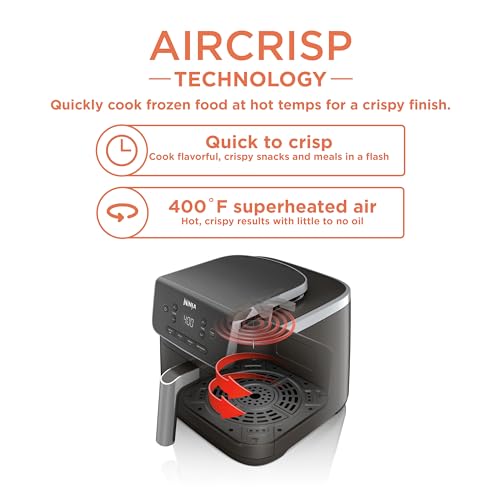
The most common reason is too much heat for the food and cooking time. Air fryers use a powerful heating element and a fan to move hot air around the basket. This creates crisp results fast, but it also means food can burn before the center is fully cooked.
When people ask, “Why is my air fryer burning my food?” I first check five things:
• The temperature is too high.
• The cooking time is too long.
• The basket is too close to the heating element.
• The food is too dry or coated with too much oil.
• The basket is too full or the food is placed unevenly.
Unlike a deep fryer, an air fryer does not cook food in hot oil. It uses fast, dry heat. That heat can brown the outside very quickly, much like a hot oven with a strong fan.
Small foods are often the most at risk. Thin fries, breadcrumbs, tortillas, garlic, and vegetables with soft edges may burn in minutes. A recipe made for a large oven may need a lower temperature or shorter cooking time in your air fryer.
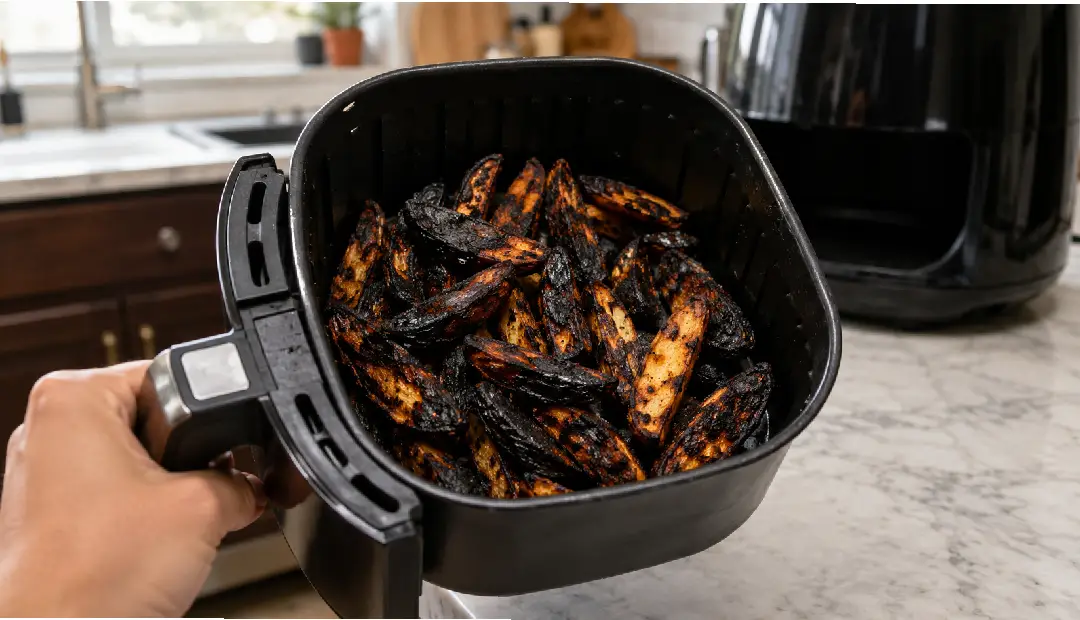
10 common reasons your air fryer burns food
1. The cooking temperature is too high
Many recipes suggest 400°F because it is a common air fryer setting. However, 400°F is not right for every food. Thin foods and foods with sugar can burn at this temperature.
Sugar turns dark quickly. This affects barbecue sauce, honey, teriyaki sauce, sweet chili sauce, and some frozen foods. A high temperature can also burn breading before meat or vegetables finish cooking.
Try lowering the temperature by 25°F to 50°F. For example, cook chicken tenders at 350°F to 375°F instead of 400°F. You may need a few extra minutes, but the food should cook more evenly.
2. The cooking time is too long
Air fryers often cook faster than standard ovens. A recipe that takes 20 minutes in an oven may take only 12 to 16 minutes in an air fryer.
This is one reason why is my air fryer burning my food can be difficult to answer from a recipe alone. Cooking times vary by air fryer size, food thickness, basket design, and starting temperature.
Start checking your food early. If a recipe says 20 minutes, check it after 10 or 12 minutes. Shake the basket or turn the food, then continue cooking in short intervals.
3. You are using a small air fryer with a strong heater
Compact air fryers can have a small basket but a powerful heating element. Food may sit close to the top, where it receives intense direct heat.
This is common with tall foods, such as chicken breasts, toast, stuffed peppers, and frozen snacks. The top may burn while the lower part stays soft.
Use a lower temperature in a small model. You can also reduce the food size or cook fewer pieces at once. Always leave enough space between the food and the upper heating coil.
4. The basket is overfilled
An overcrowded basket causes two problems. Food blocks the moving air, while pieces near the top may receive too much heat.
The result can be uneven cooking. Some pieces burn, some remain pale, and others stay soft. This may make you wonder, “Why is my air fryer burning my food?” when the real issue is poor airflow.
For best results:
• Place food in a loose, even layer.
• Cook in batches when needed.
• Avoid stacking thick pieces.
• Shake small foods halfway through cooking.
• Turn large foods with tongs.
Air circulation is the heart of air frying. Think of hot air as water in a stream. If you block the stream, it cannot reach every piece.
5. The food is too close to the heating element
Food can burn when it rises toward the top during cooking. This may happen with lightweight foods, such as parchment paper, cheese, tortillas, or thin slices of bread.
Some air fryers have a shallow basket. In these models, food naturally sits closer to the heating coil. You may need to lower the temperature and watch the food more closely.
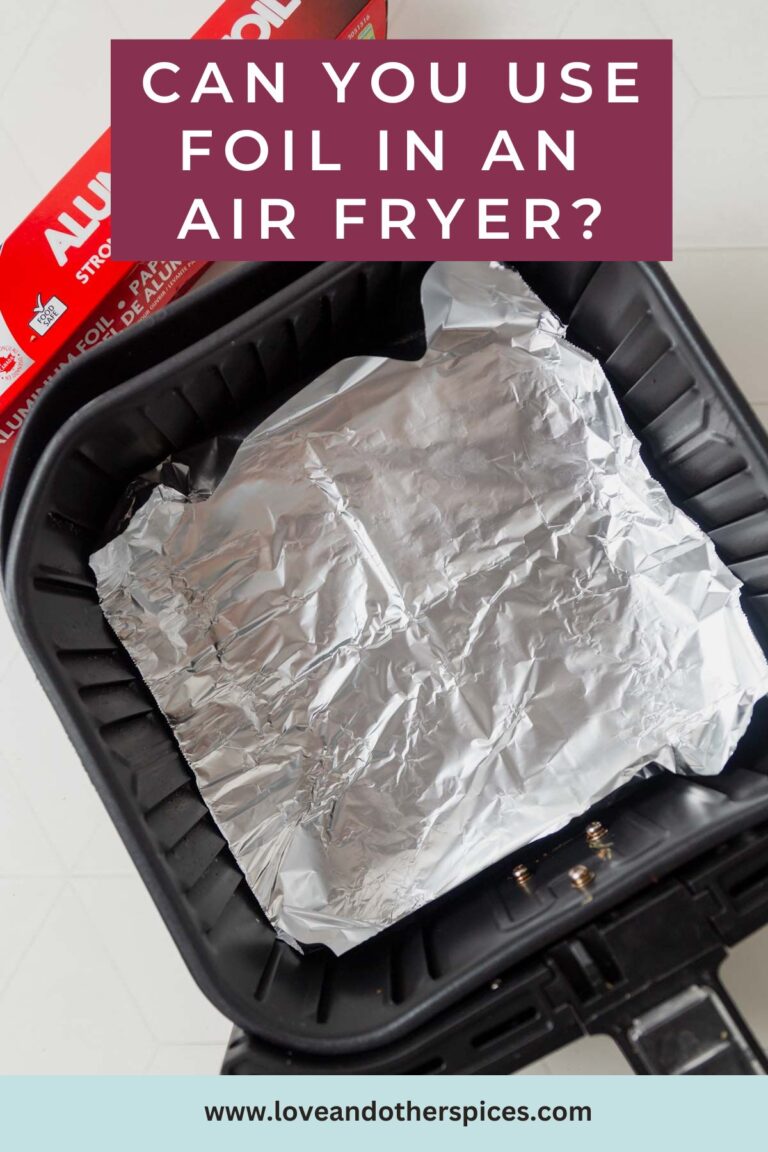
Never place loose parchment paper in the basket during preheating. The fan can lift it into the heating element. Use parchment made for air fryers, and make sure food weighs it down.
6. You added too much oil
Oil helps food brown, but excess oil can make the surface dark and smoky. It can also drip onto the hot pan and create smoke.
You usually need only a light coating. Toss vegetables or potatoes with a small amount of oil before cooking. Avoid pouring oil directly into the bottom of the air fryer unless the manufacturer allows it.
Oil sprays can also vary. Some aerosol sprays may damage certain nonstick coatings. A refillable oil mister or a light brush of oil is often a better choice.
7. The food contains sugar or a sweet coating
Sweet sauces burn faster than plain seasonings. Honey, maple syrup, brown sugar, and sweet barbecue sauce can turn from golden to black very quickly.
Add sweet sauces near the end of cooking. You can cook the food almost fully, brush on the sauce, and return it to the basket for one to three minutes.
This simple change often solves the problem for glazed chicken wings, salmon, meatballs, and roasted carrots.
8. The food is too thin or cut unevenly
Thin slices have more surface area exposed to hot air. They cook quickly and can burn before thicker pieces are ready.
Uneven cuts create the same problem. Small pieces finish early, while large pieces need more time.
Cut food into pieces of similar size. For potatoes, aim for even sticks. For vegetables, keep slices close to the same thickness. Check thin foods often instead of relying only on the timer.
9. The air fryer was not cleaned well
Old grease and crumbs can burn during cooking. A dirty heating element may also create smoke or a burnt smell.
After the air fryer cools, clean the basket and drawer with warm, soapy water. Wipe the inside with a damp cloth. Check the heating element for stuck food, but do not scrub it aggressively or soak the appliance.
Regular cleaning improves flavor and reduces smoke. It also helps you see whether the unit has a damaged coating or another safety issue.
10. The thermostat or heating element may be faulty
Sometimes the problem is not your recipe. An air fryer with a faulty thermostat may heat beyond the selected temperature. A damaged sensor may also cause the heater to stay on too long.
If food burns at low temperatures, the unit smells electrical, or the heating element glows unusually bright, stop using it. Unplug it and contact the manufacturer or a qualified service professional.
Do not try to repair a plugged-in air fryer yourself. A cooking problem can become an electrical or fire risk.

How to stop your air fryer from burning food
The best fix depends on the food, but a few habits work for almost every model. Use lower heat, check food early, and protect the surface from direct heat when needed.
Try this simple method:
-
Read the air fryer instructions for your model.
-
Reduce the recipe temperature by 25°F if the food burns quickly.
-
Set the timer for two-thirds of the suggested cooking time.
-
Check the food and shake or turn it.
-
Continue cooking in two or three-minute intervals.
-
Use a food thermometer for meat and poultry.
A thermometer is more reliable than color alone. Poultry should reach 165°F in the thickest part. Ground meats should reach the safe temperature recommended by current food safety guidance. Fish should turn opaque and separate easily with a fork, though thickness affects the exact cooking time.
Do not keep opening the basket every few seconds. Each opening releases heat and can extend cooking time. One check halfway through and one final check is often enough.
If the food burns on top, lower the temperature first. If the food is pale but cooked, increase the temperature slightly for the final two minutes. This gives you better control than using one high temperature from start to finish.

Temperature and timing guide for common foods
These are starting points, not strict rules. Air fryer models differ, so use visual checks and a thermometer when needed.
| Food | Starting temperature | Approximate time | Helpful tip |
|---|---|---|---|
| Frozen fries | 375°F | 12 to 20 minutes | Shake often and avoid crowding |
| Fresh potato wedges | 375°F | 18 to 25 minutes | Cut evenly and use light oil |
| Chicken tenders | 375°F | 12 to 18 minutes | Check the center with a thermometer |
| Chicken wings | 380°F | 20 to 28 minutes | Turn halfway through |
| Broccoli | 350°F to 375°F | 7 to 12 minutes | Add sweet sauce at the end |
| Salmon | 350°F | 8 to 12 minutes | Cook based on thickness |
| Toasted sandwiches | 325°F to 350°F | 4 to 8 minutes | Secure light toppings |
| Frozen snacks | 350°F to 375°F | 8 to 15 minutes | Follow the package, then check early |
If your air fryer keeps burning food at the low end of these ranges, test its heat with an oven thermometer made for appliance testing. The reading may not be exact because air fryers cycle the heater on and off, but a large temperature difference can reveal a problem.
Food size matters as much as temperature. A thick chicken breast and a thin chicken cutlet should not use the same cooking time. The same rule applies to potato wedges, fish fillets, and stuffed foods.
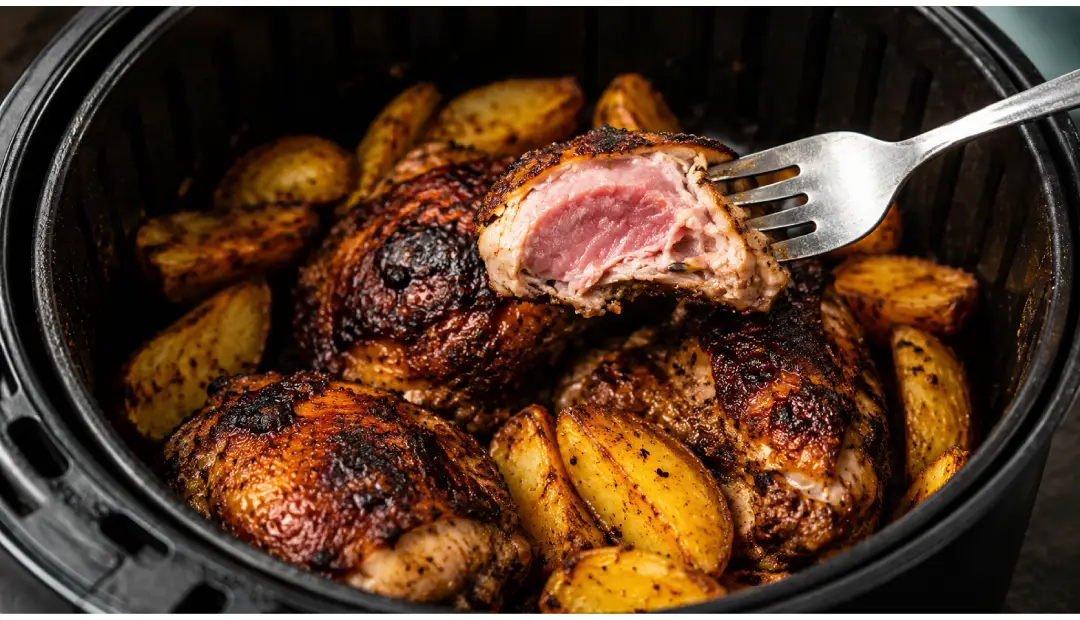
How to prevent burnt food when using sauces and marinades
Sauces can make air-fried food taste rich and crisp, but they also contain ingredients that burn easily. Sugar, honey, tomato paste, and thick marinades darken under strong heat.
Pat wet food dry before cooking when possible. Too much liquid can cause steam at first, followed by rapid browning once the surface dries.
For coated foods, use this approach:
• Cook the food plain or with a light seasoning first.
• Add thick sauce during the final few minutes.
• Turn the food so the sauce spreads evenly.
• Lower the temperature if the coating darkens too fast.
• Watch for smoke from dripping sauce or oil.
Breaded foods can also burn when the crumbs are very fine or heavily coated with oil. Use a light spray or brush of oil. A thick, dry coating may need a lower temperature so it can brown slowly.
In my own kitchen testing, sweet sauces caused more burnt spots than plain spices. The easiest lesson was simple: crisp first, glaze last. That one change improved wings, tofu, and roasted vegetables.

Why some foods burn while others stay raw
Uneven cooking usually points to an airflow or size problem. Air fryers need space around each piece so hot air can touch the surface.
Food near the top of the basket often browns first. Food packed in the center may stay soft because air cannot move around it. Frozen food can also release moisture, which slows browning in some areas.
To improve results:
• Use one layer when possible.
• Turn food halfway through.
• Keep pieces similar in size.
• Avoid covering all basket holes.
• Let frozen food cook in a single loose layer.
You may also need to preheat, depending on the recipe and appliance. Preheating can help food brown, but it can also cause thin foods to burn if you use the full recommended cooking time. If you preheat, reduce the cooking time slightly and check the food early.
Not every recipe needs preheating. For delicate foods, starting in a cool basket may give the center more time to cook before the outside becomes dark.
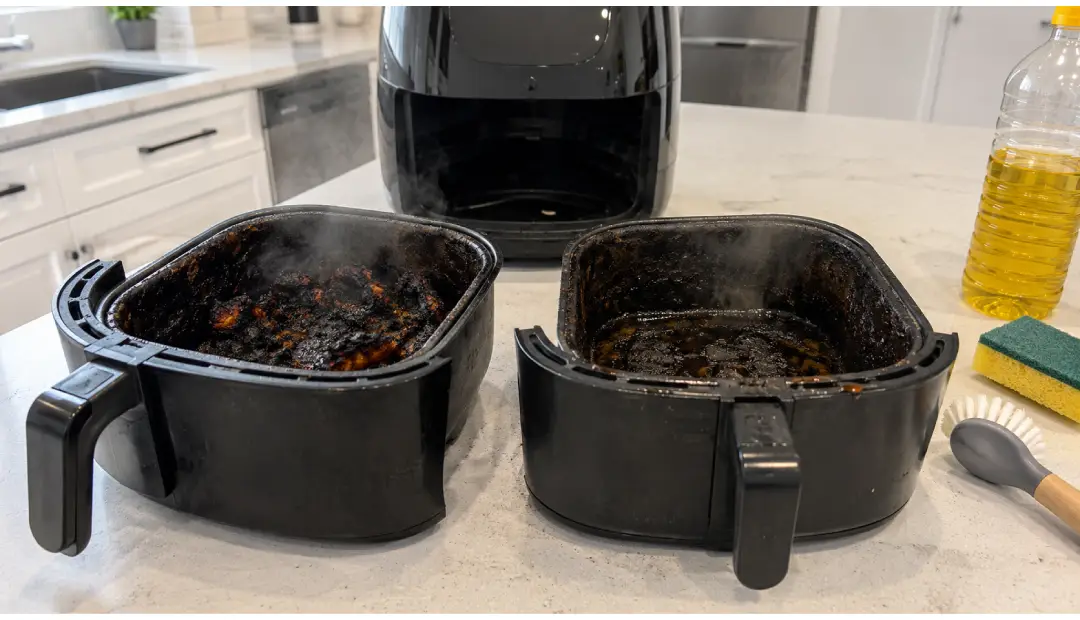
Is burnt food from an air fryer safe to eat?
A small dark edge is usually a quality problem, but heavily charred food should be discarded. Remove burnt sections rather than eating large amounts of blackened coating.
Food safety also depends on whether the center is cooked. A golden outside does not prove that chicken, pork, seafood, or ground meat has reached a safe internal temperature.
If the air fryer produces smoke, unplug it after cooking and let it cool. Do not pour water into a hot appliance. Clean away grease and crumbs before using it again.
Stop using the appliance if you notice:
• A strong electrical smell.
• Sparks or crackling.
• A damaged cord or plug.
• A heating element that stays red for too long.
• Smoke that continues after cleaning.
• A basket coating that is peeling badly.
Follow the appliance manual for replacement parts and safety steps. Manufacturer instructions can differ, especially for parchment liners, foil, cooking sprays, and dishwasher use.

What I learned from testing air fryer recipes
The biggest mistake I made early on was treating air fryer recipes like oven recipes. I used the same temperature and full cooking time, then wondered why thin foods burned.
The better method is to treat every recipe as a starting point. I now check food early, use a thermometer for meat, and keep sweet sauces until the end. I also cook in smaller batches, even when it takes a few extra minutes.
One practical example is frozen fries. A full basket at 400°F may produce burnt corners and soft centers. A half basket at 375°F, shaken twice, usually gives a more even result.
I have also found that a clean basket makes a clear difference. Old crumbs can burn before the new food is ready, especially when cooking breaded foods or bacon. A quick wash after each use prevents many unpleasant smells.
How to troubleshoot an air fryer step by step
If you still ask, “Why is my air fryer burning my food?” use this checklist.
-
Check the recipe temperature. Lower it by 25°F.
-
Check the food size. Make pieces more even.
-
Check the basket. Remove excess food and create a single layer.
-
Check the oil. Use a light coating instead of a heavy pour.
-
Check the sauce. Add sweet or sticky sauces near the end.
-
Check the timer. Start checking several minutes early.
-
Check the basket position. Make sure food is not touching the heating element.
-
Check for crumbs and grease. Clean the basket, drawer, and interior.
-
Test another simple food. Try plain vegetables or potatoes to see whether the issue continues.
-
Stop using the appliance if it overheats or shows electrical warning signs.
This process helps separate a recipe problem from an appliance problem. Test one change at a time so you know what worked.
Frequently asked questions about why is my air fryer burning my food
Why is my air fryer burning food at 350°F?
The food may be too close to the heating element, too thin, or coated with oil or sugar. A faulty thermostat is also possible if many different foods burn at the same low setting.
Why is my air fryer burning the outside but not cooking the inside?
The temperature is likely too high, or the food pieces are too thick. Lower the heat, cook for longer, and use a thermometer to check the center.
Should I lower the temperature if my air fryer burns food?
Yes, lowering the temperature by 25°F is a useful first step. Check the food early and add time in small amounts so the inside can cook without the outside becoming too dark.
Can too much oil make an air fryer burn food?
Yes, excess oil can darken the food and create smoke when it drips onto the hot surface. Use a light coating and avoid pouring oil into the drawer unless your manual says it is safe.
Why does my air fryer burn frozen food?
Frozen food may be small, thin, or covered with a coating that browns quickly. Cook it at a lower temperature, shake the basket, and check it before the package cooking time ends.
Is it safe to use an air fryer that keeps burning everything?
It may not be safe if the appliance overheats, smells electrical, sparks, or produces heavy smoke. Unplug it, clean it, review the manual, and contact the manufacturer if the problem continues.
Conclusion
The answer to “Why is my air fryer burning my food?” usually involves high heat, long cooking time, poor airflow, excess oil, sugary sauces, or food placed too close to the heating element. Start with a lower temperature, avoid overcrowding, check food early, and turn it during cooking.
Clean crumbs and grease often, and use a thermometer for meat and poultry. If the air fryer overheats or shows electrical problems, stop using it and seek manufacturer support. Try these adjustments with your next meal, and share your best air fryer tips or questions in the comments.