How Much Oil To Use In Air Fryer: Perfect Amount
Most air fryer recipes need just 1 to 2 teaspoons of oil, while some need none at all.
Knowing how much oil to use in air fryer cooking helps you get crisp food without making it greasy. After testing fries, vegetables, chicken, fish, and frozen snacks, I have found that a light, even coating works best. This guide explains the right amount, the best oil methods, common mistakes, and simple tips for better results.
How much oil to use in air fryer cooking
For most foods, use 1 to 2 teaspoons of oil for a full basket. This small amount is enough to help fresh food brown and crisp. You usually do not need to pour oil into the bottom of the air fryer basket.
The exact amount depends on the food:
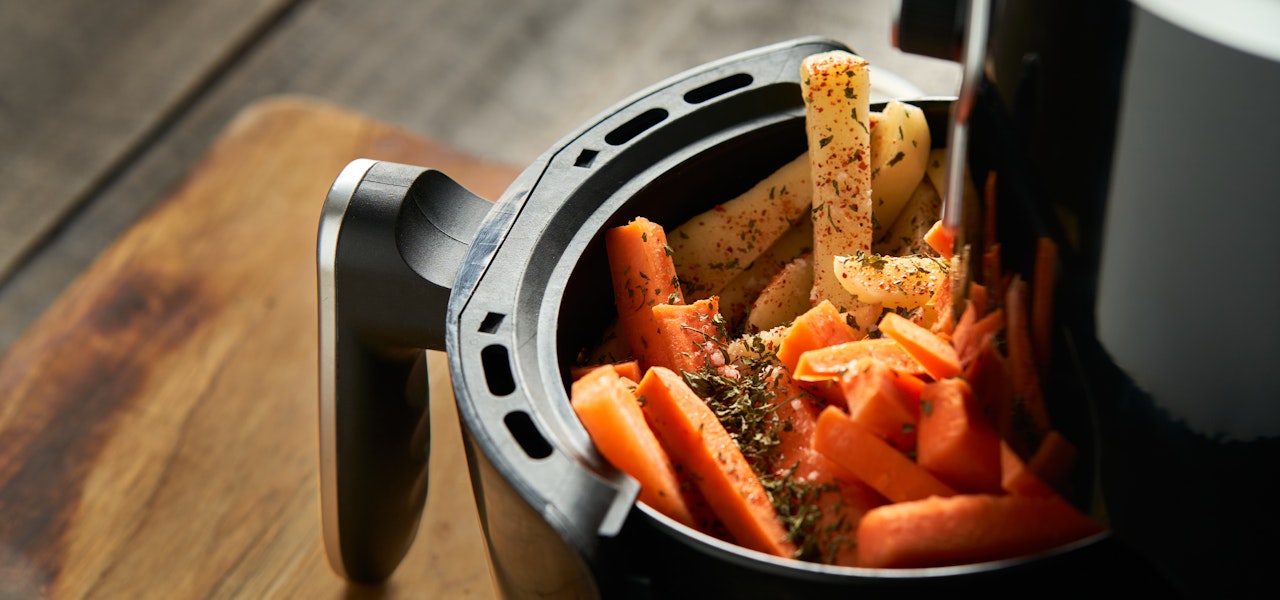
• Fresh vegetables usually need 1 to 2 teaspoons of oil.
• Homemade fries may need 1 to 2 teaspoons per large potato.
• Chicken breasts often need 1 teaspoon or less.
• Breaded foods need a light spray or brush of oil.
• Frozen foods often need no added oil.
• Fatty foods, such as bacon or sausage, may need no oil.
The goal is not to soak the food. Think of oil as a thin raincoat, not a bath. Every piece should have a light shine, but oil should not drip from it.
When people ask how much oil to use in air fryer recipes, I suggest starting with less. You can always add a small amount during cooking, but excess oil can make food heavy and may cause smoke.
Why air fryer food needs less oil
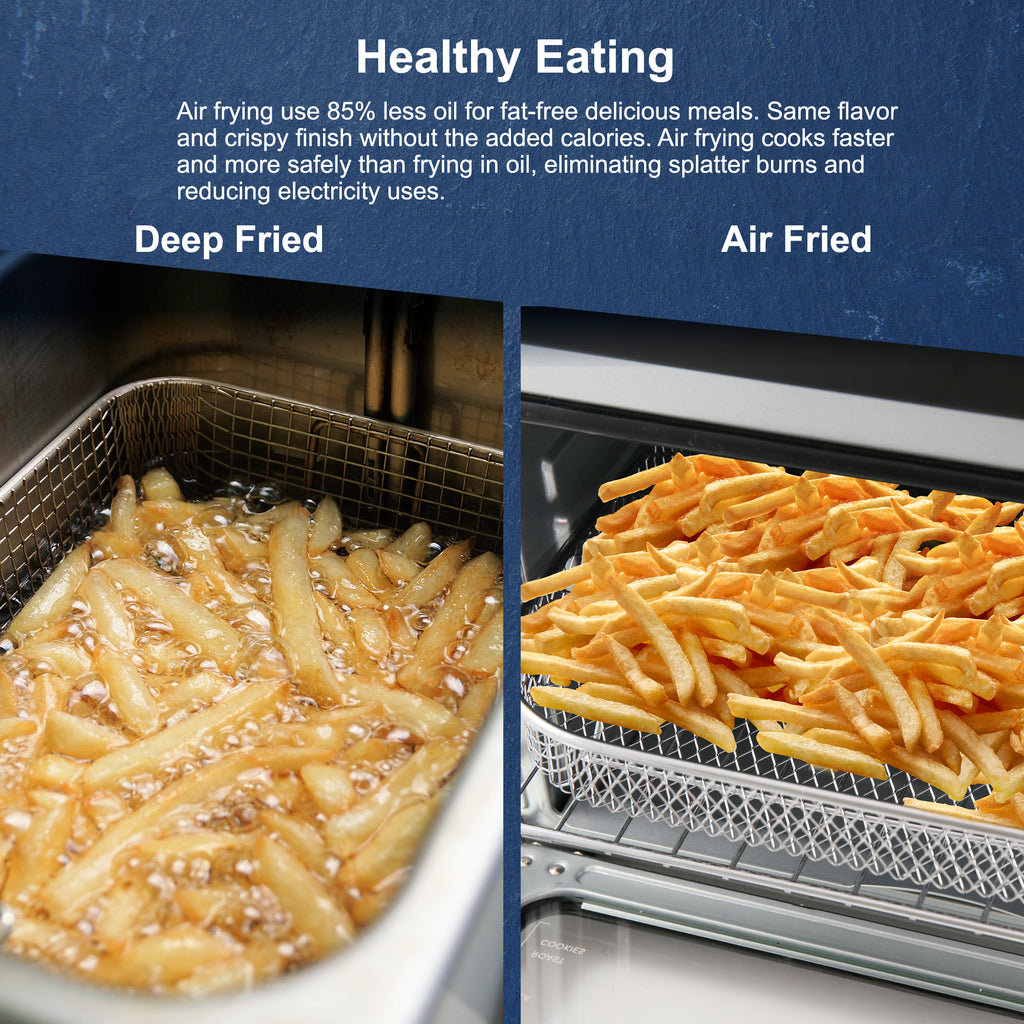
An air fryer cooks with fast-moving hot air. This air reaches much of the food’s surface and creates browning without deep frying. As a result, you need far less oil than you would in a pan or deep fryer.
Oil still has an important role. It helps conduct heat, supports browning, and gives seasonings something to cling to. A small amount can also keep delicate foods from drying out.
However, an air fryer does not make every food crisp by magic. Moisture, food size, coating, cooking temperature, and airflow all matter. A wet surface may steam instead of crisp, even when you use the right amount of oil.
Research on fried foods shows that air frying can reduce the amount of fat added during cooking compared with deep frying. The final result still depends on the food and recipe, so air frying is not automatically low calorie. It is simply a cooking method that often uses less added oil.

How to apply oil in an air fryer
The way you add oil matters almost as much as the amount. A thick puddle gives uneven results. A light coating gives better browning and helps prevent dry spots.
Try one of these methods:
-
Toss the food in a bowl with oil. This is the best method for vegetables, potatoes, and fresh foods.
-
Brush oil onto the food. Use a pastry brush for chicken, fish, or large pieces.
-
Use a refillable oil mister. Spray the food lightly while turning it to coat all sides.
-
Mix oil with seasonings. This helps herbs, garlic powder, paprika, and pepper stick to the food.
-
Add oil to breadcrumbs. This works well for air-fried chicken, fish, and vegetables with a crunchy coating.
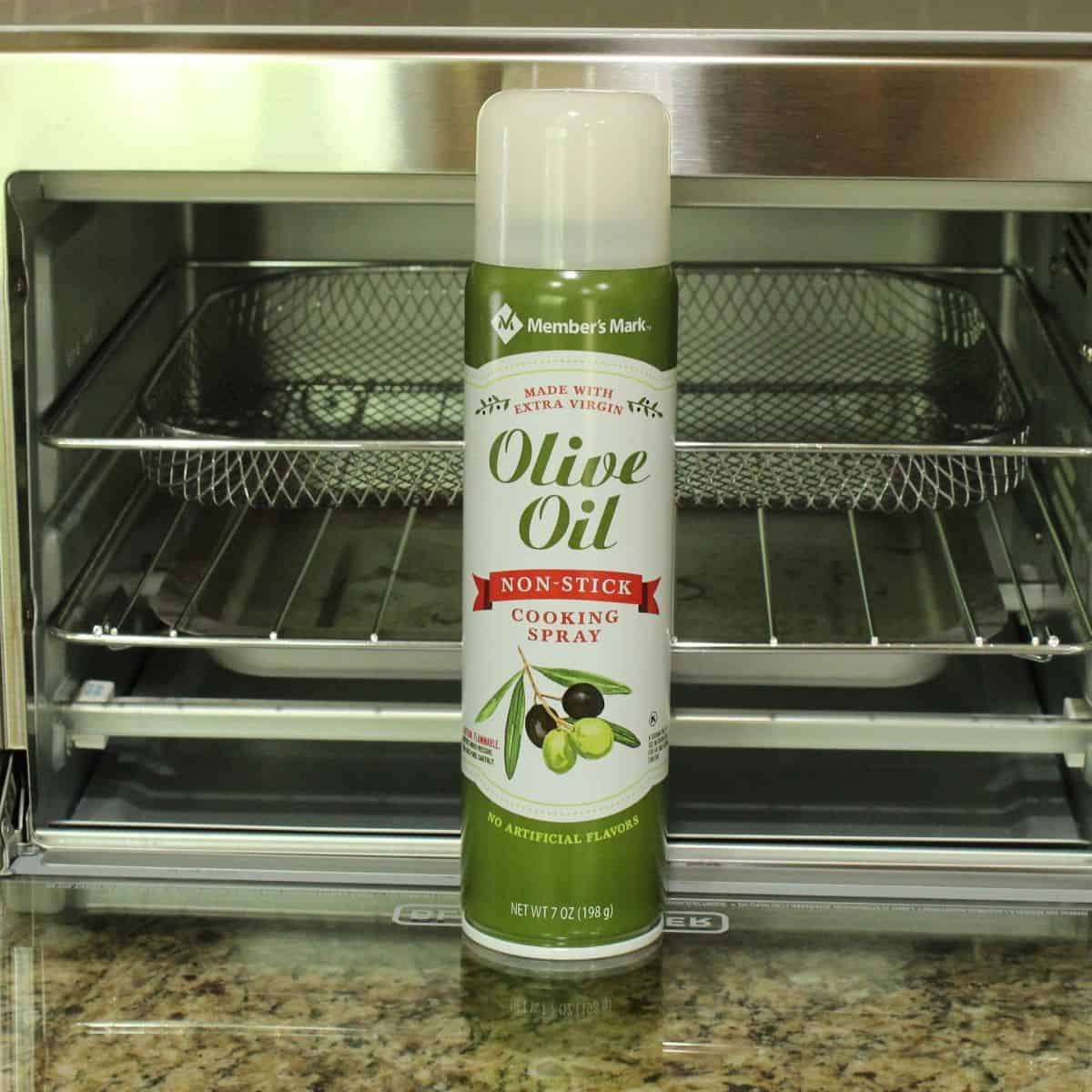
Avoid aerosol cooking sprays when the manufacturer warns against them. Some propellants may damage the coating on certain air fryer baskets. A refillable mister or a small brush is often a safer choice.
When I test how much oil to use in air fryer meals, I place the food in a bowl first. I add one teaspoon, toss it well, and check the surface. If the food still looks completely dry, I add another half teaspoon instead of pouring in a large amount.
How much oil to use for common foods
Different foods need different amounts. Use these estimates as a starting point, then adjust for your air fryer size and serving amount.
Potatoes and french fries
For one large russet potato, use about 1 to 2 teaspoons of oil. Cut the potato into even pieces, rinse away some surface starch, and dry it very well before adding oil.
Moisture is one of the biggest reasons fries turn soft. After soaking or rinsing, pat the potatoes dry with a clean towel. Cook in a single layer when possible, and shake the basket during cooking.
Frozen fries are usually coated with oil before packaging. Start with no extra oil. Add a light spray only if they look pale or dry halfway through cooking.
Vegetables
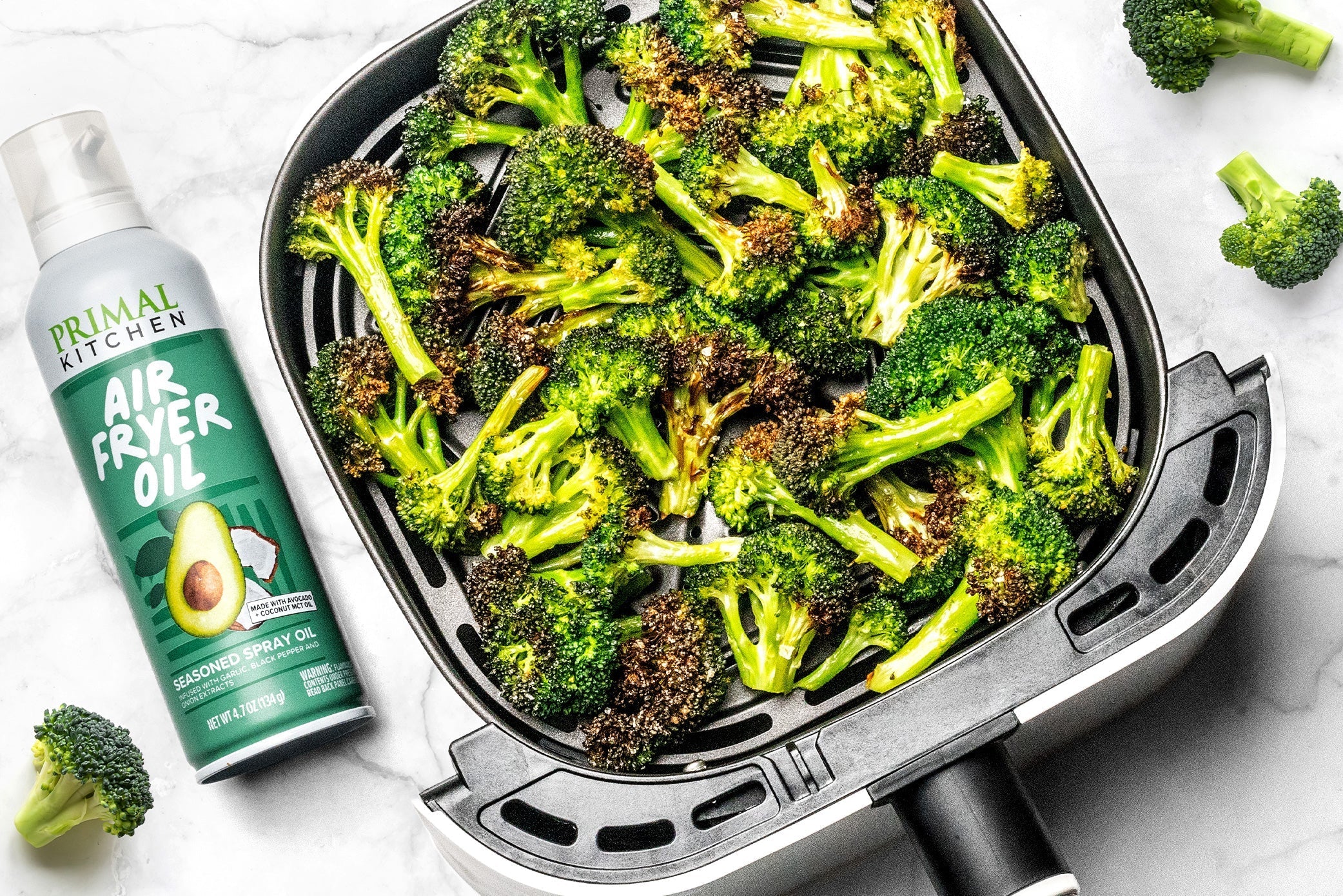
Most fresh vegetables need 1 to 2 teaspoons of oil per pound. Broccoli, cauliflower, carrots, green beans, Brussels sprouts, and zucchini all benefit from a thin coating.
Tender vegetables may need less oil. Dense vegetables may need a little more time rather than more oil. If zucchini becomes greasy, reduce the oil and cook it in a less crowded layer.
Chicken
Skinless chicken breasts and thighs usually need 1 teaspoon of oil for a few pieces. You can brush the chicken with oil before adding seasonings or use a marinade that contains oil.
Chicken skin contains natural fat. For wings and drumsticks, little or no extra oil may be needed. Always cook chicken to a safe internal temperature of 165°F, checked with a food thermometer.
Fish
Lean fish, such as cod or tilapia, can dry out quickly. Brush each piece with about ½ to 1 teaspoon of oil, depending on size.
Fatty fish, such as salmon, often needs very little added oil. A thin brush on the surface can improve browning, but too much may make the fish greasy.
Breaded food
For homemade breaded chicken or fish, lightly spray or brush the coating with oil. You can also stir 1 to 2 teaspoons of oil into a cup of breadcrumbs.
This helps the crumbs turn golden. Without any oil, homemade breading may stay pale and dry. Do not soak the coating, or it may become heavy and fall away.
How much oil to use in air fryer recipes by serving size
A simple serving guide can help when a recipe does not give an oil amount.
• One serving of vegetables: ½ teaspoon.
• Two servings of vegetables: 1 teaspoon.
• Four servings of vegetables: 1 to 2 teaspoons.
• One large potato: 1 to 2 teaspoons.
• Two chicken breasts: 1 teaspoon.
• One pound of lean fish: 1 to 2 teaspoons.
• One pound of frozen snacks: usually no oil or a light spray.
These amounts are not strict rules. A larger basket may need more food but not always more oil. The key is to spread the oil across the food instead of adding it to one spot.
For the best answer to how much oil to use in air fryer cooking, consider the food’s natural fat. Sausage, chicken skin, salmon, and frozen fries already contain or carry fat. Fresh potatoes, mushrooms, and lean vegetables tend to benefit more from added oil.
Best oils for air frying
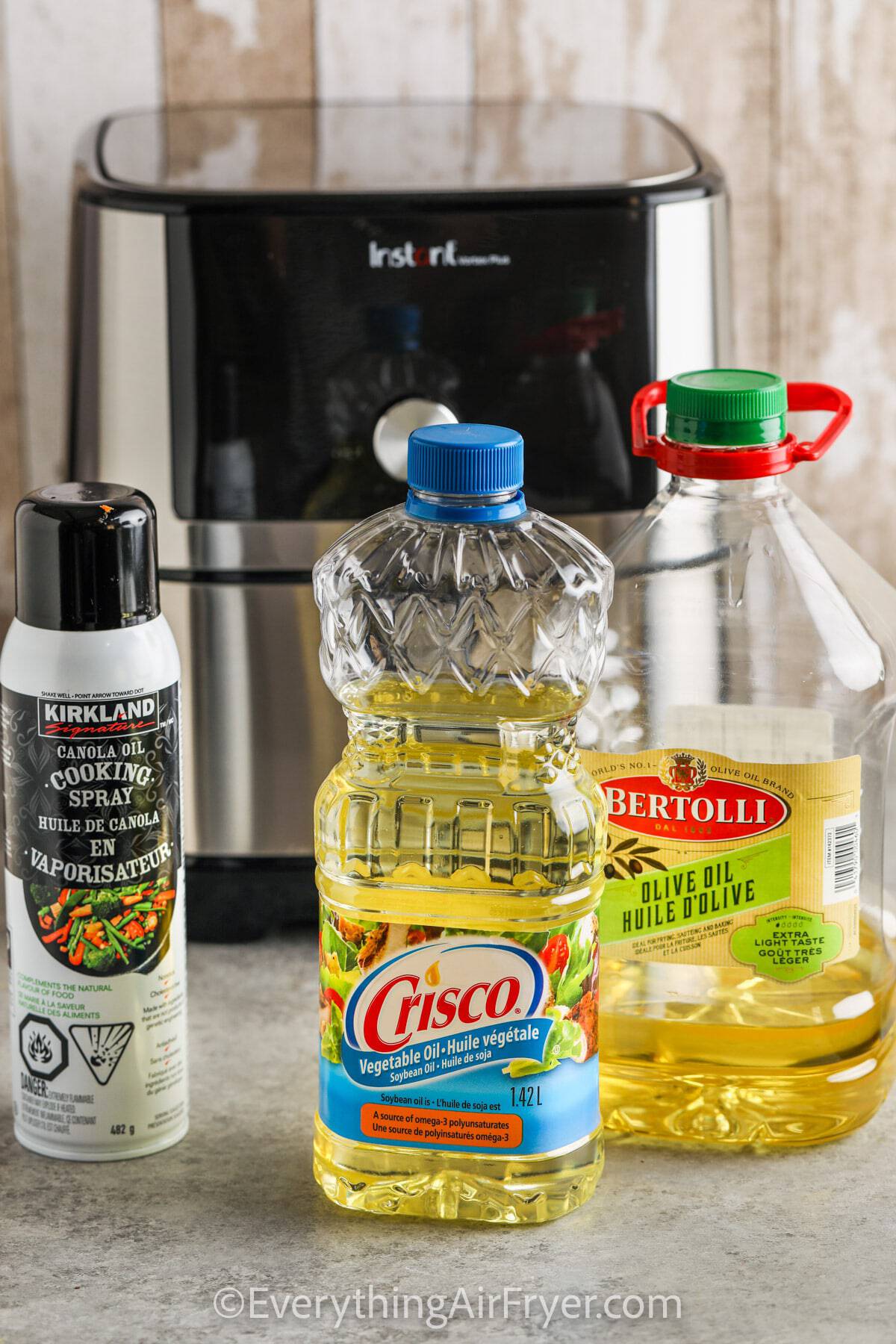
Choose an oil that suits the cooking temperature and flavor of your food. Many common cooking oils work well in an air fryer.
Good options include:
• Avocado oil for high heat and a mild taste.
• Canola oil for an affordable, neutral option.
• Extra light olive oil for a mild flavor and high heat use.
• Regular olive oil for vegetables, chicken, and moderate temperatures.
• Peanut oil for a slightly nutty taste, if no one has a peanut allergy.
• Grapeseed oil for a light, neutral flavor.
Extra virgin olive oil can also work for many air fryer recipes. Its smoke point is not the only factor that matters, because the smoke point varies by oil quality and processing. Use it at a suitable temperature and stop cooking if the oil begins to smoke.
Do not use butter as your only high heat fat unless the recipe supports it. Butter contains milk solids that can burn. You can use a small amount for flavor near the end of cooking.
Oil temperature, smoke, and air fryer safety
Most air fryer recipes use temperatures between 350°F and 400°F. Use an oil that can handle the selected heat, and follow your appliance manual.
Smoke can come from more than excess oil. Crumbs, marinades, and fat dripping onto the hot heating element can also create smoke. Fatty foods may smoke more than lean foods, especially at high temperatures.
Use these safety habits:
• Do not fill the basket with loose oil.
• Never deep fry in an air fryer unless the appliance is specifically designed for it.
• Keep the air fryer on a stable, heat-safe surface.
• Remove excess grease from the drawer after cooking.
• Watch foods with a high fat content.
• Follow the manufacturer’s cleaning instructions.
If smoke appears, turn off the appliance and unplug it when safe. Let it cool before checking the basket and drawer. Do not add water to hot oil or grease.
:max_bytes(150000):strip_icc()/__opt__aboutcom__coeus__resources__content_migration__simply_recipes__uploads__2019__11__HT-Use-an-Air-Fryer-LEAD-07-1024x682-ba7d4566aec74b45ab62f62c2581cf28.jpg)
Common mistakes with air fryer oil
Using too much oil is only one mistake. These habits can also reduce crispness and flavor.
Pouring oil into the basket
An air fryer basket is not a frying pan. Oil in the bottom may pool beneath the food and create smoke. Toss the food with oil before cooking instead.
Spraying too much oil
A heavy spray can make breading soggy and vegetables greasy. Use short sprays and turn the food so the coating stays even.
Skipping the drying step
Water on potatoes and vegetables creates steam. Dry the food well before adding oil. This one step often improves texture more than adding another teaspoon.
Overcrowding the basket
Hot air needs room to move. If food overlaps, the center may stay soft while the edges brown too quickly. Cook in batches when needed.
Adding oil too early to delicate foods
Oil can cause thin breading or wet coatings to slide off. For some recipes, a light spray halfway through cooking works better.
Trusting the timer alone
Air fryers differ in size, power, and airflow. Check food early the first time you make a recipe. Use color, texture, and internal temperature to judge doneness.

How to make air fryer food crisp with less oil
Crisp food comes from a mix of dry surfaces, hot air, and good spacing. More oil is not the main answer.
Follow these steps:
-
Dry fresh food before seasoning.
-
Cut pieces to a similar size.
-
Toss with a measured amount of oil.
-
Preheat if your recipe or appliance calls for it.
-
Arrange food in one layer.
-
Shake or turn food halfway through cooking.
-
Add a few extra minutes if the food is pale but cooked.
-
Let breaded food rest for a minute before serving.
For potatoes, rinsing away extra starch can help. For chicken, a thin coating of cornstarch or breadcrumbs can improve crunch. For vegetables, avoid adding wet sauces until the final minutes.
In my own cooking tests, the biggest improvement came from using a bowl rather than spraying oil directly into the basket. The bowl helped spread one teaspoon across every piece. It also made it easier to spot areas that needed a tiny bit more.
Is air frying with less oil healthier?
Using less oil can lower the amount of added fat and calories in a meal. This may be helpful if you are replacing deep-fried foods with air-fried versions. Still, the health value of the full meal matters more than the cooking method alone.
A vegetable cooked with a teaspoon of oil can be a nutritious side dish. A highly processed frozen snack may still be high in sodium and saturated fat, even when air fried. Read the nutrition label and balance the meal with vegetables, protein, and whole grains.
The type of oil matters too. Dietary guidance generally favors unsaturated fats, such as those found in olive, canola, avocado, and peanut oils, over large amounts of saturated fat. If you have an allergy, medical condition, or specific diet plan, follow advice from a qualified health professional.
A simple air fryer oil method
Use this basic method for most fresh foods:
-
Place 1 pound of prepared food in a mixing bowl.
-
Add 1 teaspoon of oil.
-
Toss for 15 to 20 seconds.
-
Check that the food has a light, even shine.
-
Add ½ teaspoon more only if needed.
-
Season the food after the oil coats it.
-
Place the food in the air fryer basket without crowding.
-
Cook according to the recipe, shaking or turning halfway.
This method answers how much oil to use in air fryer meals without requiring guesswork. It also helps control calories because you measure the oil instead of pouring freely from the bottle.
For especially delicate food, start with ½ teaspoon. For dry breading or dense potatoes, you may need closer to 2 teaspoons. Keep notes the first time you cook a dish so you can adjust the amount next time.
Frequently asked questions about how much oil to use in air fryer
Can you use too much oil in an air fryer?
Yes, too much oil can make food greasy and may create smoke. It can also collect in the drawer and reduce the crisp texture you want.
Do you need to put oil in the bottom of an air fryer?
No, you usually should not pour oil into the bottom of the air fryer. Toss the food with oil before cooking, or brush or mist the food lightly.
Can you air fry food without oil?
Yes, many foods cook well without added oil. Frozen fries, breaded snacks, bacon, sausage, and chicken with skin may already contain enough fat.
Is spray oil safe to use in an air fryer?
A light spray can be useful, but check your air fryer manual before using aerosol sprays. A refillable mister, brush, or measured teaspoon of oil can help protect some basket coatings.
How much oil should you use for air fryer vegetables?
Start with 1 teaspoon of oil per pound of vegetables. Add up to 1 more teaspoon if the vegetables look dry, but avoid coating them so heavily that oil pools in the bowl.
Does oil make air fryer food crispier?
A small amount of oil can improve browning and crispness, especially on fresh potatoes and breaded food. However, drying the food and leaving space for airflow are just as important.
What is the best oil for an air fryer?
Canola, avocado, olive, grapeseed, and peanut oils can all work well. Choose one that suits the cooking heat, flavor, dietary needs, and any allergy concerns.
Conclusion
For most air fryer meals, 1 to 2 teaspoons of oil is enough. Use less for naturally fatty foods and none for many frozen products. Toss fresh food in a bowl, dry it well, avoid crowding, and add oil in small amounts.
The best way to learn how much oil to use in air fryer cooking is to start with one teaspoon and adjust after checking the first batch. Try these tips with your next meal, then share your favorite air fryer recipe or oil method in the comments.