Can I Put Air Fryer Liners In The Oven: Safe Guide
Yes, but only if the liner is oven-safe, within its temperature limit, and held securely.
If you wonder, “Can I put air fryer liners in the oven?” the answer depends on the liner material, heat rating, and oven setup. Parchment liners and silicone liners can work in some ovens, but loose paper, wax-coated sheets, and untested products can create smoke or fire risks. This guide explains how to check your liner, use it safely, and avoid common mistakes.
Can You Put Air Fryer Liners in the Oven?
You can put some air fryer liners in the oven. However, not every air fryer liner is made for oven use. The package must state that the product is oven-safe, and it should list a maximum temperature.
Most disposable air fryer liners use food-grade parchment paper. Parchment may be safe in an oven when used below its rated temperature. Many parchment products are rated around 400°F to 450°F, but the exact limit varies by brand.
Silicone air fryer liners are often oven-safe as well. Their heat limits can range from about 400°F to 500°F. Always check the label because silicone quality and design can differ.
The main issue is not only heat. Air movement, exposed heating elements, and direct contact with a hot surface can also cause trouble. A liner that works well under food in an air fryer basket may not be safe when placed on an oven rack by itself.

What Are Air Fryer Liners Made Of?
Understanding the material helps answer, “Can I put air fryer liners in the oven?” Air fryer liners usually come in three forms: parchment paper, silicone, and coated paper products.
Parchment air fryer liners
Parchment liners are made from treated paper. They are often nonstick and may have small holes to improve air flow. These liners are useful for foods such as chicken wings, fries, fish, and roasted vegetables.
Oven-safe parchment can usually handle normal baking temperatures. Still, it should not touch an oven heating element, oven wall, or open flame. It can darken, curl, smoke, or burn when exposed to intense direct heat.
Silicone air fryer liners
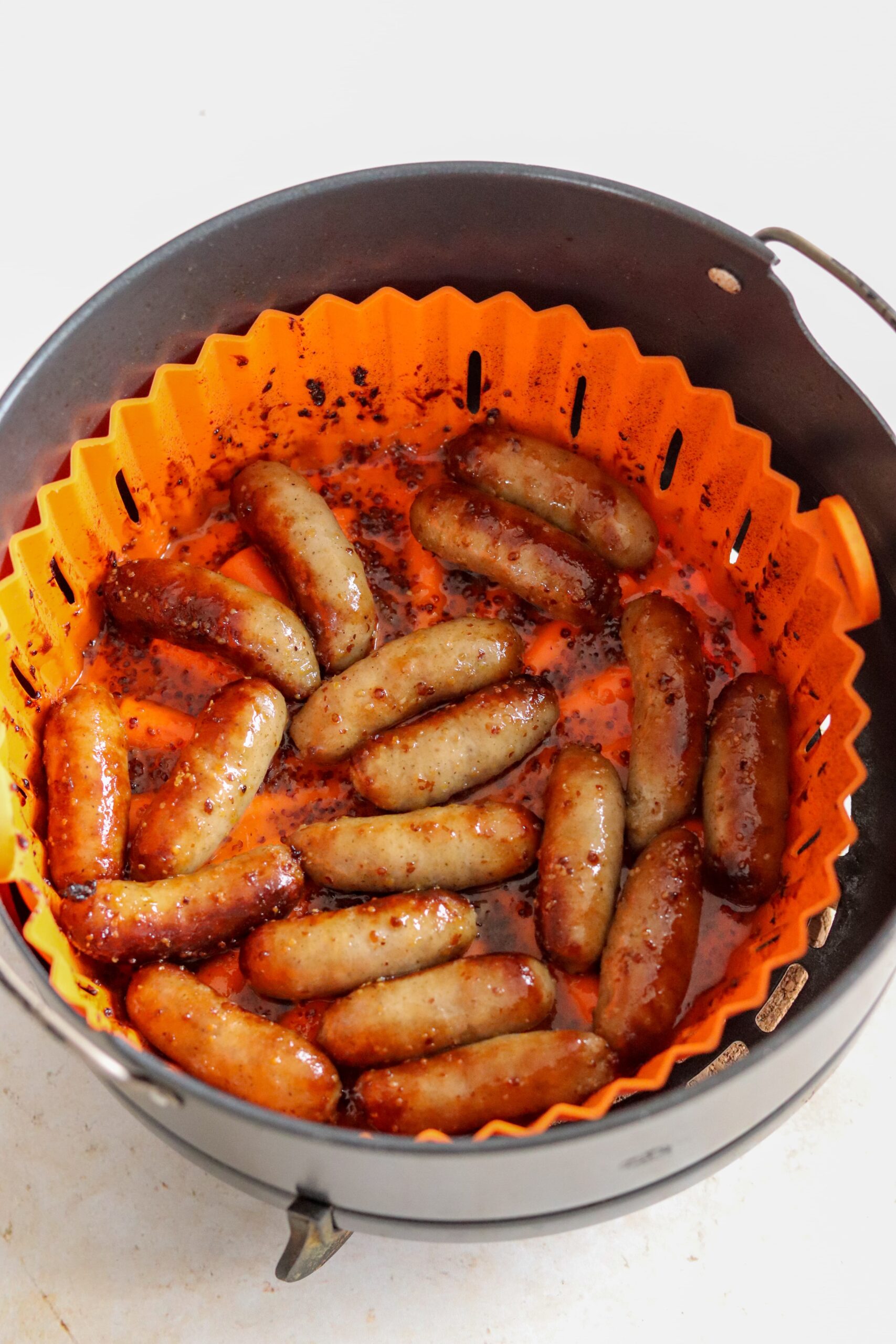
Silicone liners are reusable bowls or mats. They are flexible, washable, and less likely to tear than paper. Many are made from food-grade silicone and can tolerate oven heat.
A silicone liner may be a good choice for baking or roasting. Yet it still needs a temperature limit. Some low-cost products may not have clear safety testing or accurate labeling.
Wax paper and coated paper
Wax paper is not the same as parchment paper. Wax paper has a wax coating that can melt or smoke in an oven. It should not replace parchment paper for baking or roasting.
Some air fryer liners may also use coatings that are suitable only for limited heat. If the package does not clearly say “oven-safe,” do not assume it can go in the oven.

When Can You Put Air Fryer Liners in the Oven?
You can use an air fryer liner in the oven when all of these conditions are met:
• The package clearly says the liner is oven-safe.
• The oven temperature stays below the listed maximum.
• The liner does not touch the heating element, oven wall, or flame.
• Food holds the liner in place.
• The liner is not damaged, torn, or heavily stained.
• The oven type matches the product instructions.
The phrase “air fryer safe” alone does not always prove that a product is safe for every oven. Air fryers and ovens use different heating patterns. An air fryer often pushes fast-moving hot air around a small basket. A full-size oven may expose paper to a broiler element or a stronger heat source.
If you still ask, “Can I put air fryer liners in the oven?” check the product label first. The label is more reliable than a general rule about parchment or silicone.

When Should You Avoid Using Air Fryer Liners in the Oven?
Do not use an air fryer liner in the oven when its material or condition is unclear. A liner without a temperature rating is not worth the risk.
Avoid using a liner in these situations:
• The liner is labeled for air fryer use only.
• The liner is made from wax paper.
• The package warns against oven use.
• The oven temperature exceeds the liner’s heat rating.
• The liner is empty and may lift in moving air.
• The liner can touch an upper heating element.
• The liner blocks vents or covers the full oven floor.
• The liner has melted, burned, torn, or changed shape.
• You plan to use it under a broiler.
A broiler creates intense, direct heat from above. Even oven-safe parchment may burn under a broiler. Silicone may also fail if placed too close to the broiler element.
A liner should also never cover the bottom of a gas oven unless the appliance maker specifically permits it. It can block heat flow or interfere with vents. Follow the oven manual for appliance-specific limits.

How to Use Air Fryer Liners Safely in the Oven
If the product is labeled oven-safe, use it with care. These steps can reduce the chance of smoke, burning, or poor cooking.
1. Read the package
Look for the words “oven-safe,” “maximum temperature,” and any warnings. Also check whether the rating applies to a conventional oven, convection oven, toaster oven, or air fryer.
If the package lists temperatures in Celsius, convert them before cooking. For example, 220°C is about 428°F. When in doubt, use a lower temperature.
2. Choose the right size
The liner should fit the pan or basket without large edges sticking up. A tall flap can move toward a heating element.
Do not use a liner that is much larger than the food surface. Extra paper can fold, curl, and expose itself to heat.
3. Add food before heating
Never place a loose parchment liner in a hot oven. The fan or rising heat can lift it. Once it touches a heating element, it may ignite.
Place the liner in the pan, then add enough food to hold it down. If you need to preheat the oven, preheat the pan first and add the liner with the food afterward, if the product instructions allow it.
4. Keep the liner away from direct heat
Leave space between the liner and all heating elements. Do not place it under a broiler or against an oven wall.
In a toaster oven, this matters even more because the heating elements sit close to the food. A liner that is safe in a deep baking pan may be unsafe on a shallow tray.
5. Watch the first use
Stay nearby the first time you try a new liner in the oven. Look for smoke, curling, browning, melting, or a sharp chemical smell.
If anything seems wrong, turn off the oven and let it cool before removing the liner. Do not pour water into a hot oven.

Can You Use Perforated Air Fryer Liners in a Conventional Oven?
Perforated air fryer liners can work in a conventional oven if the label permits oven use. The holes allow heat and moisture to move around the food, but they do not make the liner automatically oven-safe.
A perforated liner may be useful under roasted vegetables or small pieces of meat. It can reduce sticking while allowing some browning. However, juices may pass through the holes, so place it inside a rimmed baking pan.
Do not put a perforated liner directly on an oven rack. Grease can drip onto the heating surface, and the liner may shift. A pan gives the liner support and catches food juices.

Can You Use Air Fryer Liners in a Toaster Oven?
You can use an air fryer liner in a toaster oven only when the product is labeled for that use and fits without touching the heating elements. Toaster ovens have a small cooking chamber, so the distance between paper and heat can be very short.
A silicone liner may be easier to use in a toaster oven because it is less likely to move. Even so, it must fit inside the tray and stay within its temperature rating.
Do not use a full-size parchment liner folded loosely inside a toaster oven. The folds may rise toward the top element. Trim the liner to fit the tray, but never make it so small that food spills onto the heating surface.
Air Fryer Liners vs. Parchment Paper in the Oven
Air fryer liners are usually pre-cut parchment sheets or shaped silicone inserts. Regular parchment paper comes in rolls and can be cut to match a pan.
The main difference is shape and airflow. Air fryer liners often have raised sides or holes. Standard parchment is more flexible and can cover a baking pan or line a loaf pan.
For oven use, regular oven-safe parchment may be the simpler choice. It is easier to fit to the pan and may have clearer baking instructions. An air fryer liner can still work when its label supports oven use.
Both products need the same basic care:
• Keep them below their rated temperature.
• Keep them away from direct heat.
• Use food to hold paper liners down.
• Do not use wax paper as a substitute.
• Replace liners that become brittle or burned.

Benefits of Using Air Fryer Liners in the Oven
When used correctly, an oven-safe air fryer liner can make cooking easier. It can help keep food from sticking and reduce the time needed to scrub a pan.
Other benefits include:
• Easier cleanup after roasting or baking.
• Less sticking on metal trays.
• Better control when cooking delicate foods.
• Less need for excess oil.
• A cleaner basket or pan.
For example, a liner can help with sticky chicken wings, glazed vegetables, or seasoned fish. It can also keep crumbs from collecting in a small toaster oven tray.
Still, a liner is not a replacement for good pan placement. It should support cooking, not cover vents or block the flow of heat.
:max_bytes(150000):strip_icc()/can-you-put-parchment-paper-in-the-air-fryer-2x1-06b69f9b72cb482580877a8f0db40343.jpg)
Risks and Common Mistakes
The biggest mistake is treating every liner as if it has the same heat rating. Products may look alike but use different paper, coatings, or silicone blends.
Here are other mistakes to avoid:
• Preheating with an empty paper liner.
• Using wax paper instead of parchment.
• Setting the oven above the product rating.
• Placing paper beneath a broiler.
• Letting paper hang over the pan edge.
• Using a liner on an oven floor.
• Reusing disposable liners after they burn or weaken.
• Ignoring smoke or unusual odors.
In my own kitchen testing, the most common problem has been not the food temperature but the liner’s position. A sheet that stays flat under a full meal can curl when only a few small items sit on it. That is why I now trim paper to the pan and keep food spread evenly across the surface.
The lesson is simple: treat the liner like a cooking tool, not like a piece of ordinary paper.
What Temperature Is Safe for Air Fryer Liners?
There is no single safe temperature for every air fryer liner. The correct limit comes from the manufacturer’s label.
Many parchment liners are rated near 400°F to 450°F. Many silicone liners have ratings near 400°F to 500°F. These numbers are common, not universal.
For safer use, stay below the maximum rating when possible. Avoid placing the liner close to direct heat, since the air temperature shown on the oven display does not describe every hot spot inside the oven.
The U.S. Food and Drug Administration evaluates food-contact materials, but that does not mean every product is safe at every temperature or in every appliance. Product instructions still matter.
Safer Alternatives to Air Fryer Liners
If you are unsure whether you can put an air fryer liner in the oven, choose a safer, clearly labeled option.
Good alternatives include:
• Oven-rated parchment paper.
• A bare metal baking sheet with a light coat of oil.
• A glass baking dish rated for oven use.
• A ceramic baking dish approved for oven use.
• A silicone baking mat with a clear temperature rating.
• A cast-iron or stainless-steel pan.
Avoid placing cold glass or ceramic cookware into a very hot oven unless the manufacturer says it is safe. Sudden temperature changes can cause some cookware to crack.
For many foods, a well-oiled pan works just as well as a liner. It may even give potatoes and vegetables better browning because the food touches a hot surface directly.
How to Clean Up After Using a Liner
Let the pan and liner cool before handling them. Disposable parchment should usually go into the trash unless the package gives different disposal guidance.
Do not reuse paper liners that show dark spots, grease saturation, tears, or curling. A damaged liner may break apart during the next use.
Wash silicone liners with warm water and dish soap. Check the folds and corners, where grease can remain. Dry the liner fully before storing it to prevent odors and mildew.
If a liner melts or burns, ventilate the room and let the oven cool. Remove residue only when it is safe to do so, following the oven maker’s cleaning instructions.
Frequently Asked Questions About Air Fryer Liners in the Oven
Can I put air fryer liners in the oven at 400°F?
You can if the liner is labeled oven-safe and its maximum temperature is at least 400°F. Keep it away from heating elements, and make sure food holds a paper liner in place.
Can I put parchment air fryer liners in the oven?
You can put parchment air fryer liners in the oven when the packaging approves oven use. Do not confuse parchment with wax paper, and never use a loose liner near an exposed heating element.
Can I put silicone air fryer liners in the oven?
Many silicone air fryer liners are oven-safe, but the temperature limit varies by product. Check the label and keep the liner away from broiler elements or open flames.
Can air fryer liners catch fire in an oven?
Paper liners can burn if they exceed their heat rating, touch a heating element, or move into direct heat. Using food to hold the liner down and following the package instructions lowers the risk.
Can I use an air fryer liner under the broiler?
You should not use an air fryer liner under a broiler unless the manufacturer clearly approves that use. Broilers produce strong direct heat that can burn parchment and damage silicone.
Can I put an air fryer liner on an oven rack?
It is safer to place the liner inside a baking pan or tray. A loose liner on an oven rack may shift, tear, allow grease to drip, or move toward a heating element.
Are air fryer liners reusable in the oven?
Disposable paper liners are generally intended for one use. Silicone liners may be reused after washing, but replace them if they crack, melt, smell unusual, or lose their shape.
Conclusion
So, can you put air fryer liners in the oven? Yes, but only when the liner is clearly labeled oven-safe, used below its temperature limit, and kept away from direct heat. Parchment and silicone liners can be useful, while wax paper and unmarked products should stay out of the oven.
Use food to hold paper liners down, choose the right pan, and avoid broiling. When the label is unclear, regular oven-rated parchment or a lightly greased baking pan is the safer choice. Check your liner before cooking, and share your experience or questions in the comments.