Are Silicone Air Fryer Baskets Safe: What You Need To Know
Yes, silicone air fryer baskets are generally safe when they are food-grade and used within their heat limits.
The question “are silicone air fryer baskets safe” deserves more than a simple yes or no. Material quality, temperature ratings, airflow, cleaning, and signs of wear all affect safety. This guide explains how silicone behaves in an air fryer, what risks to avoid, and how to choose and use a basket with confidence.
Are Silicone Air Fryer Baskets Safe?
For most home cooks, silicone air fryer baskets are safe when made from food-grade silicone and used as directed. Good silicone does not melt at normal air fryer temperatures, which usually range from 300°F to 400°F. Many quality products are rated for temperatures around 428°F to 450°F.
The key is to understand that not all silicone products are equal. A basket made with poor materials may contain fillers, have a weak structure, or lack accurate heat testing. Look for clear product details, a stated temperature limit, and wording such as “food-grade silicone.”
Silicone is a flexible material made from silicon, oxygen, carbon, and hydrogen. Unlike some plastics, it does not usually soften or release a strong plastic smell at standard cooking temperatures. Still, any material can become unsafe if it is overheated, damaged, or used in the wrong appliance.
So, are silicone air fryer baskets safe in daily use? Usually, yes. However, safety depends on proper design and careful use, not just the word “silicone” on the package.
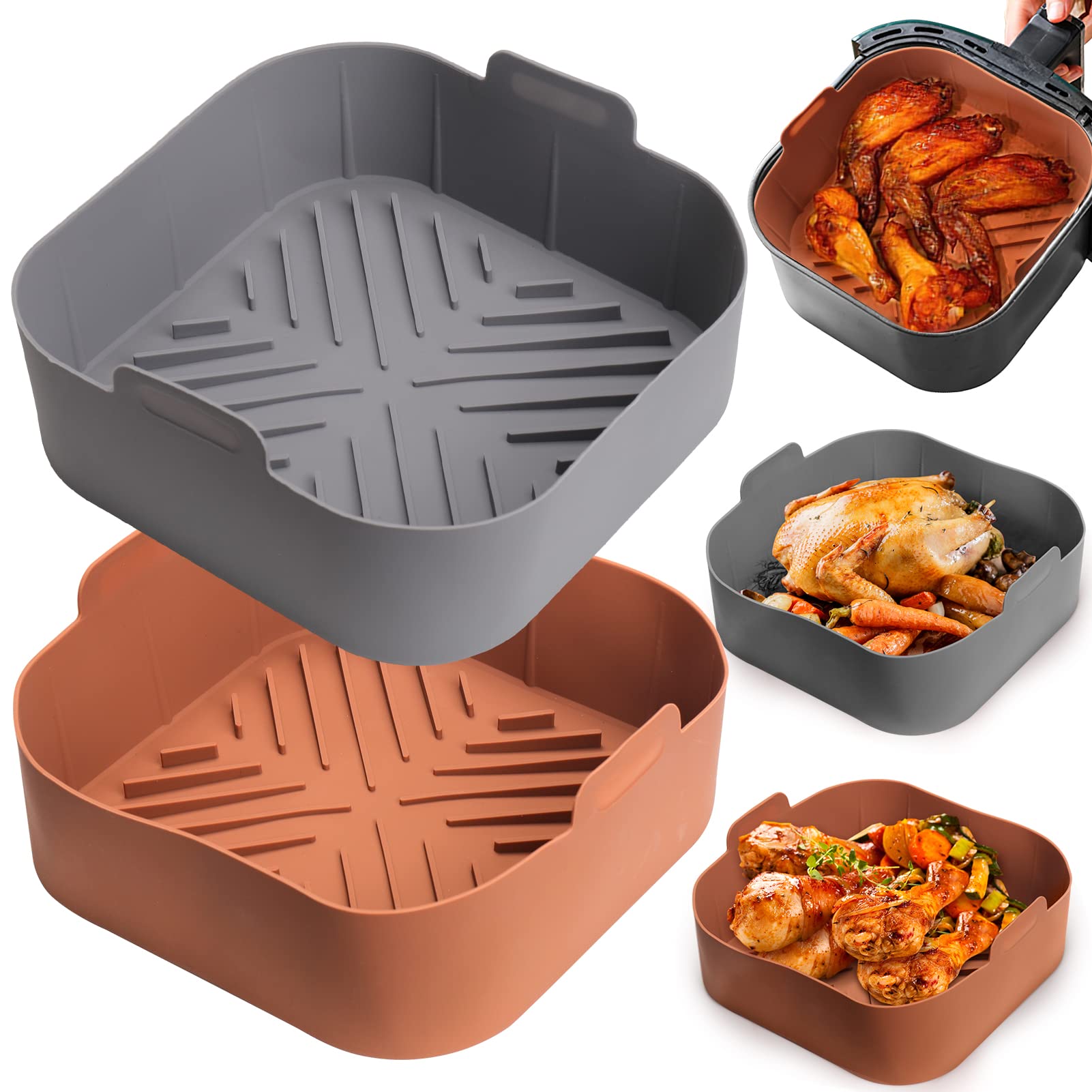
Why Food-Grade Silicone Matters
Food-grade silicone is designed for contact with food. It should be stable under normal cooking conditions and should not transfer harmful substances into food when used within its rated temperature range.
Some silicone products use fillers to reduce cost. A simple home check is to bend or twist the silicone. If a white color appears through the material, it may contain fillers. This test is not a laboratory assessment, but it can help you spot a product that deserves closer inspection.
A trustworthy basket should include:
• A clear food-contact safety statement
• A maximum temperature rating
• Care instructions
• Information about the manufacturer or seller
• A design made for oven or air fryer use
• No strong chemical odor after washing and airing out
Food-grade silicone is not the same as silicone sealant, craft silicone, or industrial silicone. Never use a product unless it is clearly intended for cooking.
When people ask, are silicone air fryer baskets safe, the phrase “food-grade” is one of the most important parts of the answer. It shows that the product was made for contact with food, although it does not replace proper use.
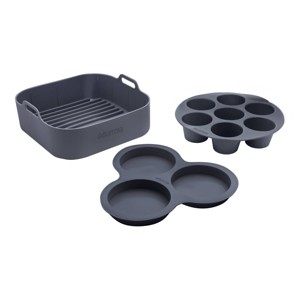
How Silicone Performs in an Air Fryer
Silicone can handle the heat found in most air fryers. It is also flexible, nonstick, and easy to remove after cooking. These traits make it popular for cooking vegetables, chicken wings, fish, and baked foods.
However, silicone changes the way heat and air move around food. A solid silicone basket can block some airflow beneath the food. This may lead to less browning and a longer cooking time compared with the original perforated metal basket.
Air fryers work by moving hot air around the food. Think of the air as a fast-moving stream. If the basket blocks too much of that stream, the food may cook, but it may not become as crisp.
For better results:
• Choose a basket with raised ridges or perforations
• Avoid filling it above the recommended level
• Shake or turn food during cooking
• Leave space around the basket when possible
• Reduce moisture on foods such as potatoes and chicken
Silicone itself does not make food unsafe. Its main effect is on cooking performance. If food stays moist for too long, it may need more time to reach a safe internal temperature.

Benefits of Silicone Air Fryer Baskets
Silicone baskets offer several practical benefits. They can protect the air fryer drawer from scratches and reduce the need to scrub baked-on grease.
Common advantages include:
• Easy cleanup: Most silicone baskets can be washed with warm, soapy water. Many are also dishwasher-safe, but always check the label.
• Reusable design: A reusable basket creates less waste than single-use parchment liners.
• Flexible shape: Silicone can bend, which makes it easier to remove cooked food.
• Nonstick surface: Food often releases more easily from silicone than from an uncoated metal surface.
• Heat resistance: Quality silicone can handle common air fryer temperatures.
• Protection from grease: The basket may catch oil and food residue before it reaches the air fryer drawer.
• Reduced noise: Silicone is quieter than metal when you shake or remove it.
These benefits explain why many people prefer silicone liners and baskets. Still, convenience should not replace proper cooking. A basket is a tool, not a guarantee of safe food.
Possible Risks and Limitations
The most common risk is overheating. A silicone basket may be rated for 450°F, but placing it near a heating element or using a broil setting can expose it to much higher heat. Direct contact with a heating coil can damage the material.
Another concern is poor airflow. A thick, solid liner may trap moisture and make food cook unevenly. This matters most with raw poultry, pork, seafood, and thick pieces of meat.
Watch for these warning signs:
• A strong chemical smell that remains after washing
• Sticky, oily, or powdery surfaces
• Cracks, tears, or thinning areas
• Discoloration that appears after normal use
• Warping or loss of shape
• Smoke during cooking
• A basket that touches the heating element
If you notice any of these signs, stop using the basket. Do not try to repair damaged silicone with glue or tape.
It is also possible to buy a basket that is too large for the appliance. If the silicone presses against the drawer, blocks vents, or sits too close to the heating coil, it can interfere with safe operation.
This is why the answer to are silicone air fryer baskets safe must include the air fryer model, basket size, temperature, and condition.

Silicone Versus Parchment and Metal Baskets
Each liner type has strengths and limits. The best choice depends on the food and the cooking result you want.
Silicone Versus Parchment
Silicone is reusable, while parchment is usually disposable. Silicone creates less waste and is often easier to handle because it does not fold or move as easily.
Parchment may provide better airflow when it has holes. However, loose parchment should never go into a preheated air fryer without food on top. The fan can lift it toward the heating element, where it may burn.
Silicone Versus Metal
Metal baskets usually provide better airflow and stronger browning. They are also less likely to change shape under normal air fryer heat.
Silicone is softer and easier to clean, but it can reduce crispness. A metal basket may be better for fries and wings, while silicone may be useful for saucy foods, fish, or small items that could fall through the rack.
Silicone Versus Plastic
Regular plastic is not a safe substitute for silicone in an air fryer. Many plastics can soften, warp, or release unwanted chemicals at high temperatures. Never place a food container in an air fryer unless it clearly states that it is oven-safe at the intended temperature.
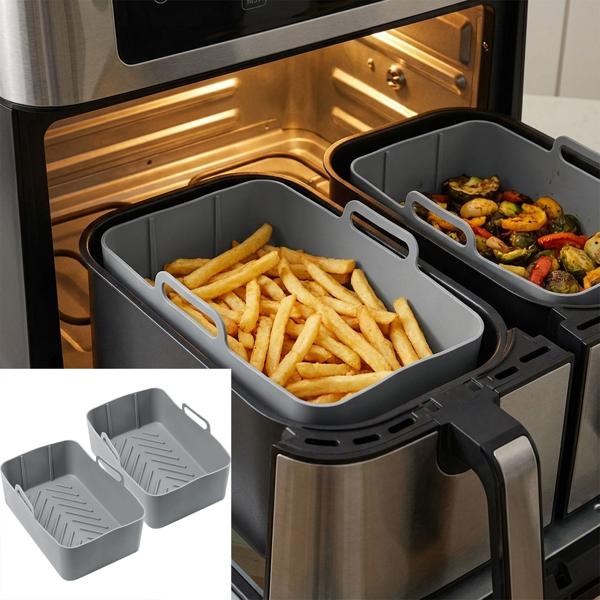
How to Choose a Safe Silicone Air Fryer Basket
Shopping carefully can prevent most problems. Do not choose a basket based only on its low price or attractive color.
Use this checklist:
-
Check the temperature rating. Choose a product rated above your normal cooking temperature.
-
Confirm the material. Look for food-grade silicone made for baking, ovens, or air fryers.
-
Measure your appliance. The basket should fit without touching the heating element or blocking major vents.
-
Inspect the design. Raised feet and perforations can improve airflow.
-
Read care instructions. Some products are dishwasher-safe, while others need hand washing.
-
Review return information. A reliable seller should provide clear product details.
-
Look for independent testing claims. Testing for food-contact safety can add confidence, but vague claims are not proof.
-
Avoid extreme promises. Words such as “completely chemical-free” can be misleading because all materials have chemical structures.
A product that gives no temperature limit, no care guide, and no manufacturer information is not worth the risk. Clear labeling is a basic sign of a responsible product.

How to Use a Silicone Air Fryer Basket Safely
Safe use is simple when you follow a few habits. Before the first use, wash the basket with mild dish soap. Rinse it well and let it dry fully.
During cooking:
• Stay below the basket’s maximum temperature
• Keep the basket away from the heating element
• Do not use it under a broiler unless the manufacturer allows it
• Do not cut food inside the basket with a sharp knife
• Avoid metal tools that may tear or puncture the silicone
• Do not place the basket on an open flame
• Do not use a damaged or misshapen basket
• Avoid overcrowding the food
• Check thick foods with a food thermometer
For poultry, the thickest part should reach 165°F. Ground meats should generally reach 160°F, while whole cuts of beef, pork, veal, and lamb should reach 145°F with a rest period, according to widely used food safety guidance.
A useful habit is to check the food, not just the timer. Air fryers vary in size and power. A silicone basket can also change cooking speed by limiting airflow.
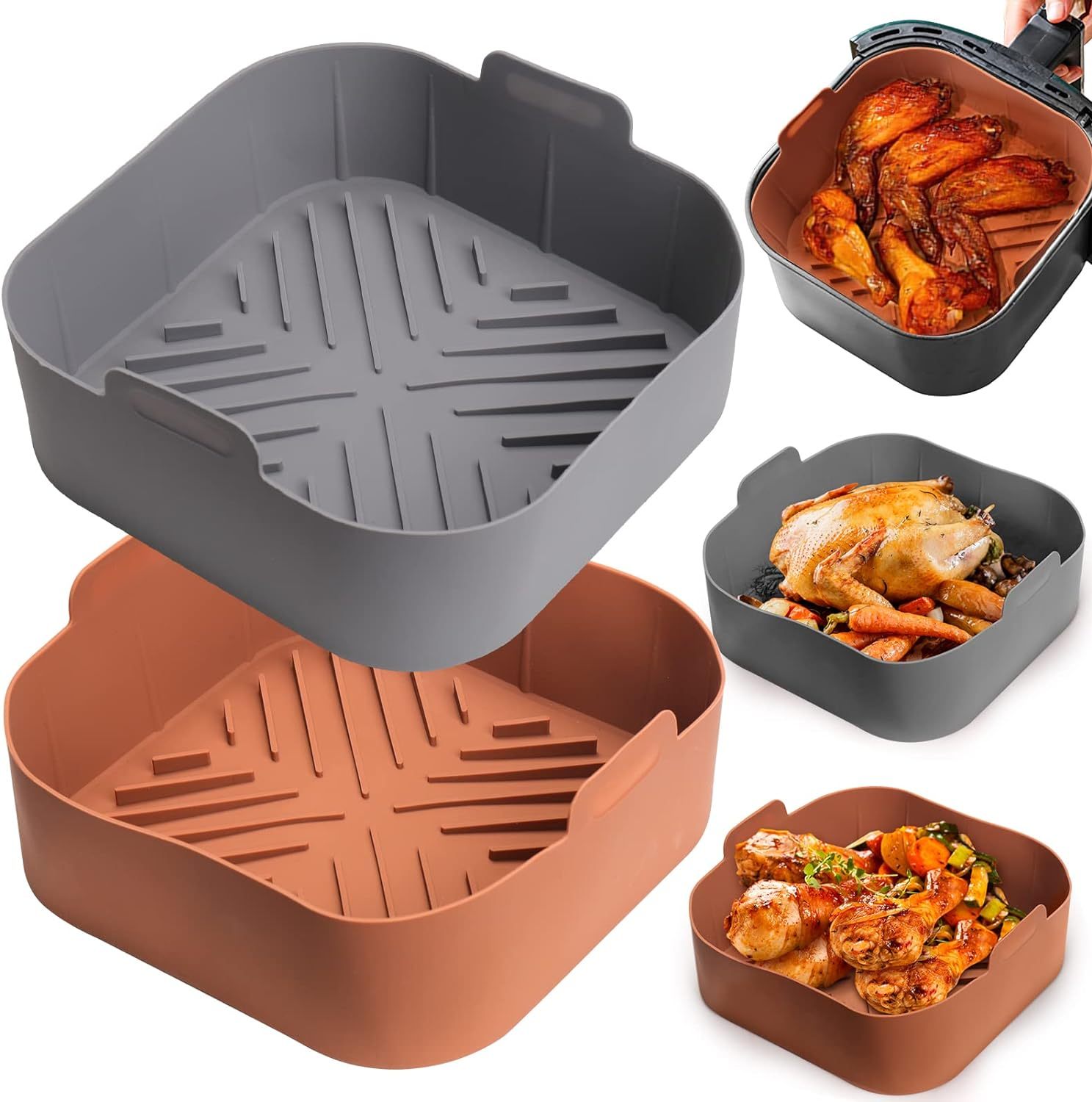
Cleaning and Maintaining Silicone Baskets
Proper cleaning helps prevent odors, stains, and residue. Let the basket cool before washing it. Sudden changes from very hot to very cold can stress some materials, even though silicone is generally flexible.
Wash it with warm water, mild soap, and a soft sponge. Avoid abrasive pads because they can roughen the surface and trap grease.
For stubborn oil:
-
Soak the basket in warm, soapy water for 15 to 30 minutes.
-
Add a small amount of baking soda to the affected area.
-
Scrub gently with a soft brush.
-
Rinse until no soap remains.
-
Dry the basket completely before storing it.
Do not store it while wet. Moisture trapped in folds can create an unpleasant smell. Keep it away from knives, forks, and other sharp objects.
One practical lesson is to inspect the basket every few weeks. Small tears often start around the handles, seams, or raised feet. Replacing a low-cost liner is safer than trying to extend the life of a damaged one.

Do Silicone Air Fryer Baskets Affect Food Taste?
A new silicone basket may have a mild smell during its first use. Washing it well and allowing it to air out often solves the problem. Running it empty is not always recommended, so follow the product instructions instead.
Food should not taste strongly of silicone after the basket is cleaned and used within its temperature range. A lasting chemical taste or smell is a reason to stop using the product.
Strong odors can come from manufacturing residue, trapped grease, or an overheated material. Do not cover the smell with spices or oil. Remove the basket from service and contact the seller if the odor continues.
In most cases, a quality basket has little effect on taste. The biggest flavor difference comes from airflow, oil, food moisture, and cooking time.
Common Mistakes to Avoid
Even a well-made basket can cause trouble if used incorrectly. These mistakes are easy to prevent.
• Using a liner while preheating: A loose silicone liner may move toward the heating element. Add food first unless the manufacturer says preheating is safe.
• Blocking all airflow: A solid basket can make food soft instead of crisp. Choose a vented design when possible.
• Exceeding the heat limit: Higher heat does not always mean better food. It can damage the basket and burn the exterior of the meal.
• Ignoring the fit: A basket that is too tall or wide may interfere with the drawer or heating system.
• Cutting inside the basket: A small cut can spread during repeated heating and washing.
• Washing with harsh chemicals: Strong cleaners may leave residue or damage the surface.
• Trusting a damaged product: Once the material becomes sticky, cracked, or warped, replace it.
Avoiding these errors gives a more complete answer to are silicone air fryer baskets safe. The material matters, but the user’s habits matter just as much.
Frequently Asked Questions About Are Silicone Air Fryer Baskets Safe
Are silicone air fryer baskets safe at 400°F?
Most quality, food-grade silicone baskets are safe at 400°F when the product is rated for that temperature. Always check the specific basket’s instructions because heat limits vary by manufacturer.
Can silicone melt in an air fryer?
Silicone usually does not melt at standard air fryer temperatures. It can still burn, deform, or become damaged if it touches a heating element or exceeds its rated temperature.
Is silicone safer than plastic in an air fryer?
Food-grade silicone is generally better suited to air fryer heat than ordinary plastic. Plastic may warp or degrade at temperatures that silicone can tolerate, but silicone must still be labeled for high-heat cooking.
Do silicone baskets make food less crispy?
They can make food less crisp if the basket blocks airflow or holds in moisture. A perforated design, a smaller food load, and regular shaking can help improve browning.
Can I put a silicone air fryer basket in the dishwasher?
Many silicone baskets are dishwasher-safe, but not all are. Check the care label and place the basket where it will not touch sharp utensils or a high-heat heating element.
How often should I replace a silicone air fryer basket?
Replace it when you see cracks, tears, sticky areas, severe staining, warping, or a persistent chemical smell. A basket with no visible damage may last for years when cleaned and used correctly.
Are silicone air fryer baskets safe for raw chicken?
Yes, they can be used for raw chicken if the basket is food-grade and the chicken reaches a safe internal temperature. Use a thermometer to confirm that the thickest part reaches 165°F.
Conclusion
So, are silicone air fryer baskets safe? In most cases, yes. Choose food-grade silicone, follow the temperature rating, keep the basket away from heating elements, and replace it when it shows damage.
Silicone baskets are convenient, reusable, and easy to clean, but they may reduce airflow and crispness. Use a vented design, avoid overcrowding, and check food with a thermometer when needed. With these simple habits, you can enjoy the convenience of silicone while keeping safety first.
Check your current basket for a clear heat rating and signs of wear today. If you have experience with silicone air fryer baskets, share your tips or questions in the comments.