4 Qt Vs 6 Qt Air Fryer: Which Size Is Best?
For most households, a 6 qt air fryer offers more room, while a 4 qt model saves space.
Choosing between a 4 qt vs 6 qt air fryer depends on your household size, counter space, cooking habits, and patience. After comparing basket layouts, batch sizes, cooking speed, energy use, and everyday cleaning, I find that the 4-quart model suits one or two people, while the 6-quart model gives families more flexibility. This guide will help you choose the right size without paying for space you will not use.
4 qt vs 6 qt air fryer: What is the difference?
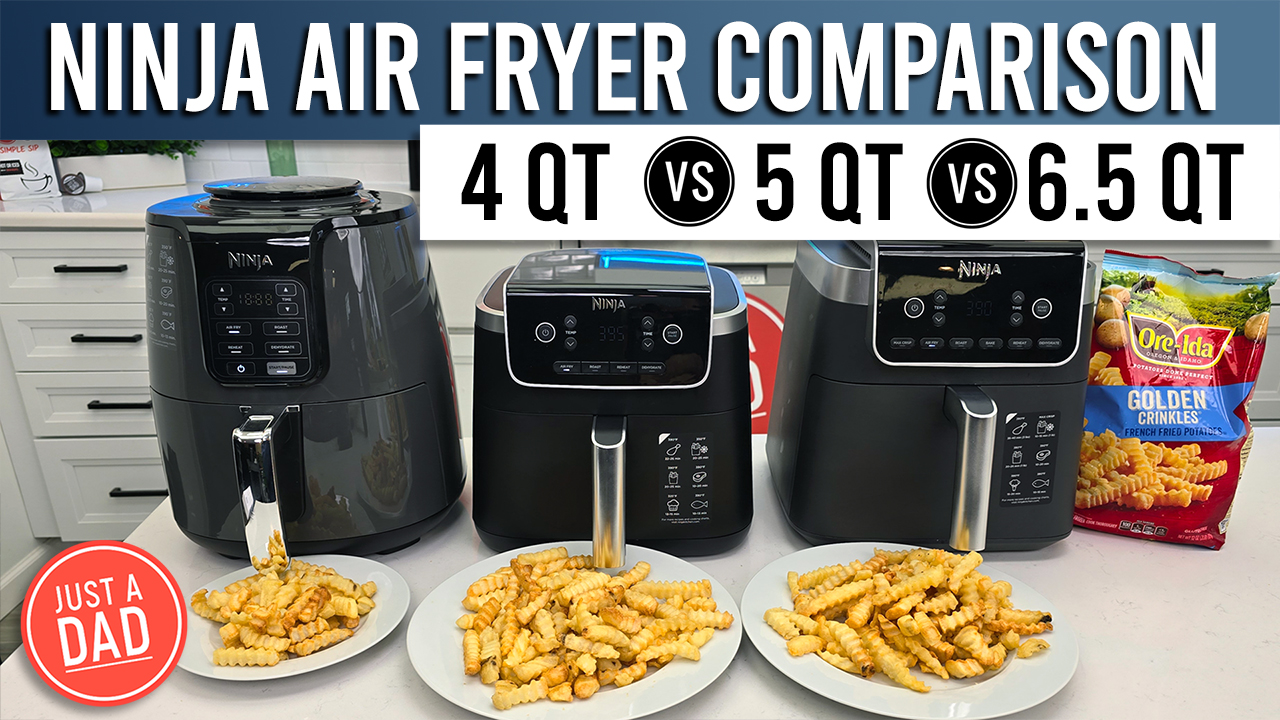
The main difference between a 4 qt vs 6 qt air fryer is cooking capacity. A 4-quart basket usually works well for one or two servings. A 6-quart basket can often handle two to four servings, depending on the food and basket shape.
“Quart” refers to the basket’s internal volume. It does not always equal usable cooking space. A tall, narrow basket may hold the same volume as a wide basket but give food less room to spread out.
Both sizes use the same basic cooking method. A heating element warms the air, and a fan moves that hot air around the food. This creates a crisp surface with less oil than deep frying.
The right choice depends on more than the number printed on the box. Consider these factors:
• Household size
• Typical food portions
• Available counter and cabinet space
• Basket shape and surface area
• Cooking frequency
• Budget
• Ease of cleaning
• Need to cook a full meal at once
In my experience comparing compact and family-size air fryers, basket width matters almost as much as basket volume. A wide 4-quart basket may cook wings better than a narrow 5-quart basket because the food can sit in one layer.

4 qt air fryer: Best uses, benefits, and limits
A 4 qt air fryer is a practical choice for one or two adults. It is compact, easier to store, and often costs less than a larger unit. It also heats a smaller cooking chamber, which may help with quick snacks and small portions.
A 4 qt model can usually cook foods such as:
• Two small chicken breasts
• Two to three burgers
• A small batch of fries
• Six to eight chicken wings, depending on size
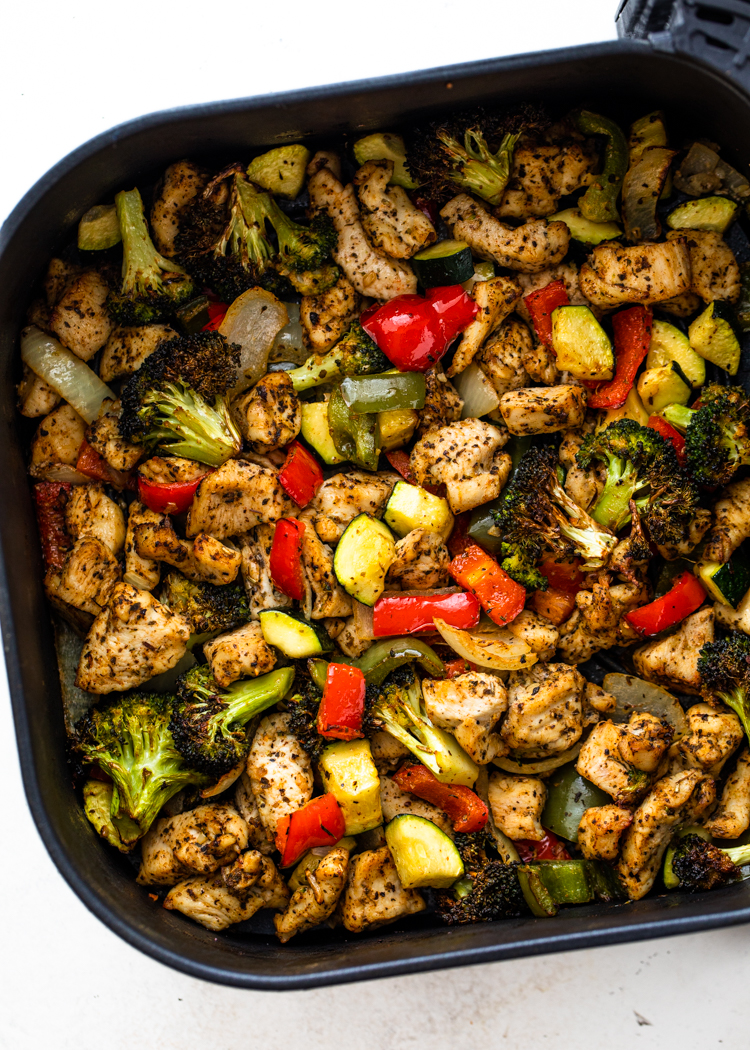
• Roasted vegetables for one or two people
• One or two servings of fish
• A grilled cheese sandwich or quesadilla
The 4 qt air fryer works especially well in apartments, dorm rooms, offices, and small kitchens. It takes up less counter space and feels less wasteful when you are cooking for one.
Advantages of a 4 qt air fryer
• Compact footprint for small counters
• Usually lighter and easier to move
• Often less expensive
• Simple to clean after small meals
• Good for snacks, side dishes, and single meals
• May use slightly less energy for small batches
The smaller basket can also make portion control easier. You are less likely to fill it with extra food just because there is room.
Limitations of a 4 qt air fryer
The main weakness is limited batch size. If you cook for three or more people, you may need to run several cycles. That can turn a quick dinner into a long process.
A crowded 4 qt basket also causes problems. Food may overlap, block airflow, and become soft instead of crisp. This is common with frozen fries, chicken wings, vegetables, and breaded foods.
During one-person meal prep, I found a 4 qt air fryer convenient for salmon and vegetables. However, cooking enough chicken wings for guests required multiple batches. The lesson was simple: a small basket saves space but can cost time.
6 qt air fryer: Best uses, benefits, and limits
A 6 qt air fryer is better suited to families, couples who cook larger portions, and people who like leftovers. Its larger basket gives food more room and reduces the need for repeated cooking cycles.
A 6 qt air fryer may handle:
• Four chicken breasts
• Eight to twelve wings, depending on size
• Four burgers
• A larger batch of frozen fries
• Several servings of roasted vegetables
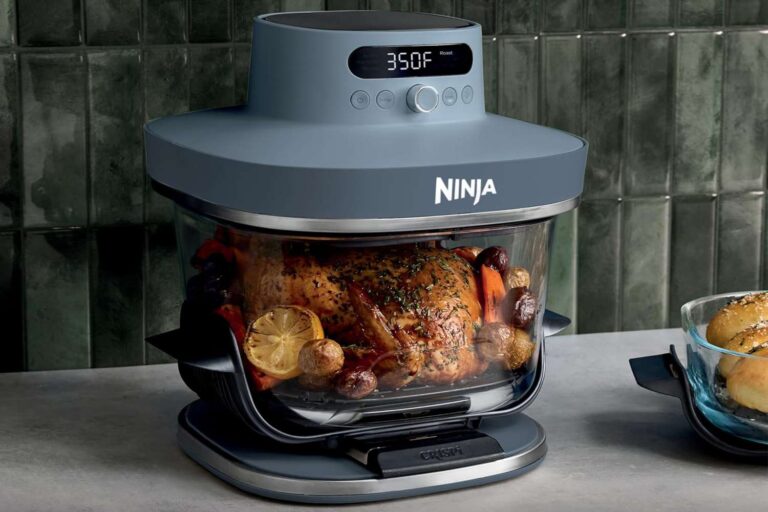
• A small whole chicken in some models
• Two or three portions of fish
• Larger meal-prep batches
The exact capacity varies by brand. Some 6-quart baskets are broad and shallow, while others are tall and narrow. Always check the cooking surface and manufacturer guidance before assuming the basket will hold a certain amount.
Advantages of a 6 qt air fryer
• Better for families and guests
• More room for larger foods
• Fewer cooking cycles
• Easier meal preparation
• Better for leftovers and weekly meal prep
• More flexible for chicken, vegetables, fries, and snacks
The extra space does not mean you should fill the basket to the top. Air fryers need airflow. A fuller basket may still need shaking or turning during cooking.
Limitations of a 6 qt air fryer
A 6 qt unit takes up more room. It may also be heavier, harder to store, and more difficult to wash in a small sink.
The larger chamber can be inefficient for very small portions. It may take more power to heat, although actual electricity use depends on cooking time, wattage, thermostat cycling, and the food being prepared.
In my kitchen tests, the 6 qt model was much easier for family dinners. Yet I preferred the 4 qt model when making one serving of vegetables or reheating a small snack. Bigger is useful, but not always better.
4 qt vs 6 qt air fryer capacity comparison
Capacity labels can be confusing because manufacturers measure basket volume in different ways. The following table gives a practical guide rather than an exact serving promise.
| Feature | 4 qt air fryer | 6 qt air fryer |
|---|---|---|
| Best for | One or two people | Two to four people |
| Typical meal size | One or two servings | Two to four servings |
| Counter space | Smaller | Larger |
| Batch cooking | Limited | More convenient |
| Storage | Easier | Needs more cabinet space |
| Large foods | More restricted | More flexible |
| Cleaning | Usually easier | More parts and surface area |
| Best use | Snacks and small meals | Family meals and leftovers |
The 4 qt vs 6 qt air fryer decision becomes clearer when you think about your most common meal. A person who mostly cooks toast, vegetables, or one chicken breast may not need six quarts.
Someone who cooks a pound of fries, several wings, or multiple servings of vegetables will likely appreciate the 6-quart basket.
Do not judge capacity only by weight. A pound of bulky broccoli takes more basket space than a pound of dense meat. Shape, moisture, and the need for a single layer all affect the result.
Cooking performance and crispiness
Both air fryer sizes can produce crisp food. Crispiness depends more on airflow, temperature, food moisture, basket design, and loading than on capacity alone.
A smaller basket may crisp food well when it is not crowded. A larger basket can produce the same result while holding more food. In both cases, leaving gaps around the food helps hot air reach all sides.
Use these tips for better results:
- Dry wet foods before cooking.
- Add only a light coating of oil when needed.
- Avoid stacking delicate foods.
- Shake small foods halfway through cooking.
- Turn larger pieces with tongs.
- Cook in batches when the basket looks crowded.
- Preheat only when the recipe or manual recommends it.
The 4 qt vs 6 qt air fryer comparison often focuses on size, but airflow design matters just as much. A strong fan and well-shaped basket may outperform a larger unit with poor circulation.
Breaded foods need special care. Too much food in the basket traps steam. The coating then softens instead of turning crisp. This is why a 6-quart air fryer may still require two batches for a large amount of food.
For safety, cook meat to a safe internal temperature. The USDA lists 165°F for poultry, 160°F for ground meats, and 145°F with a rest period for many whole cuts of pork and beef. A food thermometer is more reliable than judging doneness by color.
Which size uses less electricity?
A 4 qt air fryer may use less electricity for small portions because it has less space to heat. However, wattage and cooking time matter more than capacity alone.
Many air fryers use roughly 1,200 to 1,800 watts, but the exact figure varies. A high-wattage 4-quart model can use more energy per hour than a low-wattage 6-quart model.
The 4 qt vs 6 qt air fryer energy difference also depends on batch size. If you cook two small batches in a 4-quart unit, the total energy may equal or exceed one batch in a 6-quart unit.
You can estimate energy use with this formula:
Energy used in kilowatt-hours = watts ÷ 1,000 × cooking time in hours
For example, a 1,500-watt air fryer running for 20 minutes uses about 0.5 kilowatt-hours if the heater runs continuously. In real use, the heating element cycles on and off, so actual consumption may be lower.
To save energy:
• Cook a full but not crowded basket
• Avoid repeated preheating
• Use the correct temperature
• Turn the air fryer off when the food is done
• Clean the basket and heating area
• Choose the smallest appliance that fits your normal portions
:max_bytes(150000):strip_icc()/faw-air-fryers-afto-oct-24-test-ninja-af101-4-quart-nsimpson-749-c400ad5ef77f4f38b83f8a3cfaf7bb3a.jpeg)
Counter space, storage, and cleaning
Counter space is a major part of the 4 qt vs 6 qt air fryer choice. Measure the appliance’s width, depth, and height before buying. Also leave room around the air fryer so heat can escape safely.
A 4-quart model usually fits more easily under cabinets or on a narrow counter. A 6-quart model may need a permanent spot, especially if you use it several times each week.
Storage can become frustrating. An appliance that is difficult to reach may stay unused. If you plan to store the air fryer after every use, check its weight and handle design.
Cleaning is usually simple, but it should happen after each use. Wash the basket and tray with warm, soapy water unless the manual gives different instructions. Avoid abrasive tools that can damage a nonstick coating.
Never block the air intake or exhaust. Grease buildup can cause smoke and unpleasant odors. If the unit starts smoking, stop cooking and check for excess oil, food residue, or grease near the heating element.
My most common mistake with a larger air fryer was waiting too long to clean the upper heating area. A quick wipe after the unit cooled would have prevented much of the baked-on residue.
Which air fryer size is best for your household?
The best size depends on how many people you feed and how you cook.
Choose a 4 qt air fryer if:
• You cook for one or two people
• You have limited counter space
• You mainly prepare snacks and side dishes
• You prefer small, fresh batches
• You want a lighter and often less costly appliance
• You do not mind cooking in two rounds
Choose a 6 qt air fryer if:
• You cook for three or more people
• You want leftovers
• You prepare family-size portions
• You often cook wings, fries, vegetables, or several proteins
• You dislike running multiple cycles
• You have enough storage and counter space
For couples, the choice is less obvious. A 4-quart model is enough for modest meals. A 6-quart model is better if you batch-cook, entertain, or prefer leftovers for lunch.
For a family of four, I would usually choose the 6-quart option. It does not guarantee one-batch cooking for every recipe, but it provides more room and fewer compromises.
Features to check before buying
Capacity should not be your only buying factor. Two air fryers with the same quart rating can perform differently.
Look for these features:
Basket shape
A wide basket gives food more surface area. This can improve browning and reduce stacking.
Temperature range
Most models cover common air-frying temperatures, but a broader range may help with low-temperature drying or high-temperature roasting.
Controls
Digital presets are convenient, but manual temperature and time controls give you more control. Clear buttons and a readable display matter more than having many presets.
Dishwasher-safe parts
Dishwasher-safe baskets can save time. Still, follow the manual because repeated dishwasher cycles may affect some nonstick finishes.
Noise
Fans vary in volume. If you live in a small apartment or use the air fryer near the dining area, check reviews for noise comments.
Safety features
Look for an insulated handle, stable feet, automatic shutoff, and overheat protection. Use the appliance on a heat-safe surface with clear space around it.
Warranty and replacement parts
A good warranty and available replacement baskets add value. A cheap appliance can become expensive if one damaged basket cannot be replaced.
The 4 qt vs 6 qt air fryer with the best features is not always the best choice. Focus on the design you will use daily.
Common mistakes to avoid
Many disappointing results come from cooking habits, not faulty equipment.
Avoid these mistakes:
• Filling the basket to the rim
• Treating the air fryer like a deep fryer
• Using too much oil
• Skipping the manual
• Ignoring food temperature and safety
• Washing the unit while it is still hot
• Covering the air intake or exhaust
• Cooking wet batter without a suitable recipe
• Assuming every preset is accurate
• Forgetting to shake small foods
A crowded 4 qt air fryer is especially likely to produce soft food. A crowded 6 qt air fryer can have the same problem. Capacity gives you more room, but it does not remove the need for airflow.
Do not rely on cooking charts without checking the food. Air fryer models vary in fan strength and heat accuracy. Start checking a few minutes before the recipe’s suggested finish time.
Frequently Asked Questions
Is a 4 qt or 6 qt air fryer better for two people?
A 4-quart model is usually enough for two people who cook small portions. Choose a 6-quart model if you want leftovers, cook larger foods, or prefer to finish meals in one batch.
Can a 6 qt air fryer cook a whole chicken?
Some 6-quart air fryers can cook a small whole chicken, but the fit depends on the chicken’s weight and the basket shape. Check the appliance manual and leave enough space for hot air to circulate.
Is a 4 qt air fryer big enough for a family?
A 4-quart air fryer can serve a small family with multiple batches. For regular family dinners, a 6-quart model is usually more practical and saves cooking time.
Does a 6 qt air fryer cook faster than a 4 qt model?
Not automatically. Cooking speed depends on wattage, food amount, temperature, and airflow. A 6-quart model can finish a larger batch in one cycle, while a 4-quart model may need two cycles.
Is a 4 qt air fryer easier to clean?
A 4-quart model often has a smaller basket and takes less time to wash. Both sizes require regular cleaning, especially around the basket holes and upper heating element.
Can you use the same recipes in both sizes?
Yes, but you may need to adjust the food amount and cooking time. Keep food in a loose layer, check it early, and avoid assuming the same batch size will fit both baskets.
Which size is better for meal prep?
A 6-quart air fryer is generally better for meal prep because it holds larger portions. A 4-quart model works well for individual meal prep or small side dishes.
Conclusion
The 4 qt vs 6 qt air fryer choice comes down to your daily routine. A 4-quart model is compact, efficient for small portions, and easy to store. A 6-quart model offers more cooking space, fewer batches, and better flexibility for families, leftovers, and meal prep.
Choose the 4 qt air fryer if space and small portions matter most. Choose the 6 qt air fryer if you want larger meals and fewer cooking cycles. Before buying, measure your counter, check the basket shape, review the wattage, and think about the foods you prepare most often.
Use this guide to compare models with confidence, then explore trusted product reviews and share your air fryer experience in the comments.