Glass Air Fryer Vs Regular Air Fryer: Which Is Better?
A glass air fryer offers clear cooking views, while a regular air fryer often cooks faster and more evenly.
Choosing between a glass air fryer and a regular air fryer depends on more than looks. The bowl material, airflow design, capacity, cleaning needs, cooking speed, and safety features all affect daily use. After comparing how both styles handle fries, chicken, vegetables, and reheated food, this guide explains which air fryer fits different kitchens and cooking habits.
Glass Air Fryer vs Regular Air Fryer: What Is the Difference?
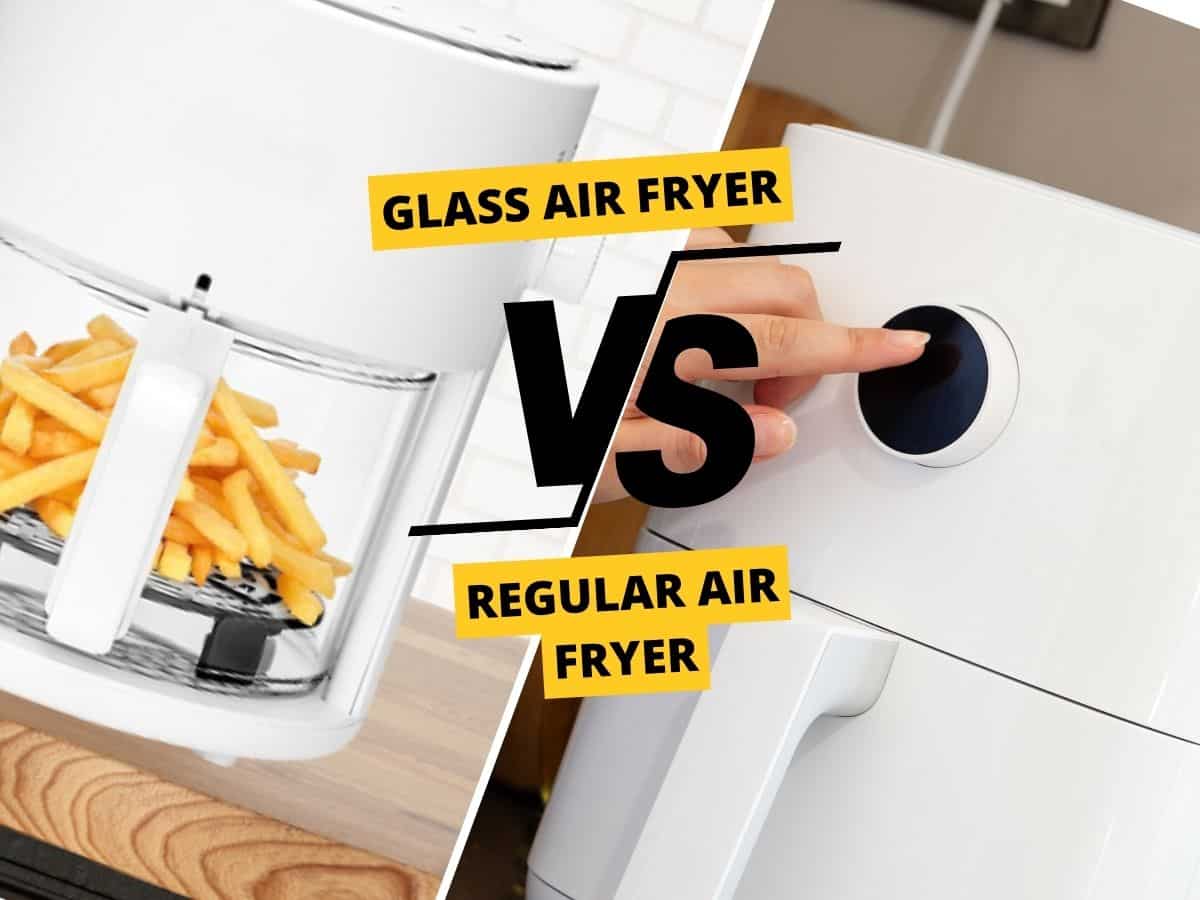
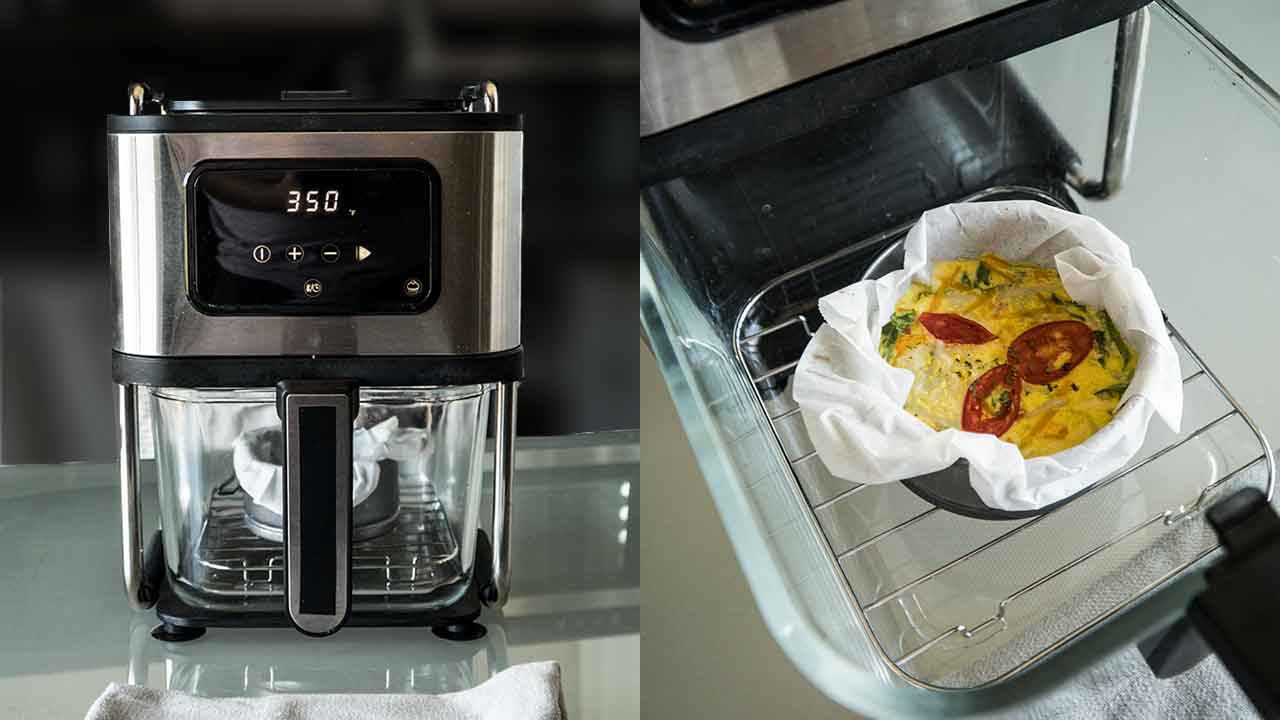
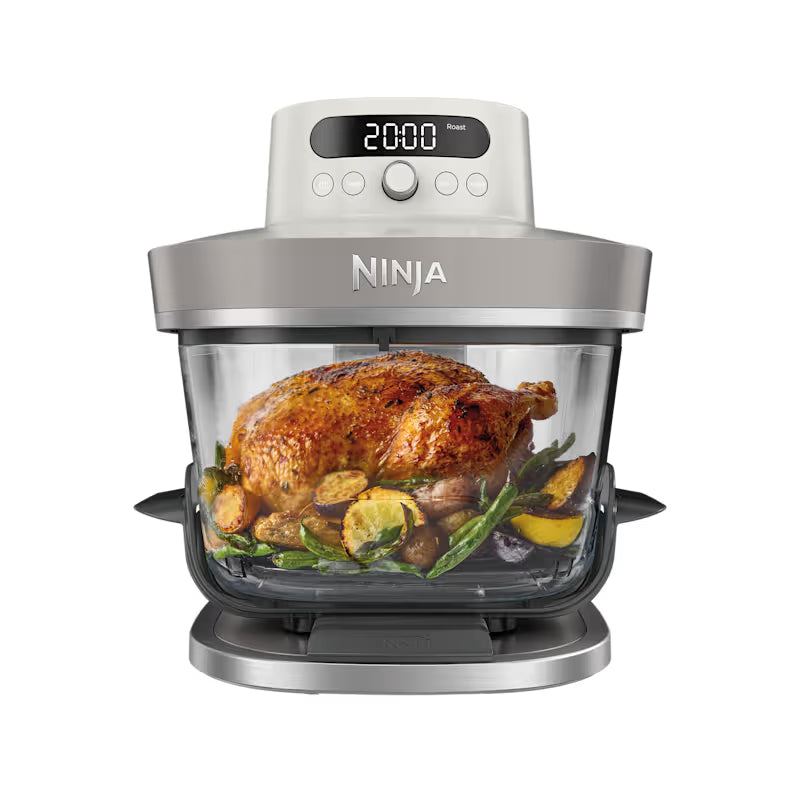
A glass air fryer usually has a heat-resistant glass bowl or cooking chamber. You can see the food as it cooks, which makes it easier to check browning without opening the unit.
A regular air fryer usually has an opaque plastic or metal body with a removable basket. Most models use a drawer design. You must pull out the basket to check the food, but this design often gives strong airflow and fast cooking.
The main difference is the cooking chamber, not the basic cooking method. Both appliances use a heating element and a fan to move hot air around food. This creates a crisp surface with little oil.
When comparing a glass air fryer vs regular air fryer, consider these key differences:
• Visibility: Glass models let you watch the food. Regular models hide the food during cooking.
• Airflow: Many regular basket models have a compact design that directs hot air efficiently.
• Capacity: Glass bowls may offer more open space, but their shape can limit usable cooking area.
• Cleaning: Glass bowls are often easy to inspect and wash. Basket models may have more small holes and coated parts.
• Safety: Both types become very hot. Glass also needs protection from sudden temperature changes.
• Cooking style: Glass models suit people who like to monitor food. Regular air fryers suit people who want fast, simple cooking.
The phrase “regular air fryer” covers many designs. Some use metal baskets, while others use nonstick-coated baskets or stainless steel interiors. Always check the product manual because performance varies by model.
How a Glass Air Fryer Works
A glass air fryer uses a heating element above or around a transparent cooking bowl. A fan moves hot air through the chamber. This hot air removes surface moisture and helps create a browned, crisp texture.
Many glass models use a halogen, radiant, or coil-based heating system. Some combine direct radiant heat with fan circulation. The result can be slightly different from the airflow pattern in a standard drawer air fryer.
The clear bowl offers a useful visual advantage. You can see whether bread is browning too quickly, whether vegetables need stirring, or whether chicken skin has reached the color you want.
However, visible cooking does not always mean even cooking. The food still needs enough space around it. A crowded bowl blocks airflow and can leave some pieces soft.
In my practical comparisons of countertop cooking appliances, the most common glass air fryer mistake is overfilling. People see a large bowl and assume they can pile food high. The bowl may look spacious, but hot air still needs a clear path around each piece.
Glass air fryers often work well for:
• Toasted sandwiches
• Small portions of chicken
• Roasted vegetables
• Fish fillets
• Frozen snacks
• Reheating pizza
• Foods that need frequent visual checks
A glass air fryer can also be useful for older adults or new cooks. Seeing the food reduces guesswork. It acts like a small window into the cooking process.

How a Regular Air Fryer Works
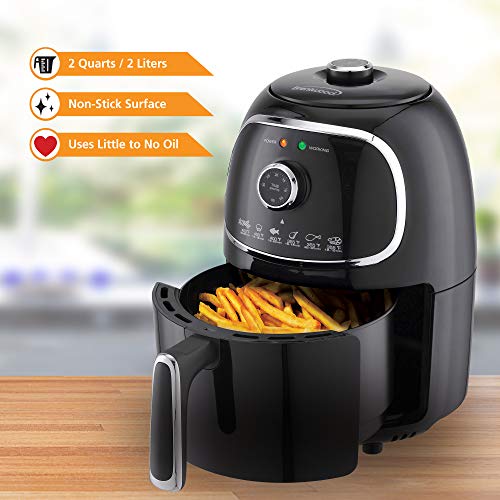
A regular air fryer usually places food in a perforated basket below a powerful heating element and fan. The basket holes allow hot air to reach the food from several directions.
The drawer design helps contain heat when the basket stays closed. This can support quick cooking and stable temperatures. Some models also have a crisping plate that lifts food above the bottom of the basket.
A regular air fryer often performs well with foods that need strong surface browning. These include French fries, chicken wings, hash browns, and breaded vegetables.
The main limitation is visibility. You need to open the drawer to inspect the food. Opening the basket lets out heat, although one quick check usually has little effect.
In my experience, many users worry too much about opening a regular air fryer once or twice. The bigger problem is opening it every few minutes or failing to shake the basket. A quick shake halfway through cooking often improves browning more than constant checking.
Regular air fryers are popular because they offer:
• Fast preheating
• Compact storage
• Simple controls
• Strong browning
• Easy portion control
• Many available sizes and styles
When examining a glass air fryer vs regular air fryer, remember that the regular model has a long track record in home kitchens. It is often the safer choice for people who want predictable results with frozen foods and quick meals.

Cooking Performance Compared
Cooking performance depends on the fan, temperature range, basket shape, food amount, and heating element. The material alone does not decide which air fryer cooks better.
Crispiness and Browning
Regular basket air fryers often produce crisp food quickly. The basket keeps food close to the moving hot air. Perforations also allow heat to reach the lower surface.
Glass air fryers can produce crisp food too. Yet some models have wider bowls or different airflow patterns. Food may need turning or stirring for even browning.
For the best results in either model:
• Pat wet foods dry before cooking.
• Use a light coating of oil when suitable.
• Leave space between pieces.
• Shake small foods halfway through cooking.
• Turn thick foods with tongs.
• Avoid covering the basket with foil unless the manual allows it.
Frozen Foods
A regular air fryer usually has an advantage with frozen fries, nuggets, tater tots, and fish sticks. Its narrow basket can move hot air around a single layer of food.
A glass air fryer may cook frozen foods well, but timing can vary. The bowl may hold more food than the fan can heat evenly. Cook in smaller batches when crispness matters.
Meat and Poultry
Both types can cook chicken, burgers, pork chops, and fish. Use a food thermometer instead of judging doneness by color alone.
Poultry should reach 165°F in the thickest part. Ground meats generally need 160°F. Whole cuts of pork and beef have different safe temperature targets based on the cut and your preferred doneness.
A thermometer is more reliable than a preset button. Presets are starting points, not guarantees. Food thickness, starting temperature, and crowding can change cooking time.
Vegetables
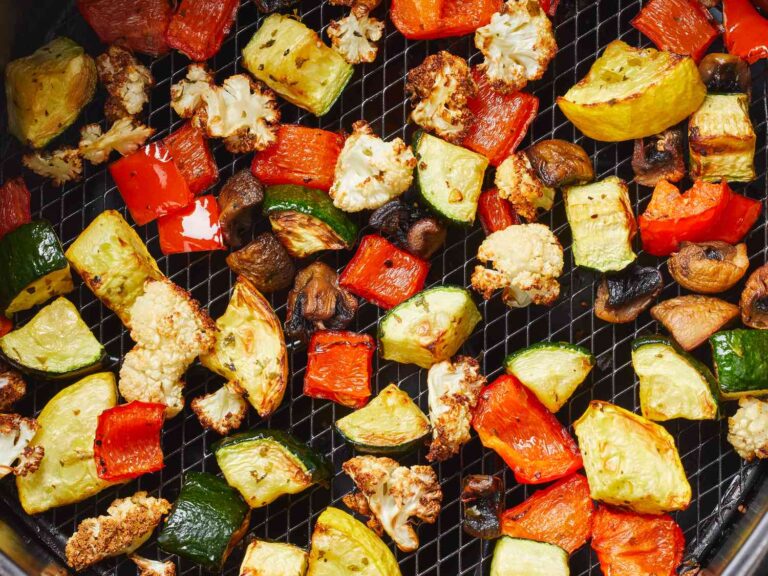
Glass air fryers are pleasant for vegetables because you can watch their color and texture. This helps when cooking delicate foods such as asparagus, zucchini, mushrooms, and bell peppers.
Regular air fryers may brown vegetables more quickly. They can also dry small pieces if the temperature is too high. Toss vegetables with a small amount of oil and check them early.
The best choice in a glass air fryer vs regular air fryer comparison depends on your priorities. Choose visible control for delicate foods. Choose strong, quick browning for classic air fryer foods.
:max_bytes(150000):strip_icc()/seriously-good-ninja-crispi-pro-glass-air-fryer-grace-kelly-04-600d8f3449814230bddfd23edae8ade5.jpg)
Glass Air Fryer vs Regular Air Fryer: Pros and Cons
Benefits of a Glass Air Fryer
A glass air fryer gives you a clear view while food cooks. This can help prevent burning and reduce the need to open the appliance.
Other benefits include:
• Easy visual monitoring
• A bowl that may be simple to wash
• No need to guess how brown food has become
• Useful access for stirring and turning
• A cooking chamber that does not hide small foods
• A design that may feel more open than a drawer model
Glass also does not absorb food odors in the same way some plastics can. The bowl can make it easier to spot grease or residue that needs cleaning.
Limitations of a Glass Air Fryer
Glass has limits. It can break if dropped, struck, or exposed to sudden temperature changes. Do not pour cold water into a hot glass bowl.
A glass bowl can also become very hot. The clear surface may look harmless, but it can cause serious burns. Keep the unit away from children and use heat-resistant gloves when handling the bowl.
Other possible drawbacks include:
• A larger countertop footprint
• More weight than some plastic baskets
• A greater risk of thermal shock
• Less convenient storage
• A cooking chamber that may not brown food evenly when crowded
• Replacement parts that may be harder to find
Benefits of a Regular Air Fryer
A regular air fryer often offers strong airflow in a compact shape. It may cook frozen and breaded foods with excellent speed and crispness.
Other benefits include:
• Many size choices
• Wide availability of replacement baskets
• Simple drawer operation
• Strong performance with fries and wings
• Easy recipe support
• Convenient storage in smaller kitchens
Limitations of a Regular Air Fryer
The opaque body makes it harder to monitor food. You must open the drawer to check progress.
Some baskets also have coatings that can scratch if you use metal tools. Follow the care instructions and replace damaged parts when needed.
A regular air fryer may also have a smaller usable cooking area than its advertised capacity suggests. Capacity numbers often measure the entire basket, not the amount that cooks well in one layer.

Which Air Fryer Is Easier to Clean?
Cleaning depends on the design, not only on whether the appliance uses glass. A removable glass bowl can be simple to wash because you can see every area. Some are dishwasher safe, but you should confirm this in the manual.
Regular air fryer baskets may have a nonstick coating. Food can stick around the holes and corners. A soft sponge and warm, soapy water usually work better than abrasive pads.
Follow these cleaning steps:
-
Unplug the air fryer and let it cool.
-
Remove the basket, tray, or glass bowl.
-
Soak removable parts in warm, soapy water if the manual allows it.
-
Use a soft brush for vents and small holes.
-
Wipe the heating chamber with a damp cloth.
-
Dry every part before reassembly.
-
Remove grease buildup before the next use.
Never submerge the electrical base. Do not spray cleaner into the heating element or fan area.
One lesson I learned from regular appliance testing is that delayed cleaning creates most odor problems. A quick wipe after cooking takes less effort than removing several days of baked-on grease.
When comparing a glass air fryer vs regular air fryer, check replacement part access before buying. A low-cost model can become inconvenient if its bowl, tray, or seal is difficult to replace.
:max_bytes(150000):strip_icc()/faw-ninja-crispi-4-1-portable-glass-air-fryer-cooking-system-nsimpson-59-1-c20b3c156f174fa89057fe33df524bf0.jpeg)
Safety and Durability
Both appliance types require careful handling. The heating element, basket, bowl, and outer vents can become hot during use.
Glass requires extra care because of thermal shock. Thermal shock occurs when glass experiences a sudden temperature change. For example, placing a hot bowl on a cold stone surface or adding cold liquid to hot glass can cause damage.
Use these safety habits:
• Place the appliance on a stable, heat-resistant surface.
• Keep vents clear.
• Do not operate the unit under cabinets unless the manual permits it.
• Avoid touching the bowl or basket without protection.
• Never use damaged glass.
• Keep the cord away from hot surfaces.
• Do not overfill the cooking chamber.
• Cook raw meat to a safe internal temperature.
• Clean grease before it builds up.
Regular air fryers also need care. A damaged nonstick basket may shed coating into food, especially if metal utensils have scratched it. Replace damaged parts instead of trying to repair the coating.
Durability varies widely by brand and model. A thick glass bowl may last for years with careful use. A well-made regular air fryer can also last for years, especially when the basket and heating chamber stay clean.
No cooking appliance should be treated as fireproof. Never leave it running while you leave home. If grease smokes, stop the appliance and allow it to cool before checking the food.
Energy Use and Cooking Time
Air fryers usually heat a small cooking space. They can use less energy than a large oven for small meals, although the exact savings depend on cooking time, wattage, food quantity, and local electricity rates.
A glass air fryer may cook quickly if it uses strong radiant heat and efficient airflow. A regular air fryer may also cook quickly because its compact basket concentrates hot air around the food.
Do not assume that one type always uses less electricity. A better comparison looks at:
• Wattage
• Cooking time
• Preheat time
• Batch size
• Temperature stability
• How often you use the appliance
A 1,700-watt air fryer running for 20 minutes uses less energy than the same unit running for 40 minutes. A smaller model may use less power per hour but require several batches.
For a fair glass air fryer vs regular air fryer comparison, cook the same food weight at the same starting temperature. Record cooking time and check the final texture. This gives you more useful information than relying on the appliance label alone.
Capacity and Countertop Space
Capacity is one of the most misunderstood air fryer features. A larger bowl does not always mean more usable cooking space.
A glass air fryer may have a deep round bowl. It can hold a large amount of food, but a deep pile may block airflow. A regular air fryer may have a wide, shallow basket that cooks more food in a single layer.
Think about the meals you make most often:
• One serving: A small 2-quart model may be enough.
• Two people: A 3 to 5-quart model often works well.
• Family meals: A 6-quart or larger unit may reduce the number of batches.
• Large foods: A wide basket or oven-style model may fit better than a deep bowl.
Measure your counter before buying. Include space above the appliance for heat and ventilation. Also measure the storage area if you plan to put the air fryer away after each use.
A large air fryer that stays in a cabinet may be less useful than a smaller model that is ready every day. Convenience often determines how often people use an appliance.

Which One Should You Buy?
The best choice depends on your cooking habits, kitchen space, and comfort with each design.
Choose a glass air fryer if:
• You want to watch food as it cooks.
• You often cook delicate foods.
• You dislike opening a drawer to check browning.
• You prefer a visible cooking bowl.
• You want to monitor food without interrupting the cycle.
• You are willing to handle hot glass with care.
Choose a regular air fryer if:
• You cook fries, wings, nuggets, and frozen foods often.
• You want fast and strong browning.
• You prefer a compact drawer design.
• You need many size and price options.
• You want easy access to replacement baskets.
• You value a familiar cooking format.
For many households, the regular air fryer is the practical default. It is often compact, quick, and easy to use. The glass air fryer is a strong choice for cooks who value visibility and hands-on control.
A good buying decision should also consider:
-
Basket or bowl capacity
-
Interior cooking area
-
Temperature range
-
Fan strength
-
Ease of cleaning
-
Dishwasher-safe parts
-
Warranty coverage
-
Replacement part availability
-
Countertop dimensions
-
Safety certifications listed by the manufacturer
Do not buy based only on a clear bowl, a large capacity number, or a long list of presets. The design must match your daily meals.
Common Mistakes to Avoid
Even the best air fryer can give poor results when used incorrectly. Most problems come from crowding, excess moisture, or incorrect timing.
Avoid these mistakes:
• Filling the basket to the top
• Using too much oil
• Adding wet batter without checking the manual
• Skipping a shake or turn
• Cooking at one temperature for every food
• Ignoring the manual’s maximum fill line
• Washing hot glass with cold water
• Using metal tools on a coated basket
• Blocking the air vents
• Trusting a preset without checking the food
For breaded foods, a light oil spray can improve color. For fresh vegetables, dry the surface first. For meat, leave space between pieces.
If food cooks too quickly on top, lower the temperature by 25°F and extend the cooking time. If food stays pale, reduce the batch size and check whether the basket has enough airflow.
When testing a glass air fryer vs regular air fryer, use small changes rather than changing temperature, time, oil, and food amount all at once. This makes it easier to learn what improved the result.
Glass Air Fryer vs Regular Air Fryer: Quick Comparison
| Feature | Glass air fryer | Regular air fryer |
|---|---|---|
| Food visibility | Excellent | Limited |
| Crisping speed | Good, but model dependent | Often very good |
| Cleaning | Easy to inspect | May have hidden grease |
| Thermal shock risk | Higher | Lower |
| Counter space | Often larger | Often more compact |
| Frozen food performance | Good with proper spacing | Often excellent |
| Cooking control | Visual and hands-on | Preset and timer focused |
| Replacement parts | May be less common | Usually easier to find |
| Best for | Monitoring and delicate foods | Fast daily meals |
This table gives a broad guide, not a guarantee. Fan design and basket shape can matter more than the label on the box.
The most useful test is simple. Cook the same amount of food in both appliances, use the same temperature, and compare crispness, cooking time, cleanup, and energy use.
Frequently Asked Questions
Is a glass air fryer better than a regular air fryer?
A glass air fryer is better for visibility and close monitoring. A regular air fryer is often better for fast crisping, compact storage, and frozen foods.
Does food cook faster in a glass air fryer?
It can, but speed depends on the heating element, fan, food amount, and temperature. Some glass models cook quickly, while some regular air fryers provide more consistent speed.
Is a glass air fryer safe to use?
Yes, when used as directed and handled carefully. Protect the bowl from impacts and sudden temperature changes, and never use glass that is cracked or damaged.
Can you put a glass air fryer bowl in the dishwasher?
Some glass bowls and accessories are dishwasher safe, but not all are. Check the product manual before using a dishwasher or soaking any part.
Which air fryer is easier to clean?
Both can be easy to clean. Glass offers better visibility during washing, while regular baskets may require extra attention around holes, corners, and nonstick surfaces.
Does a glass air fryer use less oil?
Both types can cook with little oil. Oil use depends more on the food and recipe than on whether the air fryer has a glass bowl or a regular basket.
What size air fryer should a family buy?
A family may need a 6-quart or larger model, depending on meal size and cooking habits. Choose based on usable basket space rather than the advertised capacity alone.
Conclusion
The glass air fryer vs regular air fryer choice comes down to control versus convenience. A glass model lets you watch food, manage delicate cooking, and inspect browning without opening the chamber. A regular air fryer often delivers fast crisping, compact storage, and reliable results for everyday meals.
Choose glass if visibility matters most. Choose a regular basket model if speed, strong airflow, and easy replacement parts are higher priorities. Before buying, compare cooking space, safety features, cleaning needs, wattage, and warranty support.
Measure your counter, think about your most common meals, and select the design you will use often. Explore more air fryer cooking guides, test smaller batches first, and share your favorite air fryer tips in the comments.