Air Crisp Vs Air Fryer: Key Differences Explained
Air crisp is usually a cooking setting, while an air fryer is a countertop appliance that uses rapid convection.
The air crisp vs air fryer question is common because the two terms describe nearly the same cooking method, but they do not always refer to the same thing. Both use hot, moving air to brown food with little oil. The key difference is usually the appliance design, cooking space, and control system. This guide explains how each works, where they differ, and which option fits your kitchen best.
What Does “Air Crisp” Mean?
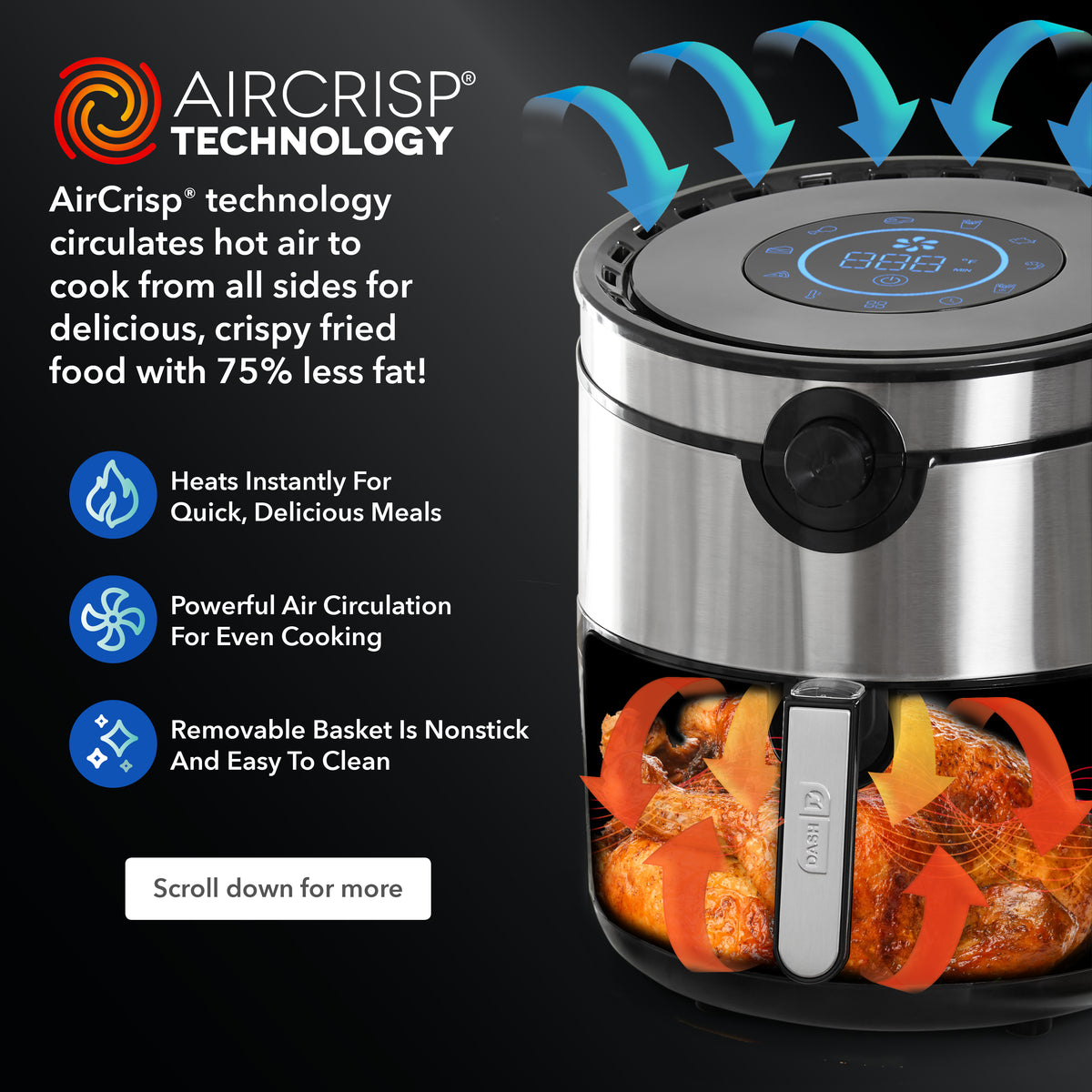
Air crisp is a cooking function that uses fast-moving hot air to make food brown and crisp. The air flows around the food and removes moisture from its surface. This creates a texture similar to frying, even though the food is not submerged in oil.
The term often appears on multi-cookers, pressure cookers, toaster ovens, and some regular ovens. For example, a multi-cooker may pressure-cook chicken first and then use an air crisp lid to brown the skin.
Air crisp is not always a separate appliance. It is often a preset or cooking mode. The exact results depend on the machine’s heating element, fan speed, basket shape, and temperature control.
Common foods for an air crisp setting include:
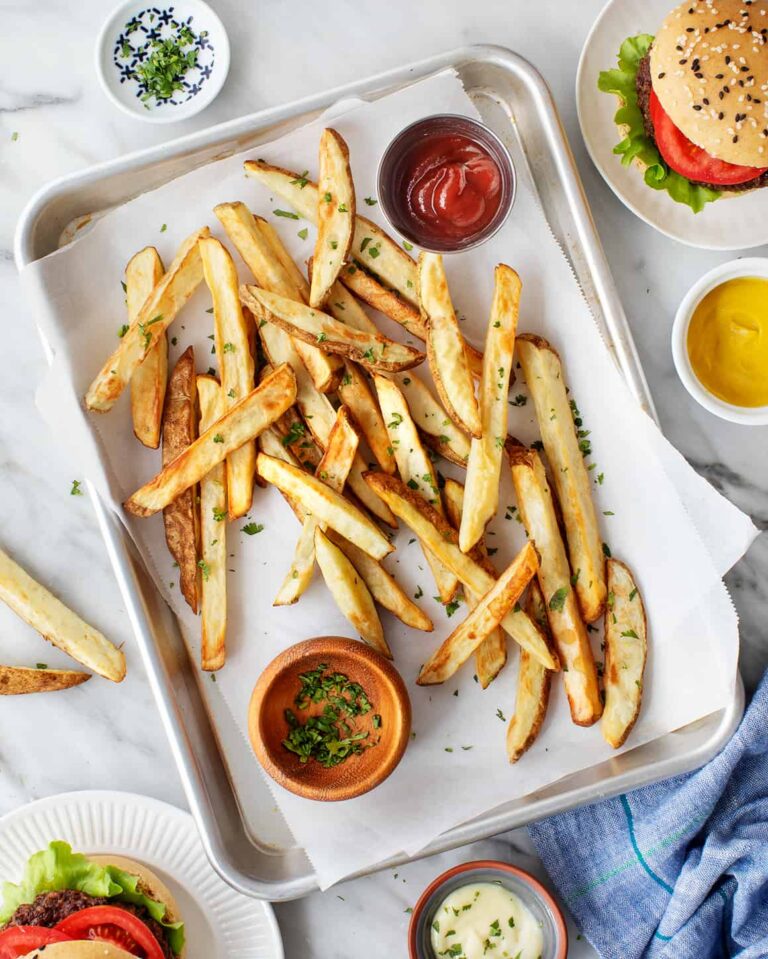
• French fries and sweet potato fries
• Chicken wings and tenders
• Frozen mozzarella sticks
• Roasted vegetables
• Fish fillets
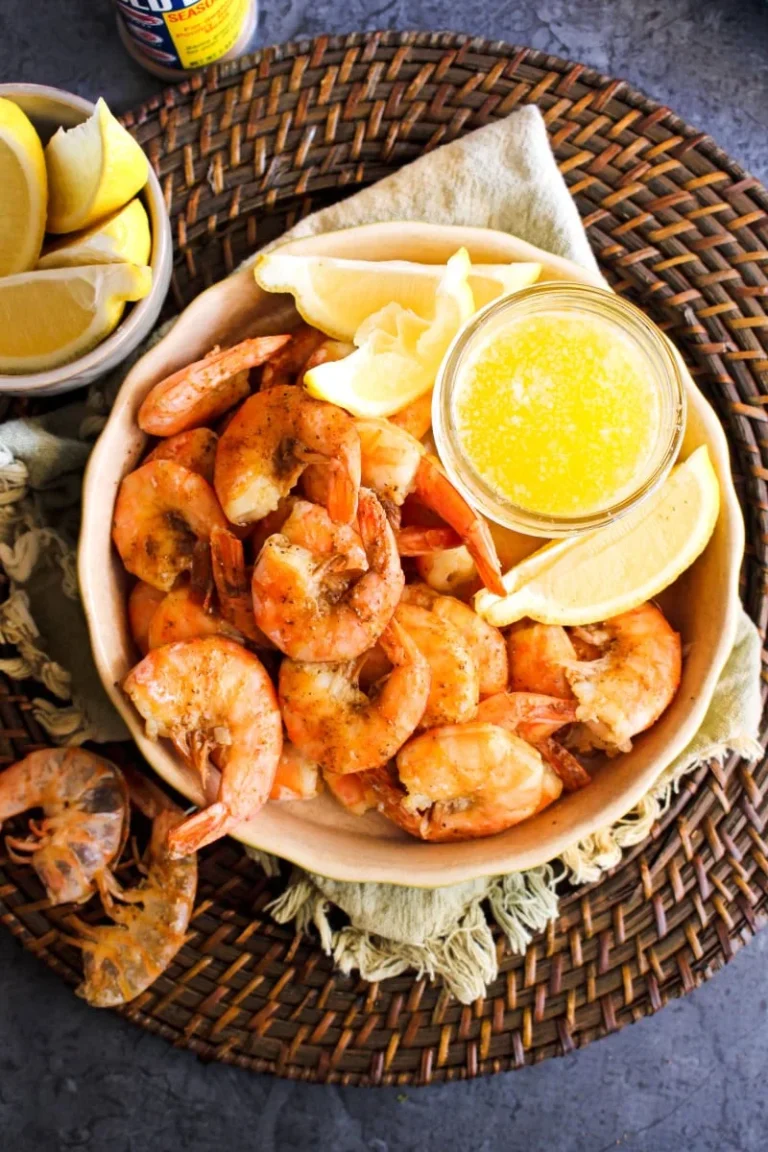
• Breaded shrimp
• Reheated pizza and sandwiches
Air crisp cooking works best when hot air can reach most sides of the food. A basket or perforated tray helps air move under the food, which improves browning.

What Is an Air Fryer?
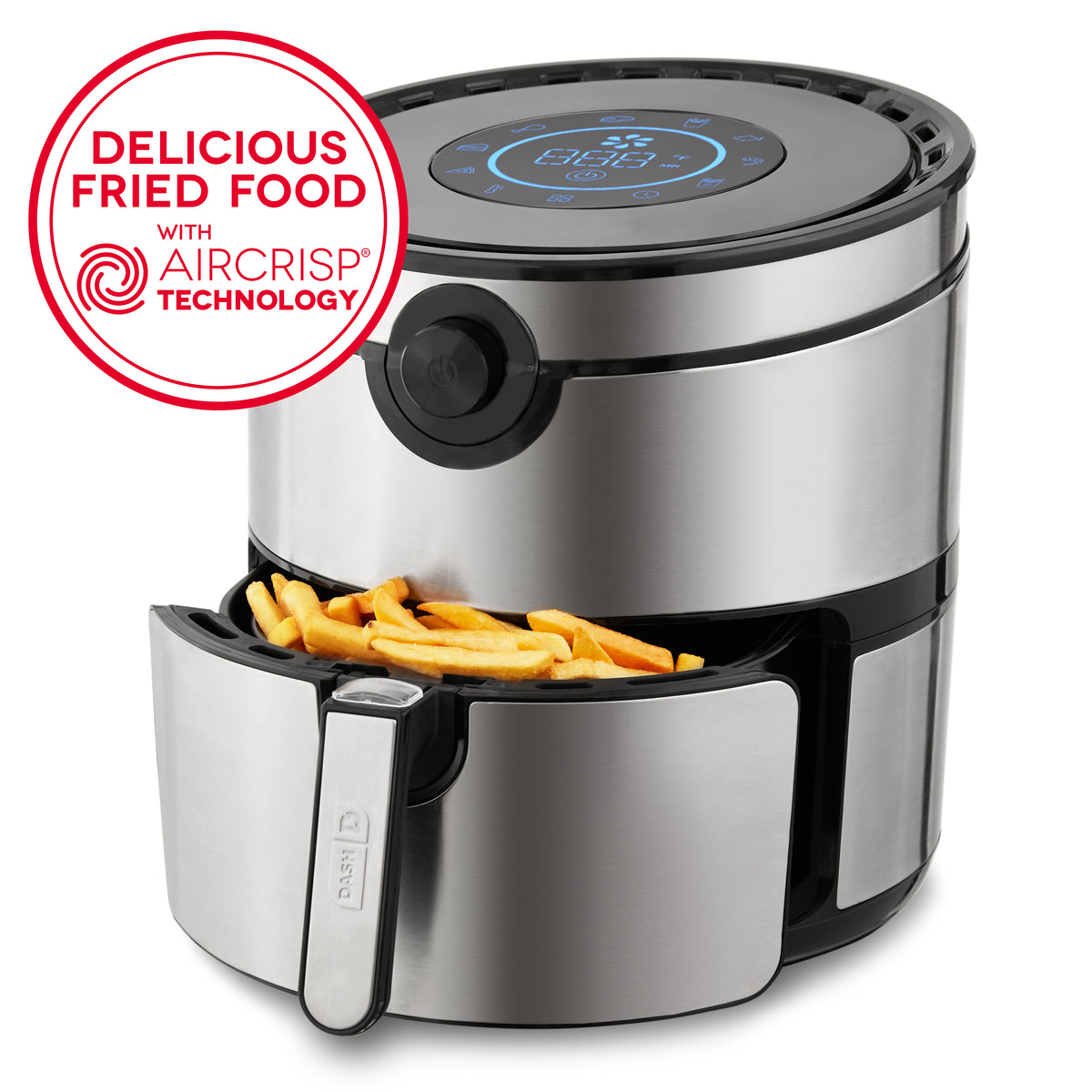
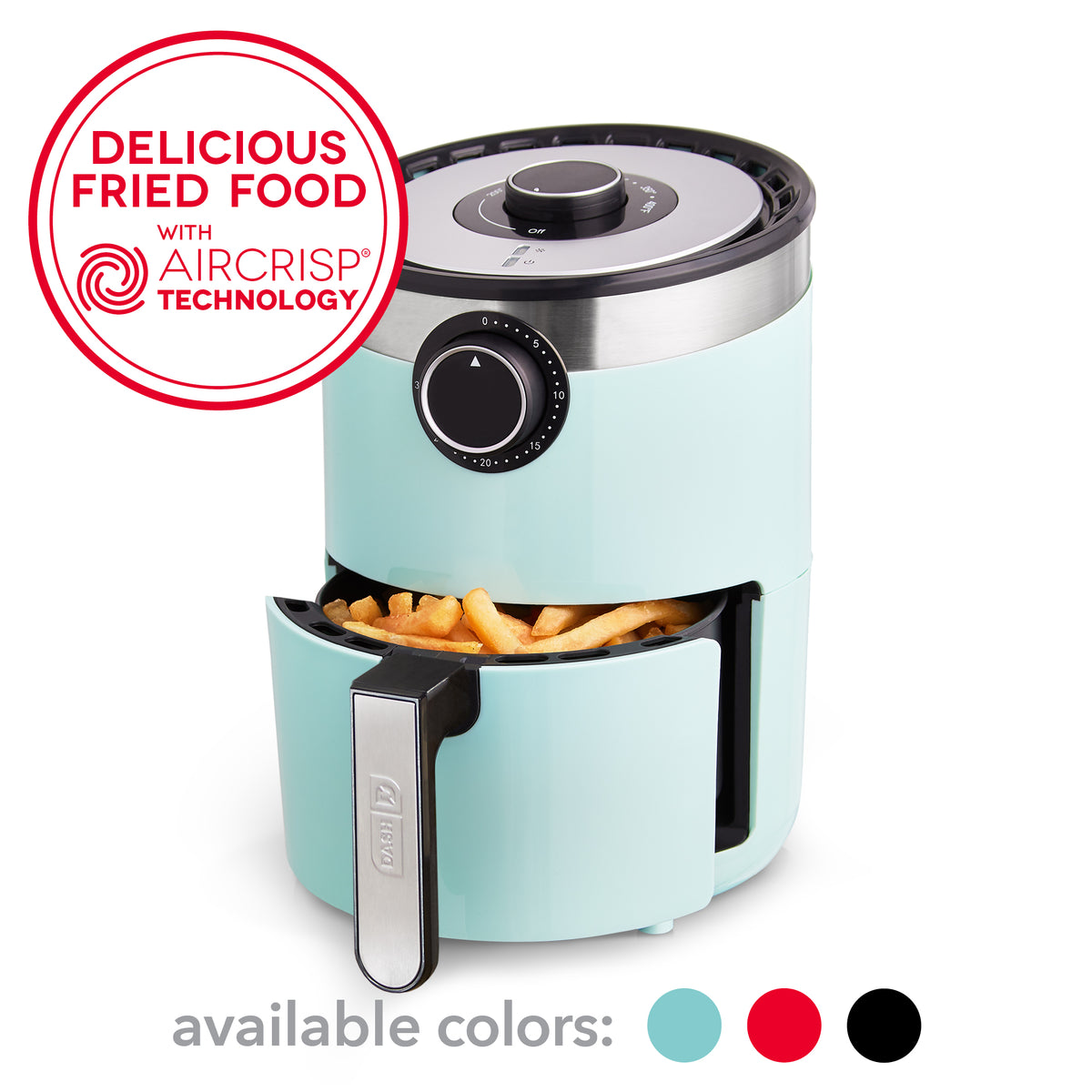
An air fryer is a small countertop convection oven designed to cook food with strong, focused airflow. Most models have a heating element above the food and a fan that pushes hot air around a perforated basket.
Despite its name, an air fryer does not truly fry food in the traditional sense. Deep frying places food in hot oil. Air frying uses dry heat and a small amount of oil, so the final texture and flavor can differ from deep-fried food.
Most air fryers offer:
• Temperature controls, often from about 175°F to 400°F
• A cooking timer
• A removable basket or tray
• Preset programs for common foods
• A compact cooking chamber
• Strong airflow for quick browning
Air fryers are popular because they heat faster than many full-size ovens. They also use a smaller cooking area, which can reduce preheating time and energy use for small meals. However, the cooking capacity is limited, especially in compact models.
The air crisp vs air fryer difference becomes clearer when you compare a cooking mode with a complete appliance. Air crisp is a function. An air fryer is usually a dedicated machine built around that function.
Air Crisp vs Air Fryer: Main Differences
The air crisp vs air fryer comparison depends on what equipment you are using. A dedicated air fryer may produce stronger airflow, while an air crisp setting may offer more cooking options in one appliance.
| Feature | Air Crisp Setting | Dedicated Air Fryer |
|---|---|---|
| What it is | A preset or function | A countertop appliance |
| Main purpose | Crisping and browning food | Air frying, roasting, and reheating |
| Cooking space | Varies by appliance | Usually a basket or tray |
| Airflow | Depends on the model | Designed for rapid circulation |
| Extra functions | May pressure-cook, steam, or slow-cook | May bake, roast, broil, or dehydrate |
| Ease of use | May require an extra lid or setup | Usually ready to use |
| Best for | Multi-function cooking | Fast, focused crisping |
Some air crisp settings and air fryers perform almost identically. In other cases, the air fryer wins because its basket is smaller and its fan moves air more directly around the food.
A large air crisp oven may hold more food than a small air fryer. Yet a crowded tray can reduce airflow and leave food soft. Capacity alone does not determine performance.

How Both Cooking Methods Work
Both systems rely on convection. A heating element warms the air, and a fan circulates that air around the food. The moving air helps dry the outer surface while heat causes browning.
The crisp texture comes from several changes:
• Surface moisture evaporates
• Starches dry and firm up
• Proteins brown through the Maillard reaction
• A thin layer of oil improves heat transfer and flavor
The Maillard reaction creates many of the toasted flavors found in roasted bread, browned meat, and crisp potatoes. It is different from caramelization, which mainly involves sugar. Both processes can occur during air frying.
An air fryer usually places the heating element close to the food. Its compact chamber also helps maintain strong heat. An air crisp setting may use a larger chamber, which can require more time or more careful food placement.
This is why the air crisp vs air fryer results can vary between brands. Temperature numbers may look the same, but airflow and heat placement are not identical.
Which One Makes Food Crispier?
A dedicated air fryer often makes small portions crispier because its basket promotes strong air circulation. Food sits close to the heating element, and the perforated basket lets air reach the underside.
An air crisp setting can also create excellent results. It may perform especially well when the appliance includes a purpose-built crisping basket or tray. However, a wide pan with food spread too thickly may brown unevenly.
For the best texture with either method:
- Dry the food before cooking.
- Add a thin layer of oil when suitable.
- Leave space between pieces.
- Shake the basket or turn the food halfway through.
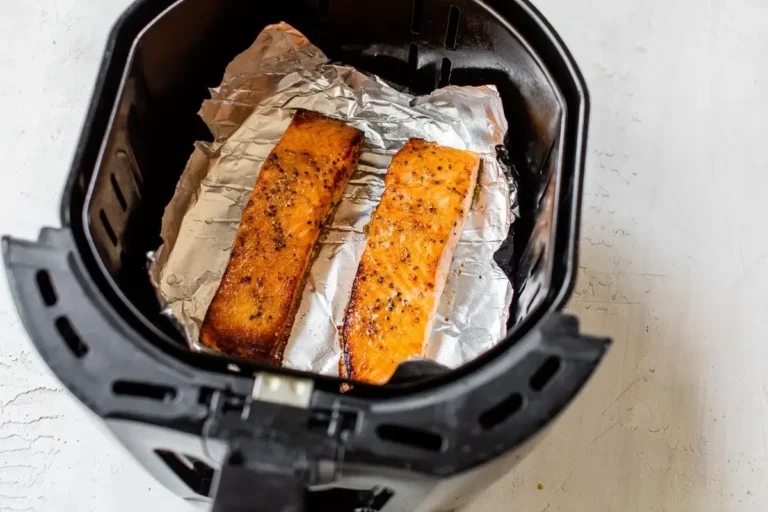
- Avoid covering the basket with foil.
- Cook in batches when needed.
Do not confuse a crisp exterior with fully cooked food. Use a food thermometer for meat, poultry, and seafood. The USDA recommends cooking poultry to 165°F and ground meats to 160°F. Fish should generally reach 145°F.
Taste and Texture Comparison
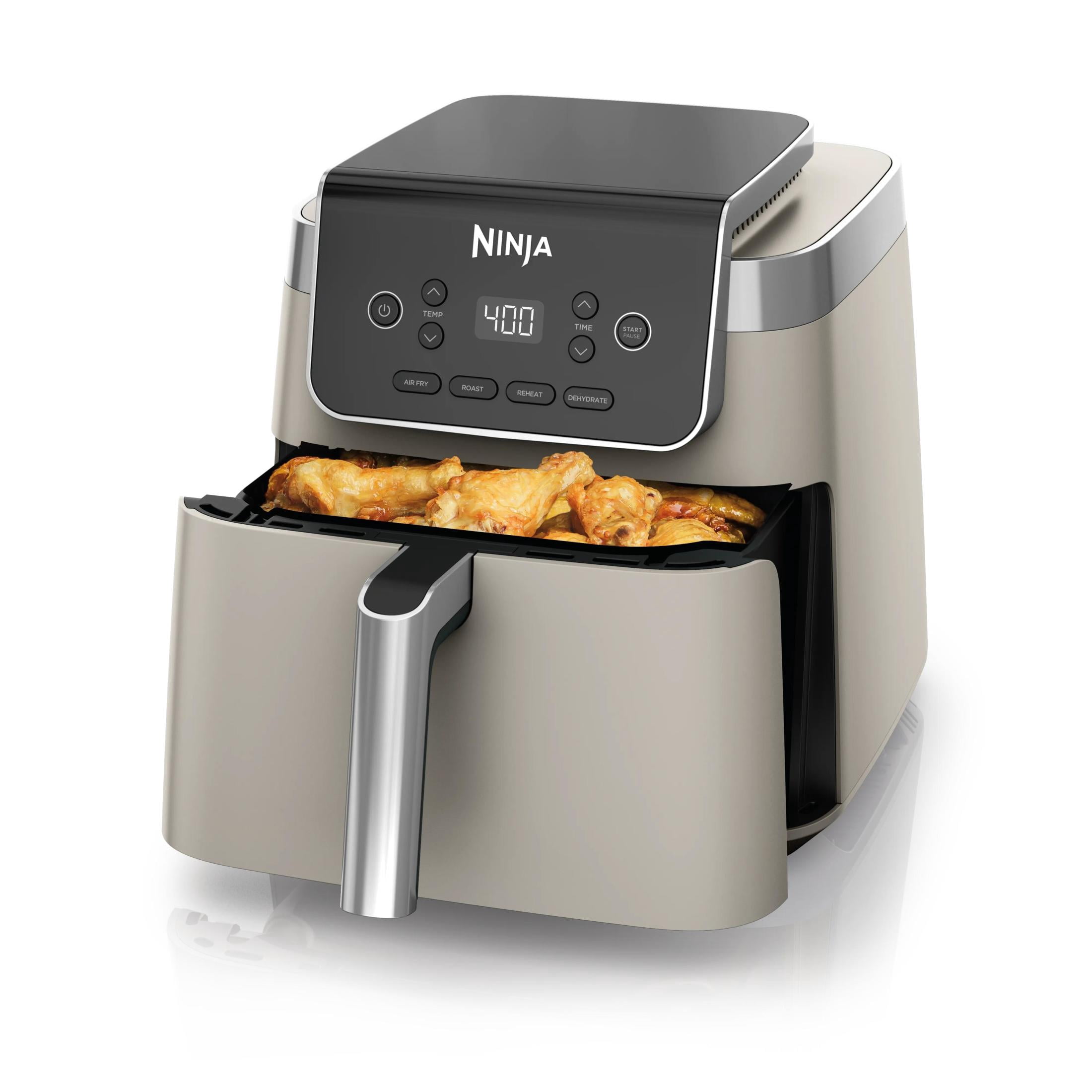
Air-fried foods can taste roasted, toasted, or lightly fried. They usually have a crisp outside and a moist center when cooked correctly. The flavor depends on the food, seasoning, oil, and cooking time.
Deep-fried food may still taste richer because oil carries flavor and creates a more complete crust. Air frying is not a perfect copy of deep frying. It is better to think of it as fast convection roasting with a crisp finish.
In the air crisp vs air fryer debate, taste differences are often smaller than texture differences. Two machines may cook the same fries well, but one may brown them more evenly. The best result often comes from avoiding overcrowding rather than choosing one label over another.
Frozen foods usually perform well in both systems because they already contain oil and have a prepared coating. Fresh potatoes need more care. Soak or rinse cut potatoes, dry them well, and use a light oil coating for better browning.
Benefits of an Air Crisp Setting
An air crisp setting can be useful if you already own a multi-cooker or oven with this function. It may help you avoid buying another appliance.
Key benefits include:
• More cooking functions in one machine
• Easy switching between pressure cooking and crisping
• Useful for browning food after slow or pressure cooking
• Good for families that want flexible meal preparation
• Less counter clutter
A common example is pressure-cooking chicken until tender and then using an air crisp lid to brown the skin. This two-step method can save time, although the skin may not become as crisp as chicken cooked only in a dedicated air fryer.
An air crisp setting may also provide a larger cooking area. This can help with vegetables, casseroles, or several pieces of meat. The tradeoff is that larger spaces may not move air as forcefully as small air fryer baskets.
Benefits of a Dedicated Air Fryer
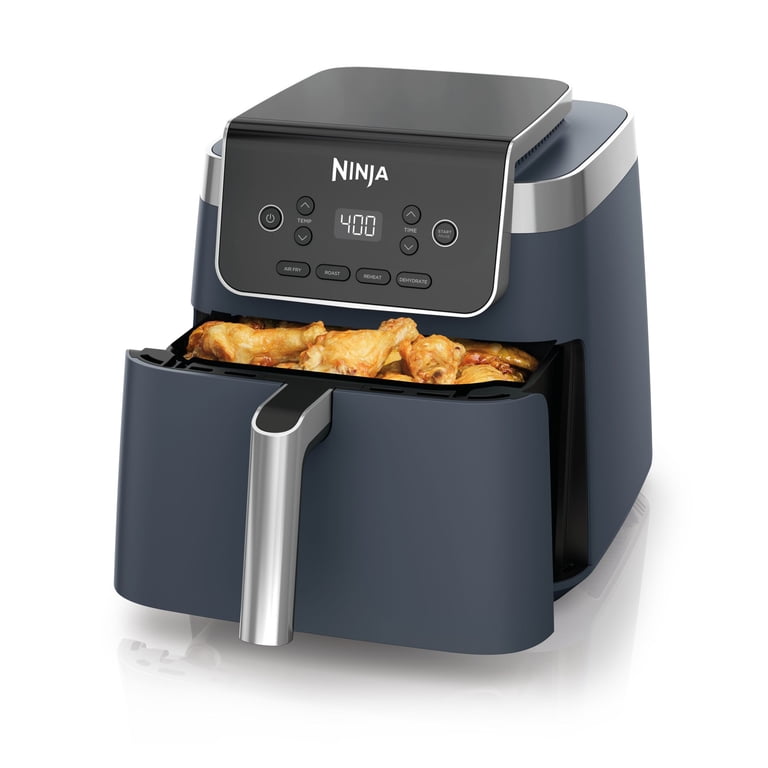
A dedicated air fryer is often the simpler choice for quick meals. You place the food in the basket, choose a temperature, and set a timer.
Its main advantages include:
• Fast preheating
• Strong airflow
• Simple controls
• Easy cleanup
• Good results with frozen foods
• Convenient reheating
• Lower oil use than deep frying
Air fryers are especially useful for busy households. They can reheat pizza without making the crust as soggy as a microwave often does. They also cook small portions of wings, fries, vegetables, and fish with little effort.
Some models have two baskets. This lets you cook two foods at different temperatures or times. Larger air fryer ovens may include racks, rotisserie accessories, and dehydrating settings, but their performance can vary by rack position.
The air crisp vs air fryer choice often favors a dedicated air fryer when speed and crisp texture matter most.
Limitations and Drawbacks
Neither method is perfect. Air crisp cooking and air frying have several limits that shoppers should understand.
Limited Capacity
Small baskets cannot hold enough food for a large family in one batch. Overfilling causes steaming instead of crisping. You may need to cook in multiple rounds.
Uneven Browning
Food near the heating element may brown faster. Shaking or turning the food helps, but delicate foods can break apart.
Drying Risk
Lean meat, thin vegetables, and small pieces can dry out quickly. Start checking food before the recipe’s full time ends.
Smoke and Odor
Fatty foods can release smoke. Clean the basket and heating area often. Avoid adding too much oil, and follow the appliance instructions.
Cleaning Needs
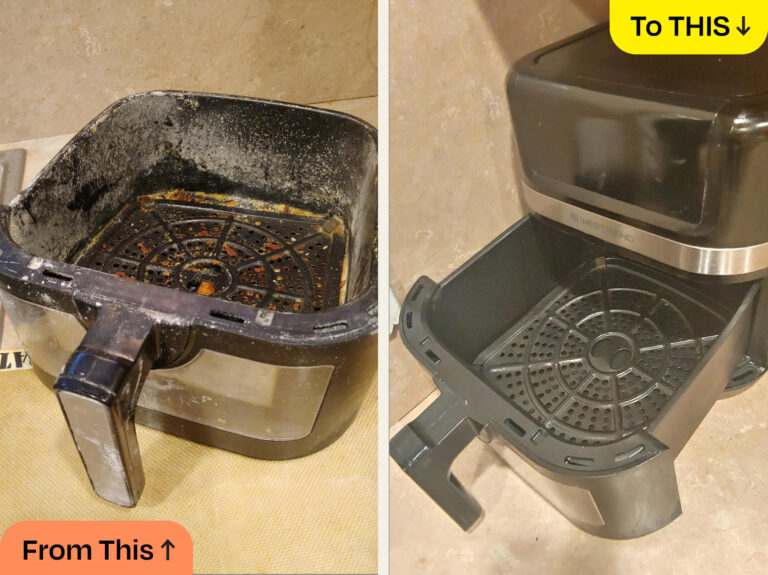
Old grease can affect flavor and create smoke. Wash removable parts after use, and wipe the interior once the machine cools.
Appliance Size
Some air fryers take up significant counter space. Measure the area around the appliance and leave room for ventilation.
These limits matter in the air crisp vs air fryer decision. A machine that cooks well but does not fit your routine may not be the right choice.
Air Crisp vs Air Fryer for Common Foods
French Fries
Both methods work well for frozen fries. Use a single layer when possible and shake the basket during cooking. Fresh fries need to be dry before cooking.
Chicken Wings
Air fryers often produce crisp skin quickly. An air crisp setting can also work well, especially with a perforated basket. Do not stack wings tightly.
Vegetables
Broccoli, cauliflower, Brussels sprouts, and carrots all work well. Toss them with a small amount of oil and season after cooking if you want the spices to taste fresh.
Fish
Both methods can cook fish quickly. Use a light coating or parchment made for air fryers, and check the center with a thermometer.
Reheating Leftovers
Air frying is often better than microwaving for pizza, fries, breaded chicken, and roasted vegetables. Use a lower temperature so the outside does not burn before the center warms.
Bacon
Air fryers can cook bacon with less mess than a skillet, but fat may smoke. Use a model with enough space, clean it well, and follow the manufacturer’s guidance.
How to Choose Between Them
Choose a dedicated air fryer if you:
• Want fast, crisp results
• Cook small meals often
• Reheat leftovers regularly
• Prefer simple controls
• Have space for another appliance
Choose an air crisp setting if you:
• Already own a compatible multi-cooker or oven
• Want several cooking modes
• Need pressure cooking and crisping in one system
• Want to reduce countertop clutter
• Cook larger meals in a wider chamber
Consider these factors before buying:
- Cooking capacity: Check how much food fits in one layer.
- Basket design: A perforated basket usually improves airflow.
- Cleaning: Removable, dishwasher-safe parts save time.
- Noise: Strong fans can be louder than expected.
- Safety: Look for stable feet, cool-touch handles, and clear instructions.
- Counter space: Measure both the appliance and its ventilation area.
- Replacement parts: Check whether baskets and trays are easy to buy.
The best choice in the air crisp vs air fryer comparison is the one that matches your meals, space, and habits.
Tips for Better Results
Many disappointing results come from technique rather than the appliance. A few small changes can make a large difference.
Use these practical tips:
• Preheat when the manual or recipe recommends it.
• Pat meat and vegetables dry.
• Use only enough oil to lightly coat the food.
• Keep pieces similar in size.
• Leave gaps between pieces.
• Shake small foods during cooking.
• Turn large pieces halfway through.
• Check food early the first time.
• Clean grease after each use.
• Adjust time when cooking at high altitude or in a cold kitchen.
One mistake people often make is treating air fryer recipes as exact rules. Air fryer brands differ, and food size affects cooking time. Use the recipe as a starting point, then adjust based on color, texture, and safe internal temperature.
Another common mistake is adding wet batter. Traditional wet batter may drip through the basket before it sets. Dry coatings, breadcrumbs, or a firm egg-and-breadcrumb coating usually work better.
Is Air Frying Healthier Than Deep Frying?
Air frying can reduce the amount of added oil compared with deep frying. This may lower the calories from cooking oil, but the health value still depends on the food itself.
Air-fried vegetables can be part of a balanced meal. Air-fried processed snacks are still processed snacks. The cooking method does not turn heavily salted or refined foods into health foods.
A 2023 study reported that air frying can change the fat and moisture content of foods, but results vary by food type, temperature, and cooking time. Avoid burning food, and do not rely on very high heat for every recipe.
The air crisp vs air fryer health difference is usually small when both methods use similar temperatures and similar amounts of oil. The larger difference is between air cooking and deep-frying in a large amount of oil.
Safety and Maintenance
Read the manual before using any air crisp function or air fryer. Some devices need a specific lid, basket, or pressure-release step. Never block vents, and place the appliance on a stable, heat-safe surface.
Keep these safety rules in mind:
• Do not overfill the basket.
• Keep the cord away from hot surfaces.
• Use oven mitts for hot baskets and trays.
• Do not use damaged nonstick parts.
• Unplug the appliance before deep cleaning.
• Keep children away from the hot cooking chamber.
• Confirm safe internal temperatures with a thermometer.
Grease buildup can cause smoke and unpleasant flavors. Let the appliance cool, then clean the basket and tray with warm water and mild dish soap. Avoid abrasive tools that can damage a nonstick coating.
If you see unusual sparks, smell burning plastic, or notice damaged wiring, stop using the machine. Contact the manufacturer or replace the appliance.
Frequently Asked Questions About Air Crisp vs Air Fryer
Is air crisp the same as air fry?
Air crisp and air fry usually use the same basic process: hot, circulating air cooks and browns food. Air crisp is often a setting on a multi-cooker or oven, while an air fryer is usually a dedicated appliance.
Which makes food crispier, air crisp or an air fryer?
A dedicated air fryer often makes small portions crispier because its basket and fan are designed for strong airflow. However, a well-designed air crisp setting can produce similar results when the food is not overcrowded.
Can I use an air crisp setting instead of an air fryer?
Yes, you can use an air crisp setting for many foods made in an air fryer. Follow the appliance instructions and adjust cooking time because basket size, airflow, and heating elements vary.
Does air crisp use oil?
Air crisp cooking can work with little or no added oil, depending on the food. A small amount of oil often improves browning, texture, and seasoning adhesion.
Is air frying healthier than deep frying?
Air frying usually uses much less added oil than deep frying. Still, the nutritional value depends on the ingredients, portion size, salt, and overall meal.
Can I cook frozen food with air crisp?
Yes, frozen fries, vegetables, wings, fish, and breaded snacks often work well with air crisp. Arrange the food in a loose layer and shake or turn it during cooking.
Why is my air-fried food not crispy?
The basket may be overcrowded, the food may be wet, or the temperature may be too low. Dry the food, use a light oil coating, leave space between pieces, and cook in batches.
Conclusion
The air crisp vs air fryer question has a simple answer: air crisp is usually a cooking function, while an air fryer is a dedicated appliance built around rapid convection. Both can brown food with little oil, but airflow, basket design, capacity, and controls affect the final result.
Choose an air fryer for quick, focused crisping and easy reheating. Choose an air crisp appliance if you want several cooking functions in one machine. Whichever option you use, dry the food, avoid crowding, check safe temperatures, and clean the appliance often. Try these tips with your next batch of fries or wings, and share your results or favorite air-fryer recipe.