What Temperature Do Air Fryers Cook At: Best Guide
Most air fryers cook at 180°F to 400°F. Some models reach 450°F, while others start at about 200°F. The best temperature depends on the food, its size, whether it is frozen or fresh, and your air fryer model.
Air fryers use a small heating element and a fan to move hot air around the food. This cooks food faster and can make the surface crisp. In the United States, most air fryer recipes use 350°F to 400°F for foods such as chicken, vegetables, fries, fish, and frozen snacks.
The temperature shown on the control panel is the target air temperature. It is not the same as the internal temperature that makes meat safe to eat.
What Temperature Range Do Air Fryers Use?
Air fryers commonly use a temperature range of 180°F to 400°F. Low settings work well for warming and gentle cooking. High settings help brown and crisp the outside of food.
Some air fryers have a maximum temperature of 450°F. Others may use preset programs that select both the heat and cooking time for you. Always check your model’s manual because temperature ranges can vary by brand and design.
| Air fryer setting | Approximate use |
|---|---|
| 180°F–250°F | Dehydrating, warming, drying herbs, gentle reheating |
| 250°F–325°F | Reheating delicate foods, cooking smaller or thinner foods |
| 325°F–375°F | Chicken pieces, fish, vegetables, baked foods |
| 375°F–400°F | French fries, frozen foods, wings, breaded foods |
| 400°F–450°F | Fast browning, crisping, and cooking foods that tolerate high heat |
The displayed temperature is not always a perfect measurement of the food chamber. The air may cycle above and below the selected setting as the heating element turns on and off. This is normal for many countertop appliances.
Air fryer baskets also differ in size and shape. A small basket may heat food faster than a large basket filled with the same amount of food. Crowding can also block airflow and leave some areas soft or undercooked.
What Is the Best Air Fryer Temperature for Different Foods?
The best air fryer temperature is usually between 350°F and 400°F, but each food needs a slightly different approach. Thin foods can burn at high heat, while thick foods may brown before the center cooks.
Use this chart as a starting point. Cooking time may change with food thickness, amount, starting temperature, and air fryer design.
| Food | Starting temperature | Typical cooking guidance |
|---|---|---|
| Frozen French fries | 375°F–400°F | Shake or turn during cooking |
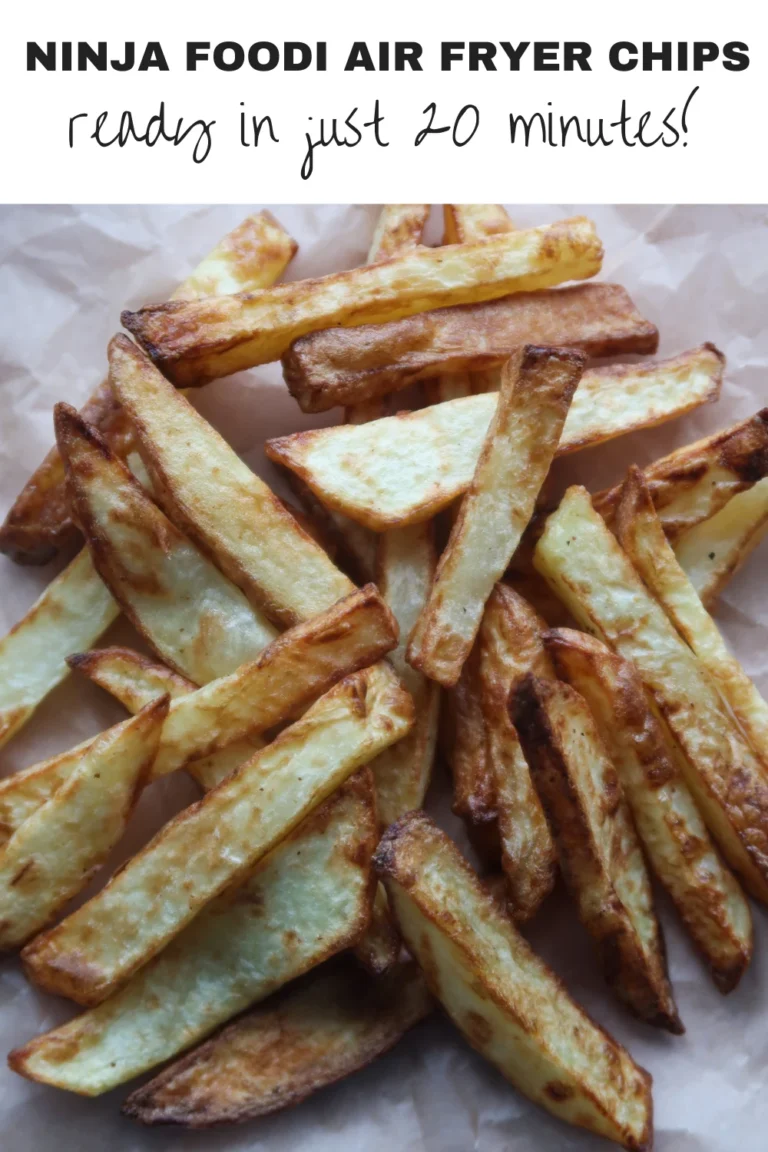
| Fresh potato wedges | 375°F–400°F | Use a light coating of oil for browning |
| Chicken wings | 375°F–400°F | Cook until the thickest part reaches a safe internal temperature |
| Boneless chicken breast | 350°F–375°F | Avoid overcooking by checking early |
| Breaded chicken tenders | 375°F–400°F | Leave space between pieces |
| Salmon fillets | 375°F–400°F | Check the thickest part for doneness |
| Shrimp | 375°F–400°F | Cook in a single layer when possible |
| Broccoli and cauliflower | 375°F–400°F | Toss with a small amount of oil |
| Green beans | 375°F–400°F | Shake once or twice |
| Bacon | 350°F–400°F | Watch closely because fat can smoke |
| Frozen pizza or pizza bites | 350°F–400°F | Follow the package directions when available |
| Reheating fried food | 350°F–375°F | Use a lower heat to reduce burning |
| Reheating pizza | 350°F–375°F | Check after a few minutes |
These temperatures are practical starting points, not universal rules. For example, a thick chicken breast may need a lower temperature and longer cooking time than a thin chicken cutlet. A small portion of fries may crisp at 400°F, while a crowded basket may need shaking and extra time.
When should you use 350°F?
Use 350°F when you want steady cooking with less risk of burning. This setting works well for:
- Chicken breasts
- Meatballs
- Fish
- Vegetables
- Small baked items
- Reheating foods with a delicate surface
A lower temperature can help thick foods cook more evenly. The trade-off is that the food may take longer and may not become as crisp.
When should you use 400°F?
Use 400°F for foods that need quick browning or a crisp outer layer. Common examples include:
- Frozen French fries
- Chicken wings
- Tater tots
- Breaded foods
- Potato wedges
- Some frozen appetizers
At 400°F, check food early. Sugar-rich coatings, thin breading, and small pieces can darken quickly.
How Does an Air Fryer Cook Food?
An air fryer cooks by moving hot air around food at high speed. This process is a form of convection cooking.
A heating element warms the air. A fan then pushes that air around the basket. The food’s exposed surface heats and dries, which helps create browning and crisping. The basket openings allow air to reach more of the food than a solid pan would.
Air frying is not the same as deep frying. Deep frying transfers heat through hot oil. Air frying uses hot air and usually a small amount of oil, or none at all. As a result, the texture can be crisp but may not match food cooked in a deep fryer.
The air fryer temperature is also not equal to the food’s internal temperature. For instance, setting an air fryer to 400°F does not mean chicken reaches 400°F inside. The center warms more slowly and must be checked separately.
Do air fryers cook hotter than ovens?
An air fryer does not always cook at a higher temperature than a conventional oven. However, it can cook food faster because:
- The cooking chamber is smaller.
- The fan moves air close to the food.
- The basket exposes more of the food’s surface.
- Less food may be placed in the chamber.
A recipe written for a conventional oven may need a lower temperature or shorter cooking time in an air fryer. A common starting adjustment is to reduce the oven temperature by about 25°F and begin checking the food several minutes early. This is a practical estimate, not a fixed rule.
The best adjustment depends on the recipe and the specific appliance. A dark, crowded basket may cook differently from a light, open rack.
How Do You Convert Oven Temperature to Air Fryer Temperature?
To convert a conventional oven recipe, start by lowering the temperature by 25°F or reducing the cooking time by about 20%. Do not automatically make both changes at once.
For example:
- Oven recipe: 400°F for 25 minutes
- Air fryer starting point: 375°F for about 20–25 minutes
- Check the food early and adjust as needed
For a recipe that already uses a convection oven, you may need little or no temperature change. Both appliances use moving air, although fan speed, chamber size, and airflow pattern differ.
A good conversion method is:
- Identify the oven temperature and cooking time.
- Lower the temperature by 25°F, or shorten the time.
- Place food in a single layer if possible.
- Begin checking early.
- Turn or shake the food when the recipe calls for even browning.
- Confirm doneness with a thermometer when food safety matters.
Do not rely only on color. Breaded food can look brown before the center is fully cooked.
What Internal Temperature Should Food Reach?
Food safety depends on the internal temperature of the food, not the air fryer setting. Use a food thermometer in the thickest part of the food and avoid touching bone, the basket, or the cooking tray.
The U.S. Department of Agriculture recommends these minimum internal temperatures:
| Food | Minimum internal temperature |
|---|---|
| Poultry, including chicken and turkey | 165°F |
| Ground meats, including beef, pork, lamb, and veal | 160°F |
| Whole cuts of beef, pork, lamb, and veal | 145°F, followed by a 3-minute rest |
| Fish and shellfish | 145°F |
| Leftovers and casseroles | 165°F |
| Egg dishes | 160°F |
These temperatures come from USDA food safety guidance. Some recipes may recommend a higher final temperature for texture or tenderness.
Insert the thermometer into the thickest section. For thin foods such as chicken tenders or fish fillets, place the probe from the side if that gives a better reading. If the food has not reached its safe temperature, return it to the air fryer and check again.
Do not assume that a preset labeled “chicken” guarantees safe cooking. Presets use general time and temperature settings. Food thickness and quantity still affect the result.
Should You Preheat an Air Fryer?
Preheating can help food brown more evenly, but it is not required for every recipe. A short preheat of 2 to 5 minutes may help with fries, wings, breaded foods, and other items that benefit from a hot cooking surface.
You may not need to preheat when:
- The food has a long cooking time.
- You are reheating food.
- The manufacturer says preheating is unnecessary.
- The food could burn on contact with a very hot basket.
- You are using a lower-temperature setting.
If you preheat, place the basket or rack inside only if the manual permits it. Some models use a removable basket that is designed to heat with the appliance. Never leave an empty appliance running longer than needed.
Preheating does not replace proper spacing. Food still needs room for air to move around it.
Why Is My Air-Fried Food Undercooked or Burned?
Undercooked or burned food usually results from crowding, incorrect timing, uneven pieces, or a mismatch between the recipe and the appliance.
If the food is undercooked
Check these causes first:
- The basket is too full.
- Pieces are too thick or uneven.
- The food was frozen and needs extra time.
- The air fryer was not turned or shaken.
- The temperature runs lower than the display suggests.
- The cooking time came from a different air fryer model.
Spread food into a single layer when possible. Cook in batches rather than stacking thick pieces. Turn food halfway through cooking, and use a thermometer for meat, poultry, fish, and reheated leftovers.
If the food burns outside but stays raw inside
Lower the temperature by 25°F to 50°F and extend the cooking time. This gives the center more time to heat before the outside becomes too dark.
You can also:
- Cut food into smaller, even pieces.
- Avoid sugary sauces until the final few minutes.
- Use a light coating of oil rather than excess oil.
- Cover only when the manufacturer and recipe allow it.
- Check the center with a thermometer.
If food is pale or soft
Pale food may need more surface heat, more space, or a small amount of oil. Try:
- Drying wet foods before cooking.
- Using 375°F or 400°F when appropriate.
- Avoiding a crowded basket.
- Shaking or turning the food.
- Adding a small amount of oil to vegetables or potatoes.
Too much moisture is a common reason food fails to crisp.
Can You Put Aluminum Foil or Parchment Paper in an Air Fryer?
Aluminum foil and parchment paper may be safe in some air fryers, but the manual comes first. They must not block the fan, heating element, or basket openings.
Follow these basic rules:
- Do not use loose foil or parchment while the appliance is running.
- Weigh the material down with food.
- Keep it away from the heating element.
- Do not cover the entire basket if airflow is needed.
- Use parchment made for cooking and follow its temperature limit.
- Avoid paper liners during preheating unless the manufacturer specifically allows them.
Foil can change airflow and cooking results. Parchment can reduce browning on the bottom. Neither material fixes overcrowding or replaces safe internal-temperature checks.
Never put plastic, wax paper, paper towels, or other materials not designed for high heat inside an air fryer.
Air Fryer Temperature and Safety Tips
Safe air fryer use depends on heat control, food handling, and cleaning.
Keep the appliance on a stable, heat-resistant surface with open space around its vents. Do not place it beneath cabinets if the manufacturer warns against overhead heat. Keep the power cord away from hot surfaces.
Avoid adding oil directly to the cooking chamber unless the manual specifically allows it. Air fryers need little oil, and excess oil can smoke or create a fire hazard. Foods with a high fat content, such as bacon or sausage, may produce smoke as fat collects below the basket.
If the appliance begins to smoke, turn it off and unplug it if you can do so safely. Allow it to cool before checking for excess grease or food debris. Never pour water onto an electrical appliance or a grease fire.
Clean the basket, tray, and interior according to the manufacturer’s instructions. Built-up grease can smoke at high temperatures and may affect cooking performance.
Common Air Fryer Temperature Mistakes
These mistakes can lead to poor texture, uneven cooking, or unsafe food:
-
Using 400°F for every recipe
High heat is useful for crisping but can burn thin or sugary foods. -
Trusting the preset without checking the food
Presets are starting points, not guarantees. -
Overfilling the basket
Crowding blocks airflow and causes steaming instead of crisping. -
Skipping the thermometer for meat
Color and cooking time do not prove that meat is safe. -
Adding wet batter directly to the basket
Loose batter may not set properly and can drip into the appliance. Use foods with a firm coating or a recipe designed for air frying. -
Using cooking spray with the wrong propellant
Some aerosol sprays may damage certain nonstick coatings. Check the appliance instructions and use an oil product suitable for the surface. -
Ignoring the food’s starting state
Frozen, chilled, and room-temperature foods may need different cooking times. -
Failing to shake or turn food
Airflow is not always even, especially with a full basket.
Frequently Asked Questions
What is the normal temperature for an air fryer?
The normal range is about 180°F to 400°F. Many recipes use 350°F to 400°F. Some air fryers reach 450°F, while specialized low-temperature models may offer settings below 180°F.
Is 350°F hot enough for an air fryer?
Yes. 350°F is suitable for many foods, including chicken, fish, vegetables, meatballs, and reheated foods. It may produce less browning than 400°F but can reduce the risk of burning.
Is 400°F too hot for an air fryer?
No. 400°F is a common air fryer setting. It works well for fries, wings, frozen foods, and breaded items. Check food early because thin pieces and sugary coatings can burn at this temperature.
Can I cook frozen food directly in an air fryer?
Yes, many frozen foods can go directly into an air fryer. Frozen fries, vegetables, wings, and snacks often cook well without thawing. Use the package directions when available, then check the food early because air fryer models vary.
How do I know when air-fried chicken is done?
Chicken is done when the thickest part reaches 165°F on a food thermometer. Do not rely only on the outside color or the cooking time listed in a recipe.
Do air fryers need oil?
Air fryers do not always need oil. A small amount can improve browning and help seasonings stick, especially on fresh vegetables and potatoes. Avoid adding more oil than the recipe needs.
Conclusion: The Best Air Fryer Temperature Depends on the Food
Most air fryers cook between 180°F and 400°F, with some models reaching 450°F. For everyday cooking, 350°F to 400°F is the most useful range.
Use lower heat for thick foods, delicate items, and reheating. Use higher heat for crisping and browning. Leave room for airflow, check food early, and use a thermometer for meat, poultry, fish, and leftovers.
Your next step is simple: check your air fryer’s manual, choose a temperature based on the food, and begin checking before the recipe’s stated finish time.
Sources
- USDA: Safe Minimum Internal Temperatures
- USDA: Kitchen Thermometers
- FDA Food Code
- The owner’s manual for your specific air fryer model should control when it provides different temperature, preheating, cleaning, or accessory instructions.