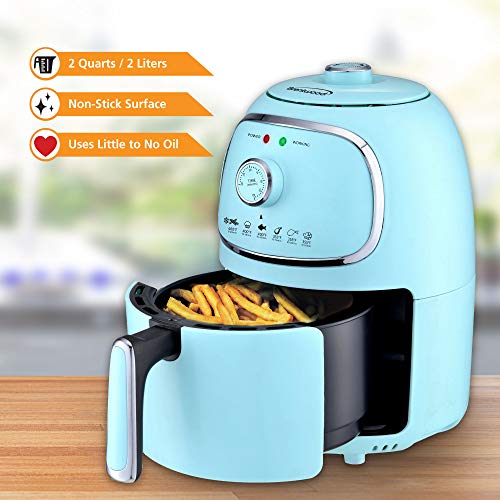
Air Fryer Cook Time Chart For Vegetables: Easy Guide
Most vegetables cook in an air fryer in 8 to 20 minutes, depending on size, type, and temperature.
An air fryer cook time chart for vegetables makes meal prep faster and more predictable. After testing fresh, frozen, sliced, and whole vegetables, I found that small pieces brown best, while dense vegetables need more time and a quick shake. Use this guide as a starting point, then adjust by a few minutes for your air fryer and preferred texture.

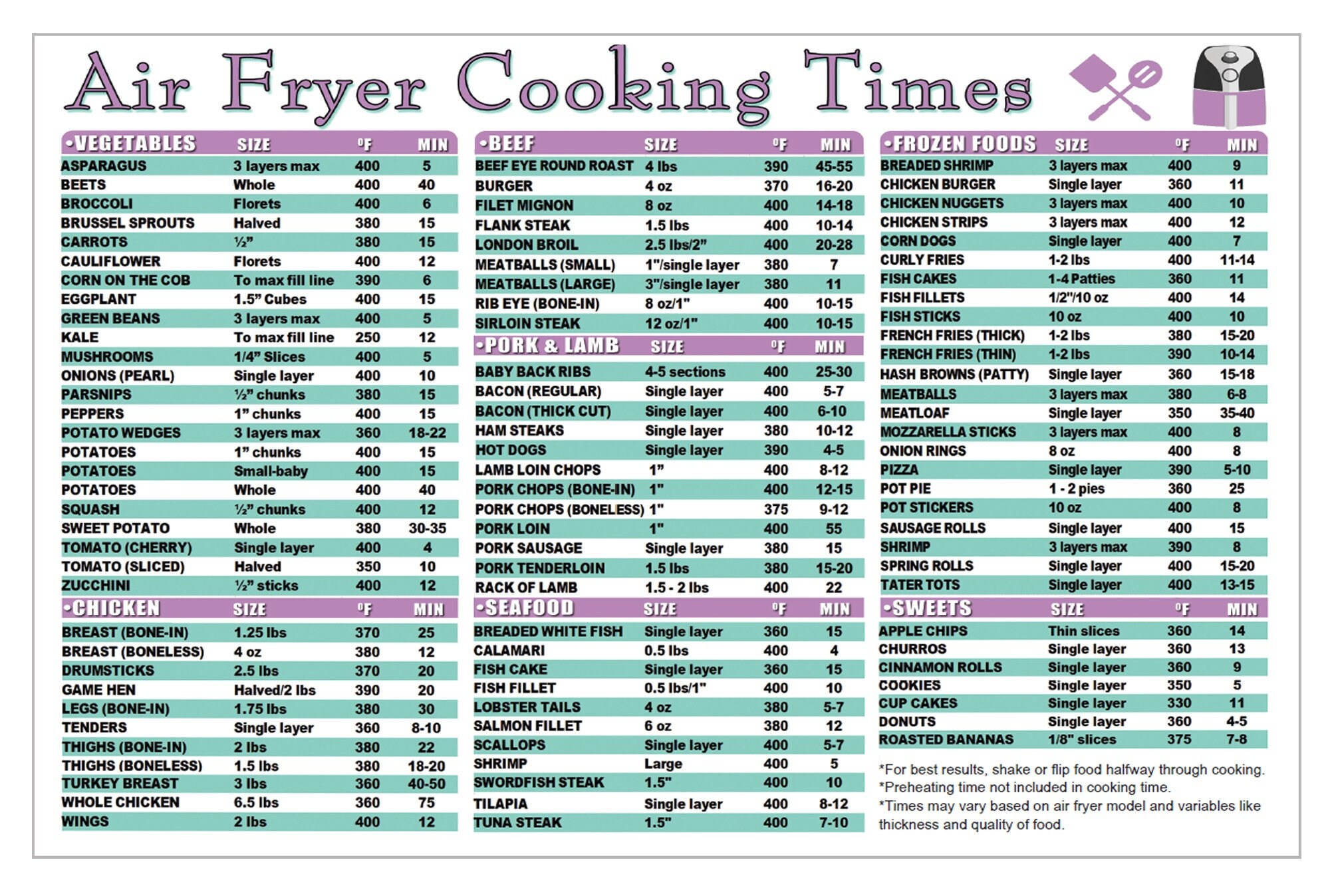
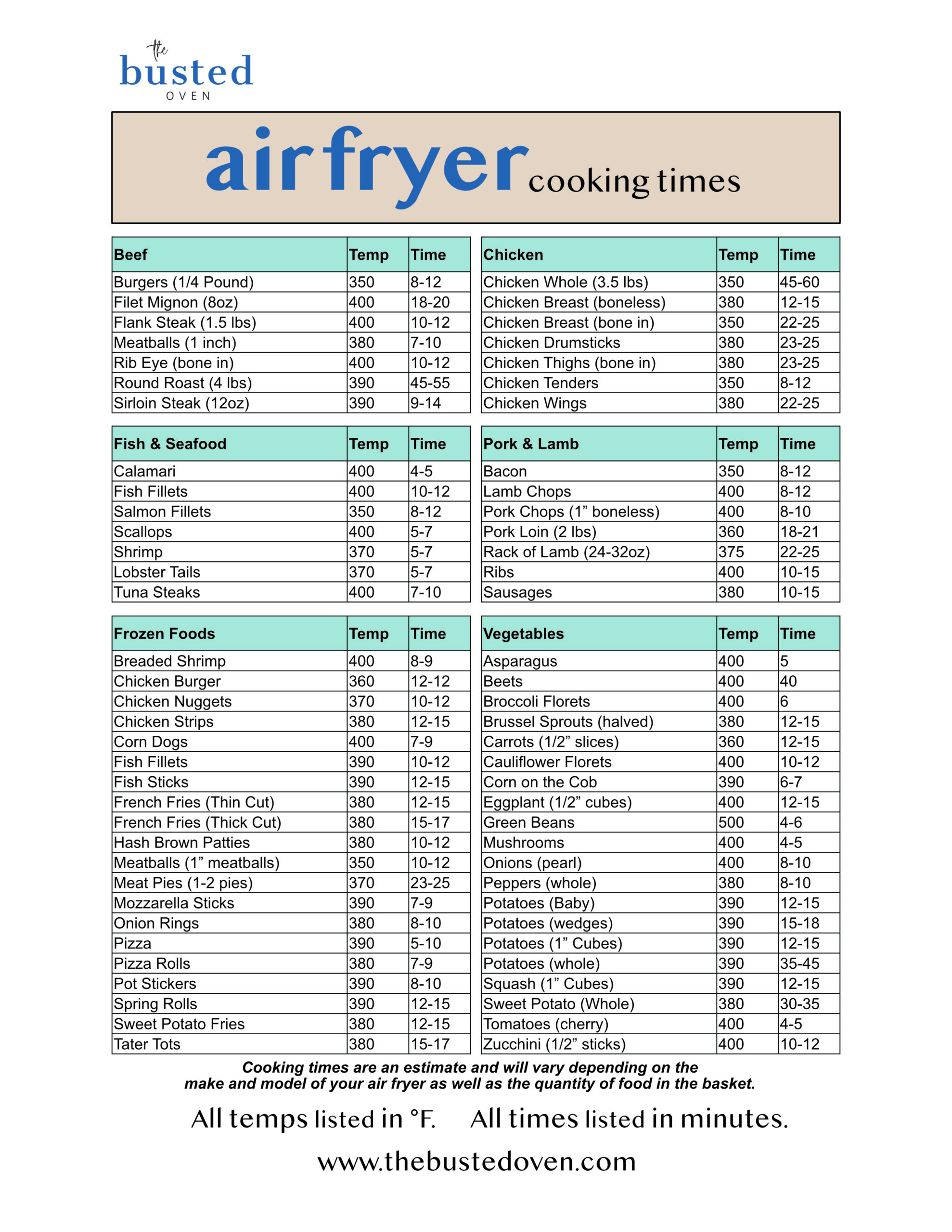
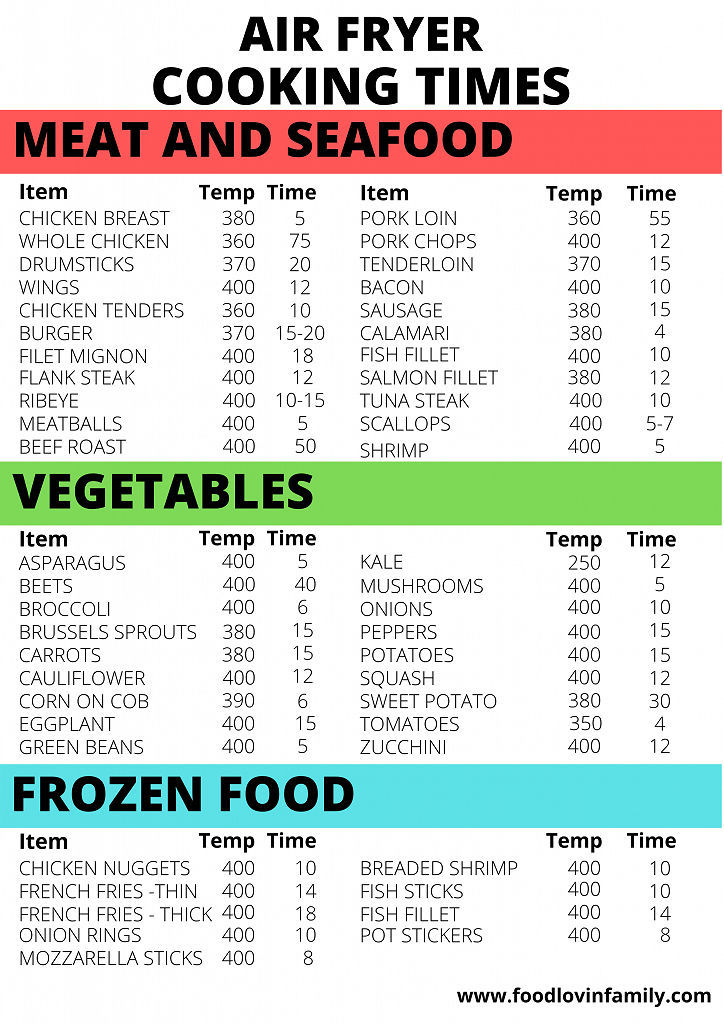
Air Fryer Cook Time Chart for Vegetables
The chart below uses a general temperature range of 375°F to 400°F. Most vegetables need a light coat of oil, space in the basket, and one shake halfway through cooking.
| Vegetable | Preparation | Temperature | Approximate cook time |
|---|---|---|---|
| Asparagus | Trimmed spears | 390°F | 6 to 9 minutes |
| Broccoli | Small florets | 375°F | 8 to 12 minutes |
| Brussels sprouts | Halved | 375°F | 15 to 20 minutes |
| Cabbage | Thick wedges | 375°F | 12 to 18 minutes |
| Carrots | ½-inch sticks | 380°F | 14 to 20 minutes |
| Cauliflower | Small florets | 390°F | 10 to 15 minutes |
| Corn on the cob | Small ears | 390°F | 10 to 14 minutes |
| Green beans | Trimmed | 380°F | 8 to 12 minutes |
| Mushrooms | Halved or whole | 375°F | 8 to 12 minutes |
| Onions | Wedges | 380°F | 10 to 15 minutes |
| Parsnips | ½-inch sticks | 380°F | 15 to 20 minutes |
| Potatoes | ½-inch cubes | 400°F | 15 to 22 minutes |
| Sweet potatoes | ½-inch cubes | 390°F | 12 to 18 minutes |
| Zucchini | ½-inch slices | 390°F | 8 to 12 minutes |
| Bell peppers | Strips | 390°F | 8 to 12 minutes |
| Eggplant | ½-inch cubes | 390°F | 10 to 15 minutes |
| Frozen mixed vegetables | Even layer | 400°F | 12 to 18 minutes |
| Frozen broccoli | Florets | 400°F | 12 to 16 minutes |
| Frozen cauliflower | Florets | 400°F | 14 to 18 minutes |
| Frozen green beans | Whole | 400°F | 10 to 15 minutes |
These times are estimates, not strict rules. Basket size, vegetable moisture, cut size, starting temperature, and air fryer design can all change the result.
For the best texture, begin checking two or three minutes before the shortest time listed. Vegetables are ready when they are tender in the center and lightly browned at the edges.
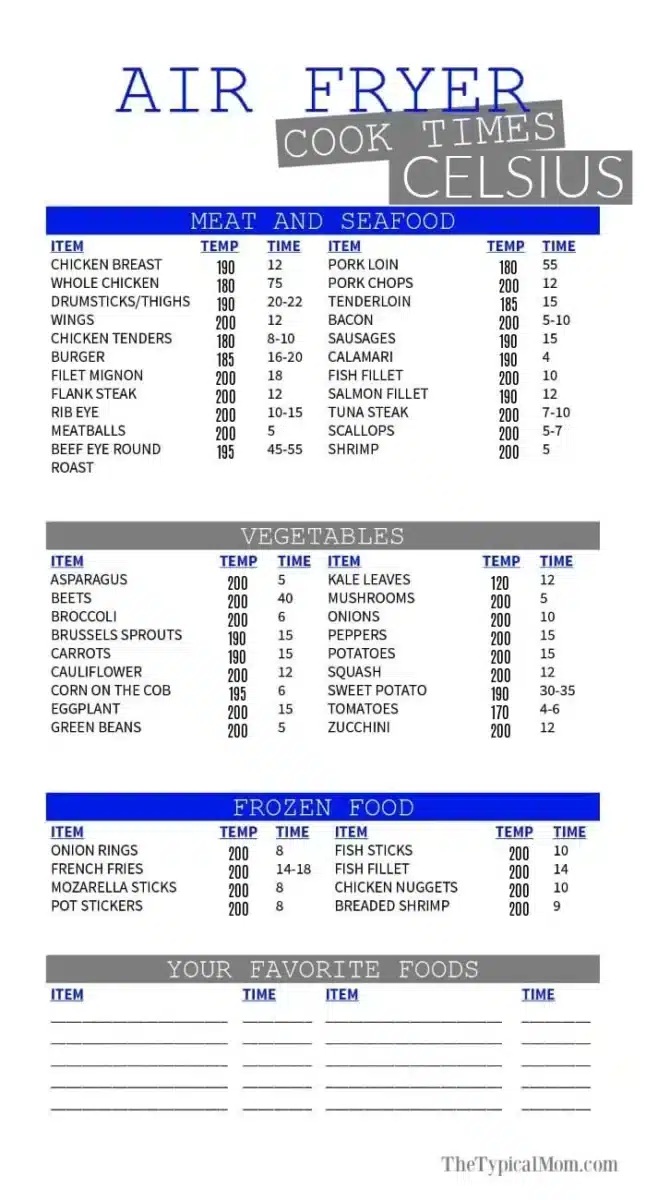
How to Use an Air Fryer Vegetable Time Chart
An air fryer cook time chart works best when you treat it as a guide rather than a timer you must follow exactly. The chart gives you a useful starting point, but your food gives the final answer.
Follow these simple steps:
- Wash and dry the vegetables well. Extra water can steam the food instead of crisping it.
- Cut pieces into similar sizes. Even pieces finish at nearly the same time.
- Toss the vegetables with a small amount of oil and seasoning.
- Preheat the air fryer if your model recommends it.
- Place the vegetables in a loose, even layer.
- Shake the basket or turn the vegetables halfway through cooking.
- Test one piece before serving.
- Add one to three minutes if the vegetables need more color or softness.
I often compare air frying to roasting with a small, powerful fan. The hot air moves around the food, so the outside can brown quickly. However, the center still needs time to soften, just as it does in a regular oven.
If you cook several vegetables together, choose foods with similar cook times. For example, broccoli and cauliflower work well together. Potatoes and asparagus do not, unless you add the asparagus later.

Best Air Fryer Temperatures for Vegetables
Temperature affects both texture and color. A lower temperature gives dense vegetables more time to soften. A higher temperature creates faster browning and crisp edges.
Use these general temperature ranges:
• 375°F: Best for dense vegetables that may burn before becoming tender, such as Brussels sprouts and carrots.
• 380°F to 390°F: A good middle range for green beans, zucchini, peppers, cauliflower, and mushrooms.
• 400°F: Best for potatoes, frozen vegetables, and foods that need extra browning.
A common mistake is using 400°F for every vegetable. Thin zucchini slices may brown too quickly, while thick carrots remain hard inside. The best air fryer cook time chart for vegetables always works together with the right temperature.
For delicate vegetables, check early. For dense vegetables, cut them smaller or microwave them briefly before air frying. This can shorten the cooking time without making the outside too dark.
Fresh Versus Frozen Vegetables in an Air Fryer
Fresh vegetables usually brown more easily because they have less surface ice. Frozen vegetables release water as they heat, so they may need a higher temperature and a few extra minutes.
Do not thaw most frozen vegetables first. Thawing can make them soft and wet. Place frozen vegetables straight into the basket, spread them out, and shake them once or twice during cooking.
Frozen vegetables may need:
• 2 to 5 extra minutes compared with fresh vegetables
• A temperature of about 400°F
• Less oil than fresh vegetables
• More space in the basket to let steam escape
Frozen broccoli and cauliflower often become tender before they look deeply browned. If you want more color, cook them for another two minutes or finish them under the broiler. Watch them closely because small florets can dry out fast.
This is one area where an air fryer cook time chart for vegetables can seem inconsistent. Different frozen brands use different floret sizes and moisture levels. Always check the package size and adjust based on what you see.
How Cut Size Changes Cooking Time
Cut size is one of the biggest factors in air fryer vegetable cooking. Small pieces have more exposed surface area, so they cook and brown faster. Large pieces take longer for heat to reach the center.
Use these guidelines:
• Thin slices: Check after 6 to 8 minutes.
• ½-inch cubes: Usually need 10 to 18 minutes.
• Thick wedges: Often need 15 to 25 minutes.
• Whole small vegetables: May need 15 to 25 minutes.
For example, ½-inch sweet potato cubes may cook in 12 to 18 minutes. Large sweet potato wedges can take 20 to 30 minutes. Both are correct; they simply need different times.
Try to keep all pieces close in size. When I test a new vegetable, I first cut it into even pieces and cook a small batch. This prevents a full basket of food from becoming a mix of burnt edges and hard centers.
Oil, Seasoning, and Basket Tips
Vegetables do not need much oil in an air fryer. One to two teaspoons of oil for about four cups of vegetables is often enough. Oil helps seasoning stick and encourages browning, but too much can make the food greasy.
Good seasoning choices include:
• Garlic powder and black pepper
• Smoked paprika
• Italian seasoning
• Lemon pepper
• Chili powder
• Parmesan added after cooking
• Fresh herbs added just before serving
Avoid adding wet sauces at the start. Barbecue sauce, honey, and teriyaki sauce can burn during a long cook. Add them during the last two or three minutes, or toss them with the cooked vegetables afterward.
Do not pack the basket tightly. A crowded basket traps moisture and produces soft vegetables. If you need to cook a large amount, use two batches. The extra few minutes usually give you much better color and texture.

How to Make Vegetables Crisp in an Air Fryer
Crisp vegetables need dry surfaces, hot air, and enough room to cook. These three factors matter more than adding a large amount of oil.
For crisp results:
- Pat fresh vegetables dry after washing.
- Use a small amount of oil.
- Preheat the air fryer when possible.
- Keep food in one layer.
- Avoid covering the basket with foil unless the manufacturer allows it.
- Shake the basket halfway through cooking.
- Serve the vegetables soon after cooking.
Some vegetables, such as zucchini and mushrooms, contain a lot of water. They may become browned but not truly crisp. Slice them thicker, avoid crowding, and cook them in smaller batches.
Potatoes benefit from soaking only when you are making fries or wedges and want to remove excess surface starch. Dry them very well after soaking. Wet potatoes can take longer and may steam instead of crisp.
Common Mistakes to Avoid
Even a reliable air fryer cook time chart for vegetables cannot fix a crowded basket or uneven cuts. Small cooking habits make a major difference.
Avoid these common errors:
• Cutting vegetables in very different sizes
• Skipping the drying step
• Using too much oil
• Filling the basket to the top
• Forgetting to shake the food
• Cooking frozen vegetables at too low a temperature
• Adding sugary sauces too early
• Trusting the timer without checking texture
Another mistake is assuming every air fryer heats the same way. Compact models often cook faster because food sits closer to the heating element. Large oven-style models may need more time or more frequent rotation.
The safest habit is to use the chart as a starting point and check the food early. If vegetables are still firm, continue cooking in short intervals. This approach prevents overcooking and helps you learn your machine.

Food Safety and Storage Tips
Most vegetables are safe when they are tender and hot throughout. Unlike meat, vegetables do not have one universal internal temperature that proves they are done. Texture, heat, and proper storage are the main concerns.
For leftovers:
• Refrigerate cooked vegetables within two hours.
• Store them in a covered container.
• Use them within three to four days.
• Reheat them at about 350°F to 400°F until hot.
• Do not repeatedly cool and reheat the same batch.
Cooked vegetables may soften in the refrigerator. Reheating them in the air fryer can restore some of their roasted texture. Spread them in a single layer and heat for about three to six minutes, depending on the amount.
Always follow your air fryer manual for cleaning and safe use. Remove grease and food bits from the basket and heating area, since buildup can create smoke and unpleasant flavors.
Easy Vegetable Combinations to Try
You can create simple side dishes by grouping vegetables with similar cooking times. This saves effort and makes the air fryer useful for weeknight meals.
Try these combinations:
Roasted broccoli and cauliflower
Cook small florets at 390°F for 10 to 15 minutes. Add garlic powder, paprika, salt, and a little lemon juice after cooking.
Potatoes and carrots
Cut both into ½-inch pieces. Cook at 390°F for about 18 to 22 minutes, shaking the basket twice.
Zucchini and bell peppers
Cook sliced zucchini and pepper strips at 390°F for 8 to 12 minutes. Add Italian seasoning and grated Parmesan at the end.
Brussels sprouts and onions
Halve the Brussels sprouts and cut onions into thick wedges. Cook at 375°F for 15 to 20 minutes, turning once.
Frozen mixed vegetables
Cook at 400°F for 12 to 18 minutes. Shake often so the pieces cook evenly and excess moisture can escape.
The key is to add quick-cooking vegetables later. For example, cook potatoes for 10 minutes before adding green beans. This keeps both foods from becoming too soft or too dark.
Frequently Asked Questions About Air Fryer Cook Time Chart for Vegetables
How long do vegetables take in an air fryer?
Most vegetables take 8 to 20 minutes at 375°F to 400°F. Thin vegetables cook quickly, while potatoes, carrots, and Brussels sprouts need more time.
What temperature is best for air frying vegetables?
A temperature between 375°F and 400°F works well for most vegetables. Use 375°F for dense foods and 400°F for frozen vegetables or foods that need extra browning.
Should I put oil on vegetables before air frying?
Yes, a small amount of oil can improve browning and help seasonings stick. About one to two teaspoons for four cups of vegetables is often enough.
Do I need to preheat the air fryer for vegetables?
Preheating is helpful but not always required. It can shorten cooking time and improve browning, especially for potatoes and other dense vegetables.
Can I cook frozen vegetables in an air fryer?
Yes, most frozen vegetables can go directly into the air fryer without thawing. Use about 400°F, leave space between pieces, and expect a few extra minutes of cooking.
Why are my air fryer vegetables soggy?
Soggy vegetables usually result from excess moisture, too much food in the basket, or too little heat. Dry fresh vegetables, cook in a single layer, and shake the basket during cooking.
Should vegetables be turned in an air fryer?
Turning or shaking helps vegetables brown evenly. Shake the basket halfway through cooking, and turn large pieces such as corn or vegetable wedges with tongs.
Conclusion
An air fryer cook time chart for vegetables gives you a simple path to tender centers, browned edges, and faster meals. Start with the listed temperature and time, then adjust for cut size, moisture, basket space, and your preferred texture.
Dry the vegetables, use a light layer of oil, avoid crowding, and check the food early. Once you learn how your air fryer behaves, you can confidently cook fresh and frozen vegetables without guesswork. Try one chart combination tonight, then share your favorite air fryer vegetable recipe or cooking tip in the comments.