Air Fryer Safety Precautions: Safe Cooking Tips
Safe air fryer use means managing heat, airflow, electricity, food handling, and placement with care.
Air fryers are convenient, but they are still small, powerful cooking appliances that use very hot air and exposed heating elements. These air fryer safety precautions explain how to prevent burns, fires, smoke, foodborne illness, and appliance damage. The advice below combines manufacturer guidance, fire safety principles, food safety rules, and practical kitchen lessons.
Why Air Fryer Safety Matters
An air fryer cooks with a heating element and a strong fan. Temperatures often reach 400°F, while the basket, drawer, and hot air can cause serious burns. Grease, parchment paper, overcrowding, and poor placement can also create hazards.
Most air fryer problems come from simple mistakes rather than a defect. People may place the appliance too close to a wall, fill the basket too high, or forget that the outside and handle can become hot.
The most important air fryer safety precautions are:
• Keep the appliance on a stable, heat-resistant surface.
• Leave open space around the air fryer.
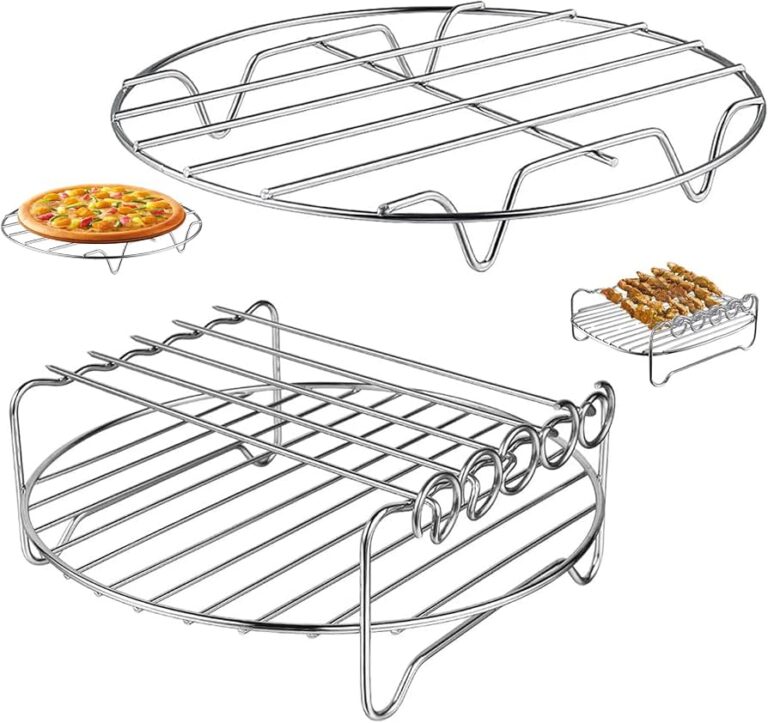
• Use the correct basket and accessories.
• Keep paper, towels, and other flammable items away.
• Cook food to a safe internal temperature.
• Unplug the appliance after use.
• Clean away grease and food buildup.
Air fryer safety is not difficult. Think of the appliance like a small oven with a strong fan. It needs room to breathe, a firm base, and careful handling.
Place the Air Fryer in a Safe Location
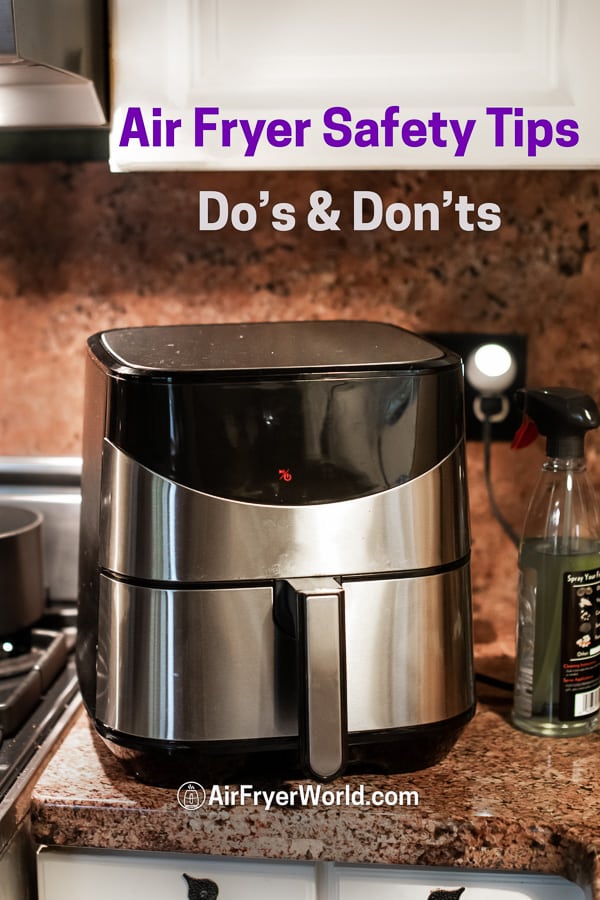
Correct placement is one of the most useful air fryer safety precautions. Set the appliance on a level, dry, heat-resistant counter. Avoid placing it on a tablecloth, bed, sofa, or any soft surface that could block air vents.
Leave several inches of open space around the sides and back. Follow the clearance distance in your owner’s manual, because models vary. Never push the air fryer directly against a wall or below low cabinets while it is running.
Keep the air fryer away from:
• Kitchen sinks and wet counters
• Stovetops and other hot appliances
• Curtains, paper towels, and wooden utensils
• Plastic containers and food packaging
• Children and pets
• Overhead cabinets that may be damaged by heat or steam
Steam and heat can rise from the rear vent. This may discolor cabinets or damage surfaces over time. A heat-resistant mat can help protect a counter, but it must not cover the air vents.
Never operate an air fryer inside a closed cabinet. It needs airflow to release heat and moisture. Blocking that airflow can increase the chance of overheating.
.png?v=1768625860497&options=w_870,h_700)
Check the Cord, Plug, and Outlet
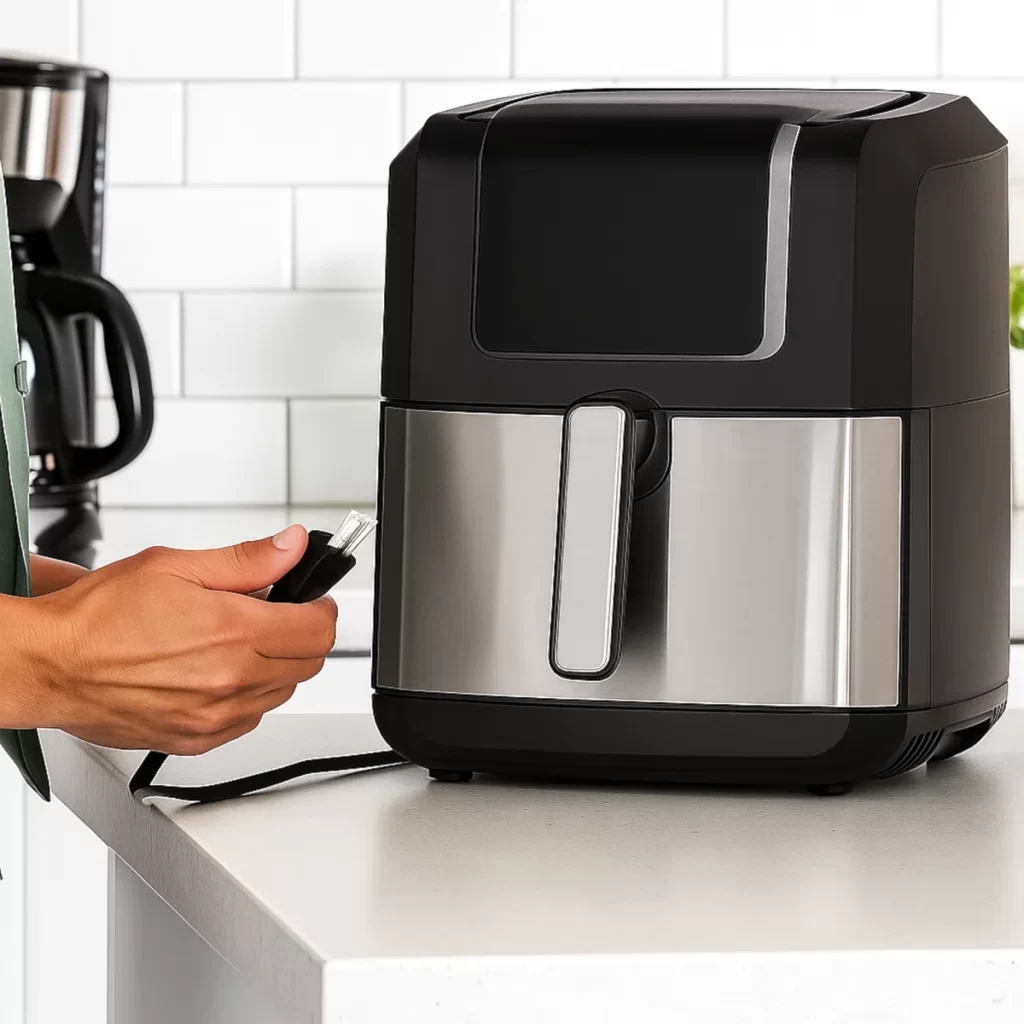
Electrical safety is a key part of air fryer safety precautions. Inspect the power cord before each use. Do not use the appliance if the cord is cracked, melted, frayed, or loose near the plug.
Plug the air fryer into a properly grounded wall outlet when possible. Avoid using an extension cord unless the manufacturer clearly permits it and the cord has the correct power rating. A weak or damaged extension cord can overheat.
Do not plug a high-power air fryer into an overloaded power strip with other major appliances. Avoid sharing the same outlet with a toaster oven, microwave, electric kettle, or hot plate.
Use these basic electrical habits:
• Keep the plug and outlet dry.
• Never pull the cord to unplug the appliance.
• Do not place the cord under rugs or across walkways.
• Keep the cord away from hot surfaces.
• Unplug the air fryer before cleaning or moving it.
If the outlet becomes hot, smells like burning plastic, sparks, or trips the circuit, stop using the appliance. Have the outlet checked by a qualified electrician or contact the manufacturer.
Inspect the Basket Before Cooking
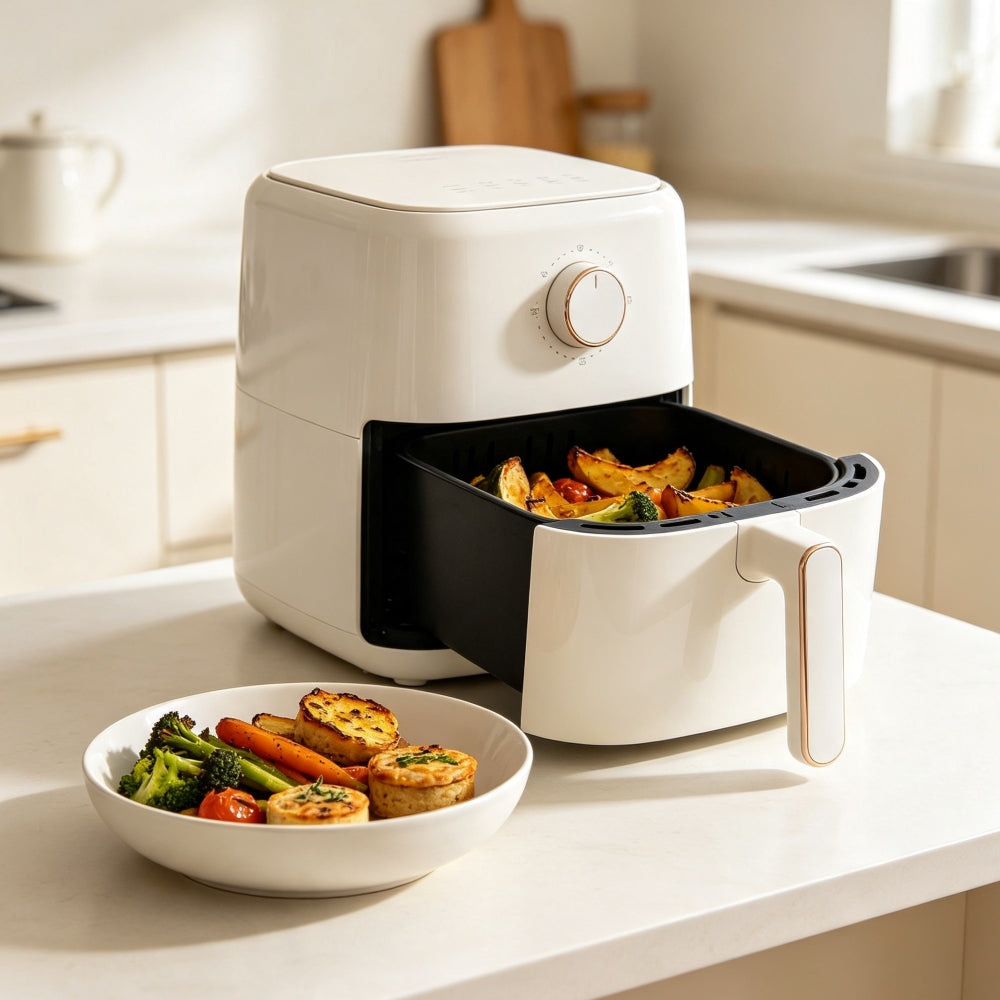
Before cooking, check that the basket, crisper plate, drawer, and heating chamber are clean and correctly positioned. A loose basket can affect cooking and may allow grease to reach areas that are hard to clean.
Do not use a basket with a badly damaged nonstick coating. Small scratches may not cause an immediate problem, but flaking or peeling means the part should be replaced. Contact the manufacturer for an approved replacement.
Make sure the drawer closes fully. Never run the air fryer with the basket removed unless the manual specifically allows that function.
Do not place metal foil, utensils, or loose objects in the cooking chamber. A metal item may touch the heating element or block airflow.
These simple checks reduce the chance of smoke, uneven cooking, and damage. They also help the appliance work as designed.

Avoid Overfilling the Basket
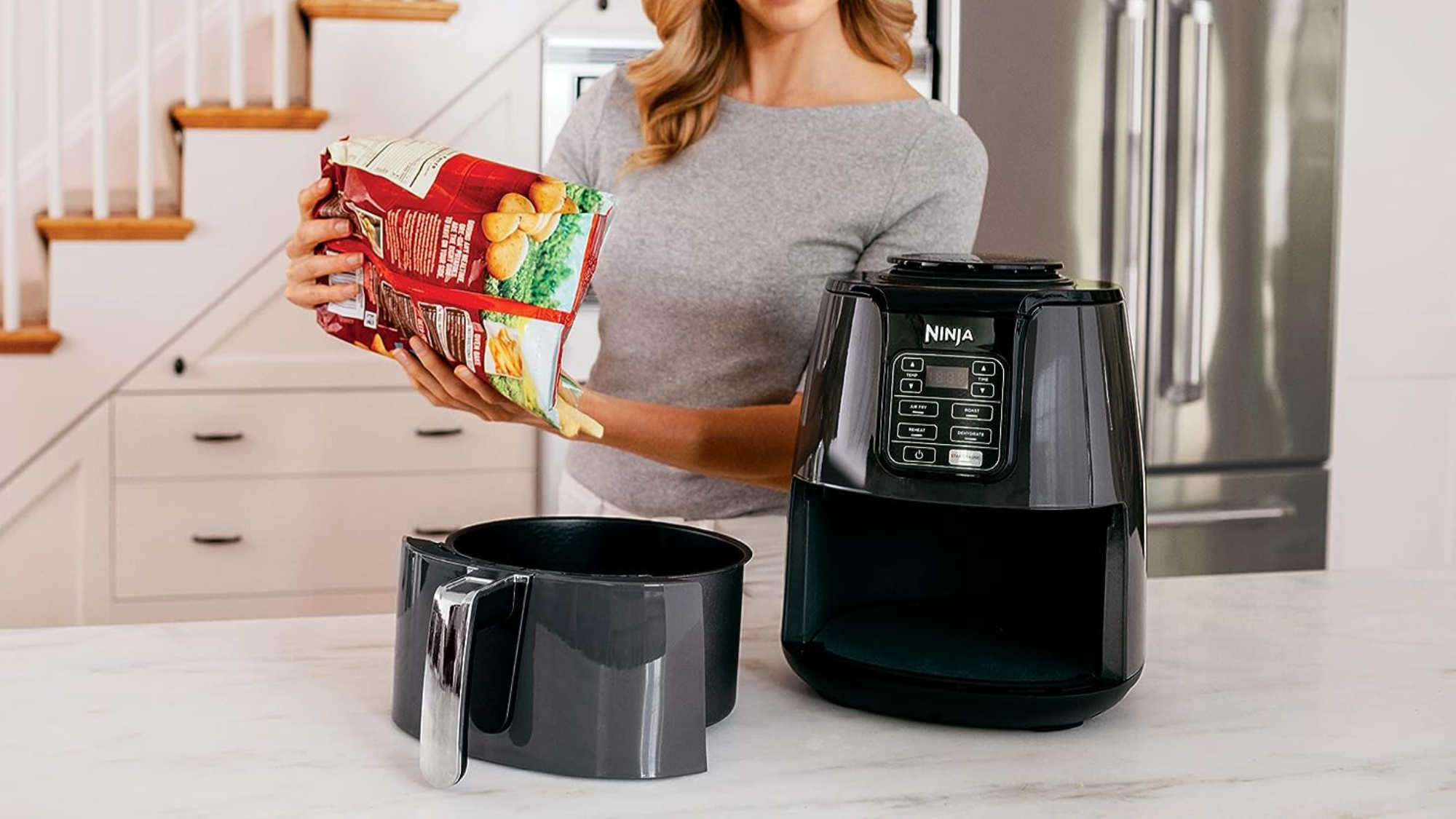
Overfilling is one of the most common air fryer mistakes. Food needs space around it so hot air can move across its surface. A crowded basket may cook unevenly and can cause grease or food to contact the heating element.
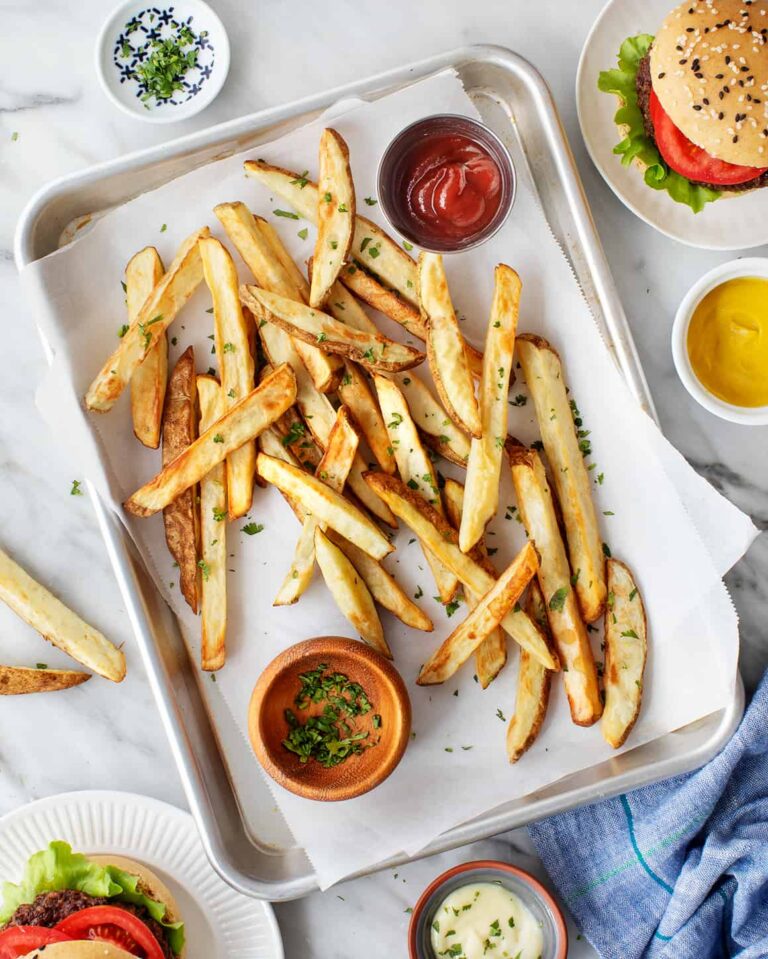
Use a single, loose layer when cooking foods such as:
• Chicken wings
• French fries
• Fish fillets
• Vegetables
• Breaded foods
Shake the basket or turn the food halfway through cooking when the instructions recommend it. For large amounts, cook in batches rather than stacking food too deeply.
Never fill the basket beyond the maximum line. If your model has no line, leave enough room for the drawer to close without pressing against the food.
Overcrowding also affects food safety. The outside may brown while the center remains undercooked. A food thermometer is more reliable than color alone.
Use Parchment Paper and Foil Carefully
Parchment paper can be useful, but it must be used correctly. Choose parchment made for cooking and follow the temperature limit on its package. Perforated air fryer liners work well because they allow air to move.
Never put loose parchment paper into a preheating air fryer. The fan may lift it into the heating element, where it could burn. Food must hold the paper down, and the paper should not extend beyond the basket.
Aluminum foil also needs care. Use it only if your manual allows it. Do not cover the entire basket or block the air vents. Never allow foil to touch the heating element.
Avoid wax paper, paper towels, plastic wrap, and grocery bags inside the air fryer. These materials are not designed for high heat and may melt or catch fire.

Prevent Burns When Handling the Appliance
Hot surfaces are a major reason air fryer safety precautions matter. The basket, drawer, food, and escaping steam may remain very hot after cooking ends.
Use the handle to remove the basket. Wear heat-resistant oven mitts if you need to hold the hot drawer or accessory. Do not touch the basket with bare hands, even if the outside looks cool.
Open the drawer slowly and keep your face and hands away from the steam. Steam burns can happen quickly, especially with foods that contain water, such as vegetables and frozen items.
Place the hot basket on a heat-resistant surface. Do not set it on a plastic counter mat, painted surface, or countertop that may be damaged by heat.
Keep children away while the air fryer is operating and while the basket is cooling. Pets can also knock the appliance from the counter or burn themselves on dropped food.
Cook Food to a Safe Temperature
An air fryer can brown food quickly, but browning does not prove that food is safe to eat. Use a clean food thermometer to check the thickest part of the food.
Common minimum internal temperatures include:
• Poultry: 165°F
• Ground meats: 160°F
• Whole cuts of beef, pork, lamb, and veal: 145°F, followed by a three-minute rest
• Fish: 145°F
• Leftovers and casseroles: 165°F
Place the thermometer into the center without touching the basket or bone. Frozen foods may need extra time, and thick foods may require lower heat for a longer period.
Do not rely only on the preset button. Air fryers differ in wattage, basket size, temperature accuracy, and fan strength. Manufacturer times are useful starting points, but always check the food itself.
Wash your hands before and after handling raw meat. Use separate utensils for raw and cooked foods, and clean the thermometer between uses.
Manage Grease, Smoke, and Flare-Ups
Greasy foods can produce smoke when fat drips near the heating element. Bacon, sausages, fatty chicken, and heavily oiled foods deserve extra care.
Do not pour water into a smoking air fryer. Water can spread hot grease and create a dangerous burst of steam. Instead, turn off the appliance, unplug it if safe, and keep the drawer closed until it cools.
If a grease fire occurs, keep the appliance closed and call 911 if the fire does not stop quickly or spreads. Never use water on a grease fire. A properly rated fire extinguisher may be used only if you know how to operate it and have a clear exit behind you.
To reduce smoke:
• Trim excess fat from meat.
• Use only the amount of oil the recipe needs.
• Clean grease from the drawer and heating area.
• Avoid cooking fatty food at an unnecessarily high temperature.
• Check that food is not touching the heating element.
A small amount of smoke from excess grease may occur, but heavy smoke, sparks, or a burning smell means you should stop the appliance and investigate after it cools.

Clean the Air Fryer Safely
Cleaning is among the most overlooked air fryer safety precautions. Grease and crumbs can collect near the heating element and smoke during later cooking. Heavy buildup may also increase fire risk.
Unplug the air fryer and let it cool fully before cleaning. Wash removable parts with warm, soapy water if the manual permits. Some baskets are dishwasher-safe, but repeated dishwasher use may affect coatings, so check the instructions.
Wipe the inside with a soft, damp cloth. Do not immerse the main electrical unit in water. Never spray cleaner directly into the controls, vents, motor, or heating element.
For stuck food, soak the removable basket rather than scraping it with a knife or steel wool. Harsh tools can damage the coating and create rough areas where food sticks.
Clean the heating element only as directed by the manufacturer. Make sure all parts are dry before reassembling the appliance.
Follow the Manufacturer’s Instructions
Every air fryer has its own limits. The manual explains the correct basket position, maximum capacity, temperature range, cleaning method, and approved accessories.
Read the instructions before using a new model, even if you have used another air fryer before. Some units have special programs, rotating parts, dual baskets, or pressure features that require different steps.
Use only accessories marked as compatible. A baking pan or liner that fits one model may block airflow in another. Unapproved accessories can also interfere with the basket sensor or heating element.
Registering the appliance may help you receive safety alerts or recall notices. Stop using a product that has a known safety recall until you follow the manufacturer’s repair or replacement instructions.
Common Air Fryer Mistakes to Avoid
Many safety problems are easy to prevent. Watch for these frequent errors:
• Leaving the air fryer unattended for long periods
• Running it beneath cabinets with no clearance
• Using wet hands to touch the controls or plug
• Adding loose paper before the food is inside
• Overfilling the basket
• Ignoring a burning smell or repeated smoke
• Pulling the drawer out forcefully
• Cleaning while the unit is still plugged in
• Reheating food without checking its internal temperature
• Leaving the appliance plugged in after use
A practical habit is to stay nearby during cooking. You do not need to stare at the appliance, but you should be close enough to respond to smoke, spills, or unusual sounds.
One useful lesson from everyday kitchen use is that most problems begin before the cooking cycle starts. A quick placement, cord, basket, and food check takes less than a minute and can prevent much larger problems.
What to Do If the Air Fryer Malfunctions
Stop using the air fryer if it sparks, produces thick smoke, gives off a strong burning odor, shocks you, or makes unusual grinding or popping sounds. Turn it off and unplug it only if you can do so safely.
Do not open the appliance casing or attempt an electrical repair. Contact the manufacturer or a qualified repair professional. If the appliance is under warranty, unauthorized repairs may also affect your coverage.
For a fire, keep the drawer closed if possible and move away from the appliance. Call emergency services when needed. Your safety matters more than saving the appliance or food.
If the issue happens more than once, replace the unit rather than treating the problem as normal. Air fryer safety precautions can reduce risk, but they cannot correct a damaged appliance.
Frequently Asked Questions About Air Fryer Safety Precautions
Can I leave an air fryer unattended?
It is safer to remain nearby while an air fryer operates. If you must step away briefly, keep the area clear and avoid running the appliance when no one is home.
Is it safe to put aluminum foil in an air fryer?
Aluminum foil may be safe in some models when used according to the manual. Keep it away from the heating element and never use it to block the basket’s airflow.
Can an air fryer cause a fire?
An air fryer can cause a fire if grease builds up, paper touches the heating element, vents are blocked, or the appliance has an electrical fault. Proper placement, cleaning, and supervision greatly reduce the risk.
Should I preheat an air fryer?
Preheating is safe when the basket is empty and the manual allows it. Never place loose parchment paper or other lightweight materials inside during preheating.
Can I wash an air fryer in the sink?
Do not immerse the main electrical unit in water. Removable parts may be washed as directed by the manufacturer, while the powered unit should be wiped with a damp cloth.
How much space should an air fryer have around it?
Follow the clearance instructions in your manual. In general, keep open space around the air vents and never place the appliance directly against a wall or under a low cabinet.
Why does my air fryer smoke?
Smoke often comes from excess grease, food residue, or fatty food near the heating element. Turn off the appliance if smoke is heavy, let it cool, and clean it before using it again.
Conclusion
Safe air fryer use starts with a stable location, open airflow, a sound power cord, and a clean basket. Avoid overfilling, use parchment and foil with care, check food temperatures, and treat hot steam and grease as serious burn hazards.
These air fryer safety precautions take little time but protect your home, your food, and the people around you. Make the quick safety check part of every cooking session, then explore your appliance manual for model-specific guidance and share your best safety tips in the comments.