Ceramic Non Toxic Air Fryer: Safe Cooking Guide
A ceramic non toxic air fryer can reduce concern about certain coatings while cooking crisp food with little oil.
A ceramic non toxic air fryer is designed for people who want fast, crisp meals without relying on traditional nonstick surfaces. However, “ceramic” and “non toxic” are not always the same thing. The coating, basket, heating parts, temperature limits, and safety tests all matter. This guide explains what to look for, what claims to question, and how to use a ceramic non toxic air fryer safely.

What Is a Ceramic Non Toxic Air Fryer?
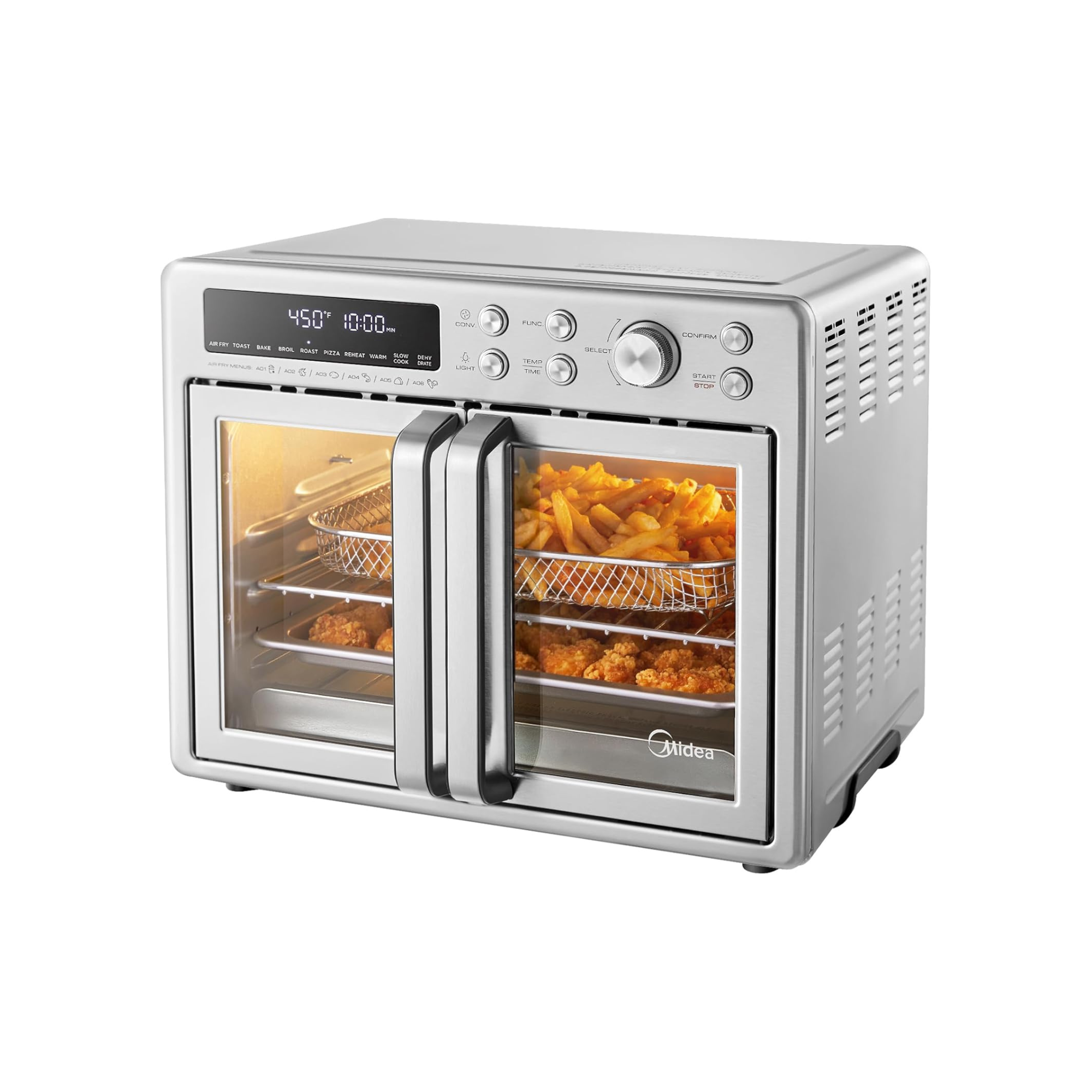
A ceramic non toxic air fryer is a countertop convection oven with a ceramic-coated cooking basket, tray, or interior surface. A fan moves hot air around the food. This creates a browned, crisp finish with much less oil than deep frying.
The term “ceramic” can be confusing. Most products do not use a basket made from solid ceramic. Instead, they use a metal basket with a thin ceramic-based coating. The coating often comes from a silica-based sol-gel process.
“Non toxic” is a marketing term, not a universal legal guarantee. It may mean that a product is made without PTFE, PFOA, or certain PFAS. It does not prove that every part is free from all chemicals or that the product has passed independent testing.
A well-made ceramic non toxic air fryer should have:
• A clearly named ceramic or silica-based coating
• No intentionally added PTFE or PFOA
• Clear material details for the basket and tray
• Food-contact safety information
• A strong heat rating
• A reliable warranty
• Easy-to-read care instructions
• No peeling, flaking, or strong chemical odor during normal use
The best ceramic non toxic air fryer is not simply the one with the word “ceramic” on the box. It is the one with clear claims, good design, and honest documentation.
Why People Choose a Ceramic Non Toxic Air Fryer
Many buyers choose a ceramic non toxic air fryer because they want to limit contact with traditional fluoropolymer nonstick coatings. PTFE is a fluoropolymer used in many nonstick products. PFOA was once used in its manufacture but has been phased out in many markets.
Modern PTFE cookware is generally considered safe when used as directed and not overheated. Still, some shoppers prefer a ceramic non toxic air fryer because they want a different surface or want to avoid intentionally added PFAS.
A ceramic-coated basket may also feel more comfortable for people who cook often. It can release foods well when the surface is new. It may also require less oil than uncoated stainless steel.
Common reasons for choosing one include:
• A preference for PFAS-free or PTFE-free products
• Easier cleanup
• Less oil use
• A smooth cooking surface
• Crisp food with less deep-frying
• A modern alternative to conventional nonstick coatings
• Concern about scratches from metal utensils
Ceramic coatings are not magic shields. They can wear down, especially when exposed to sharp utensils, harsh scrubbing, high heat, or repeated dishwasher cycles. Think of the coating as a thin layer of paint on a strong metal base. The metal may remain useful, but the surface can lose its performance over time.
Ceramic Coating vs. PTFE Nonstick
The main difference is the type of surface used to reduce sticking. PTFE is a fluoropolymer. Ceramic coatings are usually mineral or silica-based coatings applied to metal.
A ceramic non toxic air fryer may appeal to shoppers who want to avoid intentionally added fluorinated chemicals. A PTFE air fryer may offer strong nonstick performance for longer, but it must still be used within the maker’s temperature limits.
Neither surface is completely maintenance-free. Both can lose performance through rough treatment. A ceramic basket may show reduced release sooner than a high-quality PTFE basket, while PTFE can be damaged by high heat, scratches, or improper cleaning.
Here is a simple comparison:
| Feature | Ceramic-coated air fryer | PTFE-coated air fryer |
|---|---|---|
| Surface type | Usually silica or mineral-based coating | Fluoropolymer coating |
| PFAS concern | Often marketed without intentionally added PFAS | Some fluoropolymers are PFAS-based |
| Initial release | Usually very good | Usually excellent |
| Long-term release | May decline with heavy use | Often remains strong when cared for |
| Scratch resistance | Varies by brand and thickness | Varies by brand and thickness |
| Care needs | Gentle washing is best | Gentle washing is also best |
| Main buying concern | Verify the exact coating | Verify temperature limits and coating condition |
Do not assume “ceramic” means the entire appliance contains no synthetic materials. The cord, gasket, handle, seal, paint, and internal parts may use different materials.
Is a Ceramic Non Toxic Air Fryer Really Non Toxic?
No appliance can be judged by its label alone. A ceramic non toxic air fryer may be a sensible choice, but “non toxic” needs a clear definition.
Look for statements such as:
• “Made without intentionally added PFAS”
• “PTFE-free”
• “PFOA-free”
• “Food-contact surfaces tested to applicable standards”
• “Lead and cadmium tested”
• “Compliant with applicable food-contact regulations”
Be careful with vague phrases such as “healthy coating,” “natural nonstick,” or “chemical-free.” Almost every manufactured appliance contains multiple materials. Even water is a chemical, so “chemical-free” is not a useful safety description.
A credible company should explain which parts contain the coating and what testing supports its claims. Independent laboratory testing is more useful than a large green label on the package.
The U.S. Food and Drug Administration regulates substances that contact food, while state rules may add requirements for chemical disclosures. California Proposition 65 warnings, for example, can appear on products even when exposure depends on normal use and dose. A warning does not automatically mean that a product is unsafe, but it is a reason to read the manufacturer’s details.
The safest approach is to judge the full product:
- Identify the basket coating.
- Check whether PTFE and PFAS are excluded.
- Look for lead and cadmium testing.
- Review the maximum temperature.
- Read the care instructions.
- Stop using the basket if it peels, blisters, or flakes.

Benefits of a Ceramic Non Toxic Air Fryer
A ceramic non toxic air fryer offers several practical benefits. These benefits depend on the coating quality and how you use the appliance.
Less oil for crisp food
Air frying uses rapid hot air rather than a deep bath of oil. A light spray or small amount of oil can help food brown. This may reduce total fat compared with deep-fried food, although the final nutrition still depends on the ingredients.
Frozen fries, chicken wings, vegetables, tofu, and breaded foods often work well. Fresh foods may need a small amount of oil to prevent dryness.
Easier cleanup
A smooth ceramic basket can make stuck-on food easier to remove. A short soak with warm water and mild dish soap is usually safer than aggressive scrubbing.
Do not use steel wool or abrasive powders. They can create tiny scratches that make future sticking worse.
Useful cooking speed
A small air fryer heats faster than a full oven. It can be useful for one or two servings, quick lunches, and reheating leftovers.
Pizza, roasted vegetables, and fried chicken often reheat better in an air fryer than in a microwave. The circulating heat can restore some crispness without adding much oil.
A different coating choice
For people who want to avoid PTFE, a ceramic non toxic air fryer may provide peace of mind. That choice is reasonable when the manufacturer clearly identifies the coating and supports its claims.
Compact cooking
Most air fryers take less space than a full oven. However, the basket size matters. A small model may cook only one serving at a time, which can reduce its value for families.
Limitations and Potential Drawbacks
A ceramic non toxic air fryer is not perfect. Understanding its limits can prevent disappointment.
Ceramic coatings can wear
Ceramic coatings often perform best when new. Over time, high heat, oil residue, dishwashers, and rough tools can reduce their nonstick quality.
A coating that becomes less slippery is not automatically dangerous. However, peeling or flaking is a clear reason to replace the basket or contact the manufacturer.
“Ceramic” may describe only one part
Some models have a ceramic-coated basket but a metal cooking chamber. Others may use a ceramic-coated tray with a plastic exterior.
If you want to limit certain materials, inspect the product specifications rather than assuming the whole appliance is ceramic.
Capacity can be misleading
Manufacturers may advertise the total basket volume. Usable cooking space can be smaller because food needs room for air to move.
Overfilling causes uneven cooking. It can also make food steam instead of crisp.
Coatings can be fragile
Ceramic does not mean scratch-proof. Avoid knives, forks, metal tongs, and stacking heavy parts inside the basket.
Silicone or wooden tools are safer choices.
Higher cost is not proof of safety
A premium price may reflect better controls, stronger construction, or a longer warranty. It does not automatically prove that the coating is safer.
Always compare documentation, not just price.
How to Choose the Best Ceramic Non Toxic Air Fryer
Use this checklist before buying a ceramic non toxic air fryer.
1. Check the exact coating claim
Look for clear terms such as “ceramic-coated aluminum” or “ceramic-coated steel.” A product that only says “ceramic style” provides less useful information.
Ask whether the coating contains:
• PTFE
• PFOA
• PFAS
• Lead
• Cadmium
The company should answer directly.
2. Review food-contact testing
Look for evidence of compliance with food-contact standards. A reputable company should be willing to explain its testing process.
Independent testing is helpful, especially for lead, cadmium, and other restricted substances.
3. Consider the basket size
Choose a basket based on your normal meals.
• Two-quart models suit one person or small snacks.
• Four-quart models suit one or two people.
• Five- to seven-quart models suit families and larger portions.
• Dual-basket models suit households cooking two foods at once.
Remember that a larger basket may need more counter space.
4. Examine the controls
Digital controls are convenient, but simple dials can last for years. Useful features include:
• Accurate temperature control
• A clear timer
• Automatic shutoff
• Overheat protection
• A cool-touch handle
• A removable basket
• Replacement parts
5. Read the warranty
A good warranty shows that the company expects the appliance to last. Check whether it covers the basket coating or only the heating unit.
6. Look at care instructions
If the maker says the basket is dishwasher-safe, that means it can survive a tested dishwasher cycle. It does not mean frequent dishwasher use will preserve the coating forever.
Hand washing is often the gentlest option.

How to Use a Ceramic Non Toxic Air Fryer Safely
Safe use starts with simple habits. Read the manual before cooking, even if you have used another air fryer before.
- Place the appliance on a stable, heat-resistant surface.
- Keep space around the air vents.
- Do not cover the top or sides.
- Use the recommended temperature range.
- Avoid aerosol cooking sprays unless the manual allows them.
- Do not fill the basket above its safe line.
- Use silicone, wood, or soft nylon utensils.
- Let the basket cool before washing.
- Inspect the coating each time you clean it.
- Replace damaged parts promptly.
Most air fryer problems come from overfilling, poor cleaning, or using too much heat. In hands-on kitchen testing, the most common mistake is treating the basket like a deep fryer basket. Users shake it with metal tools, stack heavy food inside, and then scrub it with a rough pad. That shortens the life of almost any coating.
Use a light coating of high-smoke-point oil when needed. Avocado, canola, and refined olive oil are common choices. Avoid pouring oil into the bottom of the appliance unless the manual specifically permits it.
Never operate an air fryer with a damaged cord, loose plug, exposed wire, or severe coating damage. Keep the appliance away from water while it is plugged in.
Cleaning and Maintaining the Basket
Good care can make a ceramic non toxic air fryer last longer.
After cooking, allow the basket to cool. Remove loose crumbs, then soak the basket in warm water with mild dish soap. Use a soft sponge or cloth rather than a rough scrubber.
For stuck food, make a paste with baking soda and water. Apply it gently and let it sit for a short time. Do not use knives to lift burnt pieces.
Avoid these common mistakes:
• Using steel wool
• Applying oven cleaner
• Scraping with metal tools
• Leaving wet food residue overnight
• Stacking the basket under heavy cookware
• Heating an empty basket for long periods
• Using more heat than the manual allows
Inspect for bubbling, cracking, deep scratches, or peeling. A few surface marks may affect appearance only, but flaking changes the safety and performance picture.
If replacement parts are available, replacing the basket may cost less than replacing the whole appliance. Use only parts made for that model.

Foods That Cook Well in a Ceramic Non Toxic Air Fryer
A ceramic non toxic air fryer can handle many everyday foods.
Good choices include:
• Chicken wings
• Salmon fillets
• Brussels sprouts
• Broccoli
• Sweet potato wedges
• Tofu
• Frozen French fries
• Fish sticks
• Reheated pizza
• Small baked goods
Dry the food before cooking. Moisture blocks browning. Arrange food in one layer when possible, and shake the basket halfway through cooking.
Do not rely only on appearance. Use a food thermometer for meat and poultry. The USDA recommends cooking poultry to 165°F, ground meats to 160°F, and whole cuts of beef, pork, lamb, and veal to 145°F with a rest time.
Cooking time depends on food size, starting temperature, basket design, and the amount in the basket. Treat recipe times as a starting point, not a guarantee.
Common Buying Mistakes to Avoid
Many disappointing purchases come from unclear expectations.
Mistake 1: Trusting the word “ceramic”
A ceramic label does not tell you whether the coating is thick, durable, or free from specific chemicals. Read the material statement.
Mistake 2: Assuming PFOA-free means PFAS-free
PFOA is one chemical in a larger group. A product can be PFOA-free without being free from all PFAS or PTFE.
If avoiding these materials matters to you, look for a direct statement about PFAS and PTFE.
Mistake 3: Choosing capacity by the box
A large advertised capacity may not equal a large usable cooking area. Check the basket dimensions and read user feedback about portion size.
Mistake 4: Ignoring replacement parts
A basket coating will not last forever. Choose a brand that sells replacement baskets, trays, and racks.
Mistake 5: Believing ceramic means indestructible
Ceramic coatings need gentle care. Do not use metal tools just because the basket feels sturdy.
Mistake 6: Buying the cheapest model without documentation
Low price is not always bad. However, missing safety information, unclear material claims, and poor customer support are warning signs.
Ceramic Non Toxic Air Fryer vs. Stainless Steel Air Fryer
A stainless steel air fryer may be a better option for shoppers who want to avoid coated cooking surfaces altogether. Stainless steel does not provide the same natural release as a nonstick basket, so food may stick more easily.
A stainless steel basket can also be more tolerant of metal tools and heavy cleaning. Yet stainless steel may discolor, develop baked-on residue, and require more oil.
A ceramic non toxic air fryer usually offers easier release and cleanup. Stainless steel usually offers a simpler material story. The right choice depends on which matters more to you: nonstick convenience or a coating-free cooking surface.
Some consumers prefer a hybrid design. For example, an appliance may include a stainless steel rack and a ceramic-coated tray. Check which surface touches the food most often.
Personal Lessons for Better Results
The most useful lesson is to treat the basket as a care item, not a disposable part. Even a high-quality ceramic non toxic air fryer will perform better when the basket is washed gently and never overloaded.
Another lesson is to preheat only when needed. Preheating can improve browning, but long empty heating adds wear and uses energy. Follow the manual and adjust after testing a small batch.
Start with simple foods. Try vegetables, wings, or reheated pizza before cooking delicate fish or baking. Keep notes on temperature and time. Every air fryer has its own hot spots, and a few small adjustments can make a major difference.
Finally, trust physical evidence over marketing. If a company cannot explain what “non toxic” means, choose a product with clearer information. Peace of mind comes from transparent details, not colorful packaging.
Frequently Asked Questions About a Ceramic Non Toxic Air Fryer
Is a ceramic non toxic air fryer safer than a regular air fryer?
It may suit people who want to avoid PTFE or certain PFAS-based coatings. Safety depends on the exact materials, temperature limits, product quality, and proper use.
Does ceramic coating contain PFAS?
Some ceramic coatings are marketed as made without intentionally added PFAS, but claims vary by product. Check the manufacturer’s exact statement and look for independent testing when available.
Can I put a ceramic air fryer basket in the dishwasher?
Some baskets are labeled dishwasher-safe, but hand washing is often gentler and may help preserve the coating. Always follow the appliance manual.
When should I replace a ceramic-coated air fryer basket?
Replace the basket if the coating peels, flakes, blisters, or exposes a damaged surface. Contact the manufacturer first if the product is still under warranty.
Is ceramic better than stainless steel for an air fryer?
Ceramic usually offers easier food release and cleanup. Stainless steel avoids a nonstick coating but may need more oil and scrubbing.
Can I use metal utensils with a ceramic-coated basket?
It is best to avoid metal utensils because they can scratch the coating. Use silicone, wood, or soft nylon tools instead.
Does an air fryer make food healthy?
An air fryer can reduce the oil used for some foods, but it does not automatically make every meal healthy. Ingredients, portion size, cooking temperature, and overall diet still matter.
Conclusion
A ceramic non toxic air fryer can be a useful choice for quick meals, lower-oil cooking, and shoppers who prefer an alternative to traditional nonstick surfaces. The key is to look beyond the label. Verify the coating, check for clear PTFE and PFAS statements, review food-contact testing, and choose a size that fits your kitchen and daily needs.
Use gentle tools, avoid overfilling, follow temperature limits, and replace damaged parts. With careful buying and regular maintenance, a ceramic non toxic air fryer can become a reliable part of your cooking routine. Compare product materials and testing details before you buy, then share your experience or explore trusted appliance guides for more practical kitchen advice.