What Can An Air Fryer Cook: Foods To Try
An air fryer can cook far more than French fries. In a U.S. kitchen, you can use it to roast vegetables, crisp frozen foods, cook chicken and fish, reheat leftovers, toast bread, and bake small desserts. It works best with food that benefits from dry heat and a browned, crisp outside.
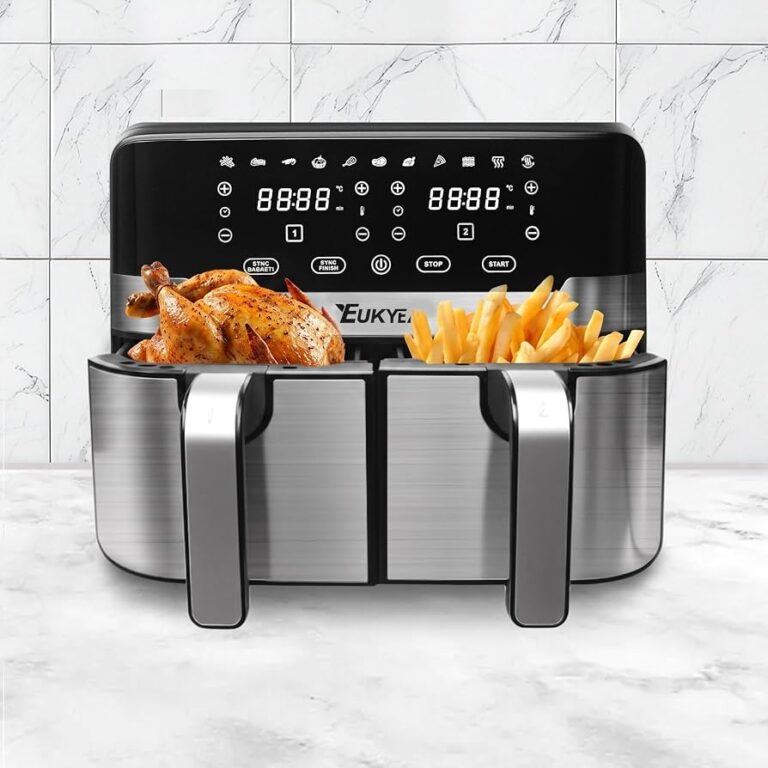
An air fryer is a small convection oven. A fan moves hot air around the food while a heating element raises the temperature. This can brown food faster than a full-size oven, but results depend on the model, food size, basket space, and starting temperature.
What Foods Can You Cook in an Air Fryer?
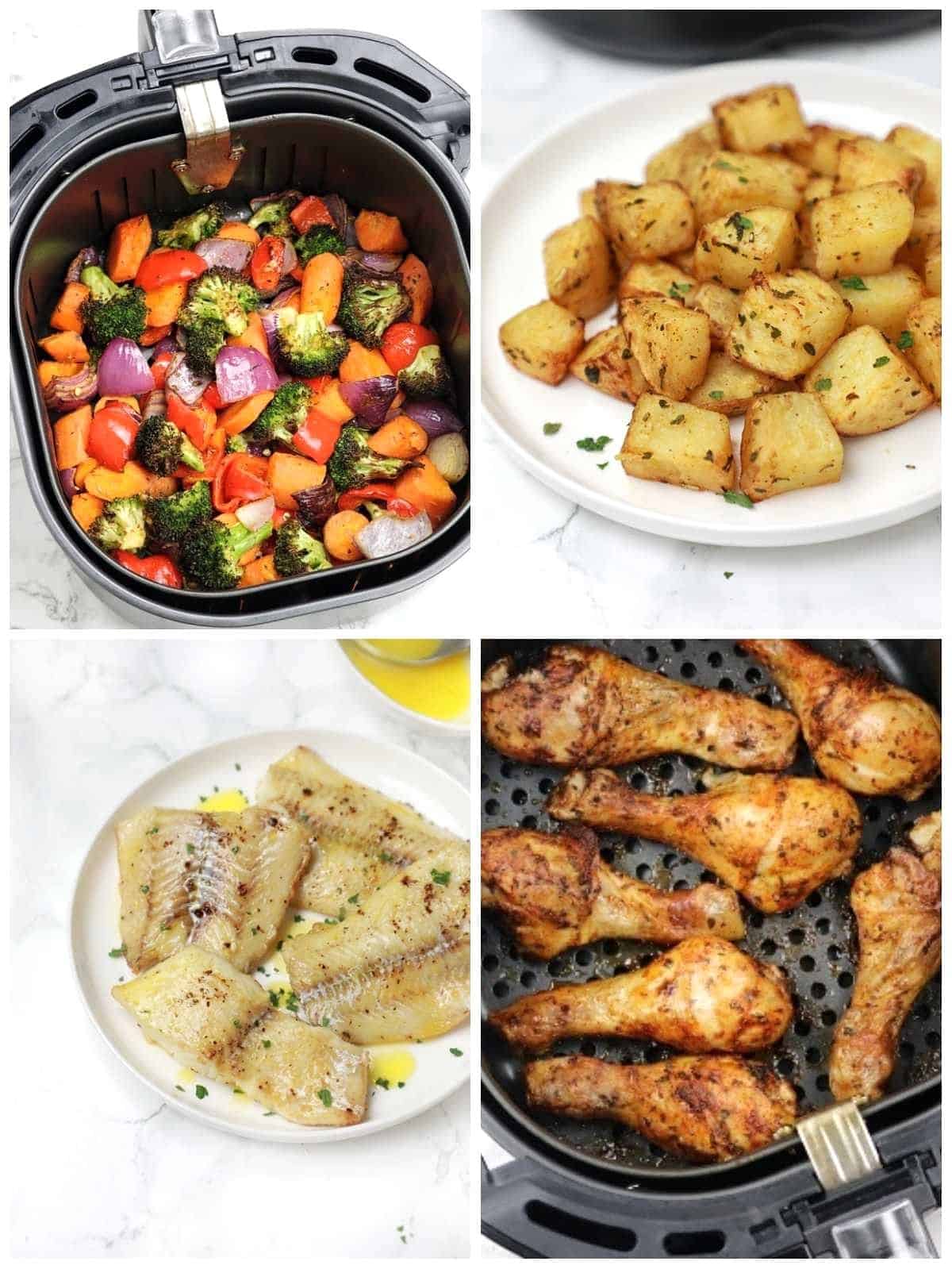
You can cook fresh, frozen, raw, and pre-cooked foods in an air fryer. The best choices are foods that can cook with dry heat and do not need a deep pot of liquid.
Meat, poultry, and seafood
An air fryer can cook many proteins with good browning and little added oil.
| Food | Typical temperature | Approximate time* |
|---|---|---|
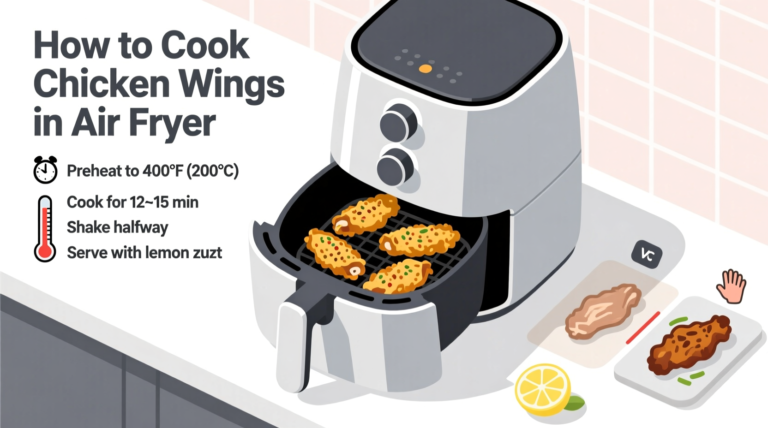
| Chicken wings | 375–400°F | 20–30 minutes |
| Chicken breast | 375°F | 16–25 minutes |
| Chicken thighs | 375–400°F | 20–30 minutes |
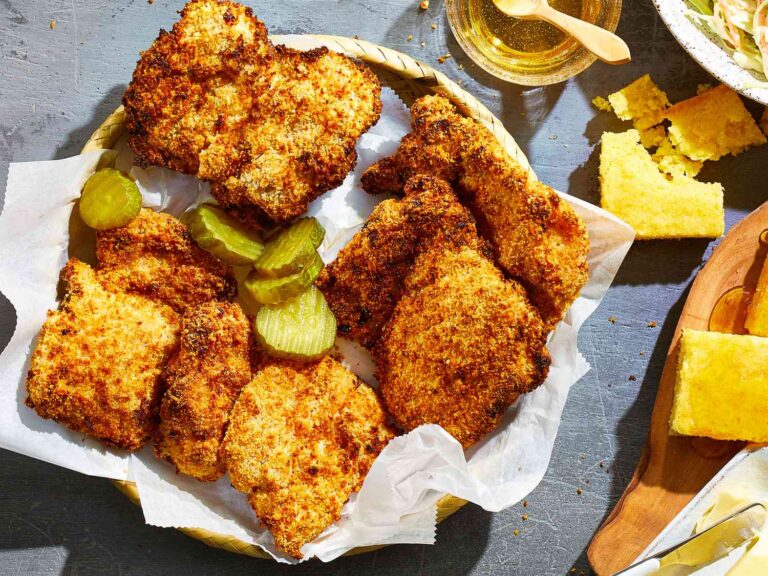
| Chicken tenders | 375–400°F | 12–18 minutes |
| Meatballs | 375°F | 10–16 minutes |
| Burgers | 375–400°F | 10–16 minutes |
| Pork chops | 375°F | 12–20 minutes |
| Salmon fillets | 375–400°F | 8–14 minutes |
| Shrimp | 375–400°F | 6–10 minutes |
| Steak, depending on thickness | 400°F | 8–16 minutes |
*These are starting ranges, not guarantees. Food thickness, quantity, bone size, and the air fryer model can change the cooking time.
Use a food thermometer instead of relying only on color or time. The USDA recommends these minimum internal temperatures:
- Poultry: 165°F
- Ground meat: 160°F
- Whole cuts of beef, pork, lamb, and veal: 145°F, followed by a three-minute rest
- Fish: 145°F
Do not fill the basket so tightly that hot air cannot reach the food. Cook in batches when needed.
Vegetables
Air fryers are useful for vegetables with firm surfaces and moderate moisture. Try:
- Broccoli and cauliflower
- Brussels sprouts
- Asparagus
- Green beans
- Zucchini
- Bell peppers
- Carrots
- Sweet potatoes
- Cubed white potatoes
- Corn on the cob
- Mushrooms
- Sliced onions
Toss vegetables with a small amount of oil and seasonings. Cut pieces to a similar size so they finish at about the same time. Shake the basket or turn larger pieces halfway through cooking.
Leafy greens can burn quickly. Kale chips may work, but use a lower temperature and watch them closely. Very wet vegetables may soften rather than turn crisp.
Frozen foods
Frozen foods are among the easiest things to cook in an air fryer because many are designed to brown in dry heat. Common choices include:
- French fries
- Tater tots
- Hash browns
- Onion rings
- Mozzarella sticks
- Chicken nuggets
- Fish sticks
- Frozen vegetables
- Egg rolls
- Taquitos
- Pizza rolls
- Breaded shrimp
- Frozen burgers
You often do not need to thaw these foods first. Follow the package directions as a starting point, then check the food early because air fryers may cook faster than a conventional oven.
Arrange frozen food in one layer when possible. Shake small foods once or twice during cooking for more even browning.
Bread and baked foods
An air fryer can bake small portions of food, especially when the batter or dough is placed in a suitable pan or baking dish. You can make:
- Biscuits
- Dinner rolls
- Garlic bread
- Toast
- English muffins
- Bagels
- Cookies
- Brownies
- Muffins
- Small cakes
- Hand pies
- Cinnamon rolls
Use an oven-safe pan that fits inside the basket. Leave room around the pan so air can move. Cakes and brownies may need a lower temperature than the recipe lists for a full-size oven.
Avoid filling the basket with loose raw batter. Batter can drip through the holes, burn on the heating element, or create a difficult cleanup problem.
Breakfast foods
An air fryer can prepare many quick breakfast items:
- Bacon
- Sausage links and patties
- Breakfast potatoes
- Hash browns
- Frittatas in a small pan
- Toast
- Bagels
- English muffins
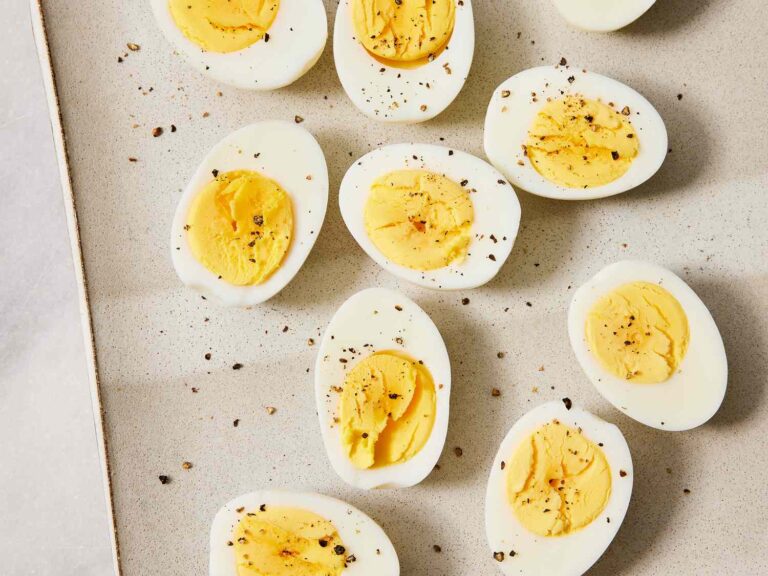
- Hard- or soft-cooked eggs, depending on the model and method
Eggs can crack or cook unevenly, so test the method with one egg first. Use a pan for liquid egg mixtures. Never put loose liquid where it can drip into the heating element.
Leftovers and reheated food
Air fryers often reheat food better than a microwave when you want a crisp surface. Good examples include:
- Pizza
- Fried chicken
- French fries
- Roasted vegetables
- Garlic bread
- Burgers
- Sandwiches
- Baked pasta portions
- Egg rolls
Use a lower temperature for dense foods so the outside does not burn before the center is hot. Cover food with foil only when the manufacturer permits it and when the foil is secured by the food. Loose foil can move into the heating element.

How Does an Air Fryer Cook Food?
An air fryer uses a heating element and a high-speed fan to circulate hot air around food. This process is called convection cooking.
The moving air removes moisture from the food’s surface. Heat then helps create browning and crisping. A light coating of oil can improve browning, but an air fryer does not make food crisp simply because it uses no deep oil.
A basket-style air fryer usually cooks quickly because the food sits close to the heat source and has air space below it. An air fryer oven may hold more food, but a crowded rack can reduce airflow.
Air frying versus deep frying
Air frying and deep frying are different methods:
- Air frying: uses circulating hot air and little or no added oil.
- Deep frying: cooks food while it is surrounded by hot oil.
- Oven baking: uses dry heat but may have slower or less concentrated airflow.
- Convection baking: is similar to air frying but often uses a larger cooking chamber.
Air frying can reduce the amount of oil added during cooking. It does not automatically make heavily breaded or highly processed food nutritious. The food itself still determines much of its calorie, sodium, and saturated fat content.
What Can You Cook From Frozen?
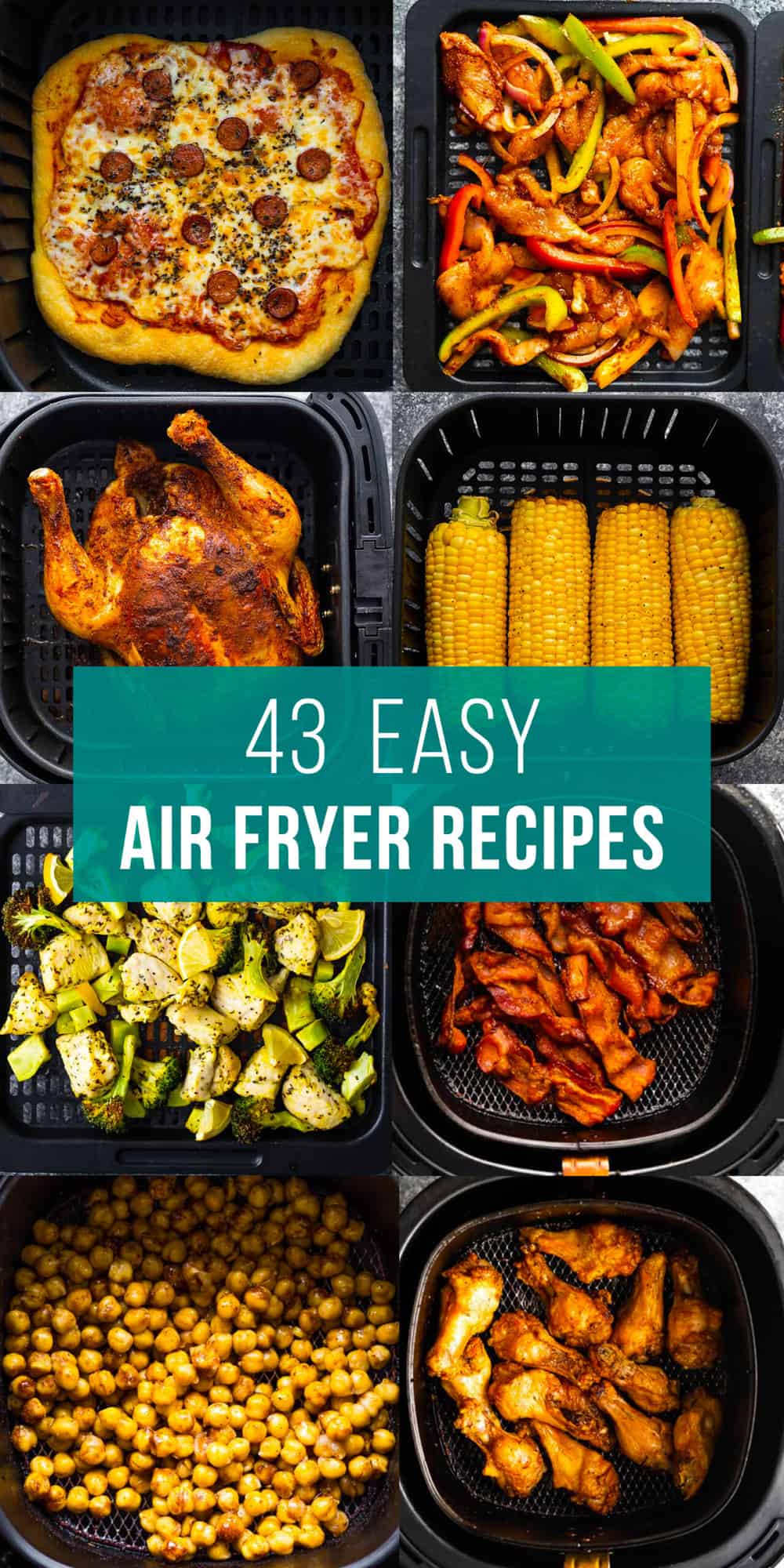
You can cook many frozen foods directly in an air fryer without thawing them. Frozen fries, vegetables, nuggets, fish sticks, and breaded snacks are common examples.
Start with the package temperature and reduce the cooking time slightly if the food is in a small air fryer. Check the food several minutes before the package time ends. Shake the basket when the food is small and loose.
Do not assume frozen raw meat is safe just because the outside looks browned. Thick frozen chicken, meat, or fish may cook unevenly. Check the thickest part with a food thermometer.
Frozen foods with a high water content may release steam before they brown. Spread them out and cook in batches if the surface stays soft.
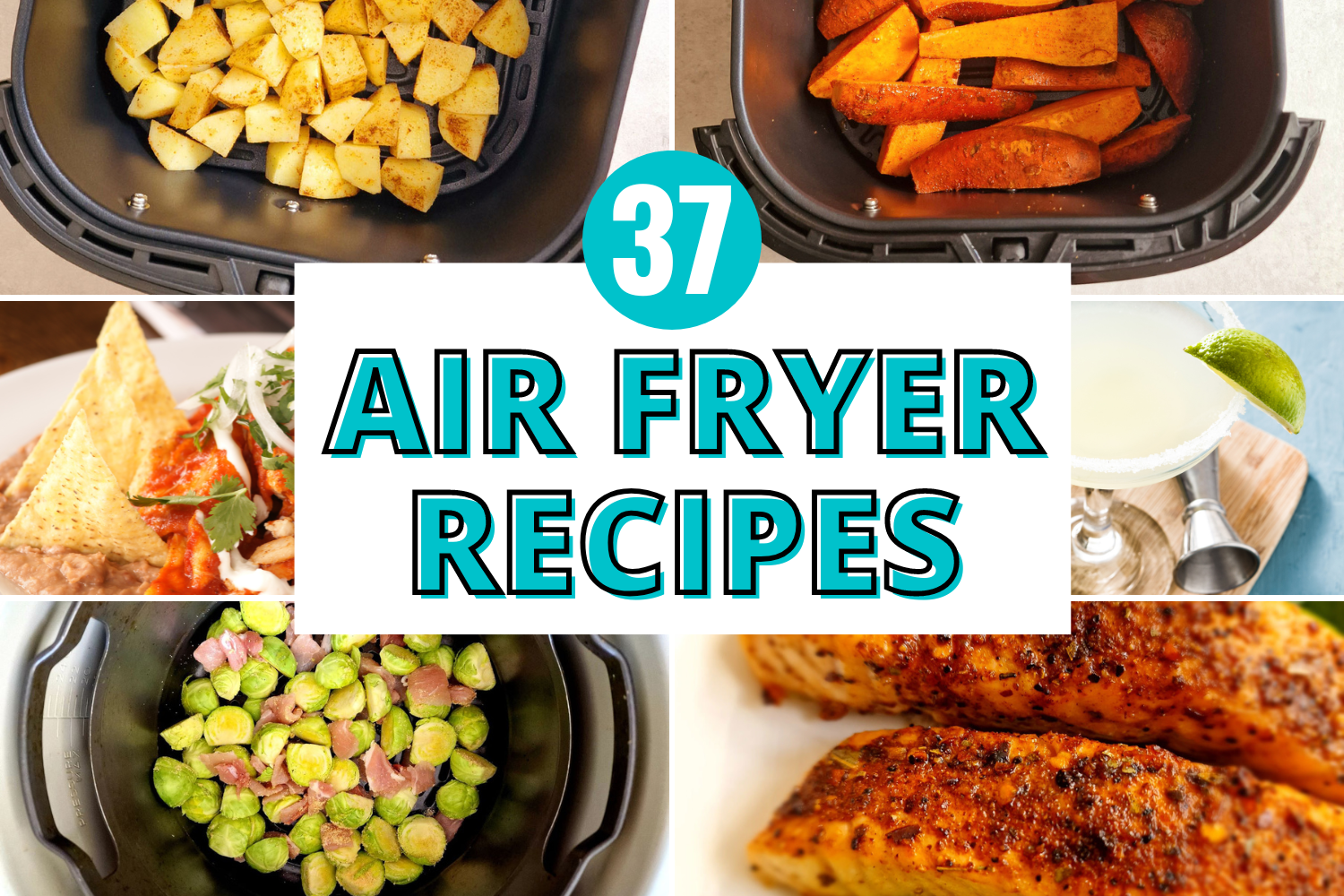
How to Cook Food in an Air Fryer
Use this basic method for most air fryer recipes.
- Read the manual. Check the maximum temperature, preheating guidance, basket limits, and approved accessories.
- Prepare the food. Pat wet foods dry. Cut large pieces into even sizes.
- Add a small amount of oil if needed. A light coating can help vegetables and lean proteins brown.
- Preheat only when useful or required. Some models recommend preheating; others do not need it.
- Place food in a loose layer. Leave space for air to move around each piece.
- Set the temperature and time. Use the recipe or package directions as a starting point.
- Shake or turn the food. Do this halfway through when the food needs even browning.
- Check for doneness. Use a thermometer for meat, poultry, and seafood.
- Rest and serve. Dense foods may continue cooking briefly after removal.
- Clean the basket after it cools. Remove grease and food residue before the next use.
How much oil should you use?
Most foods need only a thin coating. You can toss vegetables in oil or use a light spray made for cooking. Oil helps transfer heat and encourages browning.
Do not pour oil into the bottom of the air fryer unless the manual specifically allows it. Excess oil can smoke, and the basket may not be designed for a pool of oil.
Avoid aerosol sprays that can damage some nonstick coatings. Check the appliance instructions and use a refillable oil sprayer when appropriate.
How full should the basket be?
A loose single layer gives the most even results. A small amount of overlap may work for foods that you shake often, but a packed basket can trap steam and leave food soft.
The practical rule is simple: if you cannot shake the food or turn it easily, the basket is probably too full.

Air Fryer Cooking Times and Temperature Guide
The chart below gives starting points for common foods. Exact results vary by air fryer type, food size, and batch size.
| Food | Temperature | Starting time | Best check |
|---|---|---|---|
| Fresh-cut fries | 375–400°F | 20–30 minutes | Tender center and browned edges |
| Frozen fries | 400°F | 12–20 minutes | Shake and check often |
| Broccoli florets | 375–400°F | 8–14 minutes | Tender stems and browned tips |
| Brussels sprouts | 375–400°F | 15–22 minutes | Tender center |
| Chicken wings | 375–400°F | 20–30 minutes | 165°F inside |
| Chicken breast | 375°F | 16–25 minutes | 165°F inside |
| Salmon | 375–400°F | 8–14 minutes | 145°F inside |
| Shrimp | 375–400°F | 6–10 minutes | Opaque and firm |
| Bacon | 350–400°F | 7–12 minutes | Desired crispness |
| Reheated pizza | 350–375°F | 3–8 minutes | Hot center and crisp crust |
| Toasted bread | 350–400°F | 2–5 minutes | Desired color |
Use shorter times for small portions and longer times for thick or crowded portions. Turn food when the top browns faster than the bottom.
Do not use time alone to judge raw animal foods. The USDA advises checking internal temperature with a food thermometer placed in the thickest part.

What Should You Not Cook in an Air Fryer?
An air fryer is not a replacement for every kitchen appliance. Some foods are unsafe, messy, or unlikely to cook well in the basket.
Avoid these foods or methods
- Loose wet batter: It can drip through the basket before it sets.
- Soup, stew, or other liquid foods: Most air fryers are not designed to hold free liquid.
- Dry rice or dry pasta: These need a large amount of water and a controlled boil.
- Large roasts: They may not fit or may cook unevenly.
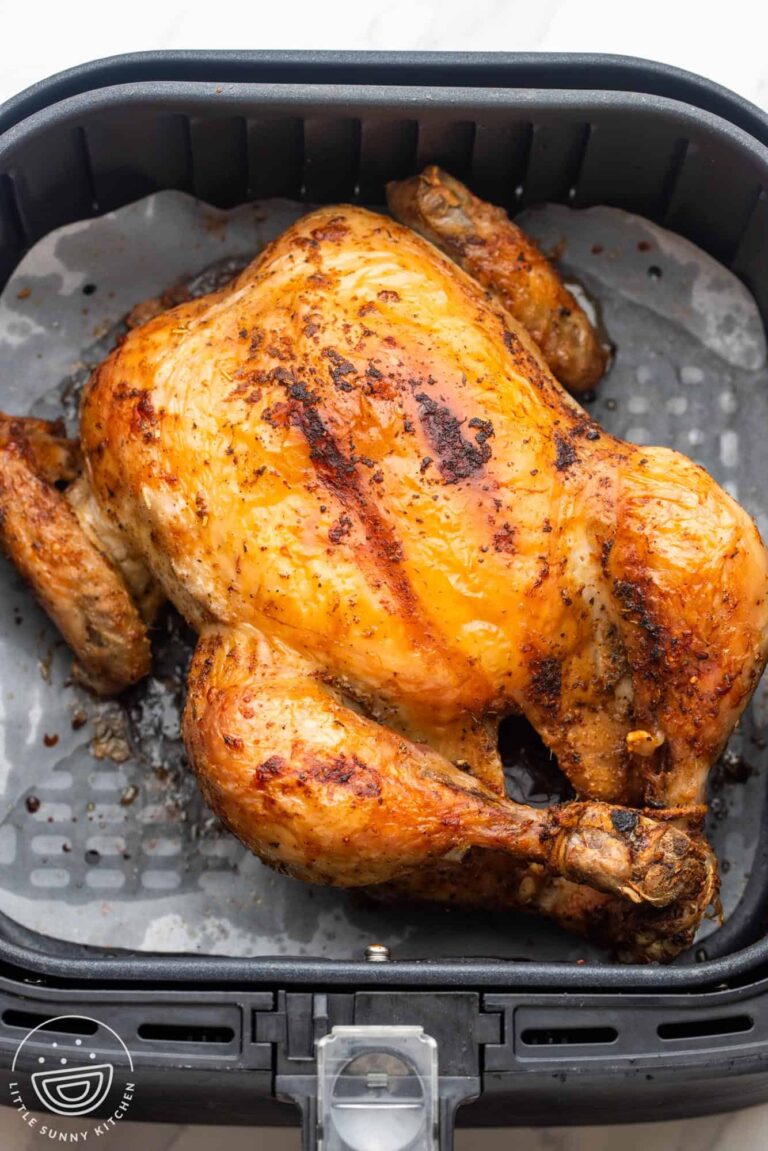
- Whole large chickens: Only use a model and size that can safely hold the bird with proper airflow.
- Cheese by itself: It can melt into the basket and heating element.
- Lightweight foods: Parchment, bread, or tortillas can move into the heating element if not held down.
- Overly oily foods: Excess fat can smoke or collect below the basket.
- Very delicate foods: Some flaky foods may break apart under strong airflow.
You can use parchment paper or foil in many air fryers, but follow the manual. Use only enough to support the food, keep it away from the heating element, and never preheat with loose paper inside.

Air Fryer Safety Tips
Air fryers are countertop appliances that become very hot. Safe use requires more than choosing the right recipe.
- Place the appliance on a stable, heat-resistant surface.
- Keep the air vents clear.
- Leave space around the appliance as directed by the manufacturer.
- Do not touch the basket or heating area without protection.
- Keep children away from the hot appliance.
- Use a thermometer for meat, poultry, and seafood.
- Do not overcrowd the basket.
- Clean grease and crumbs before they build up.
- Unplug the unit when it is not in use if the manual recommends it.
- Stop using the air fryer if the cord, plug, basket, or housing is damaged.
- If grease catches fire, turn off and unplug the appliance if it is safe to do so. Do not throw water on a grease fire.
Check the manual for model-specific limits. Some air fryers have removable parts that are dishwasher safe, while others require hand washing. Do not immerse the main electrical unit in water.
How do you know food is done?
Use several signs together:
- The food reaches the safe internal temperature.
- The center is no longer raw or cold.
- The surface has the expected color and texture.
- The juices run clear when that test is appropriate.
- The food feels tender when pierced.
Color alone can mislead you. Breaded food may brown before the meat inside reaches a safe temperature.

Common Air Fryer Problems and Fixes
Food is not crisp
Likely causes:
- The basket is too full.
- The food is wet.
- Too much oil was used.
- The temperature is too low.
- The food was not turned or shaken.
Try this: Pat the food dry, use less oil, spread it into a single layer, and cook in smaller batches.
Food burns on top
Likely causes:
- The temperature is too high.
- Pieces are too close to the heating element.
- The food is too small or thin.
- Sugar or sauce is browning too quickly.
Try this: Lower the temperature by 25°F, turn the food sooner, or add sauce near the end.
Food cooks unevenly
Likely causes:
- Pieces have different sizes.
- The basket is crowded.
- The food was not shaken.
- The air fryer heats more strongly on one side.
Try this: Cut food evenly, turn it halfway through, and cook in batches.
The air fryer smokes
Likely causes:
- Grease has collected below the basket.
- Fatty food is releasing oil.
- Food residue is burning.
- The temperature is too high.
Try this: Turn off the appliance, let it cool, and clean it according to the manual. For fatty foods, use a lower temperature and remove excess grease between batches.

Best Foods for Air Frying: A Quick Decision Guide
Choose an air fryer when you want:
- A crisp surface with little added oil
- Fast cooking for a small or medium portion
- Easy reheating without a soggy texture
- Roasted vegetables with browned edges
- Frozen foods cooked without a full-size oven
- Small batches of meat, fish, or baked goods
Choose another method when you need:
- A large pot of boiling water
- A large amount of soup or stew
- Very large cuts of meat
- A full-size baking batch
- Deep frying with oil surrounding the food
- Slow, gentle cooking
An air fryer is most useful when the food has enough surface area for hot air to reach it. Think of it as a compact convection oven with a strong focus on airflow and browning.

Frequently Asked Questions
Can you put raw meat in an air fryer?
Yes. You can cook raw chicken, beef, pork, lamb, fish, and seafood in an air fryer. Use a food thermometer to confirm the correct internal temperature, and prevent contact between raw meat juices and ready-to-eat foods.
Can you cook eggs in an air fryer?
Yes, but the method depends on the dish. You can cook eggs in the shell, make an egg dish in an oven-safe pan, or prepare breakfast foods such as bacon and sausage. Test one egg first because air fryer temperatures vary.
Can you put aluminum foil in an air fryer?
Often, yes, if the manufacturer allows it. Keep foil away from the heating element, do not block all airflow, and weigh it down with food. Never use loose foil during preheating.
Can you cook frozen food without thawing it?
Many frozen foods can go directly into the air fryer. Check the package directions, cook in a loose layer, and verify the center is hot. Thick frozen raw foods may need more time than the outside suggests.
Is air-fried food healthier than fried food?
Air frying can lower the amount of oil added compared with deep frying. However, it does not make every food healthy. Nutrition still depends on the ingredients, portion size, breading, sodium, and cooking method.
Key Takeaways
- An air fryer can cook vegetables, meat, fish, frozen foods, leftovers, breakfast foods, bread, and small baked items.
- It works best with dry foods that benefit from browning and crisping.
- Use a loose layer and avoid overcrowding.
- Check meat, poultry, and seafood with a food thermometer.
- Do not use an air fryer for soup, dry pasta, dry rice, or loose wet batter.
- Follow the appliance manual for foil, parchment, pans, cleaning, and maximum fill levels.
Conclusion
An air fryer can handle much more than frozen fries. It is especially useful for crisp vegetables, chicken, fish, frozen snacks, reheated leftovers, and small baked foods. Start with a small batch, use the manufacturer’s instructions, and adjust time based on texture and internal temperature.
For your next meal, choose a food that benefits from dry heat, keep the basket loosely filled, and check it before the suggested time ends.