What To Make In An Air Fryer Healthy: Easy Ideas
An air fryer can help you make healthy meals with less added oil than deep frying. In the United States, it works well for quick meals built around vegetables, beans, seafood, lean meat, poultry, and whole grains. The best results come from choosing nutrient-rich foods, using a light amount of oil, and checking food with a thermometer when needed.
An air fryer is a small countertop convection oven. It moves hot air around food to create a crisp surface. It does not make every food healthy by itself. A breaded snack, bacon, or a large serving of fries can still be high in sodium, saturated fat, or calories.
This guide explains what to make in an air fryer healthy, how to cook it, and how to avoid common mistakes.

What Makes Air-Fried Food Healthy?
Healthy air-fried food usually has four traits: it contains whole or lightly processed ingredients, uses little added oil, includes vegetables or another high-fiber food, and fits a balanced meal.
The air fryer can reduce the need for deep-frying oil. That may lower the amount of fat in some foods. However, the final nutrition depends on the food, coating, oil, portion size, and cooking method.
Good choices include:
- Fresh or frozen vegetables
- Salmon, cod, shrimp, and other seafood
- Chicken breast or boneless chicken thighs
- Turkey meatballs
- Tofu and tempeh
- Chickpeas and other beans
- Potatoes and sweet potatoes
- Apples, peaches, and pears
- Small portions of whole-grain breaded foods
A healthy plate still needs balance. Try to pair an air-fried protein with vegetables and a high-fiber carbohydrate. For example, serve air-fried salmon with broccoli and brown rice.
The Dietary Guidelines for Americans emphasize vegetables, fruits, whole grains, seafood, beans, nuts, seeds, and low-fat dairy. These foods can form the base of air-fryer meals.

The Best Healthy Foods to Make in an Air Fryer
The best air fryer foods are those that cook well with dry heat and need little oil. Small pieces often brown faster than thick pieces, so cut food into similar sizes.
| Food | Healthy preparation | Approximate cooking approach |
|---|---|---|
| Broccoli | Toss with a little olive oil, garlic, and pepper | Cook until the edges brown and stems soften |
| Brussels sprouts | Halve and season with lemon, pepper, and a small amount of oil | Cook cut-side down first |
| Salmon | Add lemon, dill, and black pepper | Cook until the center flakes and reaches a safe temperature |
| Chicken breast | Use paprika, garlic, and herbs instead of a salty coating | Cook until the thickest part reaches 165°F |
| Tofu | Press, cube, and season with low-sodium soy sauce or spices | Cook until the edges turn crisp |
| Chickpeas | Dry well and season with cumin or paprika | Cook until crisp, shaking the basket often |
| Sweet potato | Cut into wedges and use a light oil coating | Cook until tender inside |
| Green beans | Add garlic, pepper, and lemon zest | Cook until tender with browned spots |
| Apples | Add cinnamon and a small amount of maple syrup, if desired | Cook until soft and lightly browned |
These times vary by air fryer model, basket size, food thickness, and starting temperature. Use visual signs as a guide, but use a food thermometer for meat, poultry, and seafood.
Healthy vegetables
Vegetables are among the easiest healthy foods to make in an air fryer. High heat can bring out a roasted flavor without a large amount of oil.
Try:
- Broccoli florets
- Cauliflower
- Brussels sprouts
- Zucchini
- Bell peppers
- Asparagus
- Green beans
- Carrots
- Mushrooms
- Butternut squash
Dry vegetables well before cooking. Water on the surface can slow browning. A teaspoon or two of oil may help spices stick and improve texture.
Healthy proteins
Air frying works well for fish, chicken, tofu, and turkey. Choose simple seasonings instead of relying on a thick, salty coating.
Good combinations include:
- Salmon with lemon and dill
- Cod with paprika and parsley
- Chicken breast with garlic and oregano
- Turkey meatballs with onion and Italian herbs
- Tofu with ginger and a small amount of low-sodium soy sauce
- Shrimp with chili, lime, and garlic
The USDA recommends checking internal temperature with a food thermometer. Color alone cannot confirm that meat is safe.

15 Healthy Air Fryer Ideas for Breakfast, Lunch, and Dinner
A healthy air fryer meal does not need to be complex. Use one protein, one vegetable, and one high-fiber side.
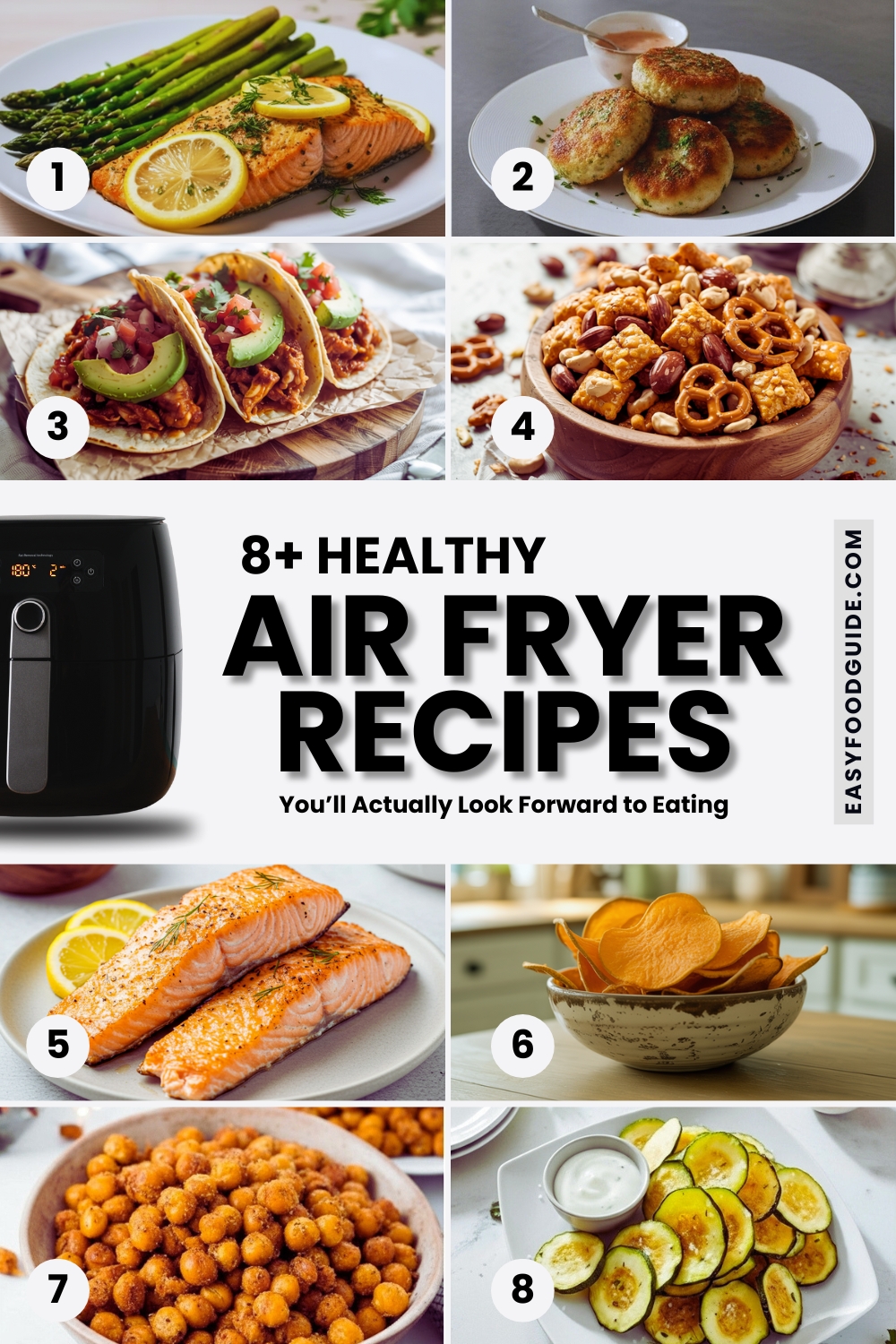
1. Air-fryer salmon with broccoli
Season salmon with lemon juice, black pepper, garlic powder, and dill. Cook it with broccoli florets, but check the salmon early because fish may finish before the vegetables.
Serve with brown rice, quinoa, or a whole-grain roll.
2. Crispy tofu bowls
Press firm tofu to remove excess water. Cut it into cubes and toss it with a small amount of oil, pepper, garlic, and low-sodium soy sauce.
Serve the tofu over brown rice with cabbage, carrots, cucumber, or edamame.
3. Chicken and vegetable fajitas
Slice chicken, bell peppers, and onions into even strips. Add chili powder, cumin, garlic, and lime juice.
Cook until the chicken reaches 165°F. Serve in whole-wheat tortillas or over lettuce with black beans.
4. Air-fryer sweet potato wedges
Cut a sweet potato into evenly sized wedges. Toss with a small amount of oil, paprika, and black pepper.
Pair the wedges with black bean burgers, grilled chicken, or plain Greek yogurt mixed with lime and herbs.
5. Turkey meatballs
Mix lean ground turkey with oats, egg, onion, garlic, and parsley. Form small meatballs so they cook evenly.
The center should reach 165°F. Serve with tomato sauce and whole-wheat pasta or roasted vegetables.
6. Crispy chickpeas
Drain and rinse canned chickpeas. Dry them well with a clean towel, then season with cumin, paprika, and pepper.
Use them as a salad topping, snack, or filling for a grain bowl. Canned chickpeas can contain a lot of sodium, so choose a no-salt-added type when available or rinse them well.
7. Air-fried fish tacos
Use cod, pollock, or another firm fish. Add a light coating of whole-wheat breadcrumbs, paprika, and garlic.
Serve in corn tortillas with cabbage, salsa, and avocado. Avoid adding too much creamy sauce.
8. Breakfast egg bites
Whisk eggs with spinach, mushrooms, tomatoes, and a small amount of cheese. Pour the mixture into silicone cups made for cooking.
Cook until the eggs are firm. Keep the cups away from the heating element and follow the air fryer maker’s instructions.
9. Apple slices with cinnamon
Slice an apple and add cinnamon. You can add a few chopped walnuts after cooking.
This makes a simple dessert without deep-frying. Keep added sugar small, since apples already provide natural sweetness.
10. Air-fried green beans
Toss green beans with a little oil, garlic, and lemon zest. Cook until tender with browned edges.
Serve them with baked chicken, lentils, or grilled fish.
11. Stuffed bell peppers
Fill halved bell peppers with cooked quinoa, black beans, corn, tomatoes, and a small amount of cheese.
Air fry until the peppers soften and the filling is hot. This is a useful meatless meal with fiber and plant protein.
12. Crispy cauliflower
Coat cauliflower lightly with oil and spices. For a crisp coating, use a small amount of whole-wheat breadcrumbs.
Serve it with hummus, a bean dish, or a lean protein. A thick cheese sauce can add a lot of saturated fat and sodium.
13. Air-fryer fajita shrimp
Toss peeled shrimp with peppers, onions, chili powder, garlic, and lime. Shrimp cooks fast, so check it early.
Cooked shrimp should be firm and opaque. Serve with brown rice, corn tortillas, or a side salad.
14. Zucchini and corn fritters
Mix grated zucchini, corn, egg, oats, and herbs. Form small patties and cook until firm and browned.
Use plain yogurt with lemon as a dip instead of a heavy dressing.
15. Roasted pears
Halve pears and remove the cores. Add cinnamon and chopped pecans.
Cook until tender. Serve with plain Greek yogurt for more protein.

How to Cook Healthy Food in an Air Fryer
Use these steps for most healthy air fryer recipes.
1. Start with the right food
Choose fresh or frozen ingredients with little added sugar, sodium, or saturated fat. If you use a packaged food, read the Nutrition Facts label.
A “light” coating does not always mean low sodium. Compare serving sizes and sodium amounts between brands.
2. Cut food into even pieces
Food cooks more evenly when pieces are close in size. Thick pieces may brown on the outside before the center is done.
For vegetables, aim for pieces of similar thickness. For meat, flatten very thick sections or use smaller cuts.
3. Dry the surface
Pat vegetables, tofu, and meat dry before seasoning. This helps the food brown and can improve crispness.
For frozen vegetables, remove loose ice if needed. Do not thaw meat on the counter. Thaw it safely in the refrigerator, in cold water, or in a microwave followed by immediate cooking, as recommended by the USDA.
4. Use a small amount of oil
A light coating is often enough. Use an oil with a flavor you enjoy, such as olive, avocado, or canola oil.
Do not pour loose oil into the air fryer drawer unless the manual allows it. Excess oil can smoke and may create a fire risk.
5. Leave space around the food
Hot air must move around the food. An overcrowded basket may produce soft, uneven results.
Cook in batches when needed. A full basket may save time at the start but can require more cooking time overall.
6. Shake or turn food
Shake small foods, such as vegetables and chickpeas, during cooking. Turn larger pieces halfway through.
Do not shake the basket near an open flame or hot burner. Use the air fryer’s handle and protect your hands from hot steam.
7. Check doneness
For meat, poultry, and seafood, check the thickest part with a food thermometer. The probe should not touch bone or the basket.
The USDA lists these minimum internal temperatures:
- Poultry: 165°F
- Ground meats: 160°F
- Fish: 145°F
- Whole cuts of beef, pork, veal, and lamb: 145°F, followed by a three-minute rest
These temperatures apply in the United States and are for food safety, not texture alone.

How Much Oil Should You Use?
Most air fryer foods need only a light coating of oil, and some need none. The amount depends on the food and the texture you want.
Vegetables may need a small amount to improve browning. Tofu often benefits from a light coating because its surface can dry during cooking. Frozen foods may already contain oil, so check the package label before adding more.
A spray can help spread a thin layer, but avoid aerosol sprays that may damage some nonstick coatings. Use an oil mister or follow the air fryer manufacturer’s instructions.
The main health benefit comes from replacing deep frying, not from removing all fat. Unsaturated fats from foods such as olive oil, avocado, nuts, and seeds can fit into a balanced eating pattern. You still need to watch portions because oil is energy-dense.
Air Fryer Foods to Limit
Some foods are best kept occasional, even when cooked in an air fryer.
Limit:
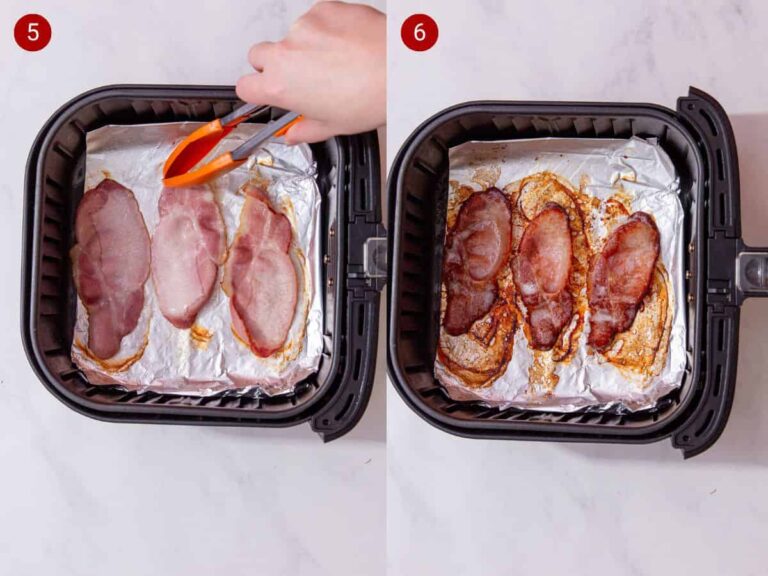
- Bacon and sausage
- Frozen breaded chicken
- Pizza rolls and similar snacks
- Large portions of fries
- Cheese-filled appetizers
- Sugary pastries
- Heavily salted packaged foods
- Foods coated with a large amount of butter or oil
Air frying can change the cooking method, but it does not remove the sodium, refined flour, added sugar, or saturated fat already in the food.
You also do not need to avoid all potatoes or breaded foods. Portion size and the rest of the meal matter. Pair a modest serving with vegetables and a lean protein.

Common Healthy Air Fryer Mistakes
Overcrowding the basket
Crowding traps steam. The food may cook, but it may not become crisp.
Fix: Leave gaps between pieces or cook in batches.
Using too much oil
Extra oil can make food greasy and create smoke.
Fix: Toss food in a bowl before cooking. This spreads oil more evenly than pouring it into the basket.
Adding wet batter
Traditional wet batter may drip through the basket and make a mess. It may also fail to set properly.
Fix: Use a dry coating, such as whole-wheat breadcrumbs, or follow a recipe made for air frying.
Cooking food only by appearance
Brown food is not always safe food. Chicken can look done while the center remains undercooked.
Fix: Use a clean food thermometer for meat, poultry, and seafood.
Ignoring the manual
Air fryers vary in size, power, basket design, and temperature control.
Fix: Read the manufacturer’s guidance for preheating, cookware, cleaning, and safe materials.
Forgetting food allergies
Shared baskets can transfer allergens. This matters when cooking foods that contain peanuts, tree nuts, milk, wheat, eggs, soy, or shellfish.
Fix: Clean the basket well and prevent cross-contact when cooking for someone with an allergy.
Burning food
High heat can burn thin foods, spices, or sugary sauces.
Fix: Check food early. Add sweet sauces near the end rather than at the beginning.

Is Air-Fried Food Healthier Than Deep-Fried Food?
Air-fried food is often a better choice than deep-fried food because it uses much less oil. This can reduce the fat added during cooking.
That comparison does not make air frying equal to steaming, baking, or roasting in every case. A breaded food is still breaded, and a salty frozen snack is still salty.
The most useful comparison is based on the full meal:
- Air-fried vegetables are usually a nutrient-rich choice.
- Air-fried salmon can provide protein and beneficial unsaturated fat.
- Air-fried chicken may be a lighter option than deep-fried chicken if the coating and portion are modest.
- Air-fried packaged snacks may still be high in sodium and refined starch.
Air frying is a cooking tool. The ingredients and serving size determine most of the meal’s nutrition.

Healthy Air Fryer Meal Formula
Use this simple formula when you want to create a meal without a recipe:
- Choose a protein.
- Add two types of vegetables.
- Include a high-fiber carbohydrate if needed.
- Use a small amount of oil.
- Add herbs, spices, citrus, or vinegar for flavor.
- Check safe internal temperature when required.
Examples:
- Salmon + asparagus + quinoa
- Chicken + peppers + brown rice
- Tofu + broccoli + soba noodles
- Chickpeas + cauliflower + whole-grain pita
- Turkey meatballs + zucchini + whole-wheat pasta
This formula helps prevent the most common problem with air fryer meals: eating a large serving of one crisp food without enough protein, vegetables, or fiber.

Key takeaways:
- Choose vegetables, seafood, lean poultry, tofu, beans, and fruit most often.
- Use a light coating of oil instead of deep frying.
- Do not overcrowd the basket.
- Use a food thermometer for meat, poultry, and seafood.
- Remember that air frying does not make highly processed food nutrient-dense.
- Build a full meal rather than relying on one crispy side dish.
FAQs About Healthy Air Fryer Food
What is the healthiest thing to cook in an air fryer?
Vegetables, fish, tofu, beans, and lean poultry are among the healthiest choices. The best option depends on your overall diet and needs. A simple meal of air-fried broccoli, salmon, and brown rice provides vegetables, protein, and fiber.
Can I cook vegetables in an air fryer without oil?
Yes. Many vegetables cook well without oil, especially frozen vegetables and naturally moist vegetables such as zucchini and mushrooms. A small amount of oil can improve browning and help seasoning stick, but it is not always required.
Is air-fried chicken healthy?
Air-fried chicken can fit into a healthy diet when you use a modest portion, limit salty breading, and cook it to 165°F. Skinless chicken may contain less fat than chicken with the skin, but the full recipe and serving size still matter.
Are air-fried potatoes healthy?
Potatoes provide carbohydrates and nutrients, and they can fit into a balanced diet. Air-fry them with a small amount of oil and keep added salt moderate. Pair them with vegetables and protein instead of treating a large serving of fries as the whole meal.
Can frozen vegetables go in an air fryer?
Yes. Frozen vegetables can be convenient and nutritious. They may release water while cooking, so avoid crowding the basket. Shake them during cooking and season after excess moisture has evaporated.
Should I preheat an air fryer?
Preheating may help some foods brown more quickly, but it is not needed for every recipe. Follow the air fryer’s manual and the recipe instructions. Reduce the cooking time slightly if your model heats very quickly.
How do I make air fryer food crispy without excess oil?
Dry the food, use a light coating, avoid crowding, and turn or shake it during cooking. A dry coating such as breadcrumbs often crisps better than a wet batter. Let cooked food rest on a rack rather than stacking it, since trapped steam can soften the crust.
Conclusion
The healthiest foods to make in an air fryer are vegetables, seafood, lean poultry, tofu, beans, potatoes, and fruit. Use the air fryer to add color and crisp texture with less oil, but judge the meal by its ingredients, portion, sodium, and balance.
Start with broccoli, salmon, tofu, chickpeas, or sweet potato wedges. Keep the basket uncrowded, check safe temperatures, and add a vegetable to most meals. That simple approach makes air frying a useful part of a healthy American kitchen.