Healthy Non Toxic Air Fryer: Safe Cooking Guide
A healthy non toxic air fryer uses safer food contact materials and less oil without promising risk free cooking.
A healthy non toxic air fryer can make crisp meals with far less oil, but the safest choice depends on its materials, heat control, and care. After comparing air fryer designs, coatings, cooking temperatures, and everyday use habits, I have found that “non toxic” is not a regulated guarantee. This guide explains what to look for, what to avoid, and how to use an air fryer with confidence.

What Is a Healthy Non Toxic Air Fryer?
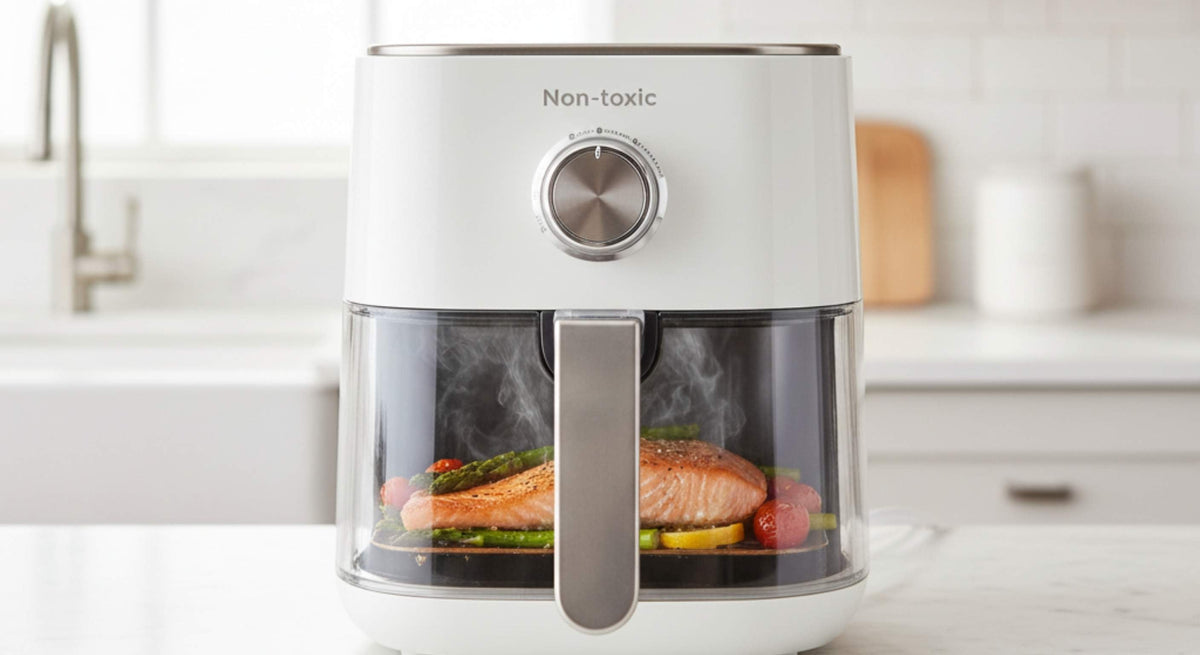
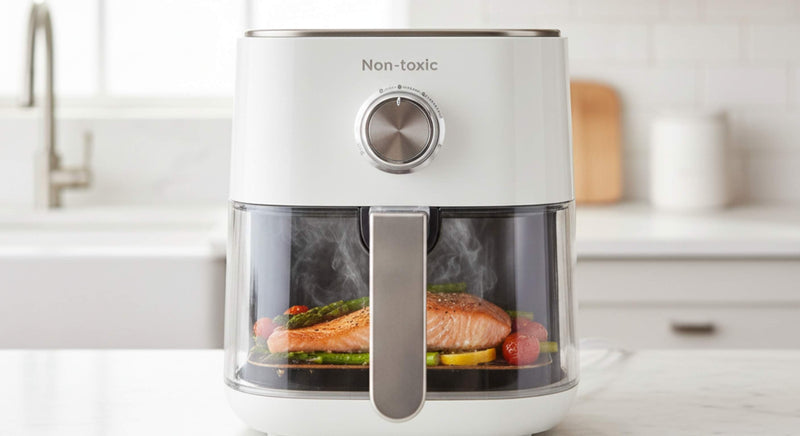
A healthy non toxic air fryer is a countertop convection oven designed to cook food with fast, hot air instead of deep oil. It usually has a cooking basket, a heating element, and a fan that moves air around the food.
The phrase “non toxic” needs careful context. No appliance can promise zero risk in every situation. However, you can choose a model with safe food contact materials, stable temperature control, and clear safety testing.
A strong healthy non toxic air fryer often includes:
• A stainless steel cooking basket or tray
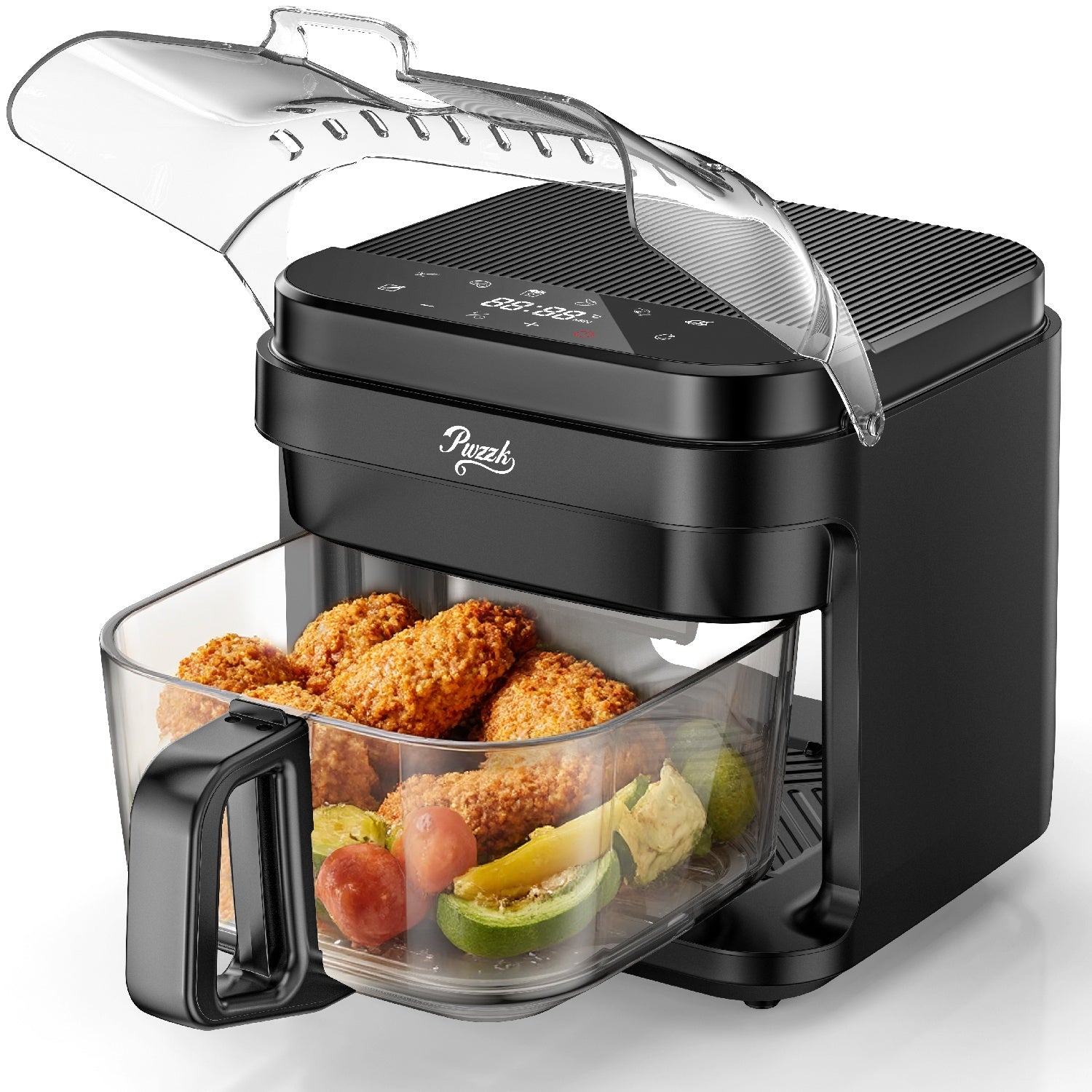
• A glass cooking bowl with no interior coating
• A clearly labeled ceramic coating
• A PTFE free and PFAS free cooking surface
• Heat resistant parts that do not touch food
• Reliable temperature controls
• A design that is easy to clean without harsh chemicals
Air frying may also support a healthier diet because it can reduce the need for deep frying. A review in food science research found that air frying can lower fat content in some foods compared with traditional deep frying. Still, the final health value depends on the food itself. Air fried vegetables are not the same as air fried processed snacks.

Why Material Safety Matters
The basket and tray touch your food during cooking. At high heat, poor materials may scratch, peel, stain, or release unwanted substances. This is why material safety is one of the most important parts of choosing a healthy non toxic air fryer.
Many air fryers use nonstick coatings. Some contain PTFE, a type of fluoropolymer. Modern PTFE cookware is generally considered safe when used as directed and kept below extreme temperatures. The main concern is overheating an empty coated surface, especially at temperatures far beyond normal air frying.
PFAS is a larger family of chemicals. PTFE belongs to this broad chemical group, although the terms are not always used clearly in product marketing. If you want to avoid fluorinated coatings, look for clear wording such as “PFAS free,” “PTFE free,” and “fluoropolymer free.”
Ceramic coatings can be another option. Yet “ceramic” may describe only a thin coating over a metal basket. It does not always mean the entire basket is solid ceramic. Look for a full materials statement instead of relying on a front label.
The most straightforward choices are often:
• Uncoated stainless steel
• Borosilicate glass
• Food grade silicone used in small, heat safe parts
• A verified ceramic surface with clear care instructions
A stainless steel basket may stick more than a coated basket. That is a tradeoff, not a failure. Light oil, parchment made for air fryers, and proper preheating can help.

Is Air Frying Healthier Than Deep Frying?
In many cases, yes. Deep frying leaves food surrounded by hot oil, so the food can absorb a large amount of fat. Air frying uses a small amount of oil brushed or sprayed onto the food.
This can lower calories from added fat. The reduction varies by recipe, cooking time, food type, and how much oil you use. Air frying frozen fries, for example, may use less oil than deep frying, but the fries can still contain a lot of sodium and refined starch.
Air frying may also produce fewer harmful compounds than deep frying in some foods. However, high heat can still create acrylamide, especially in starchy foods such as potatoes. Acrylamide forms when certain sugars and amino acids react during browning.
You can reduce excessive browning by:
• Cooking potatoes until golden instead of very dark
• Soaking cut potatoes in water before cooking
• Avoiding very high heat for long periods
• Checking food near the end of the cooking cycle
• Following tested recipes rather than guessing
An air fryer is a cooking tool, not a health treatment. A healthy non toxic air fryer can support better cooking habits, but it cannot turn bacon, sugary pastries, or heavily processed foods into health foods.
Safest Materials to Look For
Stainless steel
Stainless steel is durable, easy to inspect, and free from a nonstick coating. It can be a practical choice for people who want a healthy non toxic air fryer with fewer material questions.
Check whether the basket is truly stainless steel. Some products use a thin stainless steel surface over another metal. That is not automatically unsafe, but the product should state its materials clearly.
Glass
Glass cooking chambers are easy to see and do not require a chemical nonstick layer. Heat resistant borosilicate glass is commonly used in kitchen appliances.
Glass can be heavy and may break if dropped or exposed to sudden temperature changes. Do not pour cold water into a hot glass bowl.
Ceramic coating
Ceramic coatings can offer a smooth cooking surface without traditional PTFE. Their main weakness is wear. Scratches, harsh scrubbing, and high heat may reduce the life of the coating.
A healthy non toxic air fryer with a ceramic basket should include care instructions. Use wood, silicone, or plastic utensils approved for high heat. Replace the basket when the coating flakes or peels.
Silicone
Food grade silicone may appear on handles, seals, feet, or small cooking accessories. High quality silicone is generally stable within its stated temperature range.
Avoid unknown silicone liners with no temperature rating. A liner should also allow enough airflow for the air fryer to work well.
Materials and Features to Avoid
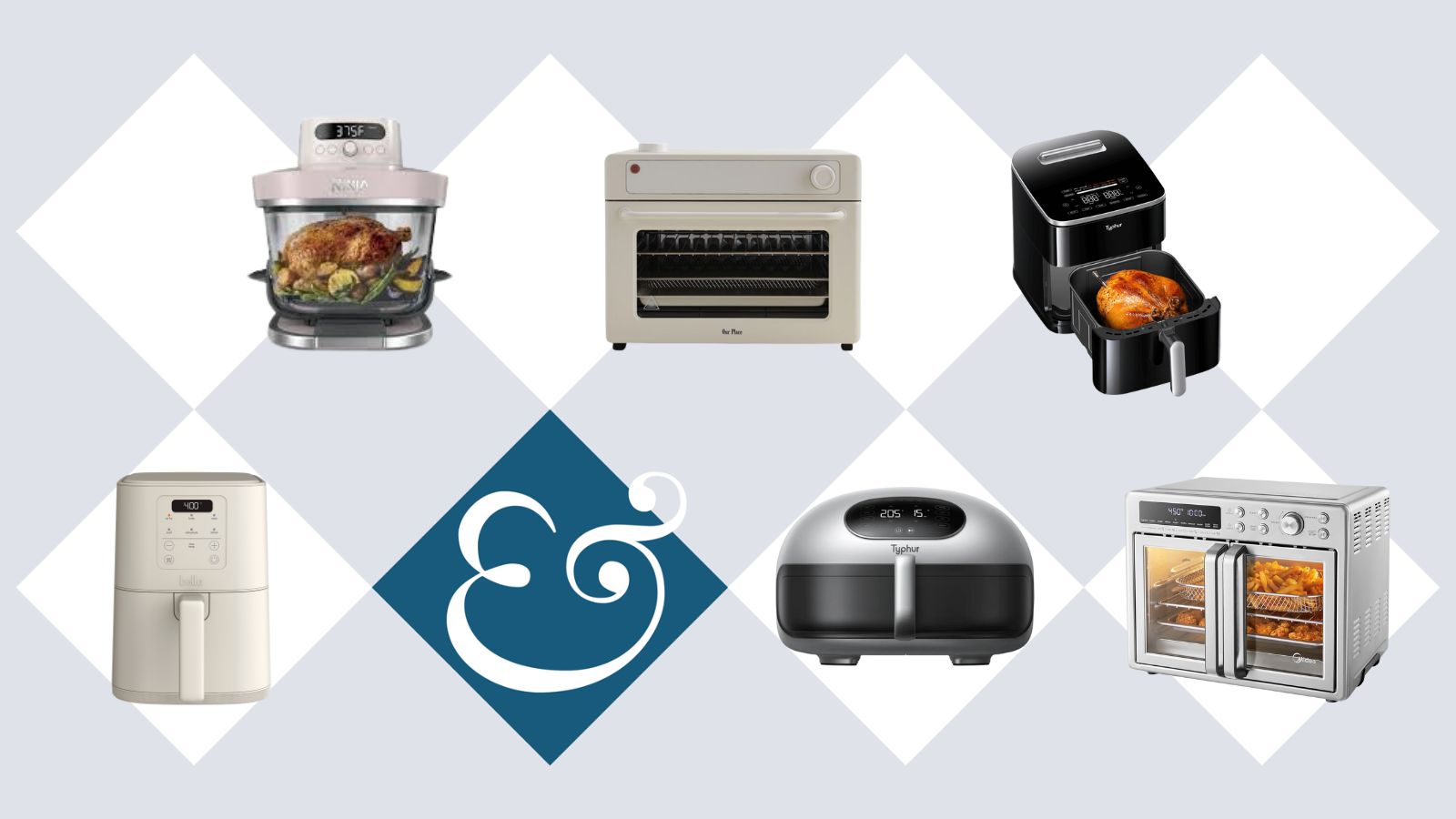
Marketing terms can sound reassuring but may not tell the full story. “Green,” “natural,” and “healthy” do not prove that a product is free from unwanted chemicals.
Be cautious when a product:
• Does not list basket or tray materials
• Makes “non toxic” claims without test details
• Uses a coating that flakes after light use
• Has a strong chemical smell that remains after washing
• Gives no maximum temperature or safety instructions
• Includes accessories with no food contact information
• Uses vague terms such as “stone” without a material description
• Has a damaged power cord, plug, basket, or heating area
A chemical smell during the first use may come from manufacturing residue. Wash the removable parts, ventilate the room, and run the empty unit only if the manual allows it. If the smell continues, contact the manufacturer rather than cooking food in it.
Never use an air fryer with peeling coating. Small flakes are unpleasant, and damage can expose the underlying metal. A damaged basket is not worth saving.
How to Choose the Best Healthy Non Toxic Air Fryer
Use this checklist before buying:
-
Read the full materials statement. Look for stainless steel, glass, or a clearly identified ceramic surface.
-
Check coating claims. If you want to avoid fluorinated coatings, confirm both PTFE free and PFAS free wording.
-
Review the temperature range. A useful unit should provide stable settings without encouraging extreme heat.
-
Inspect the basket design. Food should sit in a removable basket or tray that is simple to wash.
-
Look for safety certifications. Independent electrical testing marks can show that the appliance met basic electrical safety standards in its market.
-
Check replacement parts. A replaceable basket can extend the life of the appliance and reduce waste.
-
Consider the cooking size. A basket that is too small may force overcrowding, while an oversized model may waste counter space and energy.
-
Read the care guide. Avoid products that require confusing or unsafe cleaning steps.
-
Check the warranty and company contact details. A trustworthy brand should make support easy to find.
-
Avoid relying on online star ratings alone. Read reviews for peeling, smoke, odor, temperature accuracy, and basket wear.
In my comparisons, clear product information is one of the best signs of a responsible manufacturer. A simple stainless steel model with honest details can be a better choice than a heavily advertised product with unclear materials.
How to Use a Healthy Non Toxic Air Fryer Safely
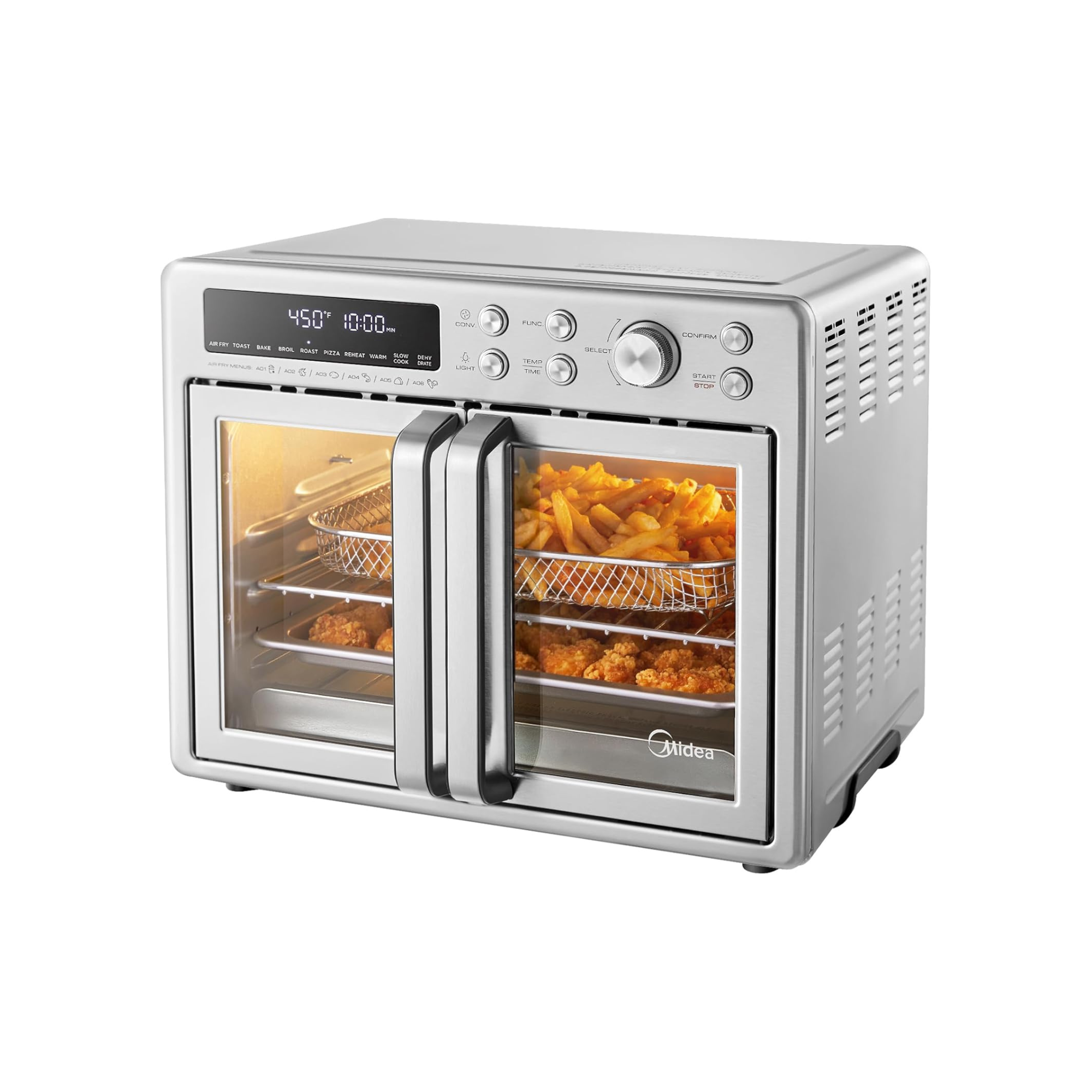
Safe use matters as much as the appliance itself. Even a well made healthy non toxic air fryer can become unsafe if it is crowded, overheated, or poorly cleaned.
Follow these practical steps:
• Place the air fryer on a stable, heat resistant surface
• Keep space around the vents
• Do not cover the air intake or exhaust
• Never operate it under a cabinet unless the manual permits it
• Avoid running a coated basket empty at extreme heat
• Use the temperature and time in the recipe
• Do not fill the basket beyond its recommended level
• Turn food carefully with silicone or wooden tools
• Unplug the unit before cleaning
• Let the basket cool before washing
Crowding blocks airflow. Food may cook unevenly, stay soft, and require longer heating. A single layer usually gives better browning than a packed basket.
Do not use aerosol cooking sprays unless the manufacturer says they are suitable. Some sprays contain ingredients that can damage nonstick surfaces over time. An oil mister filled with a suitable cooking oil is often a better option.
Never put loose parchment paper in the basket during preheating. The fan can lift it into the heating element. Use parchment only when food weighs it down, and choose products made for air fryer temperatures.

Cleaning and Maintaining the Basket
Good cleaning protects both food quality and the cooking surface. Let the appliance cool, then remove crumbs and grease after each use.
For routine cleaning:
-
Remove the basket and tray.
-
Soak them in warm water with mild dish soap.
-
Use a soft sponge or soft brush.
-
Rinse well and dry fully.
-
Wipe the inside with a damp cloth.
-
Check the heating element for stuck food.
Avoid steel wool, abrasive powders, metal scrapers, and harsh oven cleaner. These can scratch stainless steel and damage coatings.
Do not submerge the main electrical unit. Grease near the heating element can smoke during later use, so clean it as the manual directs.
One mistake I often see is letting grease build up for weeks because the basket still “looks fine.” Old grease can create smoke and unpleasant flavors. A two minute clean after cooking is much easier than removing baked on residue later.
Healthy Foods to Make in an Air Fryer
A healthy non toxic air fryer works best when it helps you cook more whole foods at home. It can roast, crisp, and reheat many ingredients with little added oil.
Good choices include:
• Broccoli, cauliflower, carrots, and Brussels sprouts
• Fresh or frozen green beans
• Salmon, cod, shrimp, and chicken
• Tofu and tempeh
• Chickpeas and other cooked beans
• Small potatoes with the skin on
• Homemade turkey or vegetable patties
• Apples, pears, and other firm fruit for a warm dessert
For balanced meals, fill half your plate with vegetables, add a protein source, and include a high fiber carbohydrate when needed. The air fryer can handle one part of the meal while you prepare a salad or grain on the stove.
Watch added salt, sugar, and breading. A food can be air fried and still be high in sodium or refined carbohydrates. Seasonings such as garlic, paprika, black pepper, herbs, and lemon can add flavor without much salt.
Common Limitations and Mistakes
Air frying is useful, but it is not perfect. Most countertop models cook small amounts. A family may need several batches, which can take more time than using a full oven.
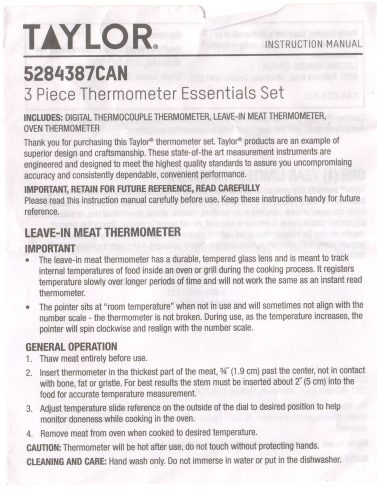
Air fryers can also dry lean meat. A thermometer is more reliable than color when checking doneness. Poultry should reach a safe internal temperature according to public food safety guidance.
Another limitation is uneven cooking. Thick pieces, wet batter, and overcrowded baskets can lead to a burned outside and raw center. Cut food into similar sizes and shake or turn it halfway through cooking.
Do not assume every “ceramic” air fryer is completely free from PFAS. Ask the manufacturer for the exact coating details. If the answer is unclear, choose an uncoated stainless steel or glass design.
Finally, “non toxic” is not a legal promise that covers every brand equally. Treat it as a buying goal, not proof of absolute safety. Clear materials, tested construction, sensible heat use, and regular inspection provide a more realistic standard.
Healthy Non Toxic Air Fryer Buying Guide by User Type
For families
Choose a larger basket, strong temperature control, and easy to clean parts. A model with dishwasher safe removable pieces may save time, but confirm that the manufacturer approves dishwasher use.
For small kitchens
A compact stainless steel or glass air fryer may fit better. Measure the counter and storage space before ordering. Remember to include room for airflow.
For people avoiding PFAS
Look for an uncoated stainless steel basket or glass cooking chamber. Confirm that any tray, rack, and accessory that touches food also meets your preference.
For frequent cooks
Prioritize replacement baskets, a solid warranty, accurate controls, and a durable cooking chamber. A slightly higher purchase price may be worthwhile if the appliance lasts longer.
For beginners
Choose simple controls and clear recipes. Digital presets can help, but they are not always accurate for every food. Learn to check texture, internal temperature, and browning instead of trusting a button alone.
Frequently Asked Questions About a Healthy Non Toxic Air Fryer
Is an air fryer safe to use every day?
Yes, an air fryer can be used regularly when it is in good condition and operated as directed. Vary your meals, limit heavily processed foods, and avoid excessive browning.
What is the safest air fryer material?
Uncoated stainless steel and heat resistant glass are among the simplest choices for people who want to avoid nonstick coatings. A verified ceramic coating can also work when it is intact and clearly labeled.
Are ceramic air fryers free from toxins?
Not always. “Ceramic” may refer only to a surface coating, so check whether the product is PFAS free and PTFE free if those features matter to you.
Does an air fryer release toxic fumes?
Normal use should not create dangerous fumes when the appliance is well made and used within its temperature limits. Overheating an empty coated basket, burning grease, or using a damaged appliance can create smoke and odors.
Can I use parchment paper in a non toxic air fryer?
Yes, but use parchment made for high heat and keep it under food so it cannot reach the heating element. Never place loose parchment in the basket during preheating.
Is air fried food healthier than baked food?
Both methods can be healthy. Air frying often cooks food faster and may create a crisp texture with less oil, while baking is useful for larger portions and foods that need gentle, even heat.
How often should I replace an air fryer basket?
Replace it when the basket is badly scratched, peeling, warped, or difficult to clean. There is no fixed schedule because the service life depends on the material and how you use it.
Conclusion
A healthy non toxic air fryer should have clear material information, dependable heat control, safe construction, and a basket that remains intact. Stainless steel and glass offer simple options, while ceramic may work well when the coating is clearly identified and carefully maintained.
Use moderate heat, avoid overcrowding, clean the appliance after each use, and treat “non toxic” as a careful buying standard rather than an absolute promise. Compare materials and safety details before you buy, then share your favorite air fryer recipes or questions in the comments.